How a Tire Company Accidentally Became the Culinary World's Ultimate Stamp of Approval
The Michelin Guide was originally created to spike up sales in car tires.
by Jam Nitura
Published on
The Michelin Guide released its inaugural Philippine list this year, recognizing 108 restaurants all over Manila, its surrounding areas, and Cebu. Long before it debuted in the country, the coveted guide has been around since the 1900s, toting stamps of approval that serve as prestigious honors for chefs and restaurants across the globe.
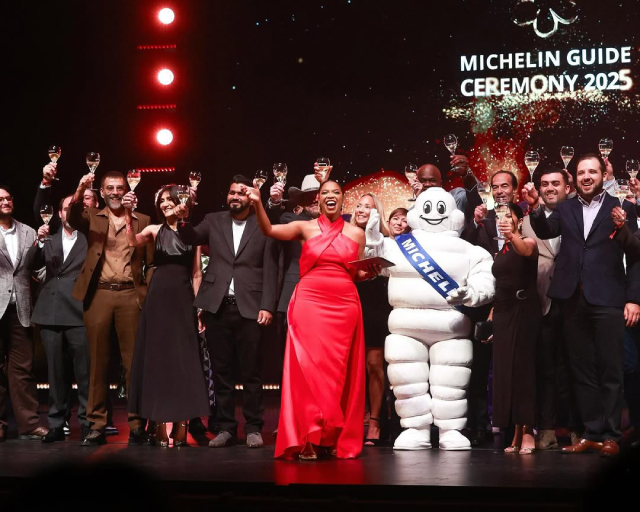
But you may be wondering: Isn’t Michelin a tire company? Yep, you’re completely right; the famed Michelin Man posing beside car wheels is the same Michelin Man awarding restaurateurs on stage every year. So the question remains, how did a tire business’ golden thumbs up become the elusive dream and desire of the culinary world?
The Michelin Guide and How it Came to Be
It all started in the 19th century when brothers André and Édouard Michelin founded a tire company in Clermont-Ferrand, back then a rural town the south of Paris. At the time, the automobile business was only starting to catch steam with fewer than 3,000 cars operating in France. This posed a problem to the brothers who had tires to sell but limited drivers who needed them.
The solution: a small, red book called the Michelin Guide. According to their website, it featured “information for travelers, such as maps, information on how to change a tire, where to fill up with fuel, and for the traveler in search of respite from the adventures of the day,” meaning a list of places to eat and sleep.
This pocket-sized travel manual was invented by the brothers to encourage more people to get in their cars and drive. The more they took to the road, the faster their tires would get worn out, hence, demand for car wheels would spike. Call it a longwinded marketing stunt that aged like fine wine.
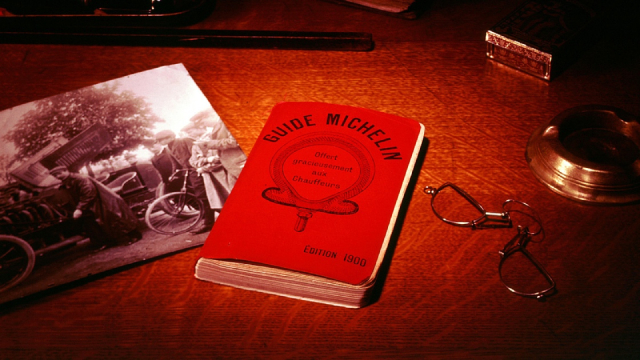
The brothers gave out the guide for free for the next two decades, until Andre Michelin saw it being defaced by another tire shop. The anecdote goes, the beloved book they came up with was being used to prop up a measly workbench. His ego bruised and believing that “man only truly respects what he pays for,” the brothers released an all-new Michelin Guide sold for seven francs in 1920.
This fresh edition included a list of hotels and restaurants in Paris. As the car business boomed along with it, the guide became an essential fixture in the hands of travelers. Come the late 1920s, the book’s restaurant recommendations became gospel as people flocked to its chosen establishments. With this newfound influence, the Michelin founders began hiring undercover diners, now known as inspectors, to anonymously review restaurants and add meat to their revered invention.
By 1926, they awarded one stars to the best food places, until it eventually became a three-star ranking system five years later. From then until now, their criteria remains the same: one star means it’s worthy of a stop, two stars denote it’s worth a detour, and three stars crown it as worth a special journey.
While there’s no evidence that the guide actually boosted Michelin’s tire sales, it did, however, manage to change the entire face of the culinary industry almost a century since its inception.