How Erwan Heussaff Champions the Stories That Make the Plate
Erwan Heussaff uses food as a lens to document the stories, communities, and culture that define the Philippines.

Published on Nov 24, 2025
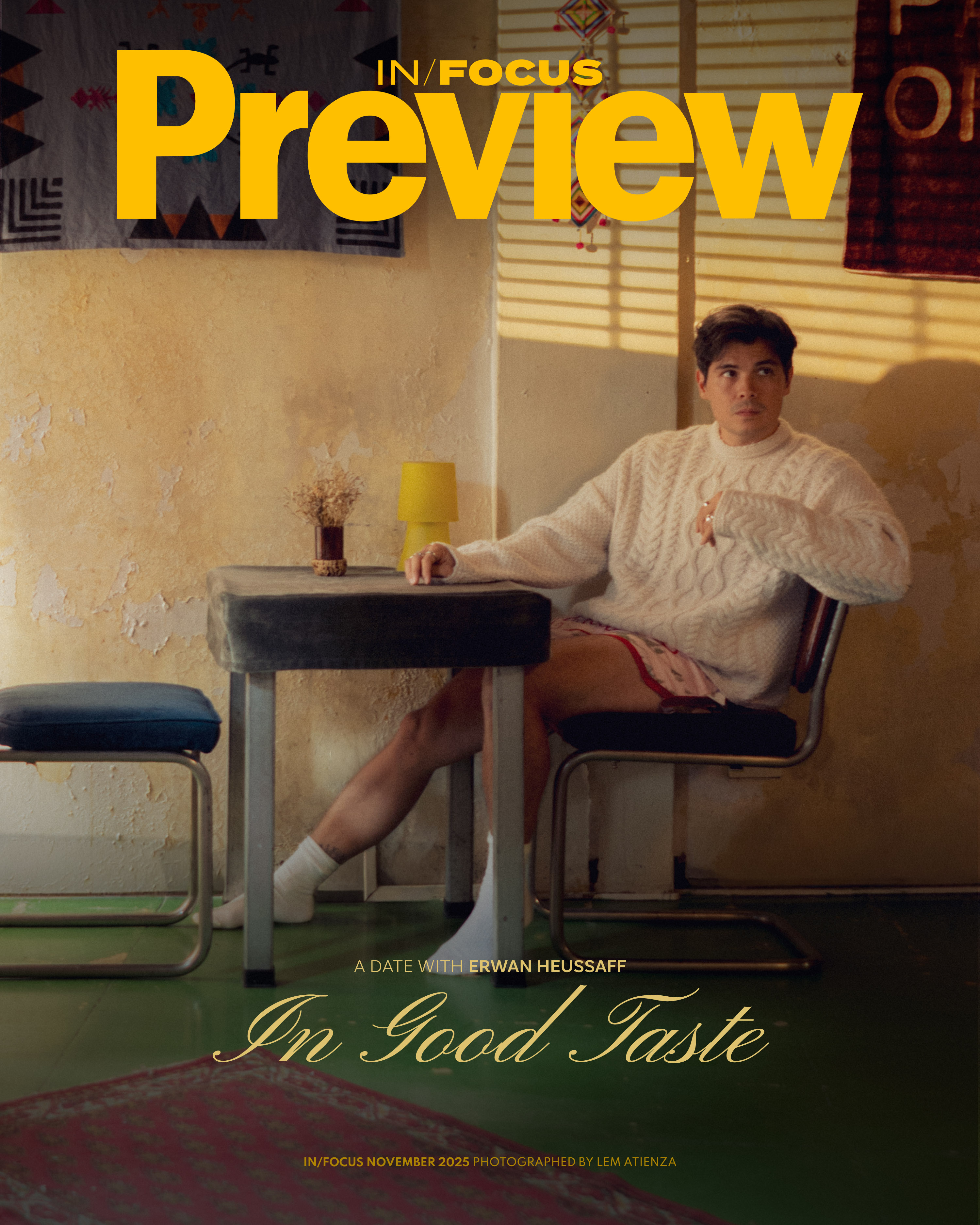
Erwan Heussaff sits comfortably at a makeshift “home,” house slippers on his feet, in a cafe in Mandaluyong, when he recounts how his connection with food sprouted into the behemoth that it is today. As a matter of fact, it did start at home–without the quotation marks.
The third and youngest kid in the family, Erwan recalls overhearing a conversation between his sister Vanessa and her friend at eight years old, where the topic was a recipe for salpicao. Later on, alone in the house and left to his own devices, his first encounter with experimentation began. “I ended up with garlic, onions, soy sauce, whatever,” he says. “That was the steak, and I remember it being quite good.”
The moment is what he considers one of his first “really strong food memories.” “I was like, ‘Cool, you can make something purely based on your memory of it.’ And you can fine-tune it to get close to that. But at the same time, it can be so subjective, and you can change it to how you like it,” Erwan recalls. “That’s when it really started for me—understanding that you can experiment with it and change things to fit your own perspective.”
Little did eight-year-old Erwan know that that time in the kitchen would, decades later, become a microcosm of sorts for how his life and career would take form. A similar instinct has driven the adult version of him to explore local cuisine in various ways, with his heightened curiosity and own unique interpretation. Filipino cuisine, as Erwan and the rest of the country insist, deserves its moment in the spotlight—but first, we seek to understand and chronicle it.
What We Think We Know About Filipino Food
If his successful attempt at salpicao would become the gateway to his affinity for cuisine, sinigang and Bicol Express led to a deeper pathway that uncovered local dishes and their nuances. In hindsight, Erwan recalls that it didn’t make sense to him that a packaged mix of sinigang dictated where their palate was going, when they had access to actual ingredients.
“I remember eating sinigang not from my mom or my lola, but in provinces and beaches, made with real green tamarind. It was so fresh and light and sour, but not pucker face sour,” he says. “As I started cooking, I realized everyone’s idea of sinigang was this extremely sour soup. And that threw me into the rabbit hole of understanding that Filipino food is really regional. Depending on where you are, the ingredients and the input change. And it’s very personal—everyone thinks their way is the right way.”

He positions Bicol Express in a similar way, recalling a time when he had made the dish with scallops, much to the angered cry of netizens who claimed that it was “untraditional.” Like he’s transported into that moment, he goes into a tirade about how the Bicol Express, centric to Manileño culture, doesn’t exist in its supposed region of origin, as there, in Bicol, it’s known as ginataan. “Most of the time it’s mostly sili and very little pork, which is a Manila invention. They make ginataan out of anything—stingray, shark, fish, dried fish. So who’s to say scallops shouldn’t be part of that?” he says. “It comes down to what your community catches, grows, harvests, and how they input that into their palate.”
It could be said that no one understands better how controversial opinions and interpretations of Filipino food can get, having been on the receiving end of others’ own online tirades. The topic becomes divisive due to the very nature of how our islands are formed, and so interpretations can create a chasm, as far as how our regions are distanced. Still, some similarities bind us.
“The common thread was this surviving notion of what Filipino food is,” he considers. “I hate to use the term resilience because of its negative connotation, but our food is borne out of that—borne out of hardship, out of making do with what you have, out of extending what you have.”
He puts forward the invention of sweet spaghetti and banana ketchup, citing works of Filipino food writer and cultural historian Doreen Fernandez. In the precolonial area, early Filipinos made do with what was around them and turned it into something palatable. “Then you have waves of oppression and colonization coming through—how do you navigate those new influences and adapt them into what you like to eat?” Erwan says. “We took something and said, ‘You want us to convert to your style? We’ll do it, but on our own terms. Adaptability—our palates, our recipes—that’s key. No two adobos, no two sinigangs are the same.”
The trigger-happy ways Filipino netizens get about the topic of food can also stem from the lack of education about the subject. “Food is controversial because it’s based on assumptions. You can’t define it,” he states. “People not well-versed or who don’t take time to research become defensive over their lack of knowledge. The most learned food people I’ve also met say, ‘I don’t know.’”
It’s in that sense that Erwan realized there is an information gap about food in the Philippines—an irony given how rich the country’s cuisine is, with nuances and complexities that span its many islands. To truly know it, how better to uncover than by going on the ground?
The Work of Witnessing
Out of the remnants of his blogging days with The Fat Kat Inside, which focused on healthy, weight-loss-centric dishes, Featr would soon come, which Erwan considers a “complete 360.”
Whether or not he’s on camera, the YouTube channel delves into the food culture of the Philippines, often even undiscovered by its citizens. Erwan wouldn’t go as far as saying that the platform “clears up” the informational gap in the country, but they hope to be a conduit.
“We observe and communicate what we see. And then we see where we can create impact,” he says. “If we see ingredients disappearing or traditions being forgotten, we make stories and documentaries to showcase the importance—both to the communities making them, who often don’t think what they do is special, and to the public who has no knowledge about it.”
He points out Featr’s famous series on Asín tibuók, Bohol’s rare artisanal sea salt, crafted through the intricate process of filtering seawater through ashes. Prior to the channel documenting this, it was on the verge of extinction, given its niche status and arduous procedures.
“Then suddenly, we weren’t the only ones contributing,” Erwan recalls. The Asín tibuók, with the original video now having 3.2 million views on YouTube since 2021, began to rise from the ashes. Other media outlets covered it, restaurants started carrying the rare salt, and its locations became a stop on tours. “Eventually, you don’t know who started the movement anymore, which is how a flywheel should work. That made me realize there’s real power here—social media can create economic viability.”
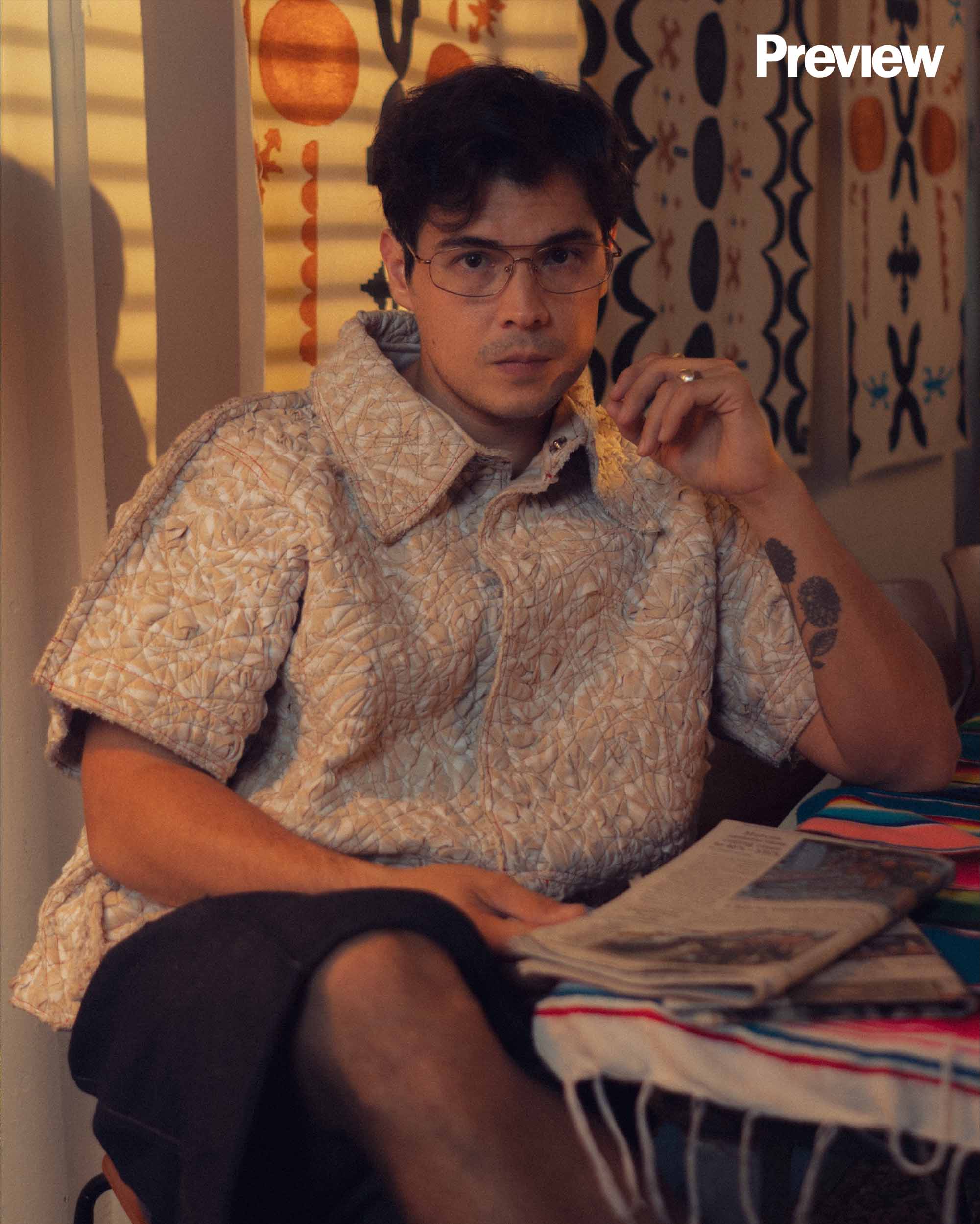
Weeks after this interview, the Michelin Guide made its debut in the Philippines. Since then, many have debated its merit, as Filipinos grapple with the idea of an international body serving as an arbiter of our local cuisine. Western validation is something the nation continues to reckon with, yet others have noted the benefits the guide brings. One example, as Erwan and many point out, is the line that snakes outside Morning Sun Eatery, a humble carinderia in Quezon City awarded the Michelin Bib Gourmand.
“I agree, we don’t need that validation. But that’s not really the point,” Erwan noted in an Instagram post. “I see [The Michelin Guide] as another platform. One that helps promote the Philippines as a dining destination, it reinforces Filipino food on the international map but it also reminds us of what we have… That’s what it does: It amplifies.”

When we think about it, this is the flywheel in motion. Platforms like Featr and The Michelin Guide amplify the works of these restaurants and carinderias that have often lingered under the radar, even to the condescension of their own people. But the amplification–and the boost in its profits–inspire it to keep moving forward. “When people start caring, they feel proud. Then diners feel proud,” he tells us. “Ten years ago, that mindset wasn’t there. Now people see the value and it’s starting.”
On Being a Champion for Filipino Cuisine
It wasn’t too long ago that Erwan made headlines, after his appearance in the Netflix food series Somebody Feed Phil, where host Phil Rosenthal bestowed him with a new title: a “champion of Filipino food.”
Like on cue, local internet was abuzz. Some celebrated it, pointing out his extensive work with Featr and his prestigious James Beard award, while some questioned the moniker. There was an aspect of it lost in translation, as Erwan lightly laughs when the topic is brought up. “I think a lot of it stemmed from the misunderstanding of the word ‘champion.’ Anyone commenting on that—I wasn’t even going to deal with it. If you don’t understand the concept of ‘champion,’ we can’t have a conversation,” he says matter-of-factly.

Much of the criticism Erwan faced came from his mixed heritage—French and Filipino—and his imperfect Tagalog. “I always tell people: two things can be true at the same time. I can suck at Tagalog, but I can also love the country and research the food,” he says.
If there were pillars of Filipino-ness, cuisine was one that tied Erwan to his. “Language is a pillar of identity. Culture is a pillar of identity. That’s why I got interested in food—it felt like a third way of solidifying culture and love for the country. All those things can be true at the same time. One isn’t a prerequisite for the other. Everyone should put in the work and learn more, whether or not they speak Tagalog.”
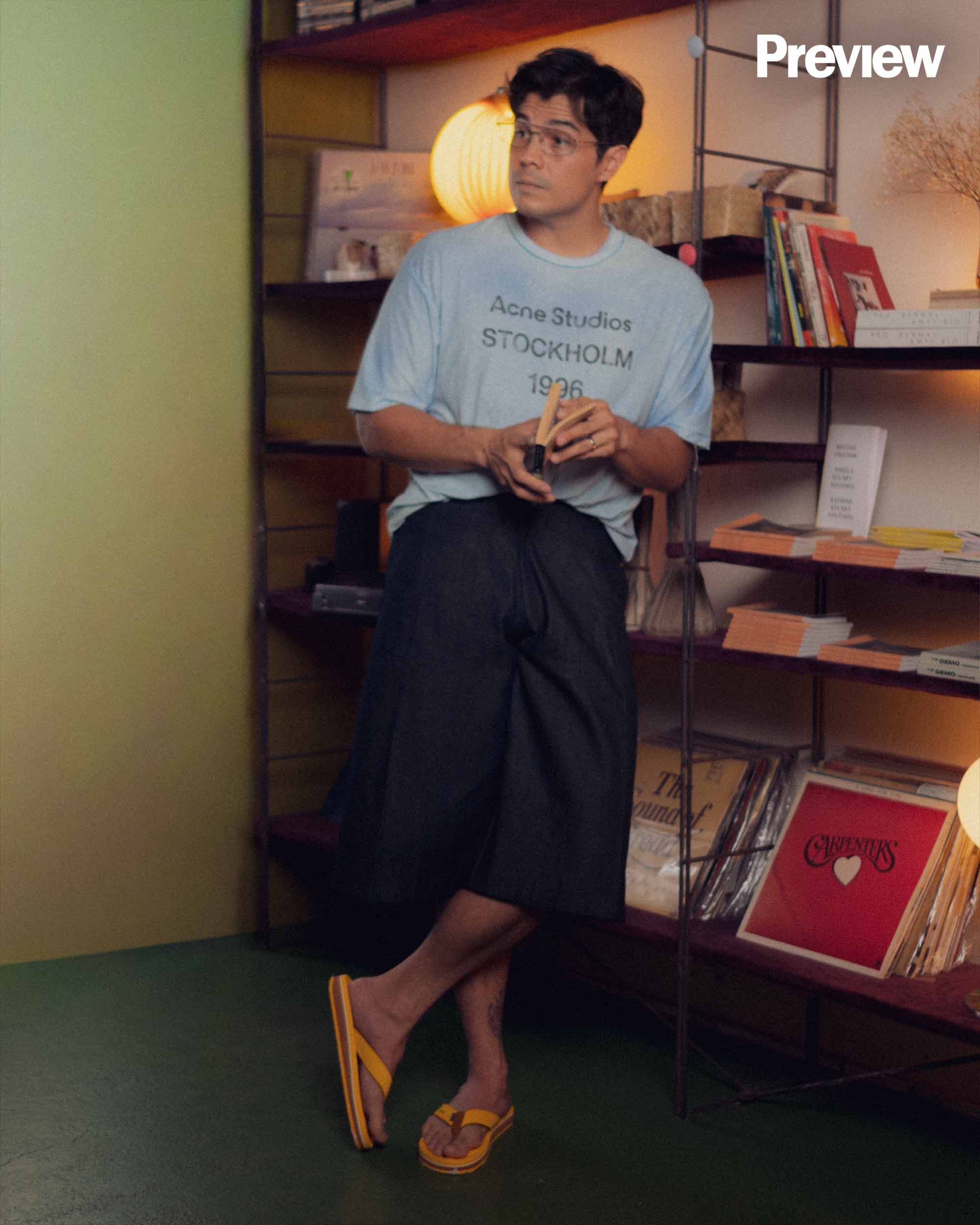
For Erwan, being a champion isn’t about titles or accolades. “It’s pushing the narrative forward,” he says. “It’s understanding that food forms a huge piece of our culture and identity. It’s understanding that we are primarily an agricultural country that’s losing its position as an agricultural country. Farmers should be the backbone of our country, but because they’re not, we send millions abroad to work.”
“When we talk about championing Filipino food, it’s first championing being Filipino and fixing systems we’ve inherited—from ancestors, from parents. One way to do that is through how we eat, what we plant, how we harvest.”
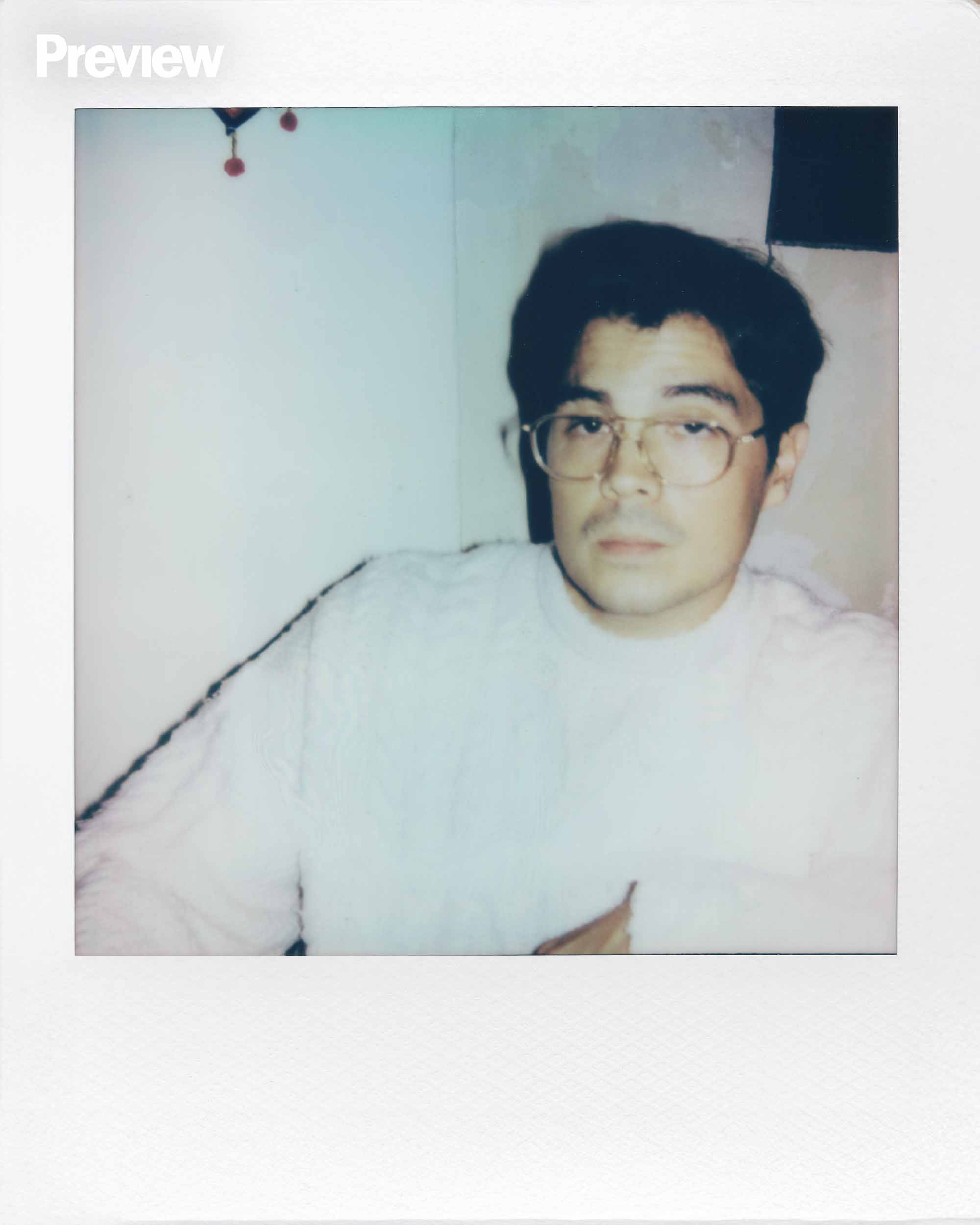
A decade into the food world, Erwan has learned that the loudest voices rarely tell the full story. Critics exist, sure, and some people are still stuck on the 2016 version of him. Those biases, he notes, aren’t just about him, as they extend to how Filipinos have long viewed their own food. “A lot of Filipinos see their food as lowly, not worthy of attention,” he says, citing the perspective of carinderia food, once upon a time.
That perspective is slowly shifting. There’s a quiet pride emerging, a recognition that Filipino cuisine isn’t just another option in the Asian culinary landscape. “I think there was a big nationalistic push where people started saying, ‘Let’s start being proud of who we are and what we’re doing.’ And it starts with the creatives—the artists, cooks, chefs—focusing on local inspiration and saying, ‘This is how we’re going to do things.’”
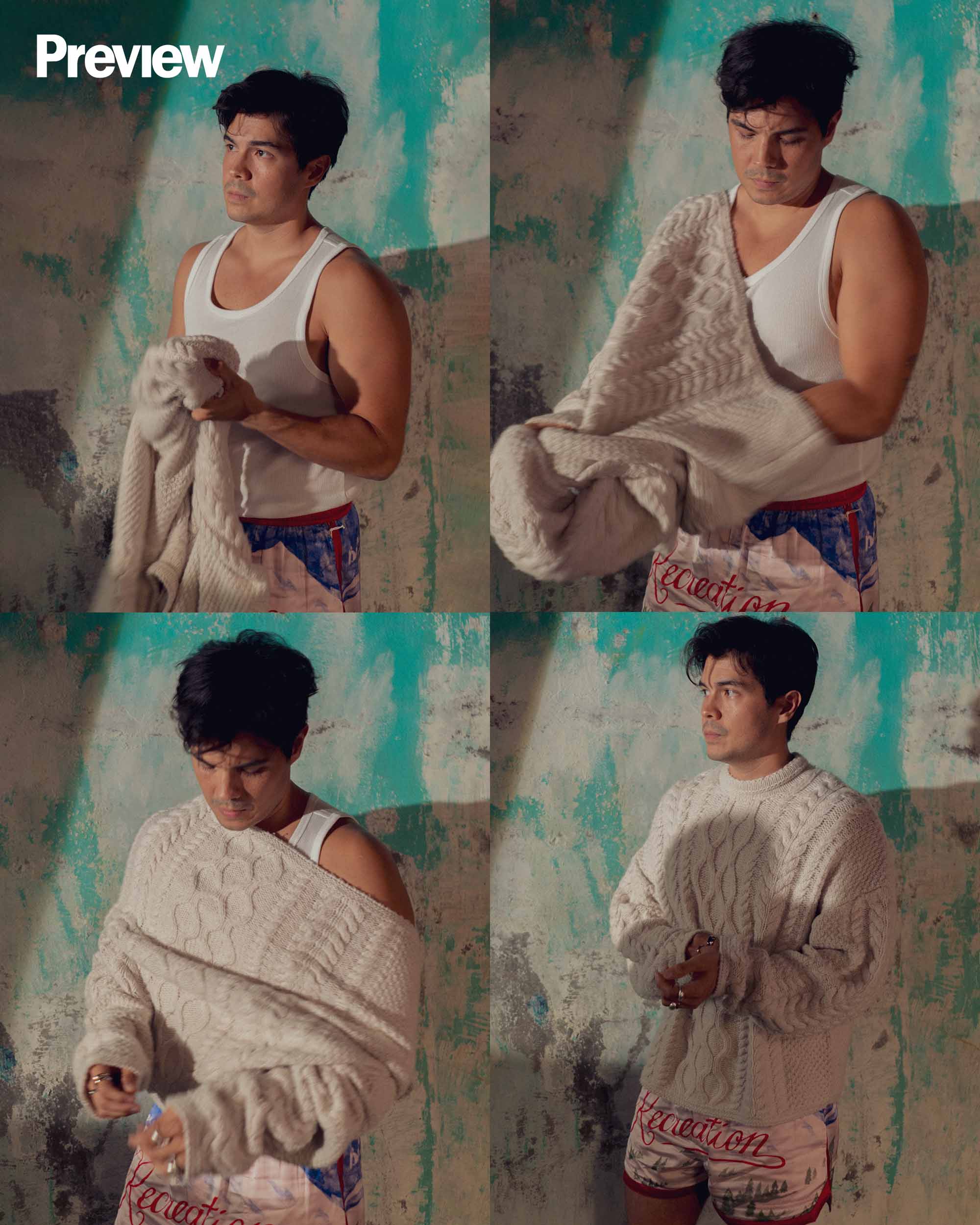
Over the years, certain dishes became touchstones in how he understood Filipino food. If salpicao drew him into the kitchen, and sinigang and Bicol Express showed him the depth of regional variation, kinilaw kept him looking closer. Traveling through Cagayan de Oro, Butuan, the rest of Mindanao, Ilocos, and Negros, he noticed how the dish shifted with the local catch, the produce, and the hands that prepared it.
“Kinilaw is a picture of where you live,” he says. “It’s like putting a drone above your city and saying, ‘Whatever grows here, put it in one dish.’ It shows the ingenuity of Filipino food, the abundance, the diversity.”
And somehow, the dish, in its varied nature, is the aptest way to describe these dynamic 7,000 and so islands, alongside the cuisine that we're slowly unraveling and understanding. “Everyone wants to fight over who has the best one,” Erwan muses. “That’s why I think it’s such a clear representation of what Filipino food is.”

Produced and Styled by the Preview Team
Editor-in-Chief: Marj Ramos-Clemente
Managing Editor: Reg Rodriguez
Assoc. Creative Director: Jana Jodloman
Producers: Katrina Maisie Cabral and Em Enriquez
Photographed by Lem Atienza. Art and video direction by Jana Jodloman, videos shot by Teddy Garcia Jr. Sittings editor: Bacs Arcebal. Styled by Em Enriquez. Hair by Gab Villegas. Story by Katrina Maisie Cabral. Photographer’s assistants: Yani Espiel, Rafi Lopez, and Kurt Dela Cruz. Lighting direction by Yuan David. Digital tech assistant: Nicole Evans
Kat is Preview's Lifestyle Editor, explorer, and occasional rhymer. When not globe-trotting, she's over her computer, writing her next big novel.