Why Hollywood's Pinoy-Baiting Falls Short
Hollywood has learned how to name-drop Filipinos, but now, it needs to learn how to authentically tell our stories.

Published on Sep 17, 2025
If the internet had rules, one would be this: Filipinos always arrive when summoned. The faintest reference to our culture is bound to find its way across our 7,000-plus islands. A character in a hit series can suddenly drop a line about lumpia or adobo, and the comments section becomes an attendance roll of kababayans—for better or worse.
No time feels more primed for a collective “Uy, Pilipins” than today, as Filipino personalities continue to seep into Western media’s once-impenetrable stage. From Manny Jacinto as a leading man in Freakier Friday to Avatar: The Last Airbender’s Gordon Cormier in the titular role of Aang, actors of Filipino descent have crawled their way up towards the top of the bill, a rare feat since 1997’s Cinderella adaptation with Paolo Montalban. Meanwhile, homegrown actresses like Dolly de Leon have made a name for themselves in Tinseltown, bagging nods in the Golden Globes and attracting a global following of their own. All of it signals that we’re inching toward something long out of reach: a more visible and undeniable Filipino presence on the big and small screen.
With diversity now a calling card for Western media, Filipinos are finally getting their moment in the spotlight. But with Hollywood and TV eager to court Filipino audiences, the question lingers: Where does genuine representation end, and where does surface-level “Pinoy-baiting” begin?
The Curious Thing Called Pinoy-Baiting
“Pinoy-baiting” entered online discourse in 2020, a term credited to content creator M.A. Buendia. It described the wave of foreign YouTubers filming themselves reacting to anything Filipino—be it Jollibee, a viral OPM ballad, or the latest P-pop group—often with over-the-top astonishment.
The appeal was obvious. The Philippines has long been dubbed the “social media capital of the world.” As of 2025, 97.5 million Filipinos are online, or 84.5% of the population. Drop a Filipino reference, and an instant audience follows.
But unlike in the early days, Filipinos aren’t as quick to lap it up. Many now view this appetite for foreign approval as the residue of colonial thinking—a need to be validated by the West after centuries of being diminished as “Indios.” Why should we rely on outsiders to tell us our own culture has value?
And yet, that hunger for recognition also stems from somewhere else. For decades, Filipinos have rarely been visible in Western stories, despite being subjected to them because of our colonial history. The nanny with no lines, the background nurse, the unnamed extra in a hospital scene—these fleeting appearances were often all we had, if we had them at all. So when a foreigner bites into sweet-style spaghetti on camera, it resonates because it marks a break from silence. Crumbs feel like a feast when you’ve been left out of the table.
The Line Between Tokenism and Representation
Hollywood has taken note, sprinkling Filipino references into shows and films. But much like the click-driven content of YouTubers, these moments can feel shallow. The Tagalog exchanges in Wednesday were noted by many viewers as stilted and unnatural, while XO, Kitty’s description of sinigang as a “special Filipino healing broth” drew confusion for straying from how Filipinos usually prepare the dish.
It isn’t that these efforts lack good intentions, but rather that they stop at the surface and are often inaccurate. Tokenism gestures at representation but rarely reflects lived reality. What resonates most with Filipino audiences are stories told with authenticity, rather than surface details that miss the nuances of real life.
Authentic representation doesn’t have to be grand. It can be as subtle as the ease of switching between Tagalog or Bisaya and English mid-sentence, the sight of slippers neatly lined by the door, or the instinct to pack leftovers for tomorrow. These details may seem small, but they’re lived truths, and when captured on screen, they carry more weight than a forced cultural reference designed for quick applause.
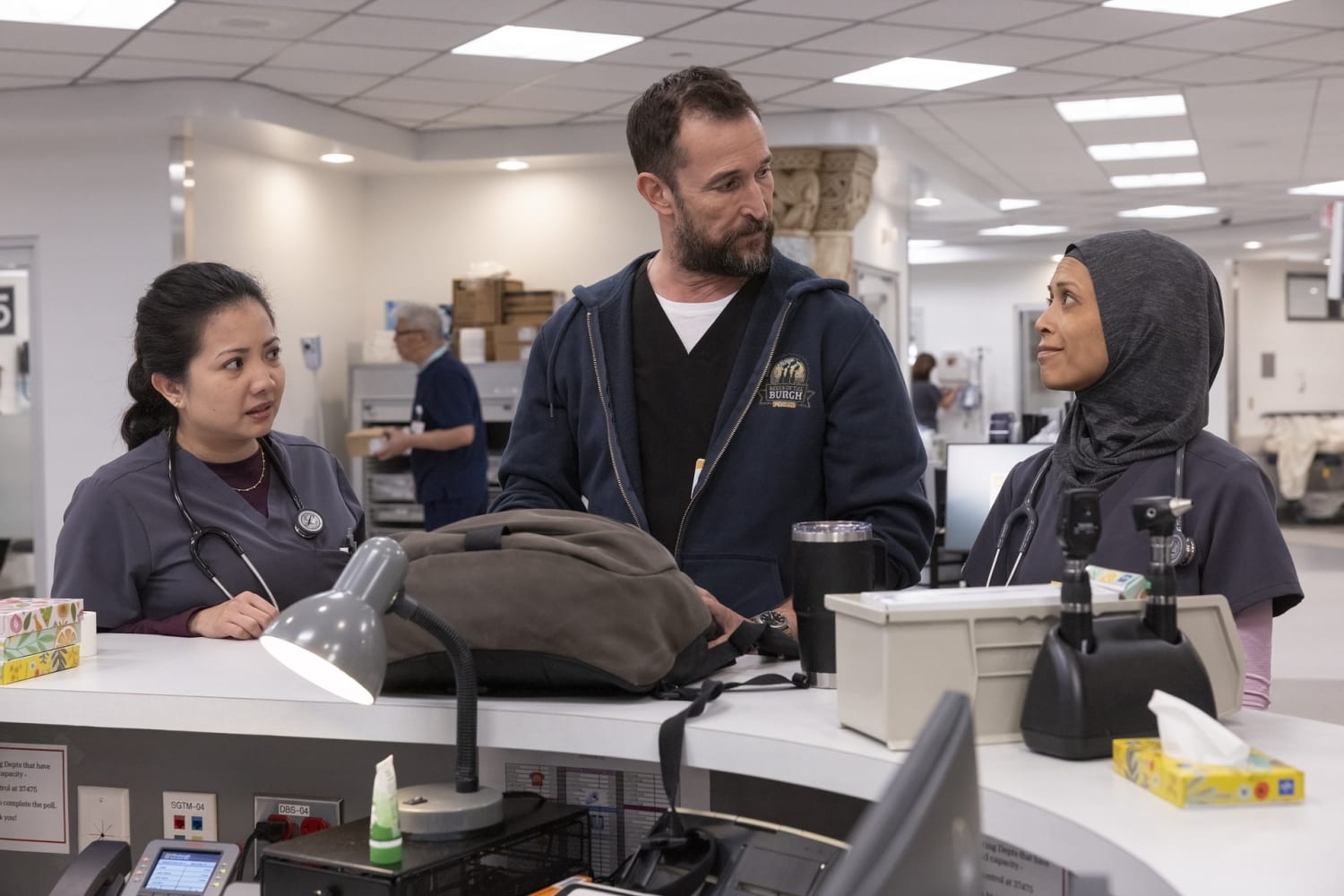
To be fair, the tide is shifting. In 2025, Jamie Lee Curtis casually performed a mano po in Freakier Friday, and Filipino healthcare workers earned deserved visibility on The Pitt—a far cry from 2007’s Desperate Housewives scandal, when a throwaway insult about Filipino doctors reached the halls of our Senate.
A More Discerning Audience
Audiences have grown sharper, too. A chorus of “Uy, Pilipins!” in the comments now carries both pride and a tongue-in-cheek cadence, an acknowledgment that we’ve always searched for ourselves in the reflections of others—but we’re less easily dazzled. The inside joke embedded in those words says it all: we notice, we appreciate, but we also know when we’re being pandered to.
That duality—celebrating recognition while critiquing its flaws—marks a shift in power. Filipinos are no longer content to be grateful for scraps of visibility. We want stories that reflect the full spectrum of our lives: the contradictions, the humor, the struggles, the histories that shape us beyond karaoke nights and comfort food.
And maybe that’s the real turning point. For once, it isn’t us clamoring for attention from the outside world, but the outside world working to capture ours. Validation was never the prize. What matters now is whether the stories told about us finally sound like they were meant for us in the first place.

Kat is Preview's Lifestyle Editor, explorer, and occasional rhymer. When not globe-trotting, she's over her computer, writing her next big novel.
Read more stories about
pinoy baiting ,pinoy pride ,thinkpiece ,Hollywood ,wednesday ,lch-00398 ,op-ed