Beauty

The Rise of K-Beauty and How It Took Over the World
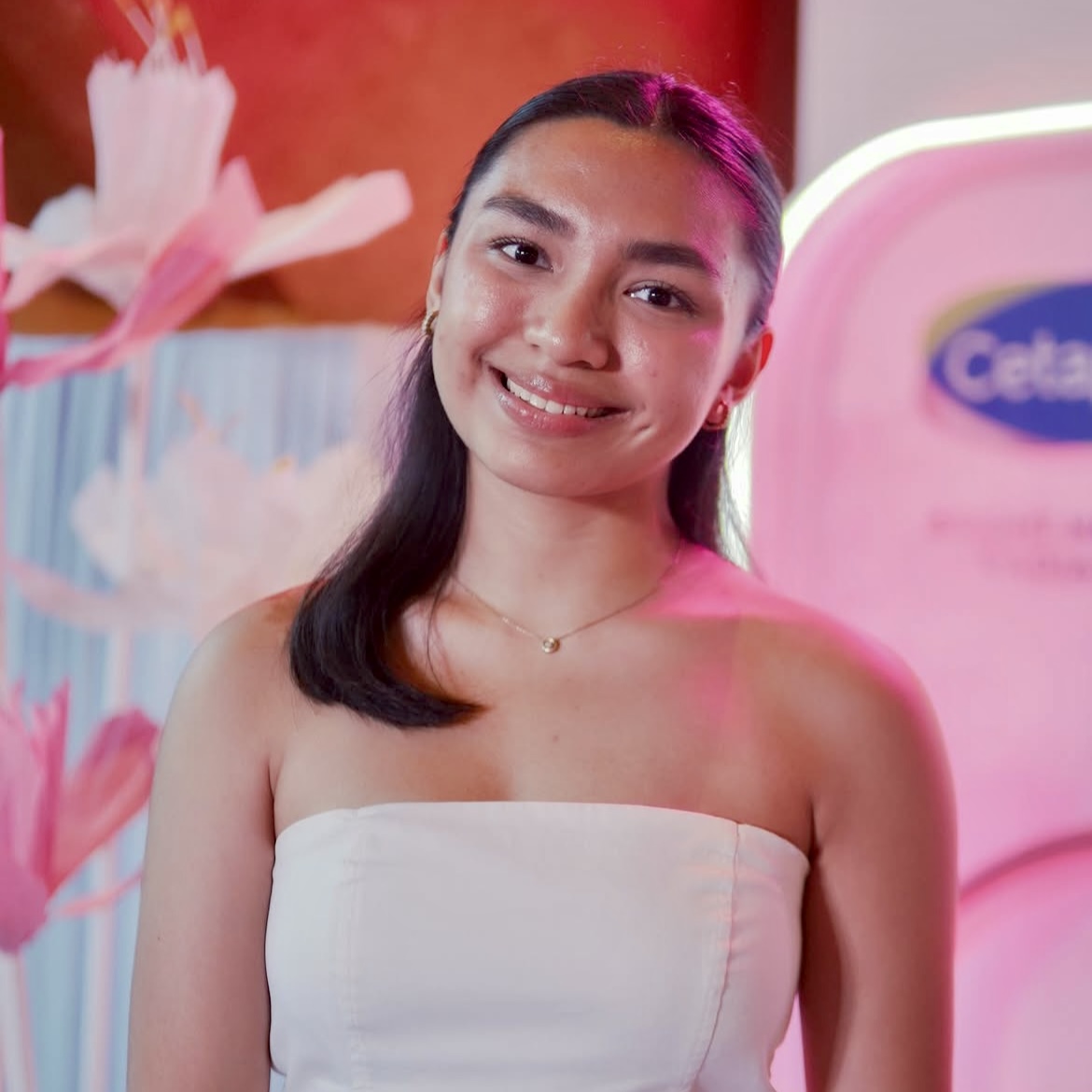
More than just hype, K-beauty has emerged as a global billion-dollar industry.
Kyla Villena

by Kyla Villena

Published on Aug 6, 2025

Being confined within the all-too-familiar walls of our homes for years was a life-altering experience—a canon event, as the internet would call it. When the COVID-19 pandemic hit in 2020, it urged citizens to stay indoors. And as naturally curious beings, we found ways to “travel” the world through our screens. For many, it only took a few taps on their phones.


Millions virtually landed in South Korea, where they discovered a remedy for the lockdown blues. Studies showed significant increases in K-drama viewership during this time. K-pop also surged back into the global spotlight, led by BTS. That same year, the seven-member group released their first fully English single, Dynamite—a track that, according to UNESCO, was estimated to have contributed over $1.4 billion to the economy of the Republic of Korea, as reported by the Ministry of Culture, Sports and Tourism.


Today, South Korea has firmly cemented its place in global entertainment, with its shows, films, music, and idols continuing to dominate the cultural landscape.
ADVERTISEMENT
Click to Enlarge
Click to Enlarge
PHOTOS: X/bts_bighit
The Korean Wave, or Hallyu, has transcended compelling storylines, intriguing characters, catchy music, and viral choreography. Korean actors and idols have emerged as cultural forces in their own right, making a significant impact across various industries. Luxury fashion houses, in particular, have embraced the power of Asian star power, appointing Korean celebrities to embody and represent their brand values. With their consistently polished appearances—on and off the red carpet—these stars have also become de facto ambassadors of Korean beauty and aesthetics.
Click to Enlarge
Click to Enlarge
Click to Enlarge
Click to Enlarge
Song Kang (1) and NCT's Jeong Jaehyun (4) for Prada. Blackpink's Jisoo (2) and Bae Suzy (3) for Dior. | PHOTOS: Facebook/Malaysian KPOP fans, Dior. Kpopping.com. Instagram/_jeongjaehyun.

These influential stars propelled South Korea’s beauty industry into the global spotlight, turning it into a cultural phenomenon in its own right. Glass skin—so clear it’s nearly blinding—became the ultimate beauty ideal, inspiring enthusiasts across the globe to embrace multi-step skincare routines, treatments, and makeup techniques in pursuit of it. Just last year, exports of Korean cosmetics jumped to 21%, positioning South Korea as the world’s third-largest beauty exporter, following the United States and France.
While it may sound overwhelming, easy online access to culture and information played a vital role in shaping global understanding of Korean beauty ideals and in fostering a sense of community among Hallyu enthusiasts. From long-standing traditions to emerging trends, let’s take a quick trip back to 1990s South Korea and trace how its beauty industry has evolved through the decades. Read on.
The Rise of K-Beauty
History tells us there is beauty amidst struggles—literally. South Korea’s rise as a global beauty powerhouse is rooted not in glamour, but in economic necessity. Its origin story traces back to the Asian Financial Crisis of 1997–1998, a period of severe instability that affected several nations across the region. South Korea was among the hardest hit, prompting emergency financial assistance from the International Monetary Fund, World Bank, Asian Development Bank, and various governments. More than $50 billion in aid was funneled into stabilizing the economy.

In response to the crisis, then-President Kim Dae-jung implemented strategic reforms to revitalize the country. Among these was a focused push to bolster cultural exports—particularly in the entertainment and cosmetics sectors. They started penetrating overseas markets, which paved the way to usher in a new era of international influence. These allowed the country to not only recover but also maintain its economy.
Click to Enlarge
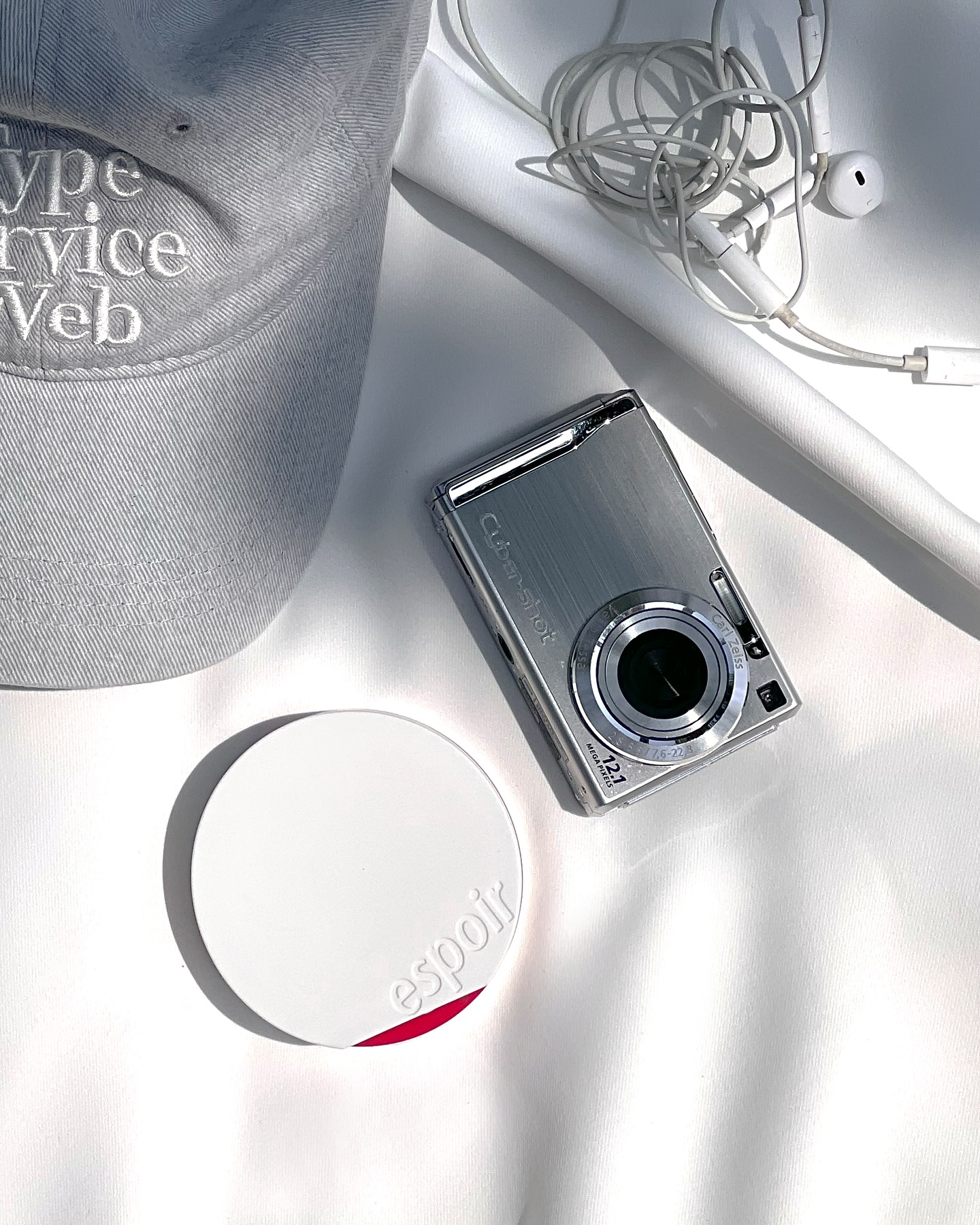
PHOTO: Instagram/espoir_makeup.
Today, the desire for healthy, clear, and luminous skin continues to take the world by storm. Katherine Han wrote, “South Korea has one of the top 10 largest global market shares in the beauty market, with an estimated $3.9 billion market size in 2022 and an expected $18.32 billion by 2030.” This marks the thriving success and appeal of K-beauty, and the thing is, it wouldn’t endure this strongly if it were all purely hype.
The Ingredients
The Driving Force of K-Beauty Formulations
While South Korea is also responsible for numerous makeup trends like gradient lips and aegyo-sal, its belief in skincare for starting with a flawless base remains steadfast. K-beauty spotlights a gentle approach, with balance and hydration as the most important factors.

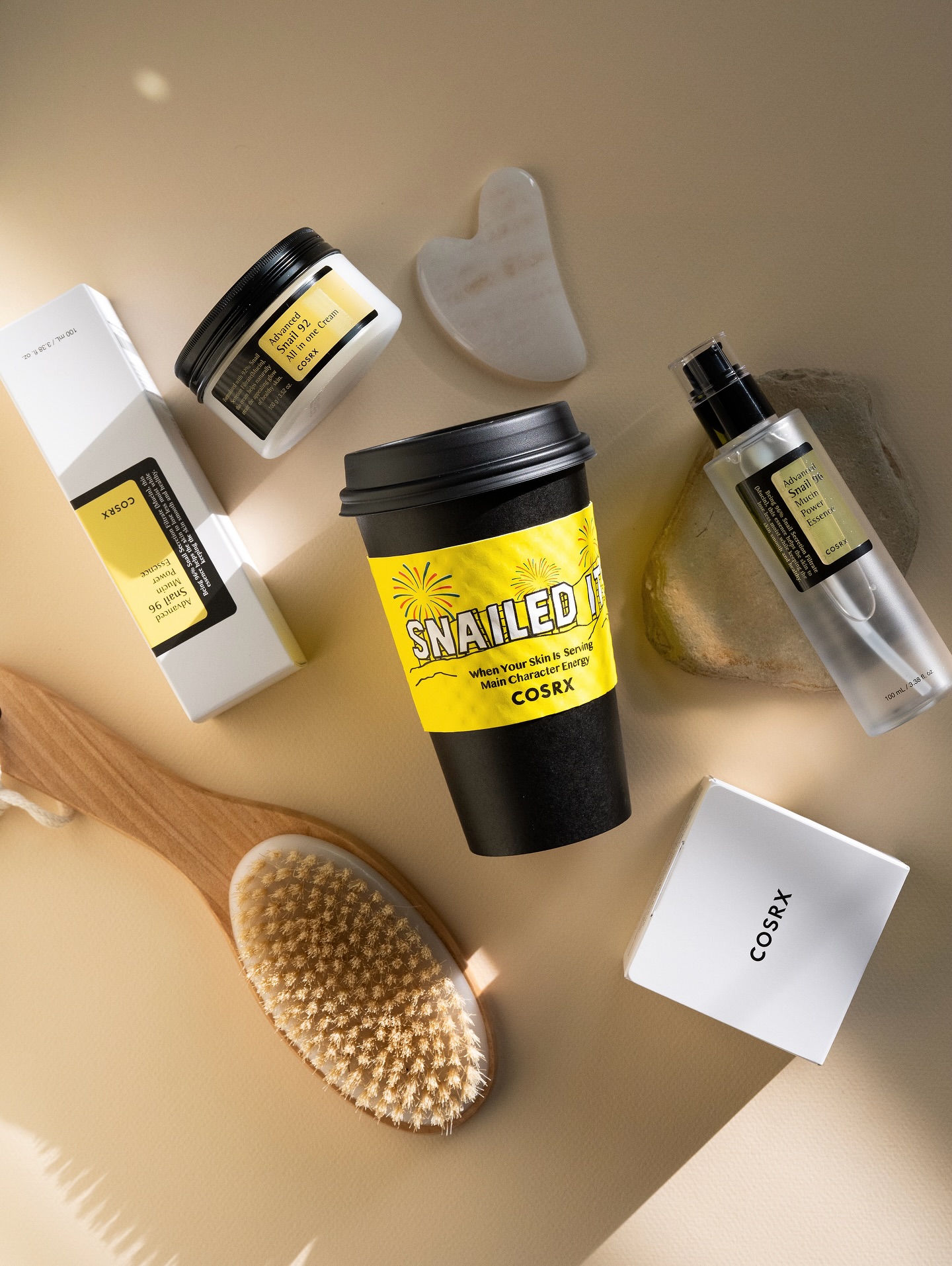
Trust in the power of nature leads numerous brands to utilize substances extracted from natural sources. Snail mucin is a prime example of this. Also known as snail secretion filtrate, it’s a championed ingredient known to repair and rejuvenate the skin. Propolis is another resinous substance that exemplifies this. It’s produced by bees and is primarily used for skincare formulas that aim to have antibacterial and well-aging properties. 
Click to Enlarge
PHOTO: Instagram/alfred, cosrx.
Among their power ingredients is ginseng, which reflects the soothing effects of Korea’s traditional herbal medicine or hanbang. The natural ingredient boosts the skin's luminosity and combats hyperpigmentation, among others. It being present in Korea’s internal and external self-care practices displays how they value routines that will nurture and protect oneself in the long term.

The gentle-yet-effective skincare approach is present even in the formulas of their exfoliants. K-beauty encourages us to unlearn the idea that abrasive scrubs are the only way to effectively remove dead skin cells, highlighting the use of Polyhydroxy Acids instead. PHAs have uniquely large molecules; this allows them to penetrate the skin without risking irritation, so brighter skin is revealed without a damaged skin barrier.

Add K-beauty’s accessibility and appealing price point to their unmistakable viewpoint and benefits, and you’ll halt wondering why they have a concrete position in the market.
The Many Faces of K-Beauty Influence
On the topic of Hallyu, one can’t simply speak on beauty without the mention of entertainment, and vice-versa. A huge contributor to the cosmetics industry’s global success is the enthronement of actors and idols to promote their holy grail products. These enduring collaborations blur the lines between the two industries, making use of their sizable influence to champion their beauty ideals. 

Below are just some of the many notable K-beauty endorsements:
Song Hye Kyo for Sulwhasoo
In 2018, Song Hye Kyo was appointed as the face of Sulwhasoo’s popular ginseng line aimed to revitalize and rejuvenate the skin while targeting visible signs of aging.
Click to Enlarge
PHOTO: masksheets.com.
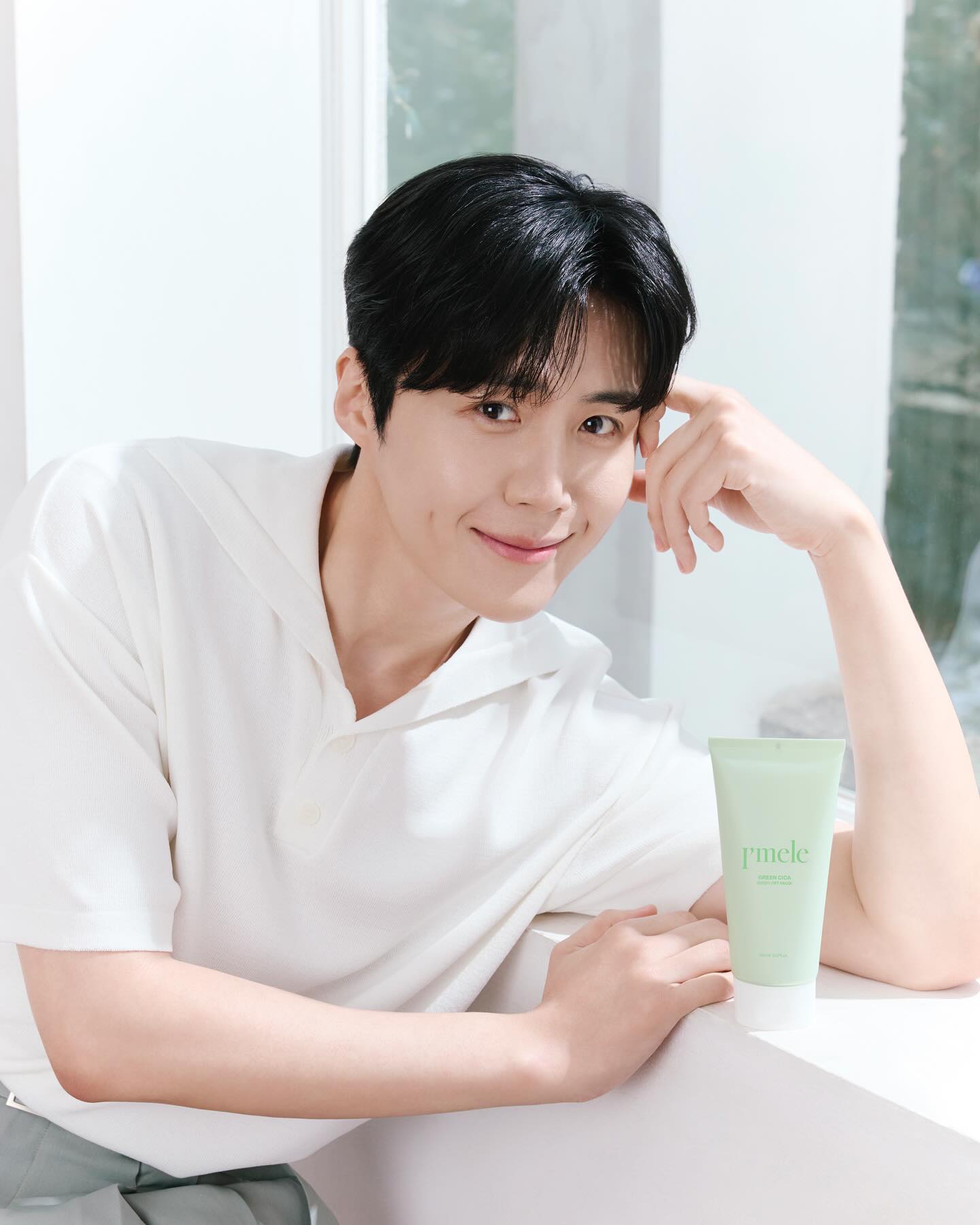
Kim Seon Ho for I’mele
Currently with I’mele, Kim Seon Ho recommends the Green Cica line, which utilizes the healing power of herbal extracts and natural ingredients to restore tired skin.
Click to Enlarge
PHOTO: Instagram/seonho__kim, imele.korea.
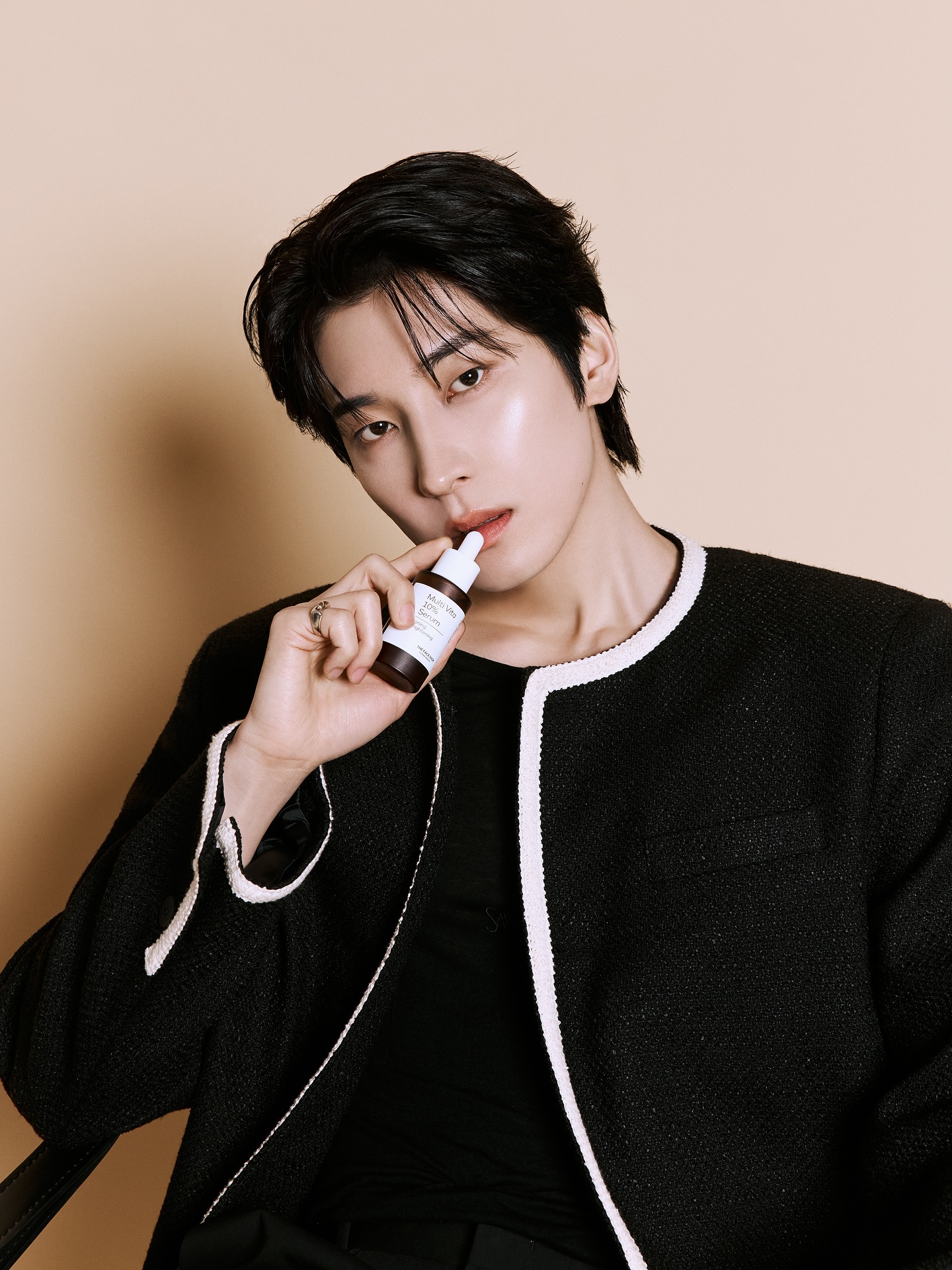
Seventeen’s Jeon Wonwoo for The Face Shop
Jeon Wonwoo of Seventeen has a dedicated page of his skincare picks at The Face Shop’s website. Among them is a serum equipped with vitamin C to target dark spots and blemishes, unveiling an instant glow effect.
Click to Enlarge
PHOTO: Instagram/thefaceshop.official.
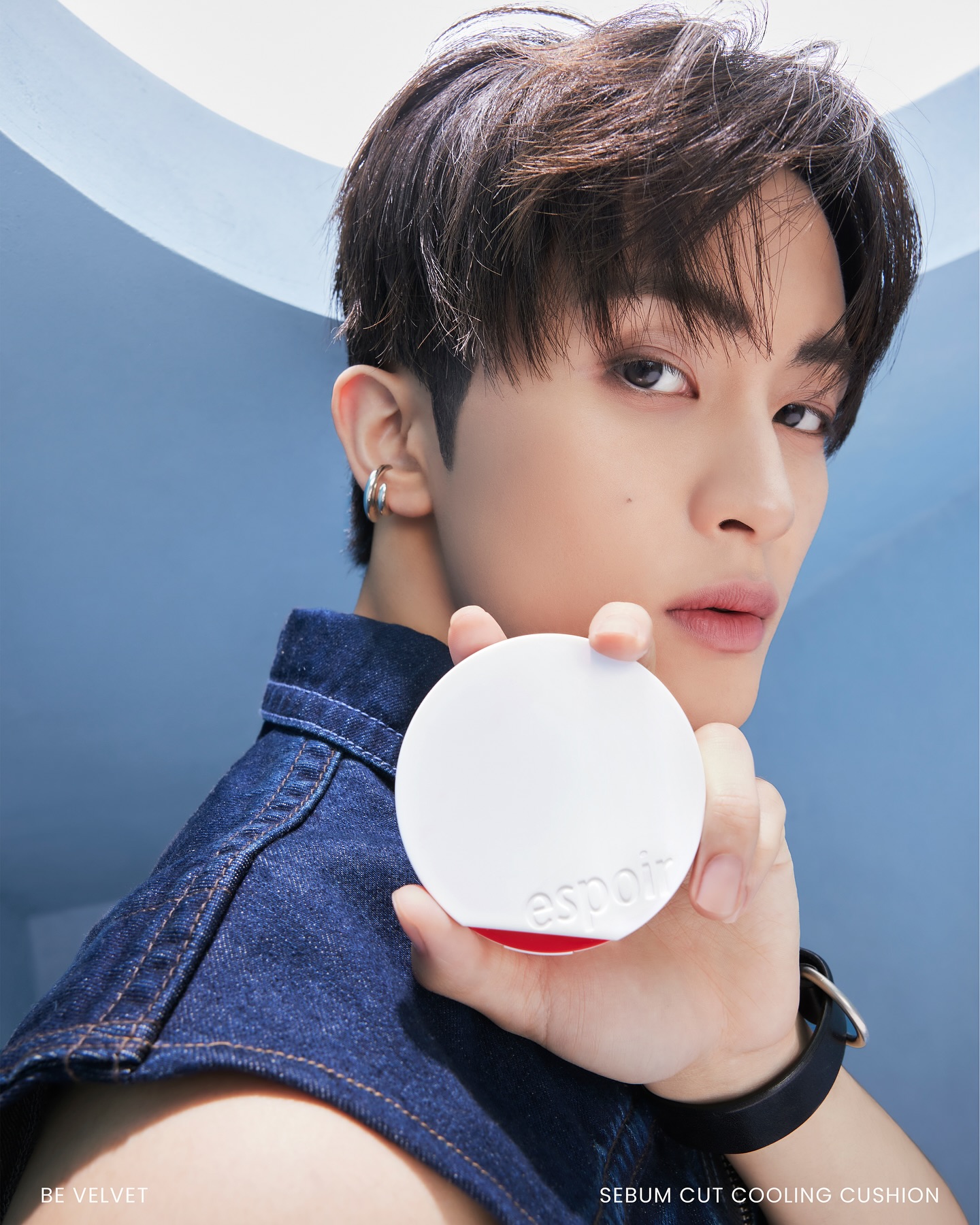
NCT’s Mark Lee for Espoir
Korean makeup is infused with skin-loving ingredients, too! Mark Lee of NCT particularly uses Espoir, one of his must-haves being the Be Velvet Sebum-Cut Cooling Cushion. It’s infused with Anti-Sebum P Complex to regulate sebum production and deliver 24-hour shine control.
Click to Enlarge
PHOTO: Instagram/espoir_makeup.
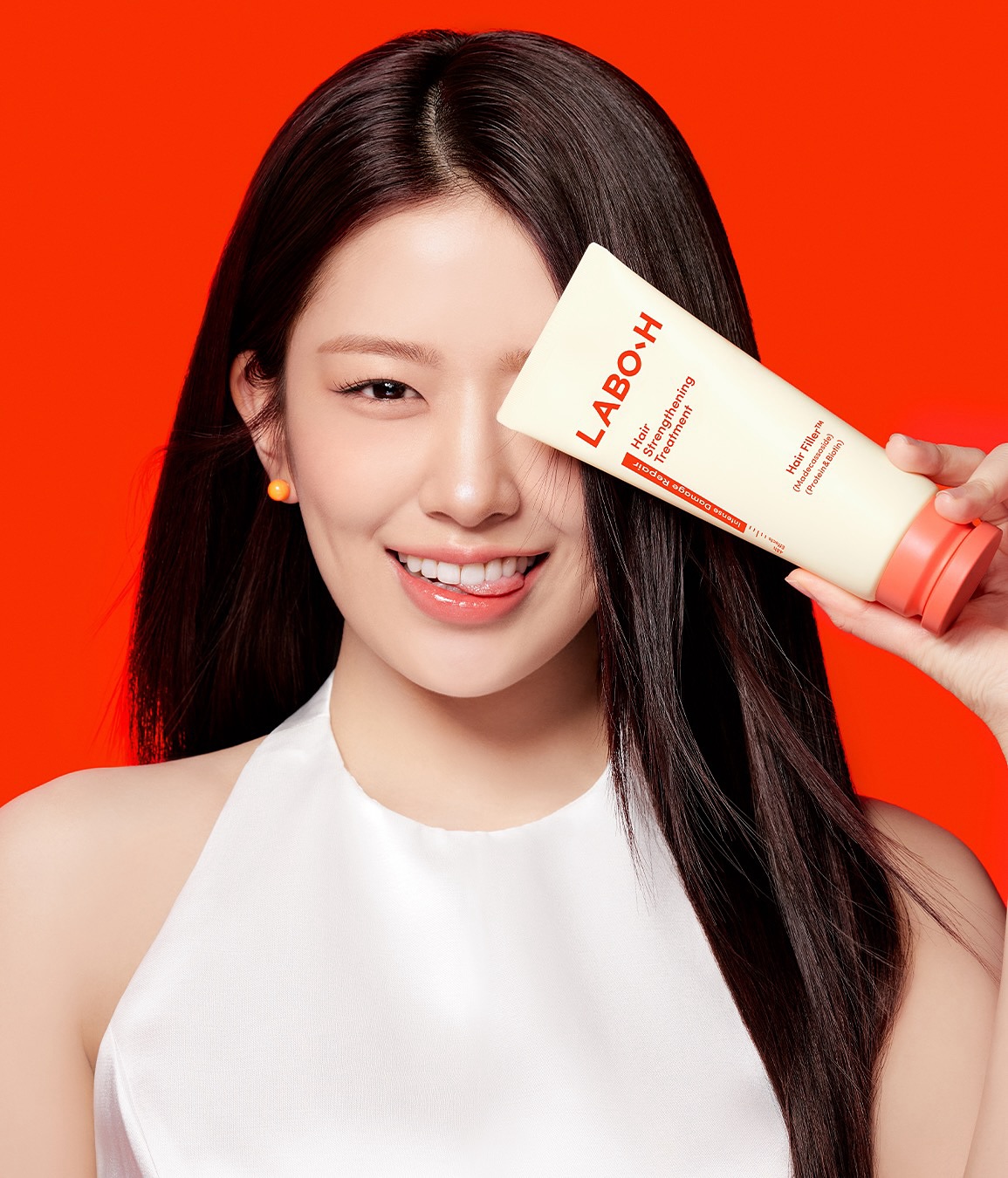
IVE’s An Yujin for LABO-H
Beauty goes beyond the skin. An Yujin of IVE is the new face of LABO-H, a haircare brand by Amorepacific. With scalp-focused research, they created the Hair Strengthening Treatment that restores the hair’s natural texture from the inside out.
Click to Enlarge
PHOTO: Instagram/labo.h_official.
SHOP:
Holy Grail K-Beauty Products
Kyla Villena

Kyla Villena loves a good lip gloss and a trip to the art gallery. She is Preview's beauty girl, who doubles as a self-proclaimed motivational speaker.

© 2026 Preview.ph. All Rights Reserved.