Beauty
The Real Reason Why Your Fungal Acne Isn't Going Away, According to an Expert
Did you know fungal acne is not actually acne?
by Kyla Villena
Published on Jun 24, 2025
Your body is a home, and your skin is its walls. While the appearance or condition of those walls doesn’t define what the home contains, taking good care of them is still important. After all, your skin isn’t just about looks—it’s a vital part of your overall health. And who wouldn’t want their inner beauty to reflect outward?
One of the most common skin concerns is acne, something almost everyone experiences, especially during puberty. Although it’s a normal part of growing up, it can be difficult to understand and, in turn, challenging to treat. Fungal acne, in particular, has been a recurring topic online.
ADVERTISEMENT
As an acne-prone girl myself, I have a clear understanding of the frustration that arises from it. And while we don’t really get to choose our skin type, there are also other uncontrollable factors that affect our skin. With that, we talked to Dr. Benett Gloriani, MD to identify the root causes and remedies for fungal acne.
What Is Fungal Acne and How Do You Get Rid of It?
Dr. Benett specializes in aesthetic and well-aging medicine. With an emphasis on championing self-care and bringing out that authentic glow from within, her practice at Benett Medical Aesthetics is focused on empowering each person so they can stand tall with confidence.
In this interview with Preview, the medical aesthetics expert opens up about fungal acne, sharing what she’s learned through years of hands-on experience and close observation.
Online discussions on fungal acne are rapidly growing. In your clinic, have you noticed a recent increase in people who are dealing with it?
"I have seen a spike with this skin condition for quite some time now. Mostly, they come for a consultation because they complain of acne that doesn’t go away, or they have already tried several topical treatments, but they weren’t helping. It’s worth noting that fungal acne is also known as Pityrosporum Folliculitis, so it's not really acne, but it's because of the overgrowth of Malassezia yeast in the hair follicles."
Is it a common concern here in the Philippines? What are the factors that cause fungal acne?
"Yes! It’s quite common in the Philippines since, most days, it’s warm and humid. It is the perfect breeding ground for yeasts. Of course, there are other factors that contribute to fungal acne, such as hyperhidrosis, use of certain medications (antibiotics), oil-based skincare that can block the hair follicles, makeup, and if you are immunocompromised or have a weakened immune system."
Click to Enlarge
PHOTO: Unsplash/ibnu ihza.
People might assume that fungal acne and bacterial acne are the same. With that, what are common misconceptions about fungal acne? Do they have different triggers and treatments in comparison?
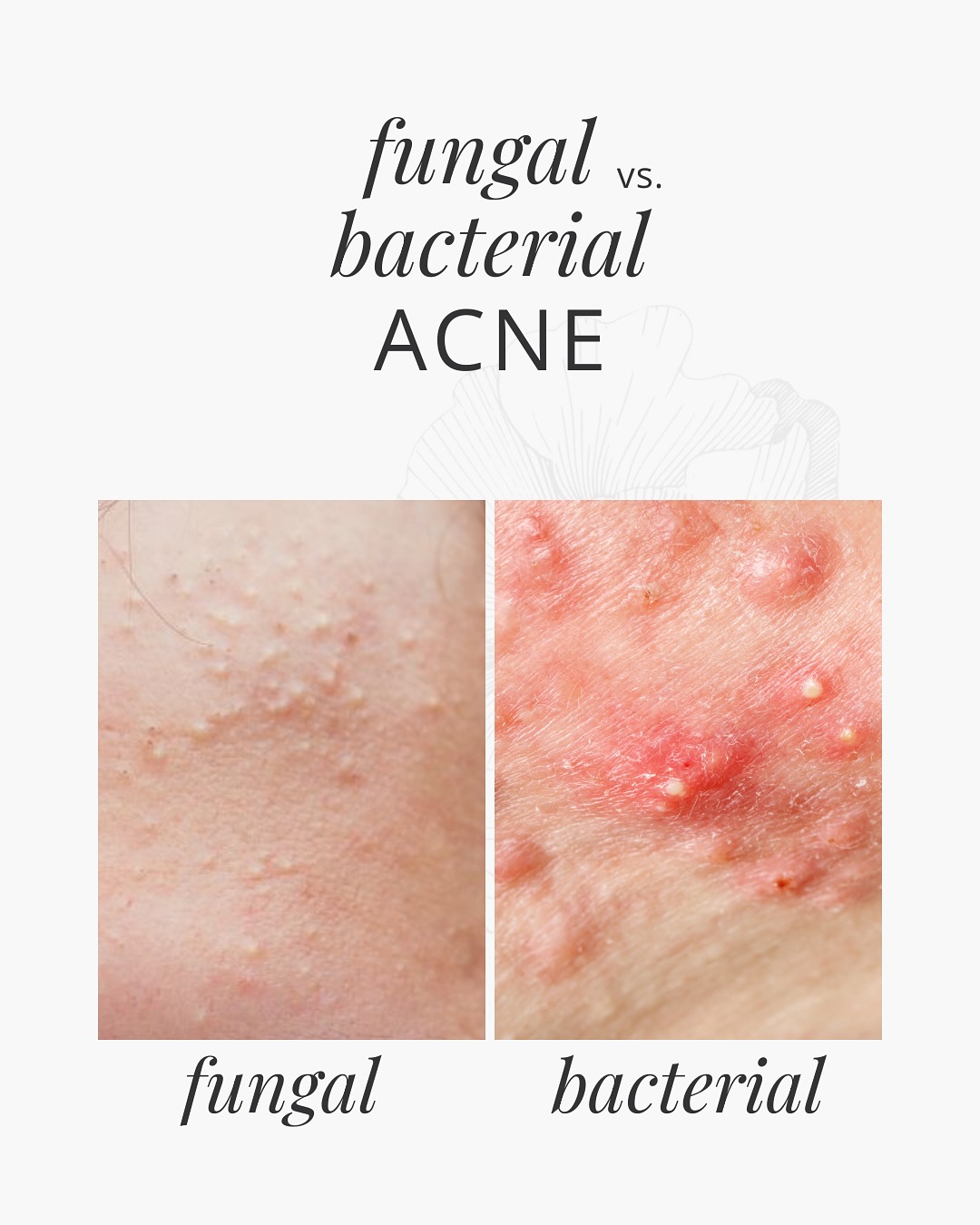
"Fungal acne and acne vulgaris are not the same! For one, fungal acne does not respond to traditional acne treatments such as antibiotics or other over-the-counter acne treatments. Second, fungal acne has small bumps that look very similar. Mostly, it’s seen on the forehead, chest, and back. Third, fungal acne tends to itch compared to acne vulgaris."
Click to Enlarge
PHOTO: Instagram/jennezraskin.
What are the main ingredients to look for when finding skincare products to treat fungal acne? And what are the main ingredients to avoid?
"Since it’s fungal in origin, the first line of defense is an antifungal topical cream like Ketoconazole, Clotrimazole, or Miconazole. If topical antifungal treatments won’t clear the fungal acne, then an oral antifungal is needed.
"Ingredients to avoid are those that are oil-based because yeasts feed on oil. It is important to research and read product labels to ensure that they will not cause fungal acne."
What are some important lifestyle habits to apply so that we can improve our skin?
"Our health and overall wellbeing impacts our skin health. These are some essential habits to improve our skin:
As Dr. Benett mentioned, traditional acne treatments will not work for fungal acne because they weren’t designed to address that specific concern. With this, she recommends consulting your doctor for correct diagnosis from the beginning.
ADVERTISEMENT
SHOP:
At-Home Treatments for Fungal Acne
Given the ingredients to look for when treating fungal acne, Dr. Benett added, “One product that can help treat fungal acne—and that you might already have at home—is anti-dandruff shampoo.” As always, it is best to check, but they usually contain Ketoconazole, which helps control the overgrowth of yeast. Shop her product recommendations below.
₱0
₱0

Kyla Villena loves a good lip gloss and a trip to the art gallery. She is Preview's beauty girl, who doubles as a self-proclaimed motivational speaker.