The Harsh Truth About Having Acne-Prone Skin in the Beauty Industry
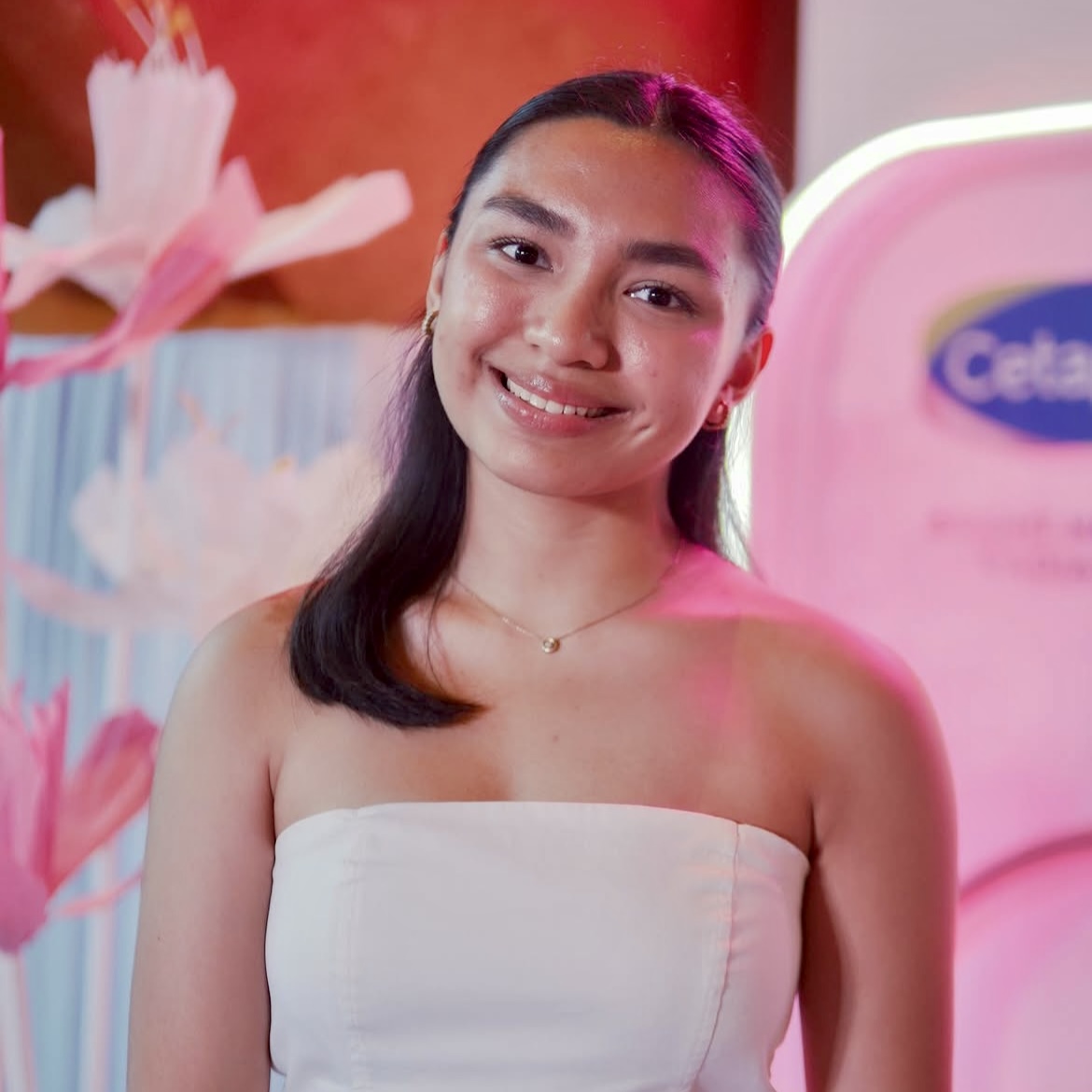
by Kyla Villena
Published on Aug 11, 2025
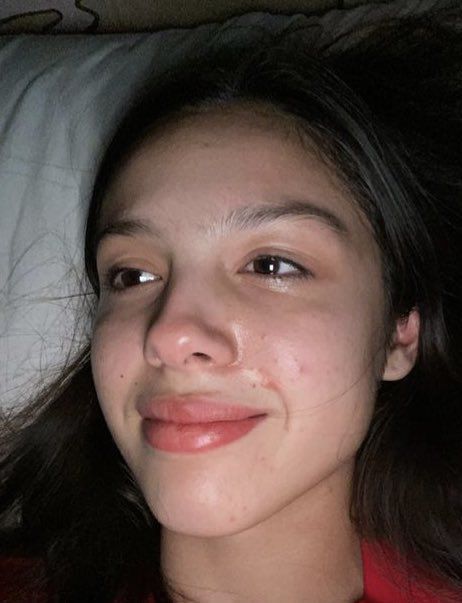
I replay the scene in my mind until I grow tired. The suspicious looks probably didn’t mean much to them, yet here I am giving it thousands of thoughts. The frustration leads me to pick at my skin, worsening the very blemishes that made people doubt me in the first place. Eventually, I found comfort in the idea that maybe—just maybe—the place was crowded and noisy, and they were simply clarifying if they heard correctly.
“Beauty is in the eye of the beholder” is a phrase we’ve all heard before. By tagging beauty as subjective, I trained myself to see it wherever I look (although it’s a little harder to find in certain situations I end up in). It was a reassuring notion, nonetheless—we don’t have to depend on others to tell us what is beautiful and what is not. That is, until I entered the “real world,” where studies prove these personal preferences apply only to an extent, and the collective agreement on what it means to be beautiful reigns supreme.
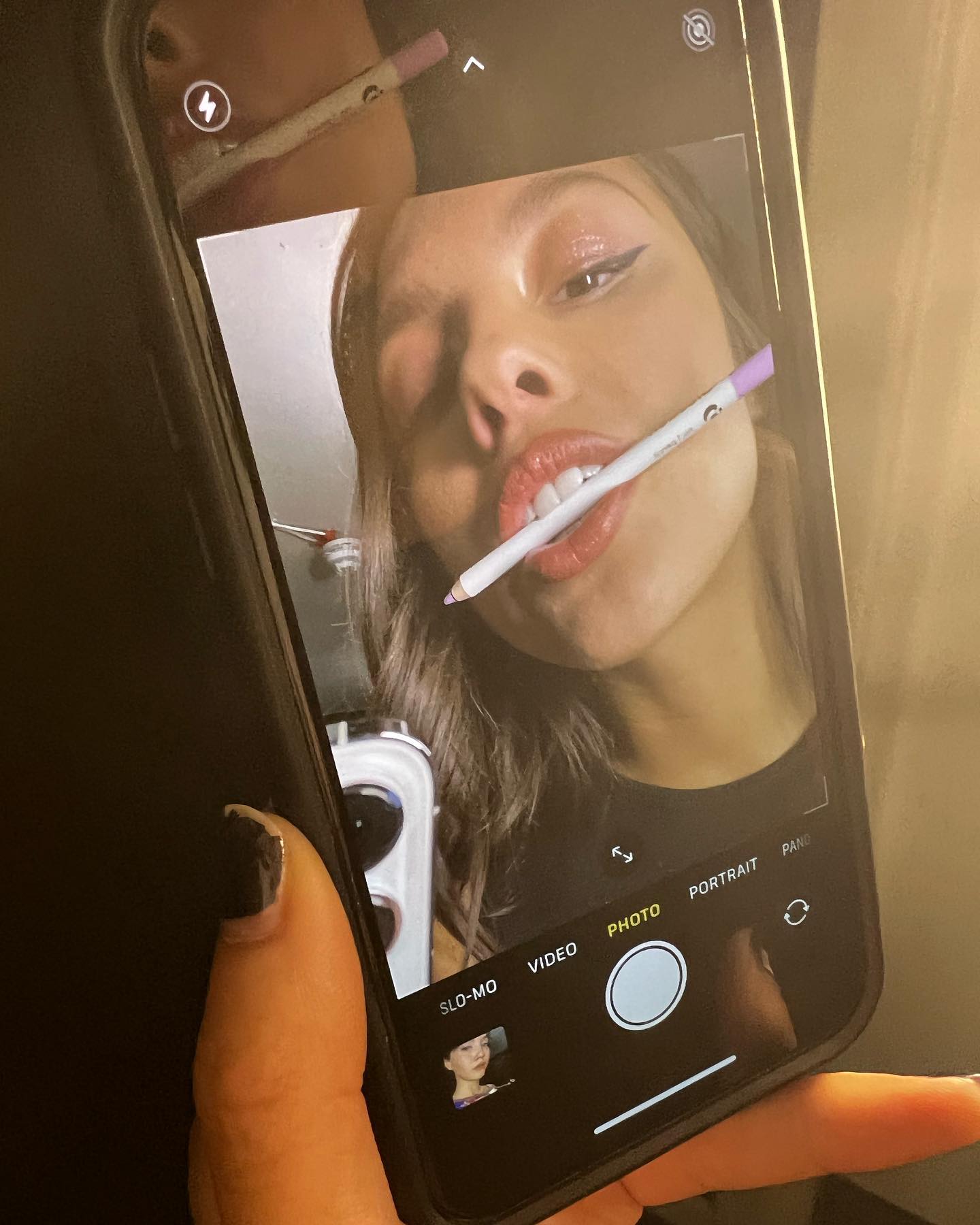
Speaking of mirrors, we carry a black one with us everywhere we go. When switched on, it draws us into a never-ending hole of content heavy with visuals we don’t always want to see. As a star fueled by teen angst, Olivia is the poster child of Gen Z relatability, so I couldn’t help but quote her. In Jealousy, Jealousy, she says, “I kinda wanna throw my phone across the room ’cause all I see are girls too good to be true.” And chances are, they are.
Access to applications that can erase your blemishes, smooth your skin, and brighten your dark circles with just a few taps is easy to get. In fact, anyone with internet access and a phone can have them, so I shouldn’t ignore the idea that the people I see online may be dipping their toes into making these edits.
I am here for a reason—this I know for sure, and I’ve known it since I set this dream in stone when I was 13. But now, when I head out—whether it’s for a meeting, an event, or a photoshoot—people won’t think about that. They won’t see the skills and sensibilities that deemed me worthy of becoming a beauty writer. It’s not the heart or the passion they will set their sights on. It’s me. And it’s my skin—the same one I feel at home in, and the same one I want to claw my way out of.
While I carry the belief that the marks on my face don’t diminish my beauty, the experiences I replay in my head over and over tell me otherwise. It affects my confidence, yes, but when I remember that I’m here to do much bigger things than flaunt my skin, it starts to matter less. As Olivia croons in Teenage Dream, “When does wide-eyed affection and all good intentions start to not be enough?”
The act of recognizing this privilege’s existence, roots, and impact can help shape a world where internal attributes are valued more than external ones. Without even realizing it, you may be on the receiving end of this privilege—or you might be the one granting it. Regardless of where we stand on this spectrum of pretty privilege, we all share the responsibility of actively shrinking it. The marks on our faces can be erased, but our credibility and skills cannot.
The next time I’m introduced as a beauty writer and met with “Beauty?” as the response, what I will be replaying in my head are the years it took for me to get to where I am—both physically and mentally—and I will smile knowing that the answer is yes.

Kyla Villena loves a good lip gloss and a trip to the art gallery. She is Preview's beauty girl, who doubles as a self-proclaimed motivational speaker.