Beauty
Why Are We Still So Pressed About Body Hair in 2025?
An essay on body hair, and how society affected my relationship with it.
by Kyla Villena
Published on May 27, 2025
“You should shave your legs” is the first sentence that a boy uttered to me on our first date. It was 2016. My mom walked me over to him, and he handed her a beautiful bouquet of red roses. Things are off to a great start, I thought, until my mom was out of sight and he directed those exact words to me.
Growing up with brothers and studying in a coed school, my style had boyish influences—from bandanas and band tees, to oversized hoodies and sweats. I showed up in a black t-shirt and my trusty pair of Vans, but that being my very first date made it a special occasion, so I ditched my usual track pants and borrowed my sister’s baby pink tennis skirt. Though unfamiliar to me, it helped me channel the femininity that I know was hiding deep inside.
ADVERTISEMENT

Click to Enlarge
I had to muster all the confidence to step out of the house in an outfit far from my usual, to do something I’ve never done before, and it was all shattered at the first minute. I never even thought much about my body hair until then. Not knowing any better, I just wanted to go home and get my hands on a razor. A few shaves (and cuts) later, my legs looked how people told me they should, and while I didn’t exactly feel happy, I felt a sense of relief.
You might be wondering, It’s 2025 now. Are we really still having a discussion on body hair? I wish we didn’t need to.
But more than the exact words from a boy’s mouth, it was the crushing feeling from the perception of others that I hold close. I was 14 then, and I’m 23 now. Almost a decade later, it hasn’t left my mind. And I know that there are many others like me who have experienced the same or worse.
The Eye-Opener
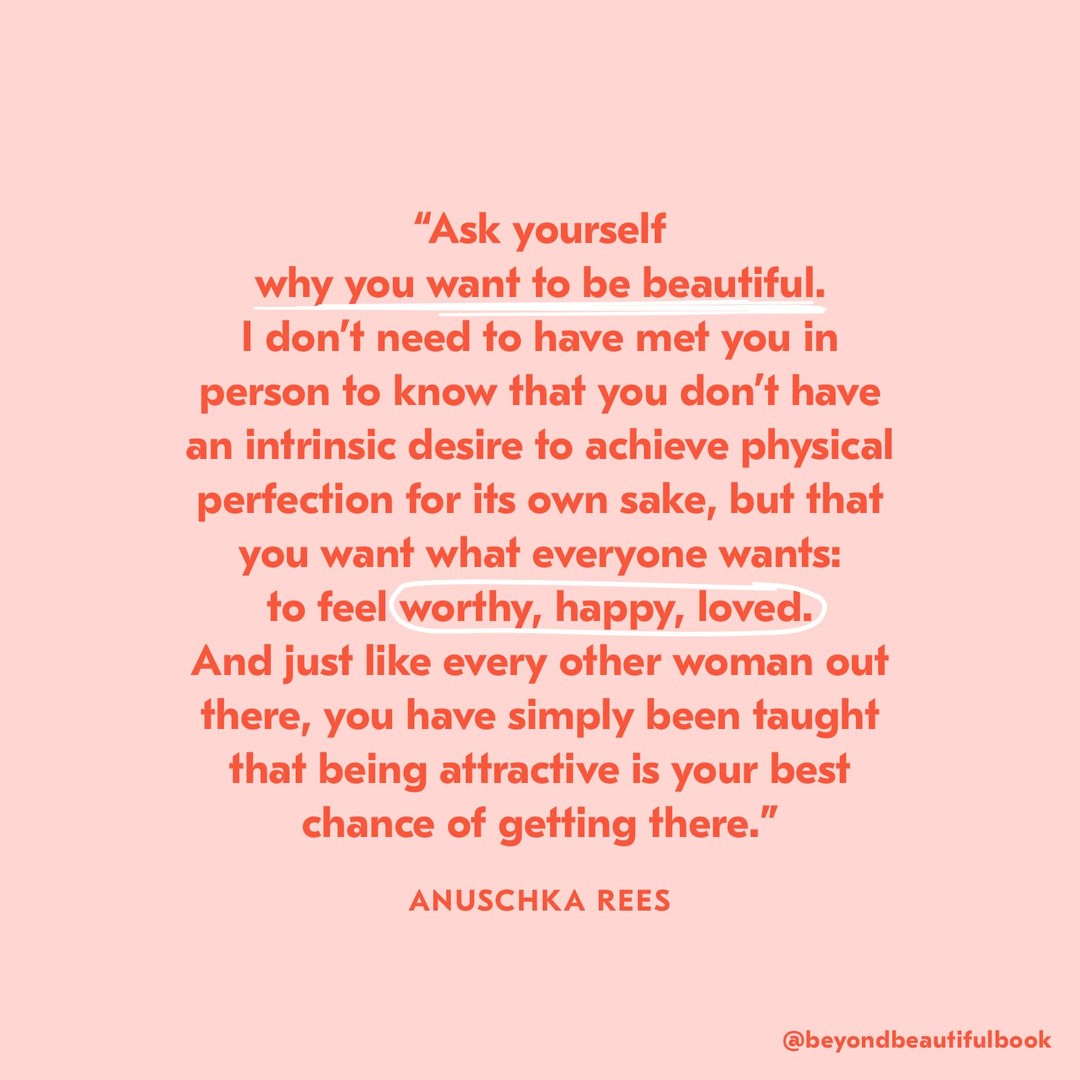
"Beyond Beautiful" by Anuschka Rees
Turning 18 was something I looked forward to. It was a new chapter of womanhood, one where I knew myself better and exercised greater autonomy over my beliefs. On my birthday, a dear friend gave me the gift of literature through a book called Beyond Beautiful by Anuschka Rees, published in 2019. The blurb wrote, “A practical guide to being happy, confident, and you in a looks-obsessed world.”
Click to Enlarge
PHOTO: Instagram/beyondbeautifulbook.
As surprising as it may be for a writer, reading was not my top interest growing up. Still, I powered through the book and explored the painful truths that women face regarding body image, self-perception, and the like.
The Myth
Getting Rid of Body Hair Is for Hygienic Purposes
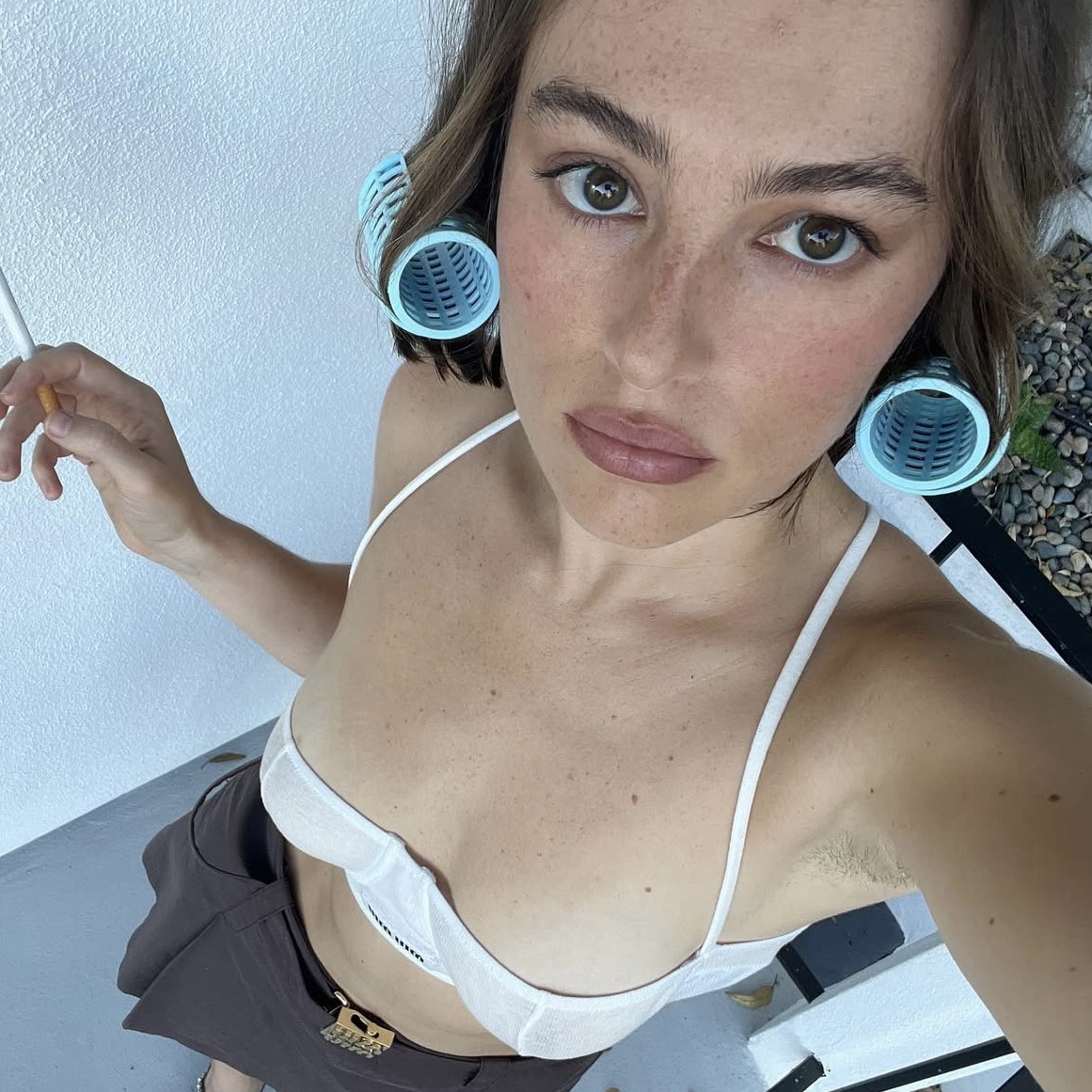
Our bodies are intentional and everything is there for a reason; body hair being unhygienic has always been just a myth. For instance, eyelashes, nose hair, and pubic hair protect us from potentially harmful microorganisms by trapping dirt and debris. Similar to our hair down there, the strands that grow from our armpits help reduce friction from movement. The hair on our skin contributes to temperature regulation, too.
Click to Enlarge
PHOTO: Instagram/analuisacorrigan.
In the chapter on beauty standards, Anuschka wrote, “There is no logical reason why hair on a female leg is considered an issue of cleanliness when it isn't on a male leg. And yet, most women (and men too) have completely swallowed the idea that certain natural features, like body hair, are embarrassing, even gross on a female body.”
She called it the "ew" factor, which refers to “the shame and worry about potentially being considered repulsive,” and she credited this as one of the reasons why hair-free legs became a requirement rather than an option, saying that “if there’s one thing that’s even less acceptable to be as a woman than unattractive, it’s to be ‘gross.’”
History
The Formation of Society's Perspective
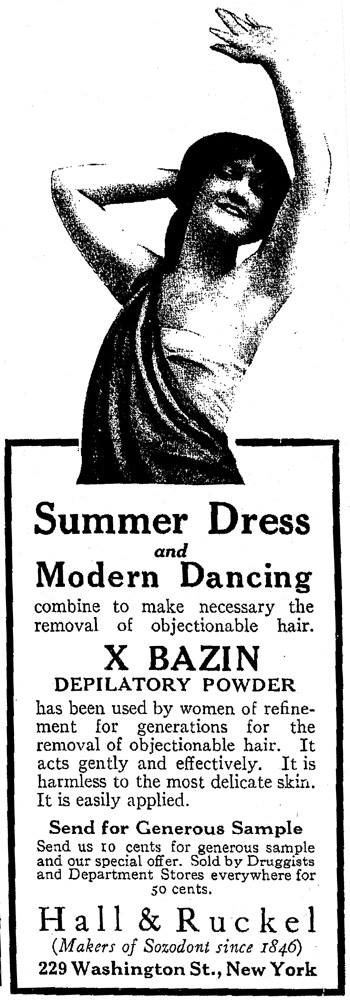
Human bodies were designed to grow hair, but it has become tagged by society as an unnatural look. Hair removal has been practiced for centuries for various reasons, but the normal state being unacceptable or looked down on traces to the 20th century, when advertisements decided that body hair (along with pores and acne) was dirty.
In 1915, a magazine advertisement was published with the tagline, “Summer Dress and Modern Dancing combine to make necessary the removal of objectionable hair.” It was an effort to expand the target market from some women to all women.
Click to Enlarge
PHOTO: Facebook/Body Hair Positivity.
Half a decade later, office life consisting of tight spaces and small cubicles emerged. Body hair became associated with bad breath, sweat, and body odor, so you had to take action so as to not offend your co-workers. And when World War II happened in the late 1930s, pin-up girls were all the rage and legs became a new subject of male objectification.
Normalization
The Way We Should View Body Hair Today
These fragments of history shaped societal perceptions that have fallen into place and connected like a puzzle, and we continue to try to dismantle it today. In a world driven by misconceptions, I find myself responsible for combating them, especially having been on the receiving end of it all.
Body hair is natural; what’s unnatural is feeling so comfortable with giving comments about other people’s bodies.
Like many things, personal preference must reign above the thoughts and opinions of others. The ghosts from our pasts may be hard to get rid of, but we can always take steps forward. This step, in particular, is for the heartbroken 14-year-old girl inside of me, whose pieces may be hiding inside of you, too.

Kyla Villena loves a good lip gloss and a trip to the art gallery. She is Preview's beauty girl, who doubles as a self-proclaimed motivational speaker.