Published on Jan 8, 2026
For decades, fashion publications have been expected to do one thing reliably well: tell people what to wear—and, in effect, what not to wear.
This is especially true whenever we ring in a new year. The countdown ends, and almost immediately, the lists begin: which pieces to stop wearing, which silhouettes have overstayed their welcome, and which microtrends are declared dead on arrival. Headlines fixate on what’s officially deemed outdated, embarrassing, or no longer acceptable to be spotted in.
But it’s 2026, and we’re opting out of that conversation.
Why We’re Done Telling You What Not to Wear
These dos and don’ts of style were once meant to guide readers through an ever-shifting landscape of trends and taste. And for a time, that made sense. Fashion moved more slowly. Trends unfolded over seasons, not weeks. Access to runways, collections, and industry insight was limited, and publications served as one of the few filters between designers and the public. Authority mattered because information was scarce, and that guidance filled a real gap.
But the industry has changed. The audience has changed. And the role of fashion journalism needs to change with it.
In an era dominated by algorithms, social media feeds often tell us what’s trending before we’ve even finished getting dressed. Relevance is measured by how quickly one can discard what came before. Style is becoming less intuitive—shaped not by personal taste, but by the fear of being seen as passé.
From where I sit, the idea that fashion needs constant policing feels increasingly disconnected from how people actually dress, live, and think. Readers are now more informed, more visually literate, and more exposed to fashion than ever before. They don’t need gatekeepers to tell them what’s in or out. What they need from today's editors is context, substance, and a clear point of view.
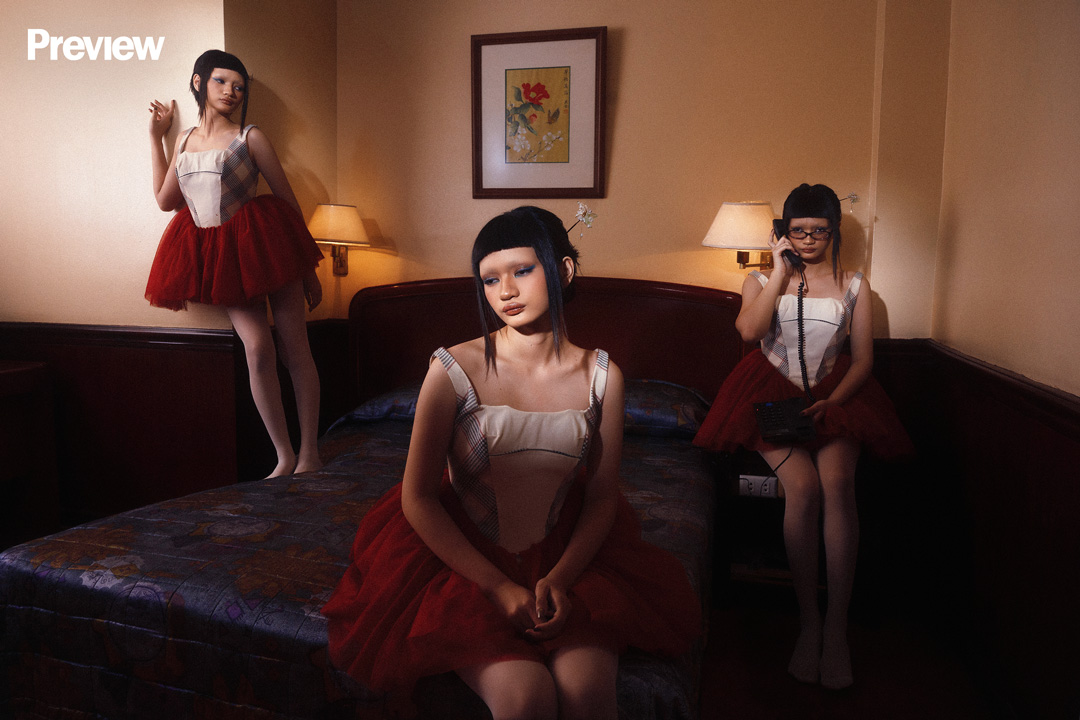
Fashion does not exist outside of real lives, and real people build wardrobes over time. They invest in pieces emotionally, financially, and culturally. These clothes hold memory. They mark seasons, milestones, and versions of the self. Treating them as disposable—or worse, shameful—once the internet has moved on reduces fashion to capitalist-driven consumption rather than a form of expression.
At the end of the day, fashion should be something you participate in, not something you’re constantly corrected for.
What to Continue Wearing Instead
If you’re looking for a list of things to stop wearing this year, here's our answer: nothing. Instead, here's what to continue wearing in 2026:
Your favorite outfit—on repeat
The clothes you reach for instinctively are often the clearest reflection of personal style. If something still works, still fits your life, and still feels like you, there’s no reason to retire it simply because social media says otherwise.
Pieces you share personal history with
The dress you’ve worn to multiple milestones. The bag you saved up for. The jacket you’ve owned long enough for it to carry your signature scent. Fashion becomes more meaningful when it’s lived in.
Whatever makes you feel most like yourself
Personal style is allowed to evolve, contradict itself, and slow down. Fashion is best enjoyed when it doesn’t need explaining.
This is the year we ditch the rules. Wear what feels right—and don't bother with a disclaimer.

Marj is the Editor-in-Chief of Preview. A former economics major, she dove headfirst into fashion publishing and hasn’t looked back since.