The New Age of Modeling
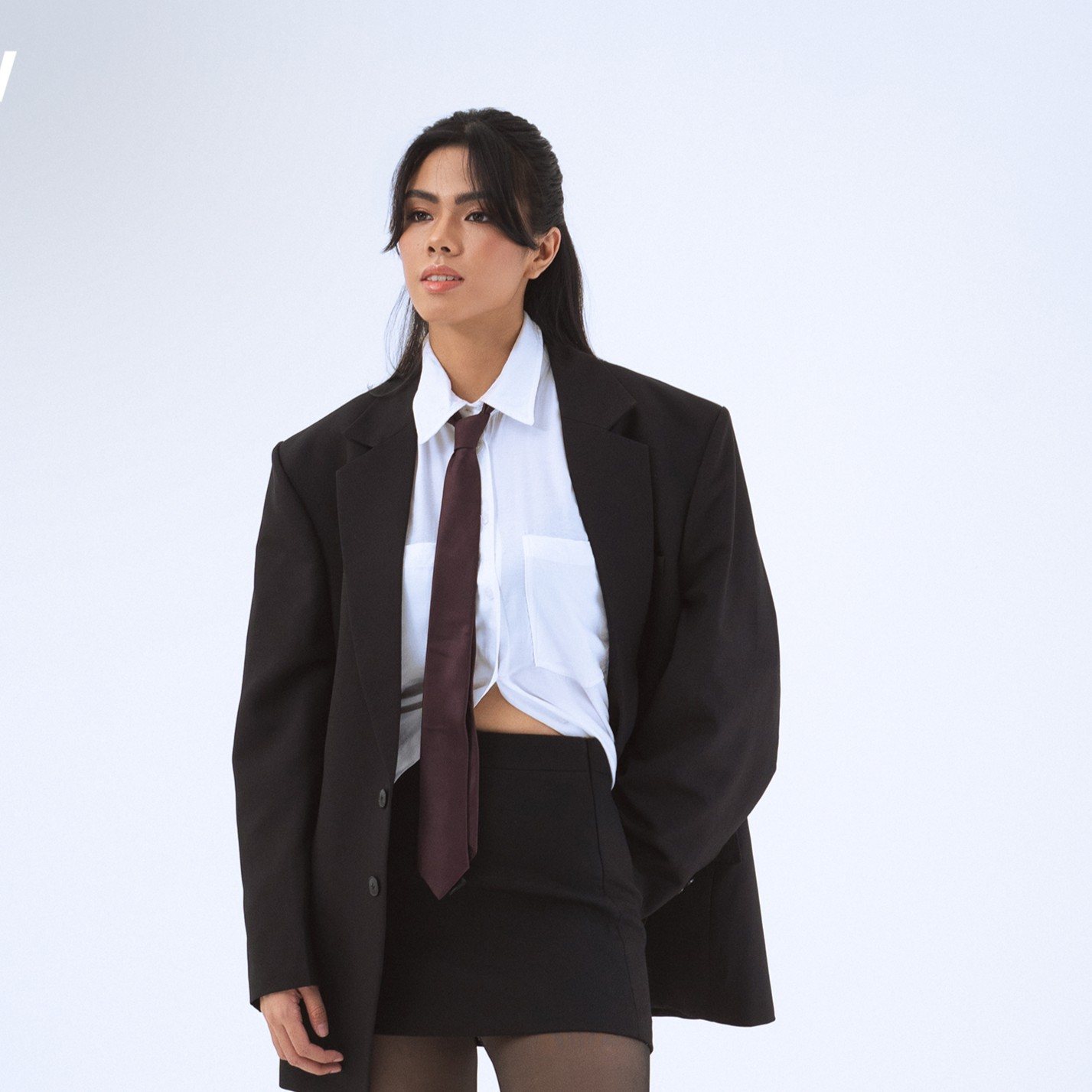
The modeling profession looks very different from what it did a decade ago. The Professional Models Association of the Philippines (PMAP) discusses the realities of navigating the profession today.
Published on Jun 19, 2026
The idea of becoming a model has long carried an air of glamour. From walking couture runways to spending days on set surrounded by glam teams, the profession is often associated with prestige.
Yet behind the flashing lights and embellished gowns lies an industry riddled with exploitative conditions, relentless beauty standards, and intense competition. Beneath the spectacle is a demanding line of work defined by instability and constant pressure. Truth be told, modeling can be unforgiving.
The landscape has shifted dramatically over the last decade, and yet many of these realities still persist. At the same time, social media has opened the door to conversations that challenge long-standing practices once accepted without question.
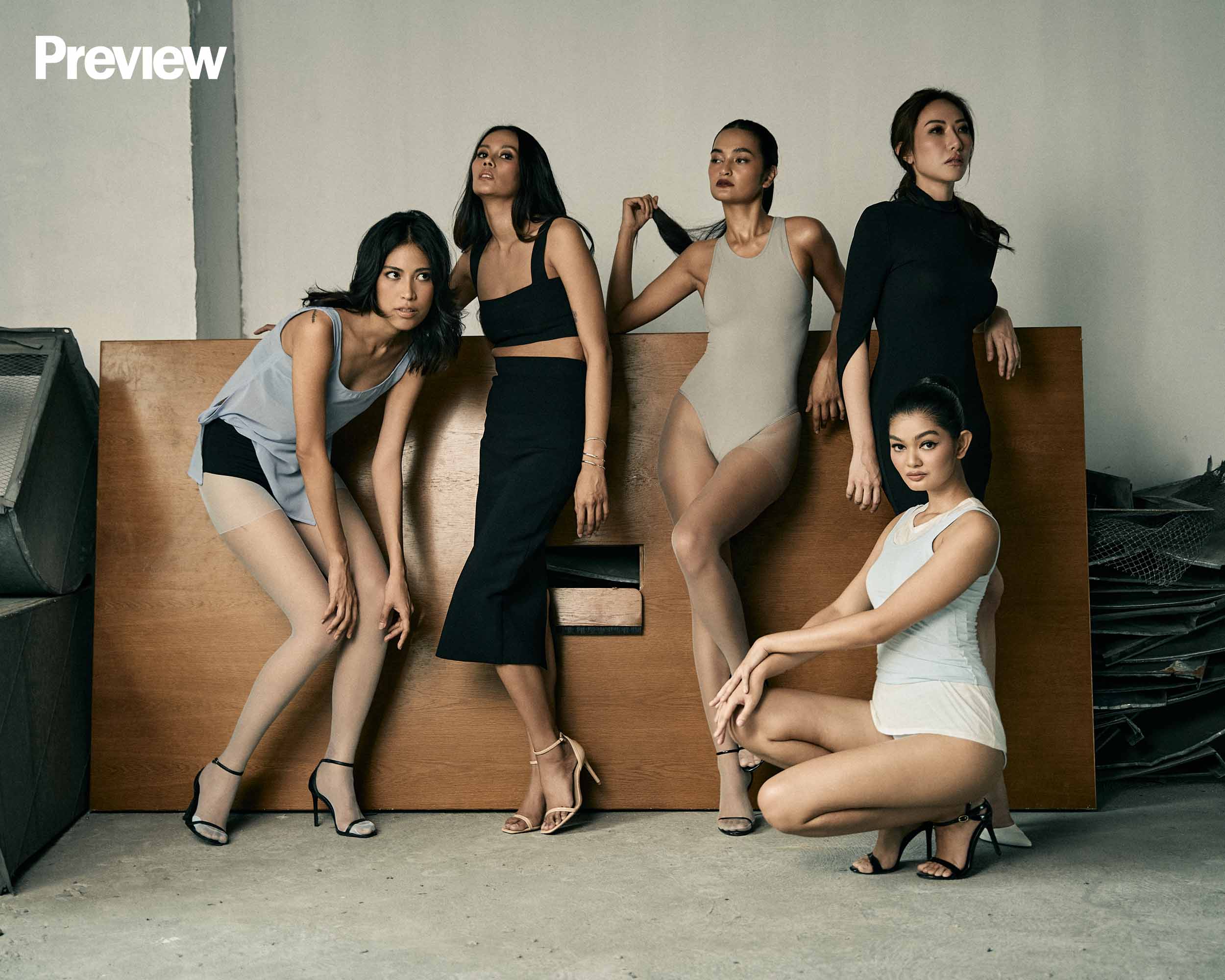
“Models have become more informed about their rights, and there are now more open conversations surrounding mental health, inclusivity, fair treatment, and professionalism within the industry. Because of this, the industry is slowly evolving into a more supportive and respectful environment for models,” PMAP's outgoing vice president Shermaine De Ramos explains to Preview.
Waves of Change
Today, modeling is more democratized than ever, with talents better equipped to advocate for fair treatment and healthier working environments. At the forefront of this shift is the Professional Models Association of the Philippines (PMAP), which continues to champion higher standards in the local scene.
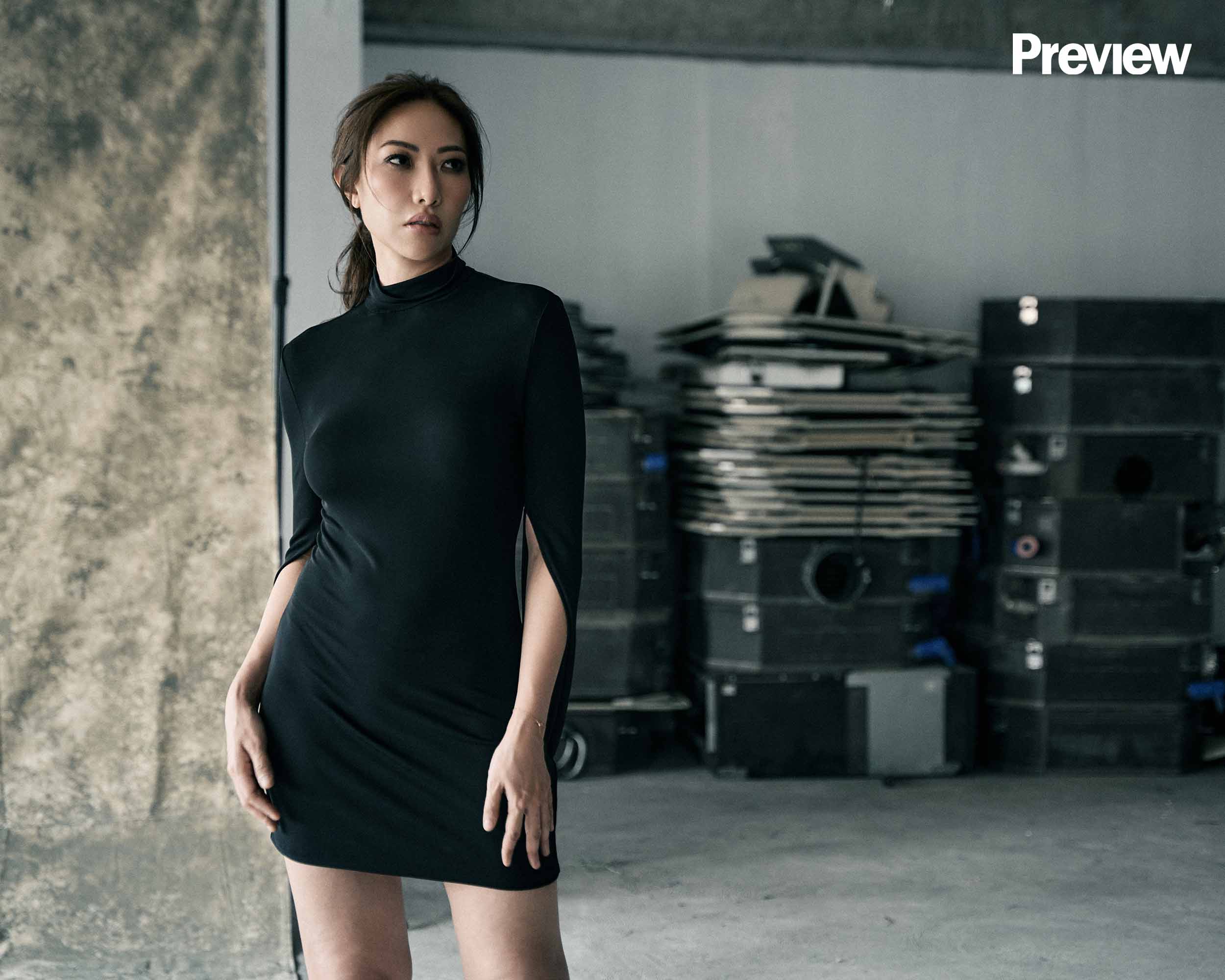
“[PMAP] gives models something the industry often lacked before, such as structure, representation, and community. It helps professionalize modeling by advocating for ethical practices, fair treatment, and the welfare of models,” says Atty. Marge Gutierrez, PMAP’s outgoing president.
Since its establishment in 1987, PMAP has helped shape professional modelling in the Philippines, producing some of the industry’s most recognizable names, including Tweetie De Leon-Gonzales, Myrza Sison, Phomela Baranda, and Hannah Locsin— only to name a few.
More than developing talent, however, the organization functions much like a workers’ union, one that advocates for equitable treatment, proper compensation, and healthier working conditions for its members.
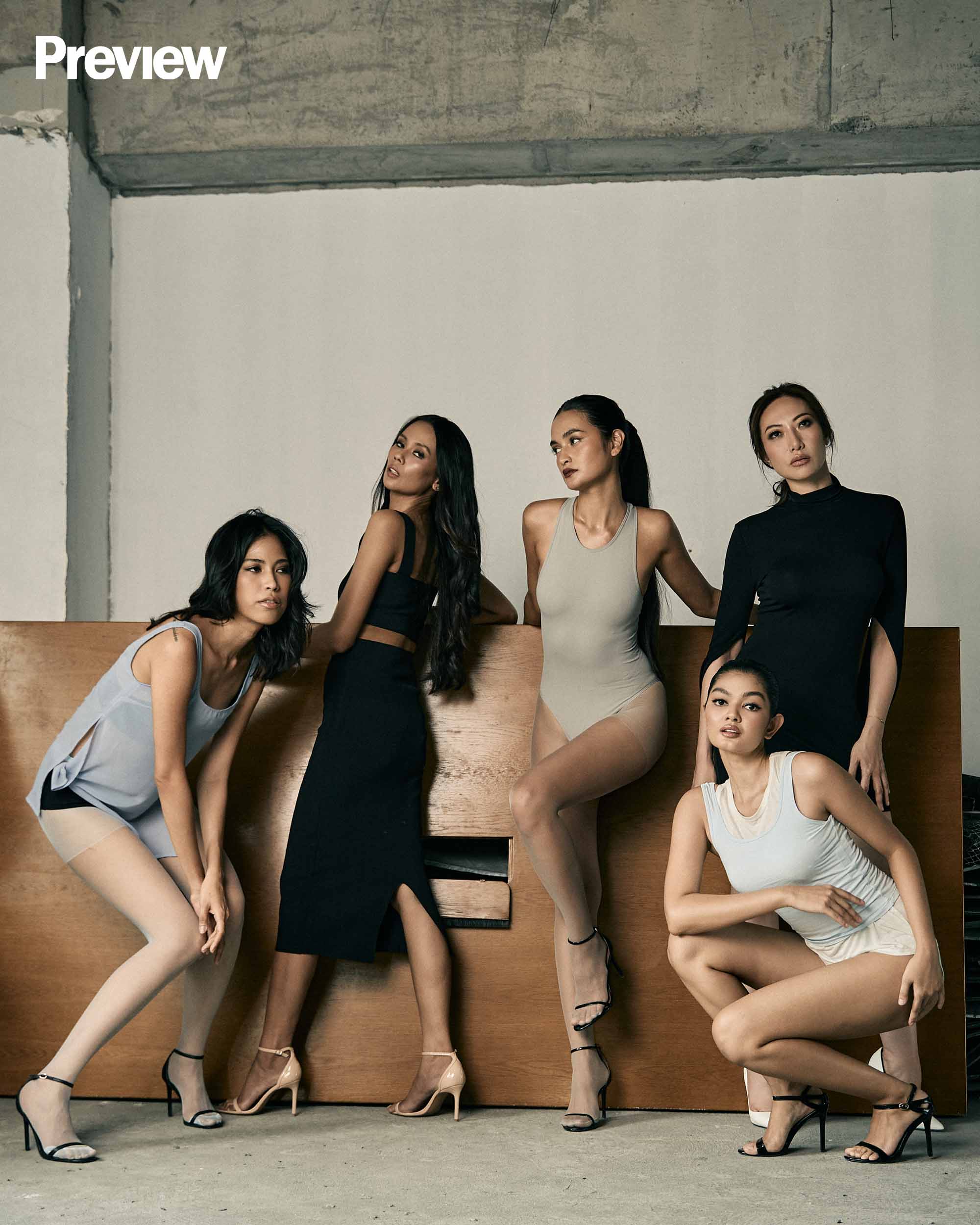
Co-founded by Tina Maristela-Ocampo, Ronnie Asuncion, and Robert David, PMAP was created to help develop and stabilize the local modeling scene. Its founders pushed for reasonable working hours and standardized booking rates. Nearly four decades later, those same principles continue to guide the organization.
“PMAP helps set standards and promote fair practices while elevating modeling as a professional career, not just a glamorous pursuit,” Shermaine says.
Joanna Pojas, PMAP’s secretary, echoes this sentiment. “It acts as both a regulatory body and a benchmark; when a model is part of PMAP, there is an immediate assumption of discipline, skill, and ethics.”
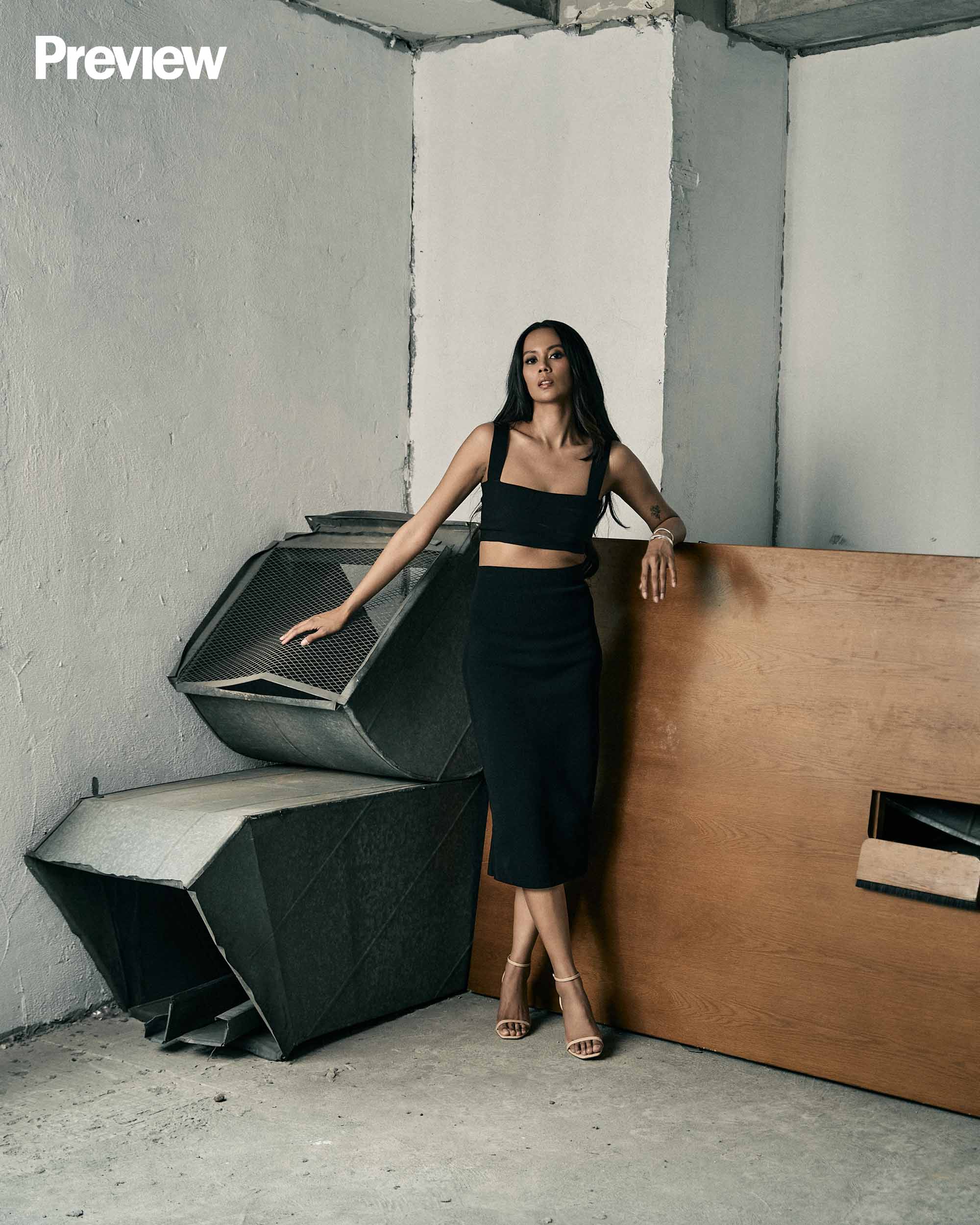
The Grit Before the Glam
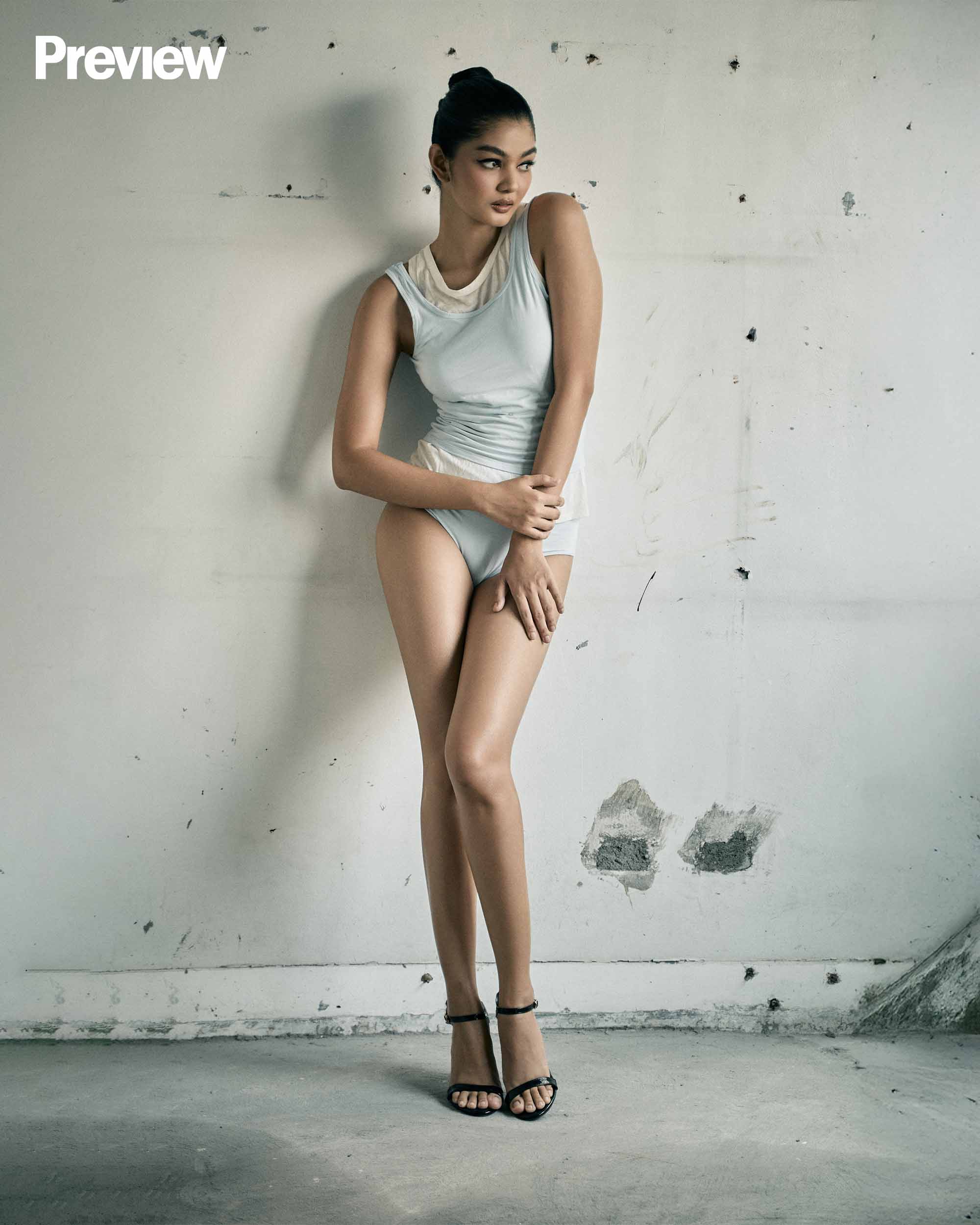
Runway shows and editorial shoots make up only a fraction of the job. Long before the glamour enters the picture, aspiring talents must navigate countless challenges that demand patience, discipline, and resilience. In many ways, modelling is not for the faint of heart.
“People see the 30-second runway walk or the polished magazine cover,” Joanna muses. “But in reality, it involves hours of waiting at castings, super early call times, standing for hours in uncomfortable footwear, and maintaining a high level of energy regardless of physical or mental exhaustion.”
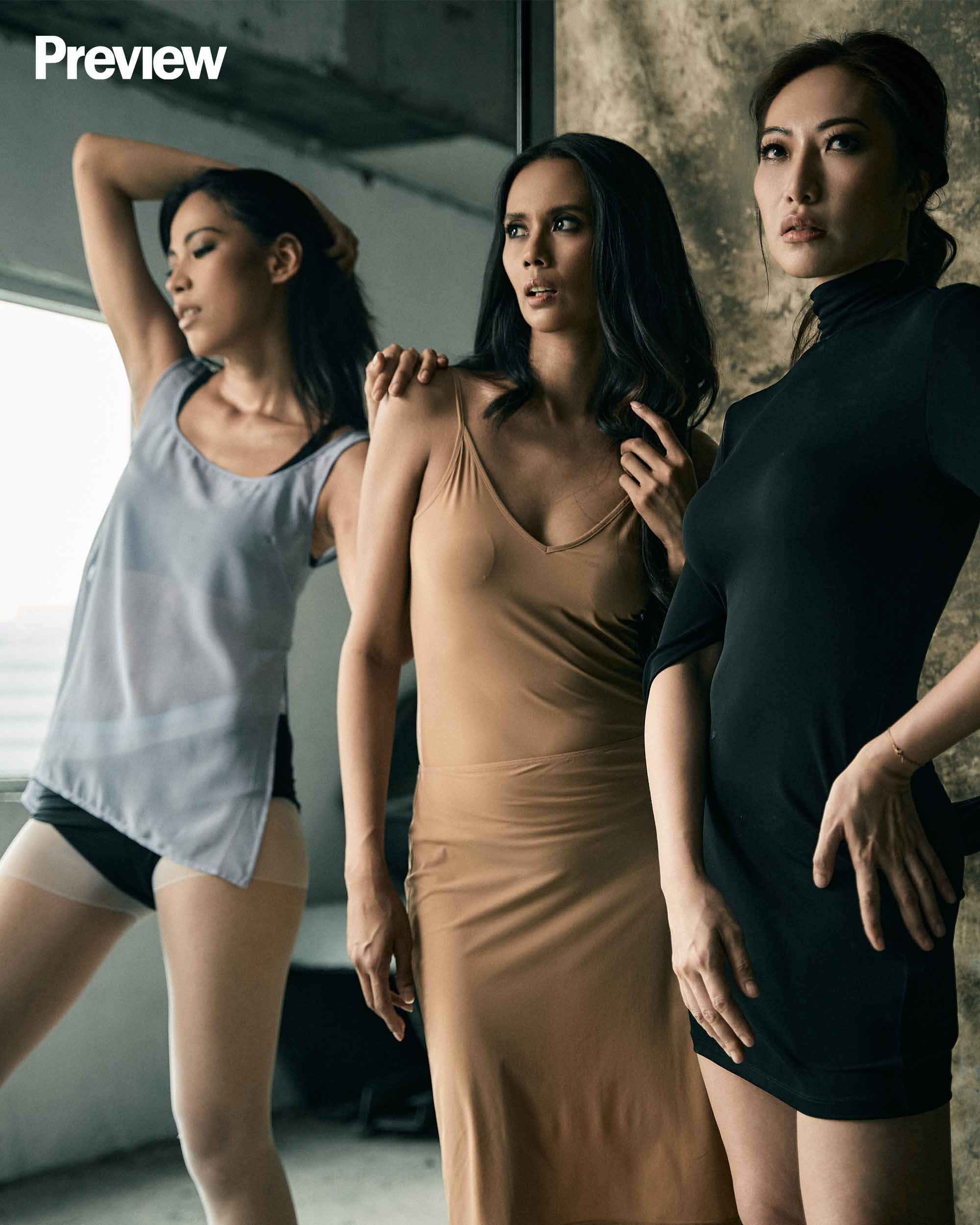
The work also requires a level of professionalism that often goes unnoticed. Models are not simply mannequins waiting to be styled; they are active participants in a larger creative ecosystem. Rejection is frequent, criticism is inevitable, and adaptability becomes a necessity.
“People also don’t realize how much professionalism and patience it takes,” says Jach Manere. “You’re constantly working with different clients and teams, learning how to adapt quickly, and handling rejection without taking it personally.”
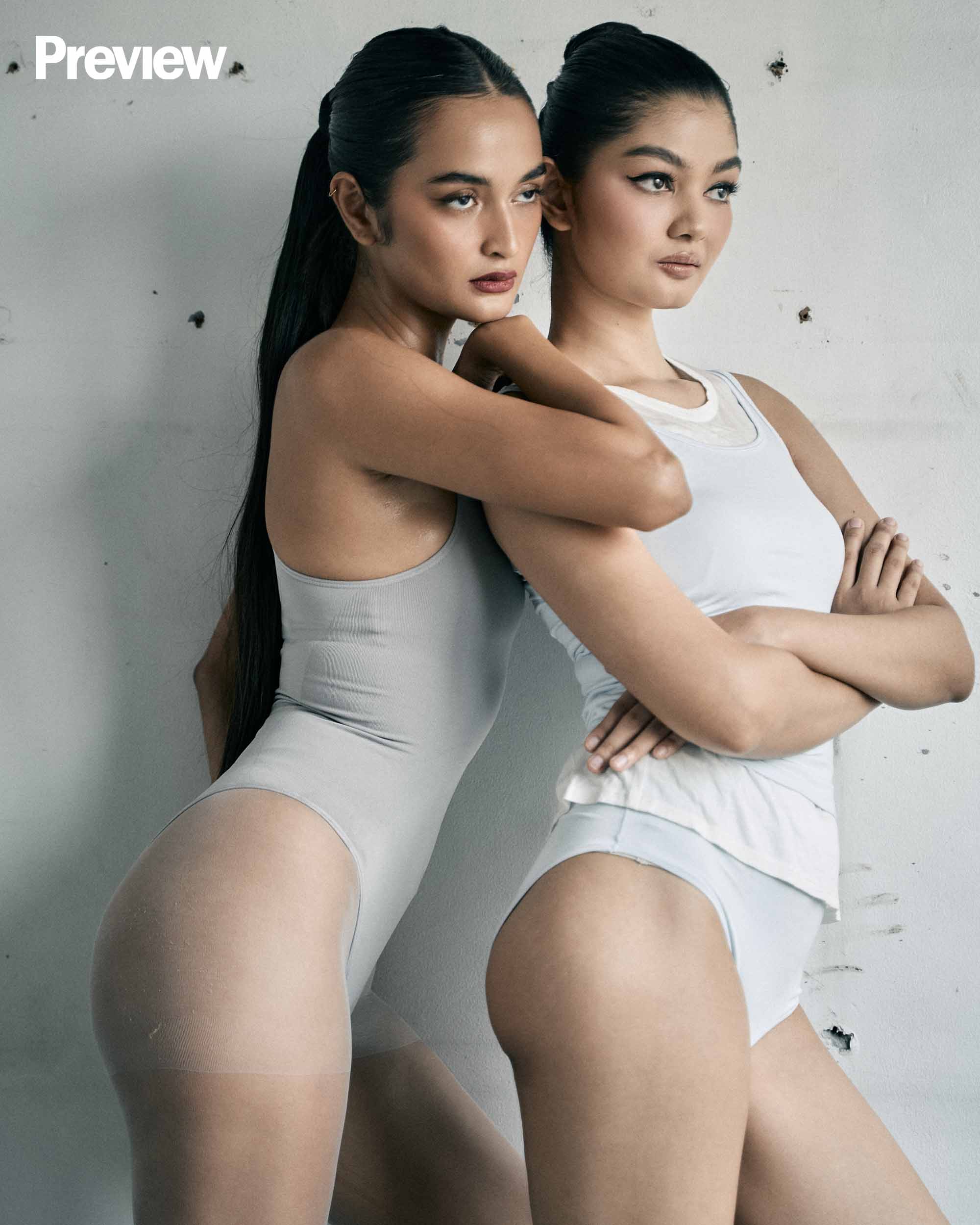
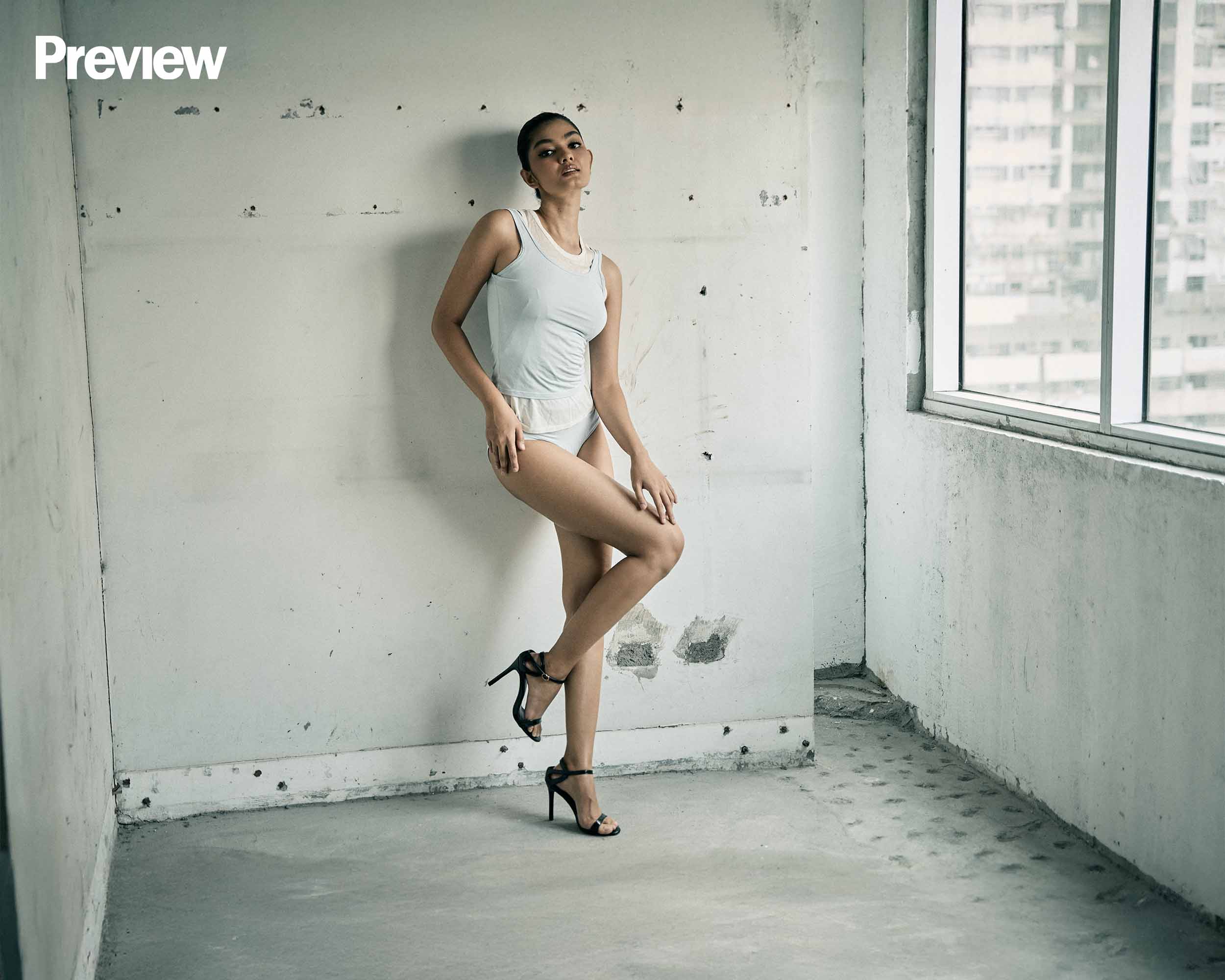
A Paradigm Shift
For decades, the modeling industry was defined by rigid beauty standards. Models were expected to maintain extremely thin frames, flawless skin, and a narrowly prescribed ideal of beauty. What often went unseen was the emotional and psychological toll required to sustain those expectations.
“There were moments when I wasn’t cast simply because I didn’t fit a certain mold, and as a young woman, that could deeply affect your confidence and self-image,” Atty. Marge recalls.
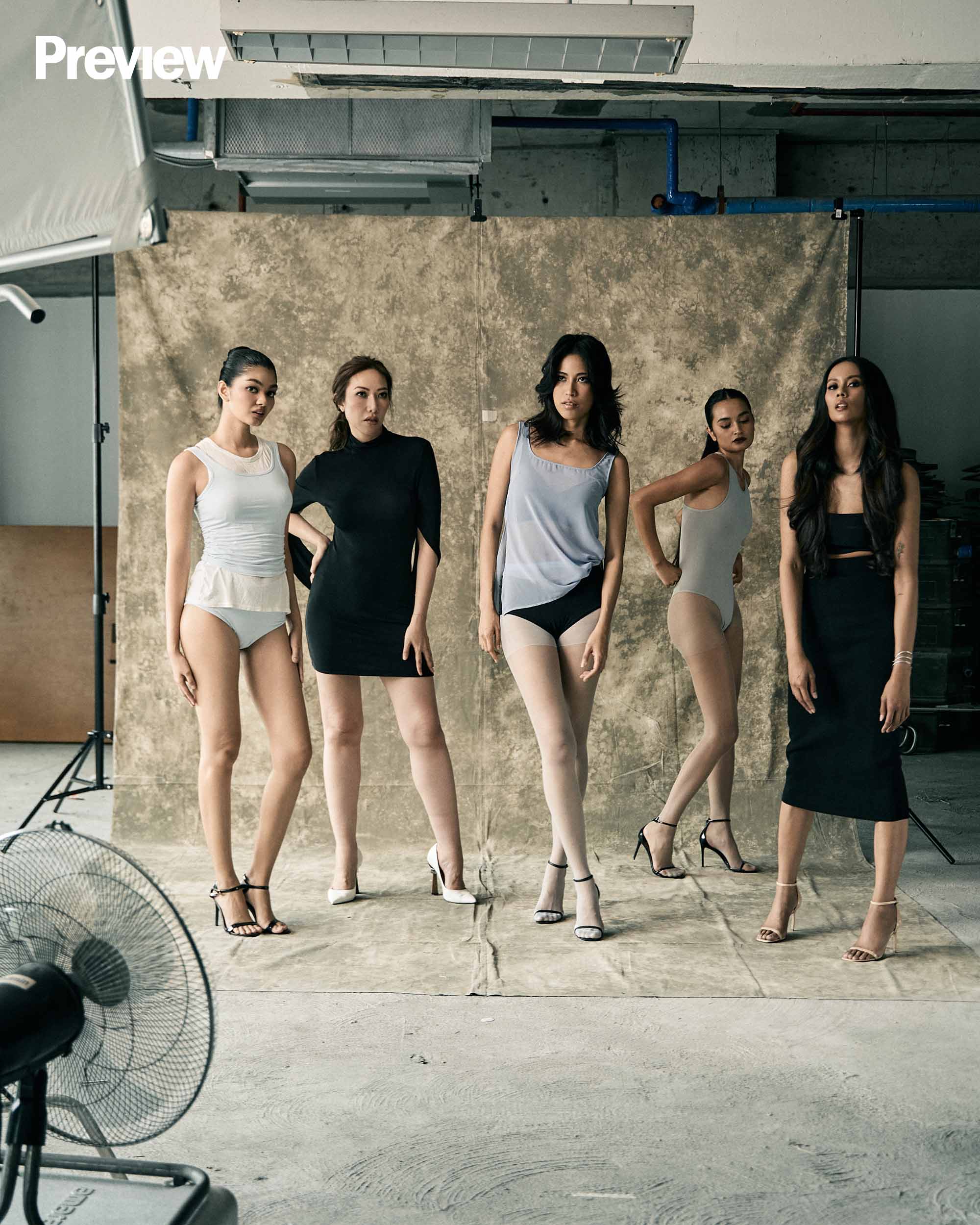
Years ago, comments about a model’s appearance were often treated as routine, leaving little room for body diversity. Anna Buquid remembers regularly hearing remarks about her wide hips. She narrates, “But it’s literally my bone structure, so I’d think… ‘What do you want me to do, be completely flat assed?’”
Today, the industry is gradually embracing a wider range of faces, body types, and identities.
“Today, those behaviors [of body shaming] are more likely to be called out, because the industry has become more conscious of everything, and started to create safer environments,” Shermaine shares.
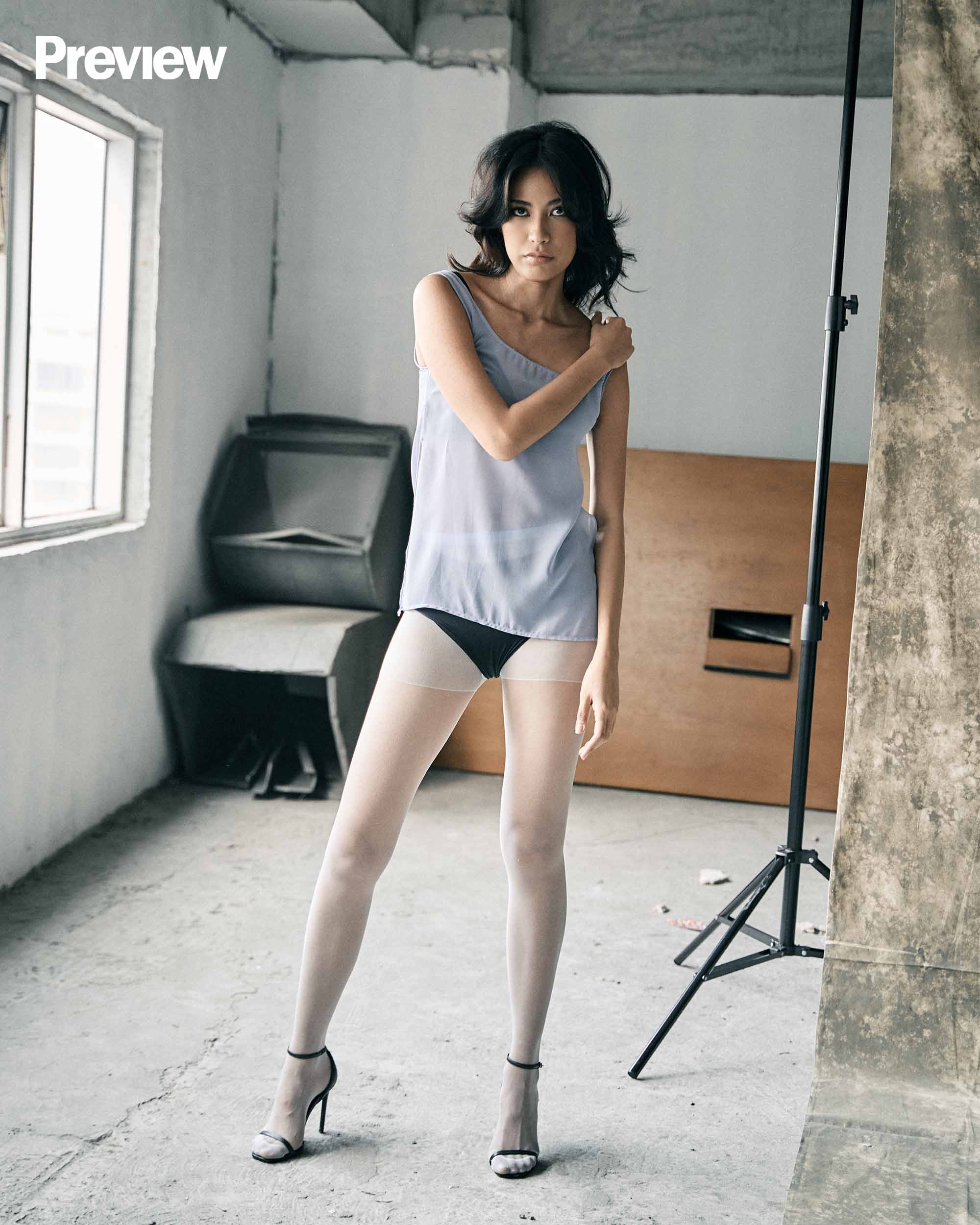
Social media has played a significant role in accelerating that shift, amplifying discussions around harmful practices and increasing accountability.
“Today, that approach is recognized as body shaming and is no longer tolerated,” Joanna adds.
Diversity now carries greater weight in casting decisions. Beyond measurements and height requirements, agencies and brands have become more receptive to individuality and authenticity. Models are increasingly seen not as blank canvases, but as people audiences can connect with.
“The shift toward inclusivity regarding skin tones, heights, and gender expressions has made the casting practices of the past feel very dated,” Joanna explains.
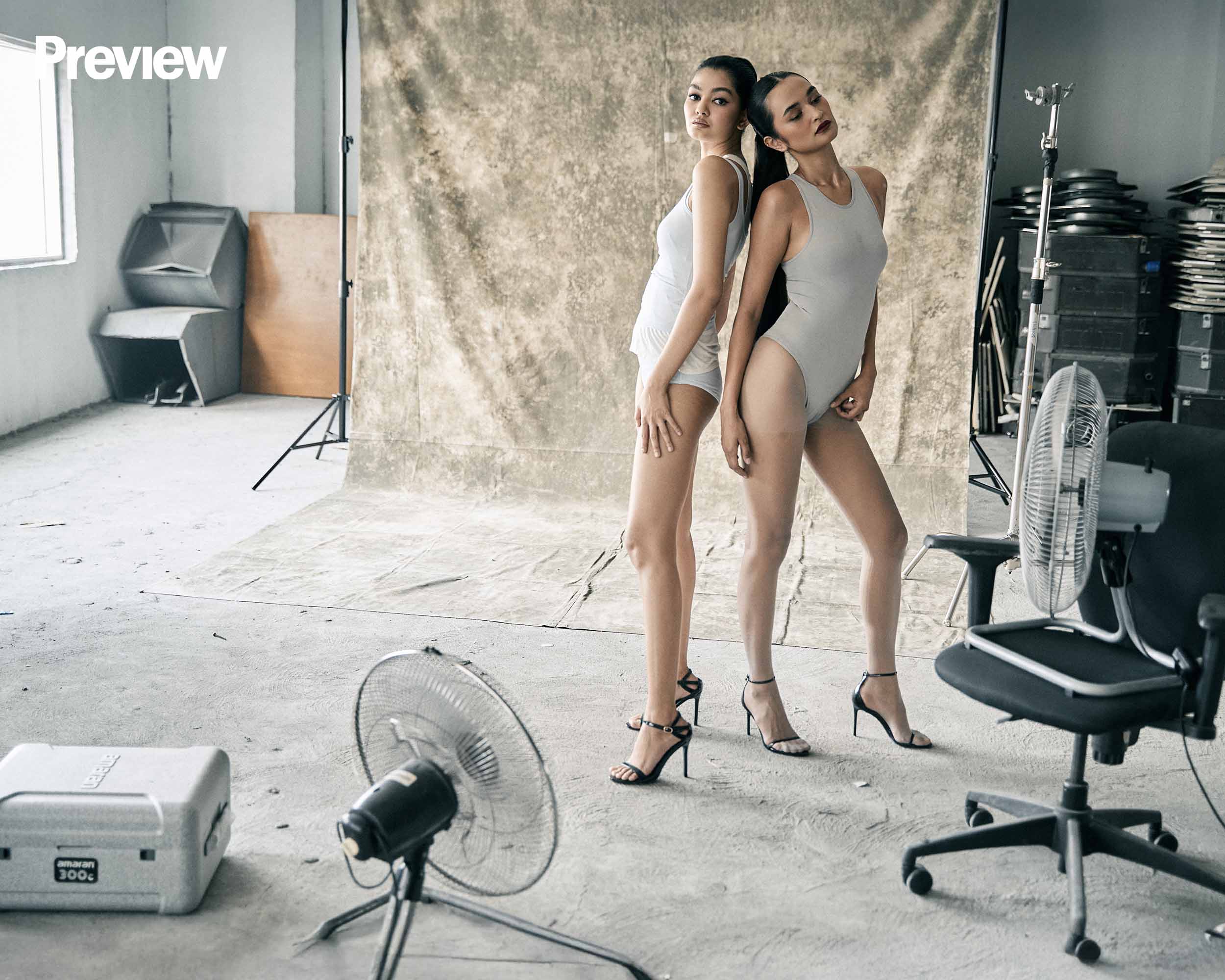
The Economy of Visibility
Social media has transformed the modelling industry in ways few could have predicted. Visibility is no longer controlled solely by agencies and traditional gatekeepers. Models can now market themselves, build networks, and create opportunities through their own platforms.
“Social media has transformed the industry because models are no longer just faces on a runway or in magazines, many have become storytellers, advocates, entrepreneurs, and influencers in their own right,” Atty. Marge points out.
“Opportunities are more accessible, and talents can gain recognition even without being discovered through traditional agencies alone,” Shermaine adds.
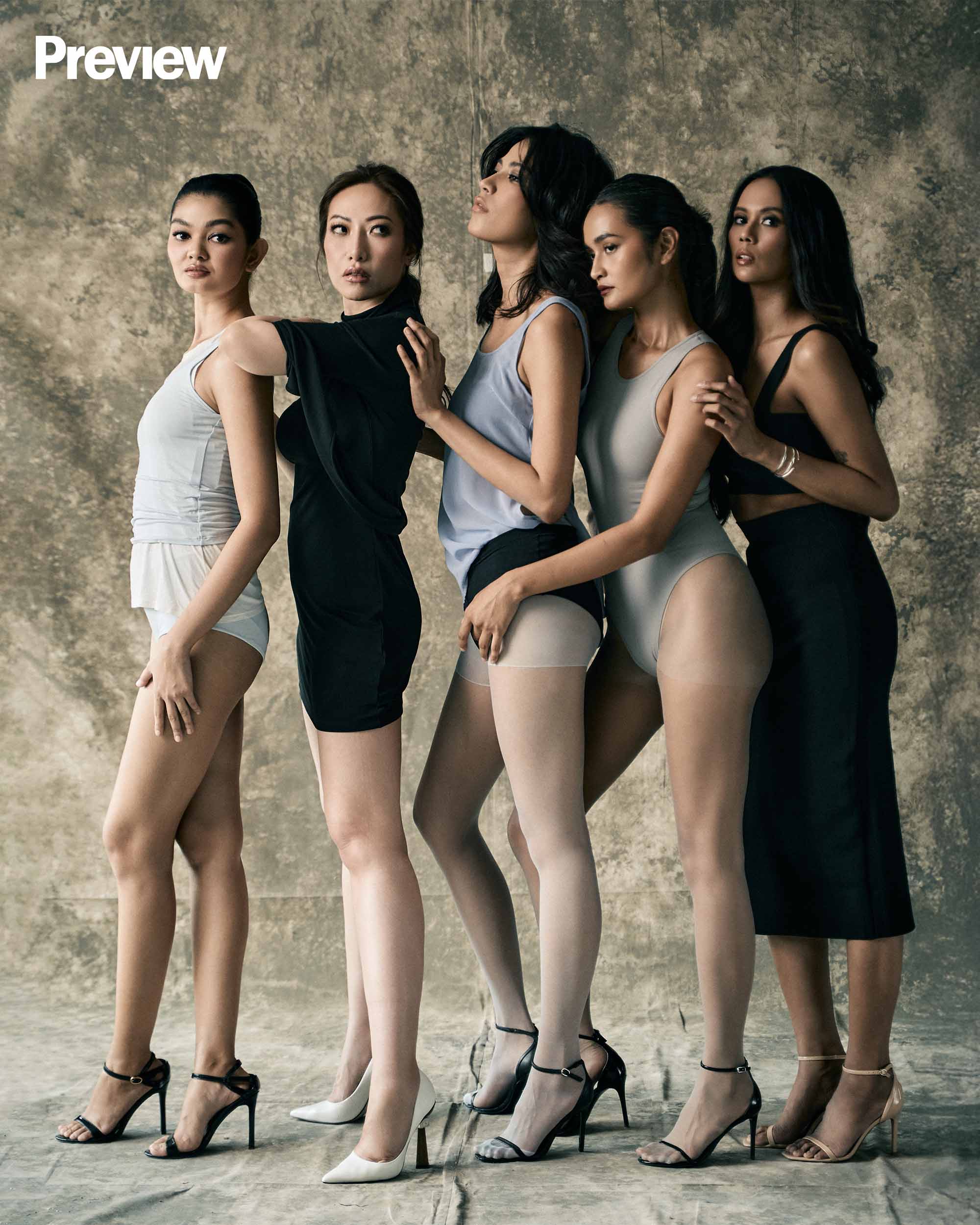
Yet greater access has also created new pressures. Staying visible, growing an audience, and maintaining engagement have become part of the job itself.
“Opportunities have expanded, but so have expectations,” Atty. Marge states.
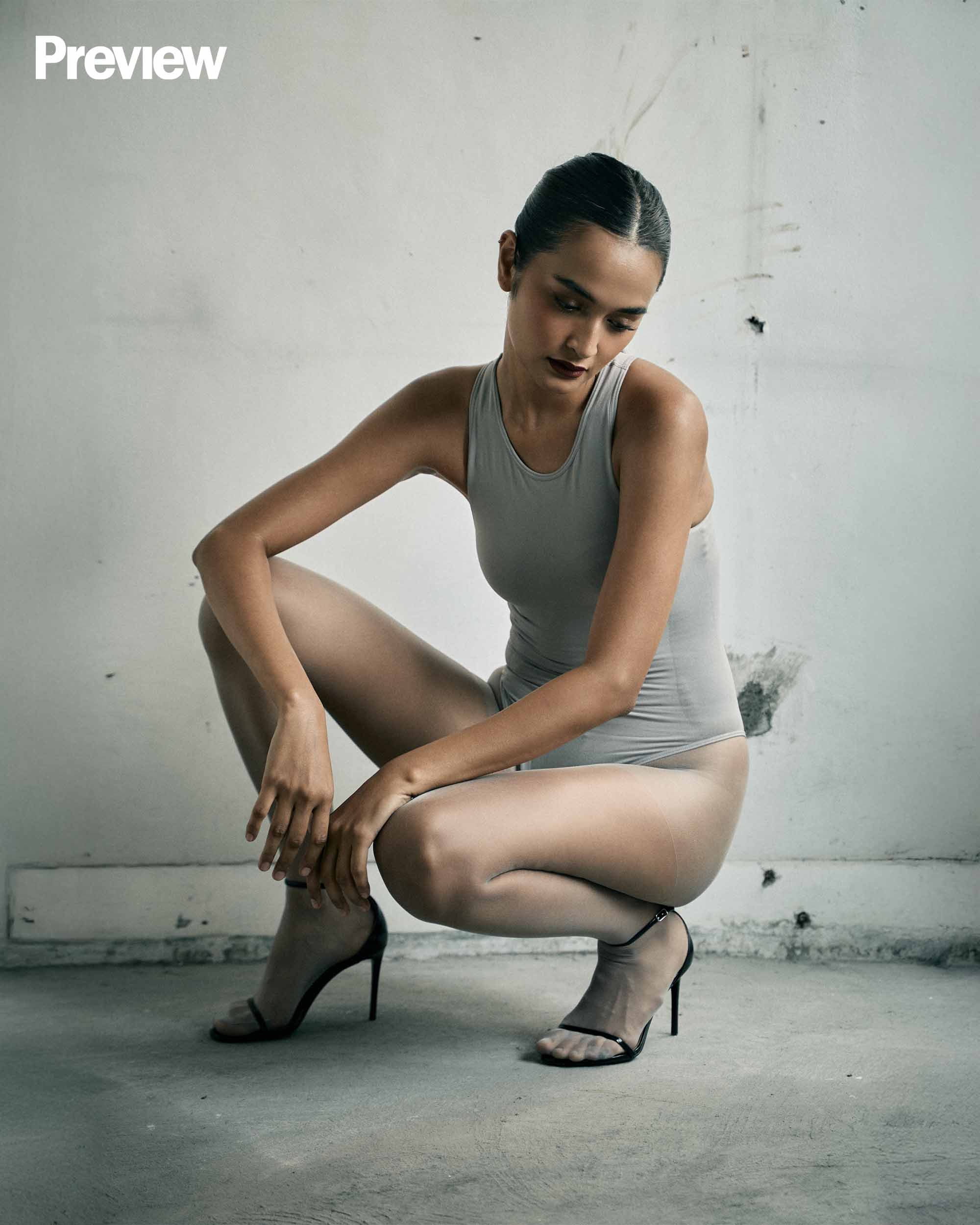
Jach, who has a sizable online following of her own, has experienced this shift firsthand.
“The rise of social media completely transformed how modeling works, from how models get discovered to how we build our portfolios and connect with brands,” the Asia's Next Top Model alum explains. “It made things more accessible, but also a lot faster and more competitive in a different way.”
The Road Ahead
Much has changed, but there is still work to be done.
Although the industry has evolved alongside the times, many of its long-standing issues continue to surface in different forms. Concerns surrounding unfair compensation, vague contracts, and inadequate protections for models remain persistent challenges.
“What needs to change are the parts of the system that allow exploitation to persist,” Anna remarks. “The industry can only move forward with stronger standards and accountability.”
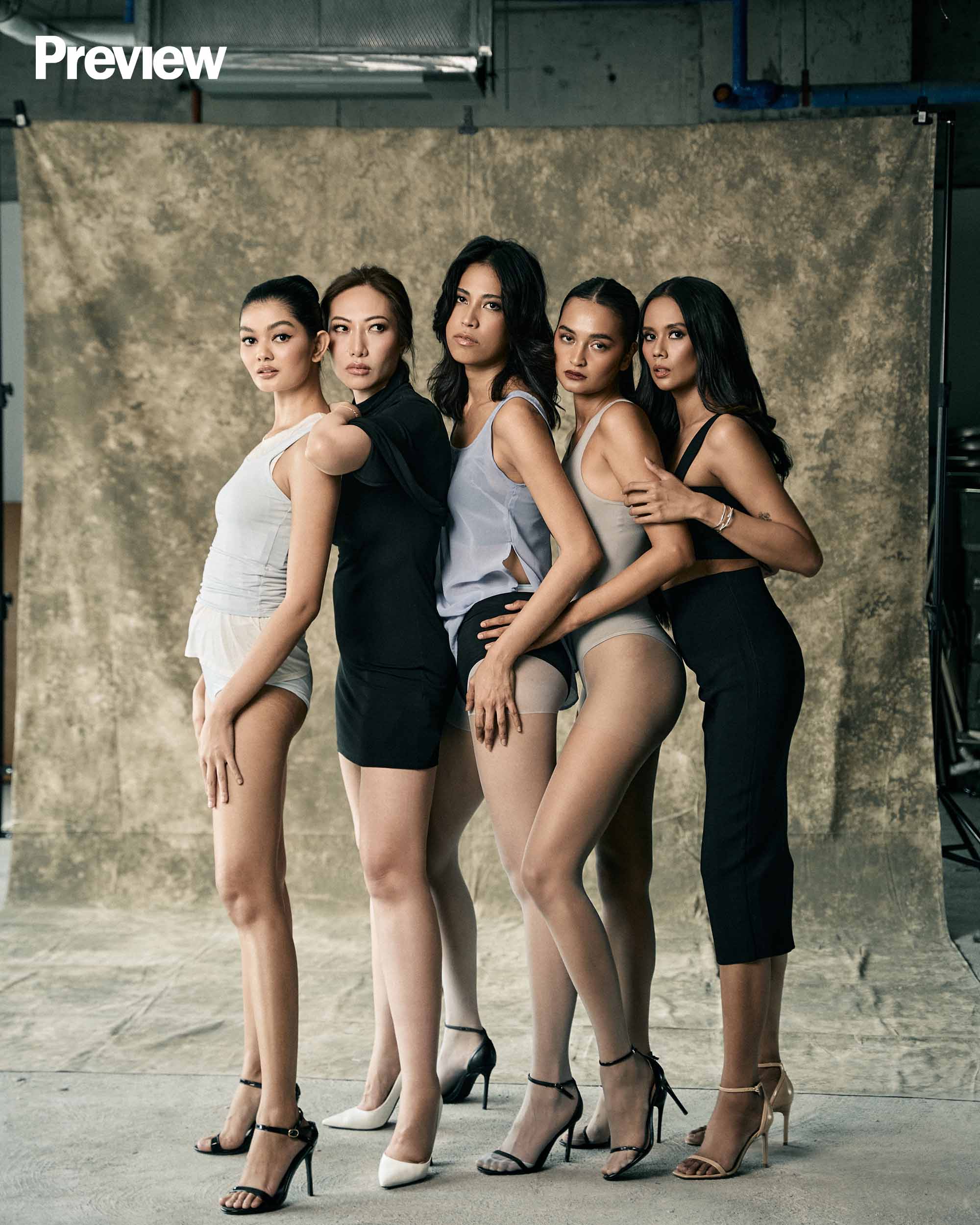
Meaningful progress will require broader institutional support—not only for models, but for creatives across the industry.
“I hope there is stronger support from institutions to create more space and safeguards for artists in the Philippines, so that modeling and the creative industries are better supported and given more room to thrive,” Anna continues.
Organizations such as PMAP offer an important counterbalance to many of these challenges. In an industry often defined by pressure and competition, the culture of mentorship and mutual support it fosters remains invaluable.
“Instead of treating each other as competitors, people openly share knowledge, experiences, and opportunities to help one another grow,” Shermaine notes.
The profession remains demanding and, at times, unpredictable. Yet models continue to pursue it because of a genuine passion for the craft. Beyond the glamour, modelling is both an art form and a legitimate profession—one that deserves the same protections, respect, and institutional support afforded to any other career.
“We have so much creativity, beauty, and world-class potential, and I hope more Filipino models are given opportunities not only locally, but internationally as well,” Atty. Marge concludes.

Produced and Styled by the Preview Team
Editor-in-Chief: Marj Ramos-Clemente
Managing Editor: Reg Rodriguez
Assoc. Creative Director: Jana Jodloman
Producers: Kyla Villena and Paulina Singh
Photographed by Karl King Aguña. Art direction by Jana Jodloman. Video direction and edit by Bea Panganiban, shot by Teddy Garcia Jr. Styled by Paulina Singh. Beauty direction by Kyla Villena. Makeup by Raymond Mateo for Teviant. Hair by Patrick John Domingo for Teviant. Story by Paulina Singh. Photographer’s assistants: Jom Ablay and Rossman Hitosis. Shoot assistants: Kevin Paguntalan, Renier Lance David, and Alfred Locsin.
Pau is Preview’s go-to fashion girl. On most days, you’ll find her with coffee in hand, and dressed in an oversized blazer with floor-grazing jeans.