Fashion
How Much Should a Scrunchie Cost? Filipino Designers and Brands Weigh In
Preview sat down with the creatives behind HA.MU, Randolf, and Nicolò.
by Kyla Villena
Published on May 23, 2025
There are many things to consider when pricing a product. For fashion, specifically, you would have to factor in the labor of your sewers, the accessibility of your chosen fabrics, the pricing of your competitors, and the purchasing practices of your market, among many others.
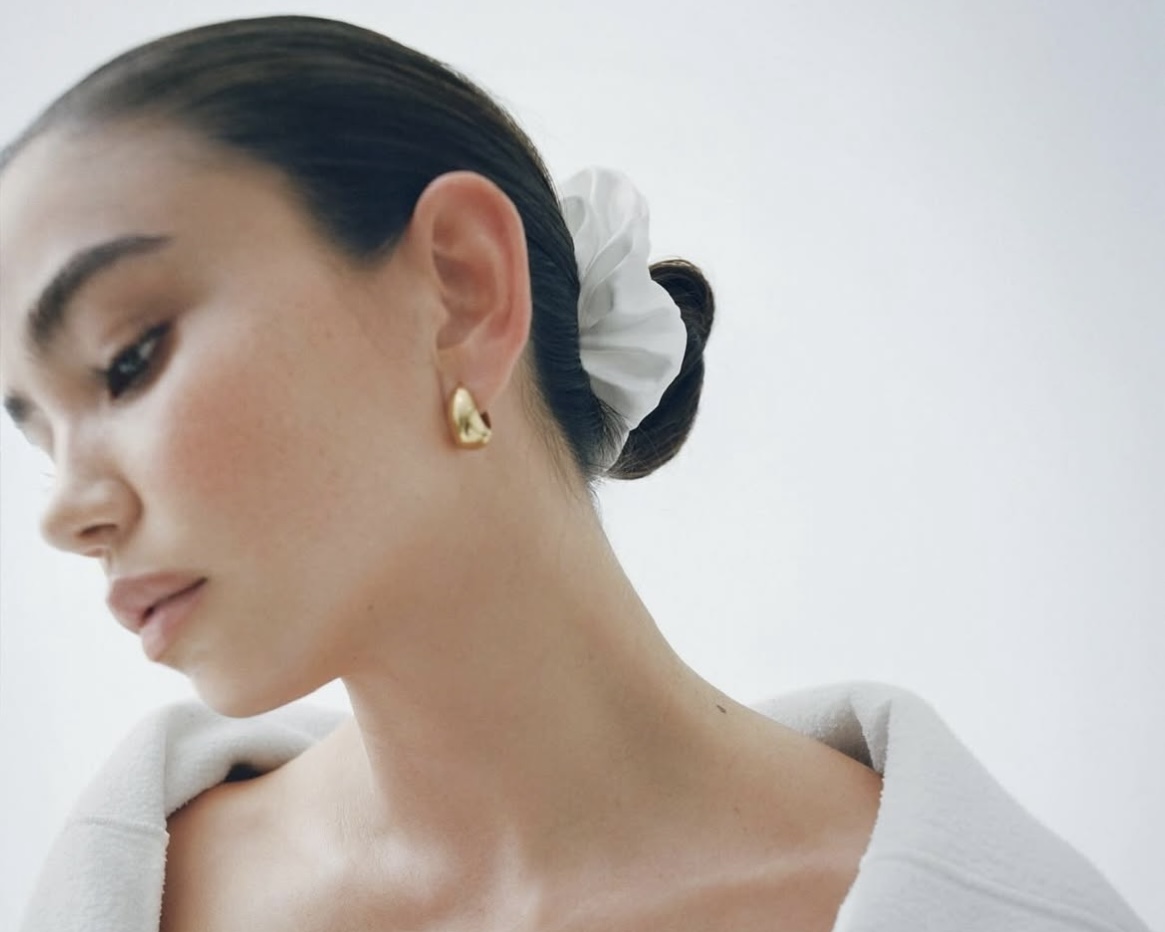
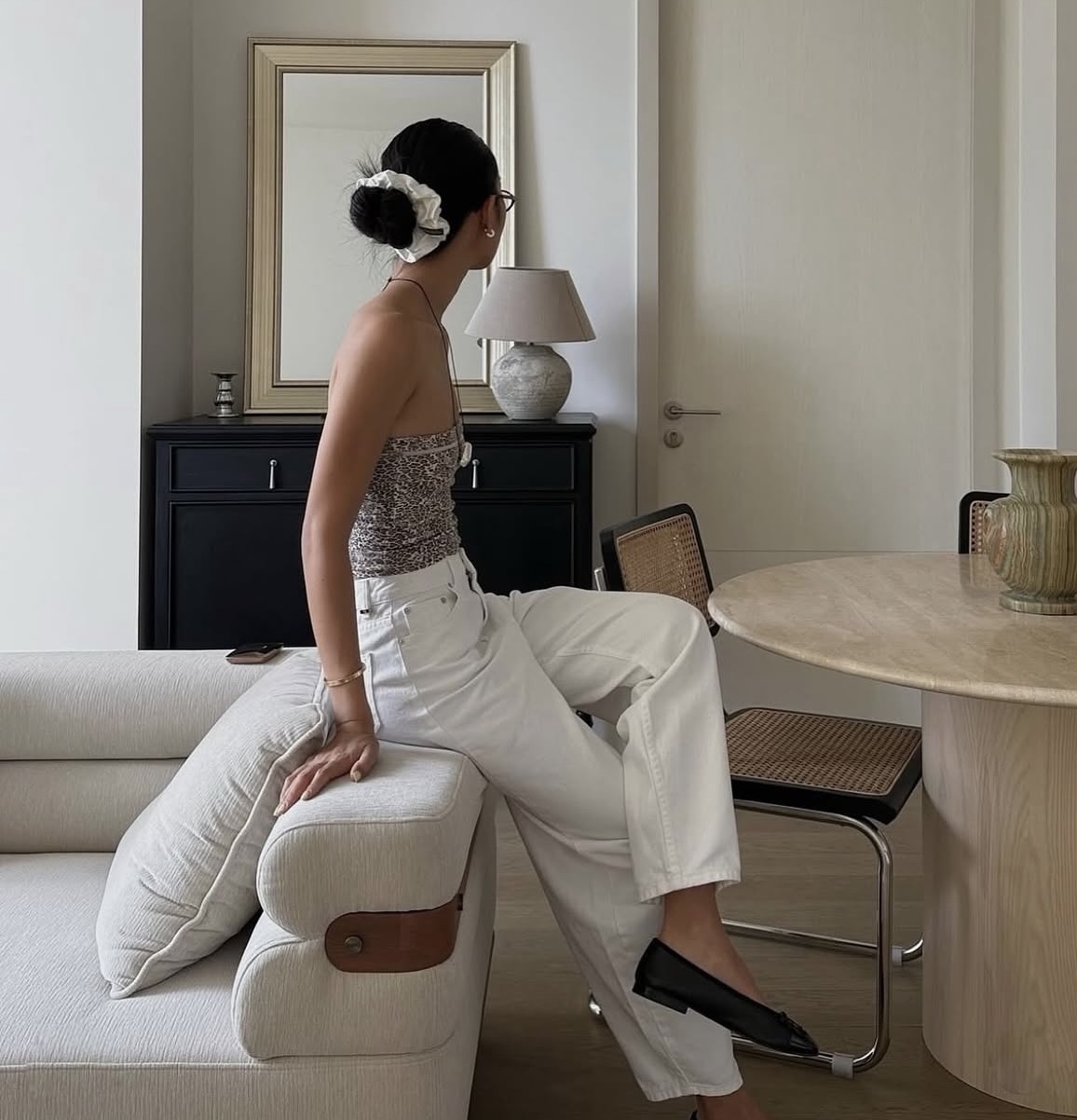
Recently, netizens have been trying to break down and justify the cost of scrunchies from Bahay Kubo, an apparel brand by half-Filipino model and content creator Christina Nadin.
ADVERTISEMENT
Click to Enlarge
PHOTO: Instagram/bahaykubo__.
A recent post on X went viral, stating that two overpricing indicators of local brands are: if they’re owned by someone who isn’t fluent in Filipino; and if the store is named after a deep Filipino word. Less than a week since the post was made, it has garnered over 11.5 million views with more than 8500 reposts and quotations. Among these was one that included a screenshot of Bahay Kubo’s The Bahay Collection, which consists of four Bahay Scrunchies and four Bahay Headbands, priced at P11,400 and is currently sold out.
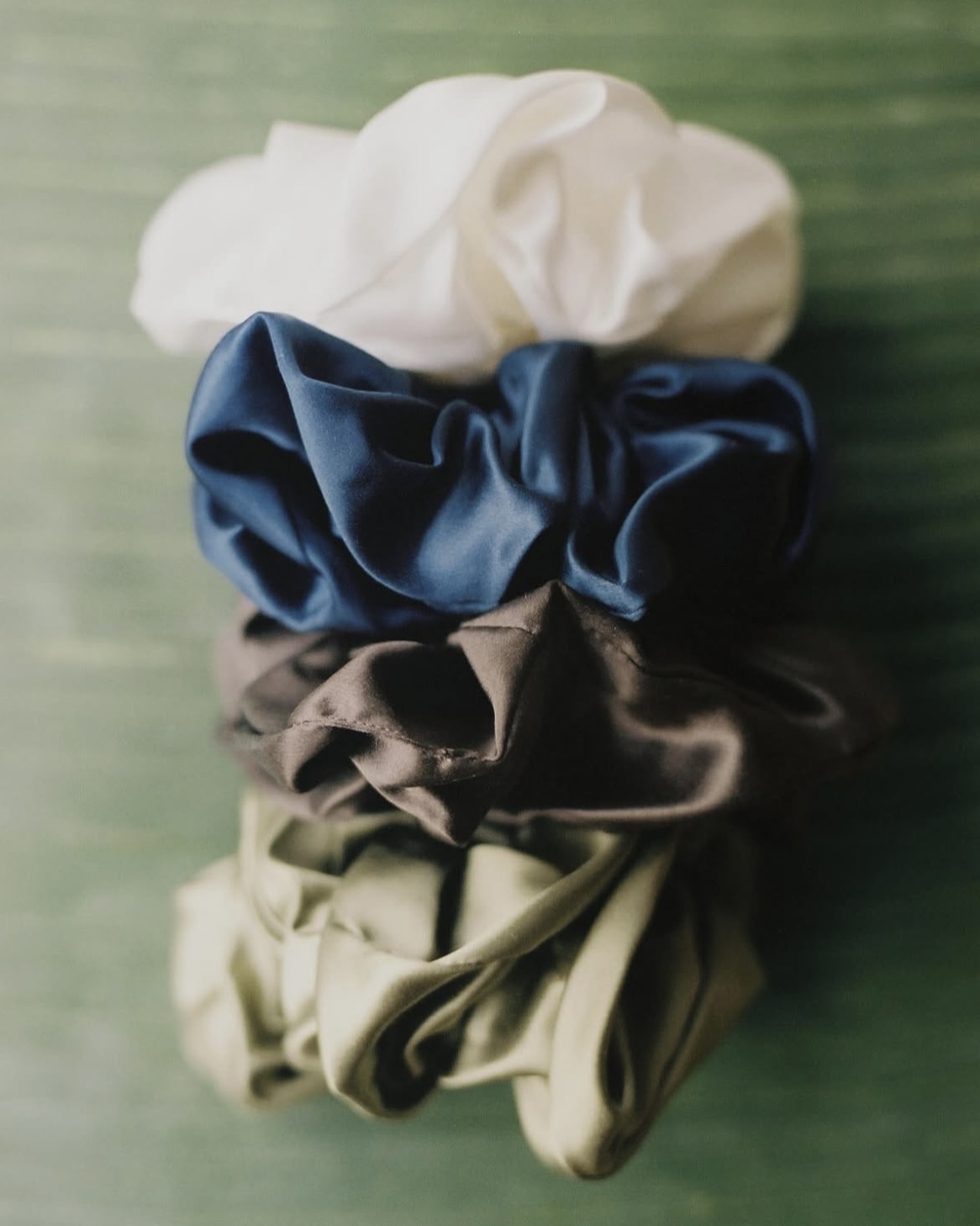
The items can also be bought individually, with each Bahay Scrunchie costing P2,000. According to Bahay Kubo’s website, they’re made with 100% mulberry silk.
A dollar, or approximately P55 for every sale of any product (including the five-digit set), is donated to Lokal Lab, a non-government organization in Siargao that trains local weavers. When the brand first launched in 2024, some called it an essential. Today, netizens are trying to look for the reasons behind their pricing.

Click to Enlarge
PHOTO: X/eth3rchouchou.

Click to Enlarge
PHOTO: X/klarissealyson.

Click to Enlarge
PHOTO: X/midnightr0se.
READ:
Filipino Collective "The Learning Lab" Reacts to How Much a Scrunchie Should Cost
Scrunchies are widely available in the Philippines. The Learning Lab, for instance, sells three pieces for P150. As a collective that provides training and livelihood, The Learning Lab’s products are made by middle-aged mothers, including persons deprived of liberty and persons with disabilities. They went through the pricing of their scrunchies in an Instagram post shared on May 20, 2025, saying that they are “made with purpose—using upcycled fabric, sewn by learners-turned-earners, and priced for accessibility and impact.”
50% of every sale of the set goes directly to the mother who made them. As the group emphasized, “fair pay is non-negotiable,” and it remains as one of their top priorities. This is not to say that one is better than the other. However, with Bahay Kubo and The Learning Lab offering the same product (albeit made with different materials and by distinct groups of sewers), a new perspective is gained and the stark difference in pricing causes the rise of numerous questions.
Preview Exclusive
How Much Should a Scrunchie Cost? According to Filipino Creatives
The discourse on four-digit hair ties has entered the radar of Filipino designers and creatives alike. Preview sat down with the brains and hands behind three remarkable homegrown brands: HA.MU’s designer and the brand's marketing lead, Abraham Guardian and Gem Ausa, respectively; Randolf’s founder, creative director, and designer, RJ Santos; and Nicolò’s founder and designer, Nicolo Perez.
After all, who better to ask than the hands-on experts themselves? Explore their answers in this Preview exclusive.
Click to Enlarge
Click to Enlarge
Click to Enlarge
Click to Enlarge
From L-R: Abraham Guardian, Gem Ausa, RJ Santos, Nicolo Perez | PHOTOS: Instagram/monstrousthoughts, gemcarloausa, rjcsantos, nicoloeaux
On Labor, Materials, and Production
Abraham, also known as Ham, expressed that a hundred pesos or less is enough price for a scrunchie. As a designer, he stated with confidence that very little fabric is needed to make one. “At the same time,” Ham said, “when you get a sewer to produce a scrunchie, I think you’re going to be paying them quantity-wise because it’s a really small piece of accessory to make.”
He added another factor to consider, saying that “the price will also depend on the material that you use. Is it going to be fabric leftovers? Is it going to be the finest silk? Is it going to be the cheapest cotton fabric?”
To that, Nicolo wholeheartedly agreed. So we just had to ask: What if it’s made of 100% silk?
Around a thousand pesos would do for a silk scrunchie, he shared, emphasizing, “Super liit lang ng consumption ng scrunchie fabric-wise. Labor-wise, it’s just going to take 15 to 30 minutes to make one.”
Click to Enlarge
PHOTO: Instagram/bahaykubo__.
RJ nodded in agreement, while opening the discussion of going overboard with your pricing. “I think, ultimately, it depends on how much value you put on the sewer's work. Pero having said that, feeling ko may limits din naman. It shouldn’t be more than a thousand even if it’s a hundred percent silk.” The creative director highlighted that everything about making a scrunchie is easy, from pattern to production.
On Marketing and Financial Behavior
The conversation shifted to a business-and-consumerism perspective as Nicolo shared his additional point on brands setting their sights on specific target markets. “Maybe that's also their business strategy in terms of pricing because, at the end of the day, it's not just about labor and materials as we all stated. There's also exclusivity pricing. Maybe they're aiming for that—na it’s more desirable for people who like expensive things.”
Despite there being a market for that, RJ concluded: “It's not an essential good, so we can't really police how people want to price their stuff.”
And from the other end, we can’t police how much people are willing to spend either. “You always have other options, so maybe if hindi ka pabor doon sa isa, then highlight those things or brands na mas nagre-resonate sa’yo or mas within your budget.”
Click to Enlarge
PHOTO: Instagram/bahaykubo__.
As a marketing lead himself, Gem added onto RJ’s thoughts. “It's really about your budget as an individual buyer. Whether it's a scrunchie or any other product, go for what you can afford.” It all boils down to your priorities as a customer. “It's more than [just] what you deserve, it's really about what you need now. Like what RJ said, it's a non-essential good.”
Gem closed the conversation by stating that you can find something too expensive, or you can think that an item is affordable but that doesn’t mean that you like it. Certain things are made for certain people; the best way to go about it is by knowing what aligns with your own practices and preferences.

Kyla Villena loves a good lip gloss and a trip to the art gallery. She is Preview's beauty girl, who doubles as a self-proclaimed motivational speaker.