The Demand for Ube Comes with a Cost for Local Farmers
Global demand for the local crop is surging, but farmers are left to navigate the strain on Philippine agriculture.

by Kyla Villena
Published on Apr 8, 2026
The global food industry is developing a penchant for vibrant-colored food, and ube is recent evidence.
Ube, also known as purple yam, is native to the Philippines. Its nutty and creamy flavor is traditionally used in local desserts and pastries, making it a Filipino staple. Whether eaten on its own as ube halaya, applied as jam on bread, mamon, and other pastries, or used as an ice cream flavor or a halo-halo ingredient, ube has been incorporated into many local delicacies.
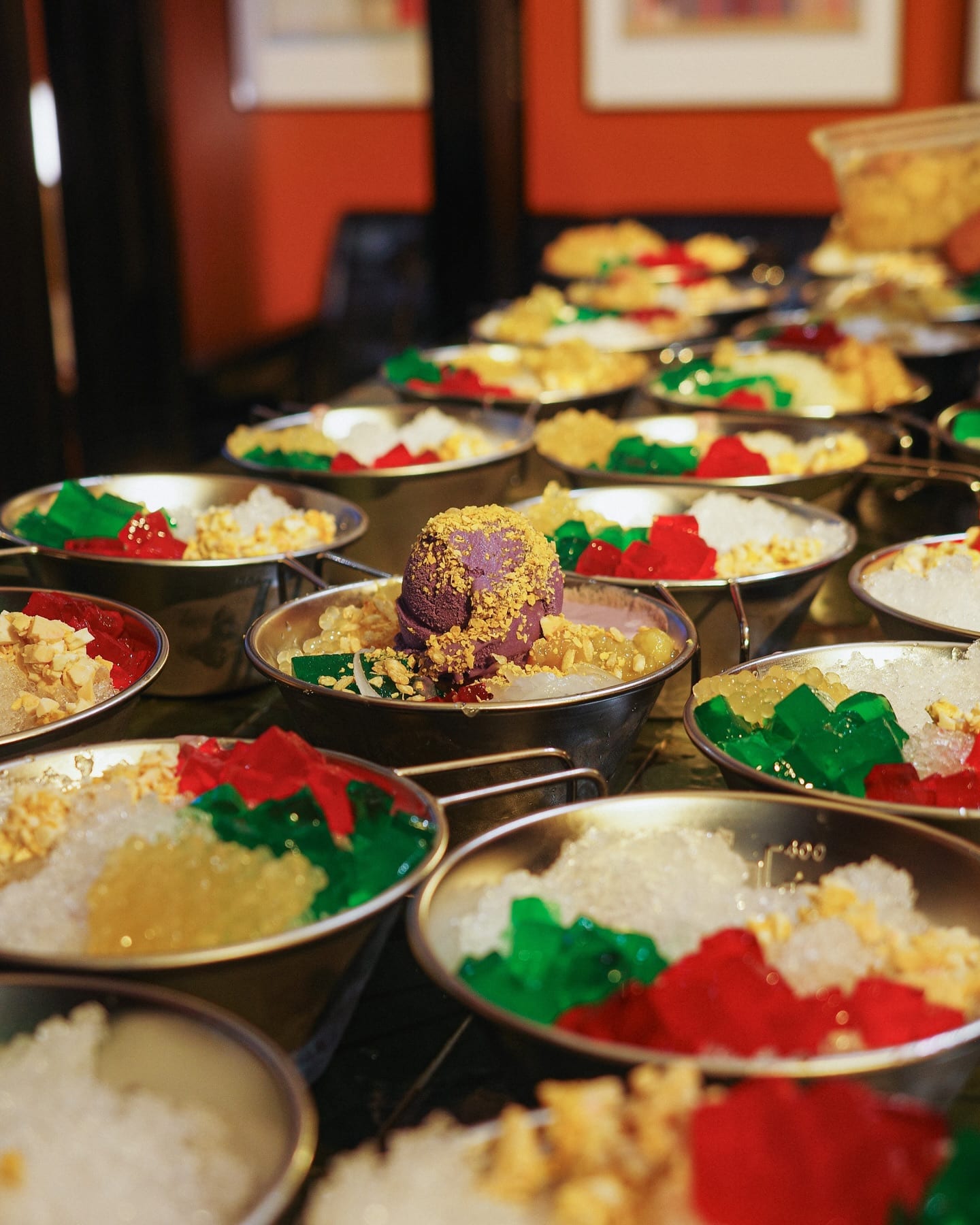
Recently, restaurants and cafés around the globe have been drawn to its striking purple hue, introducing their own takes on the popular flavor and taking it into the mainstream. Even an established coffee chain like Starbucks has incorporated ube into its menu in the United Kingdom.
The international market has particularly grown fond of its unique appearance, and while wide-scale recognition puts more aspects of our culture on the map, it is also causing a strain to our local farmers.
Philippine Farmers Are Struggling to Meet the Demand for Ube
Before ube was propelled into the food industry’s spotlight, Japan’s matcha was the talk of the town. Not only did it gain popularity as an ingredient or a beverage, but it also became integrated into pop-culture aesthetics such as “the clean girl” and “the performative male.”
As the unprecedented demand for it increased, its country of origin faced numerous challenges. Methodically, the process of producing high-quality matcha is long and slow. On top of this, crop disruptions due to rising temperatures took place. The hype led to a global shortage.
They say ube is the new matcha, and this could be true in more ways than one. As a crop native to the Philippines, our farmers are experiencing a strain due to the purple reign.
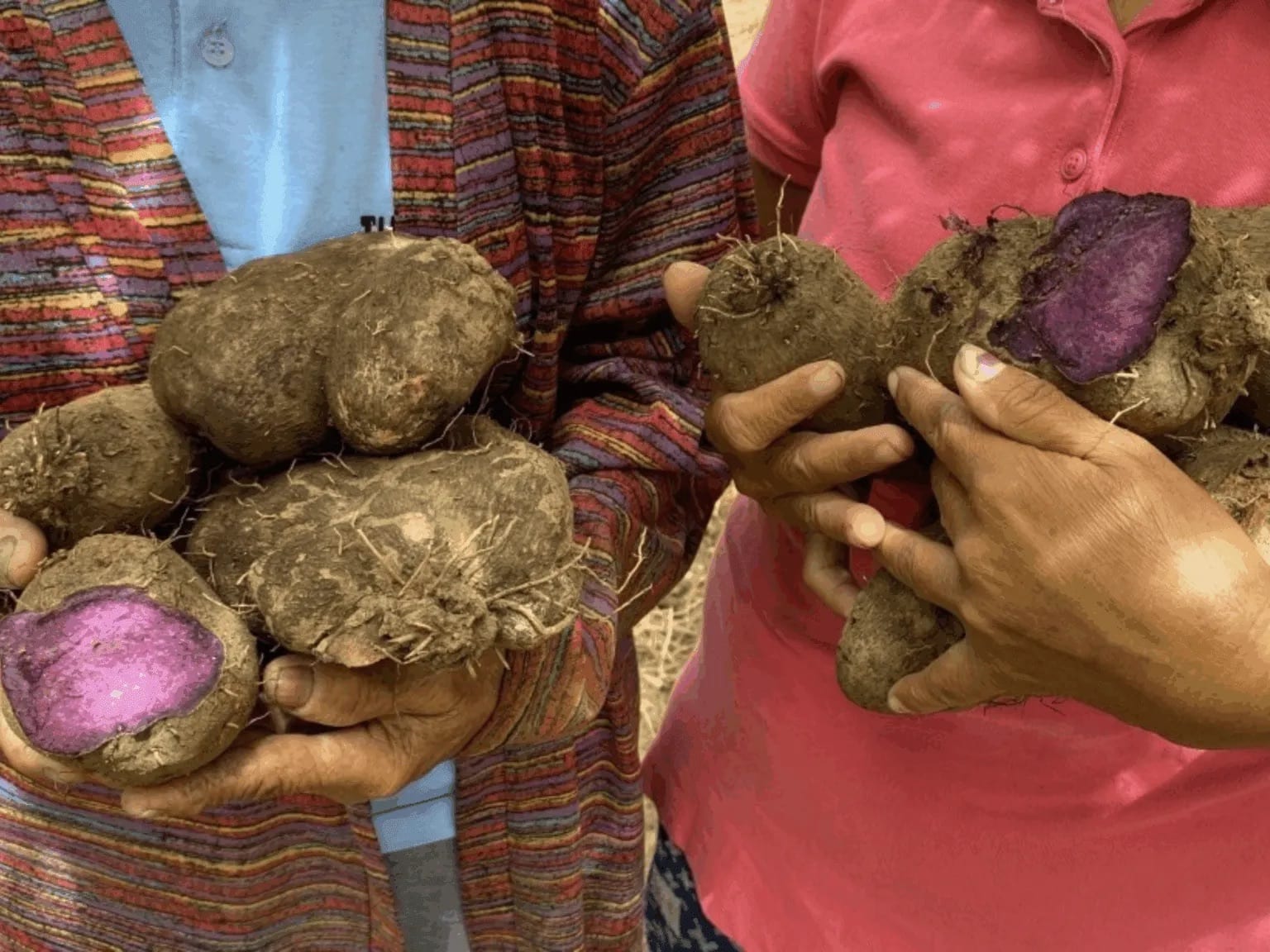
Ube is primarily grown in Central Visayas, typically on small and seasonal patches. It requires ample moisture and is to be harvested around 10 or 11 months after planting. While it is generally resilient, it is also vulnerable to changes in environmental conditions, making it difficult to nourish them in the country’s extreme weather.
The potential shortage is also driven by a lack of planting material. To grow new ones, farmers bury existing cut-up pieces of ube. However, they have been selling almost all of their yields to keep up with the demand, especially now that they can be sold for a higher price. This, unfortunately, leaves little left to plant.
A lack of support is also a contributing factor. For 2026, the Philippine Congress has trimmed the agriculture department’s budget to 10 million pesos, cutting around 10% of the already scarce allocation. Exports are increasing, while production is decreasing. According to The New York Times, the Philippines has been importing the supposedly native crop from Vietnam to meet demand.
These pieces of information raise questions about the authenticity of the ube being used by other countries. Do they really come from the root vegetable? Do they accurately capture its flavor? Or is its cultural identity slowly being erased, having been reduced to an ingredient that's simply photogenic?

Kyla Villena loves a good lip gloss and a trip to the art gallery. She is Preview's beauty girl, who doubles as a self-proclaimed motivational speaker.