Travel
The Philippines Ranks 3rd in Highest U.S. Visa Refusals in Southeast Asia
The country saw nearly 3 in 10 tourist visa applications denied in 2024.
Published on Jun 16, 2025
For many Southeast Asians dreaming of visiting the United States—whether for a family holiday, a business trip, or to attend a major life milestone—getting a visa is the first step. But not every application is approved.
ADVERTISEMENT
According to the data from the U.S. Department of State Bureau of Consular Affairs, the Adjusted Refusal Rate for B-Visas by Nationality in Fiscal Year 2024 reveals key insights into how likely a tourist or business visitor visa is to be denied, depending on the applicant's country of origin.
The B-Visa, often referred to as the visitor visa, is a non-immigrant visa for individuals entering the U.S. temporarily for business (B-1) or tourism/pleasure (B-2). While the visa process varies in complexity, factors such as documentation, interview performance, and ties to the applicant's home country all play a role in approval or denial.
LIST:
The list below ranks Southeast Asian nations from those with the lowest to the highest adjusted refusal rates for U.S. visitor visas in 2024. While some countries enjoy relatively low refusal rates, others face significantly steeper odds.
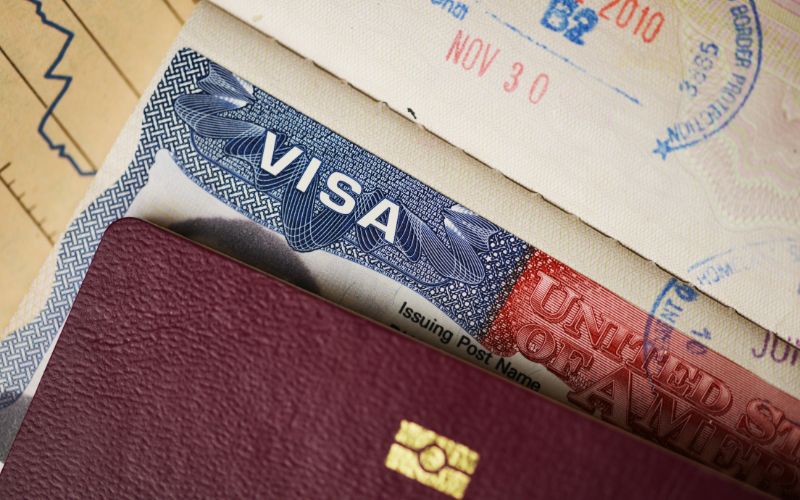
Click to Enlarge
PHOTO: Canva.
ADVERTISEMENT
Refusal rate: 4.00%
Brunei has the lowest rejection rate in the region, indicating strong diplomatic and economic ties, along with high approval confidence from U.S. consular officers.
ADVERTISEMENT
Refusal rate: 6.25%
Despite being one of the region’s newer nations, Timor-Leste maintains a low refusal rate, possibly due to lower application volumes and clearly demonstrated intent to return.
ADVERTISEMENT
Refusal rate: 6.79%
Malaysia’s relatively low rejection rate suggests a solid history of applicants returning to their home country and meeting visa conditions.
Refusal rate: 10.40%
Singapore’s economic strength and low overstay risks may contribute to its low refusal rate, though still slightly higher than Malaysia’s.
Refusal rate: 20.09%
Indonesia sees a moderate refusal rate, likely influenced by the high number of applicants and the wide range of applicant profiles.
Refusal rate: 22.12%
Vietnam’s rate is slightly higher, possibly due to concerns about intent to return, especially among younger or first-time travelers.
Refusal rate: 22.50%
Thailand’s numbers mirror Vietnam’s, with similar socio-economic contexts possibly affecting visa outcomes.
Refusal rate: 28.32%
Cambodia’s near-30% rejection rate reflects growing demand to travel abroad, but challenges remain in meeting the visa criteria.
Refusal rate: 28.33%
While Filipinos make up one of the largest Southeast Asian communities in the U.S., visa officers continue to assess each case strictly, resulting in a relatively high rejection rate.
Refusal rate: 62.58%
Ongoing political instability and economic hardship may influence the high rate of visa denials for Myanmar citizens.
Refusal rate: 82.84%
Laos tops the list with the highest rejection rate, suggesting a significant number of applicants fail to convince officers of their non-immigrant intent.
While each application is judged individually, several common factors can lead to a U.S. visitor visa denial:

Kat is Preview's Lifestyle Editor, explorer, and occasional rhymer. When not globe-trotting, she's over her computer, writing her next big novel.