What Is the H-1B, the US Visa That Now Comes with a P5.7 Million Fee?
The H-1B visa just got a $100,000 fee—here’s what that means.

Published on Sep 22, 2025
A visa to the United States is already a dream ticket for many Filipinos, whether for work, studies, or a long-awaited family reunion. But if you’re eyeing the H-1B visa, the latest news out of Washington may have made that dream far more expensive. President Donald Trump just announced that companies must now pay $100,000—that’s around P5.7 million—for every H-1B visa petition.
According to Reuters, the order is part of Trump’s broader immigration crackdown and is considered the most high-profile overhaul yet of the US’s temporary work visa system. The announcement rattled the tech sector, which has long relied on H-1B workers, and left thousands of skilled professionals—many from India and China—scrambling for clarity.
What Is the H-1B Visa?
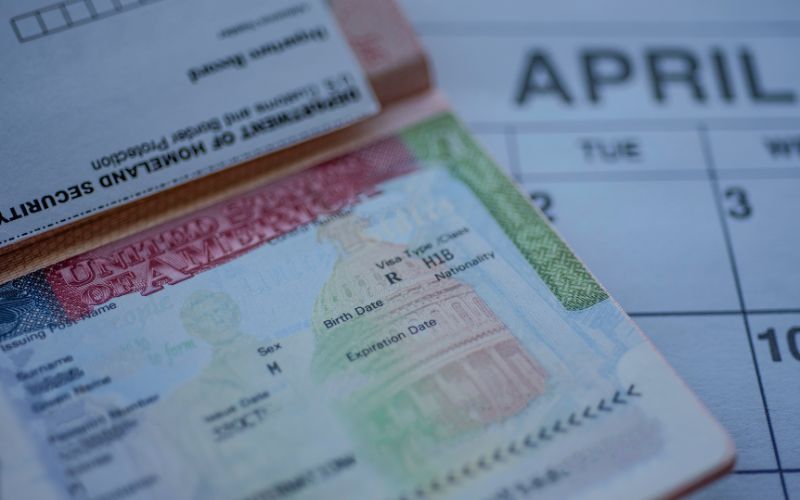
The H-1B is the go-to US work visa for professionals in specialized fields like engineering, IT, and healthcare. Each year, 65,000 visas are issued, with another 20,000 set aside for advanced degree holders, according to CNN.
For Filipinos, this visa has long represented a pathway to high-paying jobs in the US. Nurses, for instance, have historically been among the most sought-after applicants, though the program is best known for bringing in tech talent. Demand is so high that the process usually involves a lottery—just getting picked is considered a win.
Who Pays the $100,000 Fee?
Technically, the employer shoulders the cost of the H-1B visa. Under the old system, that meant application fees and legal costs running into a few thousand dollars. With Trump’s new order, companies must now cough up $100,000 for each petition.
The White House has since clarified, according to Al Jazeera, that the amount is a one-time fee per petition, not an annual charge as initially feared. This means companies pay once when filing for a worker, but the price tag is still staggering.
For global firms like Amazon, Microsoft, and Meta, which collectively sponsor tens of thousands of H-1B visas each year, this adds up to hundreds of millions of dollars. Smaller businesses and start-ups, meanwhile, may find the cost prohibitive.
What Does This Mean for Filipinos?
For Filipino professionals hoping to land a US job through the H-1B route, the immediate concern isn’t whether you can afford the fee—since companies are technically the ones paying—but whether those companies will still be willing to sponsor foreign workers at all.
According to Reuters and Rappler, companies like Microsoft and JPMorgan even advised their H-1B employees to avoid international travel while the new rules settle, out of fear that unclear guidance could leave them stranded abroad. Immigration lawyers interviewed by Al Jazeera described the situation as “mass confusion,” with flights canceled and start dates pushed back.
The ripple effect could be significant: fewer US job opportunities for overseas talent, and a possible redirection of roles to other countries more welcoming of global workers. As one analyst told Reuters, the US risks “taxing away its innovation edge” if top talent decides to build their careers elsewhere.
Why the Controversy?
Critics of the H-1B have long argued that it lets US firms hire foreigners at lower wages, sidelining American workers. Supporters counter that it brings in the world’s best minds, fueling innovation and growth.
Meanwhile, Trump’s administration is touting the policy as a way to push companies to “train Americans” instead of relying on overseas hires. He even signed a separate order creating a so-called “gold card,” a fast-track US residency option for those who can pay $1 million, or roughly P57 million.
The fee is scheduled to take effect immediately but is only authorized for one year, according to Al Jazeera, unless extended.

Kat is Preview's Lifestyle Editor, explorer, and occasional rhymer. When not globe-trotting, she's over her computer, writing her next big novel.
Read more stories about
united states ,united states visa ,visa ,visa news ,travel outfits ,passport