The Scariest Thing in "The Devil Wears Prada 2" Isn’t Miranda Priestly
In the sequel, Andy Sachs finally gets it right: the real threat is keeping journalism alive.
Published on May 3, 2026
Andy Sachs was my least favorite character in The Devil Wears Prada.
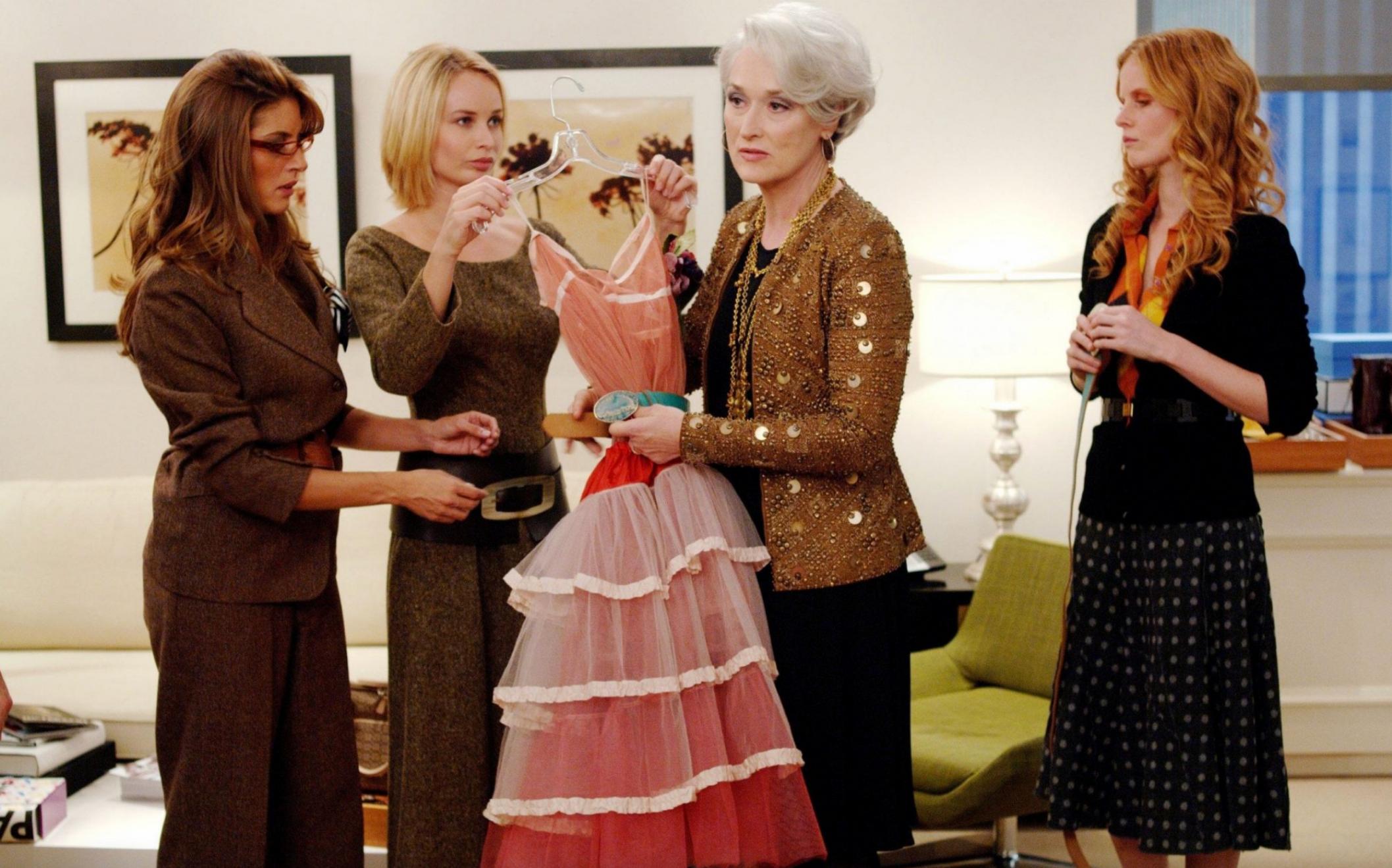
She used to make fun of the girls at Runway, mocking them as "clackers." She talked big about pursuing "real, serious journalism" and made it condescendingly clear that fashion wasn't it. She thought she was above all this "stuff," often referring to her stint at the fashion bible as nothing more than a "stepping stone."
That's more than enough to piss off people who work in fashion publishing. And as life-changing as it was for me to watch the original film, this has always been my biggest beef with it.
I have the utmost respect for my peers as serious journalists who treat the discipline with the rigor it deserves and tell stories rooted in artistry, craftsmanship, and cultural context. And perhaps that is something people like Andy—who believed fashion is superficial—will never understand.
But as Emily so accurately puts it, "wonders never cease."
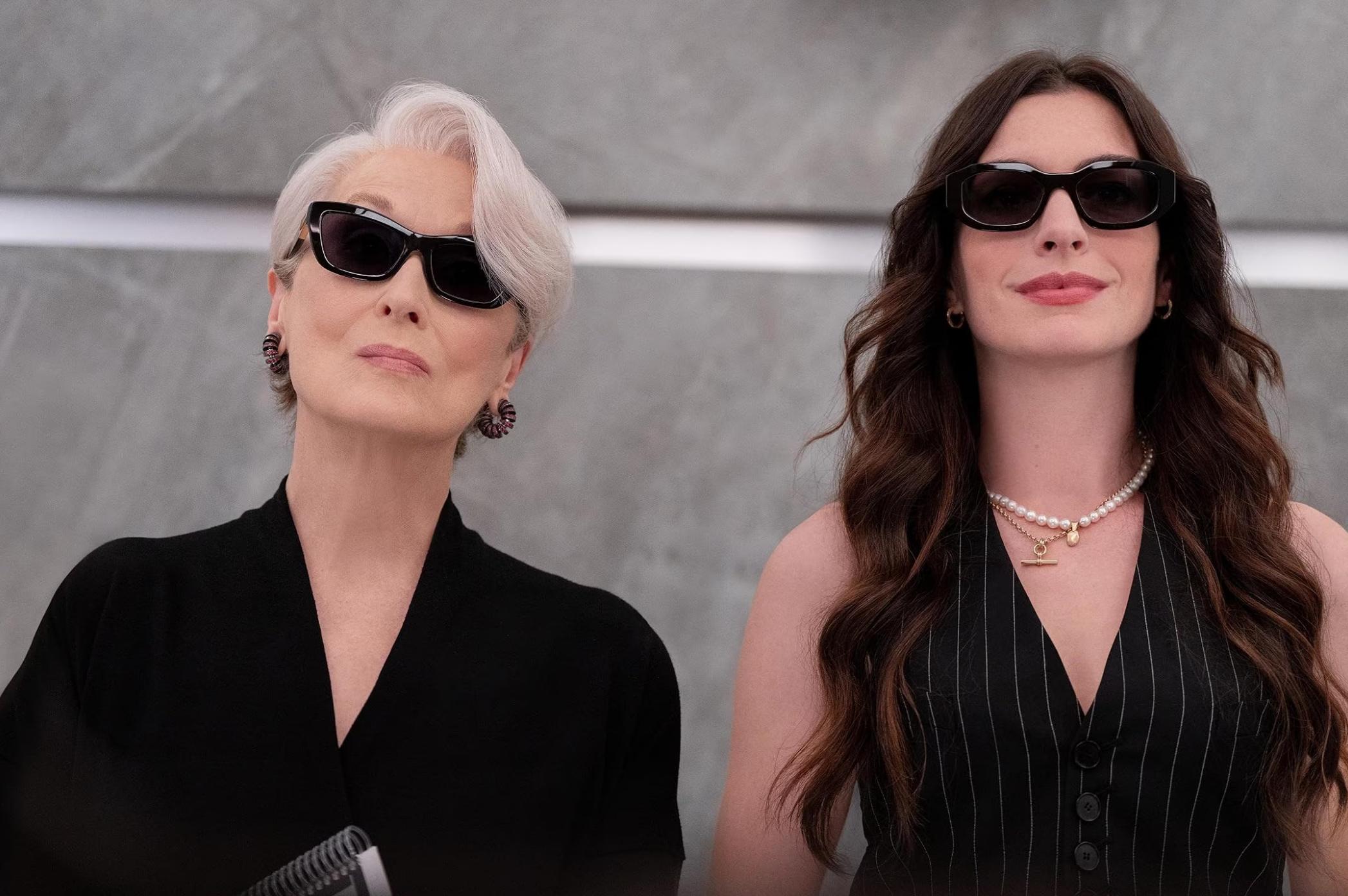
Twenty years later, the sequel finally gives us a grown-up Andy, who has at last developed a long-overdue respect for Runway, the people behind it, and what it has always represented for "the million girls who would kill for the job."
The Media Landscape, 20 Years After "The Devil Wears Prada"
Of course, the world Andy returns to is nothing like the one she left.
In 2026, the imperious Miranda Priestly is no longer as terrifying as she once was. For someone who grew up worshipping Runway's notorious ice queen, it was almost painful to watch her struggling to hang her own coat, flying economy, caving in to advertiser demands, and awkwardly trying to win over billionaire tech bros in a last-ditch attempt to keep the legacy publication from being gutted beyond recognition.
Miranda's 2006 version thrived on being ruthless and politically incorrect, which, in today's workplace culture, would hardly go unchecked without an HR memo. Right off the bat, the film has made it abundantly clear that our Machiavelli swathed in Dries van Noten has been officially stripped of untouchability and is not exempt from cancel culture.
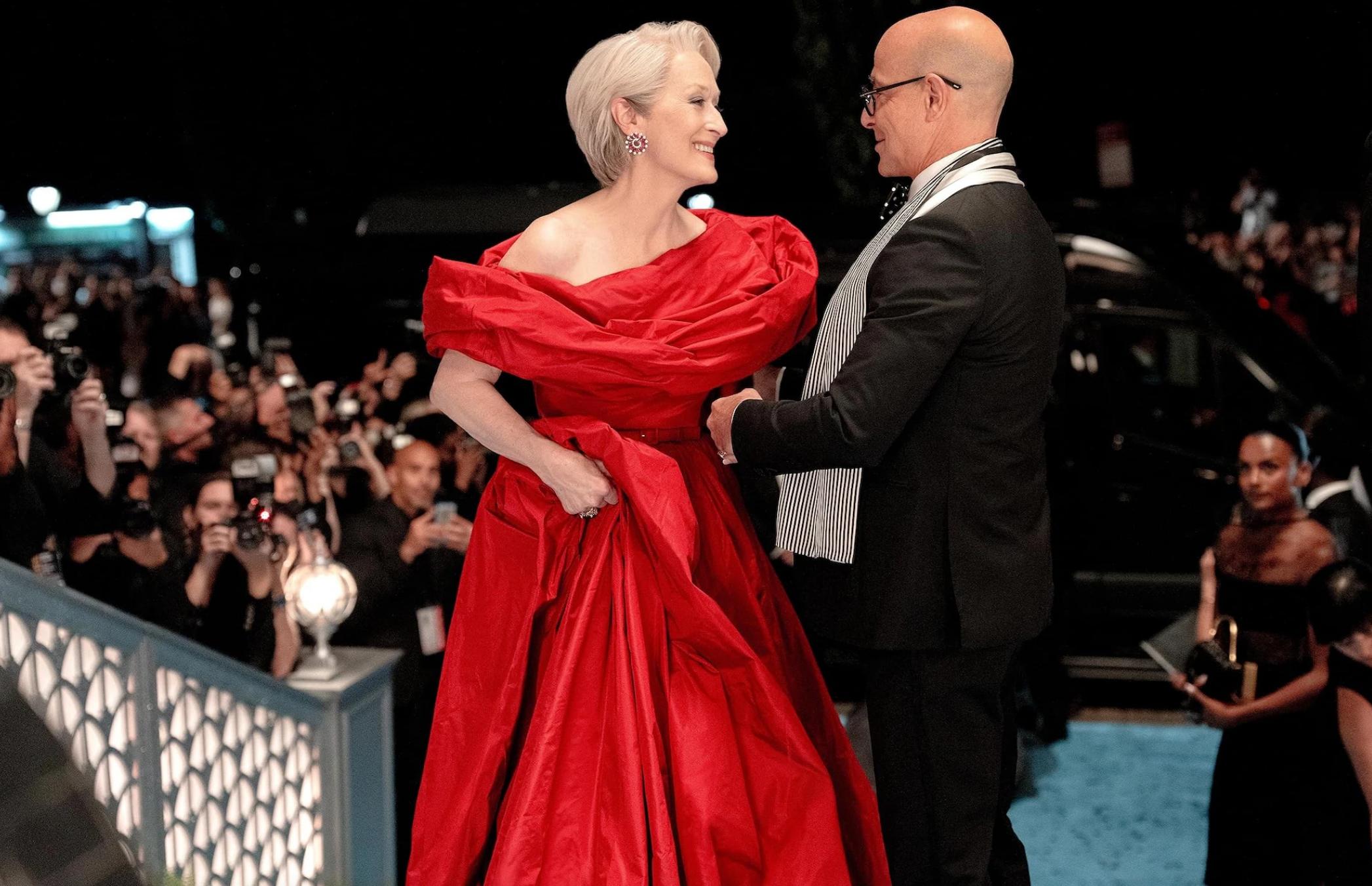
Ultimately, the punchline of Miranda Priestly's fading omnipotence isn’t lost on us: this part isn’t fiction. And for those in publishing, it's the elephant in the room.
Welcome to today's media landscape, where algorithms surface trends faster than any glossy ever could. A TikTok creator with a phone can break a look before a September issue hits print. The traditional hierarchy of taste—once dictated by editors, filtered through pages, and upheld by a gatekeeping system of magazines and insider access—no longer carries the same weight.
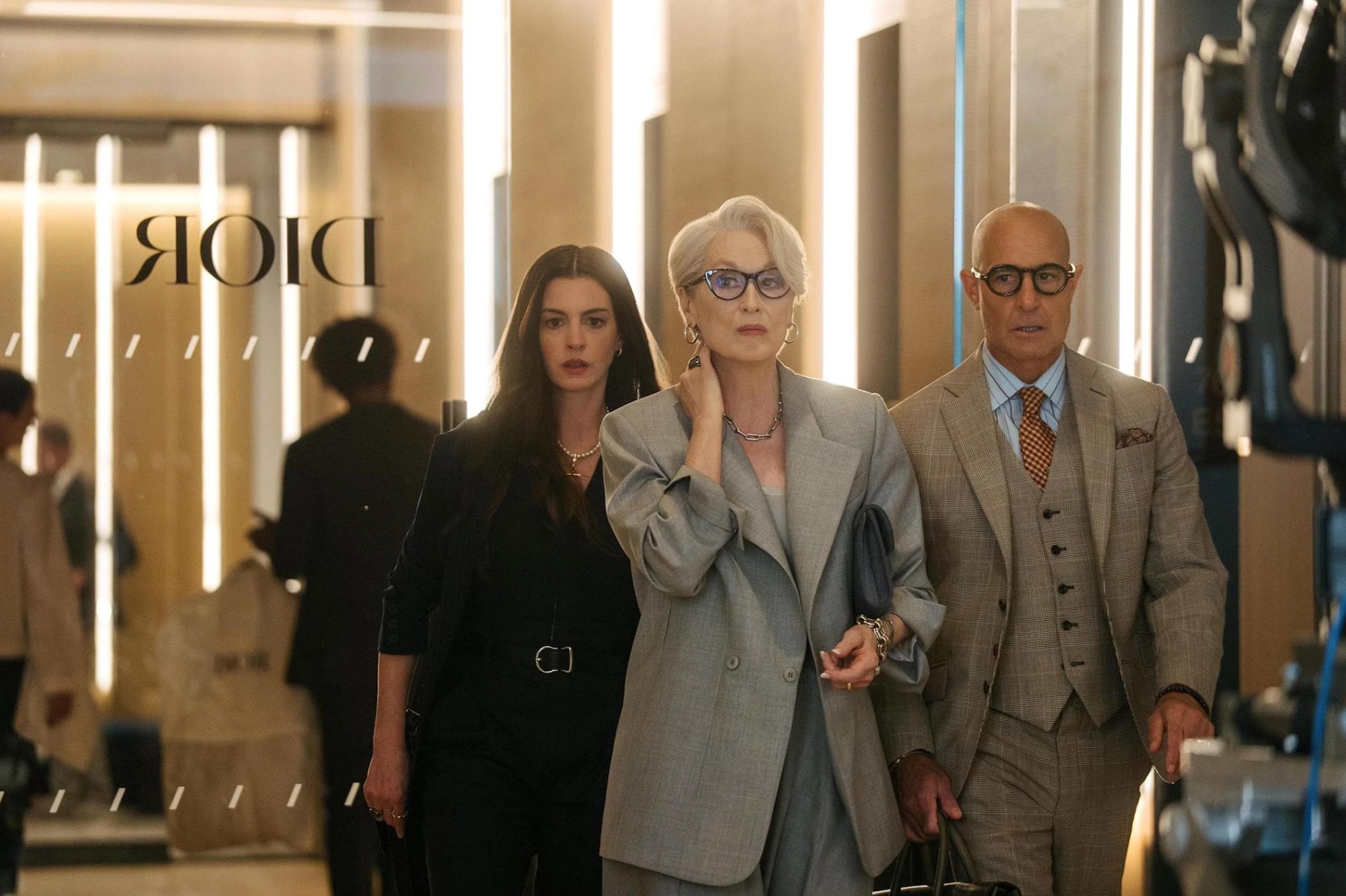
Increasingly, editors are left to defend why we still matter at all. And the once-mighty Miranda Priestly is no exception.
Why Journalism Still Matters
The publishing industry has indeed shifted tremendously over the last two decades, and the film captures it with eerie accuracy.
When the New York Vanguard fired its staff via text message, media practitioners in the audience likely felt a shiver run down their spines. The shutdown of ABS-CBN in 2020 and CNN Philippines in 2024 displaced hundreds of media workers. Globally, newsroom closures and ongoing layoffs continue to destabilize job security, particularly for journalists.
Modern editors now contend with precarious careers and chase stories shaped as much by the feed as by instinct. Once in a while, we're lucky to land a holy-grail Sasha Barnes piece that satisfies both the performance metrics and the demand for editorial gravitas; more often, the daily grind includes coverage on coconut water and enzyme peels.
.jpg?format=original)
And then, of course, there's AI.
We're operating in a time where content can be generated at scale, images can be fabricated with alarming precision, and information—or misinformation, rather—travels faster than ever.
The question is no longer just what is trending, but what is true.
Beyond being curators of taste, the role has evolved to become stewards of credibility—to hold the line between information and noise, between storytelling and content, between what is merely viral and what is actually worth trusting. We navigate platforms, respond to audiences in real time, and translate ideas across formats.
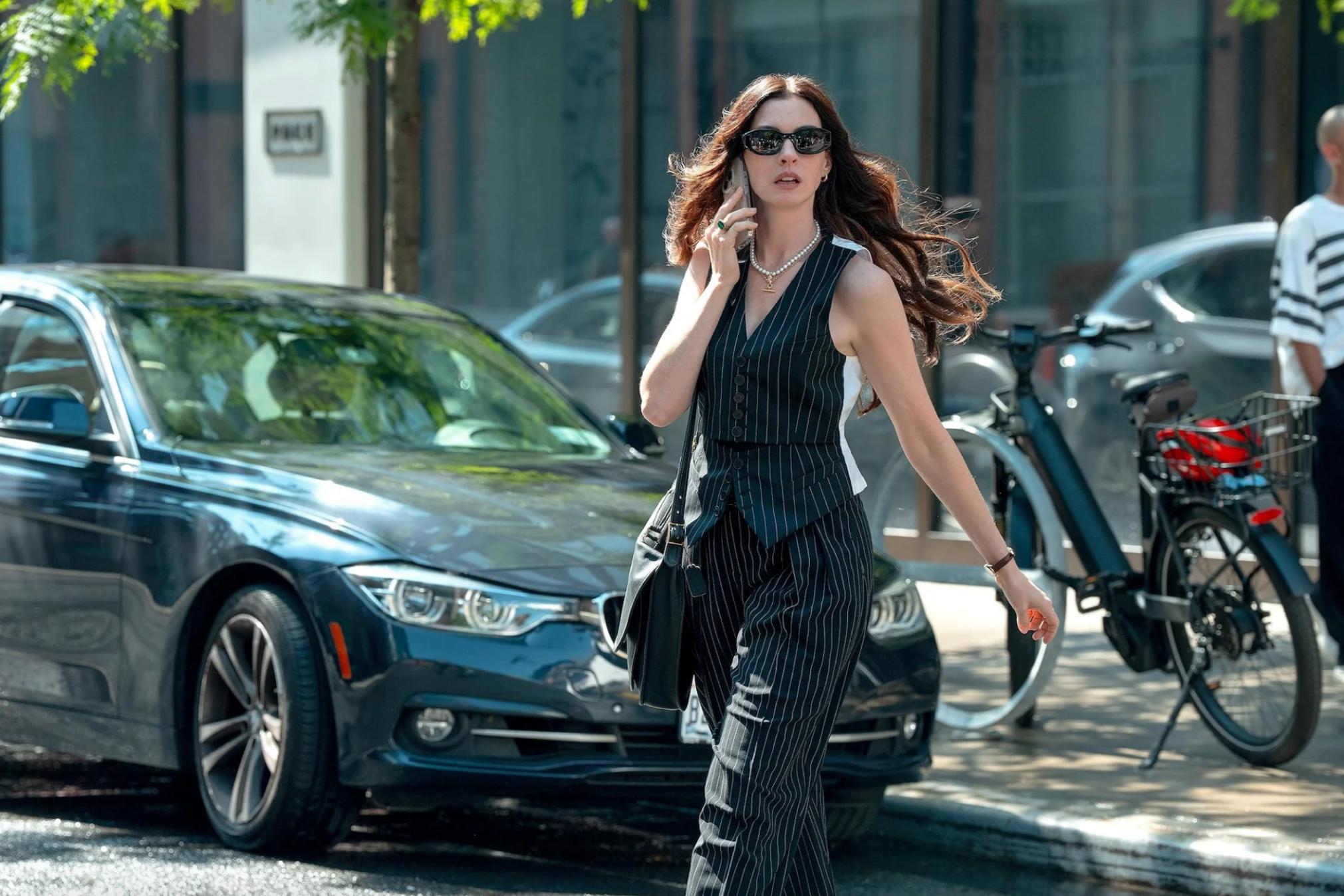
I refuse to succumb to the idea that editors like myself are now left at the mercy of clicks. As we adapt to a digital world, journalism must never die. It must evolve and find new means to thrive across different platforms. The challenge is for us, as editors and journalists of this generation, to reinvent it in ways that resonate with the audiences we serve today.
I can't believe it took a sequel, two decades later, for me to finally get a quotable quote from Andrea Sachs. But la di da, Andy. We finally agree on something: "Journalism still fucking matters!"

Marj is the Editor-in-Chief of Preview. A former economics major, she dove headfirst into fashion publishing and hasn’t looked back since.