Culture
The Devil Wears Data: Can Journalism Survive the Algorithm?
In an era of clicks and carousels, what would Miranda Priestly do?
Published on Jul 29, 2025
The internet had a fashion-induced meltdown this month when news broke that The Devil Wears Prada's sequel is already in production. Social media feeds instantly blew up with behind-the-scenes photos from the set, sending fans into overdrive imagining Andy Sachs and Miranda Priestly in designer showdowns. But while everyone else was busy decoding outfits, I had one very specific, slightly unhinged question:
ADVERTISEMENT
How would Miranda survive digital publishing in 2025?
The original film was gospel for anyone who ever dreamed of working in fashion. It shaped an entire generation of editors, stylists, and writers. Myself included. I watched it wide-eyed, taking mental notes on editorial hierarchy, the cultural relevance of a cerulean sweater, and how to spell Gabbana. We memorized the lines. We worshipped the wardrobe. It had us yearning for a seat at the same table Miranda's at.
But in the sequel, the ice queen is reportedly facing a dying magazine industry and the uncomfortable reality of needing digital money to survive. It’s a plot that already feels all too familiar: Taste versus traffic. Vision versus virality. The editors versus the algorithm.
This isn’t fiction anymore. It’s the reality we’re all navigating now. We live in a time where even the mighty Runway might be reduced to a carousel post. And the awkward truth? In today’s media landscape, Miranda wouldn’t simply be feared.
She’d be optimized—or worse, replaced.
So When Did We Start Writing for the Algorithm?
Just like it took nearly 20 years to announce the movie’s sequel, the algorithm didn’t kill editorial instinct in one dramatic blow. It chips away at it—gradually, almost invisibly. What used to begin with a gut feel now begins with a dashboard. What used to move readers now has to “move numbers.” The unspoken rule is clear: If it doesn’t perform, it’s probably not worth the bandwidth.
As an editor, I’ve felt it creep in. The quiet pull to phrase things a certain way because it “works.” To choose visuals that land faster. To publish what’s familiar because that’s what gets engagement.
I question pitches I love because I know they won’t perform. I’ll choose a title that’s safer, flatter, more “shareable.” I’ve written stories and secretly worried they were too honest, too niche, too untrendy.
Even the most opinionated editors have learned how to play the game. And the further we go, the harder it is to tell whether the work is being led by instinct or by fear of the algorithm’s invisible hand. Alas, while journalists are taught to pursue “quality over clicks,” the truth is that publishing is a business. Performance matters. Budgets depend on it. Visibility is anchored on it. And as an editor merely trying to survive the publishing business, these things are not lost on me.
But in the same vein, as an editor, it's also my responsibility to keep asking:
When Style Becomes Strategy
Even outside of publishing, people feel it too. That creeping sense that taste isn’t something you define anymore, but something handed to you by your algorithm. The GRWM routines, the visual essays on micro-aesthetics, the endless fit checks. You don't need to work in media to see this happening. Just open your feed.
There she is again. The cool girl sipping an iced latte in an oversized blazer, red ballet flats peeking out under a thrifted skirt. Her bun is slicked but intentionally undone. Her caption lowercase, her tone casual, her closet clickable.
It’s not that this version of style is bad. It's just that it’s no longer personal. It’s patterned. Optimized. A/B-tested into sameness. Social media has flattened personal style into a formula. What looks “authentic” is now strategically rehearsed.
She’s styled to look effortless, but nothing about it is accidental. She’s your algorithm’s favorite muse. And most importantly, it works. It’s beautiful, digestible, sellable.
Sadly, what no sequel will likely show—but many of us are already living—is how instinct is being replaced by analytics. Originality is getting optimized out. And it's so easy, in the chase for engagement, to lose the very thing that made us want the job "a million girls would kill for."
What Would Miranda Do?
It’s funny, holding this much reverence for a fictional character who terrorized interns and tossed coats like grenades. But Miranda Priestly stood for something we don’t see enough of today: conviction, unwavering taste, and immunity to noise. She wasn’t built for the algorithm, and maybe that’s exactly why her ice-cold opinion still matters.
Truthfully, it’s not even the metrics that haunt me. It’s what we stand to lose when we stop trusting our gut.
Perhaps the most defiant thing one can do in 2025 is to dress without an audience in mind, to wear something that doesn’t photograph well yet feels most like you, and, in the case of editors like myself, to chase after a story that excites us even if it's not built to go "viral."
Personal taste is just that: personal. It's not a template but a choice. It's one that we have to keep making. Especially in a time when everything is measured, ranked, and filtered through a performance metric, choosing what feels right—without apology or the need for optimization—is the real definition of creative freedom.
I'm waiting with bated breath and girded loins for the sequel—not only for the outfits (Andy sure looks jaw-dropping in Gaultier, though!), but also to see if Miranda Priestly might have any advice for an editor like me trying to navigate today’s world of publishing.
In the meantime, I'll run the story. Even if it doesn't get us the clicks.

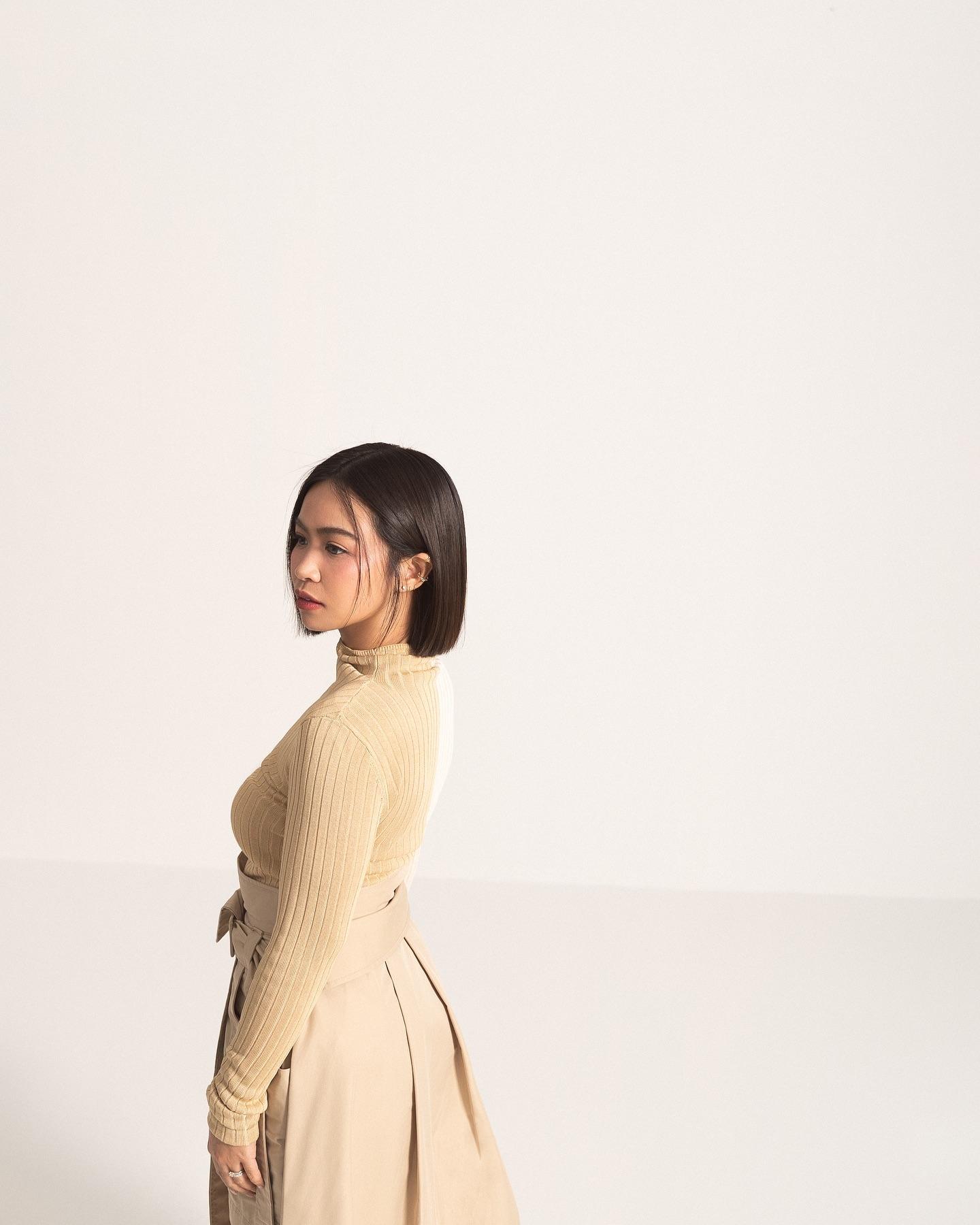
Marj is the Editor-in-Chief of Preview. A former economics major, she dove headfirst into fashion publishing and hasn’t looked back since.
Read more stories about
The Devil Wears Prada 2 ,thinkpiece ,op-ed ,journalism ,movie ,miranda priestly