Did You Know? "Arirang" Was First Recorded Abroad by Korean Students in 1896
Long before BTS, seven Korean university students introduced “Arirang” to America.

Published on Jan 27, 2026
When BTS announced their long-awaited comeback and revealed that their new album would be called Arirang, the reaction of ARMYs worldwide was instant. But long before “Arirang” became a symbol of national identity or was poised to reach audiences worldwide, the Korean folk song had already crossed borders. In fact, its first known recording happened far from Seoul, sung not by pop idols, but by seven Korean students thousands of miles from home.
What Is “Arirang”?
“Arirang” is often described as Korea’s unofficial anthem. It’s a traditional folk song believed to be several centuries old, with no single author and no definitive version. According to The Korea Herald, there are more than 60 recognized regional versions and thousands of lyrical variations, all built around the familiar refrain “arirang, arirang, arariyo.”
At its core, the song carries themes of separation, longing, endurance, and reunion—emotions Koreans often associate with the concept of han, a deep, complex mix of sorrow and resilience. Over time, “Arirang” has been sung everywhere from rice fields to protest marches, and it has played a symbolic role during pivotal moments in Korean history, including the Japanese colonial period and times of national division. Its cultural weight is so significant that both South and North Korea have registered Arirang with UNESCO as Intangible Cultural Heritage.
The Story of 7 Korean Students and the First Modern Recording of "Arirang"
What’s less widely known is that “Arirang” was first recorded outside Korea in 1896, in Washington, D.C. According to WETA’s Boundary Stones, the recording involved seven Korean students enrolled at Howard University—Im Byung Goo, Lee Bum Su, Kim Hun Sik, Ahn Jung Sik, Eyo Byung Hyun, Lee Bum Jin, and one unnamed student—among the earliest Koreans to study in the United States.
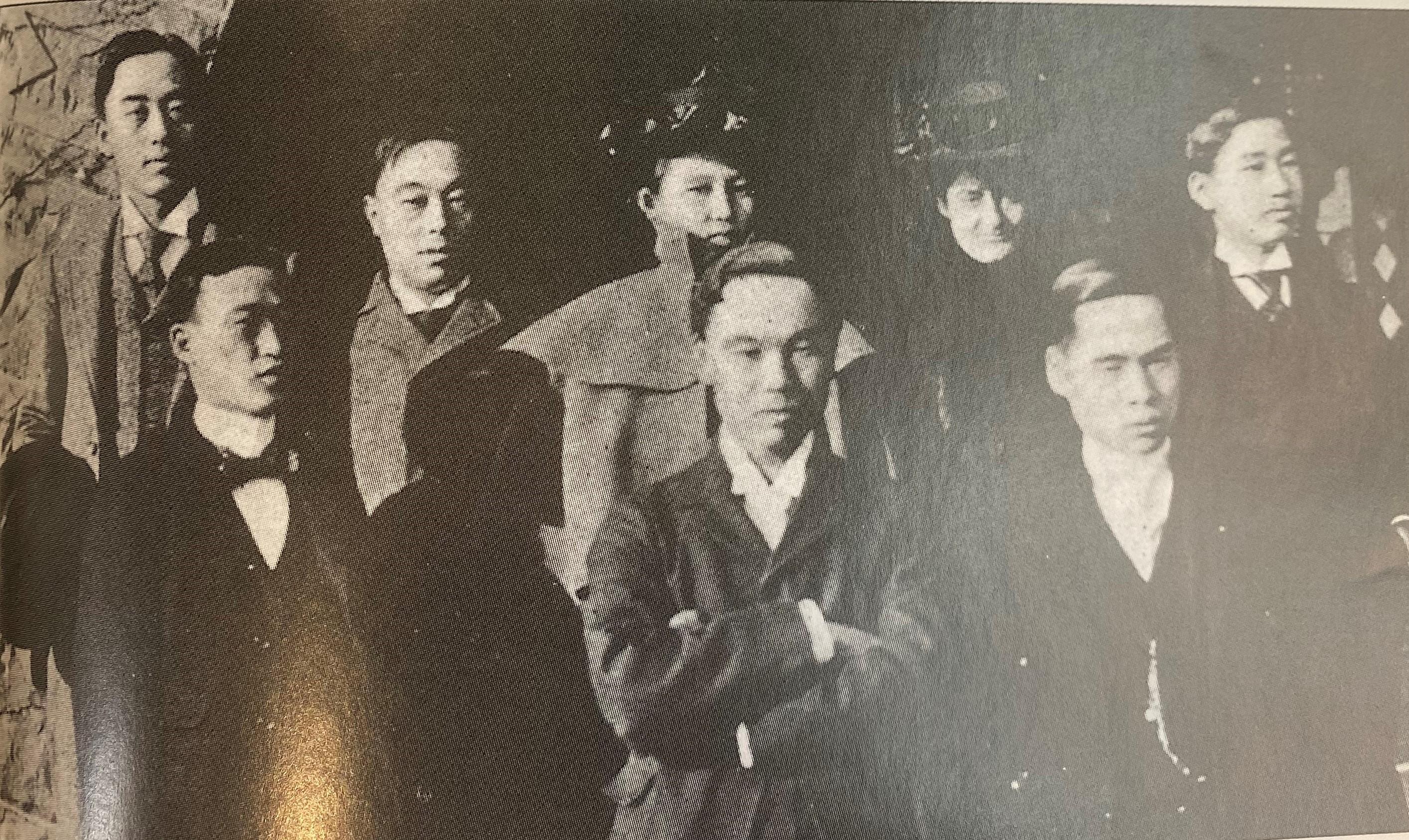
Their journey to America was anything but straightforward. Newspaper records from the time, cited by Boundary Stones, show that several of the students fled Korea under dramatic circumstances and eventually sought help from Suh Kwang Bum, the Korean envoy to the U.S. Suh, himself no stranger to exile, helped arrange for their enrollment at Howard University and supported them during their stay.
Though the students reportedly spoke little English when they arrived, they quickly became known on campus for their musical abilities. A Washington Post article from 1896, referenced by Boundary Stones, described how they were persuaded to sing at social gatherings, where they performed Korean melodies for curious audiences.
That attention eventually reached Alice C. Fletcher, an American ethnologist. In July 1896, she invited three of the students to her home and recorded them singing what she labeled as “Love Song: Ar-ra-rang,” using wax cylinders. Those recordings are now preserved at the Library of Congress, marking the earliest known audio documentation of “Arirang”—and a remarkable early moment of Korean music being heard abroad.
The BTS Connection
Fast-forward more than a century, and “Arirang” has taken on new life through BTS. According to The Korea Herald, the group chose the album title to reflect themes that mirror their own journey—separation, endurance, and reunion—especially following their military enlistments and hiatus from full-group activities.
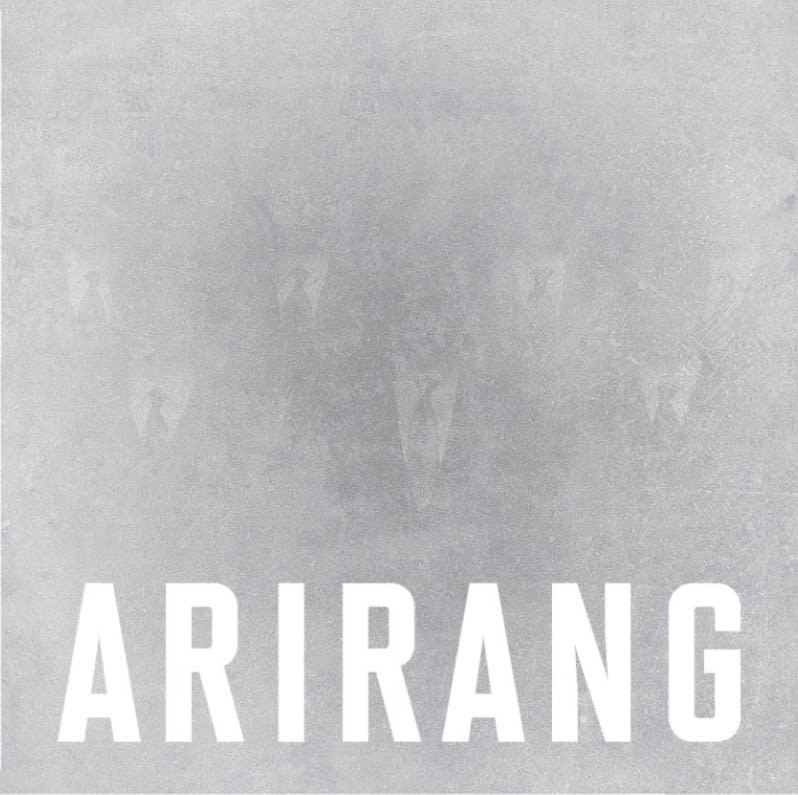
Fans have also drawn parallels between BTS’ seven members—RM, Jin, Suga, J-Hope, Jimin, V, and Jung Kook—and the seven Korean students who recorded “Arirang” in 1896, a connection widely discussed after the album artwork was released. Whether intentional or symbolic, the overlap has only deepened interest in the song’s layered history.
BTS has long referenced Korean cultural roots in their work, and naming their comeback album Arirang places them within an even longer continuum, and one that stretches from a Howard University dorm room to global stages. The group is set to bring that story full circle when they perform in their Arirang world tour, with a stop in Manila on March 13 and 14, 2027.

Kat is Preview's Lifestyle Editor, explorer, and occasional rhymer. When not globe-trotting, she's over her computer, writing her next big novel.