We Asked Experts: Are the TikTok-Viral Silicone Scar Sheets Worth the Hype?
Here’s what you need to know before adding them to your yellow basket.

by Kyla Villena
Published on Oct 6, 2025
Silicone scar sheets are all the rage on TikTok right now, filling up countless yellow baskets. More and more skincare enthusiasts are claiming that this particular tape helps fade various skin concerns, including hypertrophic scars, acne marks, and keloids. The video below alone has over 17 million views, with people flocking to the comments section to ask if they actually work.
Some say they do even more than that. Apparently, they also help fade wrinkles, fine lines, and the like.
Are silicone scar sheets actually effective in addressing these concerns, or are they simply being hyped up? Preview talked to two board-certified dermatologists, Dr. Francesca Sy-Alvarado and Dr. Katrina Habaluyas Luz, to set the record straight.
All About Silicone Scar Sheets
How do silicone scar sheets work?
According to Dr. Chesca, silicone scar sheets work by creating a semi-occlusive layer over the scar to lock in moisture. This helps maintain a well-hydrated environment for the wound, allowing collagen production to occur under more optimal conditions—though the sheets themselves do not directly stimulate collagen production.
Apart from this, they also act as a physical barrier, preventing scars from coming into contact with environmental irritants like friction. “Silicone may also create a mild static charge when worn,” she adds. “This is thought to realign collagen fibers in the scar tissue, contributing to a smoother appearance.”
Do they help with keloids and hypertrophic scars?
The skin experts confirm that silicone scar sheets do help with keloids and hypertrophic scars. However, the phase in which they’re used matters. Dr. Chesca explains that they “work best when used to prevent surgical scars from becoming hypertrophic or keloid scars. They can also work for early keloids and hypertrophic scars, or scars from trauma and burns.”
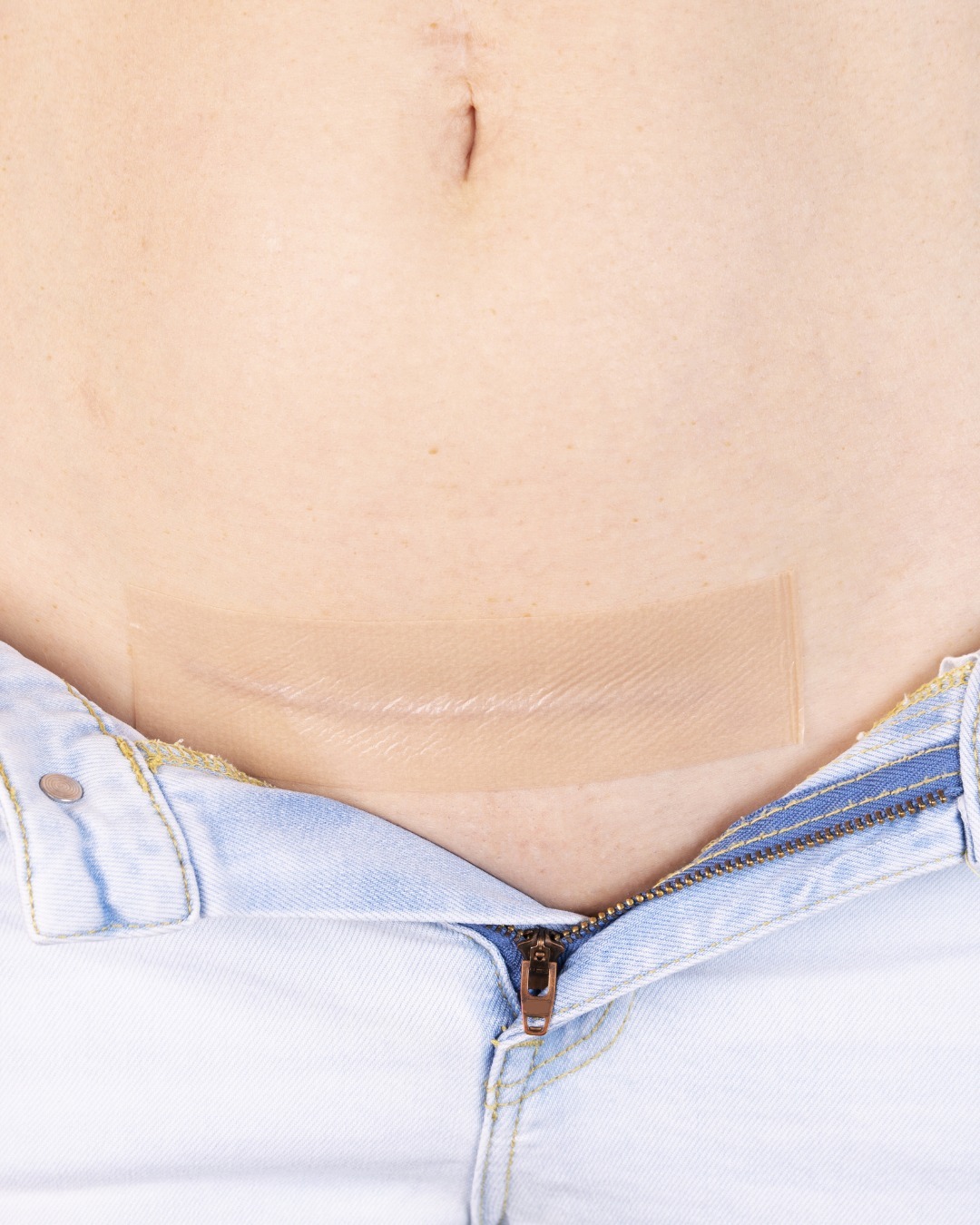
This was echoed by Dr. Katrina, who explained that silicone scar sheets help improve these marks through the hydration they provide. “This hydration softens and flattens raised scars over time while also decreasing redness and itchiness. The constant pressure and occlusion from silicone sheets may further limit abnormal scar growth, making scars less noticeable and more pliable.”
Do they help with fine lines, wrinkles, and acne scars?
This time, the answer is no—silicone scar sheets don’t actually help with signs of aging. Going in-depth, Dr. Chesca explained that fine lines and wrinkles are more than just a skin issue, as aging occurs across different layers of the face. “Deep grooves and folds form because of the loss of structural support from the bone and soft tissue. Meanwhile, dynamic wrinkles become fixed because our facial muscles change in resting tone and constantly pull on the skin overlying them,” she said.
“In general, fine lines and wrinkles form from aging-related collagen loss,” Dr. Chesca emphasized. “Silicone sheets do not directly stimulate collagen production.” While you may notice an improvement in fine lines and folds due to added hydration and moisture, the effect is only temporary.
According to Dr. Katrina, these sheets don’t help with acne scars either, since these are usually atrophic or “lubog.” “Their main role is in scar management, where they work by hydration and collagen regulation.”
What are the precautions in using silicone scar sheets?
For acne-prone beauty lovers, it might be best to keep your hands off silicone scar sheets. “On active acne, wearing them for too long may cause skin maceration and could trigger secondary bacterial infections,” Dr. Chesca shared. Besides, they “are generally costly and may not be very cost-effective to use on multiple sites of post-acne marks and early scars.” For these concerns, consulting your dermatologist is still the best way to create a more targeted treatment plan.
Fine lines and wrinkles, on the other hand, “result from skin aging, sun damage, and loss of elasticity.” In these cases, Dr. Katrina noted that treatments such as “retinoids, antioxidants, lasers, or injectable options” would work better than silicone.
Overall, there are more effective ways to stimulate collagen production. According to Dr. Chesca, topical retinoids and peptides are among them. And if you’re after long-term results with more predictable and visible outcomes, it’s best to ask your doctor about in-clinic procedures.

Kyla Villena loves a good lip gloss and a trip to the art gallery. She is Preview's beauty girl, who doubles as a self-proclaimed motivational speaker.