by Kyla Villena
Published on Jul 30, 2025
The economy is declining, your finances are hitting rock bottom, and the end of the world is fast approaching. What’s the one thing you’ll spend your remaining funds on? Lipstick, apparently, has been the top answer for decades now.
The lipstick effect is a theory that reflects a consistent pattern: In times of crisis, people turn to small luxuries—like lipstick—for comfort and a sense of control. Throughout history, women have found solace in these seemingly minor purchases, using them as a way to reclaim normalcy and optimism. The Great Depression, the 9/11 attacks, and the COVID-19 pandemic all saw a notable rise in lipstick sales, underscoring the enduring power of beauty as a form of quiet resilience.
ADVERTISEMENT
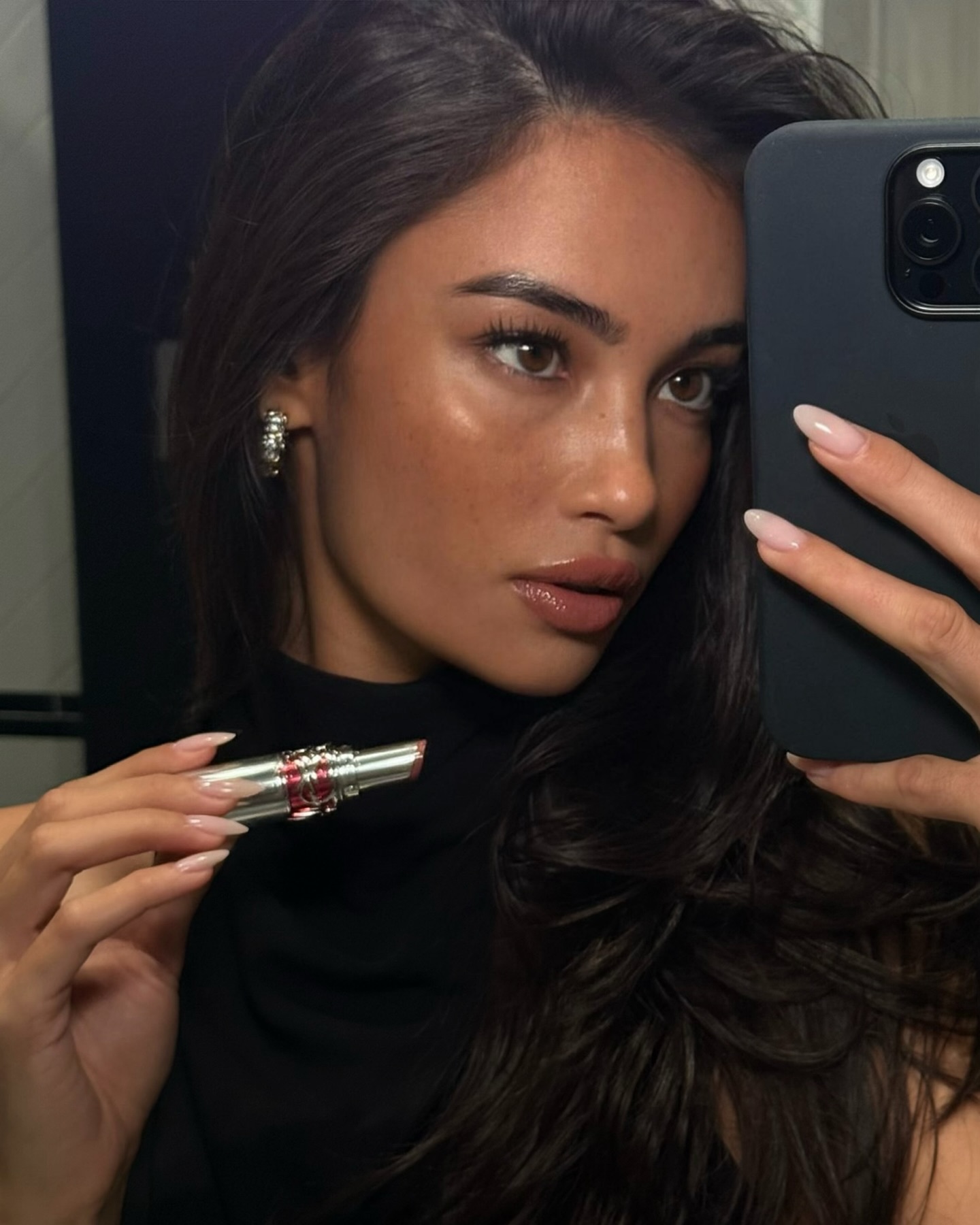
Click to Enlarge
PHOTO: Instagram/kelseymerritt.
Investopedia explained through an economic perspective, “The lipstick effect is when consumers still spend money on small indulgences during recessions, economic downturns, or when they have little cash. They do not have enough to spend on big-ticket luxury items. However, many still find the cash for purchases of small luxury items, such as premium lipstick.”
Apart from its accessibility and affordability, women gravitate towards lipstick because of its ability to lift their mood and boost their confidence through a few swipes done in a few seconds. As the saying goes, give the woman the right lipstick and she can conquer the world (even when it’s in shambles).
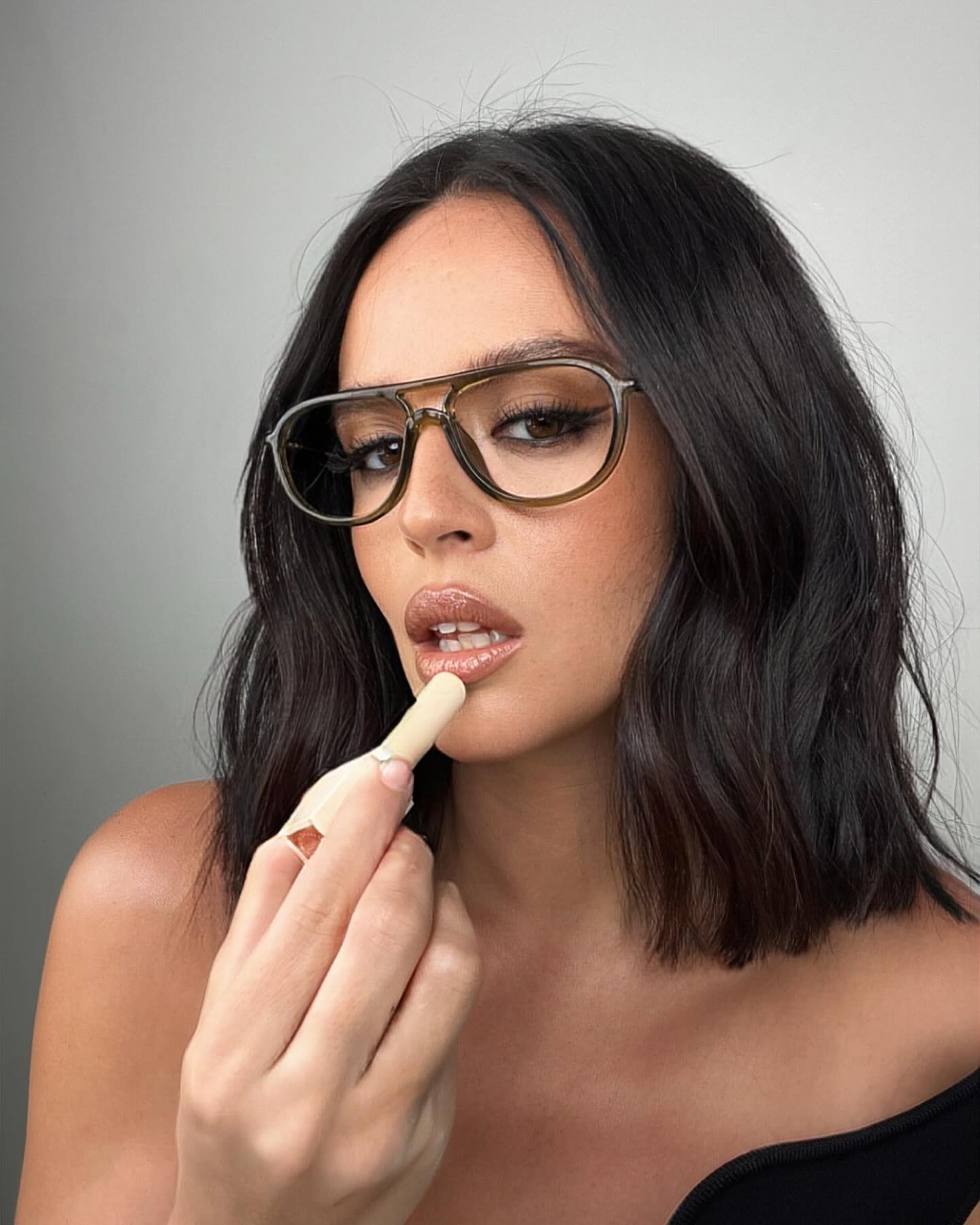
Click to Enlarge
PHOTO: Instagram/ilovegeorgina.
The theory is supported by studies that look through the lens of life history. The behavior is linked to the desire to enhance one’s attractiveness, driven by the purpose of finding a mate. “When ecological resources are scarce, humans are more likely to focus their energy on seeking a quality mate that ensures reproduction, and essentially self-preservation,” wrote Boosting beauty in an economic decline: mating, spending, and the lipstick effect.
While this is essentially part of human nature, lipstick has become more than a mate magnet, especially in modern times where women no longer get dolled up to please anyone but themselves. Even back then, reaching for a lipstick has been rooted in its power to make one feel strong and seen—a statement that says "I’m here, and if my presence makes you uncomfortable, that’s not my problem."
The Bold and Bright History of Lipstick
Life was always made colorful with the help of lipstick, even when the term wasn’t invented yet. Mesopotamians from high society applied crushed jewels to their lips. Egyptians used natural pigments like red ochre, and their beautiful pharaoh Cleopatra was said to have used squashed carmine beetles and ants for a red lip. Stories say ancient Greeks and Romans opted for crushed berries and plant extracts.
It was the 1880s when the cosmetic product was commercially manufactured by the Parisian cosmetics brand Guerlain (who was also responsible for the creation of bronzer), and it was finally called lipstick by then.
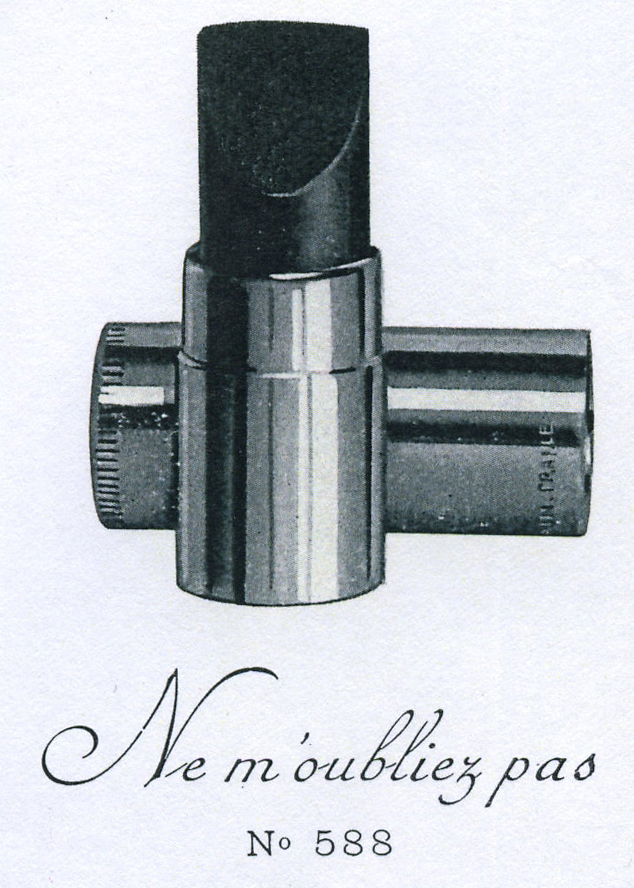
Click to Enlarge
Lipstick by Guerlain. | PHOTO: Worldkings.
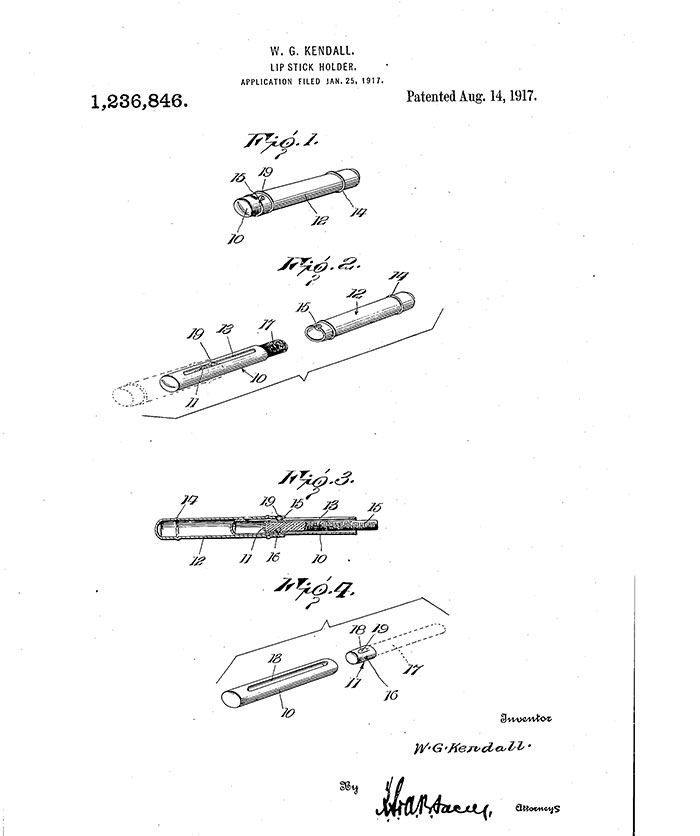
That iconic and portable tube packaging followed in the 1900s. The earliest recorded patent for a metal tube designed to hold cosmetic products was filed by William Kendall in 1917. The swivel-up tube, however, is usually credited to James Bruce Mason Jr. in 1923.
Click to Enlarge
William Kendall's patented design. | PHOTO: Glamour Daze.
The history of lipstick wasn’t as smooth as the formulas we know and love today. At some point in time, they were largely associated with promiscuity, immorality, and a lack of modesty—but women don’t go down without a fight, and rightfully so.
Colored lips, specifically in red, became a symbol of female rebellion. Women used the so-called distracting, bold, and eye-catching tint to direct people’s attention to largely significant matters. For instance, women in the United States were fighting for their right to suffrage in the 1920s, and some would put on “scandalous” red lipstick to represent the very strength and power that were being taken away from them. Marking themselves as independent and liberated women was a deviation from society, but it did amplify their voices and let their cause gain more traction.
Click to Enlarge
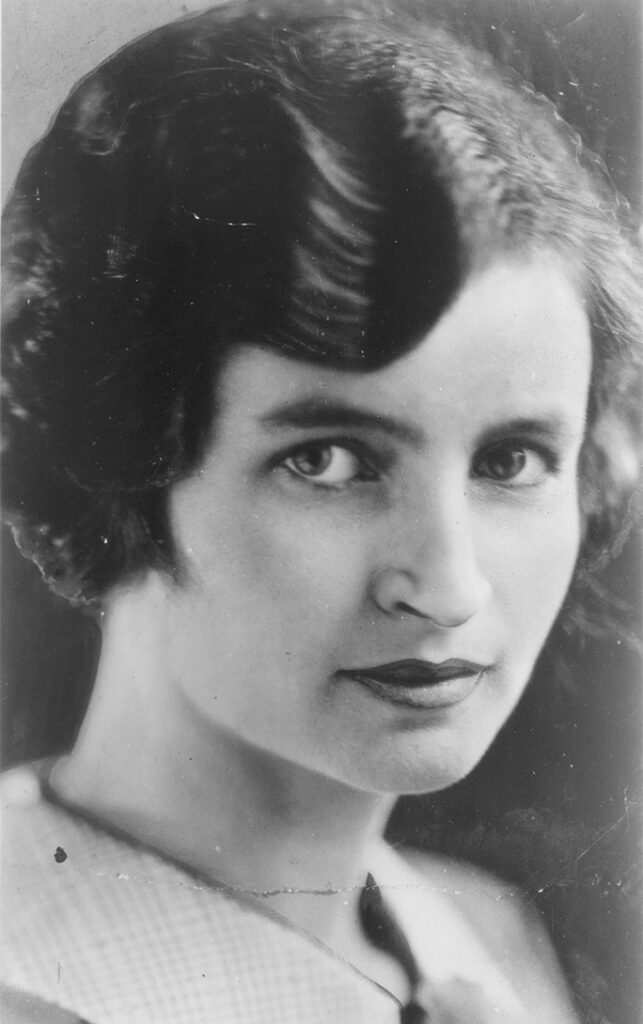
Suffragist Burnita Shelton Matthews. | PHOTO: Vintage Hairstyling.
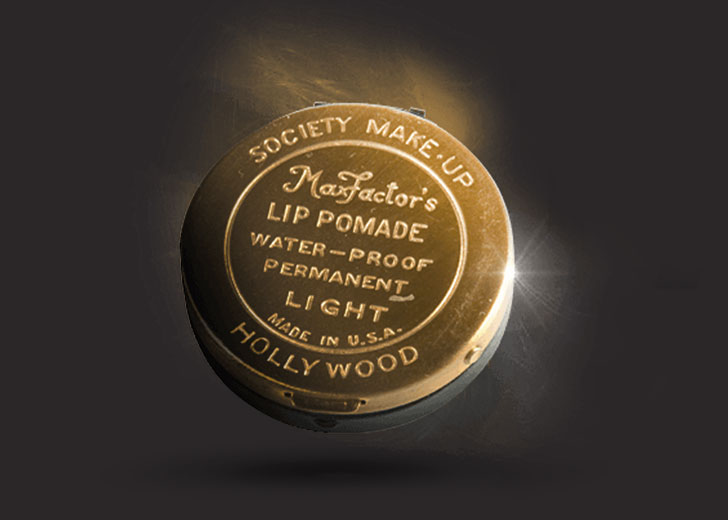
Innovations came pouring in. It was 1928 when Max Factor introduced a variation of the coveted cosmetic and called it the lip pomade, now known as lip gloss, to provide a glamorous appearance to movie actresses.
Click to Enlarge
Lip pomade by Max Factor. | PHOTO: Max Factor.
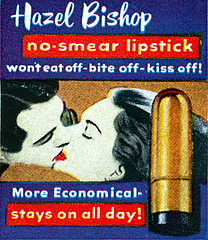
In the 1950s, a long-lasting and kiss-proof lipstick was invented by the chemist Hazel Bishop.
Click to Enlarge
No-smear lipstick by Hazel Bishop. | PHOTO: Glamour Daze.
It was the golden age of cinema, and Hollywood stars like Marilyn Monroe and Elizabeth Taylor became icons of fashion and beauty. Their looks were never complete without a signature red lip, making the controversial product synonymous with allure and sophistication.
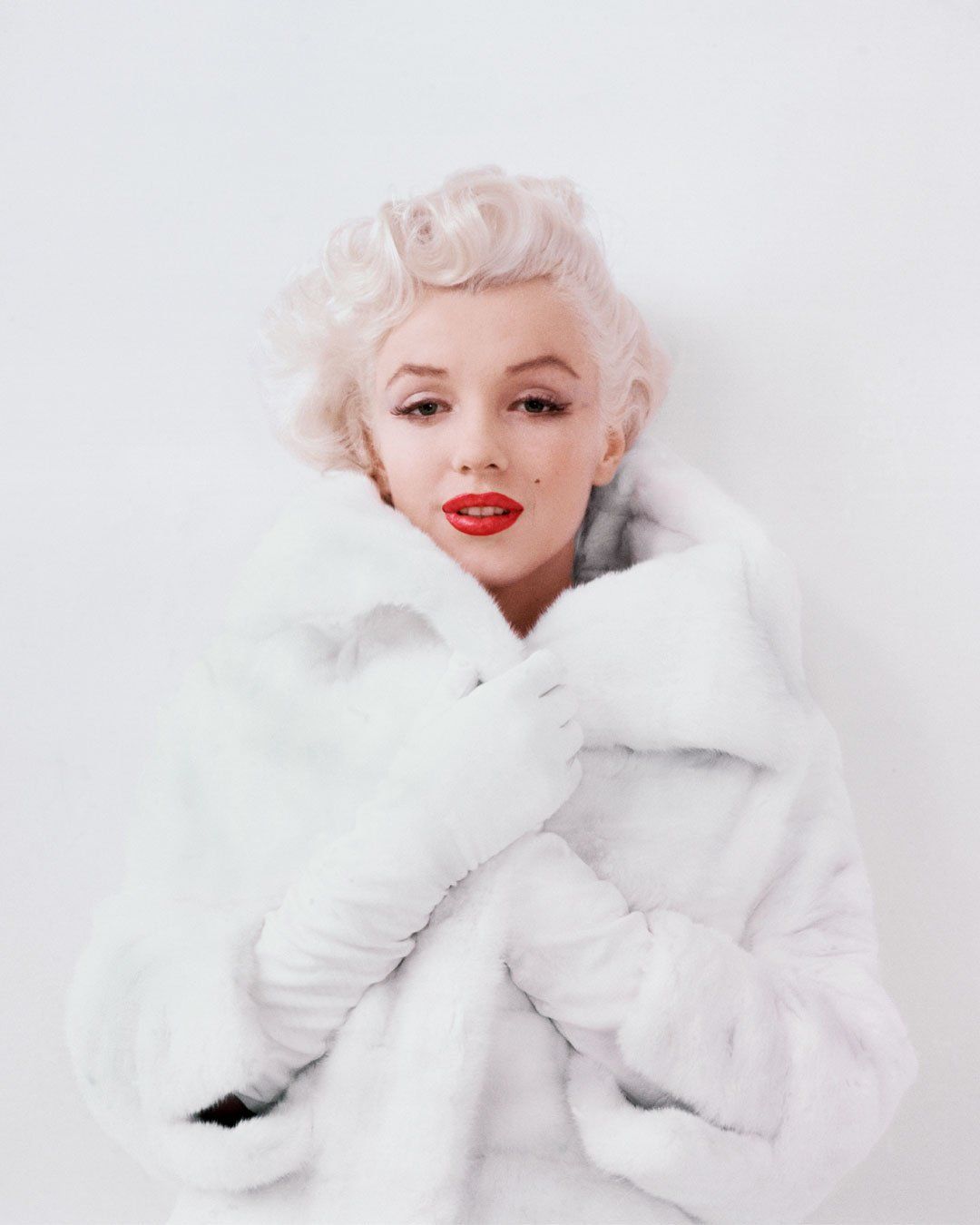
Click to Enlarge
Marilyn Monroe. | PHOTO: Milton H. Greene via Instagram/marilynmonroe.
From then on, lipstick became more attainable for people of various backgrounds. Wider ranges of colors, formulas, and finishes became available, and so the cosmetic became a form of expressing one’s style and individuality. There was a shade that matched every mood and outfit, and today, no bag, makeup kit, or pocket is ever without it.
Lipstick Beauty Trends
In the digital age, creativity trickles down to the beauty crazes that take over our TikTok feeds. Lipstick, in particular, has taken the limelight for numerous tips and trends. For the color theory trend, two people of different skin complexions and undertones swatch the same shade of lipstick, showing the uniqueness and singularity of each color.
There’s also the lip color challenge, which provides tips on finding the perfect lip shade for you. Simply put, line your lips with a shade similar to your brows, tint the center with one similar to your blush, and seal it all in with a gloss.
A trend you’ve probably heard (and tried) before is the red lipstick theory, which implies that red lipstick draws in people’s attention and creates the illusion of even skin. With that, there’s no reason to fear stepping out with a bare face and a bold red lip.
We’ve been introduced to more extreme makeup challenges, too, such as a full face of only lipstick. That’s right—from foundation and concealer, to eyeshadow and blush, lipstick can do it all.
These trends exemplify how lipstick has become a holy grail product that’s reliable, flexible, and overall lovable. With its many contributions to history, culture, confidence, and beauty, lipstick will always be a superpower worth celebrating.
SHOP:
Must-Try Lipsticks for a Powerful Pout

Kyla Villena loves a good lip gloss and a trip to the art gallery. She is Preview's beauty girl, who doubles as a self-proclaimed motivational speaker.