The Virtue of Vice Ganda
As one of the nation’s most influential forces, Vice Ganda moves with purpose, rooted in her upbringing and emboldened by her calling.
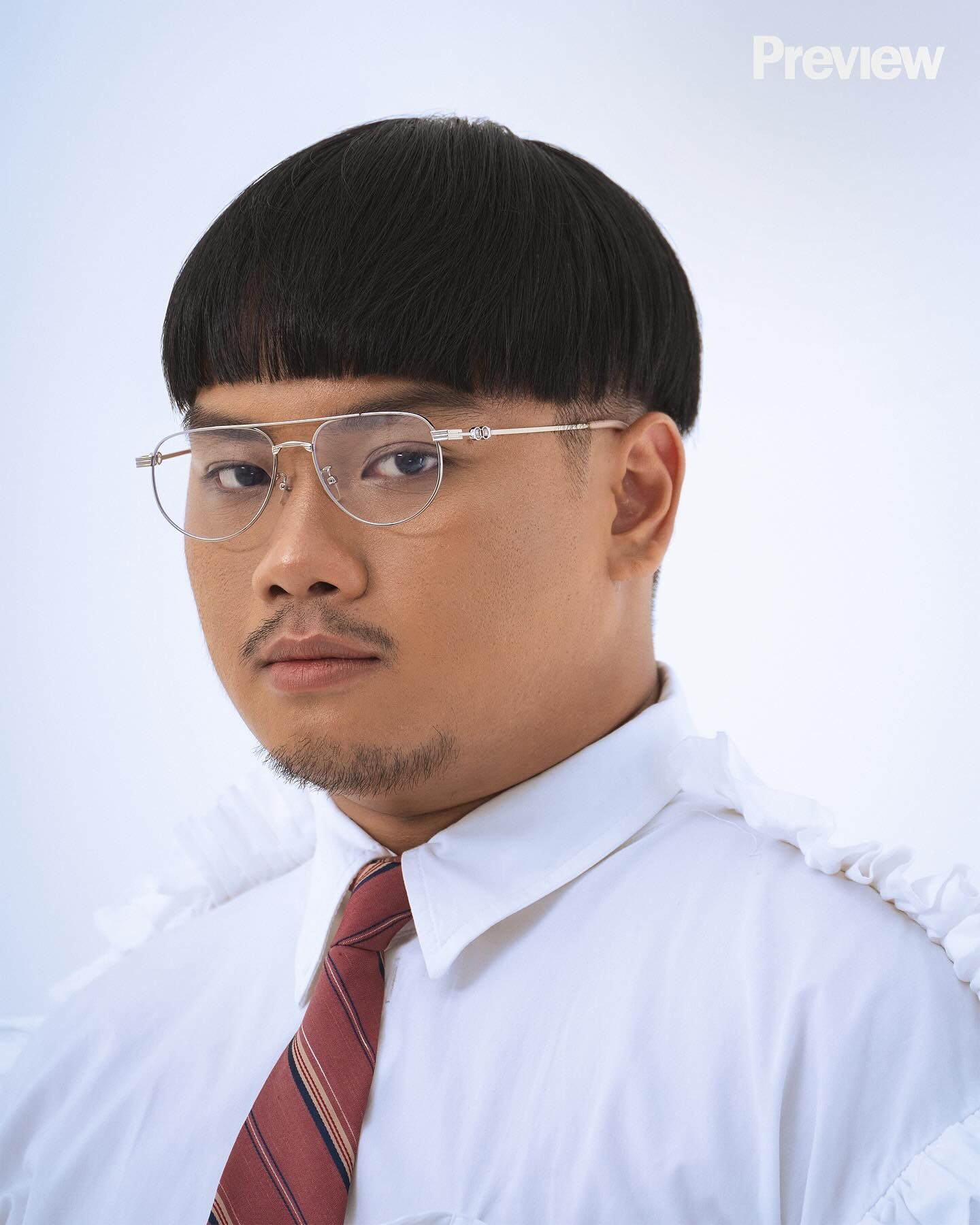
by Em Enriquez
Published on Sep 10, 2026
To create is to live multiple lives.
Through different mediums, humans have expressed themselves and discovered new ways to manifest their ideas. It’s in this regard that creativity becomes an extension of a person—one that can often take on a life of its own.
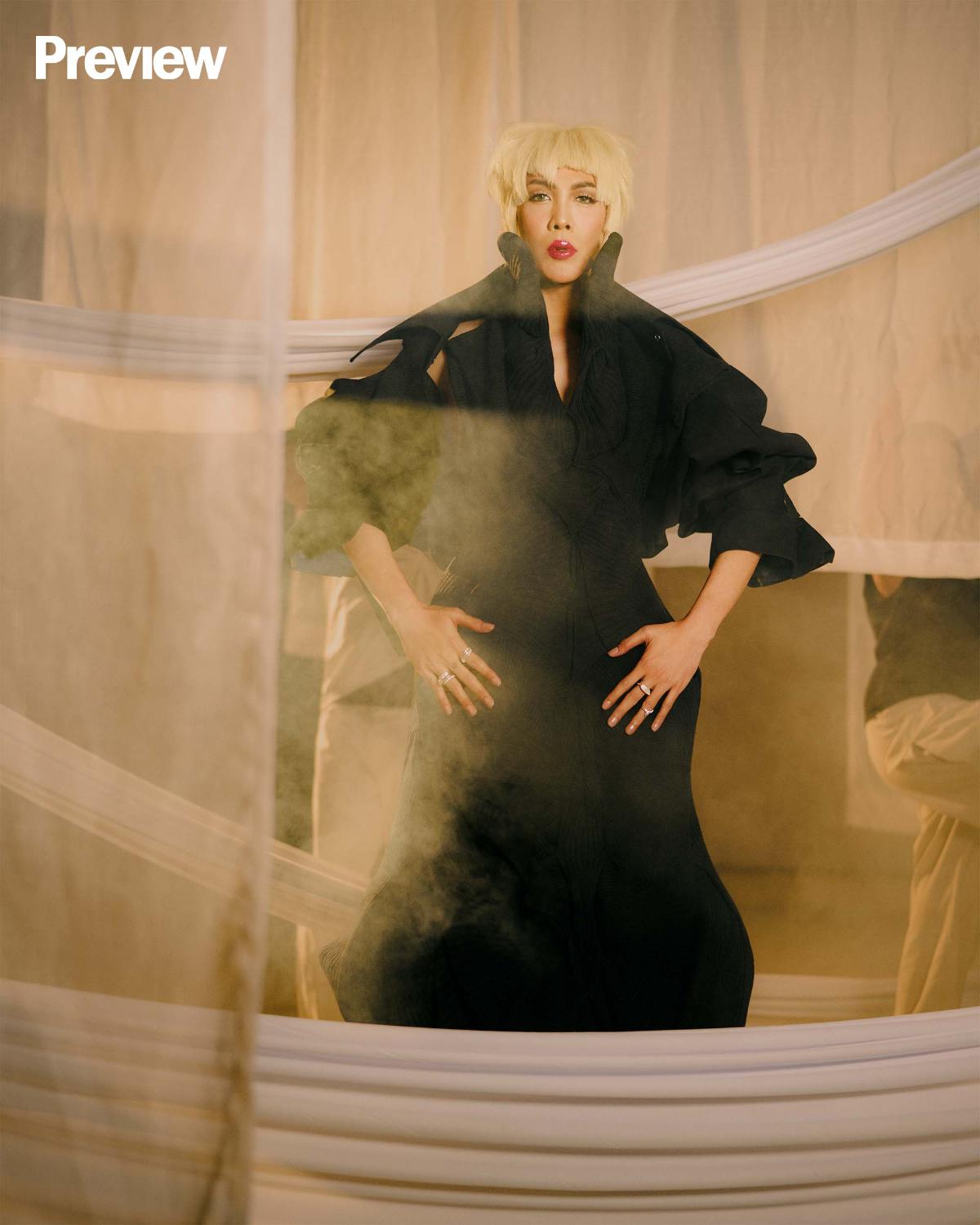
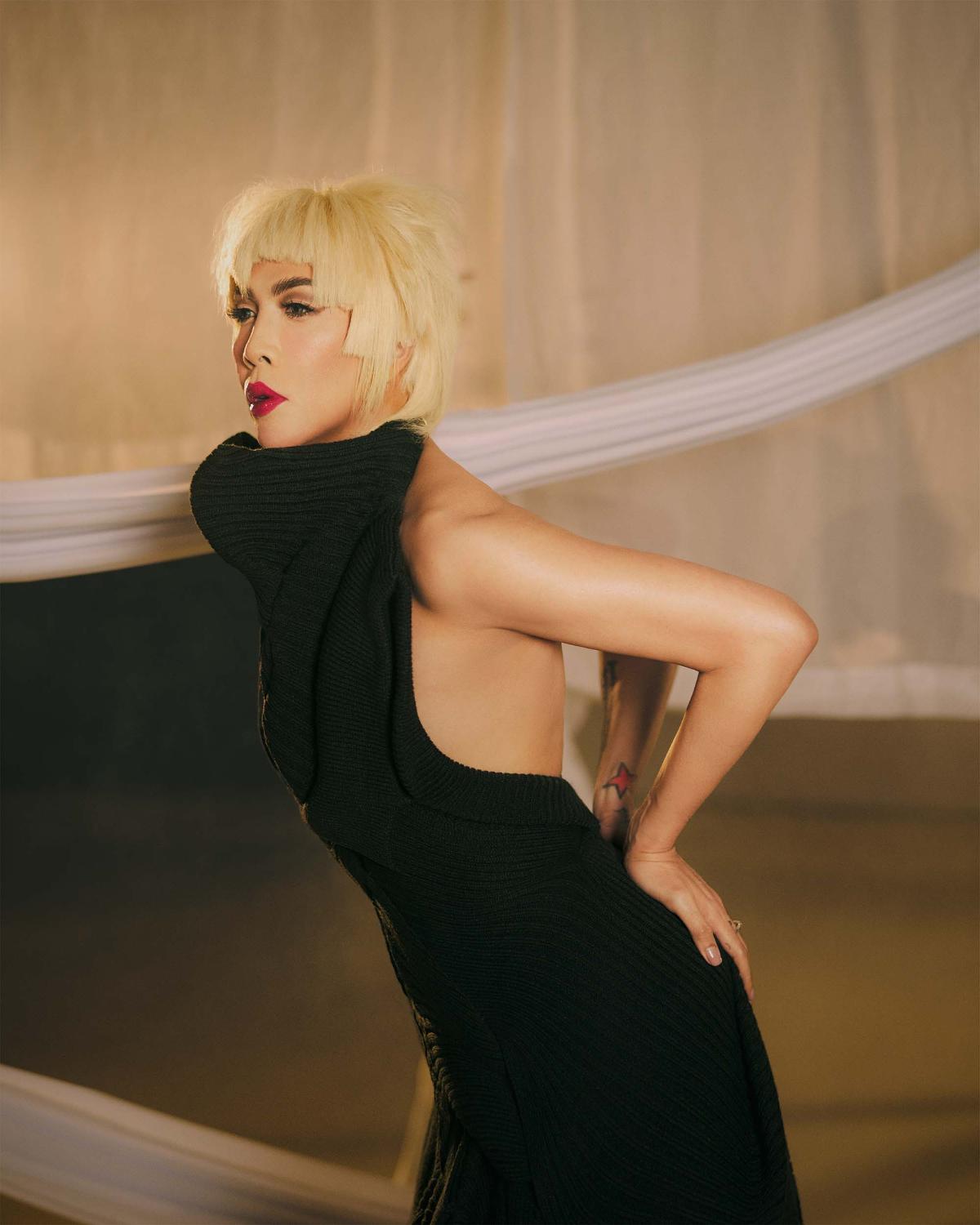
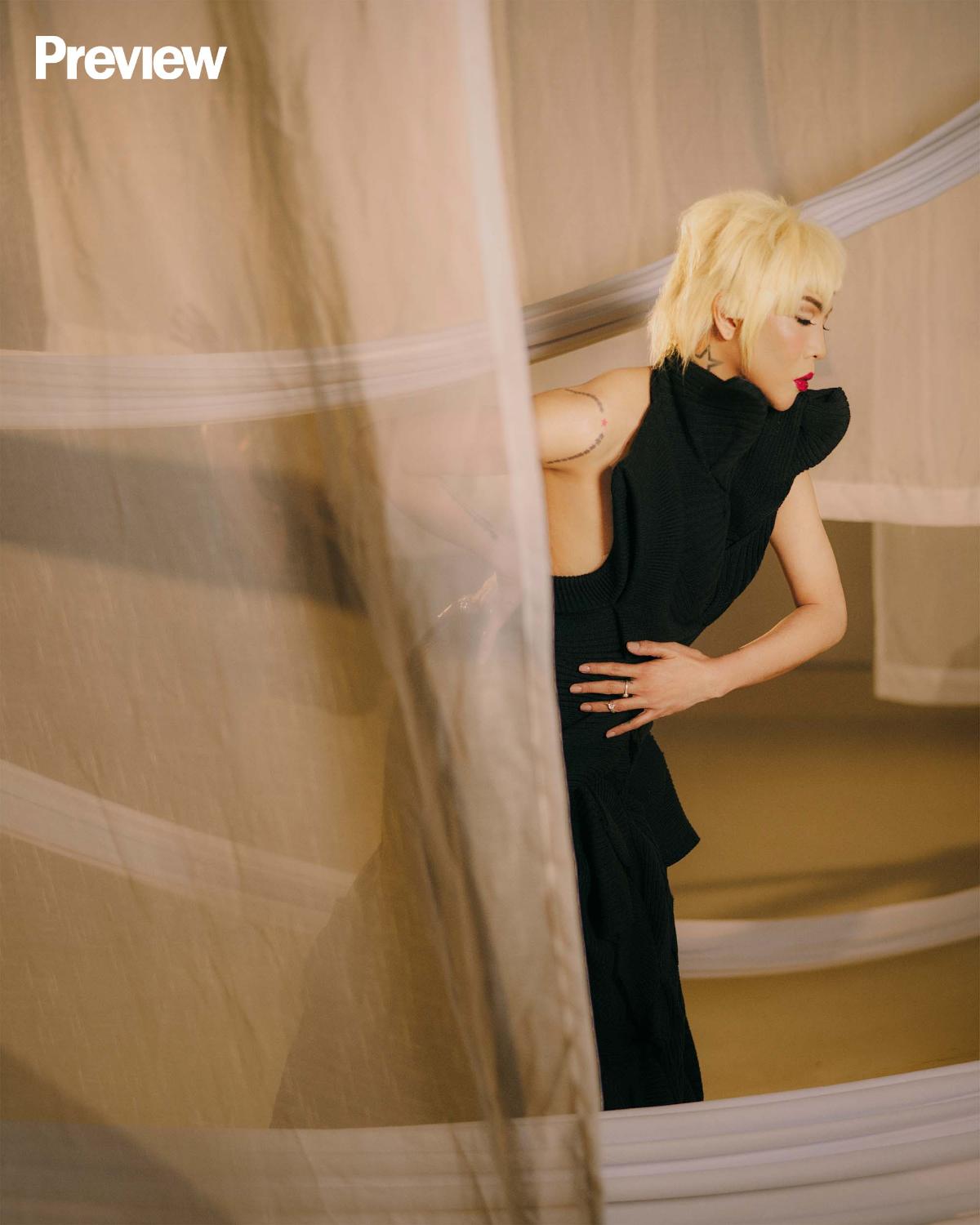
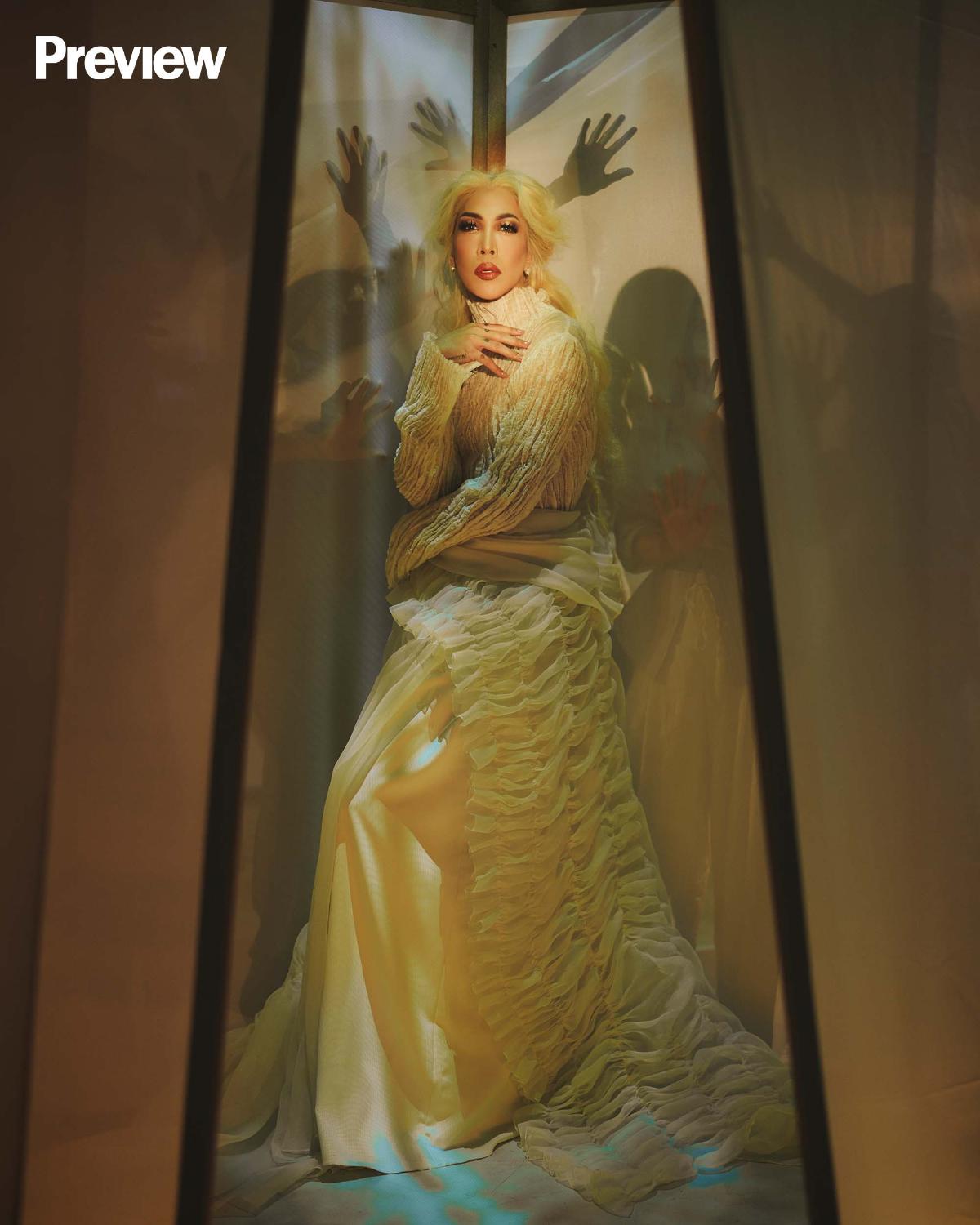
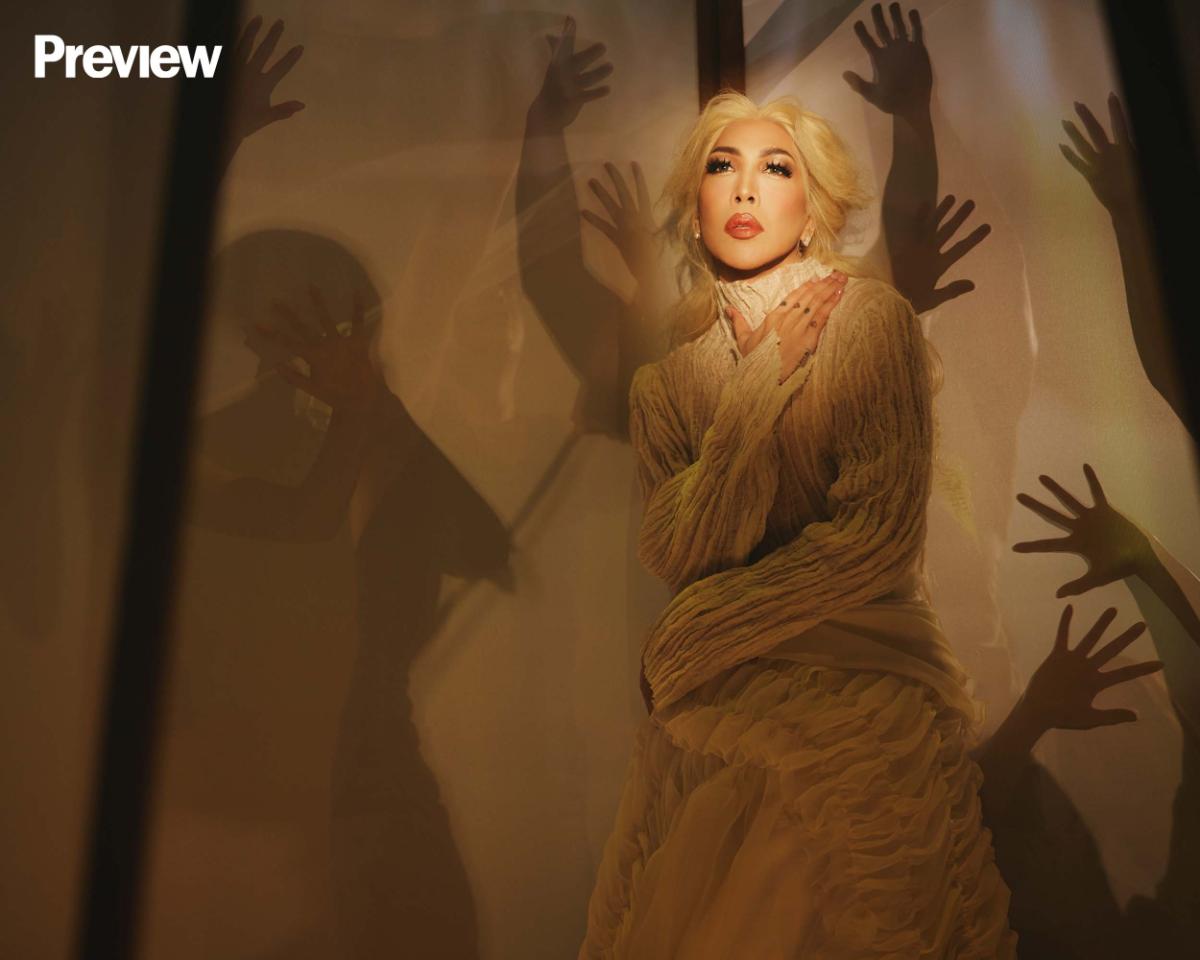
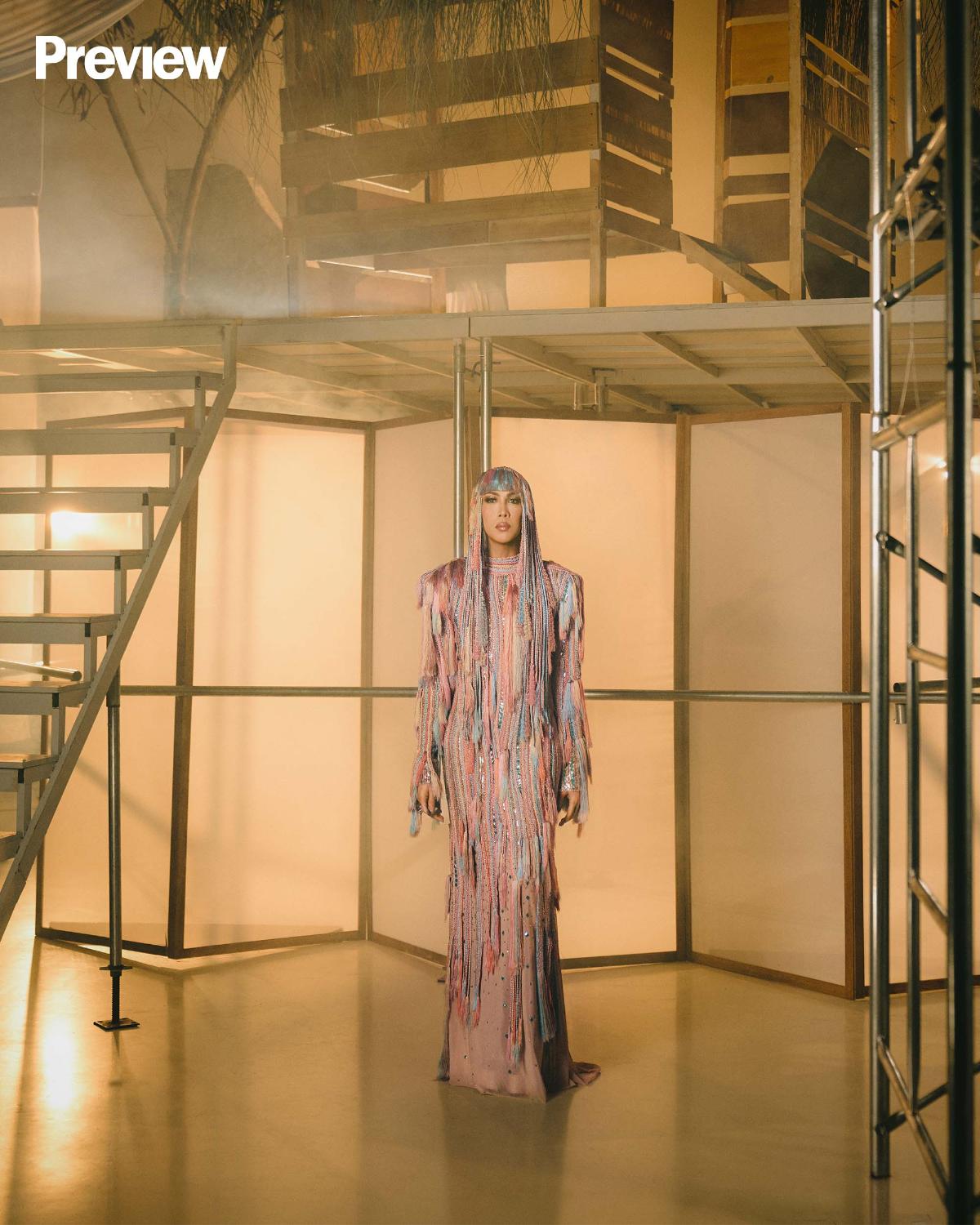
On the set of Preview’s Vol. II cover shoot, creativity took shape in a massive, dreamlike realm composed of platforms, billowing sheets, and a recreation of a bahay kubo. Each element was tangible, tactile, and built to scale by the set designers of Tangerine Projects. At the eleventh hour, minutes before midnight, streaks of light traveled rapidly across the set. Amid the dizzying display, a hexagonal chamber emerged in one corner.
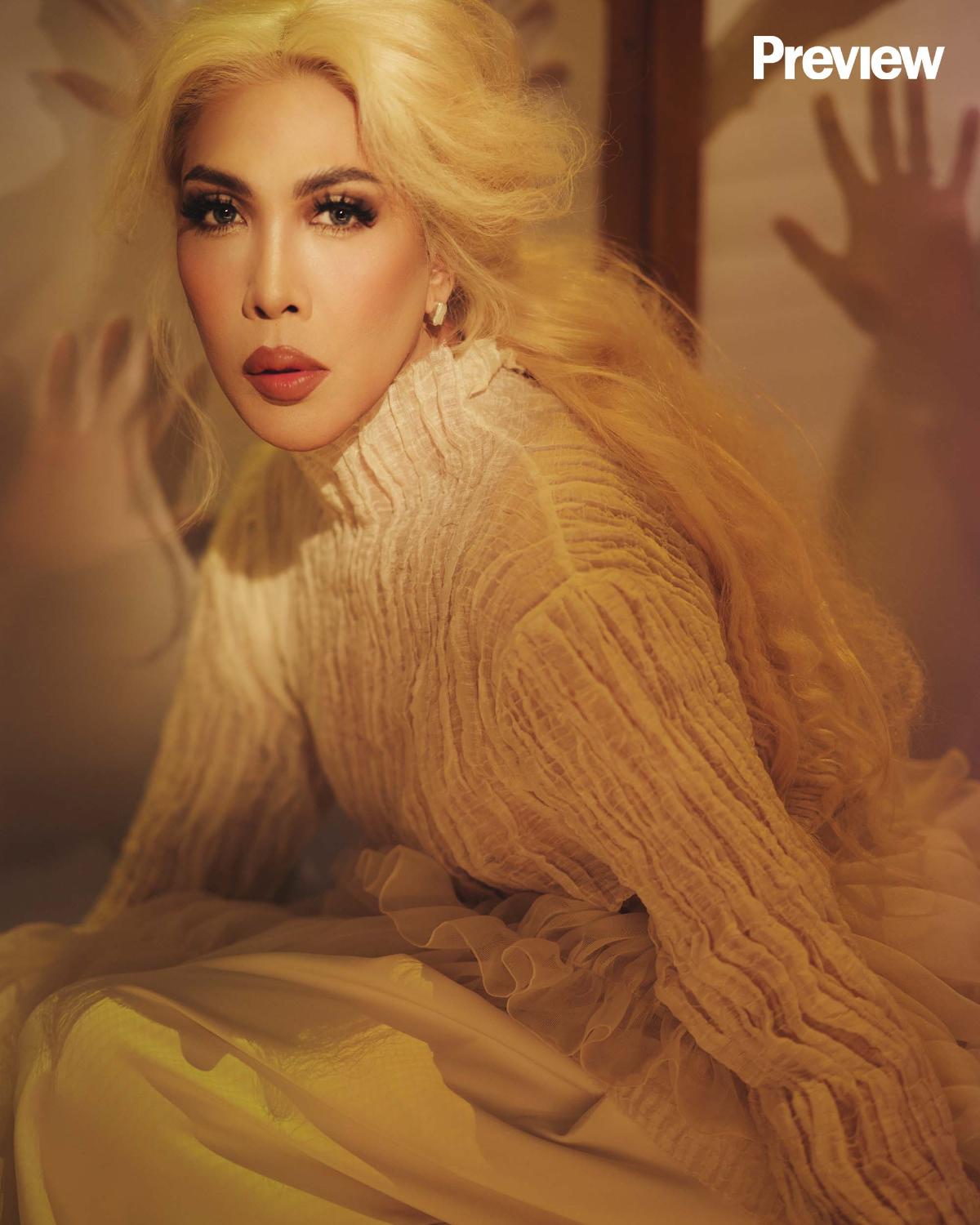
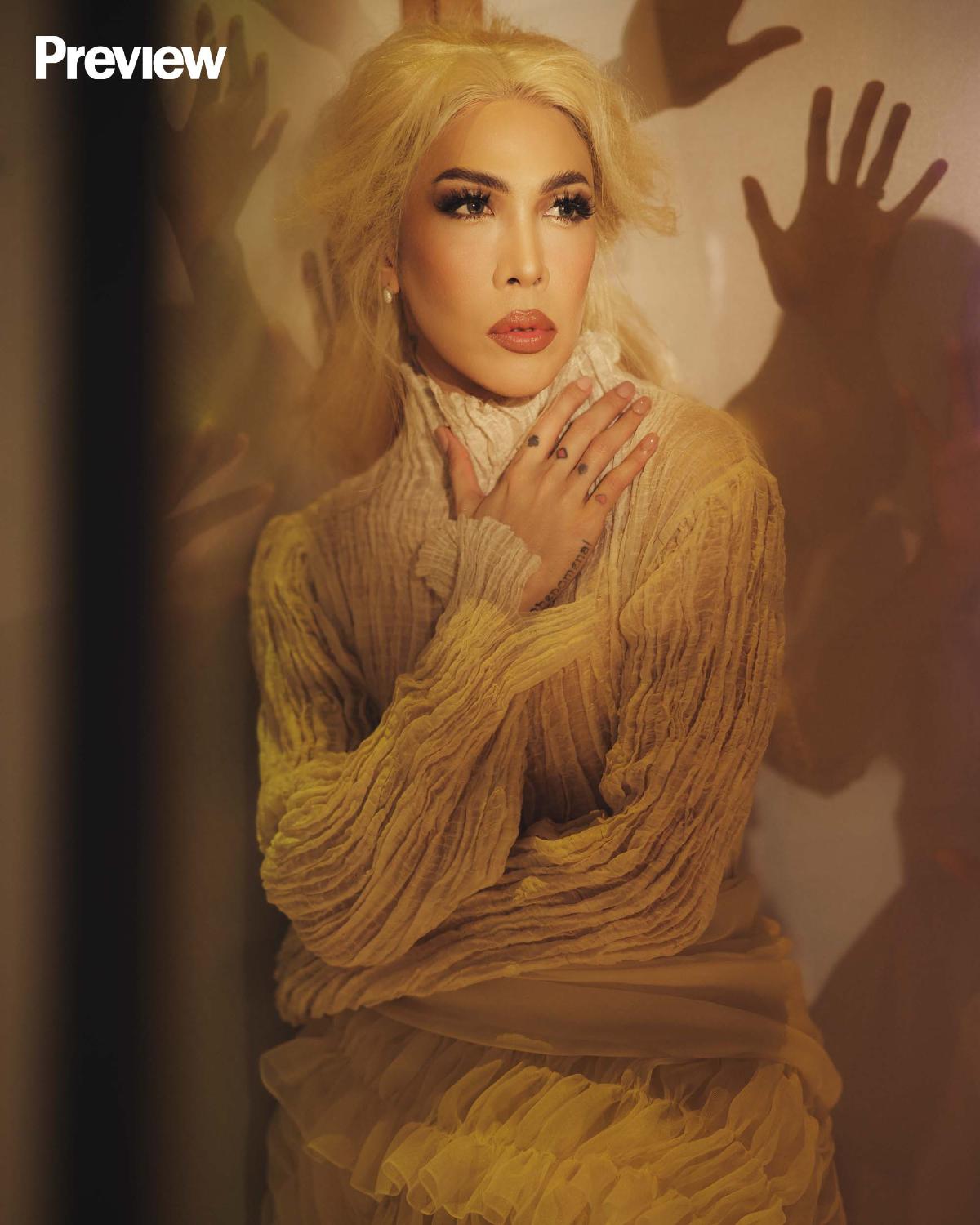
Illuminated within was Vice Ganda, blonde tresses restrained, donning an ivory frock that shifted hues with the light.
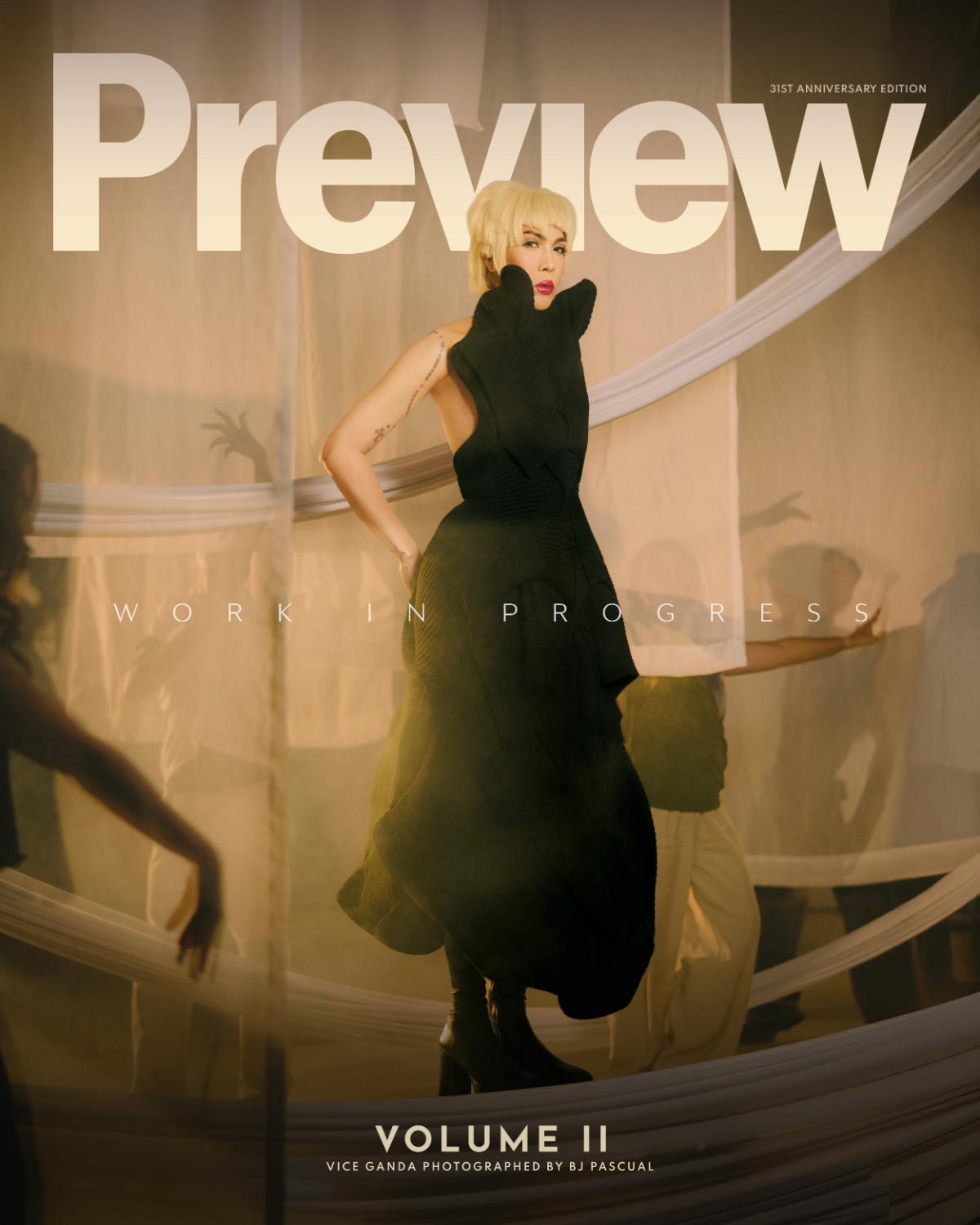
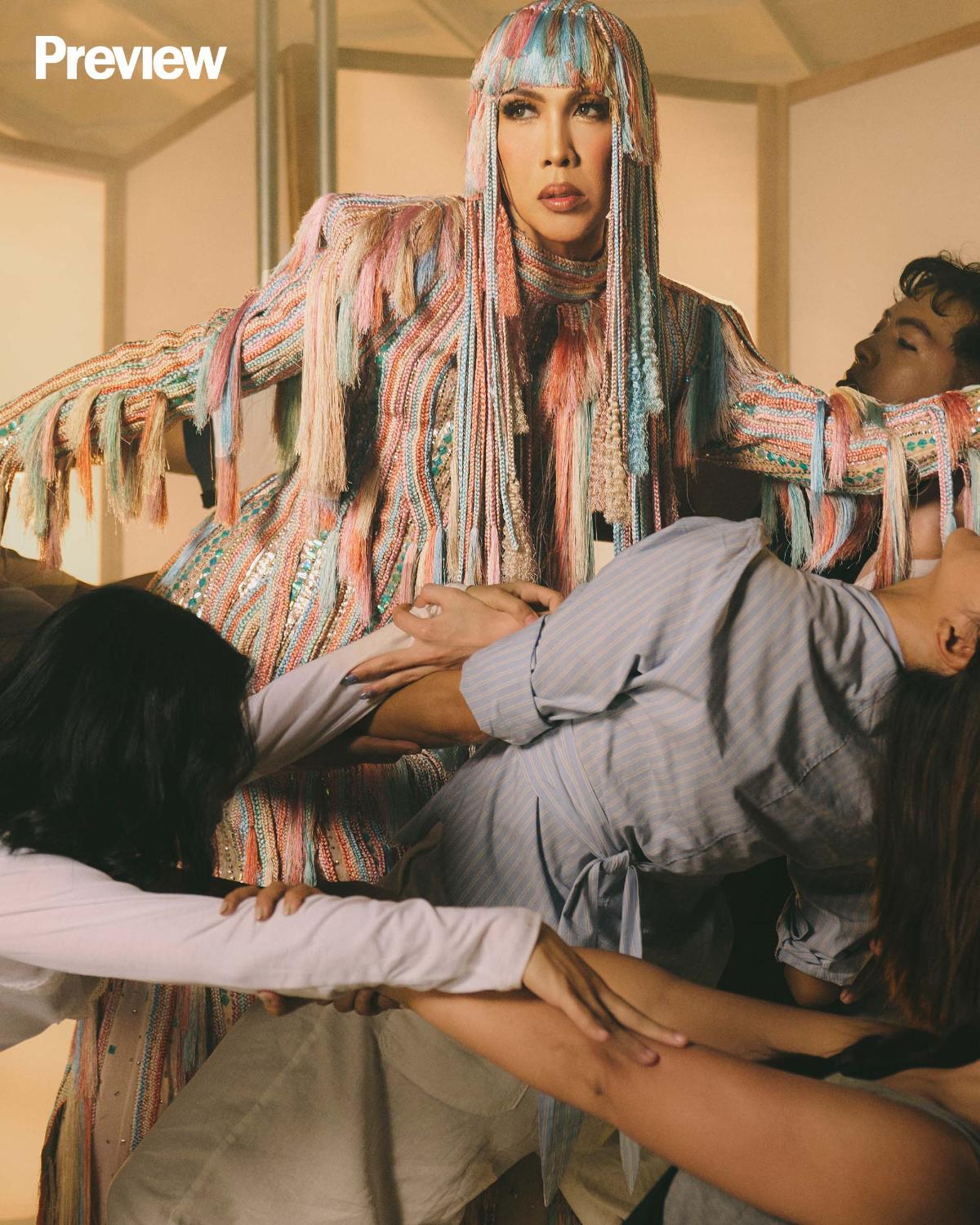
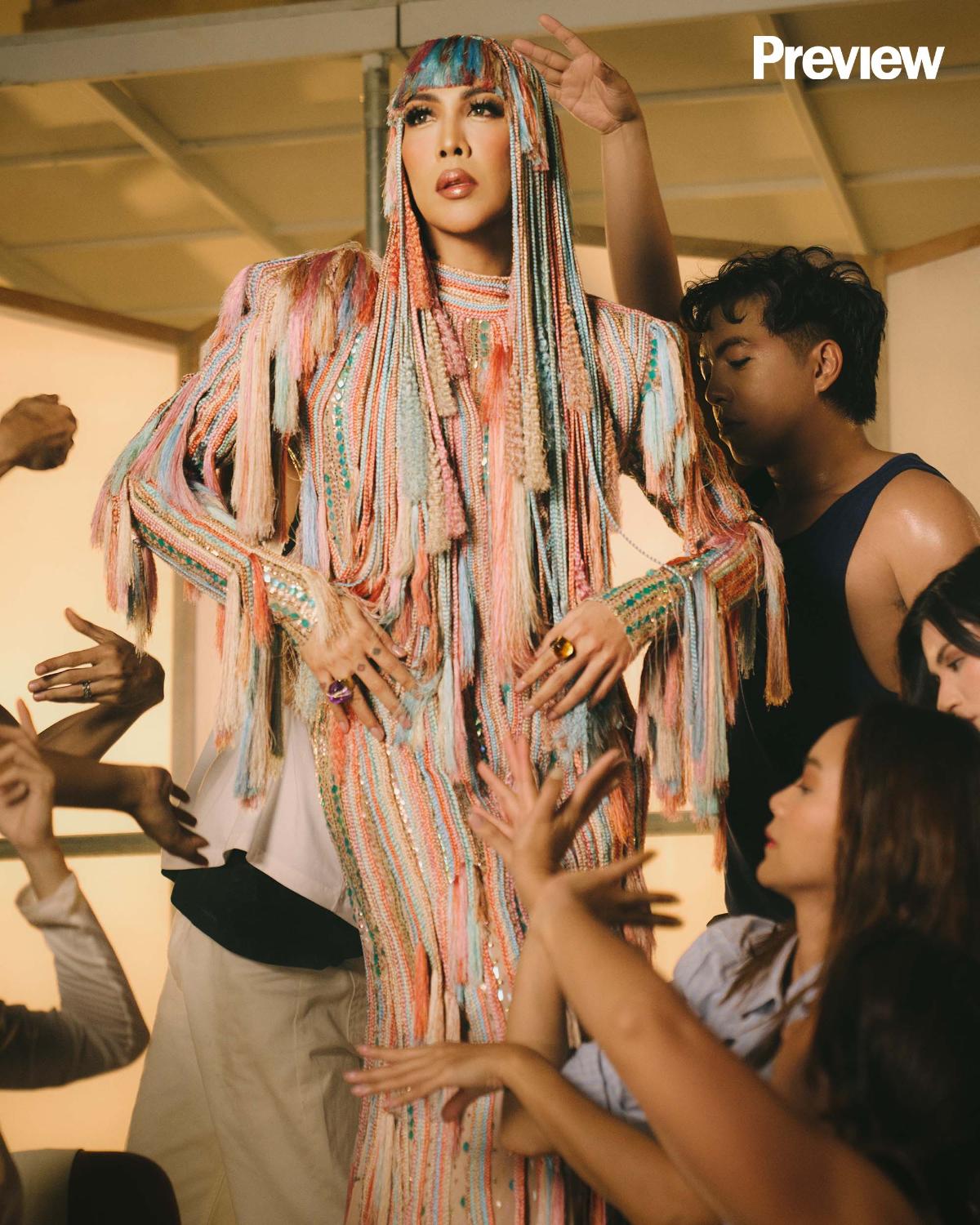
By the time the shoot wrapped, Vice had portrayed a myriad of personas in front of BJ Pascual’s lens. Dressed in bespoke garments by Preview’s Best Filipino Fashion Designers of 2026—namely Nicolo Perez, Jerome Lorico, Rajo Laurel, Viña Romero, and Vania Romoff—the comedienne embodied the entrancing aura of her surroundings.
And with each pose she struck, she conjured new images of Vice Ganda for those who gaze at her to remember. As the Filipino people’s “Unkabogable Box-Office Superstar,” the best creation she can bring forth—and one she’s been offering throughout her decades in show business—is herself.
But beneath the splendor attached to her name is a human being thrust into the limelight with nothing but her wits. Before there was glamour, there was grit—and much of it, she would add.
Vice has never been private about where she came from and how her experiences molded the superstar we know today. There are cracks in the porcelain facade we see of her, each one attesting to the humanity behind the glory. Many hands were involved in creating “Vice Ganda,” and after the many lives she’s lived, she recognizes a higher purpose in what she’s been called to do.
Brick by Brick
Deconstructing the grandeur of Vice Ganda entails meeting her as Jose Marie Borja Viceral, the youngest of six children who grew up in Santa Cruz, Manila. While out at a comedy bar during her college days, she was discovered by sing-along master Hans Mortel.
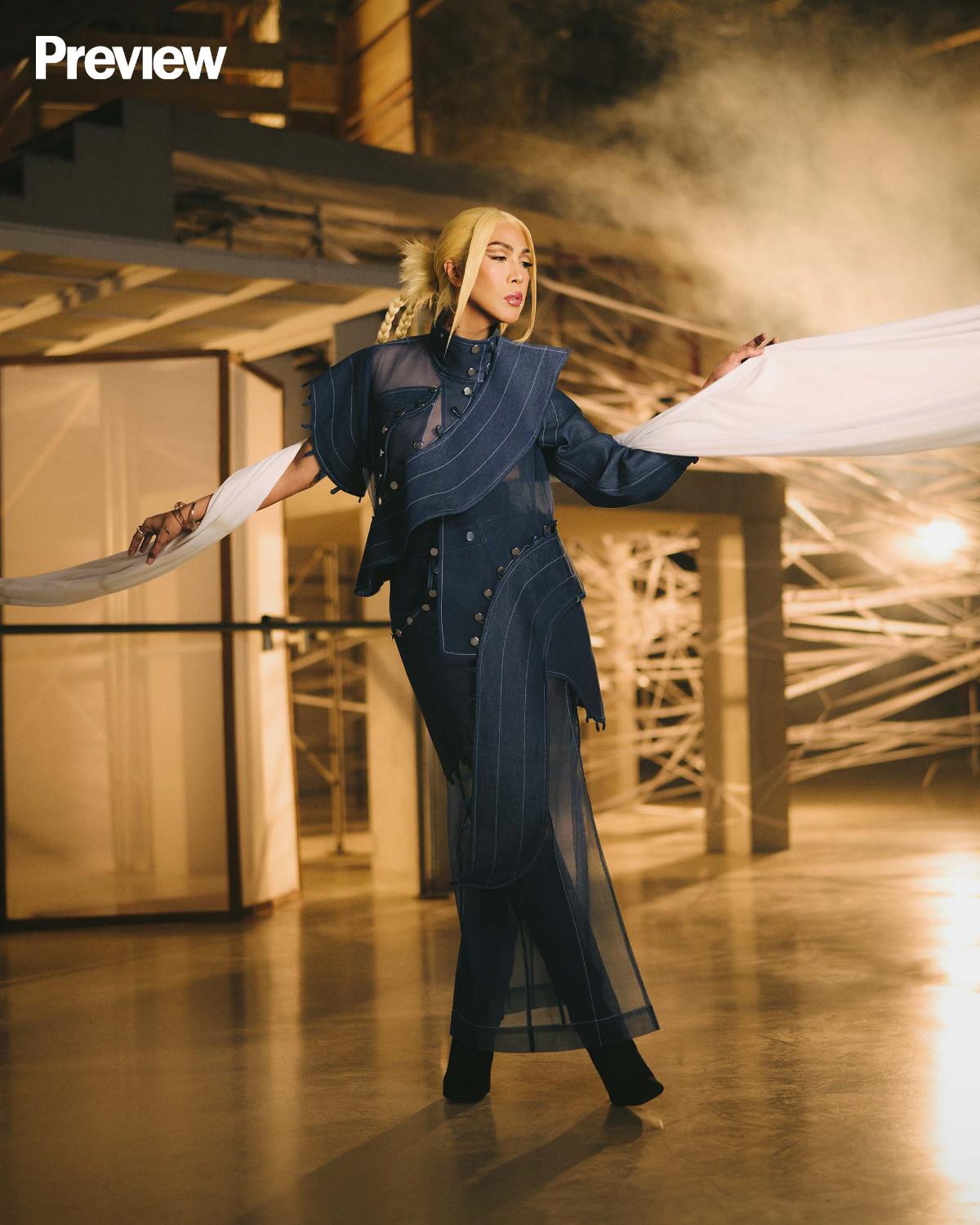
“He called me up on stage tapos narinig niya ako kumanta [at nakita niyang] nakikipag-okrayan ako sa kanila. He gave me the opportunity to try. So tinry ko and nagtuloy-tuloy na,” Vice recalls. From that point on, she honed her comedic chops night after night, bringing home paychecks to support herself and her family.
Eventually, she found her way into show business, playing minor characters in different teleseryes and movies. Her breakthrough came in 2010, when she was handpicked by director Wenn V. Deramas to play the titular role in the Petrang Kabayo remake.
She gained further prominence when she joined It’s Showtime as a resident “hurado.” Not one to say no to a paycheck, she kept a schedule that required waking up before 10:00 a.m., entertaining the madlang people throughout the afternoon, and performing at comedy bars until daybreak. Rinse, repeat.
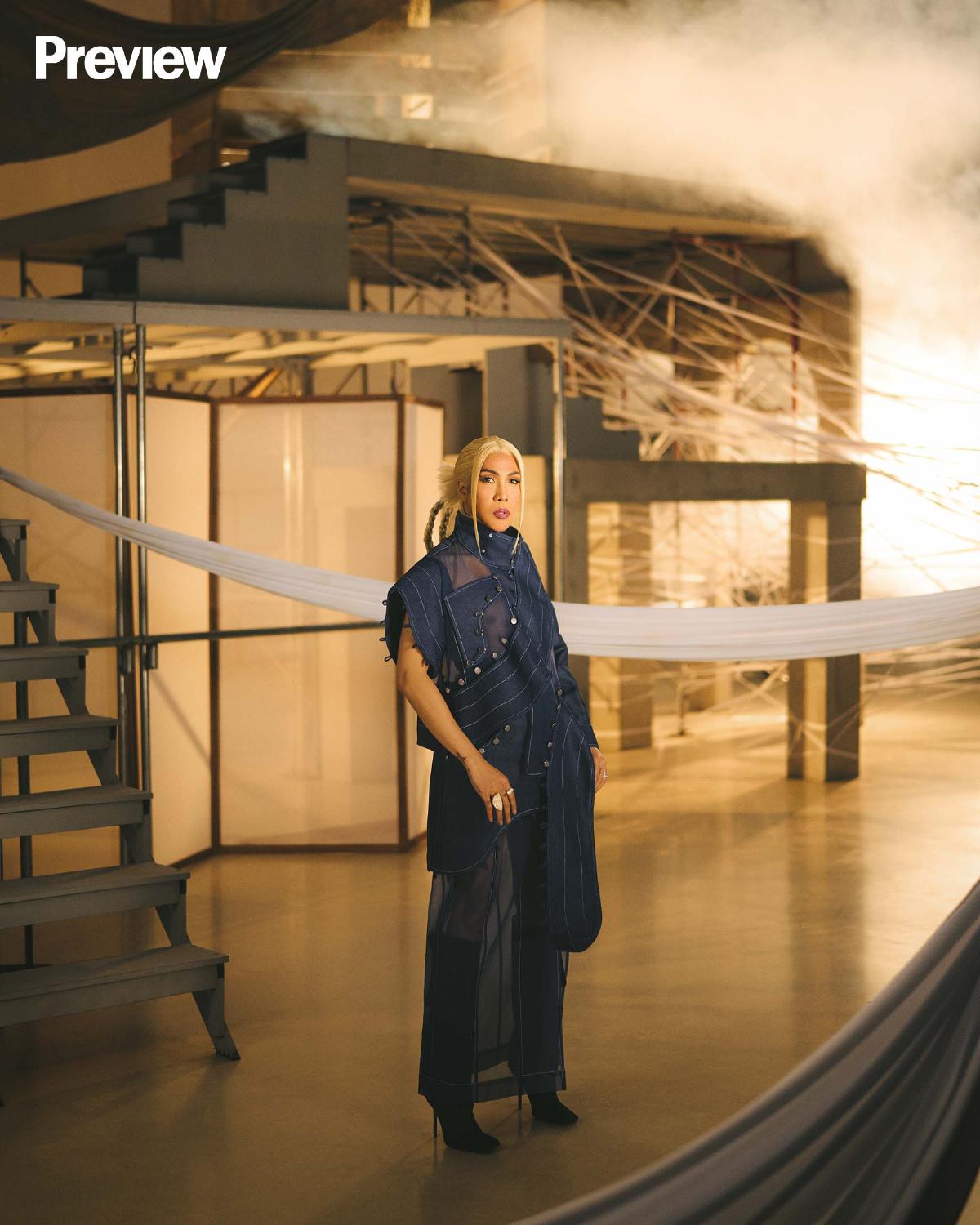
Nowadays, she’s taken on a more hands-on role as the noontime show’s lead host and creative consultant. Her instinct for humor proved effective in engaging audiences, prompting management to entrust her with more of the program. “They thought that my ideas were brilliant. Parang nalibang sila to the point that they said, ‘Ah, okay. We can trust her. Siya na ang bahala,’” she shares.
The transition from jester to main act didn’t come without its limitations. At the get-go, Vice had to adjust certain aspects of her persona, from the way she presented herself (“Hindi uubra yung itsura ko sa comedy bar na masyadong pa-girl,” she recounts) to the things she could say on the mic.
It was a gradual process of opening people’s minds to the kinds of comedy that were allowed on a mainstream platform. Before Vice came along, noontime shows were dominated by straight men whose comedic styles didn’t necessarily resonate with hers.
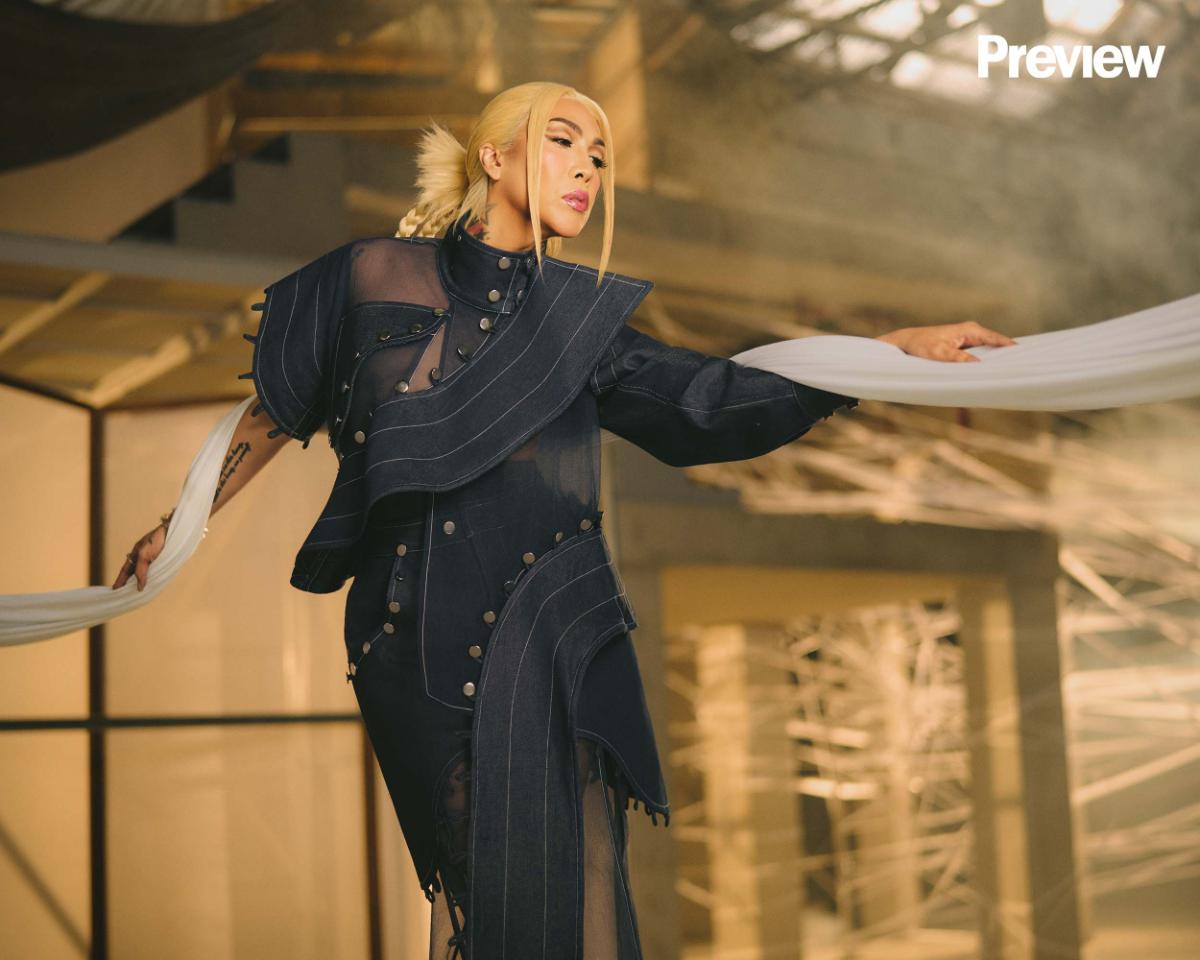
“Nakapag-open ako ng mga hindi pangkaraniwang ideas sa audience. And eventually, na-appreciate nila at unti-unti nilang na-realize na pwede naman pala,” she narrates. “Kumbaga, napalawak ko yung idea o konsepto ng kung ano ang pwede sa television.”
“You put them under your spell,” I quip. “Yeah. Nabudol ko sila,” she replies with a smirk.
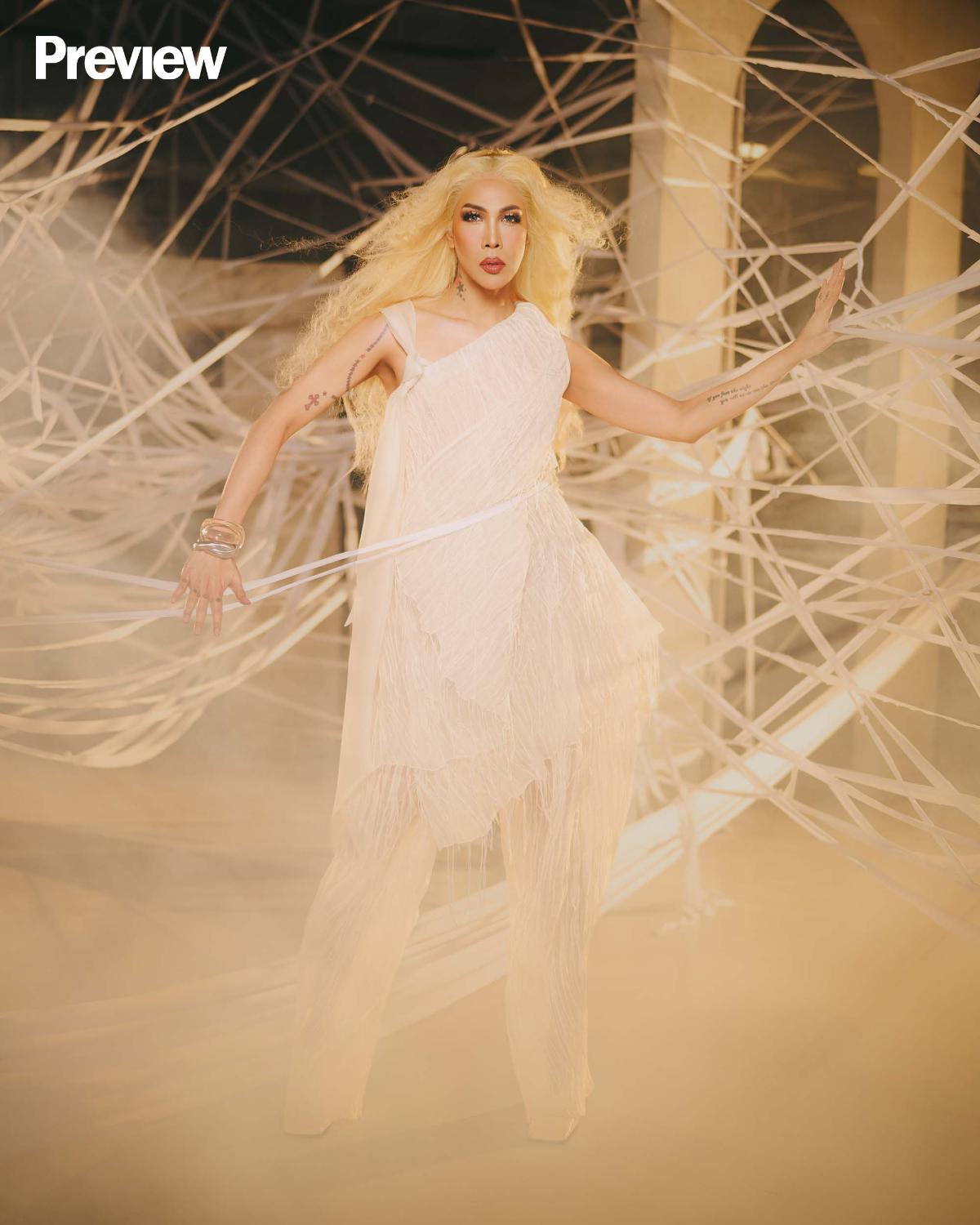
Now front and center, Vice has become family to the madlang people, who call her their “meme.” Almost 17 years since It’s Showtime premiered, she’s developed a close relationship with her viewers, displaying and continually honing her creativity along the way. Her comedic timing is something she has down to a fine art.
But if you ask her, meme’s funny bone wasn’t something she was born with. In fact, she says there are many instances when she’s not the funniest person in the room.
“In my group of friends, I wasn't the funniest,” Vice admits. “I was one of the more silent ones. Isa ako sa mga taga-tawa pero bumabanat-banat din.” She explains that she was more like a sponge, absorbing the energy and candor of her peers. This allowed her to explore different types of comedy, whether performed online or onstage. “Yun yung nakasanayan namin: yung okrayan, harutan, pisikalan, lahat,” she illustrates.
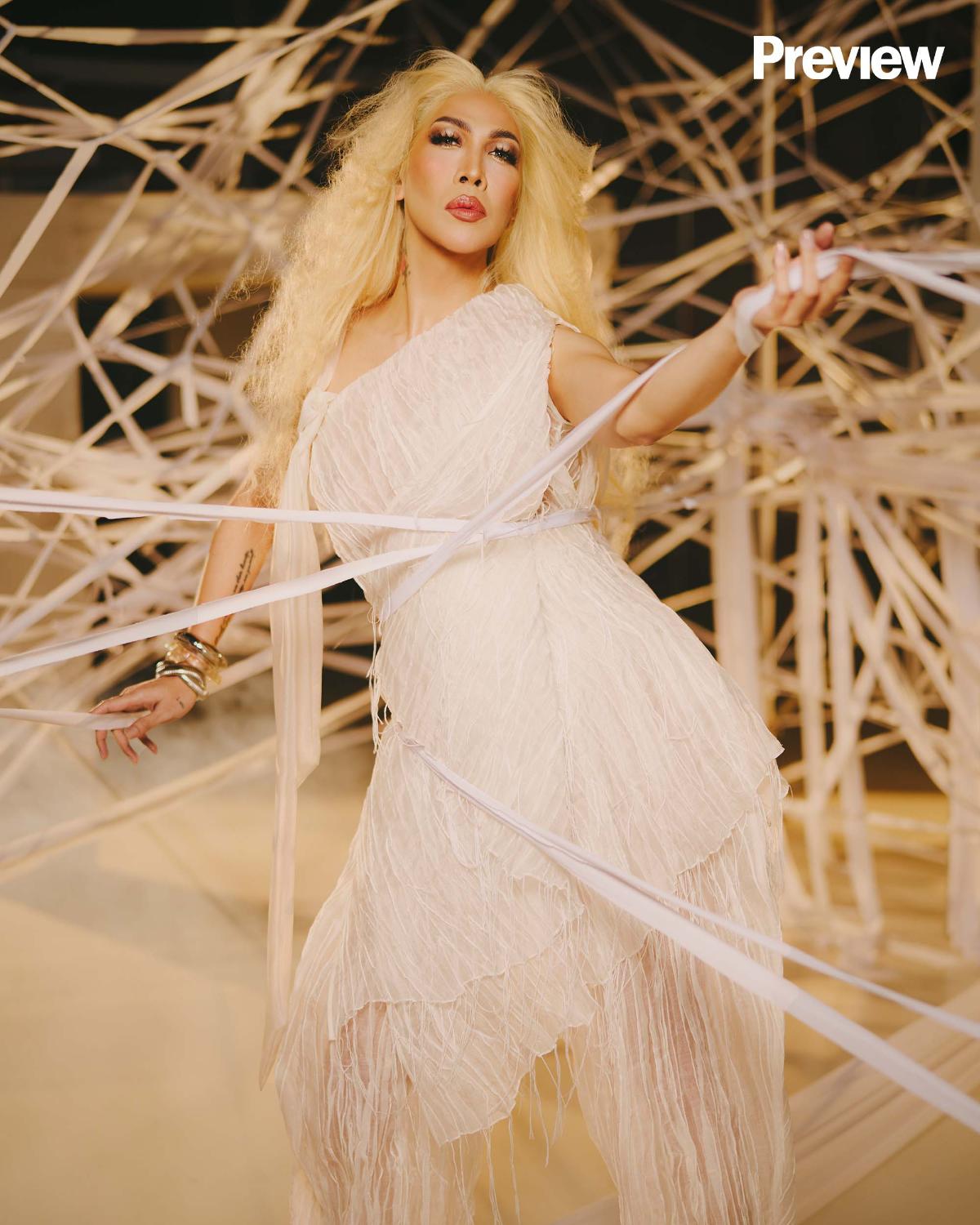
From Vice’s perspective, humor comes as second nature to many queer people. “Iilan lang naman yung baklang hindi nakakatawa, 'di ba? Parang lahat ng bakla merong sariling amats, eh. May sariling bagsak, may sariling bitaw,” she observes. But meme points out that this comic sensibility is often a masquerade—one she’s used herself.
“Ang mga bakla, madaming injustices and prejudices na pinagdadaanan,” she expresses. “Isa yung comedy sa mga coping mechanisms nila… They laugh at the most depressing situations. They make fun of everything. Para lang maka-survive, ‘di ba?”
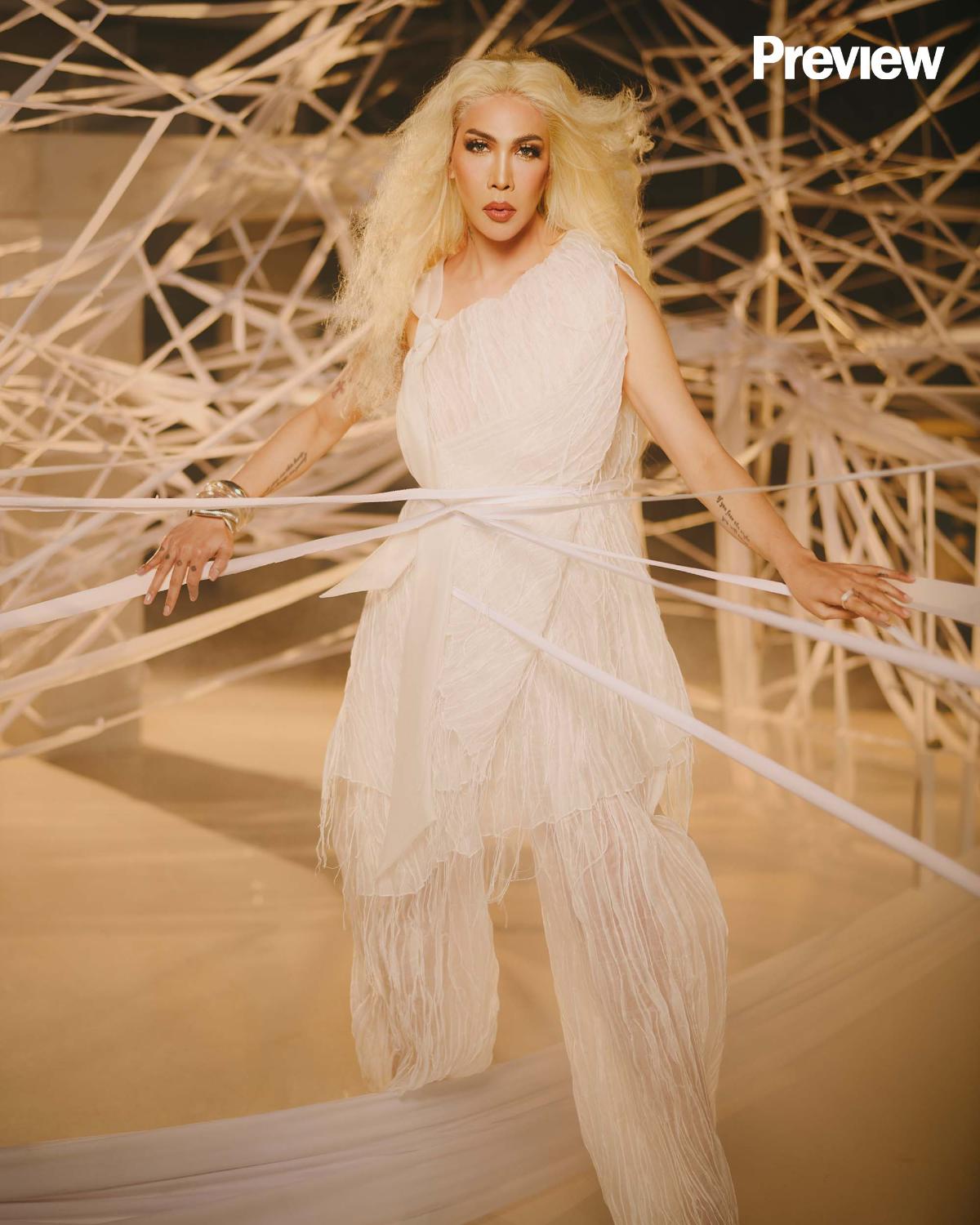
Having navigated the grittiness of Manila and faced her own demons along the way, Vice has turned to comedy as a means of diminishing pain. At her lowest moments, she draws strength from her quips and antics. The pain is something she’ll eventually have to face, but she takes away some of its power if she can laugh about it.
“Parang ginagawa namin siyang shield para hindi masyadong mahalata kung gaano kami kadurog,” she says. “That’s one thing I needed to develop, yung pagco-compartmentalize. Pinapakita ko na kaya ko pa. May strength akong nakukuha sa happiness.”
Flaws and All
The brand of comedy Vice has cultivated is something she attributes to her upbringing. Growing up in one of Metro Manila’s most crowded settlements, she regarded laughter as a way to contend with the hardships of life. “Ang dami ko talagang ‘funny’ experiences living in poverty,” she says with a wry smile. “Nakakatawa sila pero hindi sila nakakatuwa. There’s nothing joyful about being down there, below the poverty line.”
When her career began, she would derive much of her material from these not-so-funny, funny experiences. These are scenarios a big chunk of her audience can relate to, she supposes. “Alam ko kung ano yung maga-grasp nila at kung saan sila makaka-relate. Ang hirap din kasi magbitaw ng jokes na hindi naman nila maiintindihan,” she explains. “Mas kanal, mas gets ko, at mas gets din nila.”
“Kanal humor” became the foundation of Vice’s on-screen presence, particularly on It’s Showtime. When bantering with contestants or her co-hosts, meme would insert playful jeers similar to the “okrayan” she was accustomed to. And for the most part, the strategy worked, as viewers grew fond of the show’s “physical hosting” and “bardagulan” moments every noontime. Clips of these scenes continue to go viral on social media, cutting through the algorithm and resurfacing long after their original air dates.
However, there have also been critics of Vice’s comedic approach. In the past, she’s been called out for insensitive or politically incorrect jokes directed at her coworkers or other public figures.
Most recently, she drew the ire of netizens after making a remark criticized as colorist toward Baby Dolls member Johaira Moris during a skit. The Movie and Television Review and Classification Board (MTRCB)—which has previously ordered the temporary suspension of It’s Showtime—summoned the show’s producers to explain the incident before a hearing and adjudication committee.
As the issue spread online, Vice took it upon herself to face the audience and take responsibility for what happened. Before the noontime show concluded last July 25, she addressed the madlang people and said:
“Nakarating po sa aming kaalaman na may mga madlang people po na hindi nagustuhan o na-offend sa ilan sa aming jokes… They found the jokes offensive or insensitive... the last thing we want is to displease you o hindi mapasaya ang aming madlang people. Kaya naman, ina-acknowledge namin ang inyong saloobin at humihingi po kami ng paumanhin sa inyo. We will try to do better.”
Vice further spoke on the incident when she met with members of the press last August 12, 2026. “Ang obligasyon ko ay pasayahin [ang audience ko,] so it pains me na na-disappoint ko [sila],” she said, expounding that she had already reached out to the MTRCB even before they were summoned for investigation. The comedienne adds that board chairman Lala Sotto told her that she wasn’t required to attend the hearings, even if she wanted to be present.
In taking accountability, Vice acknowledges the lapses in her judgment. Once the words left her mouth, she was no longer in control of how people would perceive her, nor whether they would give her a chance to make amends. At that point, the only thing she could do was admit her mistakes and commit to doing better.
The conversation around what can and cannot be said in comedy has always been a delicate one. But whether or not we live in a “woke” world, Vice is aware that comedy still has consequences, and even the best intentions can’t undo the harm caused by her remarks.
For all that she has achieved in her career, Vice is still learning and unlearning.
As meme mentioned in her public apology, displeasing the madlang people is the last thing they would ever want to do. At the It’s Showtime studio, artists pass by a sign that reads “Make People Happy” before stepping onstage. Vice says this has been their mission since the very inception of the program. And as she’s evolved through the years, that mission has evolved alongside her.
“I believe that I have a bigger, deeper purpose than just making people laugh,” she expresses. “The madlang people already consider me as family, and I consider them as family, too.”
“And this family is going through a lot of things right now. Mabigat ang mga pinagdadaanan ng mga Pilipino ngayon. So I have to be there with them. Through the good times and the hard times, I need to be there. Leaving them is never an option.”
Vice has never claimed to be a perfect person. She’s flawed, and she’s learned to reckon with the consequences of her actions. But despite these lapses, she’s guided by a purpose bigger than herself and her mistakes. As she reconciles with her faults, she remains committed to the madlang people who have stayed by her side—and believes it’s only right for her to stay by theirs.
“It has always been my choice to stay no matter what. Sa ilalim, sama-sama tayo. ‘Pag umakyat, sama-sama pa rin tayo,” she says. “Walang iwanan.”
Common Ground
As someone who’s made it her mission to make people happy, Vice has also been encouraged to take on other roles. On several occasions, she’s been urged to enter public office. With little prodding, meme can recite the preamble of the Philippine Constitution purely from memory, declaring its calls for truth, justice, freedom, love, equality, and peace with gusto.
But quite frankly, Vice is bothered by the idea. “It's not my calling,” she says point-blank. “The country doesn't deserve me. Hindi rin ako yung pinapangarap ko para sa bansa na ito. Yung mga hinahanap ko sa isang pinuno, wala naman sa akin.”
This humility is something people don’t immediately notice about Vice. To be an undeniable superstar—one that was dubbed as the “Queen of All Networks” by Manuel V. Pangilinan—and admit that you’re not fit for a different kind of responsibility takes a certain level of self-awareness. Her larger-than-life image often precedes her, and when people are focused on her eccentricities, they don’t always see the human behind them.
When the makeup is wiped off and the blonde hair is stowed away, Vice Ganda is simply an industrious individual who once only yearned to make ends meet.
This version of Vice Ganda was one she candidly spoke about to the graduating class of the UP Diliman College of Media and Communication, where she served as commencement speaker. In recounting her experiences of poverty, including how her father’s murder remained unresolved amid her family’s financial struggles, Vice shared her determination to rise above her circumstances.
“These experiences did not break me. It started a spark inside of me. These experiences made me realize that I did not want to be poor. So I decided I would not continue to be poor,” she said in her address.
A pang of pain hits her chest when she recalls this period in her life. Even with how much her family’s economic circumstances have improved, looking back at where she came from still feels bittersweet. “Hindi naman nababawasan yung pain,” she tells Preview.
“The pain is still there. The pain never left. I just got used to it, but now I know how to deal with it. I know how to turn that pain into strength. It’s just plain pain.”
Looking back at the life she used to lead is something Vice often does. As someone who’s been through her own versions of hell and back, she feels a certain obligation to share the stories she’s gathered along the way. As she says, “Sa dami ng nakita ko, narinig ko, naamoy ko, nalasahan ko, at naramdaman ko, meron at meron pa rin akong naikukuwento tungkol sa mga karanasan ko. Hindi siya nauubos.”
With the breadth of experiences she’s lived through, Vice also knows that many people can identify with her struggles and triumphs. In turn, she seeks to amplify the stories of people like her. “I am willing to lend my voice to the people and to use it for the people,” she states. “Kung ano yung gusto nilang sabihin din na hindi nila masabi, I am willing to lend my voice.”
In retrospect, however, becoming one of the country’s most influential voices was never in her plans. From the beginning, her only goal was to provide. “Gusto ko lang yumaman talaga,” meme candidly puts it. “Gusto ko lang magtrabaho at matapos yung kahirapan. Yun lang."
It was nothing short of surreal for Vice to see her life become what it is today. As a queer person in the Philippines, attaining this level of stardom was the last thing she ever expected. “We didn’t think it was possible, ‘di ba?” she says, a breath of disbelief trailing her words. “Parang suntok sa buwan na maging ganito kasikat ang isang bakla. We never thought it could happen in our lifetime. But it happened.”
“Parang…” she begins, before letting out an expletive in disbelief. “It’s possible!”
And thanks to what a figure like Vice Ganda has made possible, more LGBTQIA+ people are emboldened to express who they are. Compared to when she was entering the scene, queer people today are less afraid to claim their space. “Ang lakas na ng loob ng mga bakla ngayon. Ang tatapang na. Hindi na sila nahihiyang ipakita yung mga talent nila,” meme expresses. “‘Yung pride na nararamdaman ninyo sa sarili ninyo, yun ang ikinaliligaya ko.”
With the groundwork Vice has laid, it’s her greatest hope that the movements she’s participated in continue moving in the right direction. She acknowledges that recent developments seem to have threatened some of the progress already made. “Doon nga ako naloloka. Umabante na tayo eh, bakit parang umaatras na naman?” she questions.
In sustaining the fight, Vice views her contemporaries as allies. When she was awarded the Box Office Hero trophy at the 9th Entertainment Editors' Choice Awards last July 2026, she dedicated the recognition to Paolo Ballesteros, KaladKaren, John Lapus, Esnyr, Queen Dura, Mimiyuuuh, and other LGBTQIA+ personalities as a gesture of solidarity. A movement, after all, does not progress on one person’s merit alone.
“Kailangan nating magkapit-kapit ng mga kamay,” Vice states. “It will be very hard. The journey has never been easy, but it will be harder kapag may bumitaw. Dapat walang bumitaw.” And if this perpetual struggle makes anything clear, it’s that change can only happen when people move as one.
In peeling back the layers of someone like Vice Ganda, one realizes just how much handiwork goes into creating a superstar. Grit laid the foundation, and authenticity strengthened the structure, brick by brick. There were struggles and mistakes along the way, all of which only made the humanity behind her magnificence more apparent.
As with all human beings, Vice Ganda remains a work in progress—a masterpiece still in the making. And perhaps all that’s left for us to do is watch in awe of what emerges next.

Produced and Styled by the Preview Team
Editor-in-Chief: Marj Ramos-Clemente
Creative Director: Jana Jodloman
Managing Editor/Producer: Reg Rodriguez
Photographed by BJ Pascual. Styled by Em Enriquez, assisted by Neri Neritzkova. Beauty direction by Kyla Villena. Makeup by Emman Concepcion. Hairstyle by Buern Rodriguez. Nails by Mi & Me Luxury Nails. Video direction by Bea Felice Panganiban, shot by Miggy Dimaiwat, with additional videography by Teddy Garcia Jr.. Set and production design by Tangerine Projects. Movement Direction by Sky Bautista and Chad Galang of Sky Dance Avenue. Dancers: Sky Bautista, Franchesca Samson, Faye Estacion, Chaye Mogg, Lauren Ochoda, Mark Chaiwalla, John Tarroza, and Michael Jahnke. Dancers’ styling by Paulina Singh. Cover story by Em Enriquez. BTS photos by Teddy Garcia Jr.. Photographer’s assistants: Damian Estrellis, Richard Detita, Jilmer Carlos, Abel Santos, and John Paul Dela Cruz. Shot at Bigger Pictures. Special thanks to Erwin Aniano.
Em is queer and probably daydreaming somewhere. They're Preview's associate entertainment editor who's often spotted in cowboy boots and lemon-tinted sunnies.