Should We Even Be Talking About Fashion at SONA?
Every year, the looks at the State of the Nation Address spark the same debate. But perhaps what deserves closer scrutiny is not fashion itself, but the message it sends.
Published on Jul 27, 2026
Every year, Preview covers the fashion at the State of the Nation Address. And almost every time, we encounter the same question: Why are we talking about clothes when there are far more important issues to discuss?
It’s a fair question—and one we admittedly ask ourselves, too.
What Makes SONA Fashion Controversial
SONA fashion has become increasingly polarizing—and with good reason.
The SONA is, first and foremost, a report on the state of the nation. It is an occasion that calls for conversations about the economy, governance, public policy, and the issues that shape Filipinos' everyday lives. Understandably, putting the spotlight on attendees' Filipinianas and Barongs can feel frivolous, if not entirely misplaced.
Unlike celebrities attending a film premiere or awards show, the people arriving at the Batasang Pambansa are elected officials and public servants. What they wear is inevitably viewed through the lens of the issues they are meant to address. Amid rising prices, stagnant wages, corruption allegations, and recurring questions about government spending, conspicuous displays of luxury can feel profoundly disconnected from the everyday realities of ordinary Filipinos.
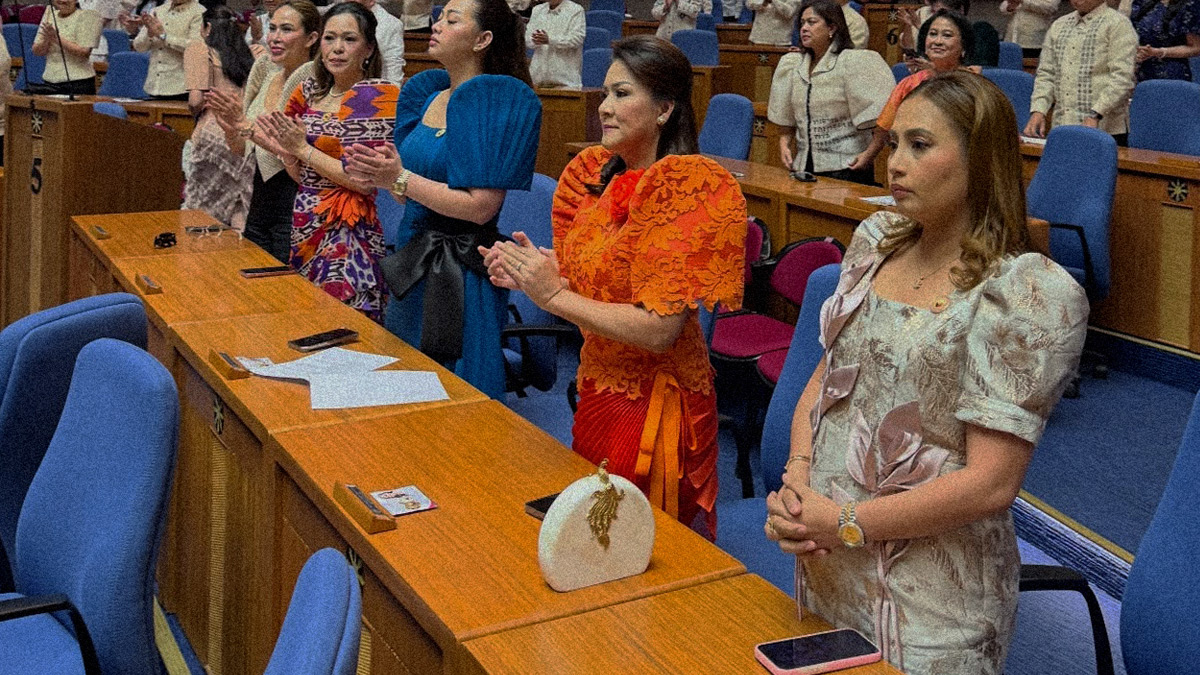
The criticism of SONA fashion is rarely just about the clothes. More often, it is about what those clothes represent. It stems from a broader concern that displays of luxury seem at odds with the responsibilities and image expected of public servants.
Still, reducing SONA fashion to a conversation about extravagance alone overlooks another side of the story. For many Filipino designers and artisans, it is also one of the country's most visible stages.
How Fashion Becomes Part of SONA
The prominence of fashion at the State of the Nation Address isn't accidental. It has been shaped, in part, by tradition.
For decades, members of Congress have been expected to observe a dress code during the annual address, with the Barong Tagalog prescribed for men and the Filipiniana for women under the House's rules on decorum. While guests may also wear business attire, the expectation for lawmakers has long reinforced SONA as one of the country's most formal state occasions.
The annual gathering has become one of the few occasions where traditional Filipino dress takes center stage. Every year, designers reinterpret the Filipiniana and Barong Tagalog through contemporary silhouettes, indigenous textiles, and regional weaving traditions, introducing millions of Filipinos to the country's rich sartorial heritage.
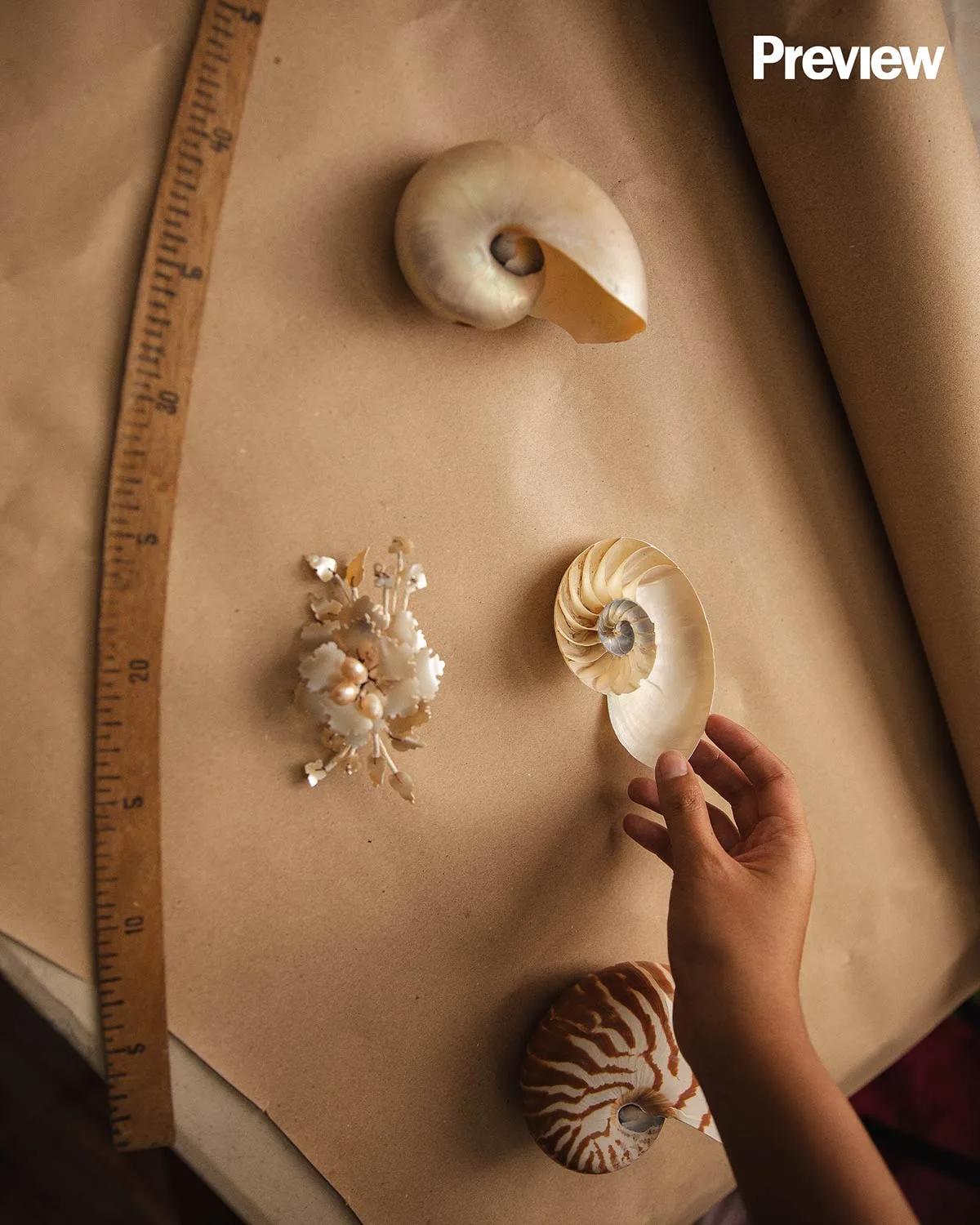
Behind every Filipiniana and Barong is an entire ecosystem of creative labor: weavers preserving centuries-old techniques, embroiderers whose handiwork can take weeks or even months to complete, patternmakers, seamstresses, textile producers, and artisans who keep Filipino craftsmanship alive.
The significance of these creative communities extends beyond preserving tradition. According to the Philippine Statistics Authority, the Philippine creative economy contributed P2.12 trillion to the country's GDP in 2025, accounting for 7.6% of the economy. Traditional cultural expression activities—which include heritage crafts and textile traditions—also accounted for the largest share of employment within the creative industries.
In this context, SONA fashion serves two roles at once. It is both a form of political symbolism and one of the country's most visible showcases for Filipino design and craftsmanship.
Fashion Is Political, Cultural, and Symbolic
Every year, the question returns: Why talk about fashion at all? But perhaps what deserves closer scrutiny is not fashion itself, but what it communicates.
Does it tell a story about our culture and heritage? Does it celebrate Filipino artistry with intention? Or does it simply become another ostentatious display of wealth and privilege?
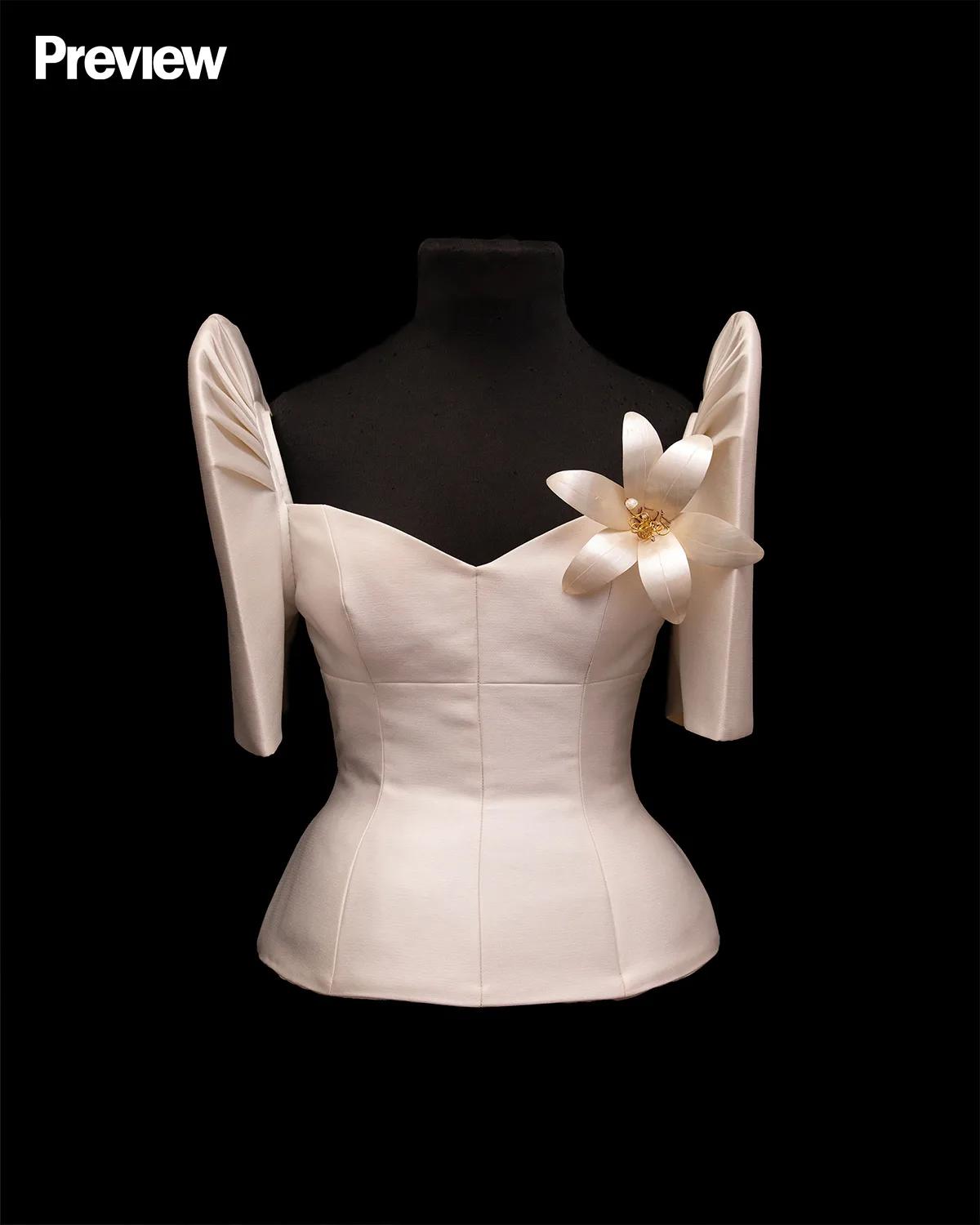
The debate around SONA fashion does not have to end with a choice between appreciating artistry and demanding accountability from our leaders. It is possible to recognize a beautifully made Filipiniana or Barong Tagalog while remaining critical of the public official wearing it.
Fashion may not be the most pressing subject raised at the State of the Nation Address, but it is far from irrelevant. Fashion is political. It is cultural. It is symbolic.
And just like every speech delivered at the Batasang Pambansa, our public officials' SONA outfits also send a message—one that demands discernment and warrants scrutiny.

Marj is the Editor-in-Chief of Preview. A former economics major, she dove headfirst into fashion publishing and hasn’t looked back since.