The Fashion Industry's Plus-Size Blind Spot
Only 11 out of 125 pieces properly fit plus-size student Maki Fernando, who’s aiming to refine what inclusivity truly means. Preview chats with her and with Filipino fashion designers about this gap.
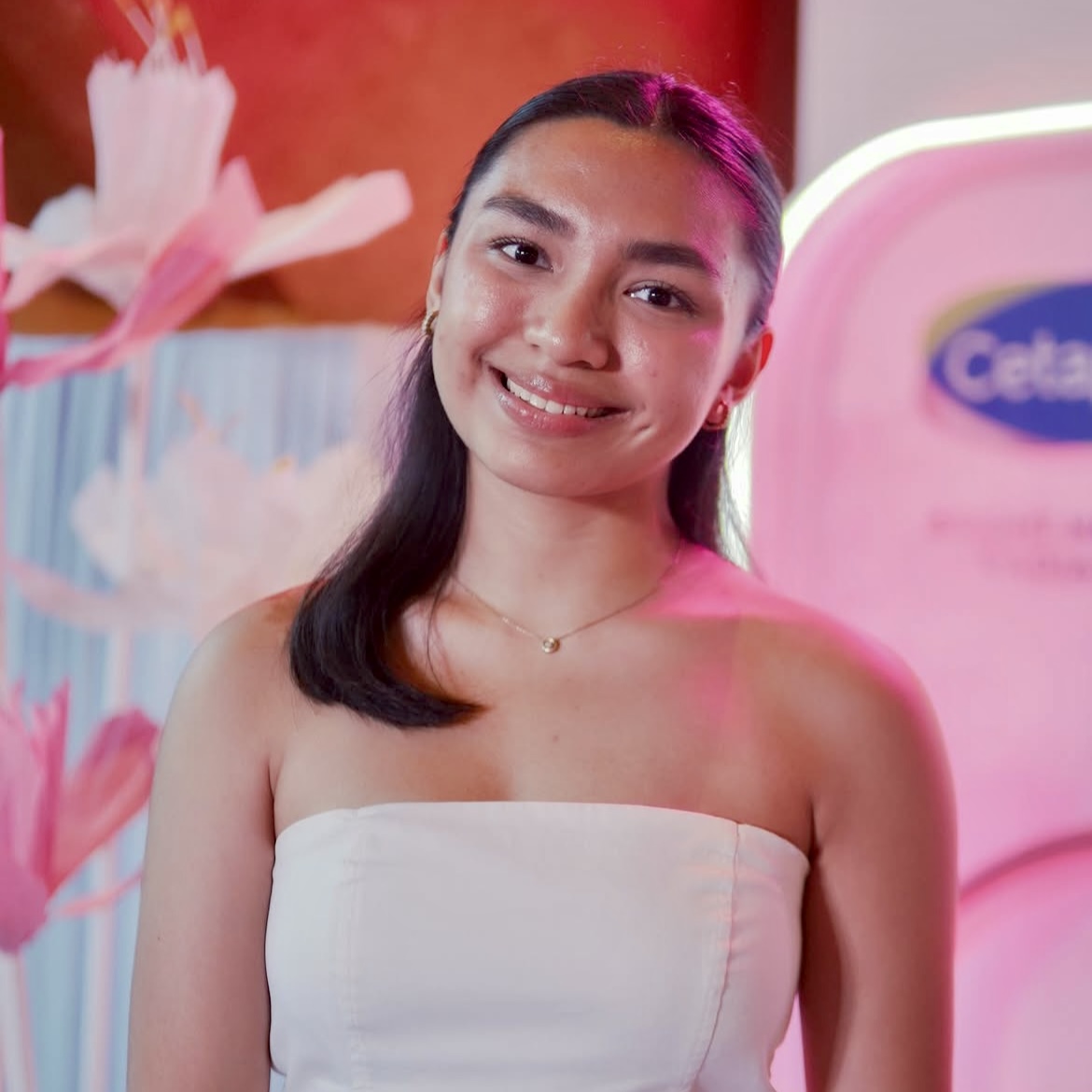
by Kyla Villena
Published on Jul 14, 2026
The chapter of telling people what to wear (and what not to wear) has come to an end. We opted out of that conversation long ago, urging people to erase the sartorial dos and don'ts they've engraved in their minds and instead dress for the only person they need to impress: themselves.
With that comes a responsibility to acknowledge that this is easier said than done. More people are expressing a stronger sense of identity through their style, a shift that has been amplified by the changing media landscape.
But how about the fashion and retail industry itself?
People can get swept up in the flashing lights of runway shows and the thrill of seeing creations they've never encountered before. This is often how we experience fashion: exhilarating, exciting, and always chasing what's next.
What we don't see are the moments after the lights go out. The retail visits that quickly turn disheartening upon realizing some clothes simply weren't designed with everyone in mind. The quiet disappointment inside the dressing room, and the small voice that says, It's not for you, and that's okay. Let's try the store next door, only to be met with the same feeling again.
For some, that experience is enough to push fashion further away and accept things as they are. For Makayla "Maki" Fernando, a plus-size Fashion Design and Merchandising student, it became a reason to create change instead.
Maki Fernando on Her Relationship with Fashion as a Plus-Size Woman in the Philippines
Apart from studying at De La Salle–College of Saint Benilde, Maki is also a freelance model and content creator. In a recent Reel, she shared her research on the lack of plus-size options in retail stores across Metro Manila, focusing specifically on women aged 18 to 35.
She tried on 125 pieces of clothing within four days, and only 11 non-stretch garments fit properly.
With more than 105,000 views, the post sparked conversations around the issue. Many expressed their appreciation for the initiative, sharing that flattering plus-size clothing is still difficult to find in the country and, when available, is often limited to basic styles and colors. Others, meanwhile, highlighted the kind of stigma plus-size individuals continue to face every day.
One commenter wrote, "What if we developed public gyms in the Philippines instead?" Another said, "Just put down the fork and pick up some weights. Not that hard."
There are many reasons why people fall into the plus-size category, many of which are beyond their control. Harvard Health Publishing cites genetics, environmental factors, and stress among the many contributors.
Some do try to lose weight, but even then, they are often met with scrutiny. "As a plus-size individual, I find it hard to try new forms of physical activity because of the way our bodies are. We can't do the same moves other people do, and very few coaches make plus-size-friendly versions." Maki continues, "There's also the fear of being judged just for showing up in these fitness and wellness spaces."
While social media has become a platform for her advocacy, it has also "given the option for many people to spread hateful messages through an anonymous profile." She acknowledges, "There was definitely a mixed discussion in the comment section of my video."
Unfortunately, these experiences are nothing new. In the Philippines, it has become normalized for family, friends, and even acquaintances to make your appearance the subject of their first interaction—whether you've lost weight or gained it.
"I have been a plus-size person all my life," Maki tells Preview. "And the struggle to find clothes is real!"
She adds, "When I was growing up, I had to wear clothes for adults, menswear, and even maternity wear because they were the only options that fit my body. I wanted to experiment and develop my own sense of style, but whenever I shopped in stores and tried on clothes in the dressing room, they either didn't fit or weren't in the style I wanted."
This experience has left her feeling "completely discouraged" whenever she visits retail stores that don't cater to the plus-size community. "I yearn to walk into a mall, go inside a store I like, try on a garment, have it fit me, and walk out with a shopping bag in hand. Is that so hard to ask? If other people are doing it, why can't I?"
Knowing she wasn't the only one facing these struggles, the model and content creator pursued the study, which is still a work in progress.
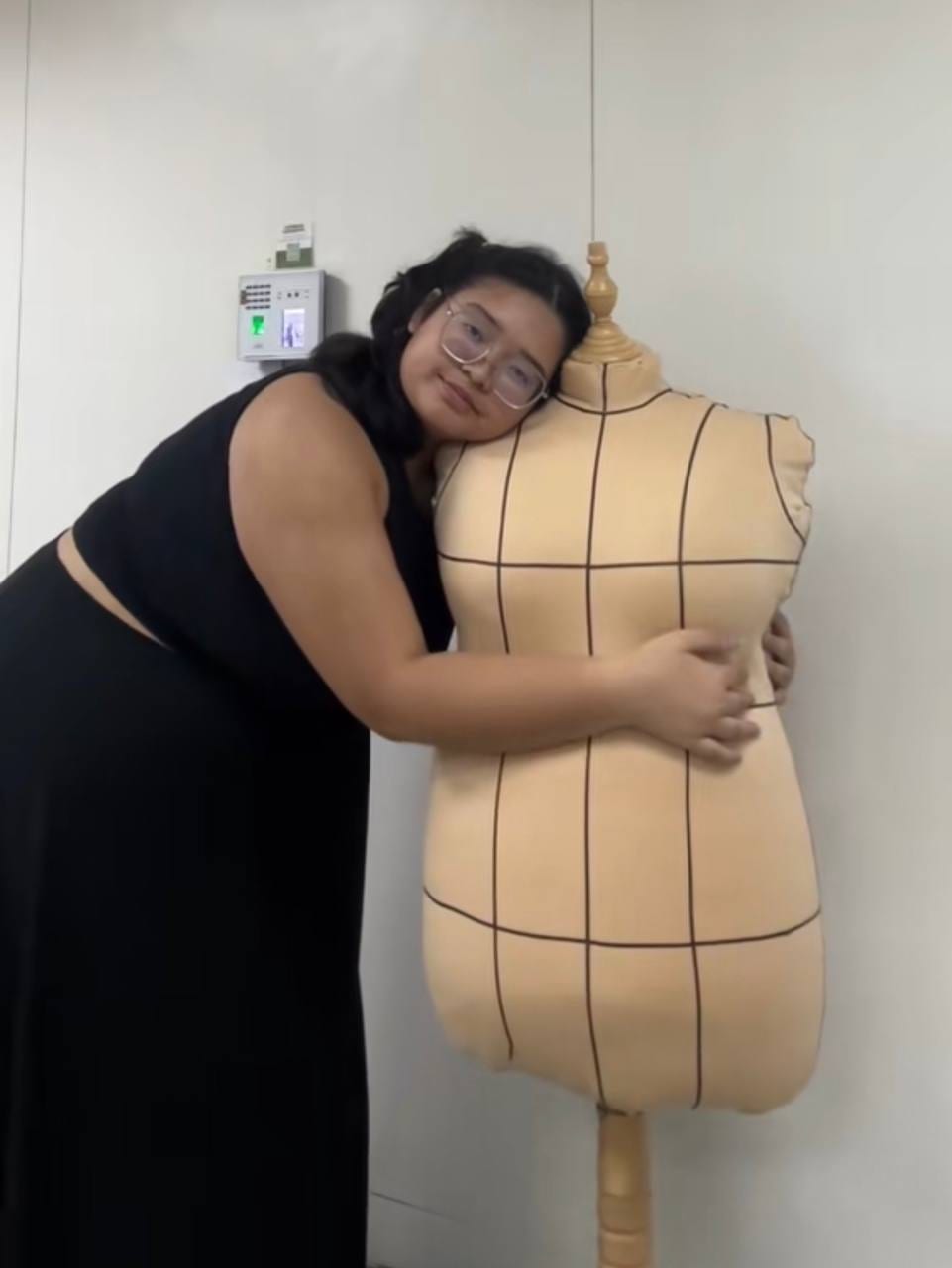
Maki with the padded dress form she made. Photo: Courtesy of Maki Fernando
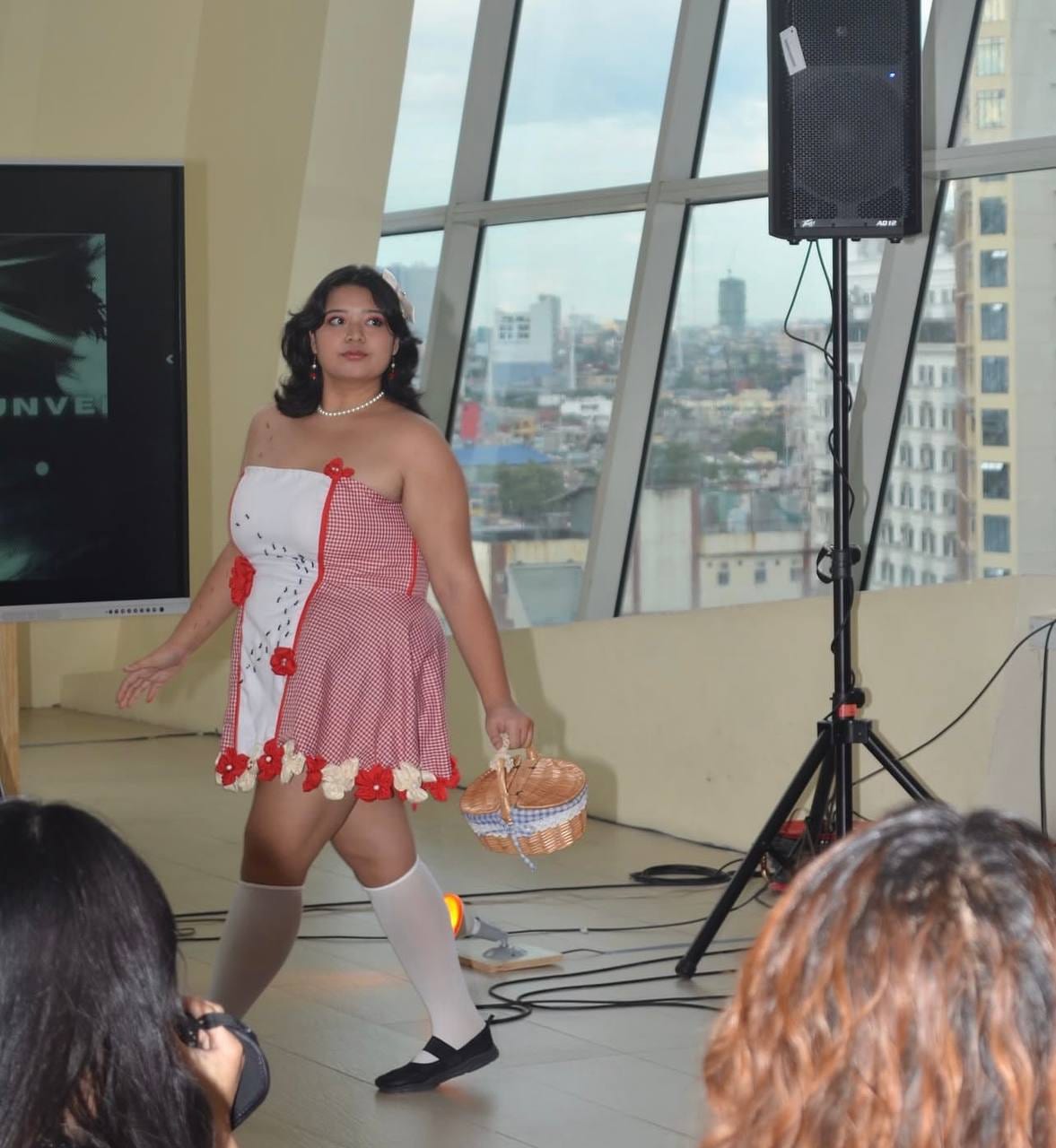
Maki modeling her creation for a project. Photo: Courtesy of Maki Fernando
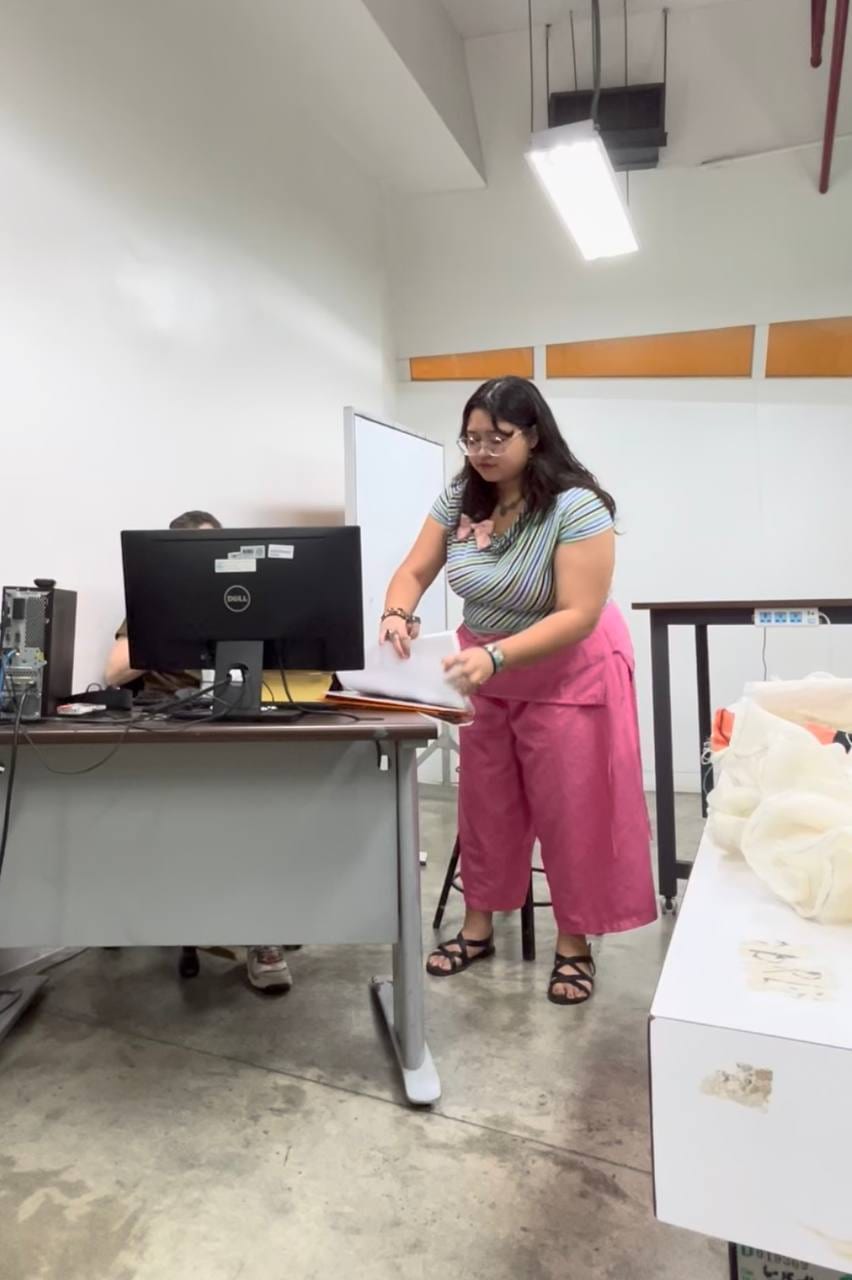
Maki working on her thesis. Photo: Courtesy of Maki Fernando
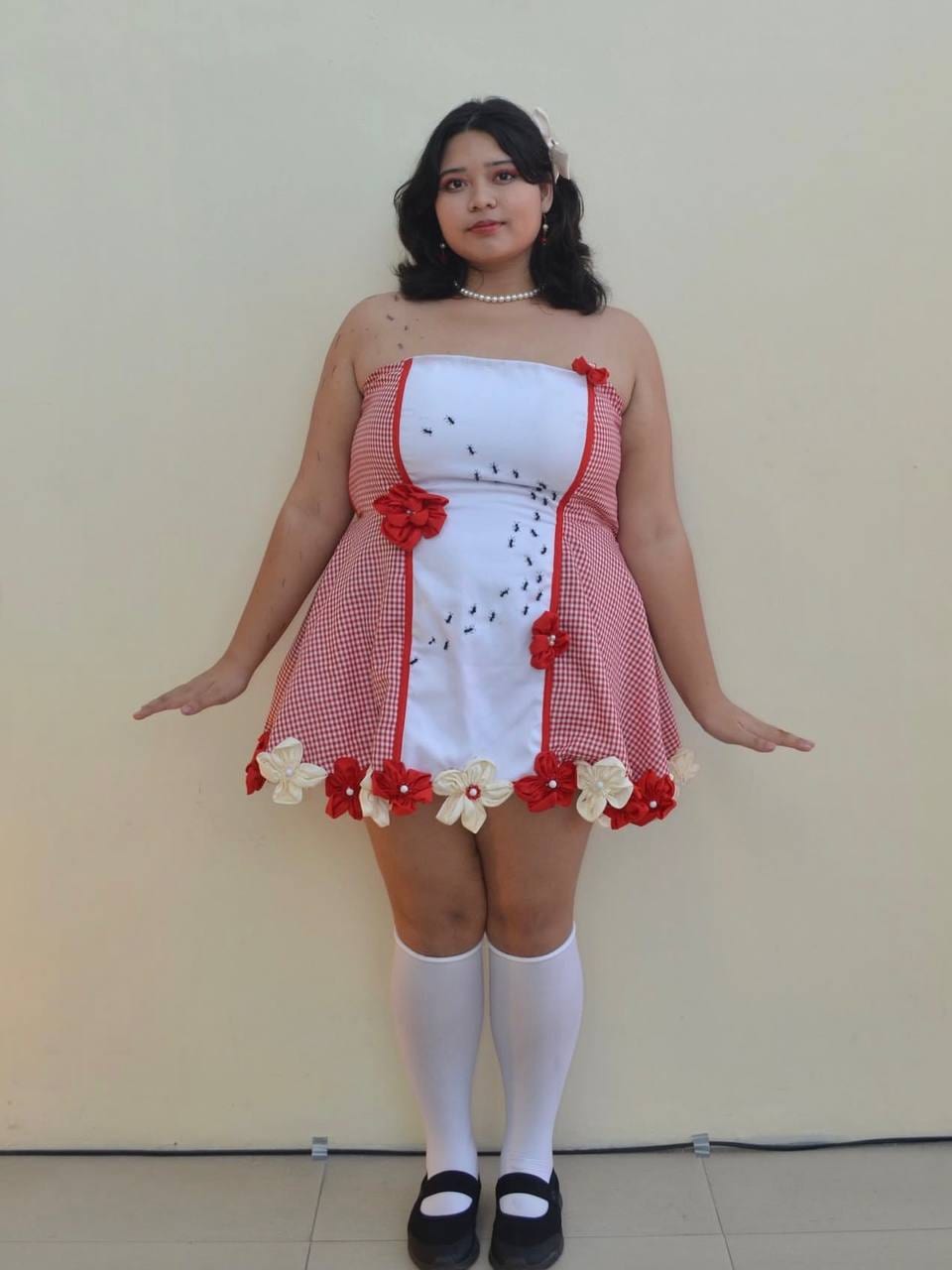
Photo: Courtesy of Maki Fernando
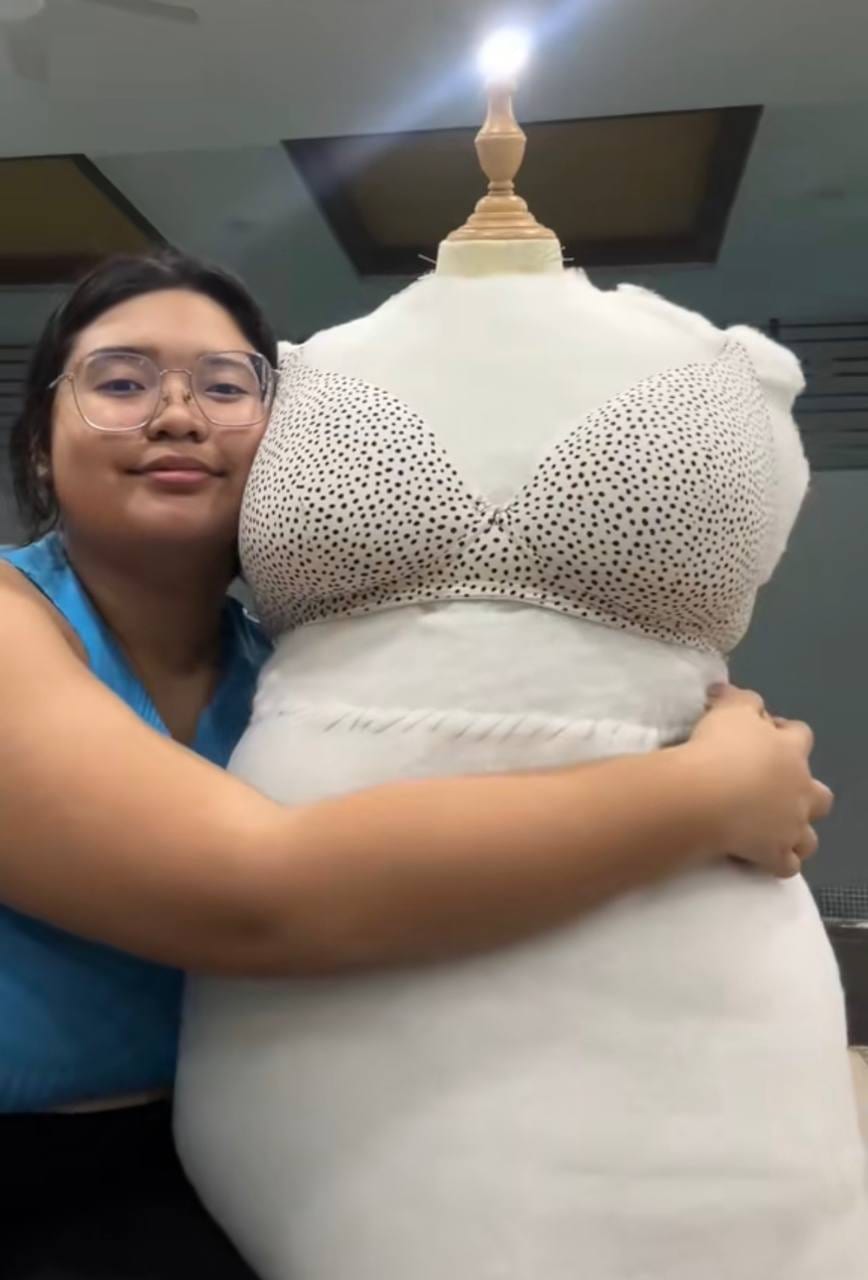
Photo: Courtesy of Maki Fernando
photos to expand
Based on the US sizing chart, Maki wears a 2XL on top and a 3XL or 4XL on the bottom. For her study, she tried on a top, a pair of pants or shorts, a skirt, and a dress at each retail store she visited.
Only 22 garments fit her. Maki notes that half of them were either T-shirts, sweatpants, or made from highly stretchable fabrics. As a result, only 11 garments made from "non-stretch woven fabrics, dart manipulations, garment closures, and different features" fit—pieces she believes "have the potential to be a pivotal point in the fashion market."
With modeling being inseparable from fashion, Maki has also encountered challenges in that space. "The opportunities are very scarce because not many designers make plus sizes in their collections," she shares. "It is a deep-rooted issue in fashion that needs to change, so please hire plus-size models. Make clothes for the community, make sure the clothes fit our bodies, and not the other way around. Representation needs to be seen in everyone, not just the one percent."
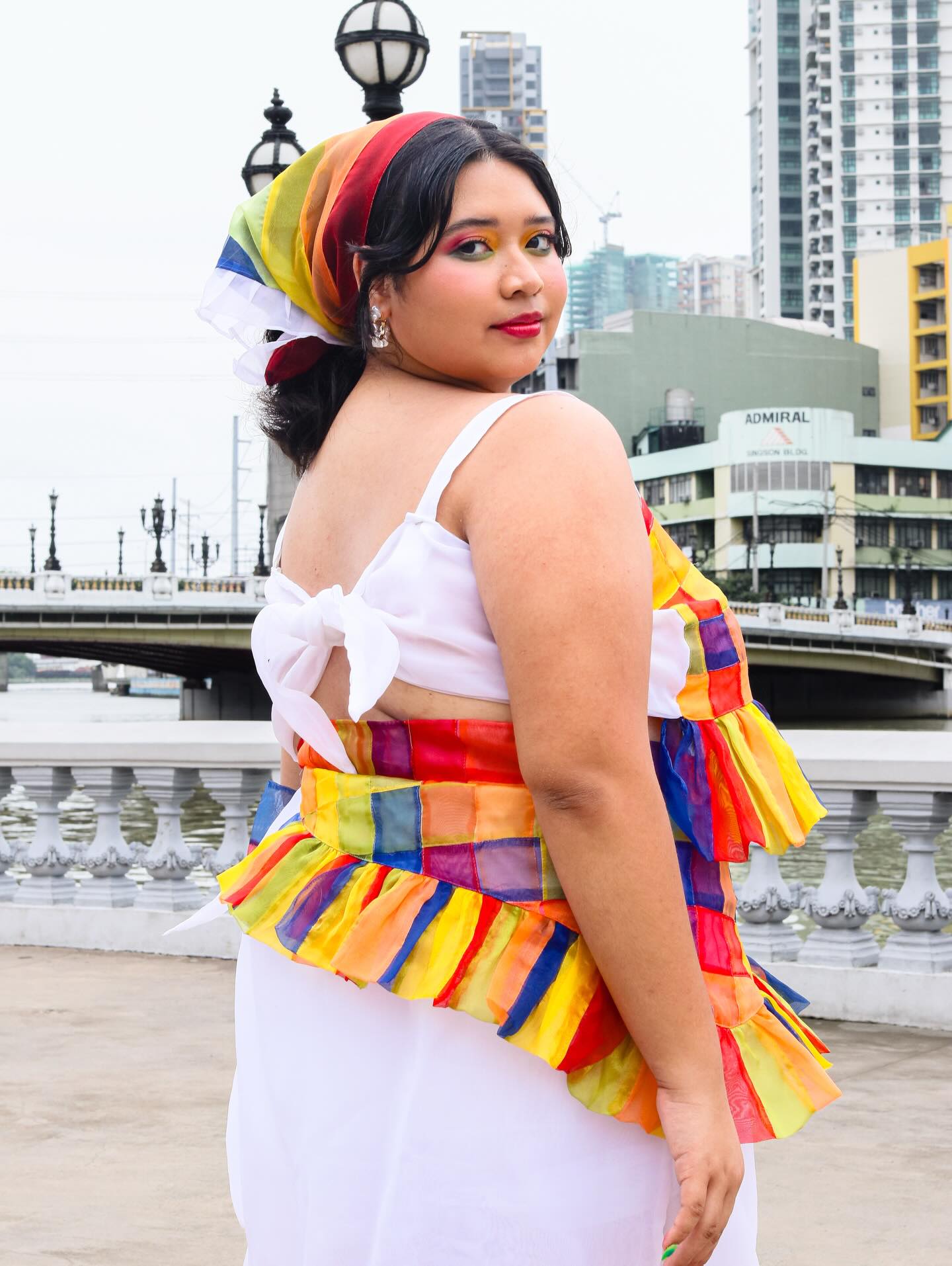
Through her research, Maki encourages fellow students and women to create pieces they themselves want to wear. "Please stay afloat. Finding representation matters so much, and I hope this encourages you to create for yourself."
She adds that she would not have pursued this path if it weren't for the women who came before her—those who showed up and stayed true to themselves.
How Are Filipino Fashion Designers Helping Bridge the Gap?
Maki learned from a professional pattern maker that "there is no universal pattern for making plus sizes, and it varies from one fashion brand to another." Inclusivity begins with intention, and while the fashion industry still has a long way to go, several brands are already leading by example.
It's no secret that a gap exists between the fashion industry and plus-size consumers. With that in mind, we asked Filipino fashion designers: How are you helping bridge that gap?
Abraham Guardian and Mamuro Oki, HA.MÜ
“At HA.MÜ, we've always believed that fashion should adapt to the person, not the other way around. For us, inclusivity goes beyond offering more sizes. It's about designing garments that let people feel seen, comfortable, and free to express themselves, regardless of their body type or gender.”
Yoya Gueco-Verdier, YOYA
“As a designer, I've always believed that good design should make more women feel seen, not fewer. To me, bridging the gap isn't just about extending sizes—it's about rethinking proportion, fit, comfort, and functionality so every garment feels equally considered across different body types.
“At YOYA, we've been gradually expanding our size range while continuously refining our patterns based on feedback from the women who wear them. Many of our pieces also feature adjustable details and an ease of fit that accommodates different shapes naturally.
“There's still a long way to go, but I hope the conversation continues to shift from simply offering more sizes to creating beautiful, intentional clothing that more women genuinely want to wear.”
Rik Rasos, Proudrace
“I’d say Proudrace has always approached sizing with inclusivity in mind. A large percentage of our ready-to-wear is designed with a one-size-fits-all philosophy, not just as a design choice but as a way of making fashion feel more accessible to different body types.
“I never wanted people to feel limited by conventional sizing when experiencing the brand. Of course, every body is different, so we also do our best to accommodate specific sizing requests whenever possible. For me, good design should be able to adapt to the person wearing it, not the other way around.”
Yong Davalos, Tayo Studio and Yong Studio
“I think bridging the gap starts with treating plus-size women as part of the design conversation from day one, and not as an extension of the collection after everything else has already been designed.
“When I created Tayo Studio, the goal was never just to add bigger sizes. It was to build a brand where women of different body types could wear the same designs and feel equally beautiful. That’s why we don’t simply grade patterns up. Every style goes through fittings on different body types, and if a design doesn’t flatter a fuller figure, we don’t produce it. To me, that’s what true inclusivity looks like.
“I also wanted to prove that well-designed clothing shouldn’t only be available to a certain size or price point. Through Tayo Studio, we’ve made inclusive sizing part of the everyday RTW experience, making pieces that are accessible while still being thoughtfully designed.”
Rum Corvera, CORVERA Studio
“The reason why I became a fashion designer is because I wanted to create clothes that suit my vision, taste, and body. What I noticed lately is that more and more people embrace their size, which makes my job somewhat easier. As someone who's on the bigger side, I also want to feel included, and at the same time fashionable. With that in mind, it helped me direct my brand to create clothes that are focused on size inclusion without compromising style and comfort.
“At the core of my brand, we practice the slow fashion movement, and I want to advocate that to the local fashion scene. We focus on using materials that are sustainable and natural that adapt to our local climate. We also produce our items in-house to ensure a durable and quality garment contruction. I firmly believe that anyone regardless of size deserves quality clothes while making a statement. At the end of the day, we want to wear clothes that makes us feel good, and hopefully my voice as a designer will help to contribute to that.”

Kyla Villena loves a good lip gloss and a trip to the art gallery. She is Preview's beauty girl, who doubles as a self-proclaimed motivational speaker.