Mindanaoan Designers Reimagine T'nalak at South Cotabato Fashion Design Competition
The T'nalak Festival runway challenge brought together 12 Mindanaoan designers to create two original looks inspired by the region's iconic woven textile.
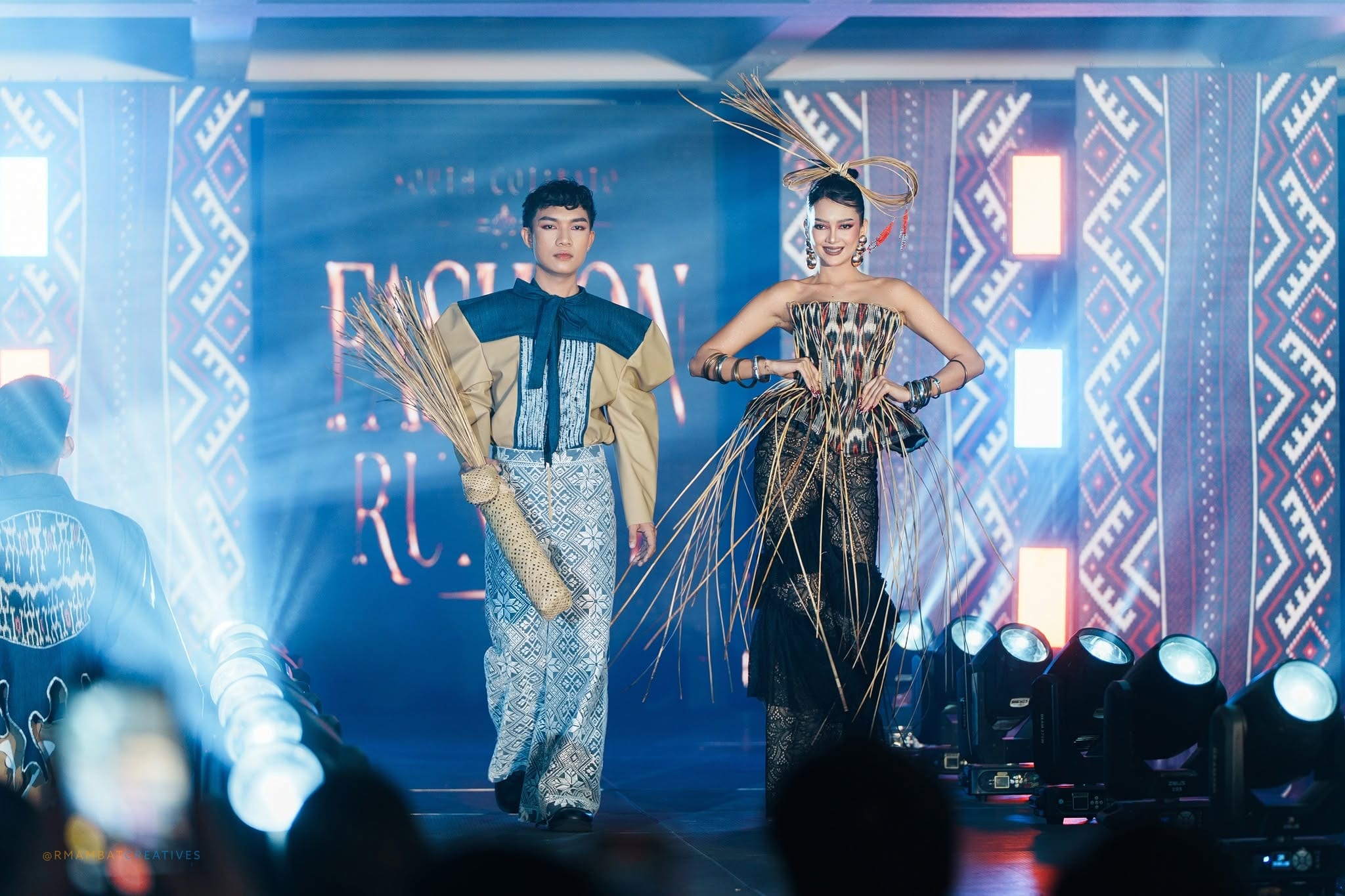
As part of this year's T'nalak Festival, the Province of South Cotabato staged the inaugural South Cotabato Fashion Design Runway Competition, bringing together 12 talented designers from across Mindanao for a one-day creative challenge centered on one of the region's most recognizable cultural symbols: the T'nalak textile.
Mindanaoan Designer Archie Castillo Wins Inaugural South Cotabato Fashion Design Runway Competition
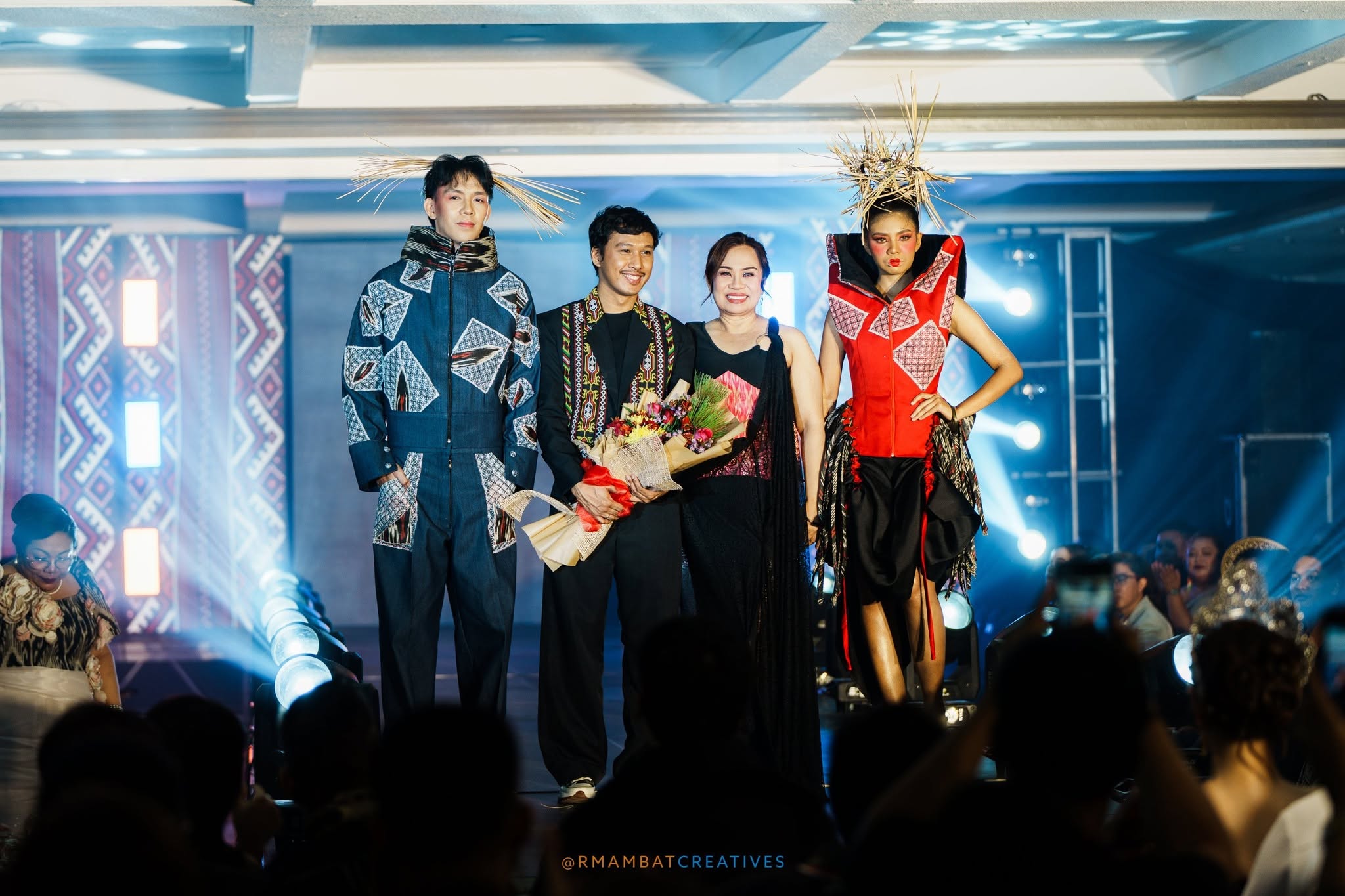
Held in Koronadal City, the competition challenged each participant to conceptualize and produce two original runway looks within a single day. The collections were required to reinterpret T'nalak—a sacred handwoven textile traditionally crafted by the T'boli people—through a contemporary fashion lens, balancing innovation with craftsmanship and cultural sensitivity.
Rather than treating T'nalak as a ceremonial artifact, the competition encouraged designers to explore its possibilities within modern fashion, demonstrating how heritage can continue to evolve through new generations of creatives.
The finalists presented their collections before a panel that included renowned Filipino couturier Cary Santiago, Preview BFFD 2025 honoree Jaggy Glarino, Fashion Institute of the Philippines (FIP) director Patrick Lazol, and Preview Editor-in-Chief Marj Ramos-Clemente.
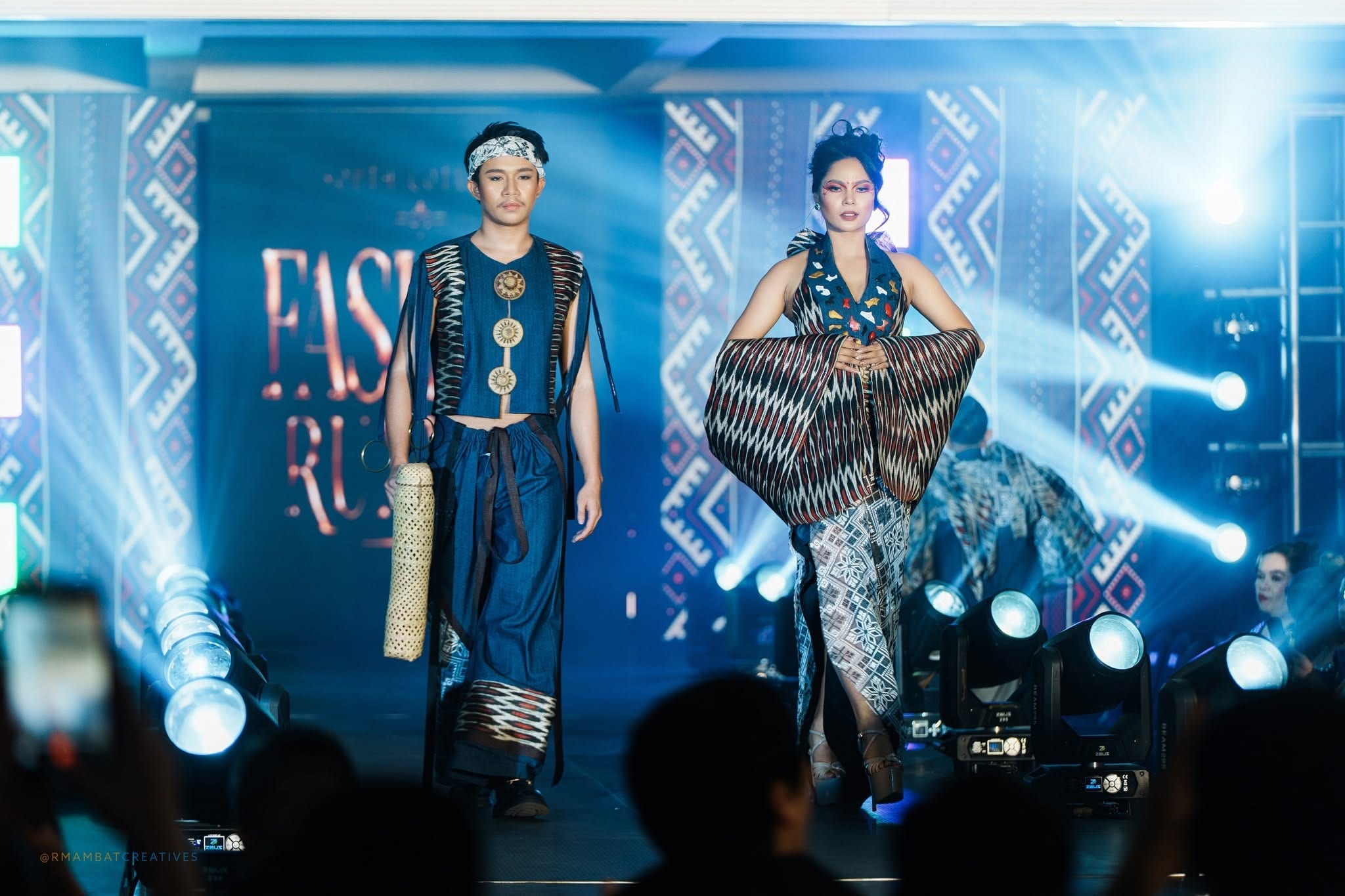
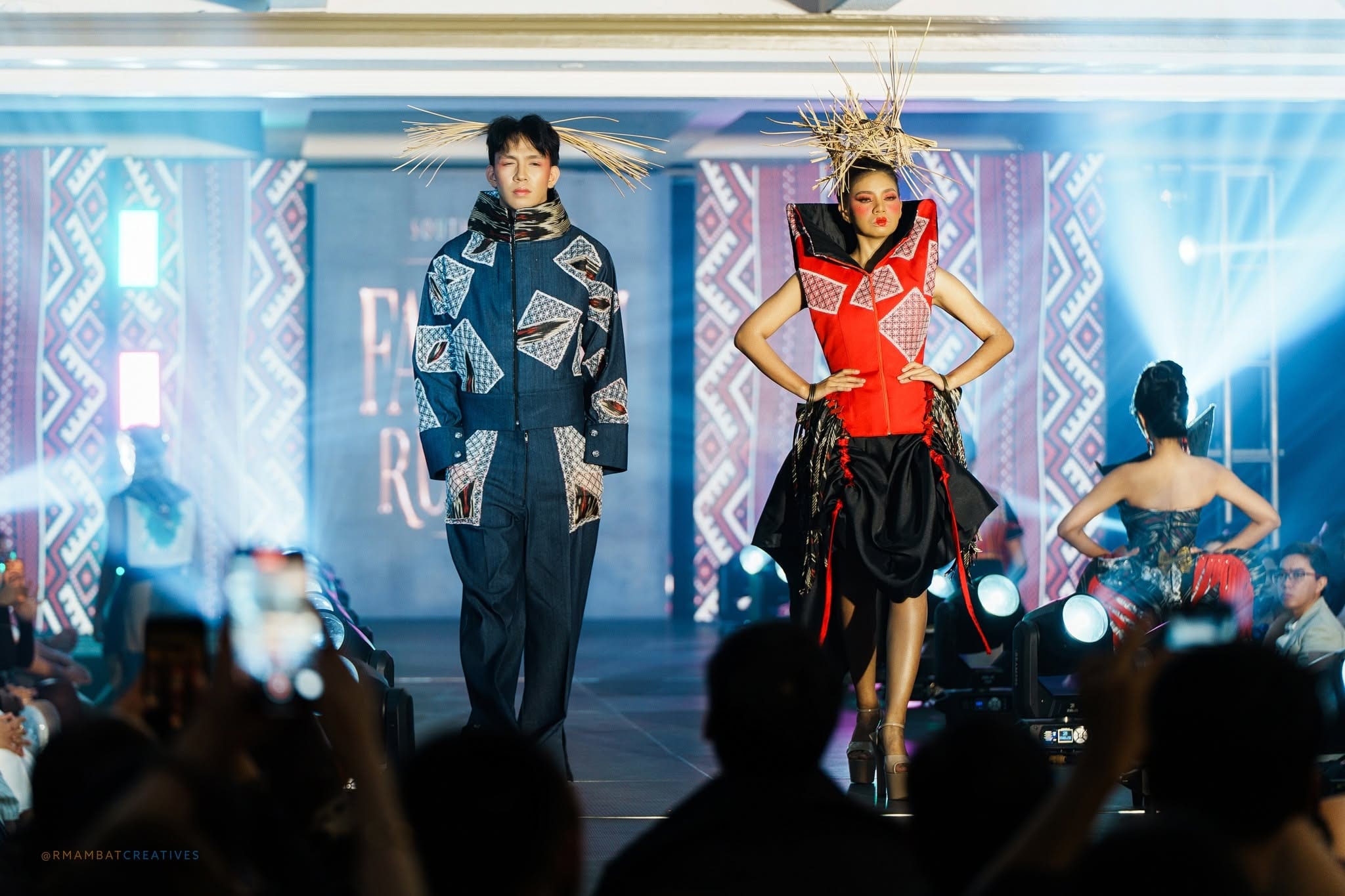
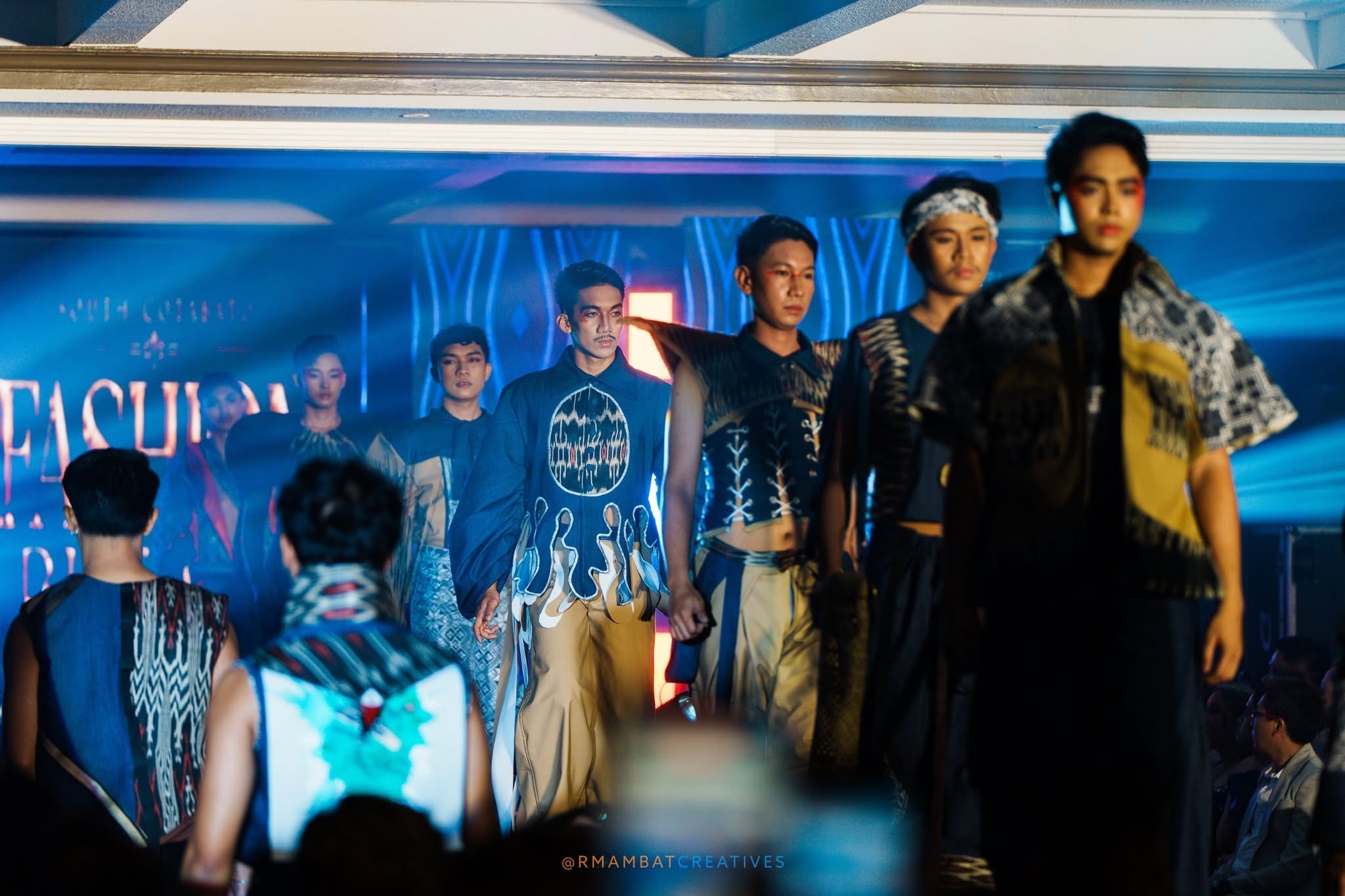
photos to expand
After evaluating the entries for creativity, execution, craftsmanship, and interpretation of the challenge, Archie Castillo was named the inaugural champion of the competition, taking home the P100,000 grand prize. Ivan Raborar placed first runner-up, while Jose Nacionales finished as second runner-up.
The event highlighted the growing strength of regional fashion communities and the importance of creating platforms that nurture emerging designers outside Metro Manila. With the T'nalak at the center of the competition, the runway also showcased how indigenous textiles can remain relevant by inspiring contemporary design while honoring their cultural origins.
