Fashion
Kim Jones on How Filipinas Are Claiming Space in Global Fashion
Miss Jones is proof that Filipinas have always belonged.
Filipino representation in global fashion wouldn’t be where it is today without Kim Jones in the conversation.
Before “digital content creator” became a career path, Kim was already doing the work—styling, producing, and storytelling on her own terms. She launched Miss Jones, a personal style blog on Blogspot, at a time when Southeast Asian voices were rarely seen or heard in international fashion spaces. Through a clear creative lens and consistent presence, she proved that Filipinos weren’t just part of the conversation but also had the power to shape it.
Born in the UK and raised in Australia, Kim moved to the Philippines in her early twenties and quickly became a fixture in the local fashion scene. Her influence, however, didn’t stop there. While navigating multiple cultures, she brought a distinct point of view—one that challenged outdated norms and made space for a more inclusive, multidimensional view of Filipino creativity.
In this exclusive interview with Preview, Kim reflects on how that space was built—not overnight, but through years of work from Filipino talents across fashion, beauty, and media. She also shares what it took to push back against bias, why individuality matters more than ever, and how the next generation can take up space with intention and impact.
ADVERTISEMENT
Preview Exclusive
Kim Jones on Why the World Is Finally Listening to Filipino Voices in Fashion
Over the years, how have you observed the representation of Filipinas evolve at major fashion weeks? Are there particular moments or shifts in the industry that you feel have been pivotal?
"What we're seeing now is the result of years of effort from countless Filipino designers, stylists, photographers, interns, writers, seamstresses, creatives—people who pushed forward when nobody was watching. The Philippines may not have been seen as a dominant fashion market, but the influence now is undeniable. It didn't happen overnight—there wasn't a singular moment of discovery. And we'll continue to see new ground broken as it evolves again and again with new voices.
"It's not just about visibility—it's about impact. Filipino creatives aren't simply being 'included'; they're asserting themselves—that's a powerful distinction."
Click to Enlarge
Click to Enlarge
Click to Enlarge
Click to Enlarge
Kim Jones at New York Fashion Week 2022. PHOTOS: instagram/eloan_anquez
Reflecting on a time when fashion weeks were less mainstream, how do you think your early experiences have shaped the current landscape for Filipina talent in the global fashion industry?
"Fashion week existed long before I arrived, and Filipinos have always been a part of the industry—it's just the lens that's shifting. I entered at a time when digital media was disrupting a heavily gate-kept traditional media landscape, allowing new voices to break through in unexpected places (albeit clumsily on Blogspot). But now, it's not about just being heard or asking for a seat at the table. It's about ownership and authorship. Filipinos are now setting the standards fueled by a deep cultural connection that goes beyond aesthetics."
In your early experiences attending international fashion weeks, how did you perceive the role of Filipina representation in these predominantly Western spaces? Did you feel a heightened sense of responsibility to showcase your heritage?
"Of course, there were challenges—Filipino creatives' contributions haven't always been recognized in the industry. Someone—well-meaning, I’m sure—once advised me to say I was from Asia rather than specifically the Philippines. I knew the judgments existed, as they always have, and it reflected something much larger—the way the Philippines has often been treated as something to soften or generalise. I ignored them."
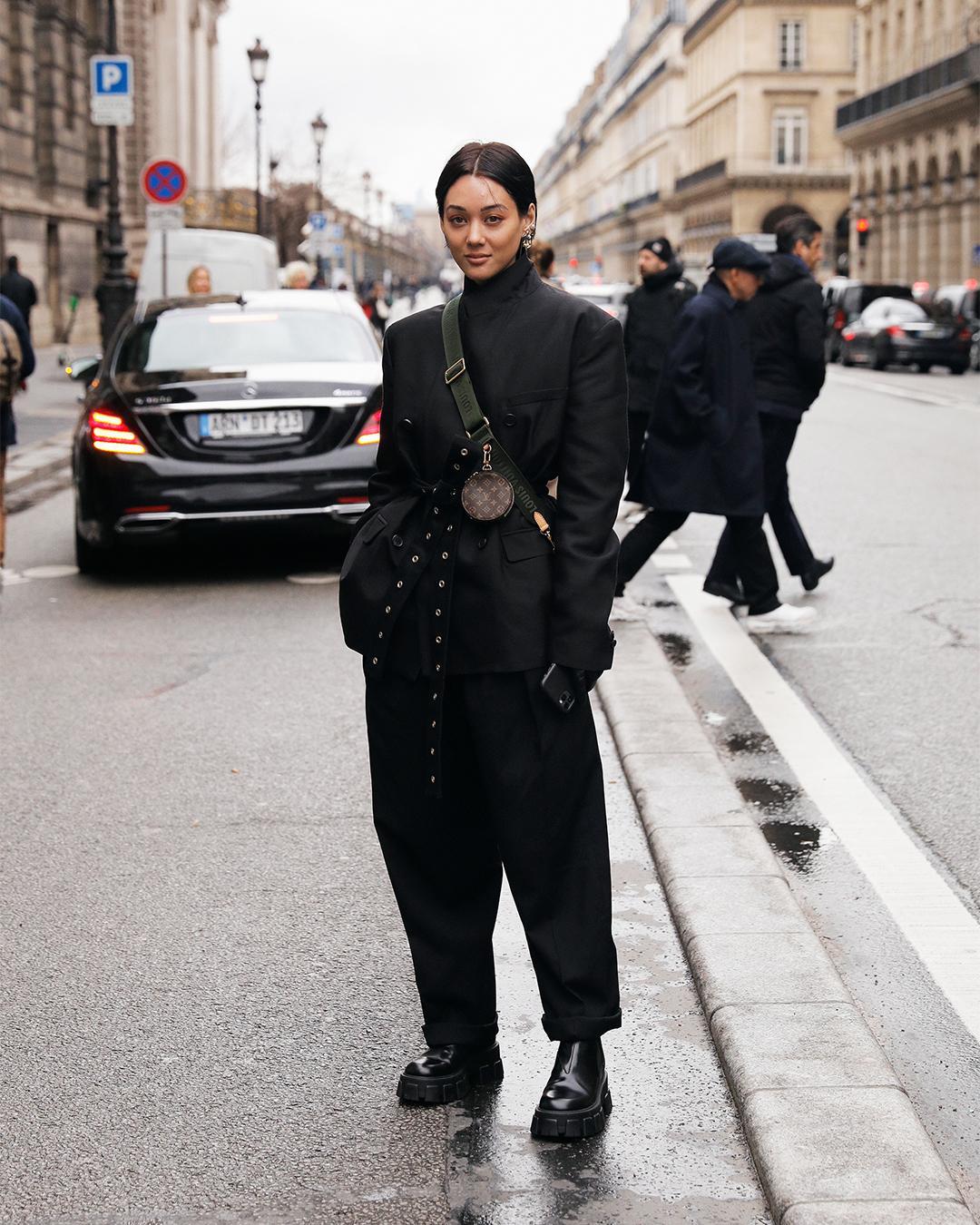
Click to Enlarge
Paris Fashion Week 2021. PHOTO: instagram/dai.yamashiro.
Could you share some of the specific challenges you encountered as a Filipina entering the global fashion arena? How did you navigate cultural and industry expectations during those formative years?
"What has stayed with me—more than the imprint of any challenge—is the communion of meeting another Filipino in a different country. We always find each other in the crowds."
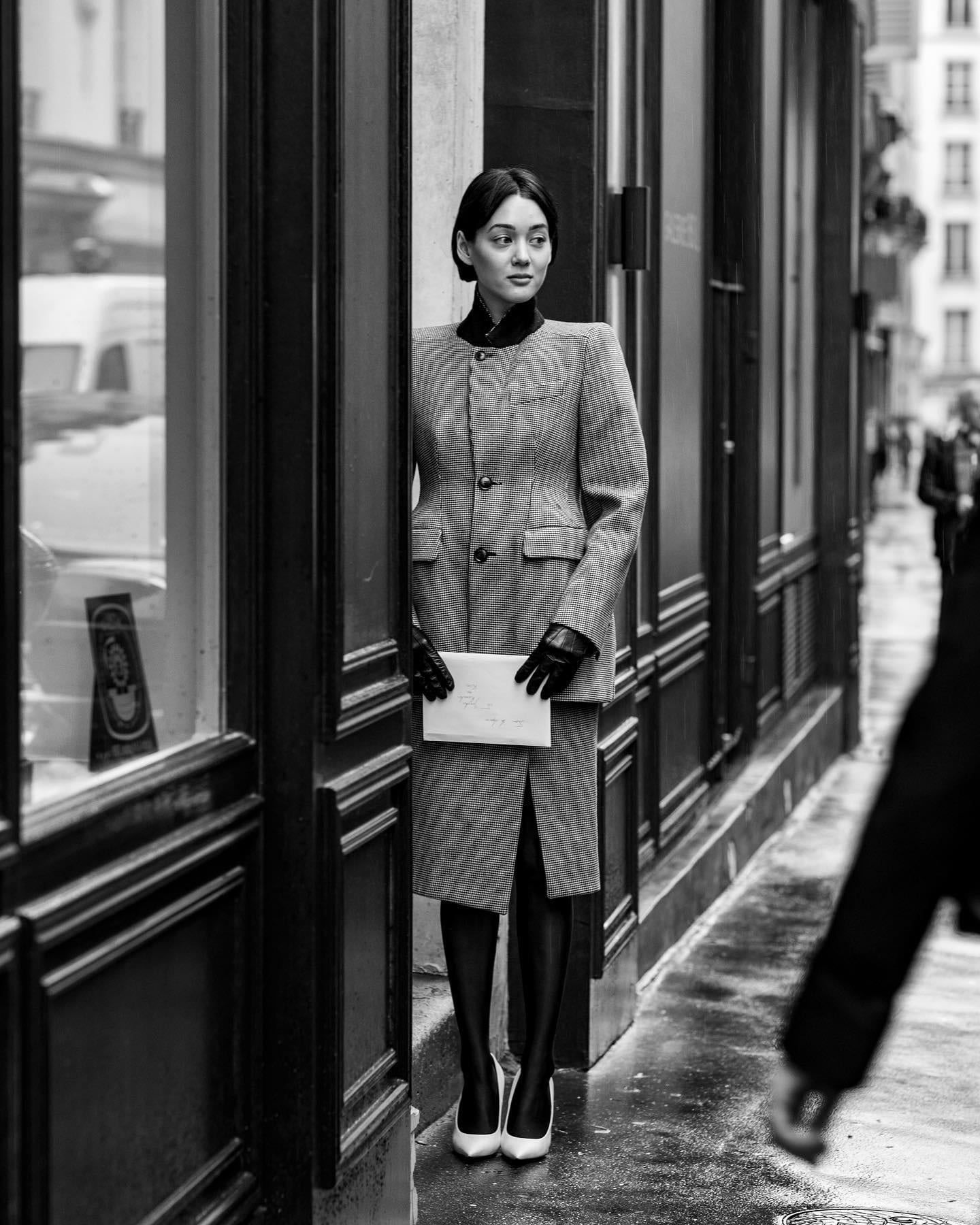
PHOTO: instagram/mishkec
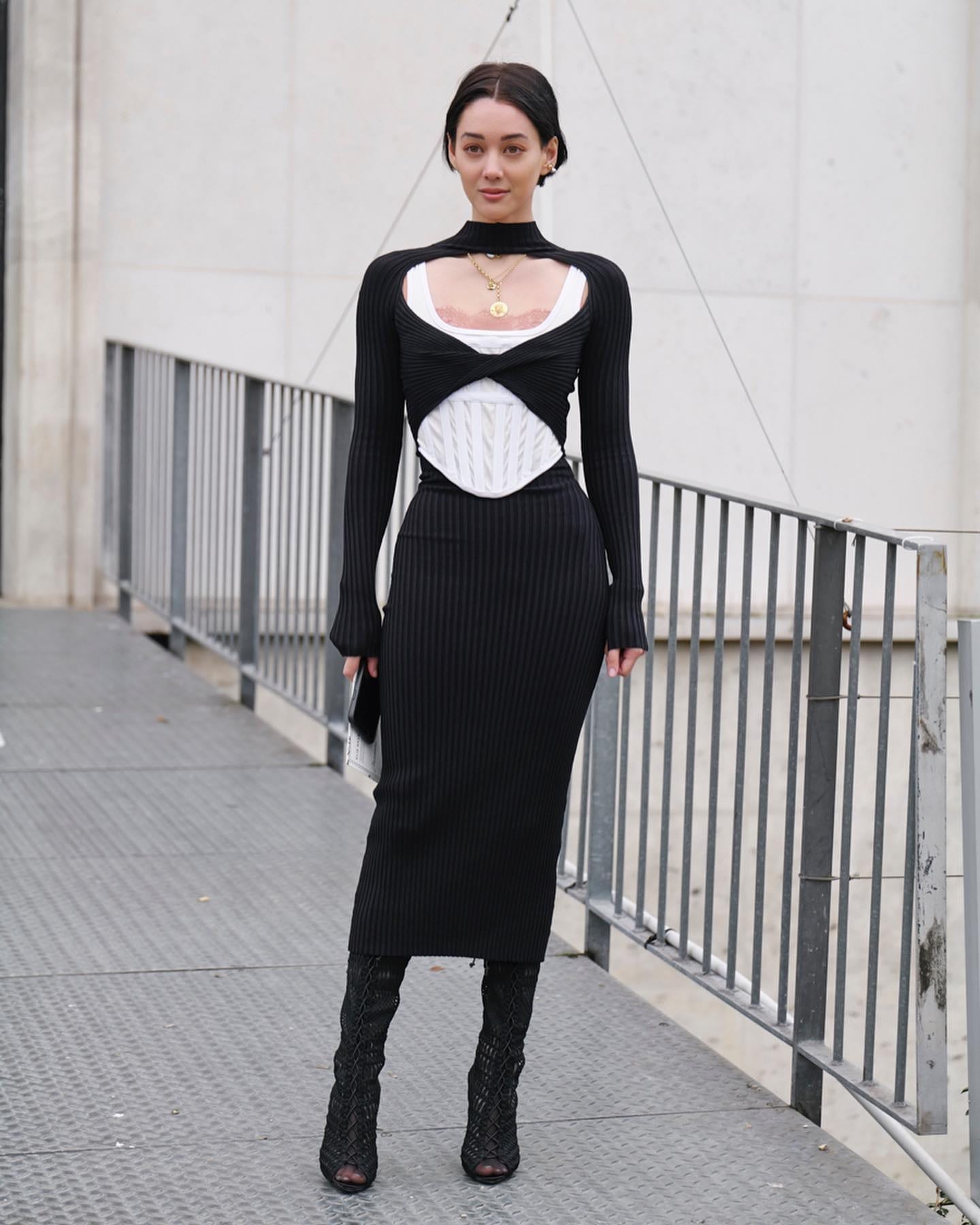
Click to Enlarge
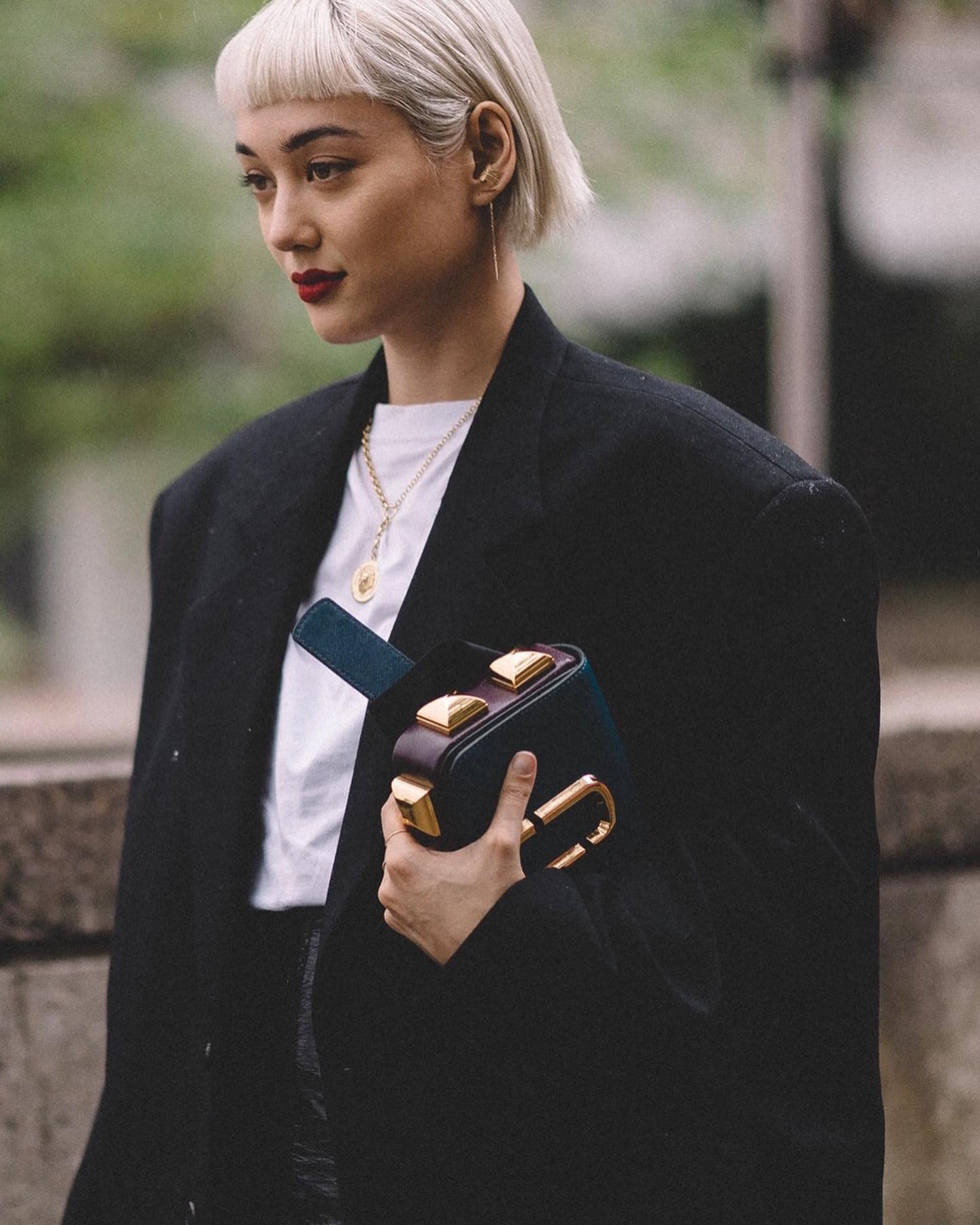
PHOTO: instagram/shootingthestyle
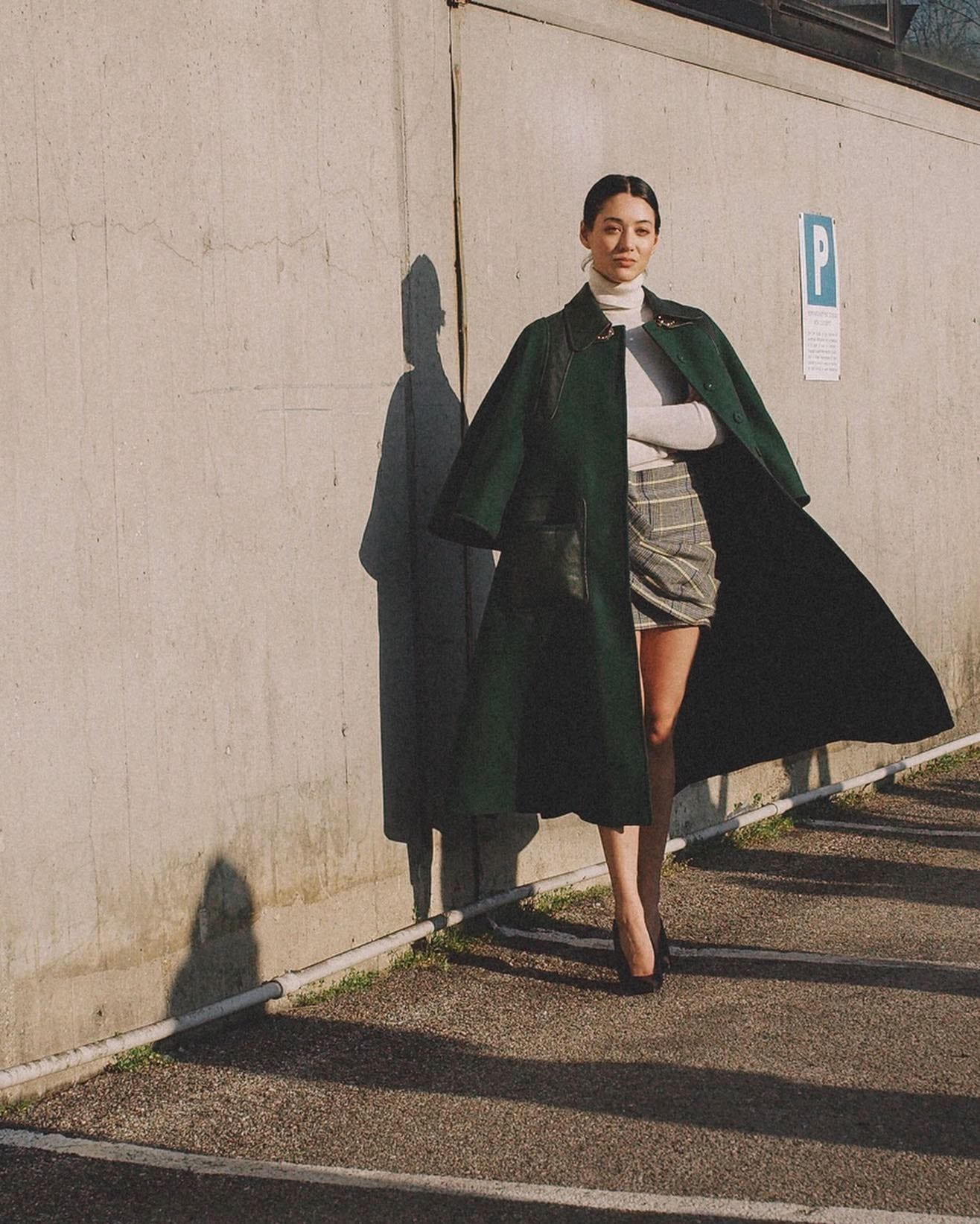
Click to Enlarge
PHOTO: instagram/j2martinez
Click to Enlarge
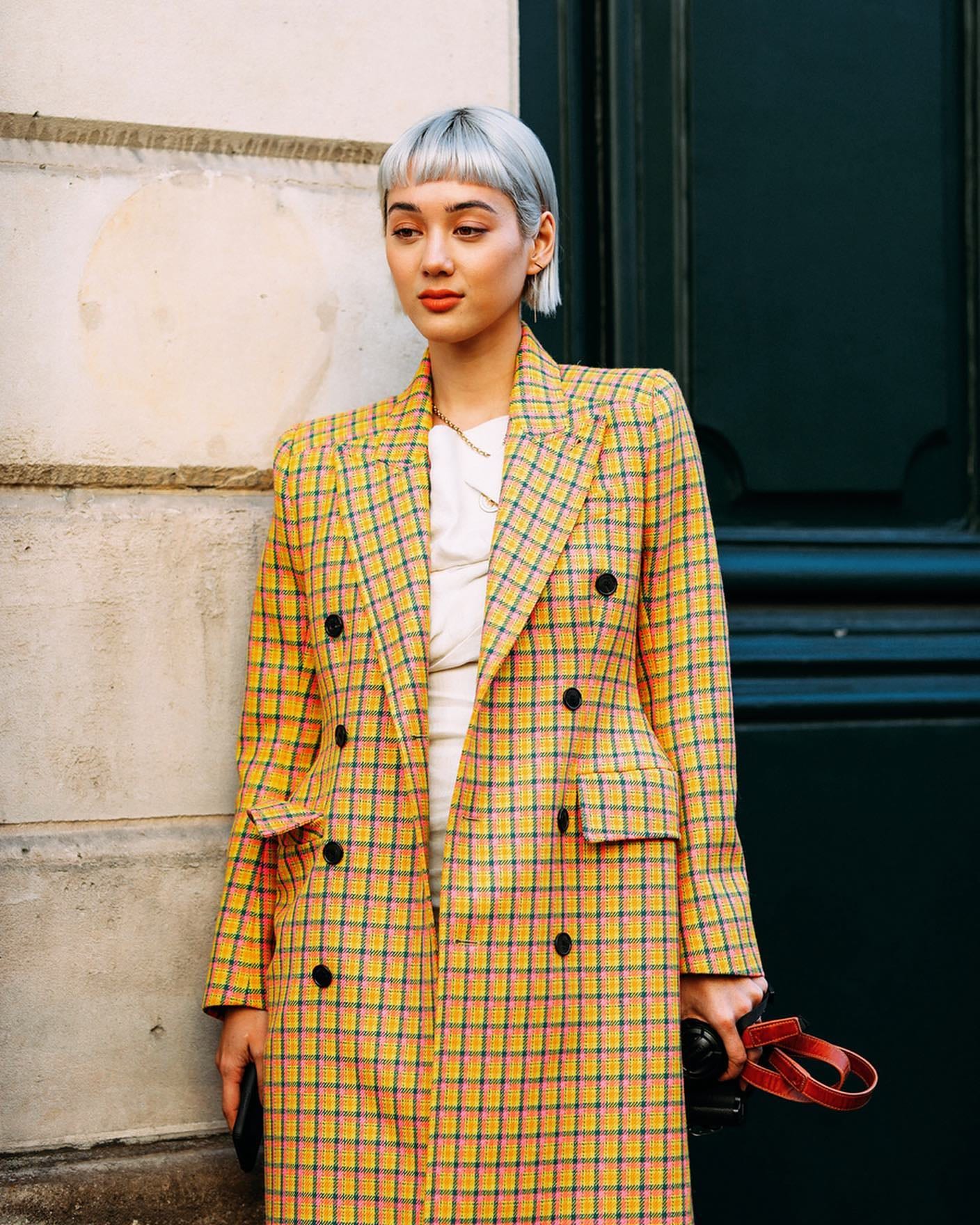
PHOTO: instagram/j2martinez
Click to Enlarge
PHOTO: instagram/benjaminkwanphoto
Tap on the pile of
photos to expand
photos to expand
The narrative of competition among women often overshadows collective achievements. From your perspective, how can the industry shift its focus toward collaboration and mutual support among Filipina creatives?
"Collaboration is beautiful, and community is deeply ingrained in our culture, but that doesn't mean we all have to move in unison. The women in this space deserve to be celebrated for their individual impact, not just as part of a larger movement. People will always dissect success, trying to define it, reverse engineer it. But what we really need is contrast—multiple perspectives, individual voices, even if they don't always align. That friction, that nuance—creativity thrives on it.
"There’s often a fear that someone else’s success somehow diminishes our own, but that’s a fallacy. They worked for it, they earned it, and they should be recognized for their contributions—not compressed for the sake of optics. Based on how much Filipinas are owning the conversation right now, they're clearly doing something right.
"The industry needs more women owning their space, unapologetically. Success has rarely required men to agree with each other."
Click to Enlarge
Click to Enlarge
Click to Enlarge
Click to Enlarge
Kim Jones at Paris Fashion Week 2020. PHOTO: instagram/benjaminkwanphoto
What changes or initiatives would you like to see within the international fashion scene to further enhance the visibility and inclusion of Filipinas, and what advice would you offer to emerging talent aiming to break through?
"There is no one resolution, no fixed roadmap, I didn't know what I was doing when I started, I got kicked out of a show once or twice—I still don't know why. Take it a day at a time, the world shapeshifts so rapidly now that we must be equally as amorphous. Carve your own path, one that doesn't even look like one, one that terrifies you. Go so far out of your comfort zone [that] the recoil is guttural. I have become quite a savant at showing up to places alone, and it never got easier; I just got crazier—but you meet some great people and make some great life stories. There are no rules, but there are structures, and learning them is power."
