

Those unfamiliar with the history of Balenciaga might be surprised to learn that it was founded over a century ago. With its kitschy couture, outlandish campaigns, and significant influence on pop culture, the Balenciaga we know today is a far cry from what it was 107 years ago.
However, some aspects of Balenciaga haven't changed. Much like its founder, Cristóbal Balenciaga, the brand's modern makeover has sparked both praise and controversy.
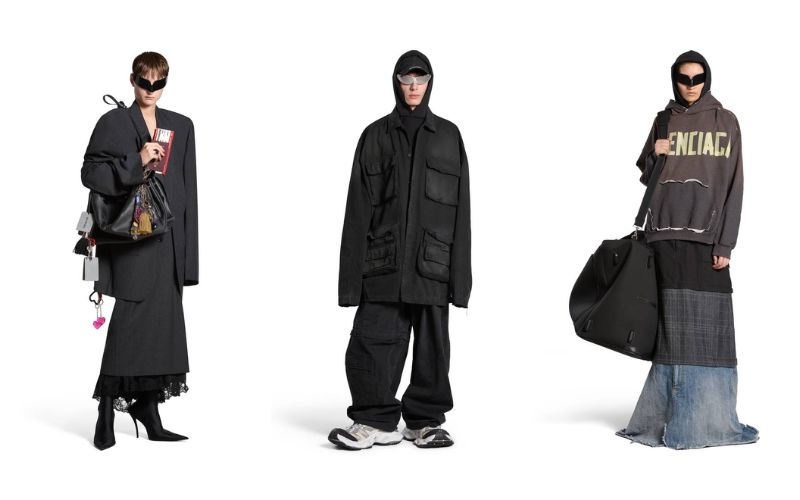
Balenciaga's history is one of rebellion, innovation, and, yes, a bit of scandal. From its modest beginnings in Spain to its recent revival, the brand has consistently pushed the boundaries of fashion. Despite facing criticism, Balenciaga's legacy persists, leaving a lasting impact on the fashion world. As trends shift and preferences evolve, one thing remains the same: Balenciaga’s viral appeal.
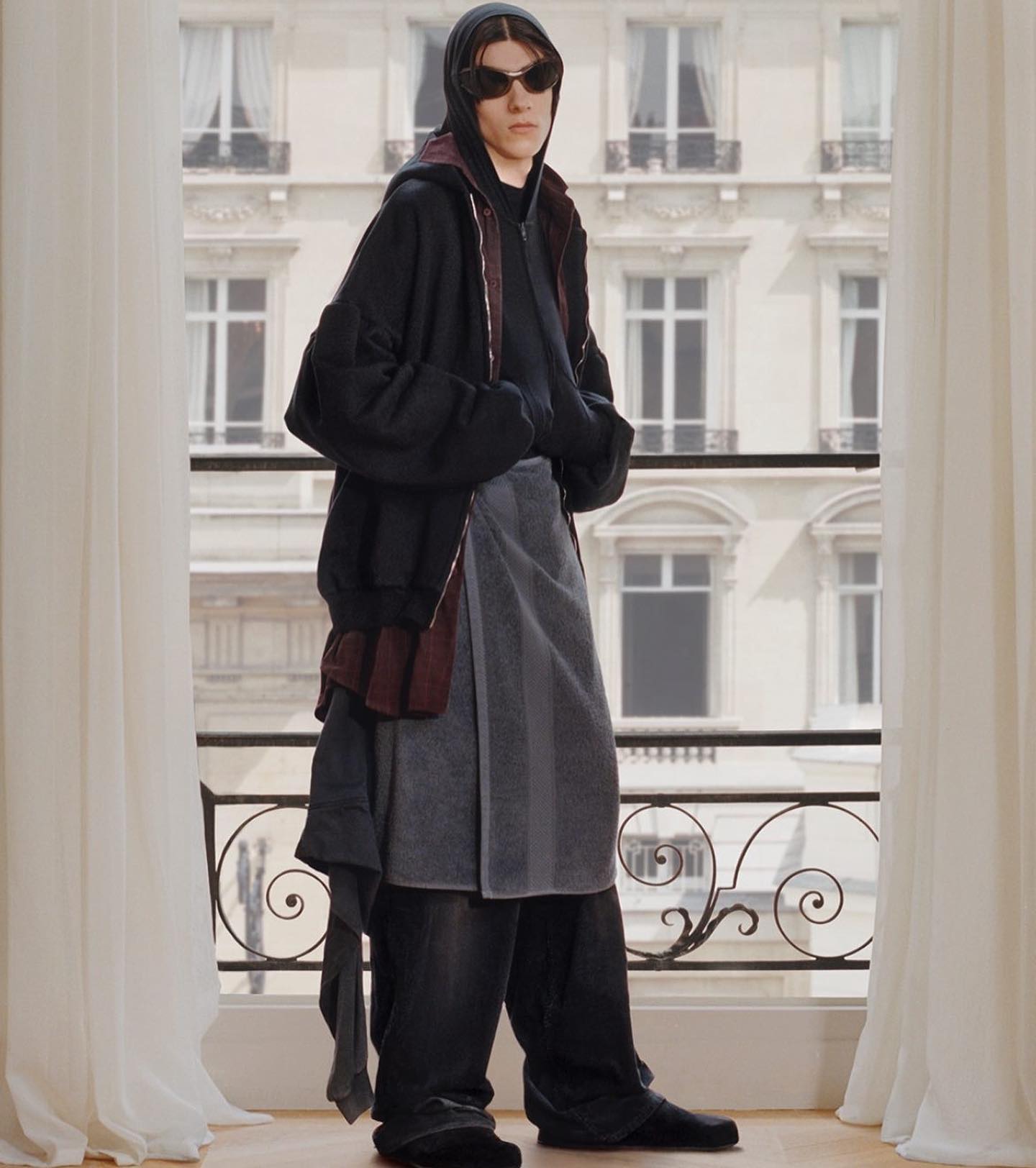
Ahead, we'll delve into the brand's founder, history, and controversies, exploring how Balenciaga has transformed over the years.
Who Is Cristóbal Balenciaga?
Cristóbal Balenciaga's journey into the world of fashion began with a childhood fascination for clothesmaking. Spending hours observing his mother, who worked as a seamstress, Balenciaga honed his skills from a young age. His talent caught the attention of the Marquesa de Casa Torres, a local noblewoman, who sent him to Madrid for formal education in fashion. In 1917, Balenciaga took a leap of faith and opened his first boutique in San Sebastián, Spain, marking the birth of the Balenciaga label.
During the Spanish Civil War in 1937, Balenciaga decided to move to Paris and it proved to be a pivotal moment for him. His debut fashion show at Avenue George V dazzled the French press and earned him the title "King of Fashion." Despite the challenges of wartime, Balenciaga's designs continued to captivate high society, solidifying his position as a major rival to established couturiers like Christian Dior and Coco Chanel.
Throughout the '50s and '60s, Balenciaga left an indelible mark on the world of fashion with his innovative designs. His bold departure from the trendy "New Look" revolutionized women's silhouettes, favoring broad shoulders and an undefined waistline. Balenciaga's defiance against the norms of haute couture, including his refusal to join the Chambre syndicale de la haute couture parisienne, only added to his mystique.
He also created quite a controversy by deciding to show his collection to the fashion press the day before the clothing retail delivery date, deviating from the standard four-week lead time. This move was an attempt to stop copycats from pirating his designs. Despite resistance from the press, Balenciaga and his protégé Givenchy stood firm in their decision. They would continue to do this before reverting to the norm in 1967.
A year after that Balenciaga would close the doors to his atelier, only briefly coming out of retirement in 1972 to design the wedding gown of Francisco Franco’s granddaughter, Carmen Martinez-Bordiú. Balenciaga would then die of heart failure the same year, at 77 years old.
Balenciaga’s Creative Directors
The brand remained dormant after Cristobal’s death, but would then experience a revival under the creative direction of Nicolas Ghesquière in 1997. Ghesquière's bold and visionary approach propelled Balenciaga into the spotlight once again, earning accolades and a loyal following. The brand's acquisition by Gucci Group (now known as Kering) in 2001 further cemented its status as a powerhouse in the fashion industry.
In 2012, Balenciaga parted ways with Nicolas Ghesquière and appointed Alexander Wang as the new creative director. Wang brought his edgy aesthetic to the brand, infusing Balenciaga's traditional elegance with a modern, urban twist. His tenure saw the introduction of new designs and collaborations, expanding Balenciaga's reach to a younger demographic.
In 2015, Demna Gvasalia took the helm as creative director of Balenciaga, bringing his avant-garde sensibilities to the forefront. Demna's unconventional designs, including the iconic Speed trainer and Triple S sneaker, redefined luxury streetwear and sparked global trends.
Balenciaga’s Controversies
While Balenciaga's influence on fashion and pop culture cannot be denied, the brand has also weathered its fair share of controversies. In 2001, then-creative director Nicolas Ghesquière faced accusations of plagiarism after presenting a collection that bore striking similarities to the avant-garde designs of Kaisik Wong, an American couturier who specialized in embroidery and appliqué techniques. Ghesquière admitted to the inspiration but emphasized his admiration for vintage clothes.
In 2013, Ghesquière stirred further controversy when he critiqued Balenciaga's corporate approach after leaving the company. He expressed feeling "sucked dry" and accused the brand of attempting to homogenize his identity. The ensuing legal dispute between Ghesquière and Balenciaga's parent company, Kering, was eventually settled out of court.
More recently, in 2021, Balenciaga faced backlash for collaborating with rapper and fashion designer Kanye West. Following Kanye's series of antisemitic comments in October, the brand officially severed ties with him.
The controversy intensified in November with the release of Balenciaga's spring 2023 advertising campaign, featuring children posing with teddy bears clothed in bondage gear. Accusations of child exploitation ensued, prompting public outcry and a lawsuit against the production company, North Six.
Balenciaga's Most Iconic Bags and Shoes
Speed
The Speed sneaker, launched in November 2016, gained immense popularity with endorsements from Kardashian-Jenners and various rappers such as Gucci Mane, Bryson Tiller, and Future. Its limited edition releases and collaborations, including with stores like Colette, contributed to its success. Despite its high-profile endorsements, the sneakers became widely popular among everyday individuals due to their exceptional comfort featuring ribbed double-knit jersey socks with a terry toweling lining and a wavy rubber sole. It sold out worldwide within a year of its release making it one of Balenciaga's most iconic shoes to date.
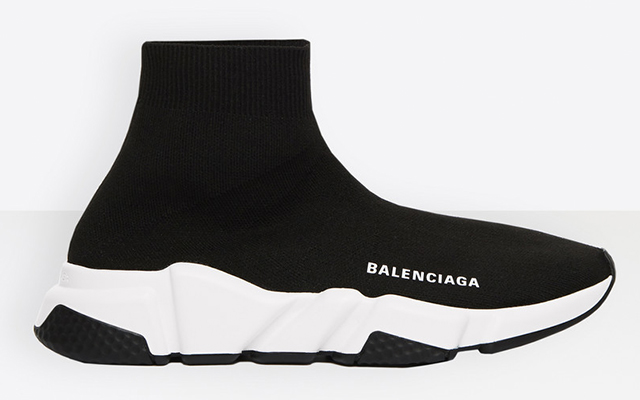
Speed Sneaker, $895 (approximately P50,031), BALENCIAGA, balenciaga.com
Triple S
Balenciaga's Triple S sneaker debuted on the autumn/winter 2017 menswear catwalk. These oversized trainers boast triple-stacked soles (hence its name), pre-distressed nubuck and mesh uppers, chunky laces, and the shoe size displayed on the toes. Despite its unconventional appearance often being likened to "ugly dad shoe," the Triple S became a hit.
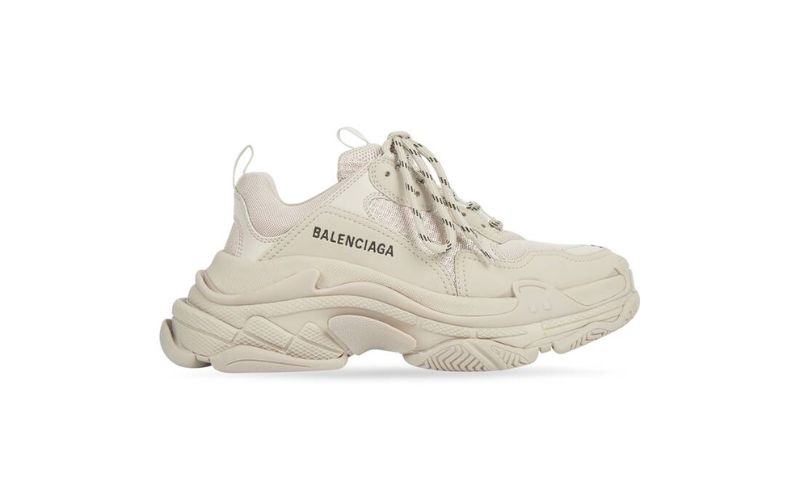
Triple S Sneaker, $1100 (approx. P61,492), BALENCIAGA, balenciaga.com
Click here for a list of the best Balenciaga sneakers to buy.
City Bag
In 2001, under then-creative director Nicolas Ghesquière, Balenciaga released the City bag, initially known as the Motorcycle City bag. Despite initial mixed reception and reluctance from stakeholders due to its supple, slouchy shape contrasting with popular bag trends, the City gained immense popularity. Initially, only 25 bags were produced, but the endorsement from supermodel Kate Moss transformed it into a commercial success. The bag's appeal lay in its logo-less, relaxed, and unstructured silhouette, becoming a favorite among the Noughties It girls like the Olsen twins and Nicole Richie. The City bag became a cultural symbol, spotted on red carpets, in Starbucks-run shots, and at festivals.
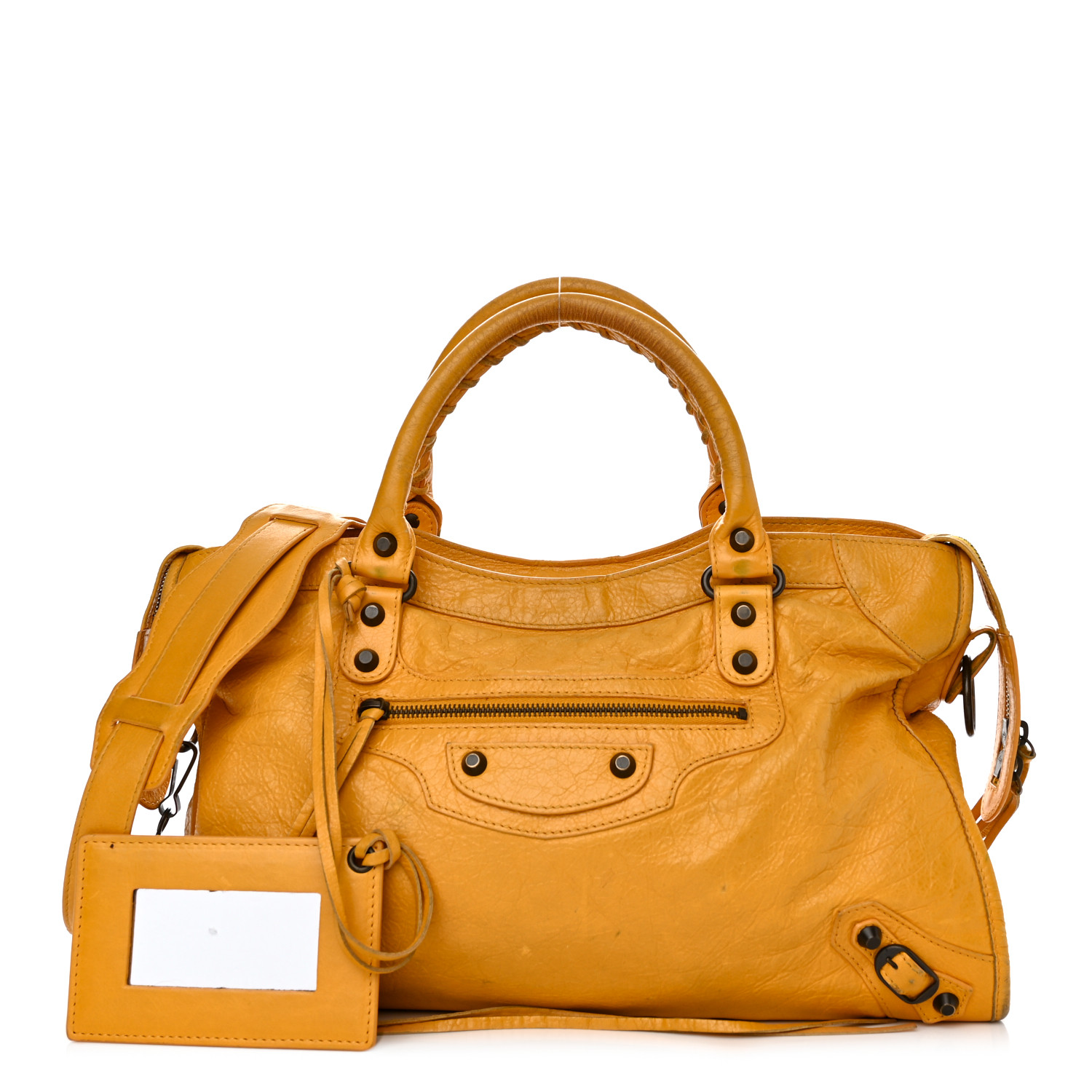
Agneau Classic Hardware City Mangue, $370 (approx. P20,942), BALENCIAGA, fashionphile.com*
Le Cagole
The term "Le Cagole," originating from Provencial slang, describes a cool, extroverted girl with a penchant for drama and maximalism and is a fitting name for the brand's newest icon. Launched in 2021 by the visionary Demna Gvasalia, this refreshed take on the City Bag includes nods to the original's hardware with its buckles, zips, tassels, studs, and pockets but in a sleeker, more modern half-moon silhouette.
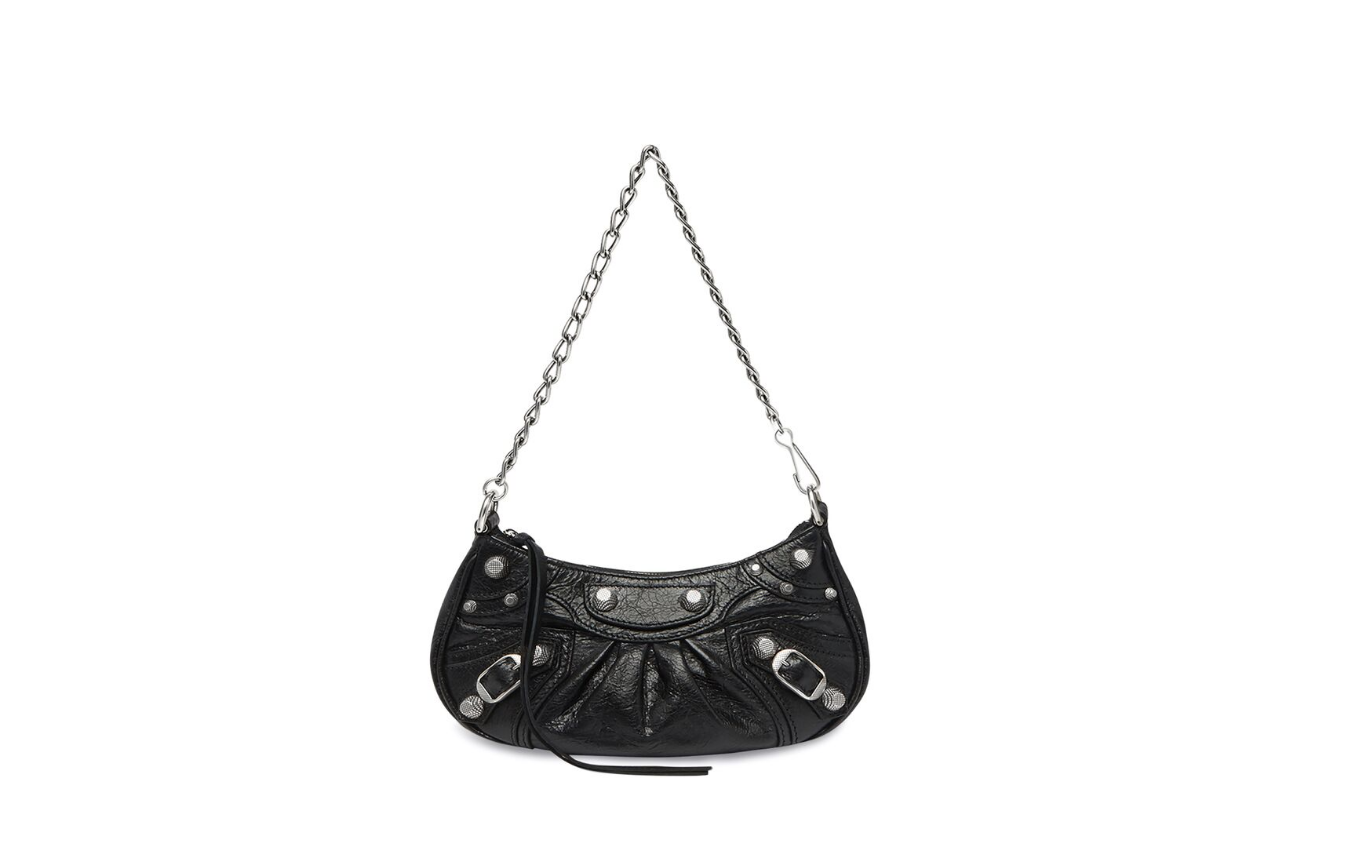
Le Cagole Mini Bag with Chain in Black, $1590 (approximately P88,883), BALENCIAGA, balenciaga.com
Click here for a list of the best Balenciaga bags to buy.
Balenciaga's Most Outrageous Pieces
Trash Bag
Debuting at the Fall/Winter 2022 showcase, the spacious drawstring tote became the subject of virality for its resemblance to a run-of-the-mill trash bag. Unlike the actual pouches for garbage, Balenciaga's Trash Bag is rendered in glossy calfskin leather with a hefty price tag of P104,000.
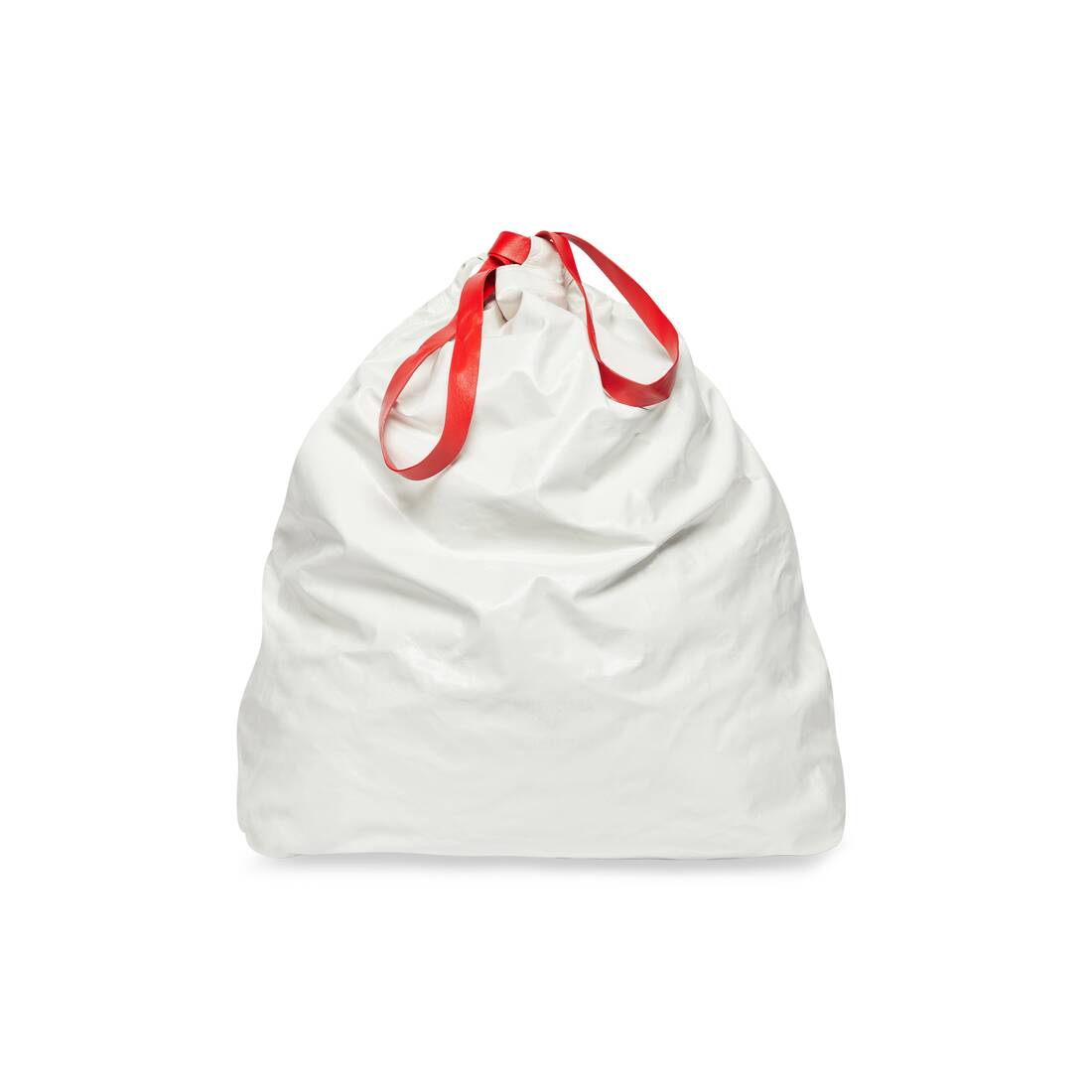
Trash Bag Large Pouch in White, $1850 (approx. P104,000), BALENCIAGA, balenciaga.com
Paris Sneakers
The label took in the distressed trend with the Paris Sneakers, which is akin to the silhouette of the classic Converse Chuck Taylor shoes. The limited high-top edition features a dirtied appearance, scuff marks, and placed holes. This pair in particular only had a limited run, with merely 100 pairs available in existence.
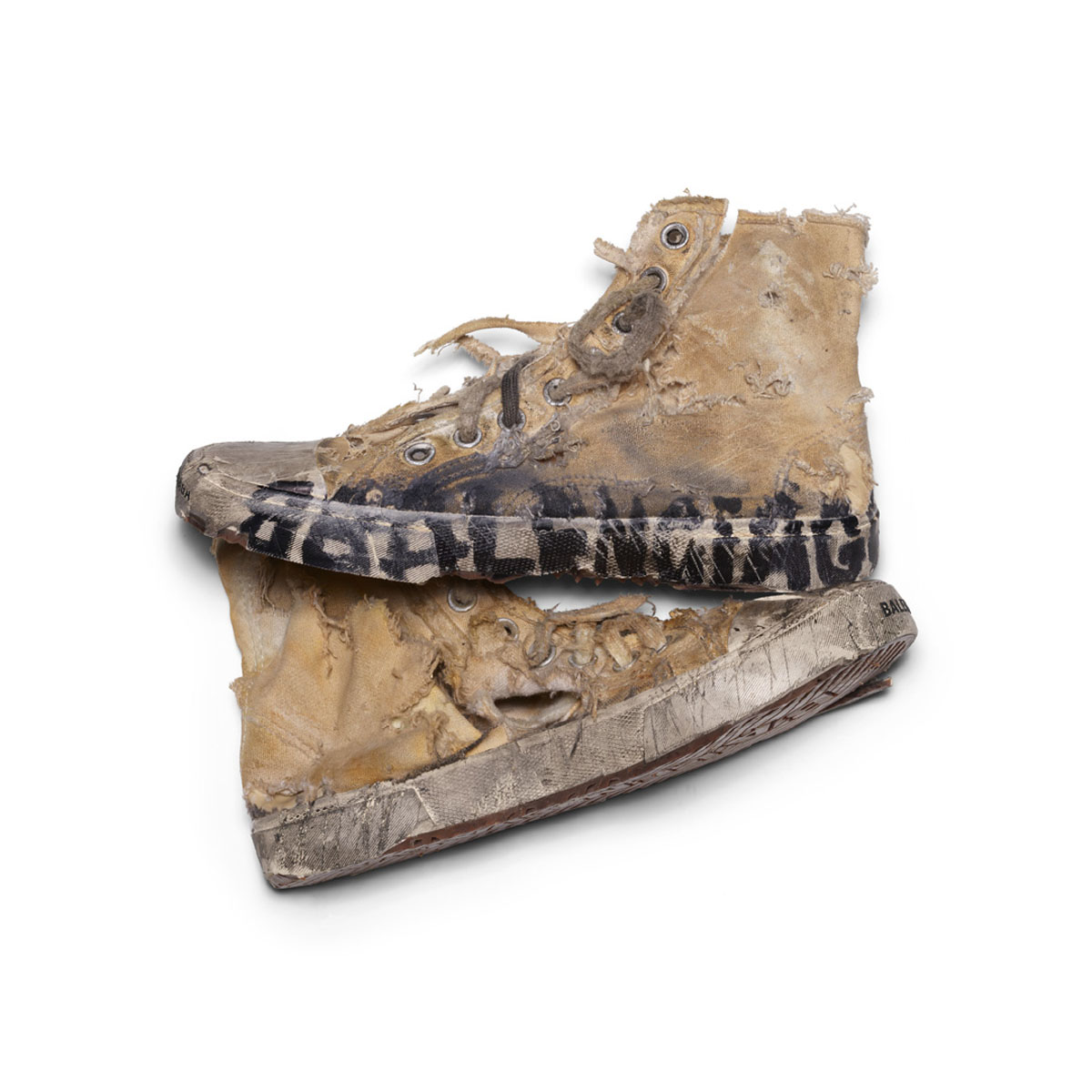
Paris Sneakers (limited edition), $1850 (approx. P104,000), BALENCIAGA
Crocs Heel
Following their take on the platform shoe, American footwear brand Crocs collaborated with the luxury label once more to bring about the Croc heel. The Spring/Summer 2022 piece featured the same silhouette of the rubber sandal, added with a stiletto heel.
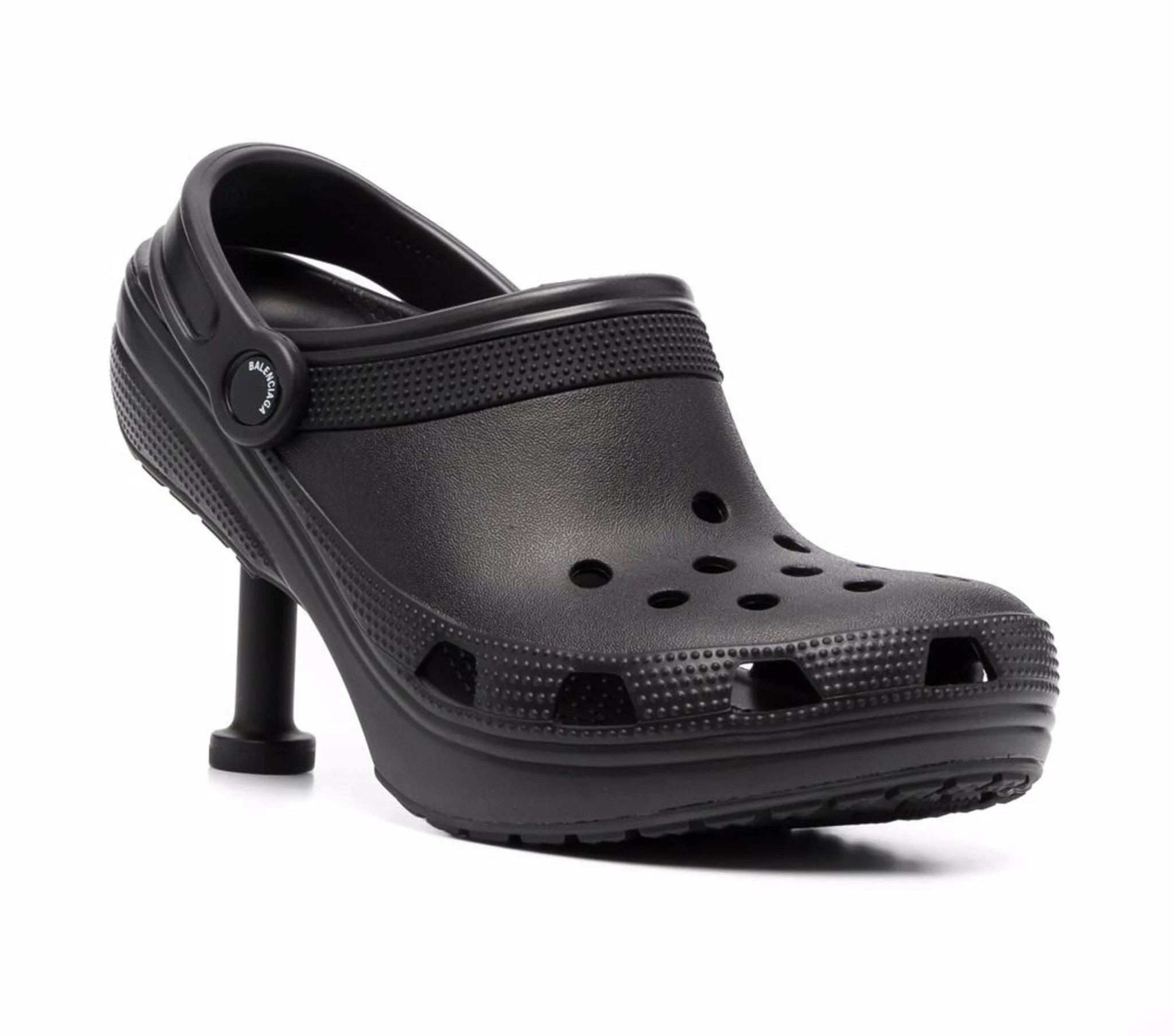
Balenciaga x Crocs Pumps, $525 (approx. P29,700), BALENCIAGA, farfetch.com*
Click here for a list of Balenciaga's most outrageous releases.
Balenciaga Stores in the Philippines
Ready to invest in a Balenciaga piece? Head on over to their boutique at the East Wing of Shangri-La Plaza Mall in Ortigas or visit their Makati branch located at Greenbelt 5. Happy shopping!
*Note: Some of the prices mentioned in this article have been sourced from authorized resellers and not directly from the brand's official website. While every effort has been made to ensure accuracy, it is important to note that prices may vary depending on the reseller and the region. We encourage readers to visit the official brand website or consult authorized resellers for the most up-to-date pricing information.
Hey, Preview readers! Follow us on Facebook, Instagram, YouTube, Tiktok, and Twitter to stay up to speed on all things trendy and creative. We’ll curate the most stylish feed for you!
