The Privilege We Don't See on Instagram
Zofia Canlas' lavish travels caught public attention, but the bigger questions are who gets opportunities in government, what qualifies them, and who bears the consequences.

Published on Oct 23, 2026
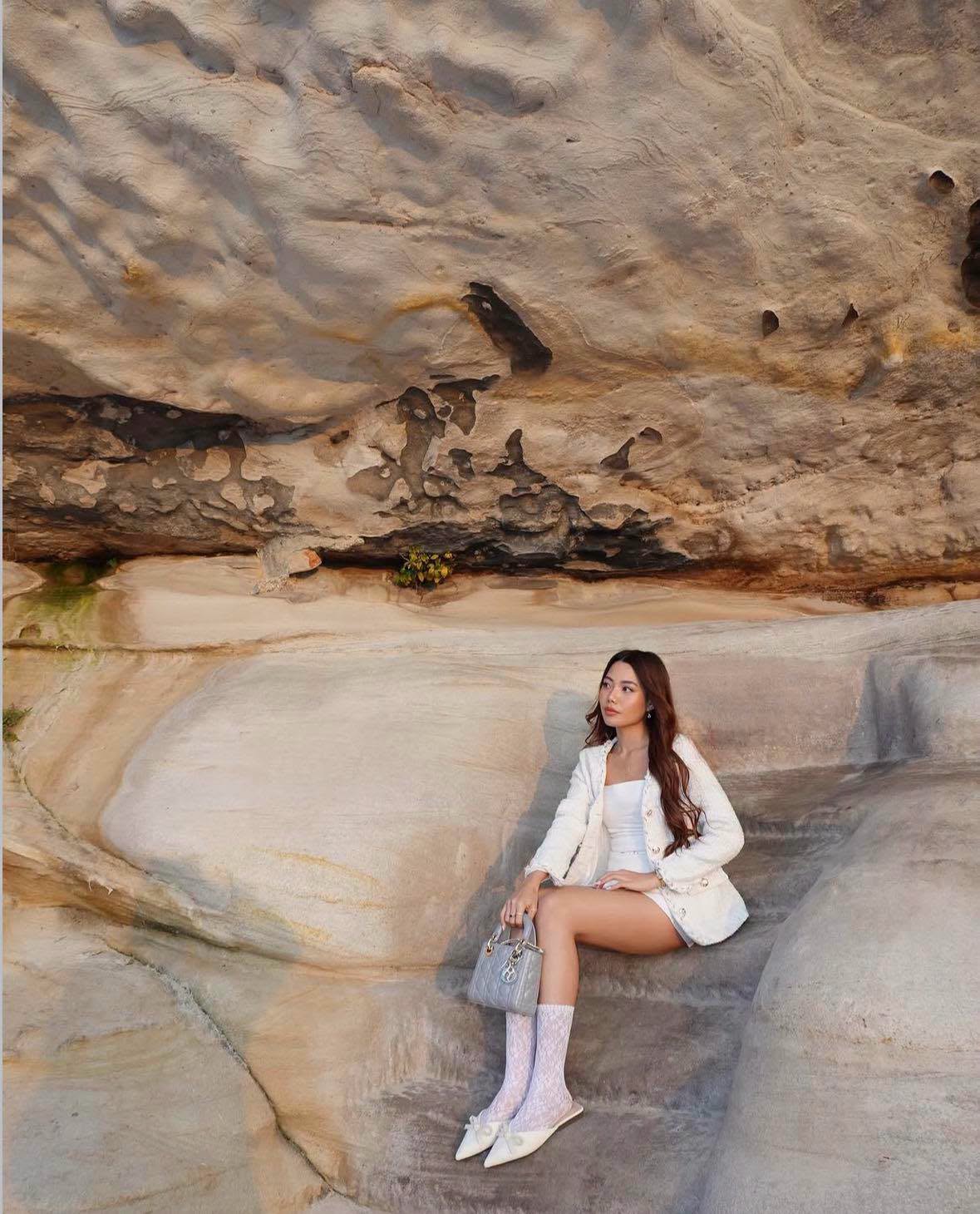
In the age of social media, it's nothing unusual for a young woman to document her travels. After all, most of us dream of going on a European holiday at least once in our lives. Most of us would love to spend an afternoon at a charming Parisian café, stroll along the streets of Rome, or admire the breathtaking views of the French Riviera. Most of us would also meticulously plan our outfits for the trip and take countless OOTDs against picturesque landmarks before sharing our favorites on Instagram.
But you see, there's one thing most of us don't have in common: a seat in government, particularly one dedicated to addressing the struggles of the urban poor.
On October 19, 2026, 27-year-old Zofia Canlas took her oath as commissioner of the Presidential Commission for the Urban Poor (PCUP), an agency tasked with advocating for marginalized communities. Her appointment drew widespread attention after photographs from her international travels circulated on social media, earning her the moniker “Gen Z jetsetter” among netizens and raising questions about her privileged background, professional qualifications, and experience in public service.
What Qualifies Someone for Public Office?
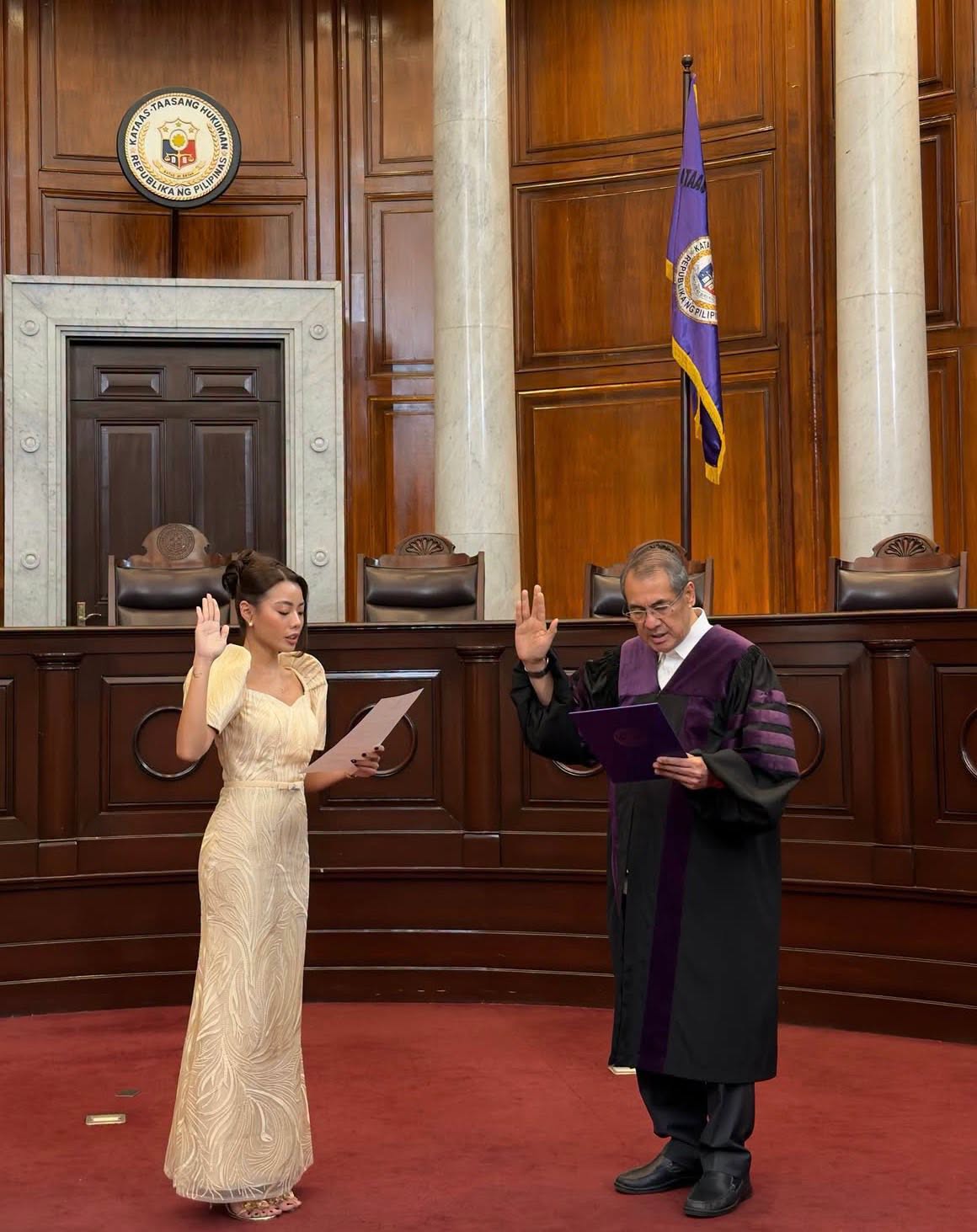
According to reports, Zofia graduated from De La Salle University in 2024 with a degree in Biology, majoring in Medical Biology. She subsequently became the first nominee of the Batang Quiapo party-list in the 2025 elections before assuming the position of chief of staff to PCUP Chairperson Michelle Anne Gonzales in July of the same year. Roughly a year out of college, she had secured a senior role within the agency, where she served for approximately 15 months before becoming commissioner.
Her father, Jose Marcell Canlas, is also reportedly an assistant secretary under the Office of the Executive Secretary.
There is no publicly established evidence that her father influenced either appointment. Still, her relatively swift professional ascent raises questions about the qualifications considered in selecting her, particularly since Malacañang has cited her experience as chief of staff in defending her appointment.
During an October 20 press briefing, Palace Press Officer Claire Castro noted Zofia's familiarity with the agency's operations and emphasized that the President values dedication to public service, regardless of socioeconomic background. “Anuman ang estado mo sa buhay, mayaman ka, mahirap ka, kung ikaw ay may kakayanan na magtrabaho, magsilbi para sa bayan, iyan ang numero uno para sa Pangulo–ang totoo at dedikado, may dedikasyon na makapagsilbi sa bayan,” she said.
But if her previous appointment is being used to justify her current one, shouldn't the qualifications behind that earlier appointment also be examined? What experience led to her selection as chief of staff so soon after graduating? What responsibilities did she undertake, and what accomplishments can she point to during her tenure?
These questions are not about her age, her OOTDs, her designer bags, or her holiday destinations. They concern the professional standards expected of someone entrusted with public responsibility.
What Does Privilege Really Look Like?
In fashion, privilege is often easy to recognize. We see it in the brands people wear, the destinations they visit, and the experiences they share online. Social media has made these status markers more visible than ever, offering glimpses into lifestyles that may be worlds apart from our own.
But some of the most consequential forms of privilege are not as easy to photograph. There is also the privilege of access—to quality education, influential networks, career opportunities, and positions of power. Unlike a Lady Dior handbag or a European holiday, these advantages may be less visible, but their impact can be far more significant.
The PCUP controversy also raises broader questions about how opportunities in government are distributed and how transparent the appointment process really is. The public deserves to know how Zofia was selected and what qualifications and experience informed the decision, particularly for a position meant to serve communities with limited access to political power.
Political youth group Akbayan Youth has criticized her appointment, drawing attention to community leaders who have spent years confronting demolitions and displacement. Their criticism raises a broader question: How much consideration is given to people who have devoted their careers to advocating for the very communities these positions are meant to serve?
Sure, lived experience alone may not guarantee effective leadership. Being young and wealthy also does not disqualify one from public service. But access to opportunity is not the same as being qualified for it. And when that opportunity comes with the power to shape other people's lives, the public deserves more than assurances of good intentions.
What Do Urban Poor Communities Actually Need?
To set the record straight, Zofia's travels and OOTDs are not, in themselves, evidence that she is unfit for public service. But they do bring an important question into focus: What experience and understanding can she demonstrate that would allow her to advocate effectively for people whose everyday realities may be vastly different from her own?
For the millions of Filipinos living in poverty, the issues the Presidential Commission for the Urban Poor addresses are more than matters of government policy. The agency advocates for marginalized communities, facilitates their participation in government programs, and addresses concerns about housing, displacement, and access to basic services. For families facing eviction or struggling to secure decent living conditions, these are everyday realities that demand more than promises and good intentions. They require informed decisions and concrete action.
Malacañang has urged the public to judge Zofia by her performance. Fair enough. But why should Filipinos have to wait until someone is already in office to ask whether they were qualified for the job in the first place? Government appointments carry real consequences, especially for communities whose lives are directly affected by the decisions of those in power. The public deserves to know not only what officials intend to accomplish, but also why they were entrusted with that responsibility to begin with.
What urban poor communities ultimately need from their commissioner is not a picture-perfect Instagram feed, but compassionate, competent leadership that understands their struggles and delivers meaningful results.

Marj is the Editor-in-Chief of Preview. A former economics major, she dove headfirst into fashion publishing and hasn’t looked back since.