Did You Know? Volleyball's Set and Spike Were Invented in the Philippines
The move was originally called the “Filipino bomb.”

Published on Oct 2, 2025
Volleyball may look like a straightforward game of rallies and points, but its history is richer than most realize. First played in the United States at the turn of the 20th century, the sport spread across the globe and picked up new styles along the way. In the Philippines, it found one of its most important innovations, a move that would change how volleyball is played.
The sport was invented in 1895 by William G. Morgan, a Young Men’s Christian Association (YMCA) physical education director in Massachusetts. As the Olympics website recounts, he designed what he first called “mintonette” for those who found basketball’s “bumping” too strenuous. Drawing on aspects of tennis, baseball, and handball, he created a game that involved keeping a ball in motion across a raised net.
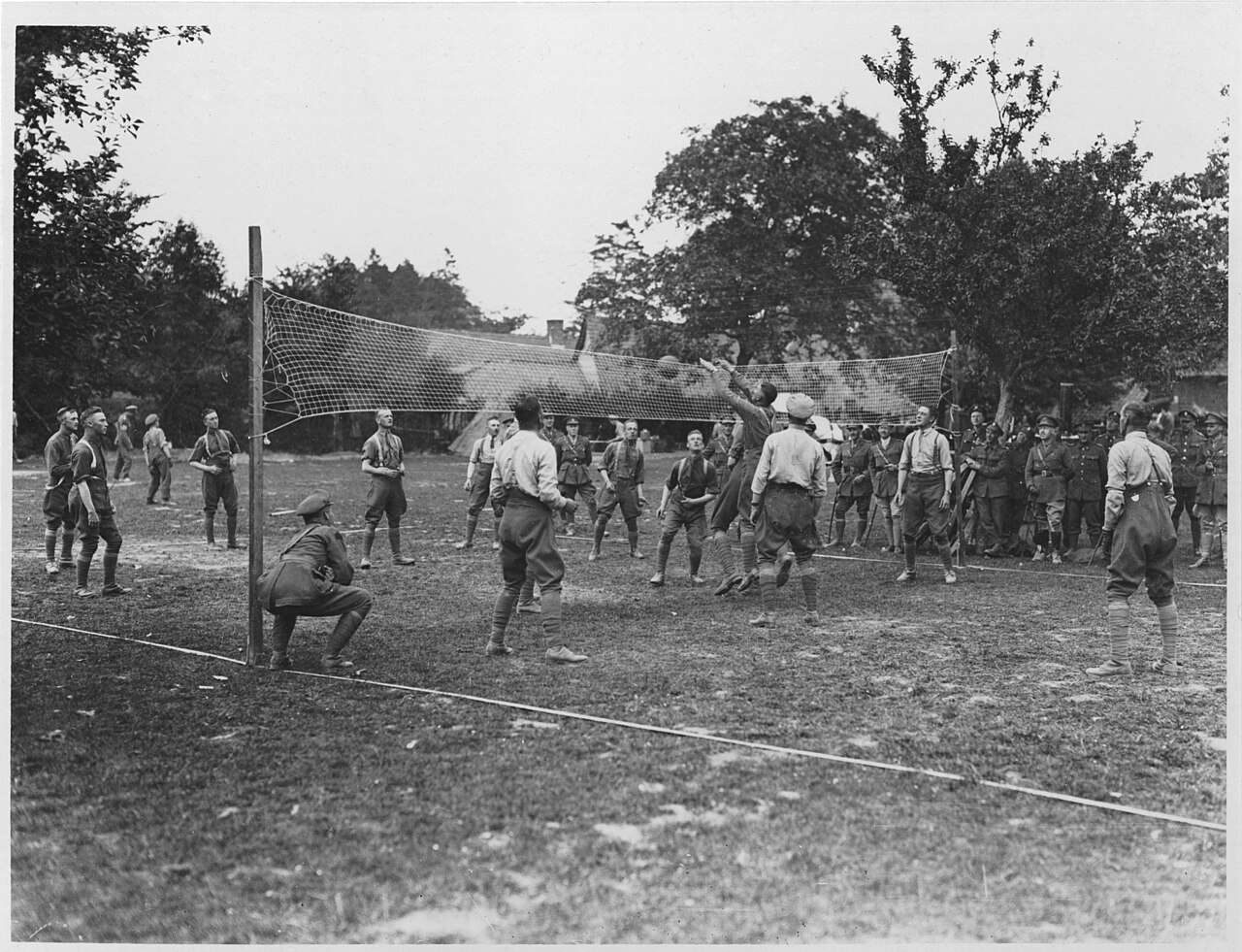
William introduced mintonette at a YMCA conference in 1896, and with the YMCA’s wide reach, volleyball spread quickly through the United States and abroad. By 1900, a lighter, smaller ball had been developed to suit the sport’s needs. Rules continued to evolve: in 1917, games shifted from 21 to 15 points, and the following year the standard six-a-side format was established, according to the Northern California Volleyball Association. By 1920, rules also introduced the three-hit-per-side limit and the back-row attack, shaping the basic framework still used today.
By the early 1910s, volleyball had traveled to Asia. It was played in Japan, China, and, crucially, the Philippines, where the game took a new turn.
Volleyball was introduced to the Philippines in 1910 by YMCA director Elwood S. Brown. Filipinos quickly embraced the sport, often adapting it to their own settings: nets hung between trees, backyard games, and even informal beach matches, according to Livestrong. But players also sought ways to make rallies more dynamic.
In 1916, they developed the tactic that would transform volleyball: the set and spike. Instead of sending the ball over on the first or second touch, one player would pass it high into the air—the “set”—allowing a teammate to jump and drive it forcefully downward—the “spike.” The move, dubbed the “Filipino bomb” or “bomba,” brought speed and explosiveness to the game. The hitter was even nicknamed the “bomberino.”
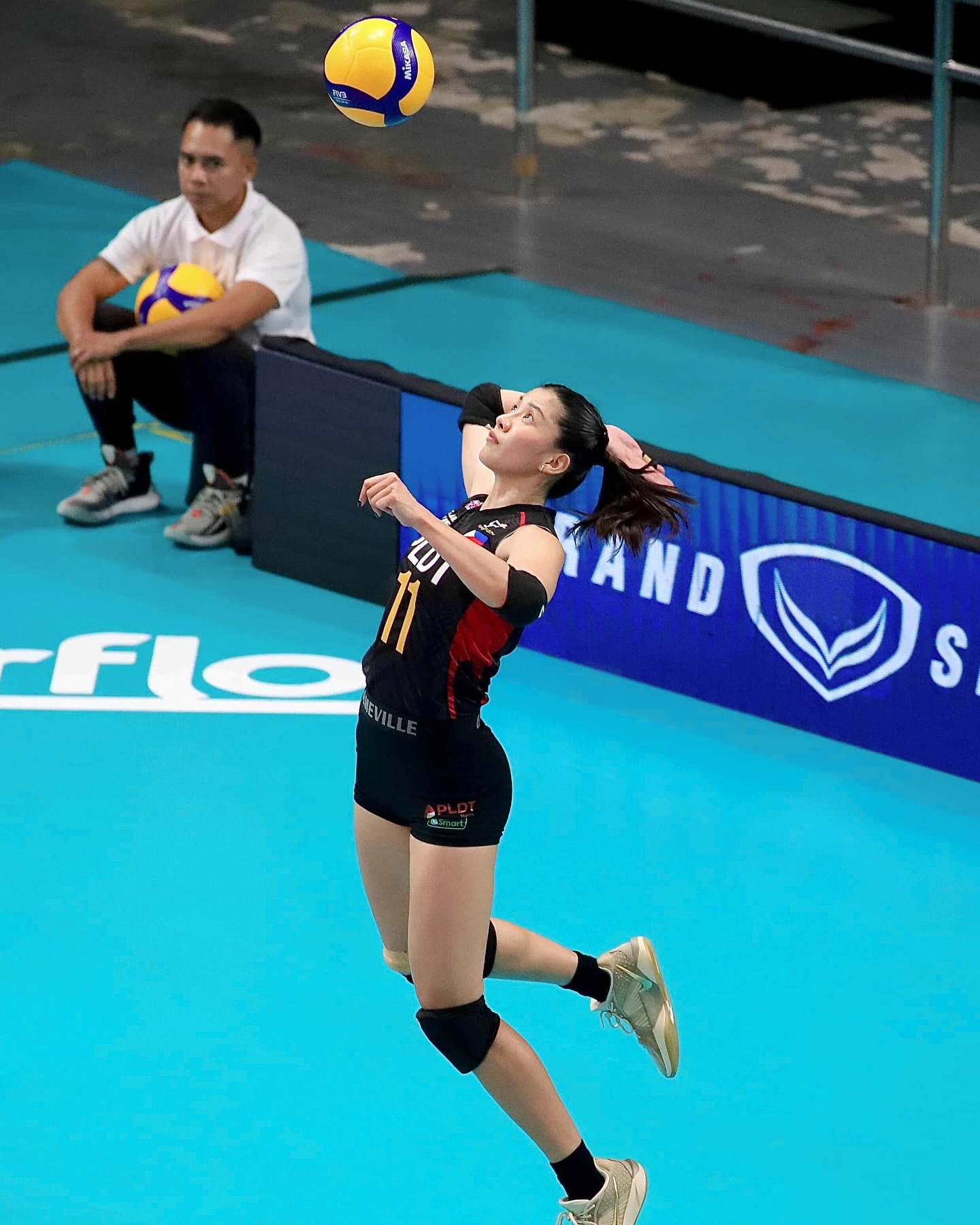
As Athletic Scholarships and the Olympics site both note, the Philippines’ innovation influenced the international rulebook. The three-hit limit, now a global standard, was inspired by the Philippine style. By the 1920s, the set and spike had spread internationally, eventually becoming central to the style of play seen in professional leagues and at the Olympic Games.

Kat is Preview's Lifestyle Editor, explorer, and occasional rhymer. When not globe-trotting, she's over her computer, writing her next big novel.