Did You Know? The Philippines Was the First-Ever Tropical Nation in the Winter Olympics
In 1972, the Philippines made history as the first tropical and Southeast Asian nation to compete in the Winter Games.

Published on Feb 9, 2026
When you think of the Winter Olympics, images of snow-draped mountains, icy tracks, and subzero temperatures usually come to mind—conditions far removed from the Philippines. Yet in 1972, the country made history as the first tropical nation to compete in the Winter Games, sending athletes into a sporting world few from warmer climates had ever entered.
The Philippines Was the First Tropical Nation in the Winter Olympics
According to Olympics.com, the Philippines was the first truly tropical nation to compete in the Winter Olympics, defined as countries that lie predominantly within tropical latitudes. That milestone happened at the 1972 Winter Games in Sapporo, Japan, when alpine skiers Ben Nanasca and Juan Cipriano took to the slopes.
Their participation alone was historic. While neither athlete contended for medals, Ben placed 42nd in the giant slalom, one of the four races the pair entered. As modest as the result may seem on paper, it marked a turning point.
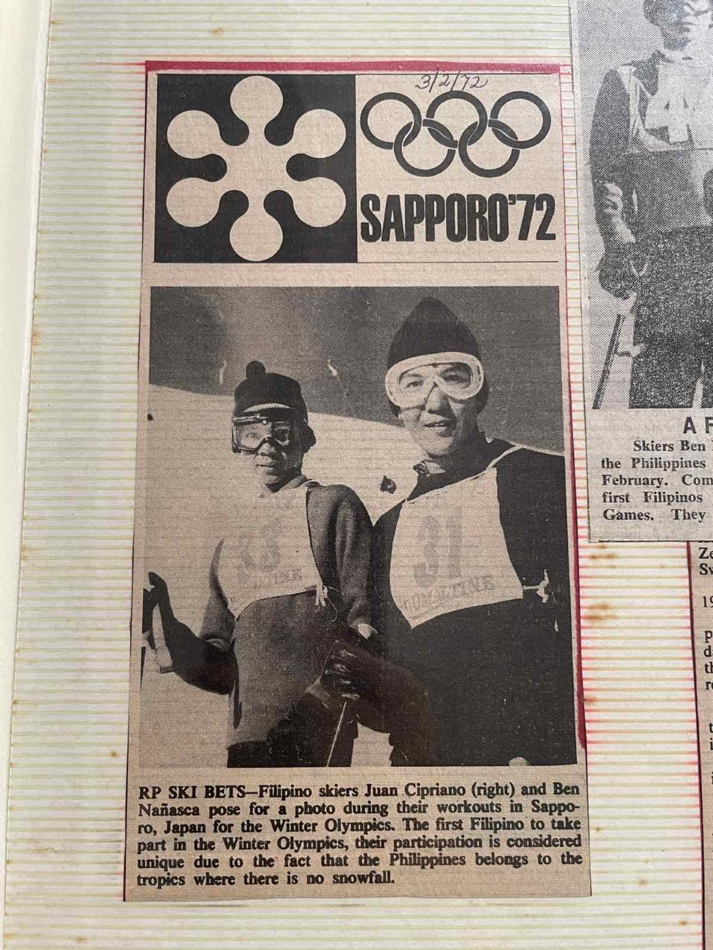
Behind that debut was a story as unlikely as it was compelling. According to the New Zealand news outlet Stuff, Ben and Juan were cousins who grew up in the Philippines before being adopted as teenagers by a New Zealand family. Their journey took them across Europe—Andorra, Spain, France, and Switzerland—where they trained extensively in alpine skiing. Eventually, the Swiss government included them in a development program, covering their training costs. With approval from Philippine sporting authorities, the two qualified for the Olympics under the Philippine flag.
Ben was just 17 when he competed in Sapporo, four years after leaving the Philippines. In interviews cited by Stuff, he later admitted the intensity of the experience led to burnout, but the significance of that moment only became clear when he returned home to see their names on billboards—an unexpected kind of hero’s welcome for winter athletes from a tropical country.
The Philippines in the Winter Olympics Through the Years
After that groundbreaking appearance, the Philippines would disappear from the Winter Olympics for 16 years. The country returned in 1988 at the Calgary Games in Canada, this time represented by luger Raymond Ocampo.
In 1992, alpine skier Michael Teruel competed at the Albertville Games in France, continuing the country’s quiet but persistent presence. Then came another long gap, until a new run began in 2014.
At the Sochi Winter Olympics, figure skater Michael Christian Martinez made history as the first athlete from Southeast Asia to compete in figure skating at the Winter Games. His appearances—marked by emotional performances and visible determination—introduced a new generation of Filipinos to the idea that winter sports weren’t entirely out of reach.
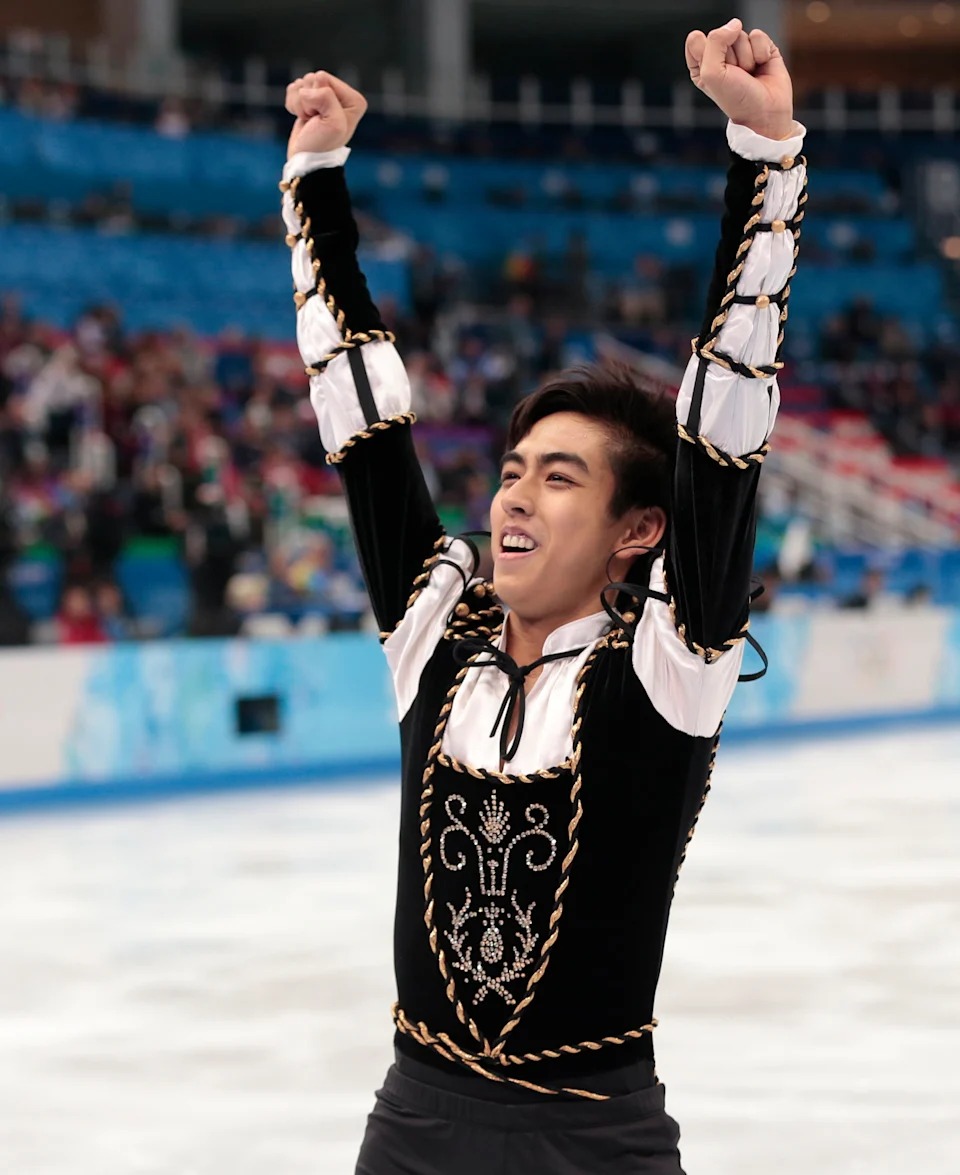
Michael returned in 2018 at the PyeongChang Games in South Korea, joined by alpine skier Asa Miller. Asa would go on to represent the Philippines again in 2022 at the Beijing Winter Olympics, making alpine skiing the country’s most consistent winter discipline in recent years.
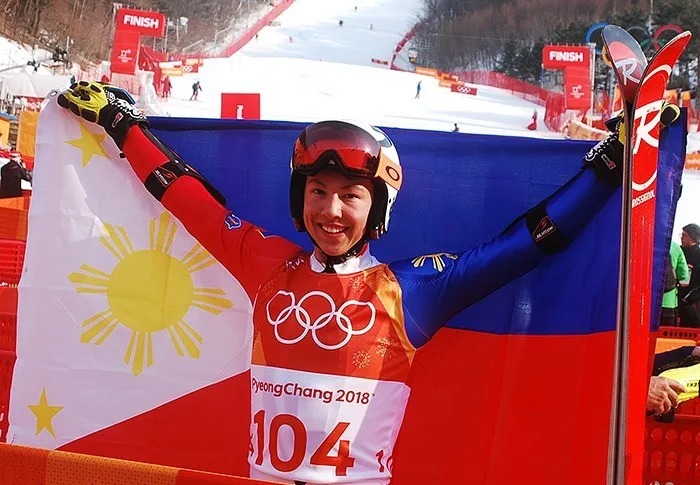
The momentum continues into the 2026 Winter Olympics in Milan and Cortina d’Ampezzo, Italy, where the country makes its fourth consecutive Winter Olympics appearance since Sochi 2014, and its seventh overall since 1972.
This time, the country will be represented by two alpine skiers: Francis Ceccarelli and Tallulah Proulx. Tallulah is the first female athlete to represent the Philippines at the Winter Olympics and, at just 17 years old, the youngest Filipino winter Olympian to date.

Kat is Preview's Lifestyle Editor, explorer, and occasional rhymer. When not globe-trotting, she's over her computer, writing her next big novel.