The IVF Questions Everyone Googles and Wishes Were Clearly Explained
Fertility advocate Margaret Wang offers clear, expert-backed answers to the most common IVF concerns.
Published on Feb 19, 2026
There’s a moment many women reach when “someday” starts to feel closer. Not because you’re ready to have a child right now, but because you realize that your timeline—emotionally, biologically, and practically—might not be as open-ended as it once seemed.
My first real introduction to fertility care was in New York, when I was engaged and exploring embryo freezing with my partner. At the time, my doctor suggested freezing my eggs alongside our embryos as a way to keep options open. It was presented as a possibility, not a mandate, and life felt relatively settled then.
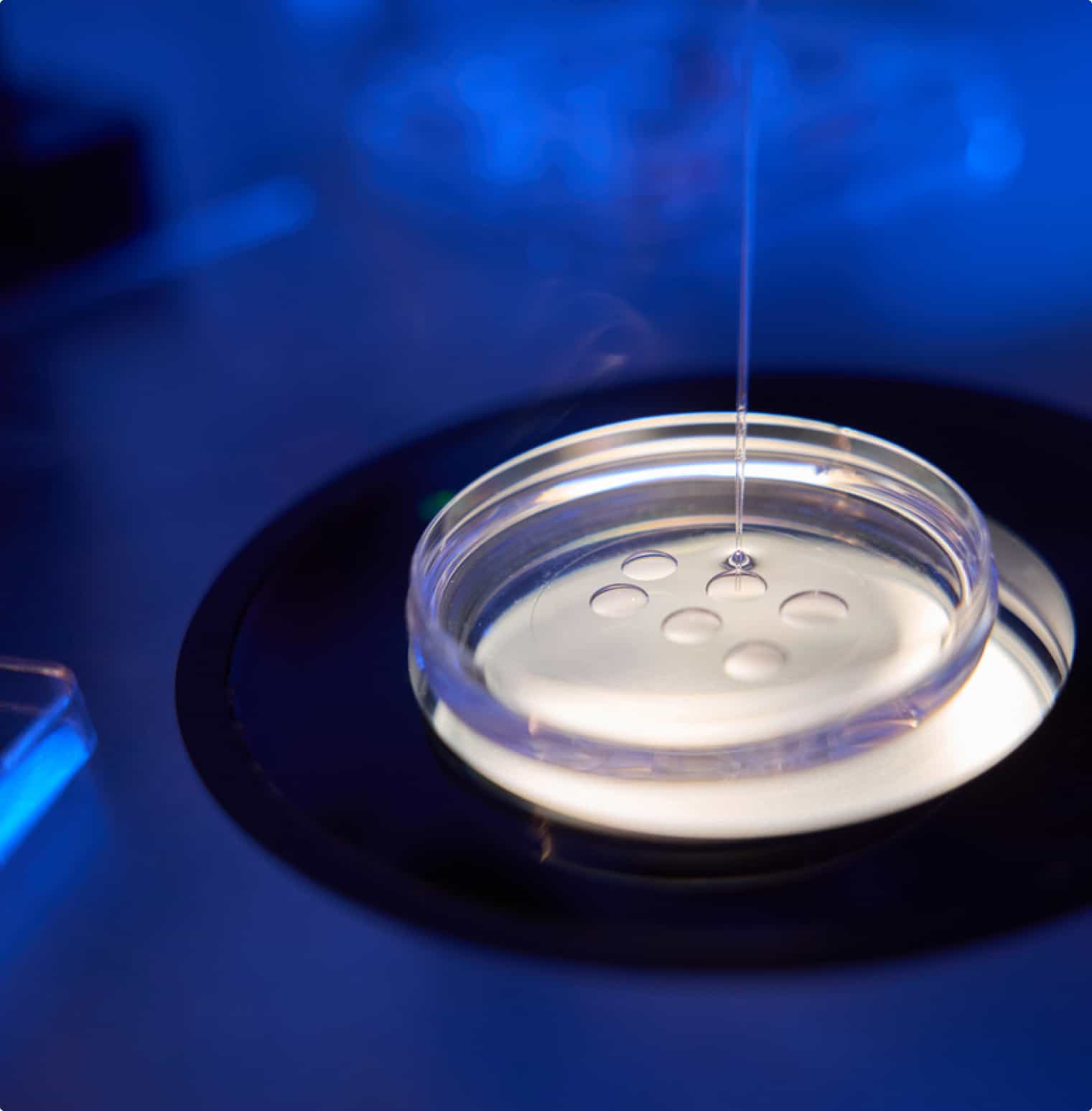
When that relationship ended, I returned to the same doctor and made a different decision. That moment marked the true beginning of my fertility journey. Freezing my eggs didn’t answer every question about the future, but it gave me a sense of agency at a time when things felt uncertain.
Later, when I moved to Singapore and explored a second round, I encountered a different kind of complexity. Regulations, access, and the structure of care varied, and even with information and resources, the process felt more fragmented than I expected.
That experience stayed with me because it highlighted something important: fertility care is challenging not only because the science is complex, but because people are often navigating it without enough context, continuity, or room to ask honest questions.
Along the way, I also had to understand what In Vitro Fertilization (IVF) actually is. At its core, IVF is a medical process where eggs are collected, fertilized in a laboratory, and embryos are monitored, frozen, or transferred depending on an individual’s goals and circumstances. For many people, IVF isn’t about trying to get pregnant immediately. Sometimes it’s about preserving options, especially when life doesn’t unfold according to plan.
Like many women, I did what people tend to do when something suddenly feels important: I read, I asked questions, I spoke to doctors, and I tried to understand what the experience would really look like beyond the brochures. Some answers were straightforward. Others were not.
So I’m answering the questions here—in the clearest, most straightforward way I can—because having good information early can make a very personal process feel a little less overwhelming.
Everything You Need to Know About In Vitro Fertilization or IVF
Is IVF painful?
There are parts of the process that can feel uncomfortable. Hormone injections, regular blood tests, and procedures like egg retrieval can cause temporary discomfort. That said, egg retrieval is typically done under sedation, and clinics are very focused on pain management and careful monitoring throughout.
For many people, the harder part isn’t the physical side. It’s the emotional buildup, the waiting, and the uncertainty at different stages of the process. That’s where good care really matters. When you understand what’s happening, why each step is necessary, and what to expect physically, the experience tends to feel far more manageable.
Everyone’s body and pain tolerance are different. What’s most important is feeling listened to, supported, and able to ask questions at every step. Feeling informed and emotionally safe can make a meaningful difference in how the whole experience feels.
What’s the IVF process like?
IVF isn’t just one procedure. It’s a step-by-step process that unfolds over time, and it looks a little different for everyone. The goal is to make each stage feel clear and manageable, rather than overwhelming, so people understand what’s happening and why.
A typical IVF cycle usually includes a few key phases:
Consultation and planning
The process begins with a detailed conversation about your medical history, goals, and any tests your doctor recommends. This helps tailor the approach to your body and circumstances, rather than following a fixed formula.
Ovarian stimulation
Hormone medications are taken for about 8 to 14 days to encourage the ovaries to mature multiple eggs. During this time, ultrasounds and blood tests are used to monitor progress and adjust dosing as needed.
Egg retrieval
Once the eggs are ready, they’re collected in a short procedure done under sedation. Most people go home the same day and recover quickly.
Fertilization and embryo development
The retrieved eggs are fertilized in the embryology laboratory using sperm collected from the husband. The resulting embryos are monitored over several days as they develop.
Embryo transfer or freezing
A selected embryo may be transferred into the uterus in a simple procedure, or embryos can be frozen for future use, depending on timing and personal circumstances.
At GenPrime Fertility Manila, this process is guided by Dr. Anthony Marc Ancheta, the clinic’s Medical Director, and Dr. Ney Abat, a reproductive endocrinologist with over two decades of experience. Both are known for taking the time to explain each step clearly, which makes a meaningful difference when navigating something as personal as fertility care.
Is there some sort of pre-work a woman or man needs to go through before starting the process?
For both women and men, the process usually starts with an initial assessment that looks at medical history, basic tests, and open conversations about goals, timelines, and concerns. It’s not about rushing into treatment, but about understanding where you are so decisions are made with clarity.
Some people make lifestyle tweaks or focus on learning what the process involves, while men typically undergo simple tests like a semen analysis to complete the picture. What matters most, though, is feeling emotionally and informatively prepared, having the space to ask questions, weigh trade-offs, and choose a path that fits your life. When that groundwork is in place, the process tends to feel far less overwhelming.

How long does an IVF cycle take?
In general, an IVF cycle takes around four to six weeks, starting from ovarian stimulation through to embryo transfer. That said, IVF isn’t a fixed timeline. It adapts to each person’s body, circumstances, and goals.
At GenPrime Fertility Manila, I’ve seen how our doctors spend time helping patients understand not only how long each stage may take, but also what to expect along the way. This includes monitoring appointments, decision points, and waiting periods, which can often feel emotionally significant.
The overall duration can vary depending on individual treatment plans. Some may be shorter or longer especially if embryos are frozen for later use, additional testing is involved, or treatment is intentionally paced to support both physical and emotional readiness.
What happens to unused embryos?
This is one of the most personal and emotionally nuanced parts of the IVF journey.
In many cases, embryos that aren’t used right away can be safely frozen and stored for future use. Some people choose to keep them stored while they take time to reflect, as their circumstances, relationships, or plans evolve.
Other options can include using the embryos in a future treatment cycle, donating them for research, or choosing to discontinue storage in accordance with local regulations and personal values. What’s available, and how those decisions are made, can differ depending on the country, legal framework, and clinic policies.
What I believe matters most is that these conversations happen early, openly, and with care. Decisions around embryos often carry emotional, ethical, and cultural weight, and people deserve time, clarity, and space to make choices that truly align with their beliefs and life plans.
Can lifestyle affect IVF treatment?
Lifestyle can play a role in IVF treatment but it’s something that needs to be approached with balance and a lot of compassion.
Things like sleep, nutrition, stress levels, and overall health can influence how the body responds to treatment. At the same time, IVF outcomes are shaped by many factors, including age, diagnosis, and biology. Lifestyle is only one part of a much bigger picture. It’s never about being “perfect,” and it’s certainly not about placing the burden of success entirely on the individual.

For some people, small and sustainable adjustments can help them feel more prepared and supported during the process. For others, they may already be doing everything they reasonably can, and that truly is enough. What I think matters most is understanding what’s within your control, being kind to yourself, and letting go of what isn’t.
What emotional support is available?
For me, emotional support isn’t an add-on to fertility care. It’s central to it. IVF can stir up uncertainty, grief, hope, and pressure all at once, and that emotional weight needs to be acknowledged, not sidelined. At GenPrime Fertility, support is built into the experience through time for questions, clear communication, and a care team that understands what’s behind each clinical decision.
That care starts before treatment even begins. Our clinics were designed with JJ Acuña to feel calm, private, and human, because the environment matters. Patients also have access to Tilly, our psychosocial support app, which offers a quiet, judgment-free way to check in during waiting periods and in-between moments. Emotional support looks different for everyone, but the aim is the same: to meet people where they are and walk alongside them, not rush them through the process.
Are there any side effects of IVF treatment?
Yes, IVF can come with side effects, though most are temporary and manageable when people are properly informed and supported.
Common effects can include bloating, fatigue, mood changes, or mild discomfort from hormone stimulation. More serious side effects are uncommon, and this is why close medical monitoring throughout the process is so important.
What I’ve learned is that anxiety around side effects often comes from not knowing what’s normal and what isn’t. When patients are given clear explanations, know what sensations to expect, and understand when to reach out for help, the experience tends to feel far less overwhelming.
Side effects shouldn’t be something people are left to worry about on their own. With the right guidance and care team, most can be managed safely and thoughtfully.
What is the maximum age for IVF treatment?
One of the most common questions I hear is about age, and the honest answer is that there isn’t a single maximum age for IVF that applies to everyone.
What matters far more than a number is the full medical picture. Eligibility depends on factors like overall health, ovarian reserve, medical safety, and local regulations, rather than age alone. For some people, IVF may still be medically appropriate later in life. For others, different options may be safer or more aligned with their circumstances.
From my perspective, the most important step is having an open, individualized conversation with a doctor who can assess risks and possibilities in context. Fertility care works best when decisions are made thoughtfully, with clarity about what’s safe, ethical, and realistic for each person.
Does the compatibility of the male and female cells play an important role in the success of the treatment?
According to Dr. Anthony, the success of IVF is strongly influenced by the quality of the embryo formed. Embryo quality is a shared outcome of both egg and sperm health—it is not dependent on one partner alone, but on the combination of both factors.
What are the precautionary measures and aftercare preparations?
Precautionary care begins well before any procedure. During IVF, patients are closely monitored with blood tests and ultrasounds so medications can be adjusted safely and complications can be caught early. Being open with your doctor about symptoms, side effects, or concerns is important, even if something feels minor.
Lifestyle adjustments are often part of the process. Doctors may recommend limiting alcohol and smoking, prioritizing sleep, staying well-hydrated, and being mindful of exercise intensity during treatment cycles.
After procedures like egg retrieval or embryo transfer, short periods of rest are usually advised, along with avoiding strenuous activity and heavy exercise for several days. Mild bloating, cramping, or fatigue can be normal, but patients are also given clear guidance on what symptoms should prompt a call to the clinic.
Emotional aftercare matters too. Waiting periods can be mentally and emotionally taxing, so having support, setting boundaries, and giving yourself permission to slow down can be just as important as physical recovery. Knowing what to expect—both medically and emotionally—goes a long way in making the experience feel more manageable.
Once the IVF treatments are successful, what can patients do to guarantee a successful full-term pregnancy?
One of the hardest things to accept is that IVF can’t guarantee a full-term pregnancy, even when everything goes well. Many people are hoping for certainty, so it helps to be honest about that. What does help is shifting the focus from control to support by following medical advice, attending check-ups, and taking care of your overall wellbeing. Just as important is letting go of the idea that every outcome is within your control. At this stage, feeling informed, supported, and steady often matters more than trying to manage every variable.

What are these tests that are required for the male partners of IVF candidates?
I love this question, because fertility is never just about one person. Male fertility is an equally important part of the picture, and testing is a routine, constructive step in understanding how best to move forward together.
The starting point is usually a semen analysis, which looks at sperm count, movement, shape, and overall quality. It’s a straightforward test, but it provides a lot of useful information and often guides next steps.
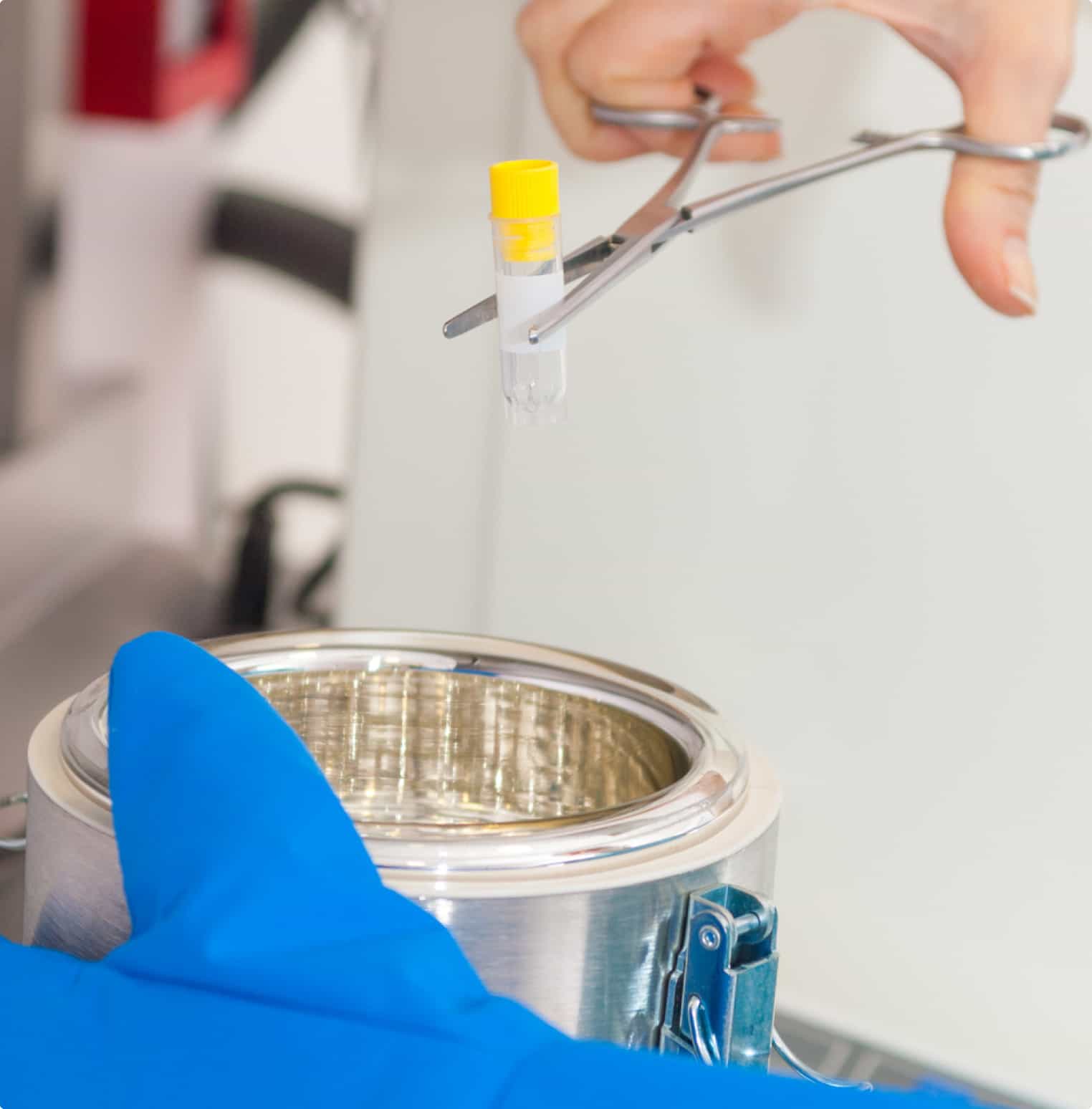
Depending on the results and the couple’s history, doctors may recommend additional testing. This can include hormone blood tests, genetic screening, or urological assessments to check for underlying factors that might affect sperm production or function. In some cases, lifestyle factors such as stress, sleep, heat exposure, smoking, or certain medications are also discussed, since these can influence sperm health.
Importantly, these tests aren’t about blame or fault. They’re about getting a complete, accurate picture so care can be tailored appropriately. When both partners are informed and involved, decisions tend to feel clearer, more balanced, and more supportive for everyone.
Are there medications to avoid?
This was something I didn’t fully appreciate at the start of my own journey. During IVF, certain medications or supplements may need to be adjusted or avoided because they can affect hormones, egg development, or early pregnancy. This includes some prescription drugs, over-the-counter pain relievers, and herbal or “natural” supplements that people often assume are harmless.
There isn’t a universal list that applies to everyone, which is why transparency matters so much. It’s important to tell your doctor about everything you’re taking, including prescriptions, vitamins, supplements, and traditional or herbal remedies. Just as important, you shouldn’t stop or change any medication on your own without guidance.
The goal isn’t restriction for its own sake. It’s coordination. When your care team has the full picture, they can help make sure treatment is safe, appropriate, and tailored to you at every stage of the process.

About the author
Margaret Wang is the founding CEO of Rhea Fertility and GenPrime Fertility, leading a global reproductive health network focused on personalized, patient-centered care. She spearheaded the launch of GenPrime Fertility Manila, the Philippines’ first full-service fertility and assisted-conception clinic, offering IVF, fertility preservation, and reproductive health consultations. The Manila center joins GenPrime clinics in Singapore, Bangkok, Kuala Lumpur, and Los Angeles, and distinguishes itself as the country’s first fully integrated, end-to-end fertility hub, with Eluvo Health serving as its dedicated diagnostics partner.