Did You Know? A Filipino Took Part in Artemis II’s Mission Around the Moon
Louie Rabara worked on ground to monitor the data coming in from space.

by Jam Nitura
Published on
The Artemis II crew splashed down in the Pacific Ocean on April 11, Philippine time, completing their 10-day lunar flyby mission. The four astronauts—Reid Wiseman, Victor Glover, Christina Koch, and Jeremy Hansen—endeared themselves to the world while they made history by traveling farther from Earth than any humans before them, reaching 252,756 miles.
Of course, the quartet couldn’t have done it alone. Back on the ground were teams of NASA’s best and brightest who worked behind the scenes to ensure everything went smoothly, guiding the crew from their launch up to their return. Part of this monumental operation is Louie Rabara, a Filipino working for the Jet Propulsion Laboratory (JPL) team.
READ: Filipino Takes Part in Artemis II Mission
According to JPL’s website, the lab helps “humanity study and track climate change, manage natural resources, and respond to disasters.” When it comes to their role in space travel, they’re tasked to “send and receive data from nearly all spacecraft traveling beyond the Moon,” which is exactly what Louie did for Artemis II.
In an interview with GMA News, he explained that data controllers like him keep track of the spacecraft and the data the astronauts send in from space in real time. It’s their job to ensure that everything is received securely. “Sabihin natin nawala ‘yung data, hindi na natin mare-recover ‘yun. Naiwan na sa space,” said Louie.
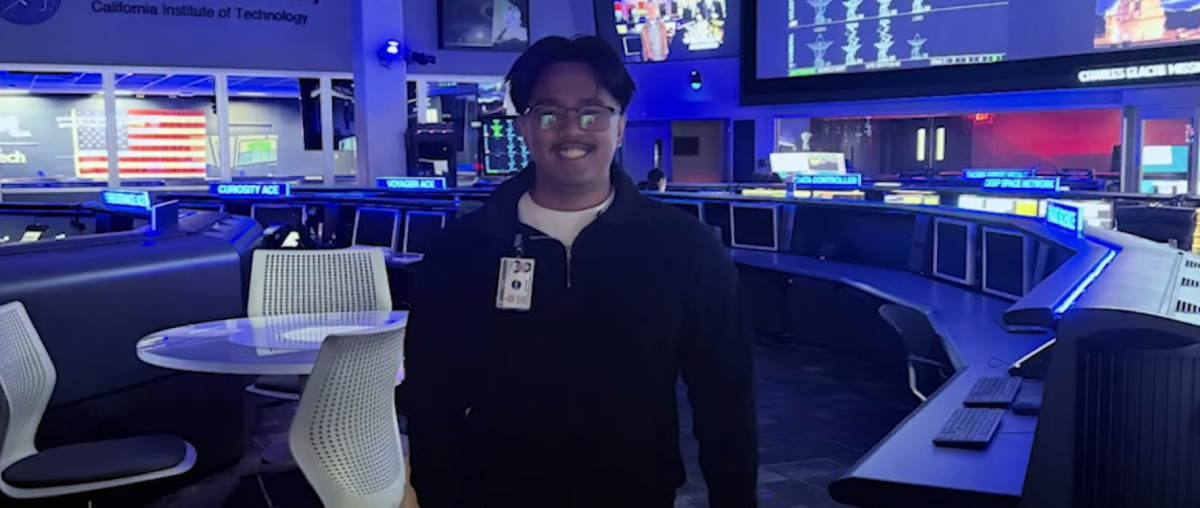
The NASA employee is a computer engineering graduate who never really dreamed of working for the space program. However, a job at UCLA got him the attention of JPL contractors, which became his gateway into the agency. “I'm very happy na naging part ako. Parang ano ‘to eh, historic,” he told GMA News, emphasizing that Artemis II is his biggest project yet.
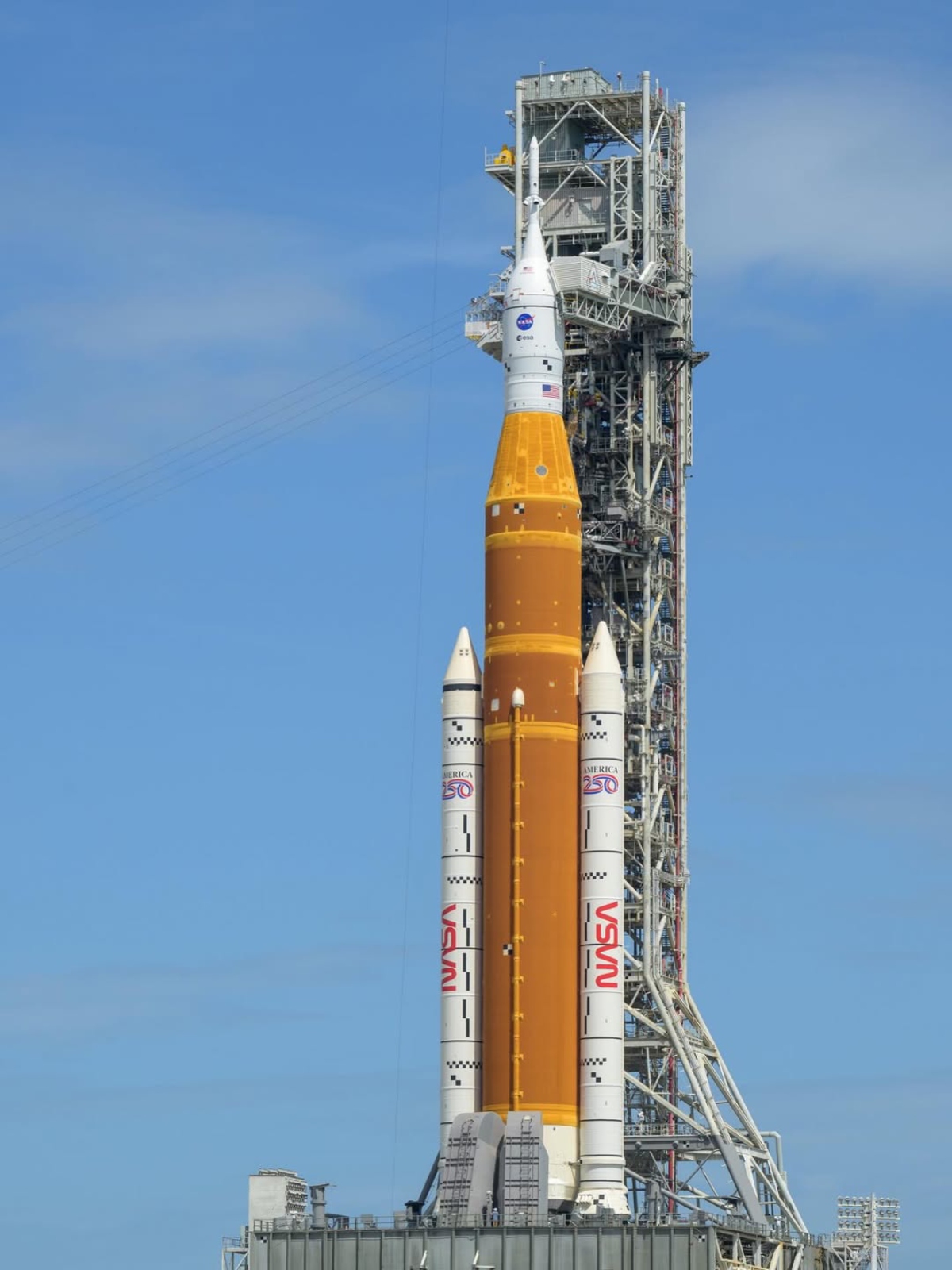
Meanwhile, the core flight crew are set to reunite with their families while undergoing a rehabilitation program that will aid them in readjusting to Earth’s gravity.
Their successful mission signals the next stage of the Artemis program with another crew-manned rocket set to launch in 2027. If all goes well, this endeavor will clear the way for NASA’s scheduled lunar touchdown in 2028 with the goal of eventually building a permanent base on the moon.
Jam’s way of exploration is by reading and writing. She hopes to always be lost in words and, occasionally, a good podcast.