Chef Josh Boutwood Is Staying Grounded Under the Stars
The first Filipino chef in the country to earn two Michelin stars reflects on ambition, identity, and the restless question of what comes after the dream.

Published on Feb 27, 2026
It was almost cinematic the way the ceremony unfolded. Back on October 30, the ballroom halls of Marriott Manila were abuzz with energy for the local culinary industry, as the Michelin Guide–once elusive–had arrived with a flourish in the Philippines.
The restaurants bestowed with one star had just stepped out of the platform when a turn of events was announced–there was a lone two-starred honoree that night.
And then, after a long pause, the name Helm was called.
The man at the helm of Helm, Josh Boutwood, was surrounded by the cheers of his colleagues as he walked up the center aisle in a stunned daze. On stage, his two-starred plaque—and the perpetually smiling Bibendum—waited. “I was the last awardee of that night, and I was ecstatic receiving it,” Chef Josh recalls.
“My first emotion, as I walked there and I went into the back to put the jacket on, was excitement,” he said. “But when I got up on stage, I looked at all of my peers, and it suddenly dawned on me, ‘Oh, shit. I’m the only one here.’”
Months after the dreamlike event transpired, Josh and his restaurants are still riding the aftermath of sudden mainstream fame. We arrive at Helm before noon, maneuvering around staff preparing for dinner service. In a dance of sorts, they, too, weave through bulky camera equipment as the Preview photoshoot takes place—with expert cadence, as if this were a run-of-the-mill scenario. It was almost Valentine’s Day, and if their demand had doubled after two stars, then the holiday primed for dinner dates was another thing altogether.
It’s been a busy few months for Josh Boutwood. But like the rhythm in his kitchen, he had, by a miracle, found control in chaos.
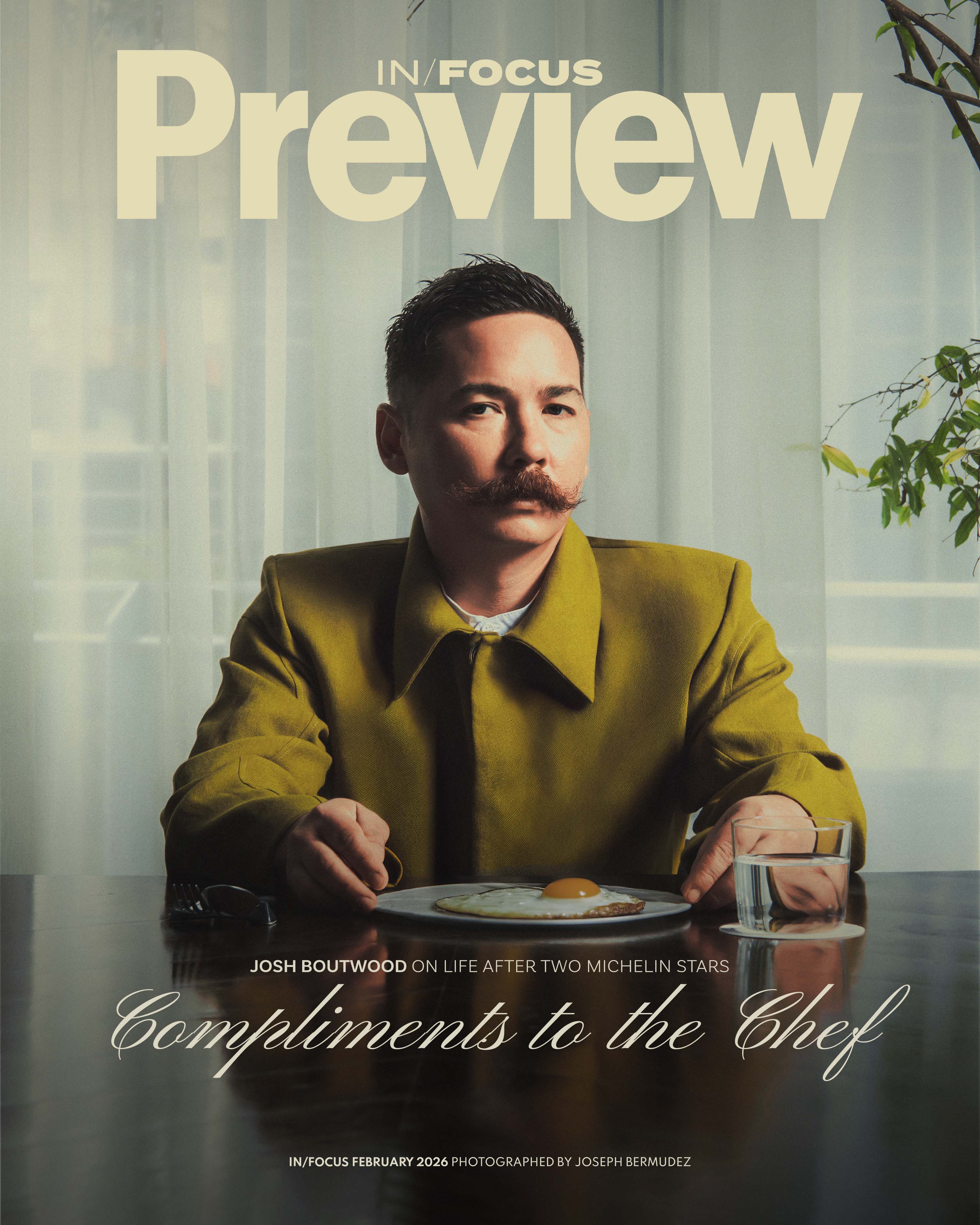
The Control
After the ceremony, bookings upon bookings overwhelmed Helm’s system, so much so that the restaurant still comes packed every night. Outside the hubbub of his restaurant, Josh recounts how he and his team were testing out a pumpkin dish the night before, a layered concoction that relied on a single ingredient. “It’s technically driven in a way where different flavors can be extruded from that pumpkin–textures as well,” he says. “I think the foundation's there. We just needed to build up on that.”
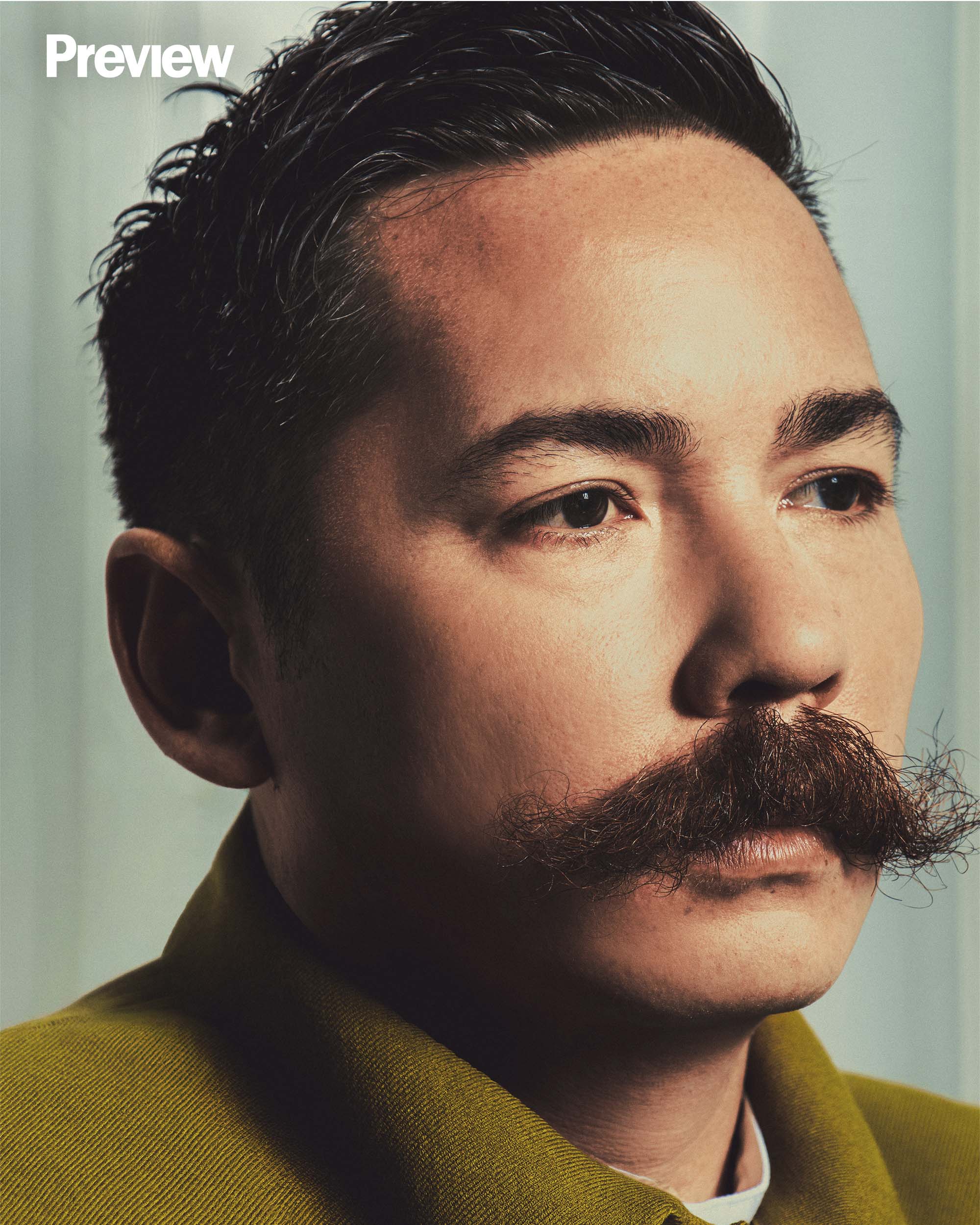
He’s in no hurry, though. Helm, as a concept, hinges on seasonal tasting menus that glean inspiration from different corners of Josh’s mind, including pop culture of the Harry Potter and Star Wars variety to monochromatic color palettes. While Valentine’s Day often prompts restaurateurs to change direction, the chef reeled himself in.
“I was thinking, ‘Why are we rushing?’ There are still so many people who haven’t tried this current menu, and we’re fully booked for every single night,” he recalls. “Let’s slow down, enjoy the moment, get over the very busy period of Valentine’s. And then once things die down slightly, that’s when we’ll start launching the new menu.”
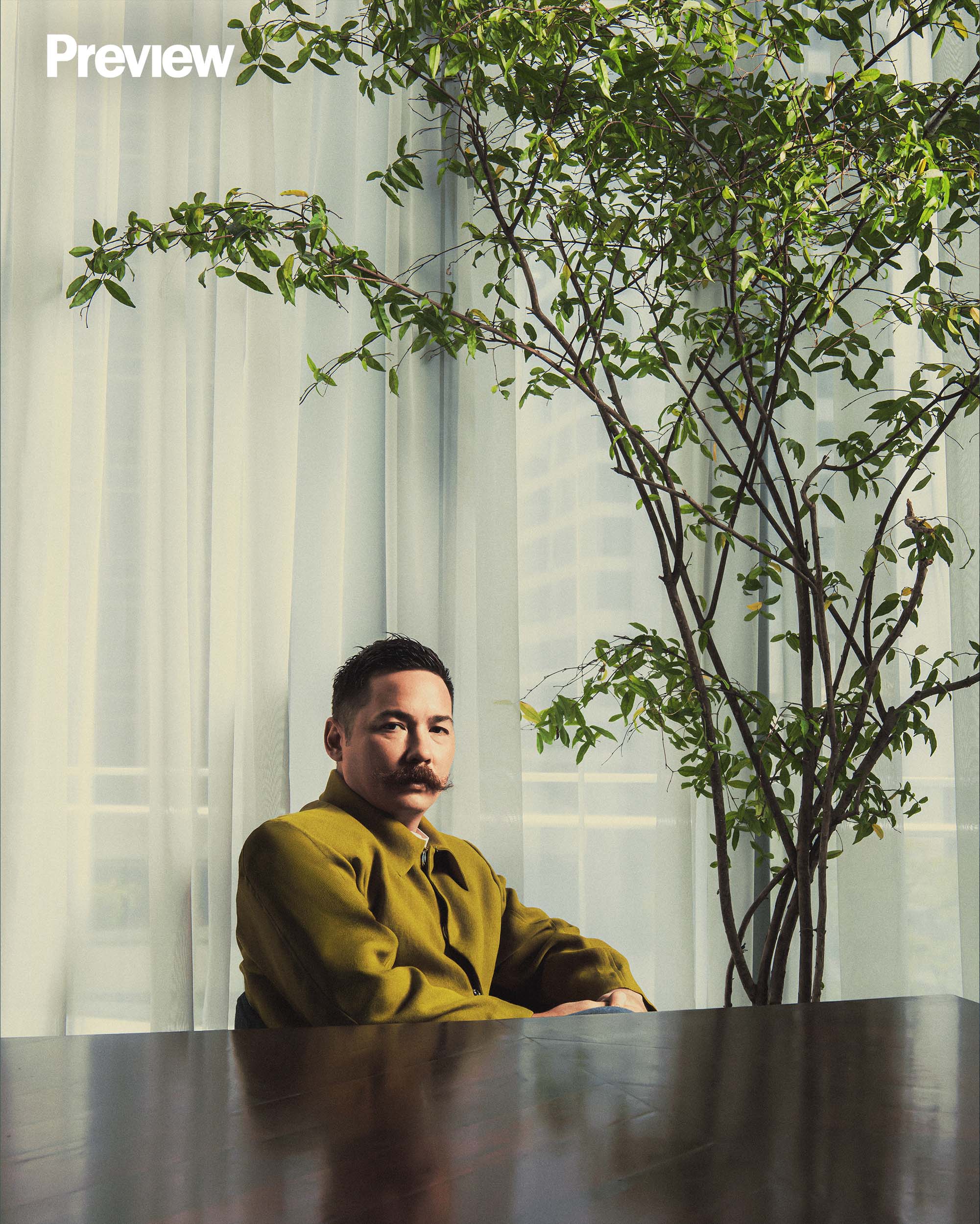
It might be a big break from the stereotype of the head chef screaming expletives in the kitchen, which TV has glorified, in some way. But this controlled silence, as with many other things, was born out of loudness, too. After stints in traditional culinary schools across Europe and an upbringing that led him to corners across the globe, he would soon find his gastronomic calling in his father’s homeland, beginning from the shores of Boracay.
Several restaurants across the board and a title as corporate chef with The Bistro Group later, Josh came to ruminate on a more “clear-minded” routine. Most of his days begin at six in the morning, dropping off his kids at school with a cup of coffee in his system, before he heads to the kitchens with a more relaxed demeanor.
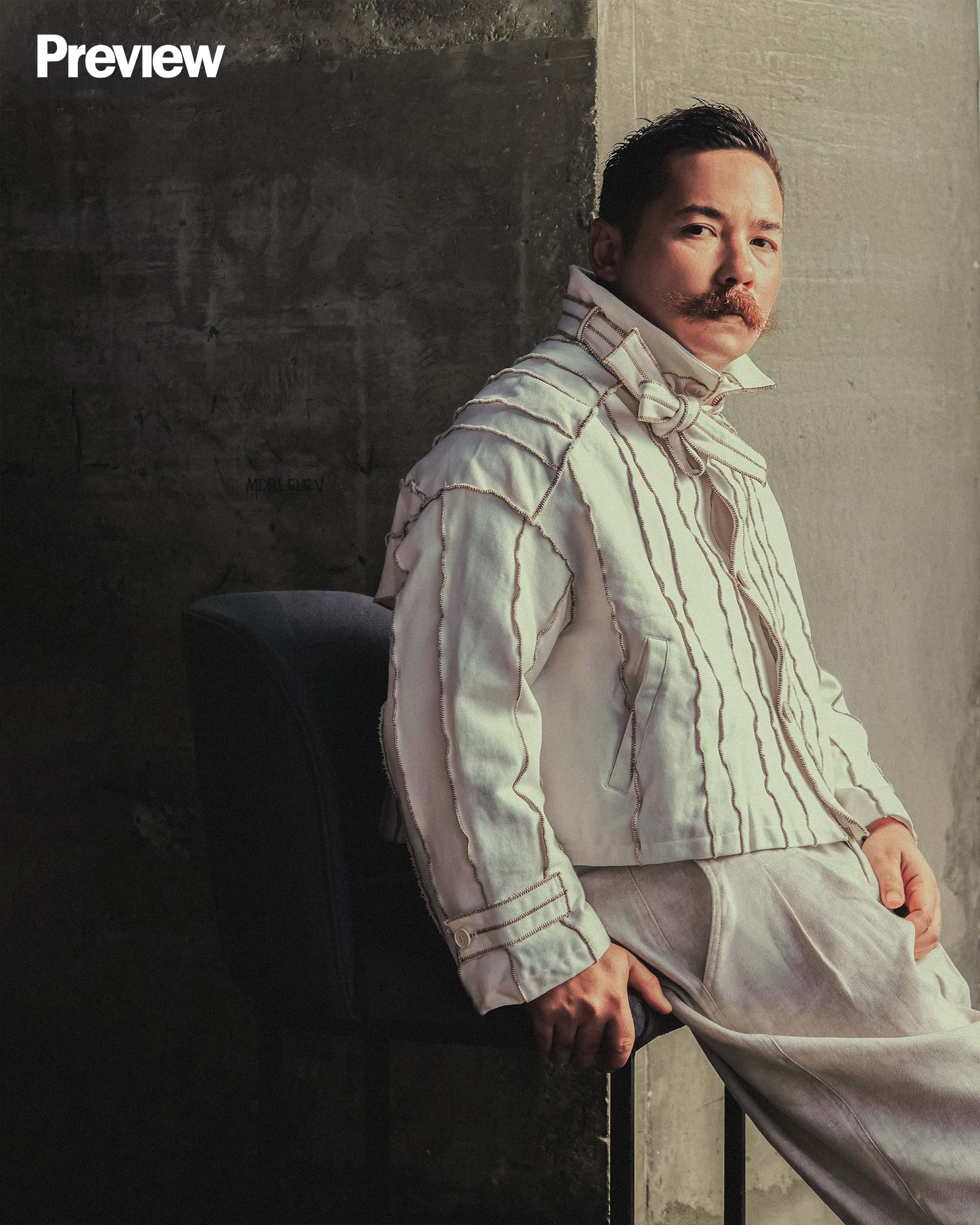
“Obviously, in my line of work, stress comes with the job. I’ve had the opportunity now to be doing this for more than two decades now, and I feel like I've hit my routine, where it’s all about trying to condition my mind to be as clear and without as many distractions as possible.”
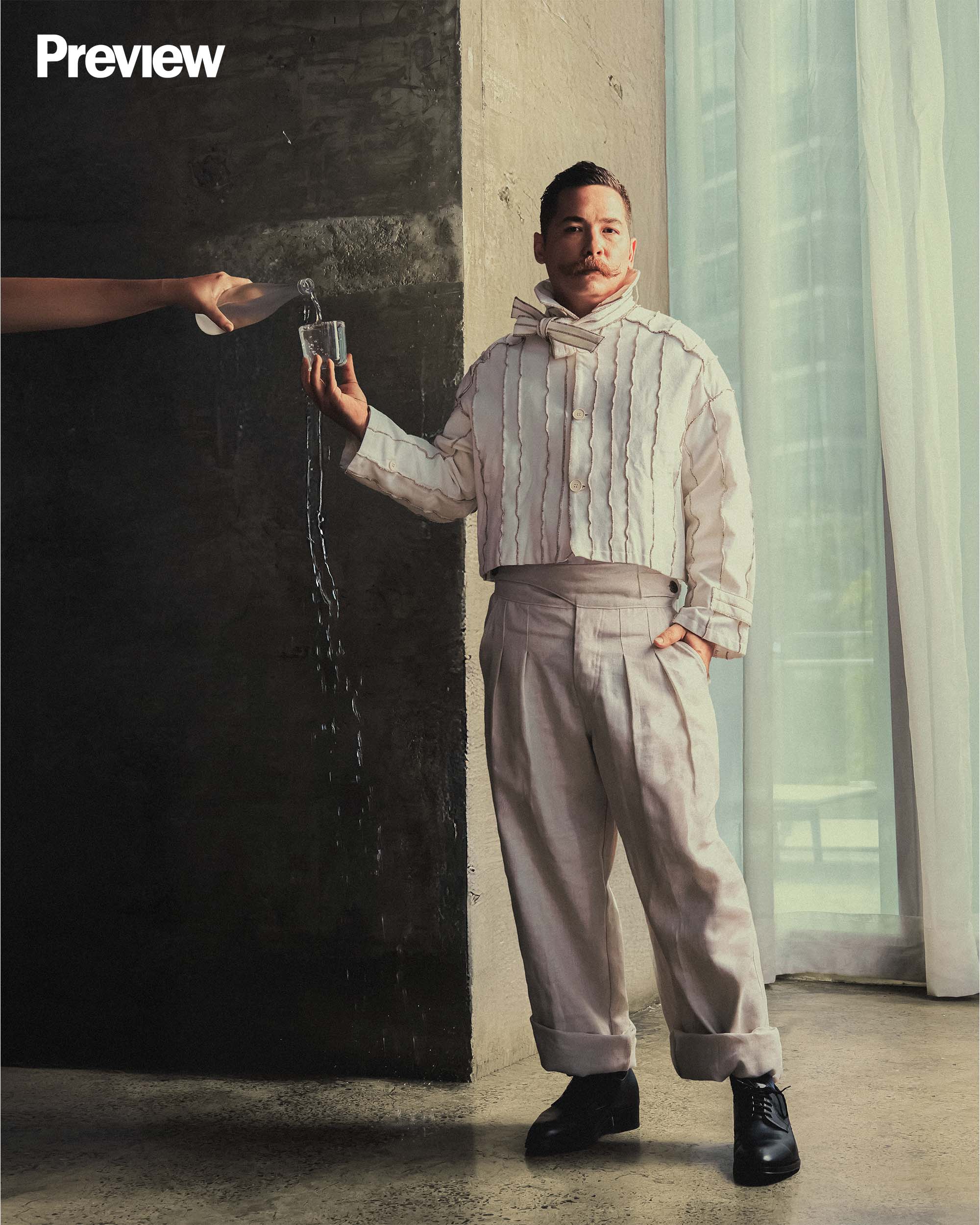
The mindset finds its way to how Helm operates as a silent kitchen. It wasn’t the stuff of The Bear—a series he watched at the behest of practically everyone who recommended it to him—which had caused him anxiety attacks because of the memories of different kitchens that it brought back. Helm’s setup involves diners in the midst of the action, like the audience of the “dance” involved. Here, the stage was the kitchen.
“I don’t want them to hear screaming, ‘Two minutes, get it out of the oven,’” he gestures. “The flow of the whole service is very well choreographed, so that when a guest sits down at the counters, and they look into the kitchen, it's almost a ballet that's going on.”
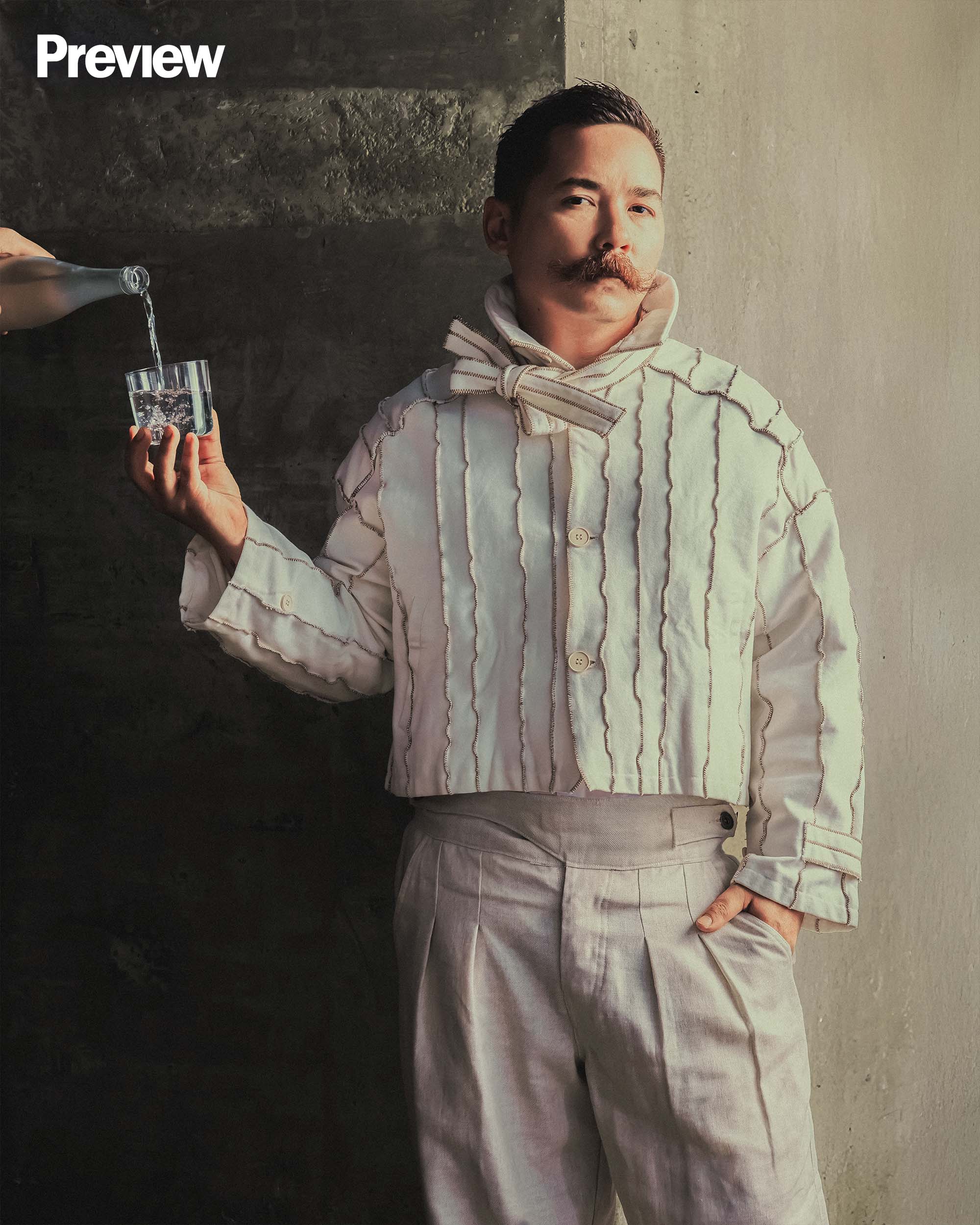
During this, the backdrop of the preparations looms over us, as hours go by before the restaurant formally opens for the day, and the “performance” starts. “Where there are no clocks running, nobody’s calling anything, everyone knows exactly what to do at exactly the right time,” he says. “Words are not needed.”
The Chaos
Outside of the kitchen, voices are much louder. Josh had largely veered away from social media after the Michelin ceremony, but the noise would always find its way to him. After all, once upon a time, the idea of a Michelin star or even a selection was out of reach.
“Ever since I was a kid, I've always been somebody who sets goals. There's always gotta be one beyond something that is close to unobtainable,” he recalls. “Michelin was that unobtainable one because we were in the Philippines.”
And then it wasn’t. Helm’s milestone that once felt geographically impossible was suddenly framed, mounted, and applauded in a ballroom. In the days that followed, the waiting lists grew.
“The pressure is higher than it was pre-Michelin,” he admits. “Just because now we have to retain those guys. You know, we have to work that extra hard just to make sure we don’t fall back.”
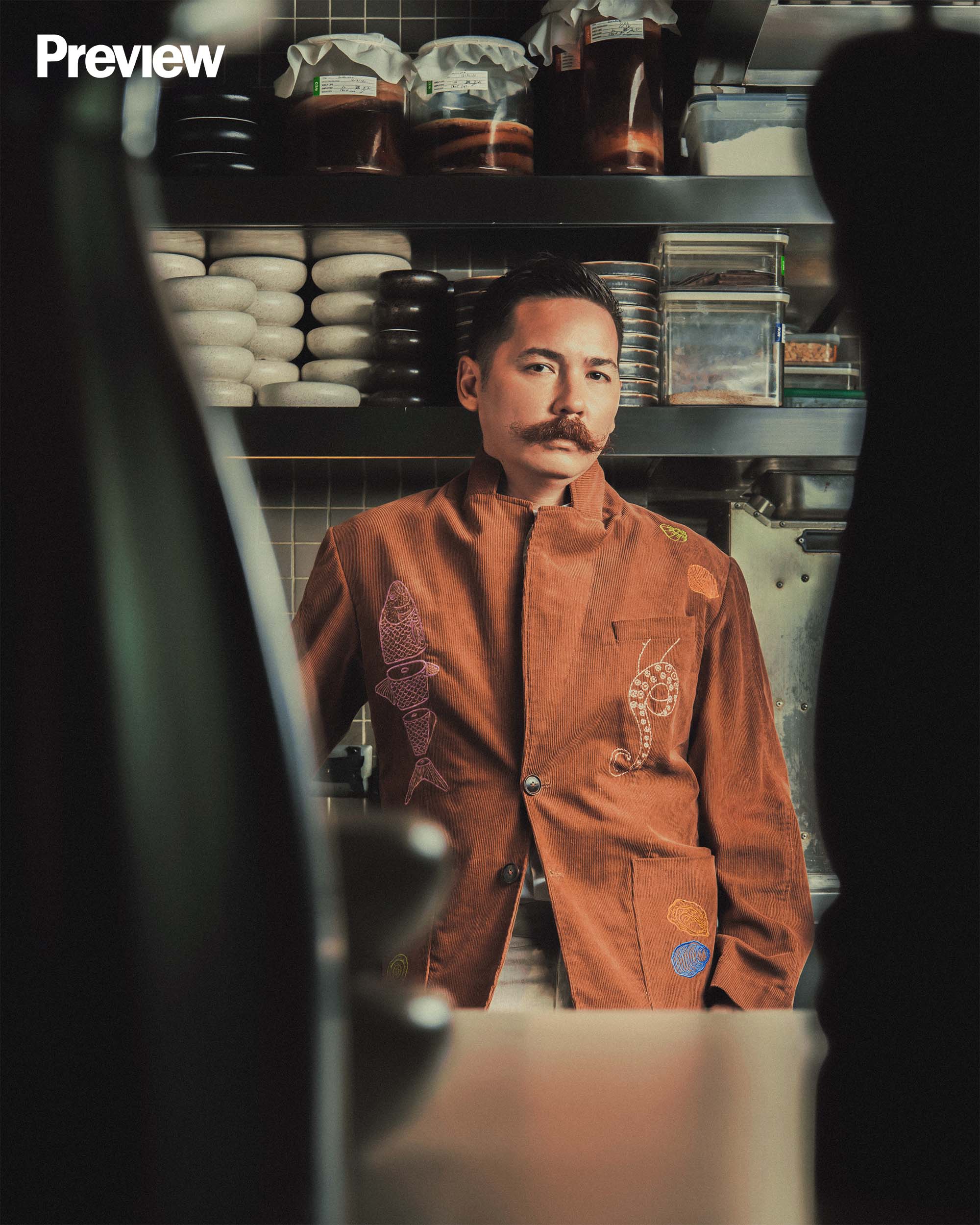
The irony of success is that it narrows freedom. There is less room to stumble, less room to experiment recklessly, less room to exhale. Even the triumph itself carried a complicated aftertaste. When he stood onstage that night and realized no other restaurant had joined him at the two-star tier, the euphoria shifted.
“And I felt lonely. I felt sad,” he says, recalling the moment on stage. “Sad that none of my peers were there with me, because I know they’re worthy of two stars.”
In a landscape where competition is often the loudest narrative, his instinct was not to revel but to look outward. “I said to myself, ‘We have to take this recognition and use it to uplift our local culinary scene.’ I know my peers don’t need any help—they’ve already got really good restaurants. We’re talking about the ones who didn’t get recognized but are worthy of stars.”
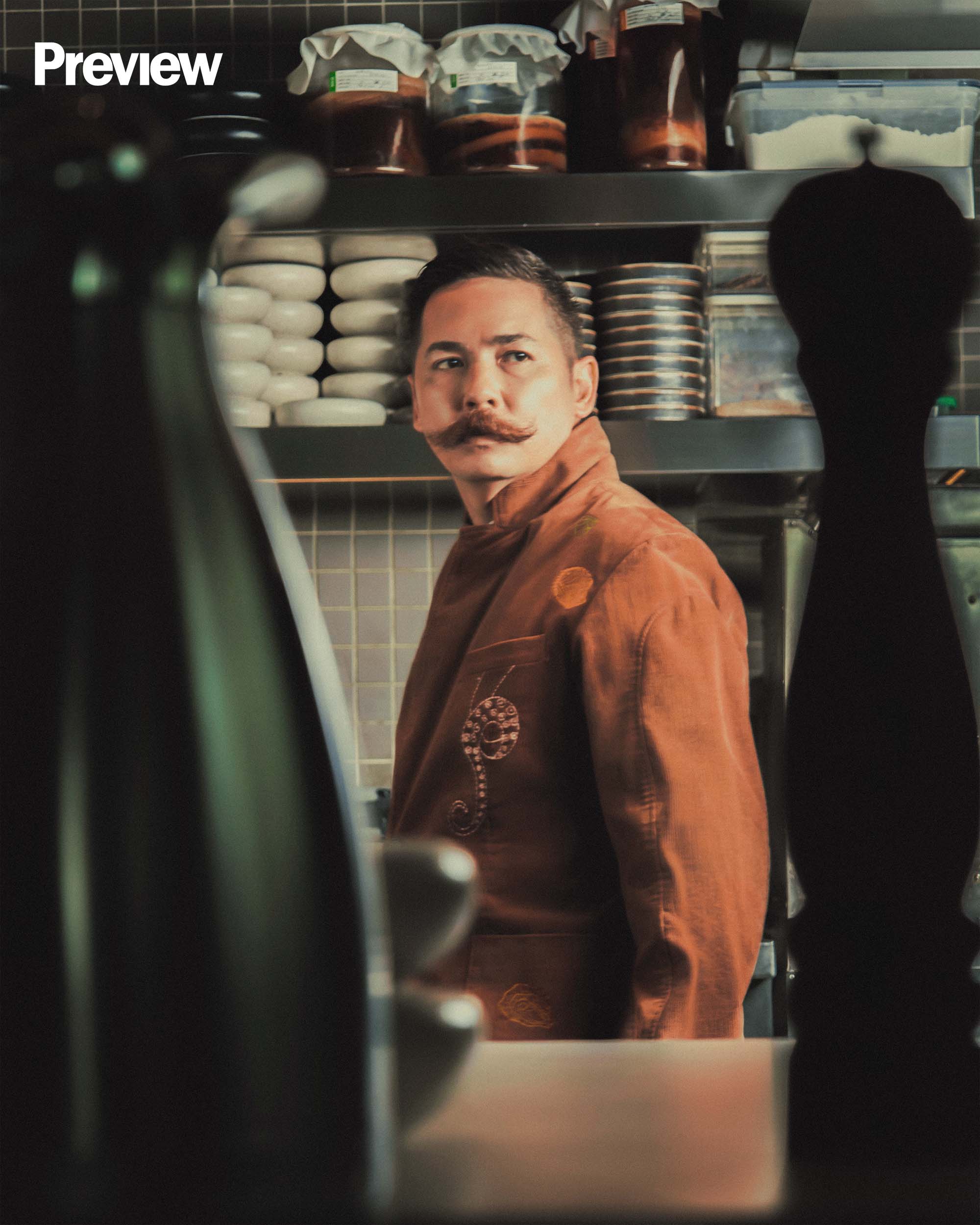
The question of burden—of representing an entire culinary industry in one country—lingers in the background of every interview and every headline. But Josh shrugs it off with a steadiness that mirrors his kitchen.
“I don't see it as a burden,” he says. “I actually see it more as something to be grateful for because we've been propelled onto this stage.”
What Lies Ahead
For all the global markers attached to his name, Josh is quick to interrogate what, exactly, his food represents.
“We've never been considered a Filipino restaurant,” he says. “But I actually think a lot of the misconception comes from people not knowing that I actually am Filipino. The accent doesn't help,” he adds with a laugh. “But I do believe in the heart and soul of this restaurant that we are Filipino.”
In the same breath, he cites Kasama, the Filipino restaurant in Chicago that also holds two Michelin stars, helmed by husband-and-wife team Tim Flores and Genie Kwon. “Tim and I are the only Filipinos there, and I feel this sense of pride,” he says. “I love my country. I love our culture. I love everything about us that, if I can, in any way, shape, or form, represent our country from a culinary standpoint, I will do it to the best of my abilities.”
But representation, he insists, should not be confused with a plea for approval, a topic that had tinged the arrival of the Michelin Guide.
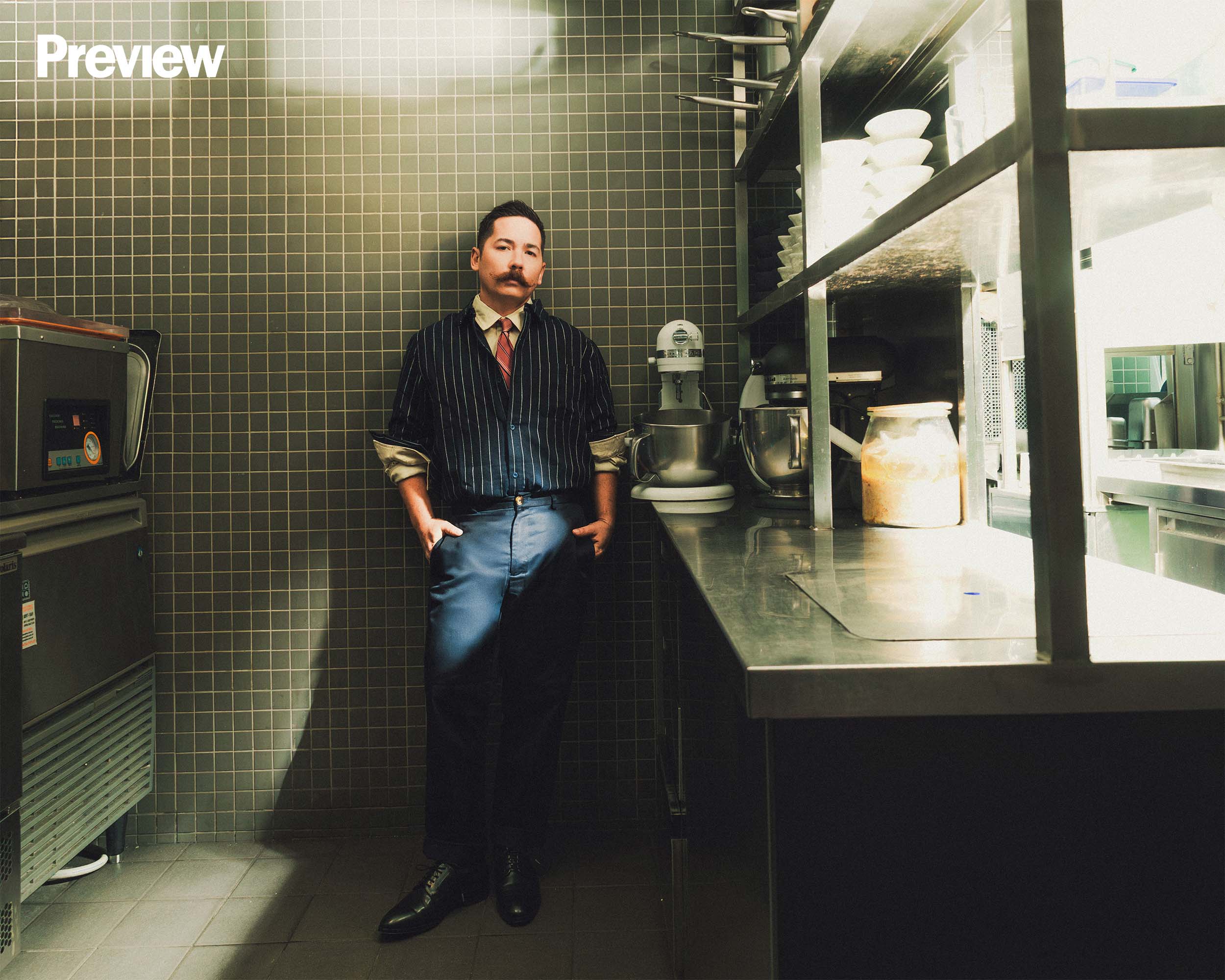
“Trying to form our own identity has meant asking others to look at us. We have to scrap that mentality,” he says. “It's not about gaining validation from an outside source. It's more about having the opportunity to be benchmarked against other international destinations and showing the level our culinary scene is at.”
To him, Filipino cuisine has never been a monolith in need of definition. “Let's go back on tradition really quickly,” he says. “For us in the Philippines, traditional food is a melting pot of multiple different cultures.” The goal, then, is not to mimic neighboring flavors, nor to deny their influence. “We're not similar to Thai, Vietnamese, Chinese, or Malay, yet we have multiple influences from those countries. But that is our identity—it's a melting pot of influences and that should be appreciated as a cuisine in general.”
If the Michelin Guide had never landed on Philippine shores, he believes chefs would have carried on regardless. “We were all enjoying what we were doing prior to Michelin. The difference that Michelin made is that it made life busier for us,” he says. Ingredient sourcing has grown more competitive; demand has soared. “If Michelin never came, I think guests would still be appreciative of our food, yet I still think they would seek food experiences outside of the country. They’ll still chase stars, but now it’s on their doorstep.”
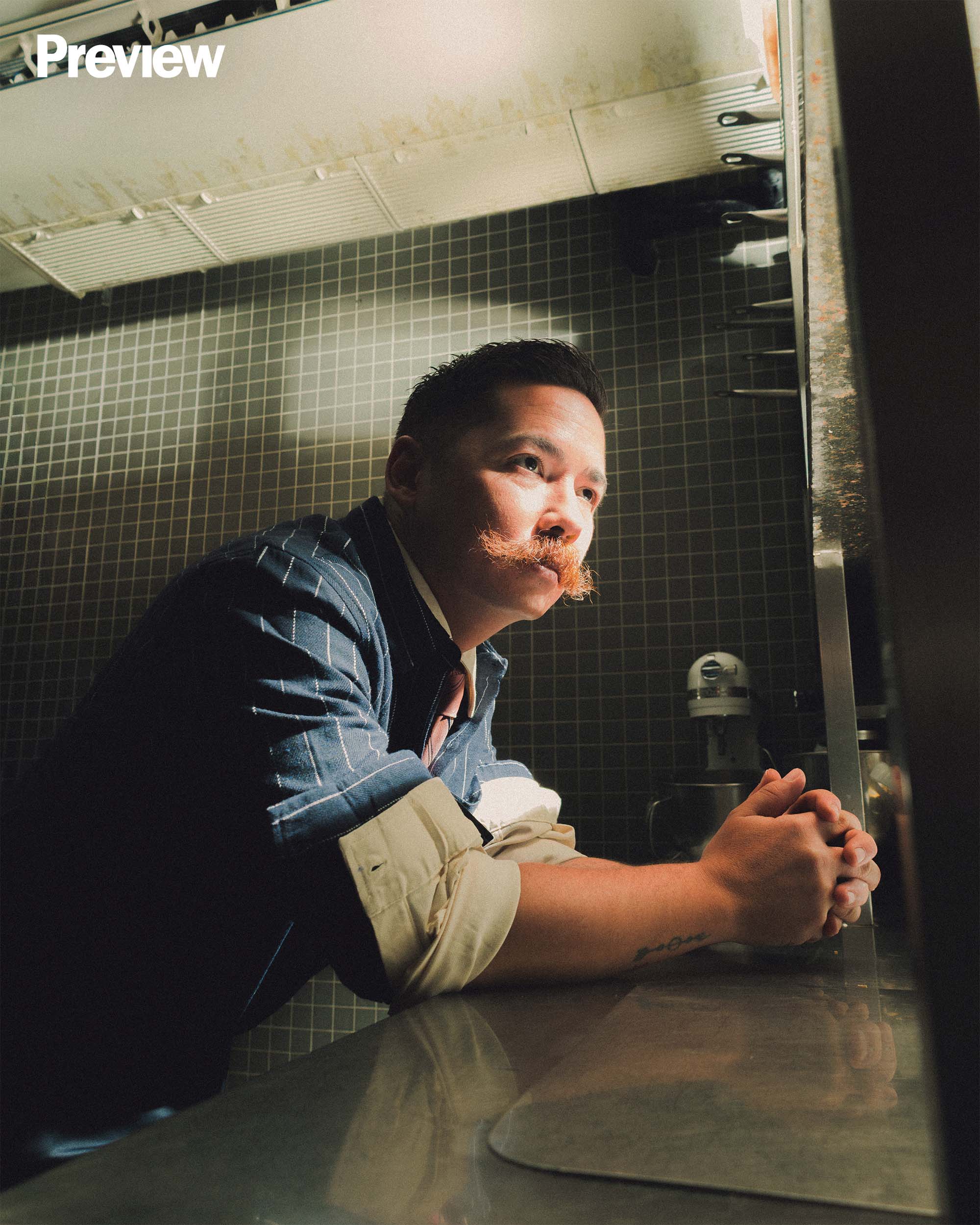
And yet, for all the talk of stars, he no longer cooks in pursuit of perfection.
“I realize that now, with my age and wisdom, why are we going to kill ourselves trying to achieve perfection when food is extremely subjective?” he says. “I've stopped chasing perfection and started to follow the enjoyment of eating. One might feel it's subpar; the other might think it's perfect—but now, it's not what we are chasing.”
What he is chasing, however, remains an open question.
“I feel what hurt most was that I don't know what my next dream is going to be,” he admits. The night that should have closed a chapter instead left a blank page. “The realization, like, ‘What’s next?’ I don't know what that end goal is because nobody will ever know, but we're still on that path.”
He pauses, then adds, “Right now, I haven't filled that void yet after gaining those two stars, so mentally, it is quite a struggle. There's always gotta be a progression of going forward and making sure that we progress. Now I've just got to figure out what that journey's gonna entail.”
For now, the journey is practical, almost mundane. “Trying to stay alive. Trying to get as much sleep as I can,” he jokes. “I get four hours of sleep a night at the moment, and it's not enough. I'm a growing plant.”
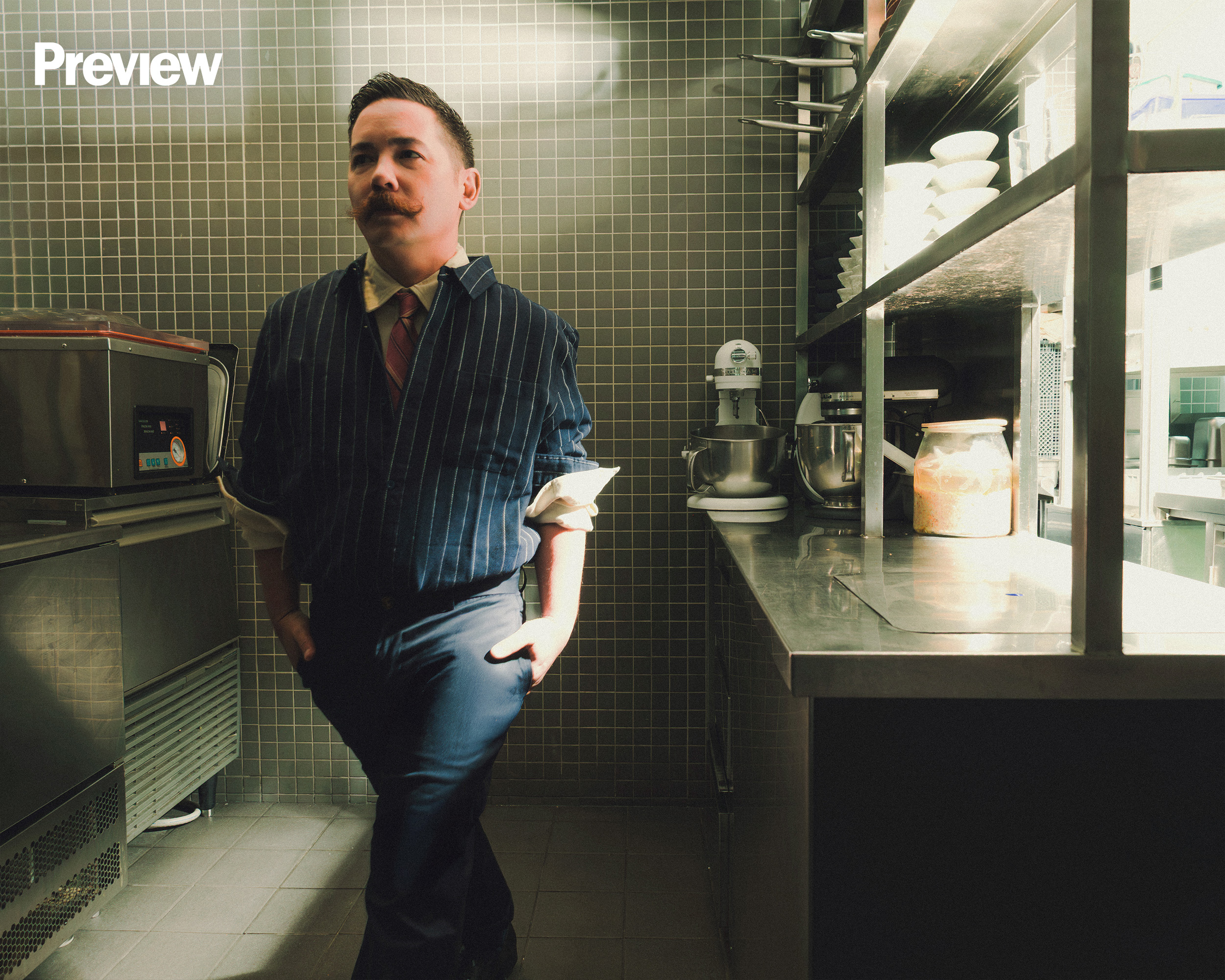
The ambition, however, has not dulled, as he continues to focus on innovating. At the heart of it all is a philosophy disarmingly simple. “We've only served what we enjoy cooking. It shows on the plate. When you enjoy what you do and the food you produce, it's extremely enjoyable for the guests to eat.”
The stars may have changed the scale of the stage, but still, at its core, the same routine plays.
“We've continued that,” he says. “We're not trying to prove anything. We're not reinventing anything. We're just still enjoying what we do.”

Produced and Styled by the Preview Team
Editor-in-Chief: Marj Ramos-Clemente
Managing Editor: Reg Rodriguez
Assoc. Creative Director: Jana Jodloman
Assoc. Multimedia Director: Bea Felice Panganiban
Producers: Katrina Maisie Cabral and Em Enriquez
Photographer: Joseph Bermudez, assisted by Rojan Maguyon. Art director: Jana Jodloman. Video director and videographer: Bea Felice Panganiban. Fashion stylist: Em Enriquez. Makeup artist: Team Muriel Vega Perez. Writer: Katrina Maisie Cabral. Shoot assistants: Alfred Locsin and Gerry Oribeda Jr. Special thanks to Joey Suarez of EAT Public Relations. Shot on location at Helm.
Kat is Preview's Lifestyle Editor, explorer, and occasional rhymer. When not globe-trotting, she's over her computer, writing her next big novel.