Did You Know? Filipinos Helped Mexicans Develop Tequila
Before tequila had a name, Filipino distillation methods were already at work in western Mexico.

Published on Feb 6, 2026
Tequila feels inseparable from Mexico. It’s one of the country’s most recognizable exports, so closely tied to national identity that its origins rarely come into question. What’s less widely known is that the techniques behind it were shaped, in part, by Filipino knowledge.
Long before tequila was named, regulated, or exported worldwide, methods of fermentation and distillation were already moving across the Pacific. Filipino sailors traveling on the Manila–Acapulco galleons brought with them centuries-old practices of spirit-making—methods that later intersected with agave production in western Mexico.
The Filipino Roots of Tequila
Filipino sailors were a significant presence aboard the galleons that linked Manila and Acapulco from the 16th to the early 19th century. Many never returned to the Philippines, settling instead along Mexico’s Pacific coast. In regions such as Colima, they formed communities and brought coconuts, along with the techniques used back home to ferment coconut sap into tuba and distill it into stronger spirits like lambanog.
In the Philippines, coconut fermentation and distillation had existed for centuries, embedded in everyday life and local economies. When Filipino migrants encountered agave in western Mexico, the same principles—fermentation followed by distillation using relatively simple equipment—proved adaptable to a new plant.
.jpg?format=original)
Filipino Distillation Methods with Agave
Anthropologist Gideon Lasco of the University of the Philippines writes in Sapiens.org that while Indigenous communities in Mexico had long fermented agave, sustained distillation appears later in the historical record. In coastal western Mexico, Filipino distillation methods helped bridge that gap—a connection also noted in Esquire Philippines, which points to coconut-based distillation techniques carried by Filipino sailors and later adapted to agave.
Evidence of this influence still appears in traditional agave production. In a feature for Liquor.com on the Philippine influence in Mexican mezcal distilling, bottles of tuxca—an agave distillate from southern Jalisco—are explicitly labeled destilador Filipino, referencing the type of still used in production.
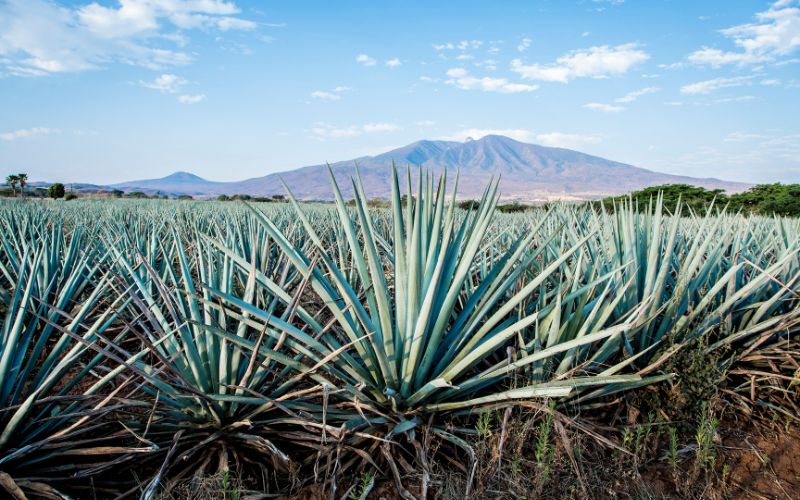
Colima, in particular, became an early site of this exchange. Indigenous knowledge of agave cultivation and cooking intersected with Filipino distillation techniques, often using rudimentary stills made from wood, metal, and clay. Over time, these methods spread inland, laying groundwork for the agave spirits that would later be classified as mezcal and, eventually, tequila.
Some signs of this Filipino presence are still visible. In Colima today, tuba is sold in public plazas, typically chilled and sometimes mixed with fruit or nuts. While it’s now considered a regional drink, the name comes from ubâ, the Tagalog term for fermented coconut sap.
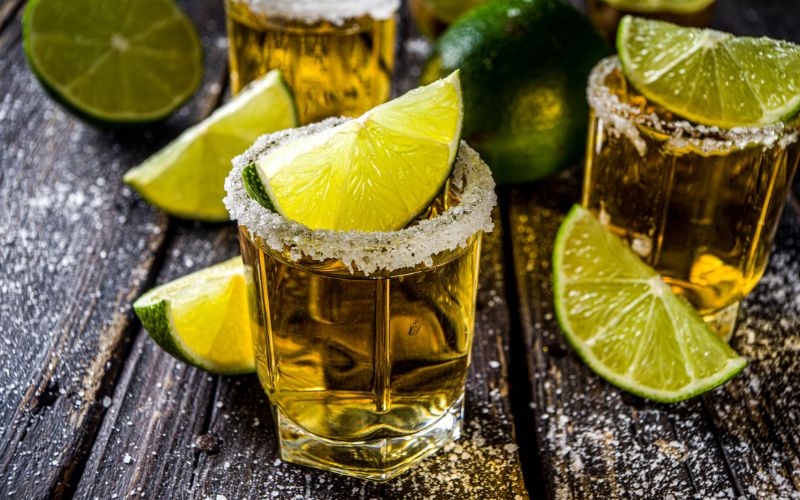
Ethnohistorical research cited by Erstwhile Mezcal also notes that in parts of western Mexico, tuba has been used to describe fermented agave mash before distillation, suggesting that the idea, and even the language, traveled with the technique.
None of this diminishes tequila’s place in Mexican culture. Tequila is unmistakably Mexican, rooted in agave traditions, regional geography, and centuries of local refinement. But its early development reflects a wider Pacific history.
So why isn’t this connection more widely known? Gideon Lasco suggests that colonial history is often taught through the lens of imperial powers, leaving less room for exchanges between colonized peoples themselves. Filipino sailors blended into local communities over generations, and their contributions became absorbed into regional traditions rather than preserved as distinct origin stories.

Kat is Preview's Lifestyle Editor, explorer, and occasional rhymer. When not globe-trotting, she's over her computer, writing her next big novel.