Netflix Reportedly Wants Plot Points Repeated Several Times for Viewers Distracted by Their Phones
In an interview, Matt Damon said the streaming giant requested this for viewers who are “on their phones while they’re watching.”

Published on Feb 4, 2026
Streaming is changing the way movies are made. Netflix has reportedly asked filmmakers to repeat key plot points in dialogue to keep viewers engaged—even when they’re distracted by their phones.
According to Hollywood actor and filmmaker Matt Damon, the streamer now wants plots restated multiple times within a film’s dialogue, specifically for viewers who are half-watching while glued to their phones. The comment came during an appearance with Ben Affleck on The Joe Rogan Experience, where the longtime collaborators reflected on how streaming platforms are quietly rewriting the rules of filmmaking.
Matt Damon Says Netflix Wants Plot Repeated for People Distracted by Their Phones
Promoting their Netflix film The Rip, Matt and Ben discussed the stark difference between watching movies in theaters versus at home. Matt described the theatrical experience as communal and immersive, compared to home viewing, which he said often comes with distractions—lights on, kids running around, phones within reach.
That shift in attention, he explained, has led Netflix to rethink traditional pacing. The classic action-movie blueprint—three major set pieces spread across the film, with the biggest saved for the finale—no longer feels sufficient for streaming audiences.
“The standard way to make an action movie that we learned was, you usually have three set pieces,” Matt said on the podcast. “One in the first act, one in the second, one in the third… And now they’re like, ‘Can we get a big one in the first five minutes? We want people to stay. And it wouldn’t be terrible if you reiterated the plot three or four times in the dialogue because people are on their phones while they’re watching.”
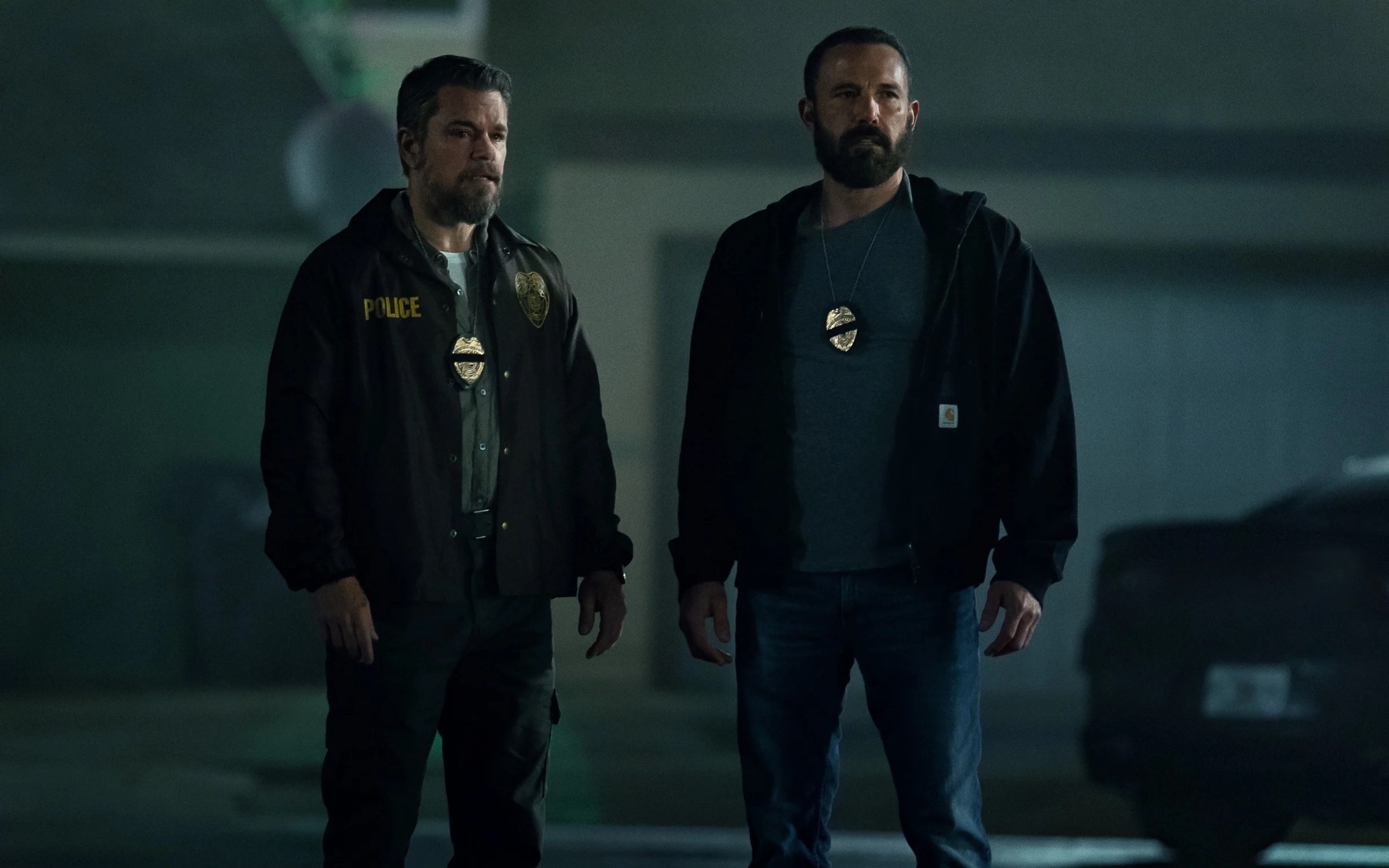
Ben was quick to point out that this approach isn’t the only way to succeed on the platform. He brought up Netflix’s limited series Adolescence as a counterexample—one that ignored many of those so-called retention tricks and still resonated with viewers.
“But then you look at Adolescence, and it didn’t do any of that s***,” Ben said. “And it’s f***ing great.” He highlighted the show’s quiet, patient storytelling, noting long stretches with minimal dialogue and scenes that resist constant explanation.
While Matt agreed that Adolescence stands out, he suggested it may still be an exception rather than the rule. Ben, however, saw it as proof that audiences don’t always need hand-holding to stay engaged.
“My feeling is just that it demonstrates that you don’t need to do any of that s*** to get people [to watch],” Ben said.
What This Means for Filmmakers Moving Forward
The conversation also touched on the broader implications of streaming’s dominance. Matt admitted that the push to front-load spectacle and repeat story beats could start to affect how stories are told overall. Still, Ben pushed back against the idea that streaming poses an existential threat to cinema.
He compared the current moment to earlier industry shifts, noting that theatrical moviegoing has survived television and other disruptions. For him, the appeal of seeing a film in a packed theater remains intact, something streaming can’t fully replicate.

As for The Rip, the duo also revealed they negotiated a rare deal with Netflix through their company Artists Equity, ensuring their crew would receive bonuses if the film performs well, an unusual move for a platform known for upfront payments rather than backend rewards, according to The Hollywood Reporter.
Whether Netflix’s dialogue-heavy approach becomes the norm or remains one strategy among many, the takeaway is clear: how we watch is increasingly shaping what we watch.

Kat is Preview's Lifestyle Editor, explorer, and occasional rhymer. When not globe-trotting, she's over her computer, writing her next big novel.