Did You Know? Manny Pacquiao Was the "Inspiration" Behind the "Physical" Franchise
Before the Filipino boxing legend competed, the “Physical” producer revealed Manny Pacquiao inspired the saga.

Published on Nov 12, 2025
Manny Pacquiao is known around the world for his boxing achievements, but few know he also played a key role in shaping Netflix’s Physical franchise. According to Deadline, series producer Jang Ho Gi also credits the Filipino boxing legend as the “inspiration” behind the high-octane reality franchise.
“Physical” Producer Reveals That Manny Pacquiao Inspired the Reality Show Franchise
In a Deadline interview with series producer Jang Ho Gi, Manny Pacquiao’s impact on Physical began long before cameras rolled. The producer, who created the first two seasons of Physical: 100, described the boxer as “the inspiration behind the whole franchise.”
He recalled flying to General Santos to watch Manny train, share a meal with his family, and even play games with his sons. Seeing an episode of Physical: 100 playing on Manny’s television confirmed the athlete’s familiarity with the format. “I always wanted to work with him, so whenever I had the chance, I would go to see him [whenever] he [came] to Korea, or I would contact him.”
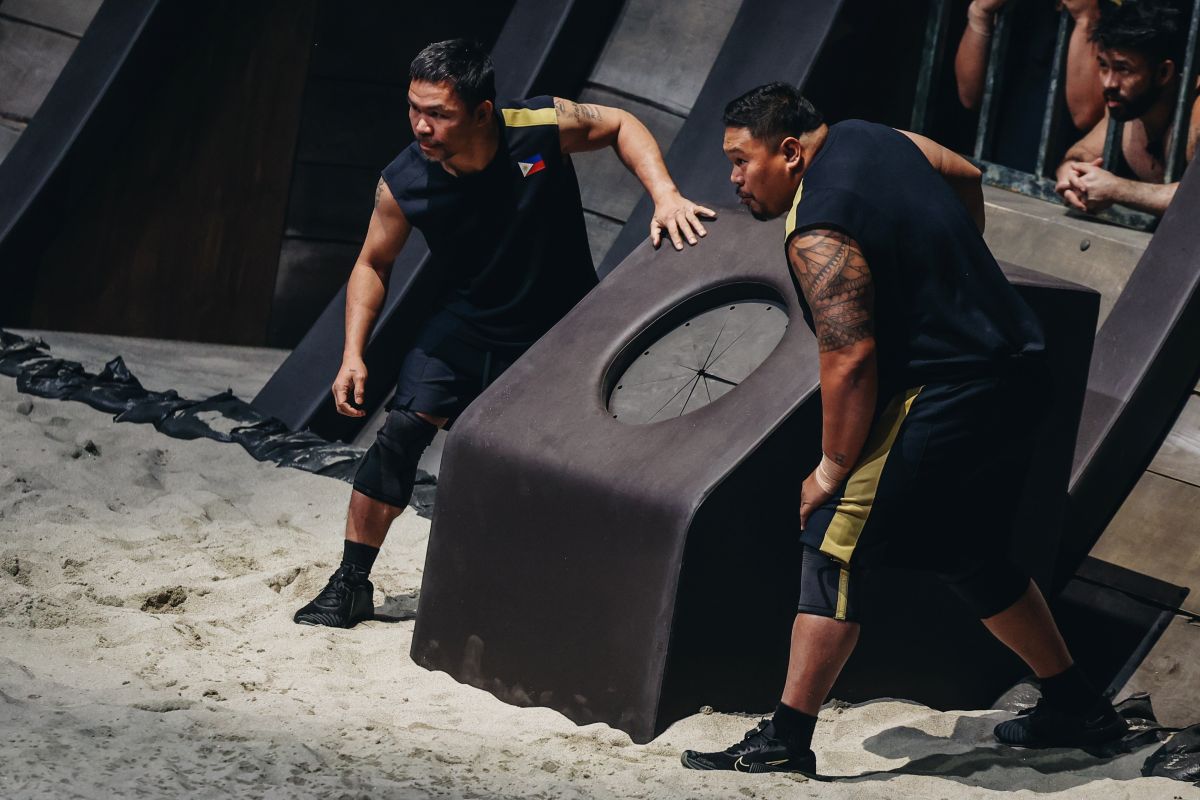
“He told me that he enjoyed watching both seasons of Physical: 100, and I said that we would love to invite him for the next season. He was very willing to take it,” Ho Gi said. “We were very worried, because he’s already been there, done that, and it would be a big challenge for him to participate, because he’s not very young and he’s already done everything. But he didn’t hesitate. He was like, ‘I want a challenge, and I want to show everyone what I’ve got.’ We were very pleasantly surprised that he took it right away.”
As shared during a virtual press conference covered by The Philippine Star, the Filipino boxer was immediately drawn to the series’ challenges. “Excited ako nung tinawagan ako, may tumawag sa akin na sumali daw ako sa Physical: Asia. I was excited [at] that moment over the opportunity to join,” he said, reflecting the same energy that helped shape the franchise from its earliest vision.
Manny led Team Philippines alongside mixed martial arts champion Mark “Mugen” Striegl, rugby player Justin Coveney, strongman Ray Jefferson Querubin, Olympic athlete Robyn Lauren Brown, and CrossFit champion Lara Liwanag. Confident in their balance of strength and strategy, he described them as “complete.” “May malakas kami, may mabilis kami, at tsaka may mga plano kami, magaling mag-plan ‘yung mga kasama ko dito, so we can strategize lahat ng mga gagawin namin para manalo sa bawat challenge,” according to The Philippine Star.
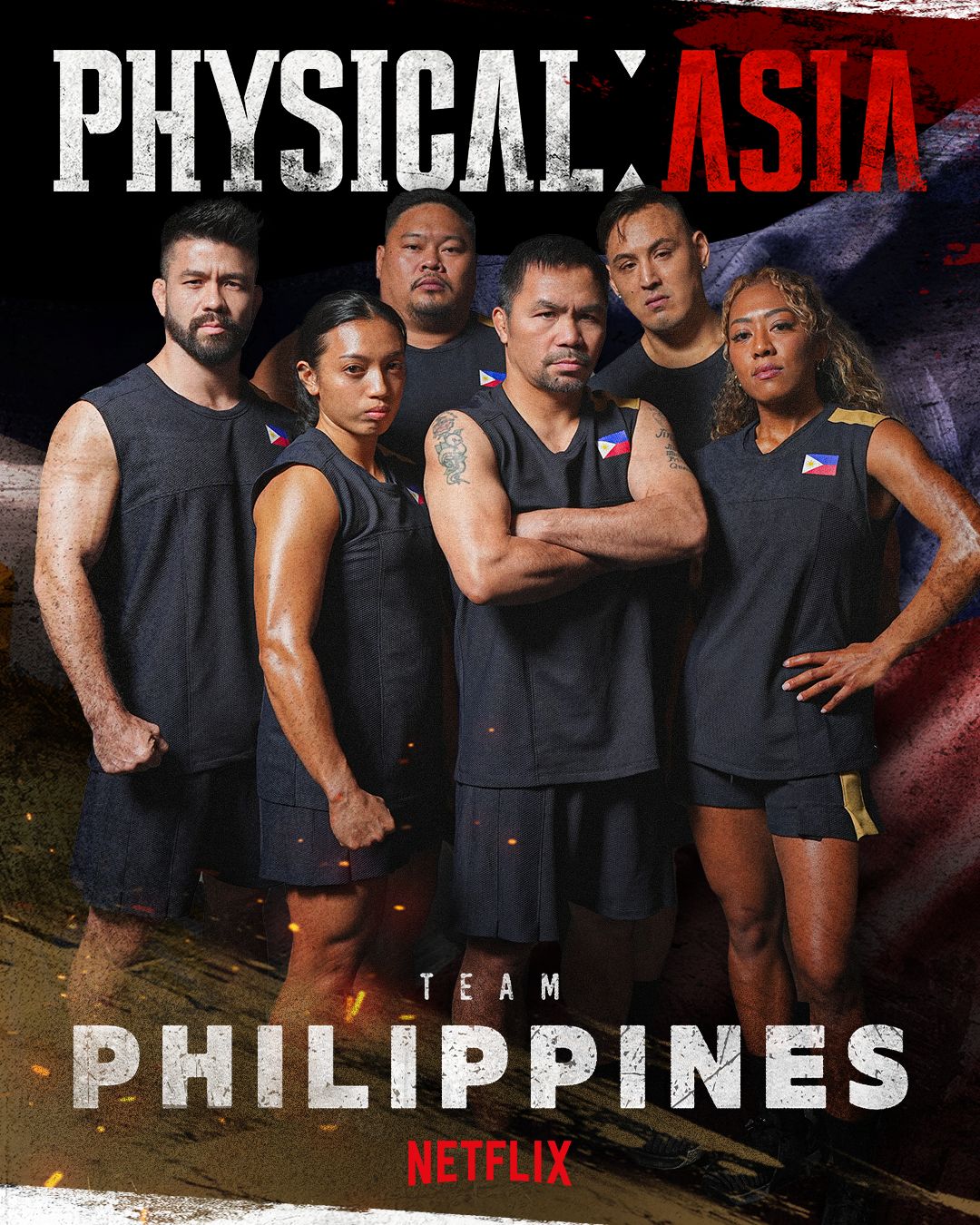
Though Manny exited after Episode 5 to attend to “another obligation” in the Philippines, his leadership had already left a mark on the team. Team Philippines was eventually eliminated in Episode 7, after CrossFit athlete Justin Hernandez faced South Korea’s Amotti and Australia’s Eddie Williams in a sack throw challenge.
Behind the Scenes of “Physical: Asia”
Physical: Asia brought together athletes from eight nations—Korea, Japan, Thailand, Mongolia, Türkiye, Indonesia, Australia, and the Philippines—anchored by traditional sports legends. According to Deadline, Jang Ho Gi highlighted the casting of athletes such as Mongolia’s Bokh wrestler Bayarsaikhan Orkhonbayar, Thailand’s Muay Thai fighter Superbon, and Turkey’s oil wrestling champion Recep Kara.
“There are prejudices and biases that Asian people are smaller,” Ho Gi said to Deadline. “But we wanted to show everyone out there that Asian people can be very strong, and they have their own very strong traditional sports games.”
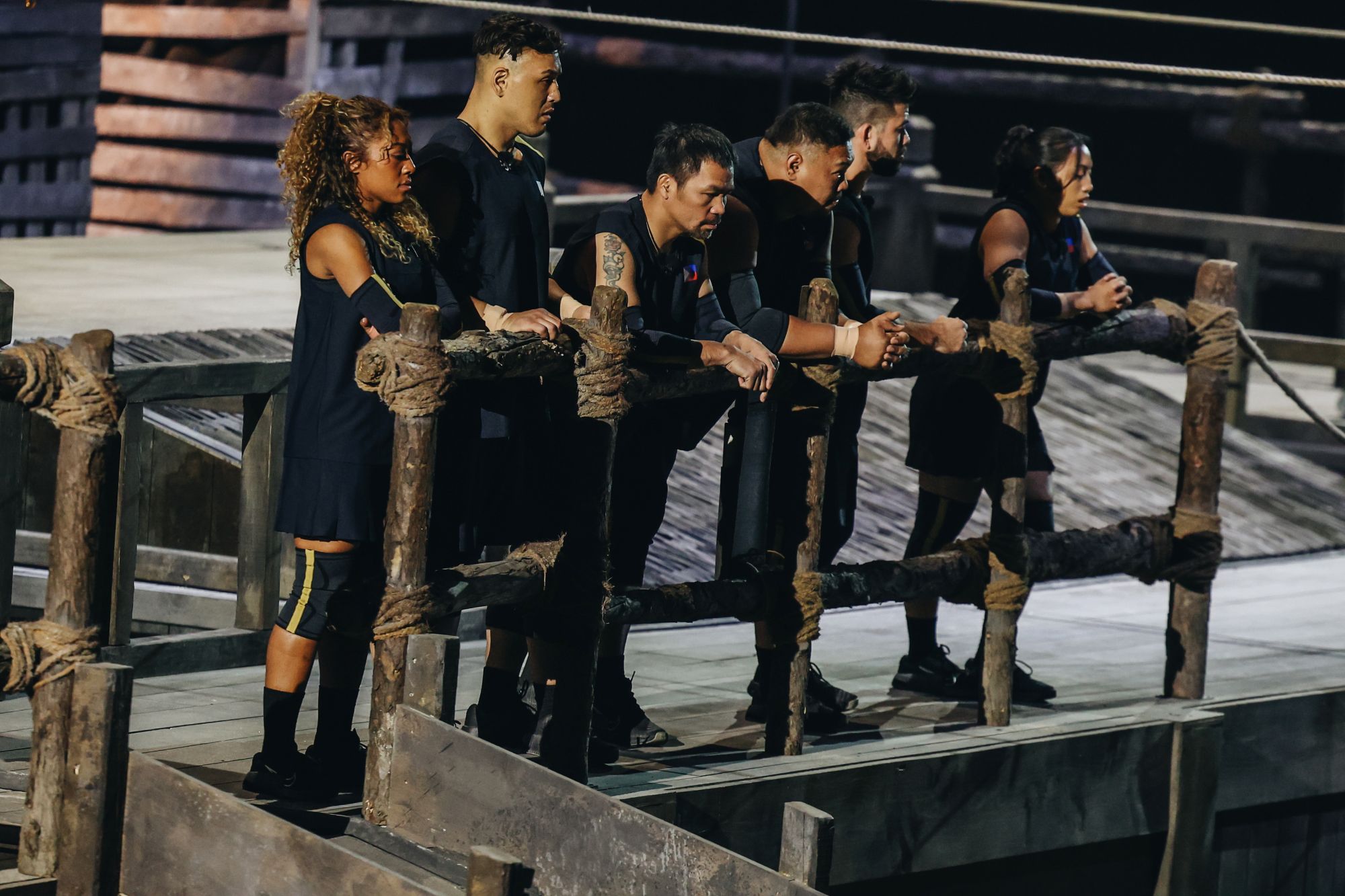
Behind the scenes, production required extensive coordination, with multiple interpreters per team, safety personnel, and medics on standby. The studio, inspired by Korean architecture and mythology, featured referees in traditional “gat” hats and Royal Guard attire, blending cultural heritage into the competition.
Jang Ho Gi emphasized that the franchise’s mission goes beyond competition. “The whole tagline of the show is to transcend race, genders, and borders, so we always wanted to expand,” he told Deadline. The goal is to celebrate athleticism, honor, and national pride, while paving the way for future editions, including potential expansions in Brazil, Africa, the U.S., and Italy.

Kat is Preview's Lifestyle Editor, explorer, and occasional rhymer. When not globe-trotting, she's over her computer, writing her next big novel.
Read more stories about
manny pacquiao ,physical asia ,netflix ,Reality Competition ,filipino athletes ,did you know