All the White Spoon Chefs in "Culinary Class Wars" Season 2
See the masters, Michelin-starred chefs, and a revered Buddhist monk.
Published on Dec 22, 2025
Culinary Class Wars Season 2 premiered on Netflix this December, over a year after the first season became one of the platform’s surprise breakout hits. The competitive cooking series is built around an intriguing contrast between its contestants: the “White Spoons”—chefs with formal training, prestigious kitchens on their résumés, and established reputations—and the “Black Spoons,” up-and-coming chefs and restaurateurs who typically come from humbler backgrounds.
This season boasts an even more stacked roster on the White Spoon side. According to Chosun Daily, directors Kim Hak Min and Kim Eun Ji describe it as bringing in “participants beyond imagination.”
For a peek, here’s who stepped into the kitchen decked in white in season two.
The White Spoon Chefs
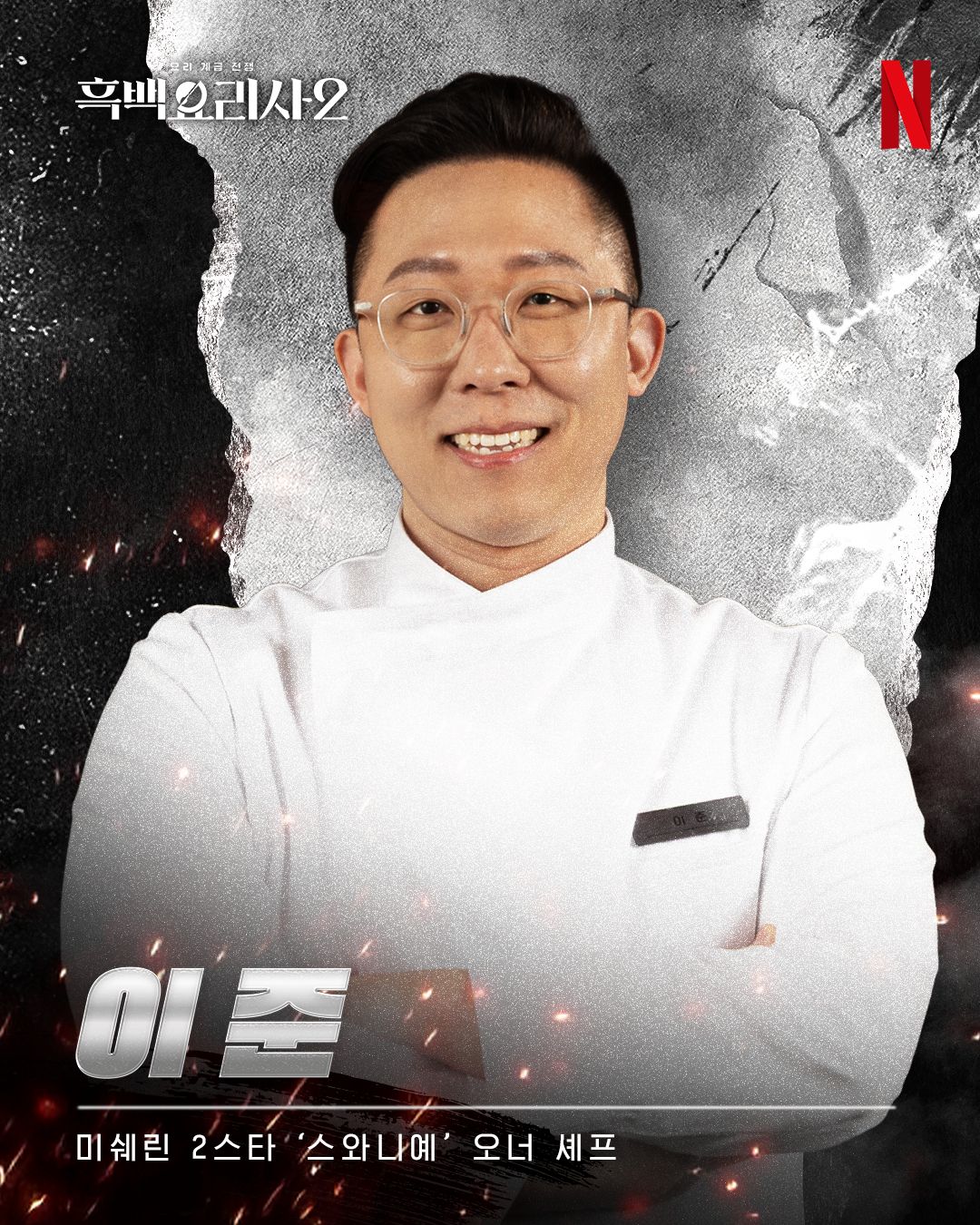
Lee Jun
Chef Lee Jun is one of the names most closely associated with contemporary Korean fine dining. The Seoul-based chef leads Soigné, a Michelin two-star restaurant known for its thoughtful, city-inspired menus that reflect both local tradition and global technique.
After studying at Kyunghee University and training in the U.S., Lee returned to Seoul to shape a dining identity rooted in contrast—pairing familiar Korean flavors with unexpected elements. Since opening in 2015, Soigné has steadily earned critical recognition, holding a Michelin star since 2017 and receiving its second star in 2023.
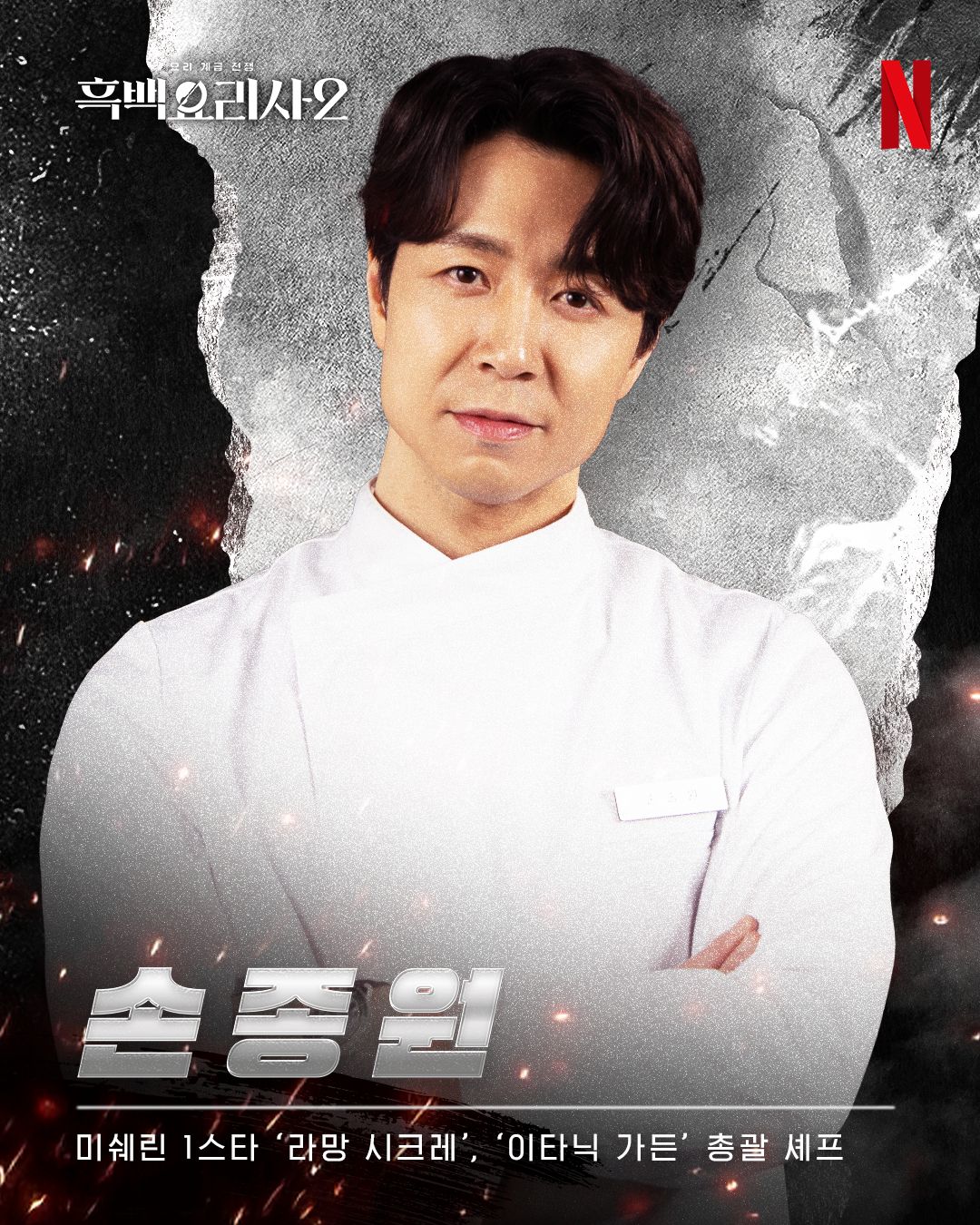
Son Jong Won
Chef Son Jong Won oversees two Michelin one-star restaurants in Seoul: Eatanic Garden and L’Amant Secret, each reflecting a different side of his culinary philosophy.
His work centers on discipline and intention, whether he’s reinterpreting Korean cuisine through a modern lens at Eatanic Garden or applying French techniques to a more sustainable, vegetable-forward menu at L’Amant Secret. Across both spaces, his cooking favors restraint, clarity, and a strong sense of narrative.
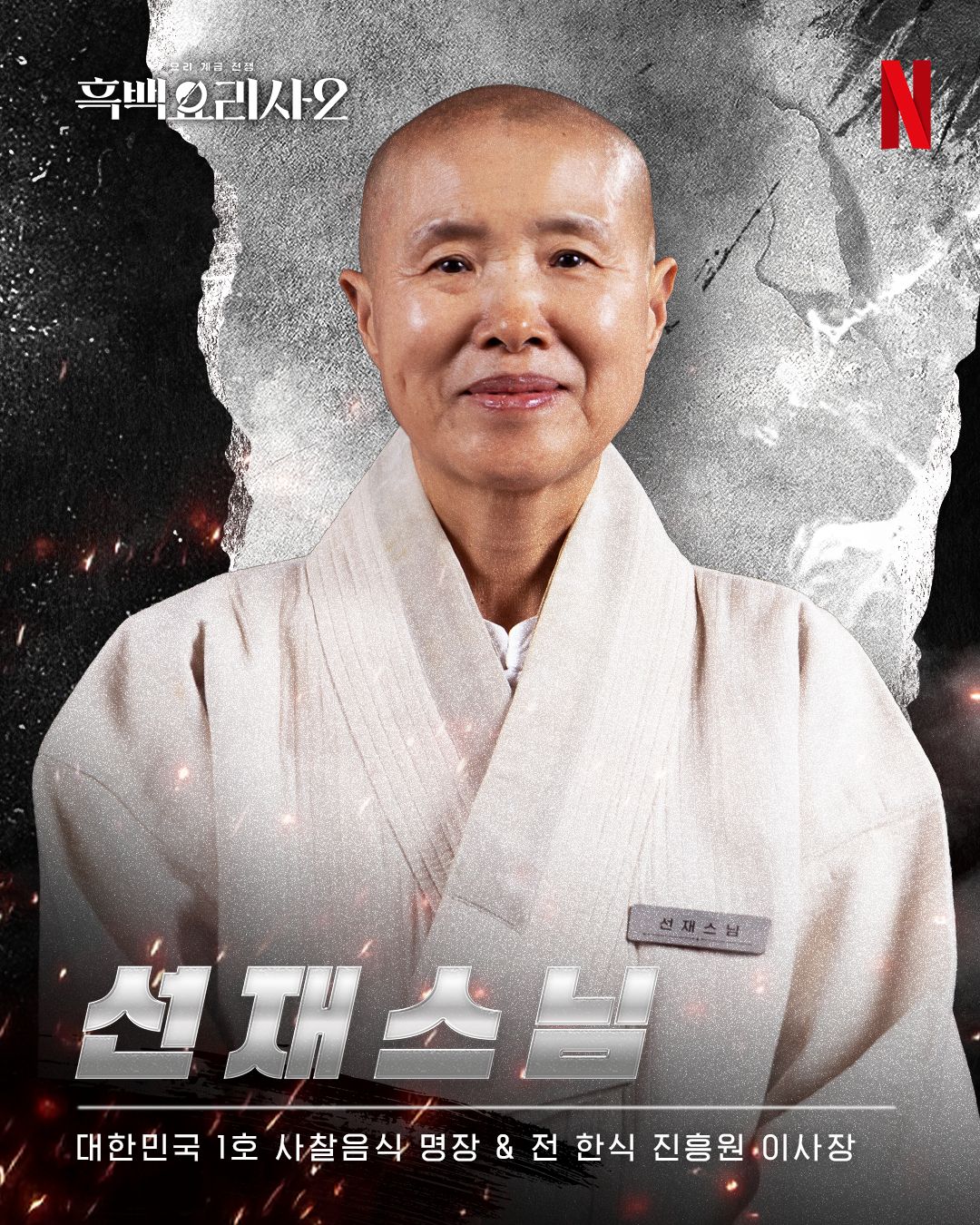
Venerable Sunjae
Venerable Sunjae brings a markedly different presence to Culinary Class Wars as a Buddhist monk and master of temple cuisine. Her work is rooted in the belief that food should nourish both body and mind.
Beyond cooking, she has spent decades teaching and preserving Korea’s temple food traditions, emphasizing seasonality, natural ingredients, and mindfulness. Today, she continues that mission through education and advocacy, positioning temple cuisine as both cultural heritage and living practice.
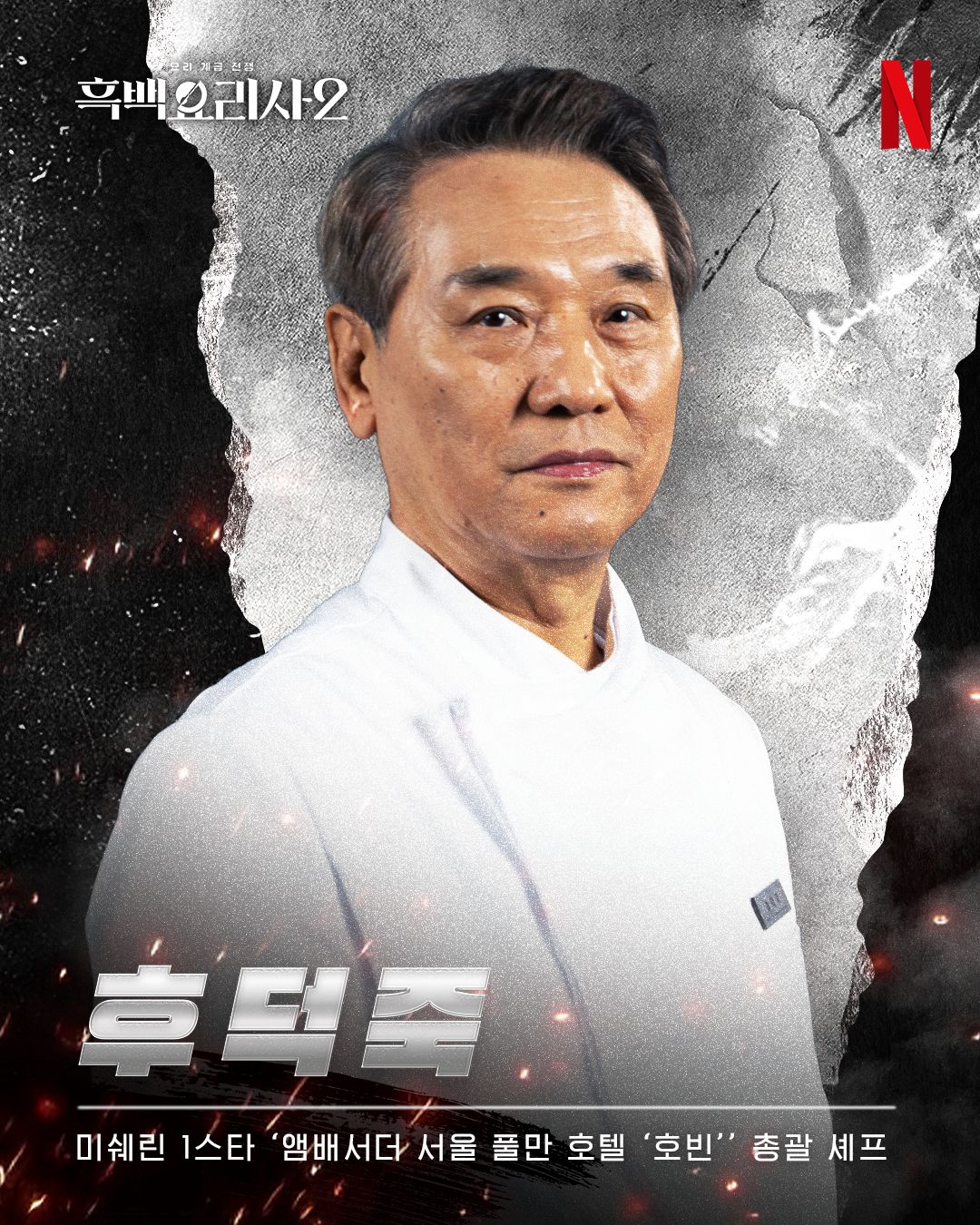
Hu Deok Juk
With more than five decades of experience, Chef Hu Deok Juk is widely regarded as a cornerstone of Chinese cuisine in Korea. He currently leads Haobin, a Michelin-starred restaurant specializing in refined Cantonese cooking.
Known for his mentorship as much as his food, Deok Juk’s approach favors gentle techniques and naturally developed flavors. His cooking prioritizes balance and purity, drawing depth from carefully sourced ingredients rather than heavy seasoning.
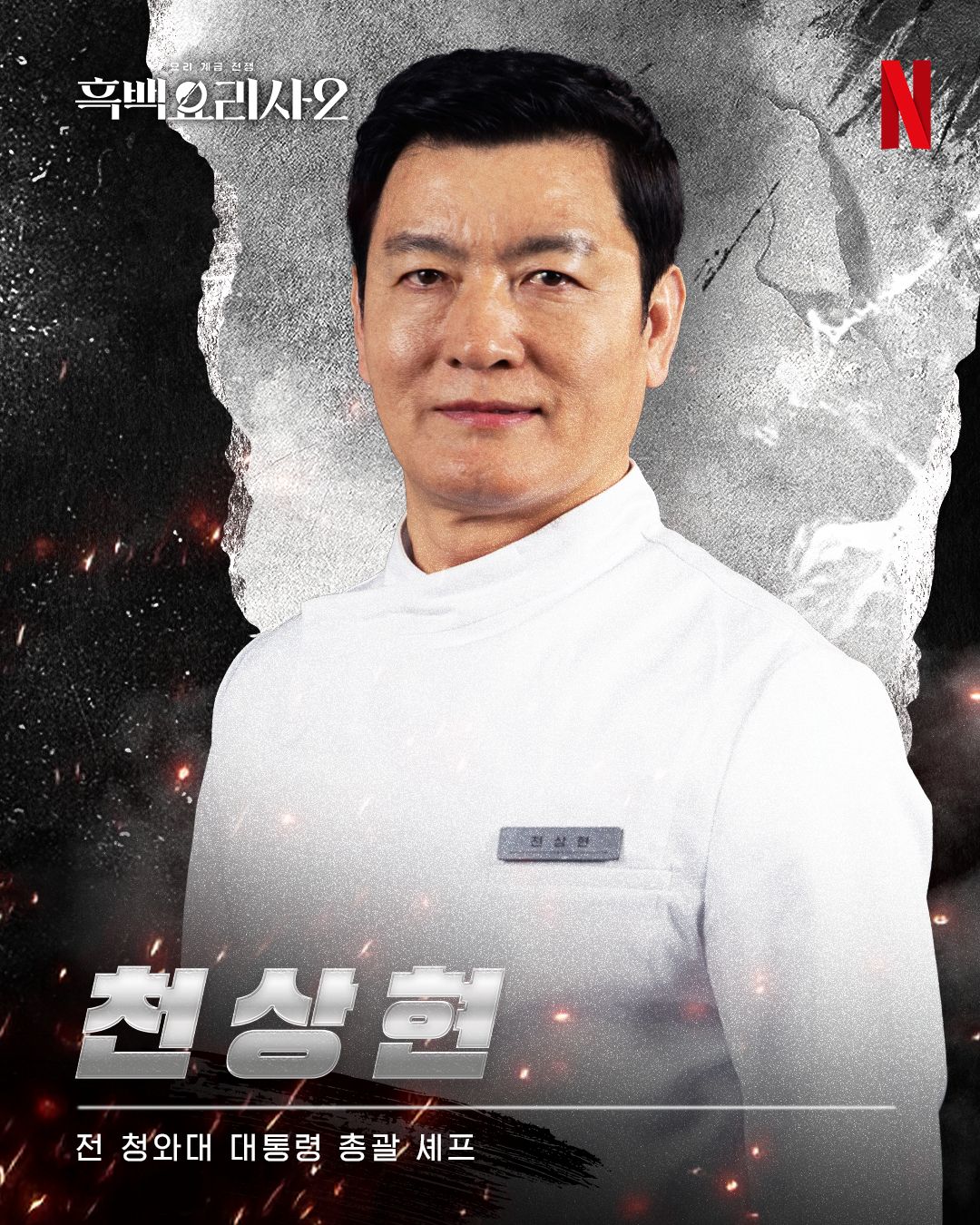
Cheon Sang Hyun
Chef Cheon Sang Hyun spent two decades as executive chef at the Blue House, cooking for multiple South Korean presidents during his tenure. That experience has made him one of the most discreet yet influential figures in Korean-Chinese cuisine.
His work reflects the precision and consistency demanded at the highest levels of state dining, translating that discipline into restaurant cooking shaped by experience rather than spectacle.
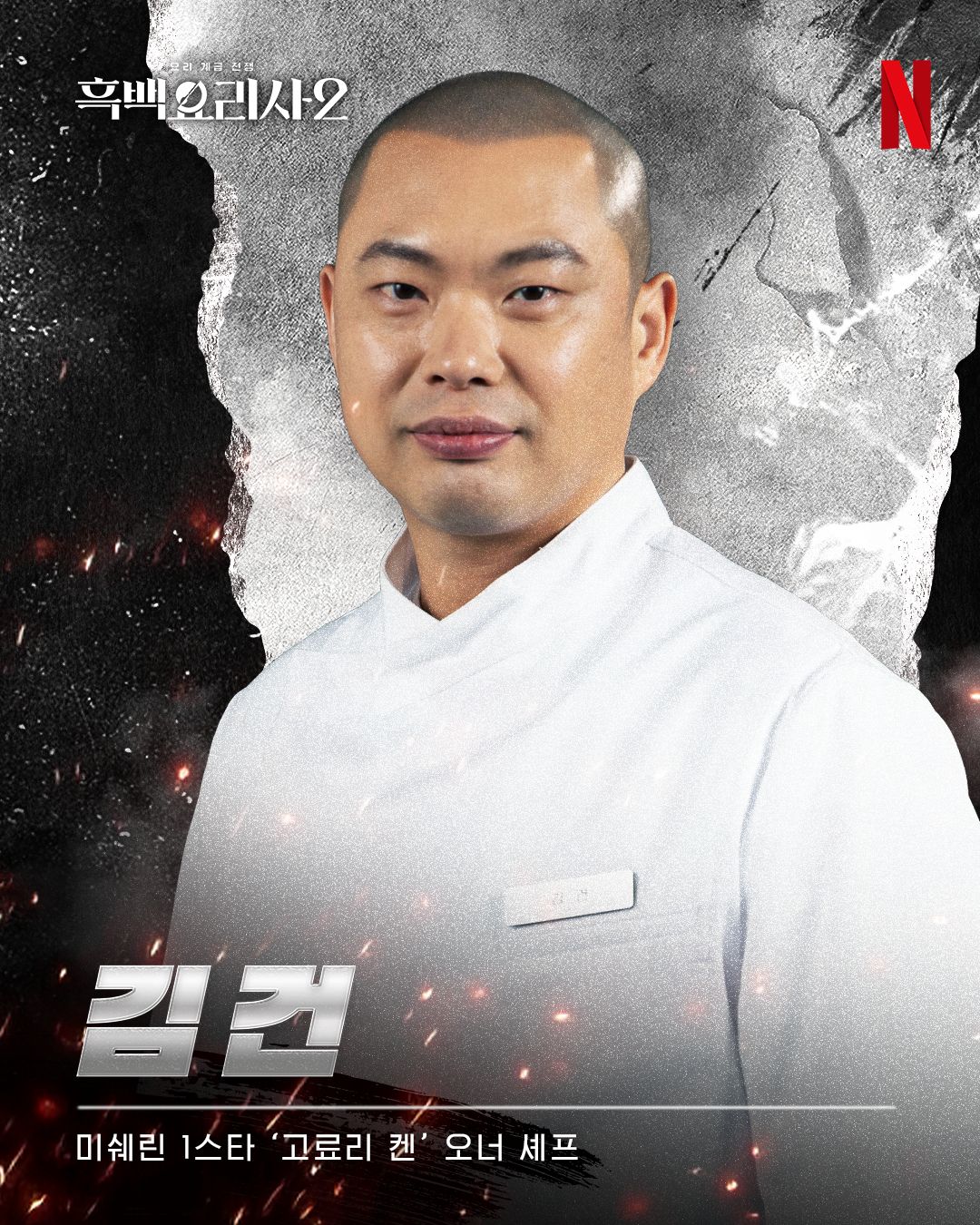
Kim Geon
Chef Kim Geon is the force behind Goryori Ken, a Michelin-starred Japanese seafood restaurant known for its intimate counter seating and season-driven menus. He also operates Ichie, a popular izakaya that reflects his more casual side.
His cooking focuses on restraint and timing, allowing ingredients to speak for themselves. Guests often watch him work just inches away, a setup that emphasizes both transparency and trust in technique.
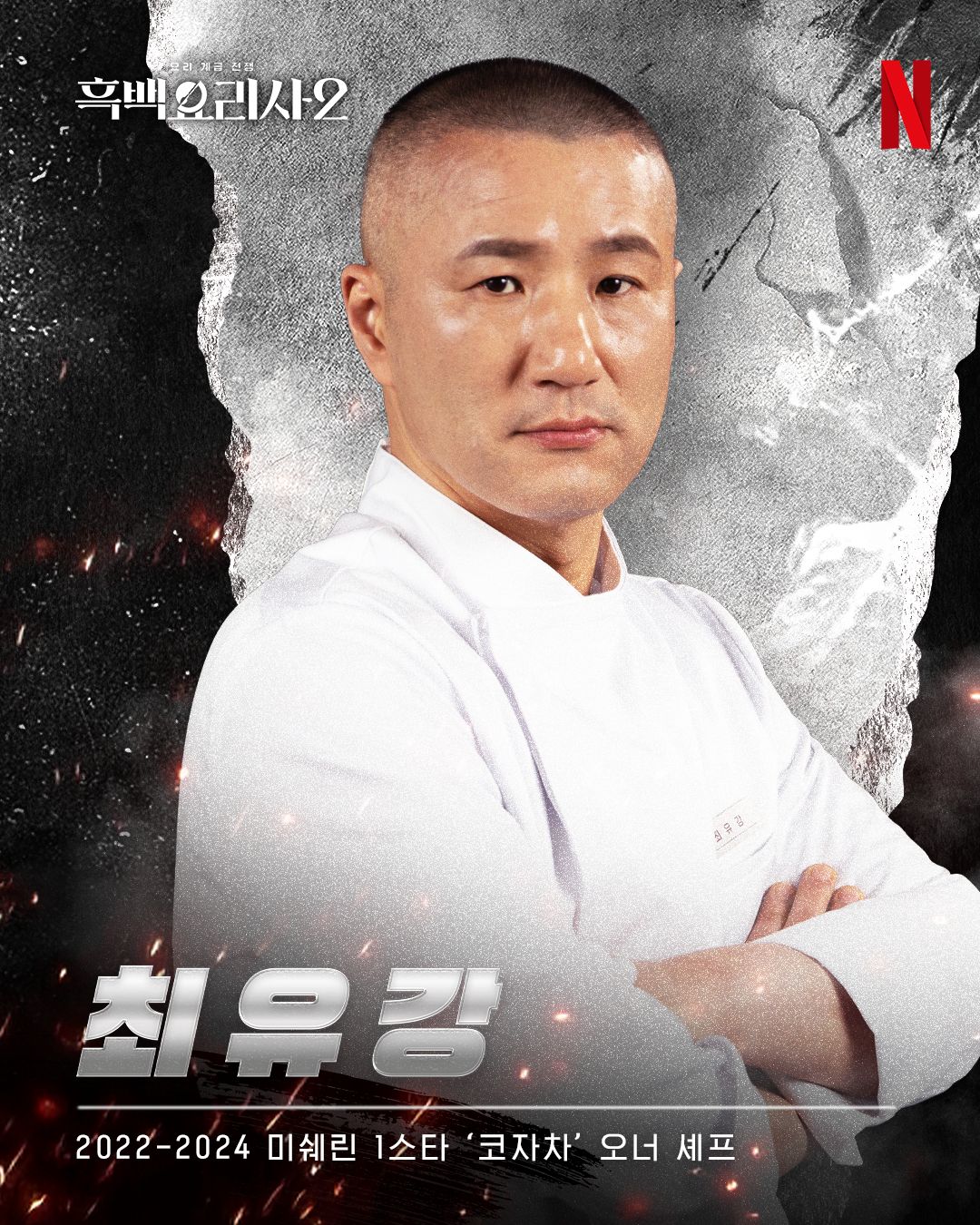
Choi Yu Gang
Chef Choi Yu Gang is the co-founder of Kojacha, a Michelin-starred restaurant that blends Korean, Japanese, and Chinese culinary traditions into a single, cohesive experience.
After years working in hotel kitchens, he opened Kojacha to explore cross-cultural cooking in a more personal setting. The restaurant’s format and menu reflect that fusion, offering dishes that move fluidly between traditions rather than staying in one lane.
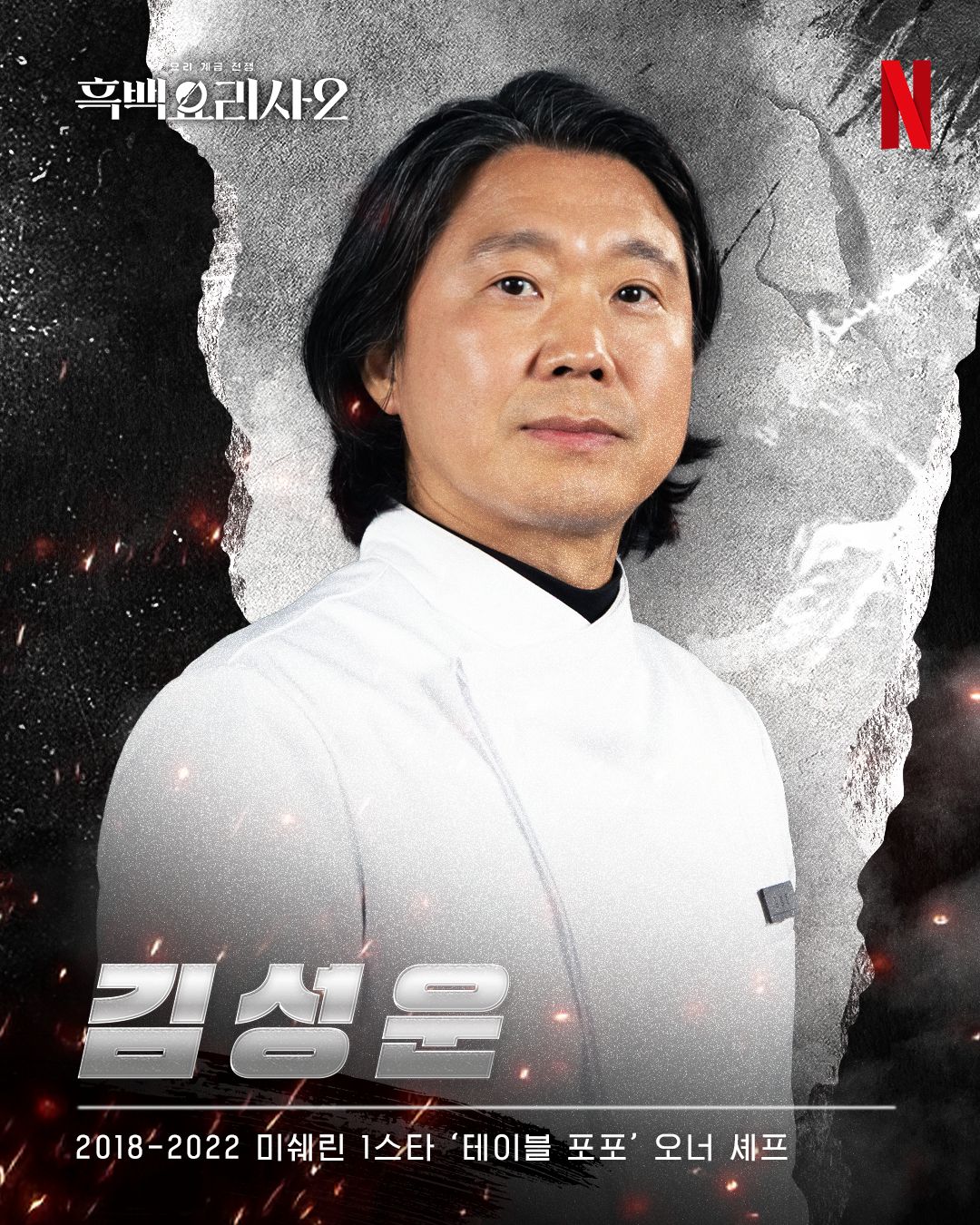
Kim Sung Woon
Chef Kim Sung Woon is known for his seafood-driven cooking, shaped by ingredients from his hometown of Taean. His restaurant Table for Four held a Michelin star for several consecutive years, earning praise for its seasonal focus.
His style balances refinement with restraint, often allowing ingredients to remain minimally altered. The result is food that feels calm and deliberate, drawing diners away from the city and closer to the coast.
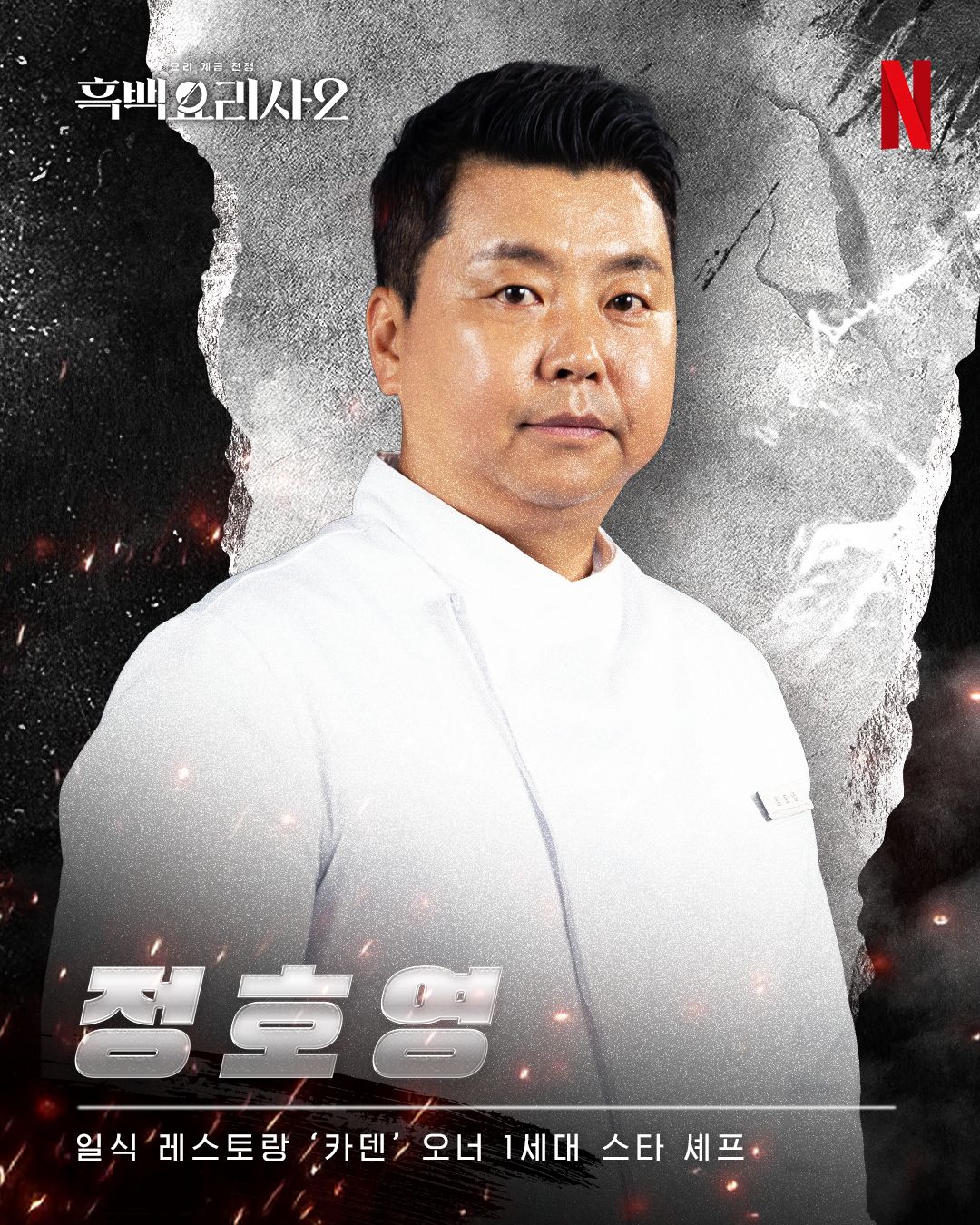
Jung Ho Young
Chef Jung Ho Young is widely recognized both as a Japanese cuisine specialist and a television personality. He leads the Kaden restaurant group, including Udon Kaden and Izakaya Kaden, with locations across Seoul and beyond.
His cooking is defined by patience and repetition, particularly when it comes to noodles and broth. Ho Young’s approach highlights time as an ingredient in itself, favoring slow processes that quietly build depth.
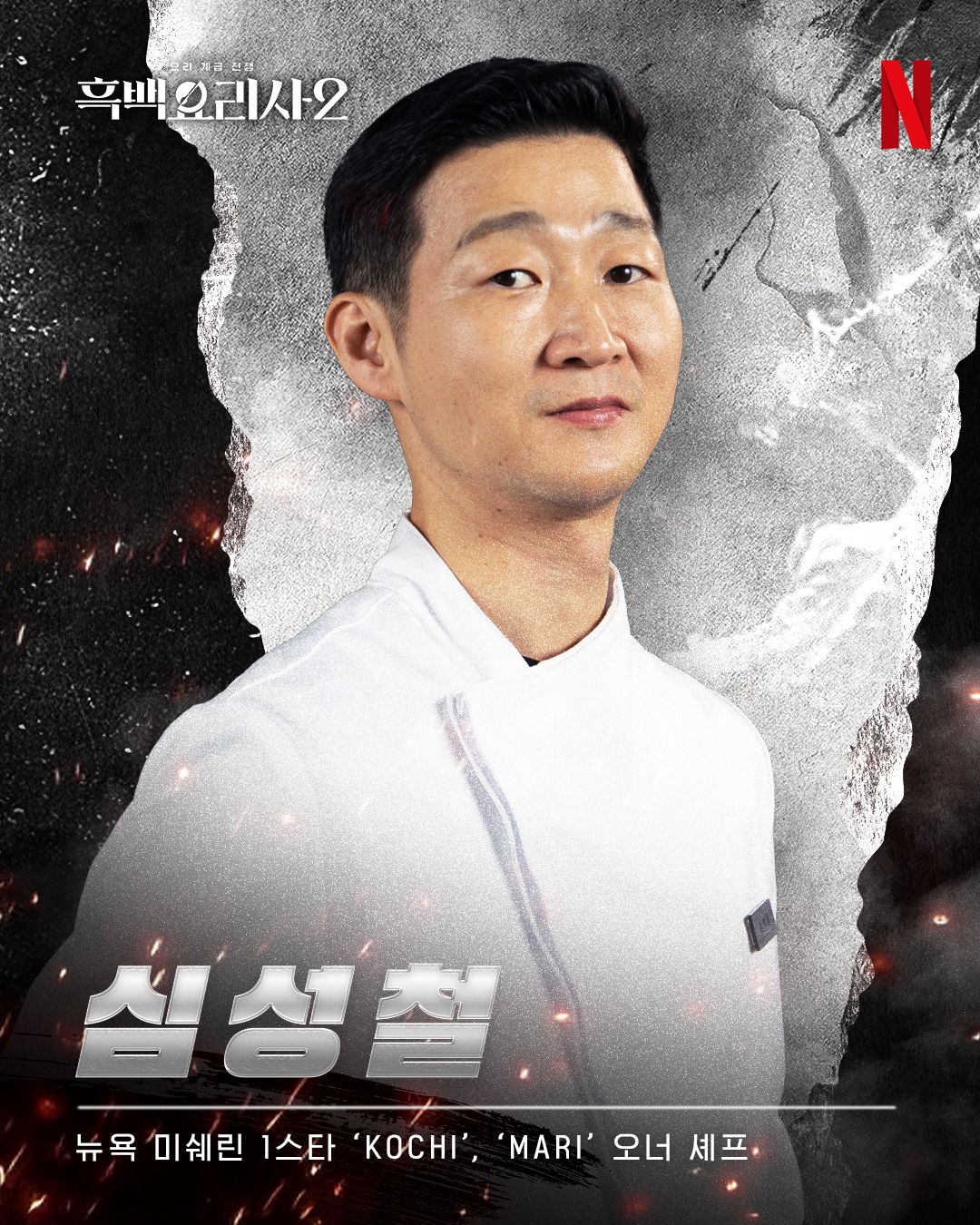
Shim Sung Chul
Based in New York, Chef Shim Sung Chul operates several restaurants, including Michelin-starred Kochi and Mari. His cooking often bridges Korean sensibilities with contemporary dining formats like skewers and hand rolls.
After starting his career in Korea, he moved to the U.S. to further his training, eventually building a restaurant group that reflects both his background and global outlook.
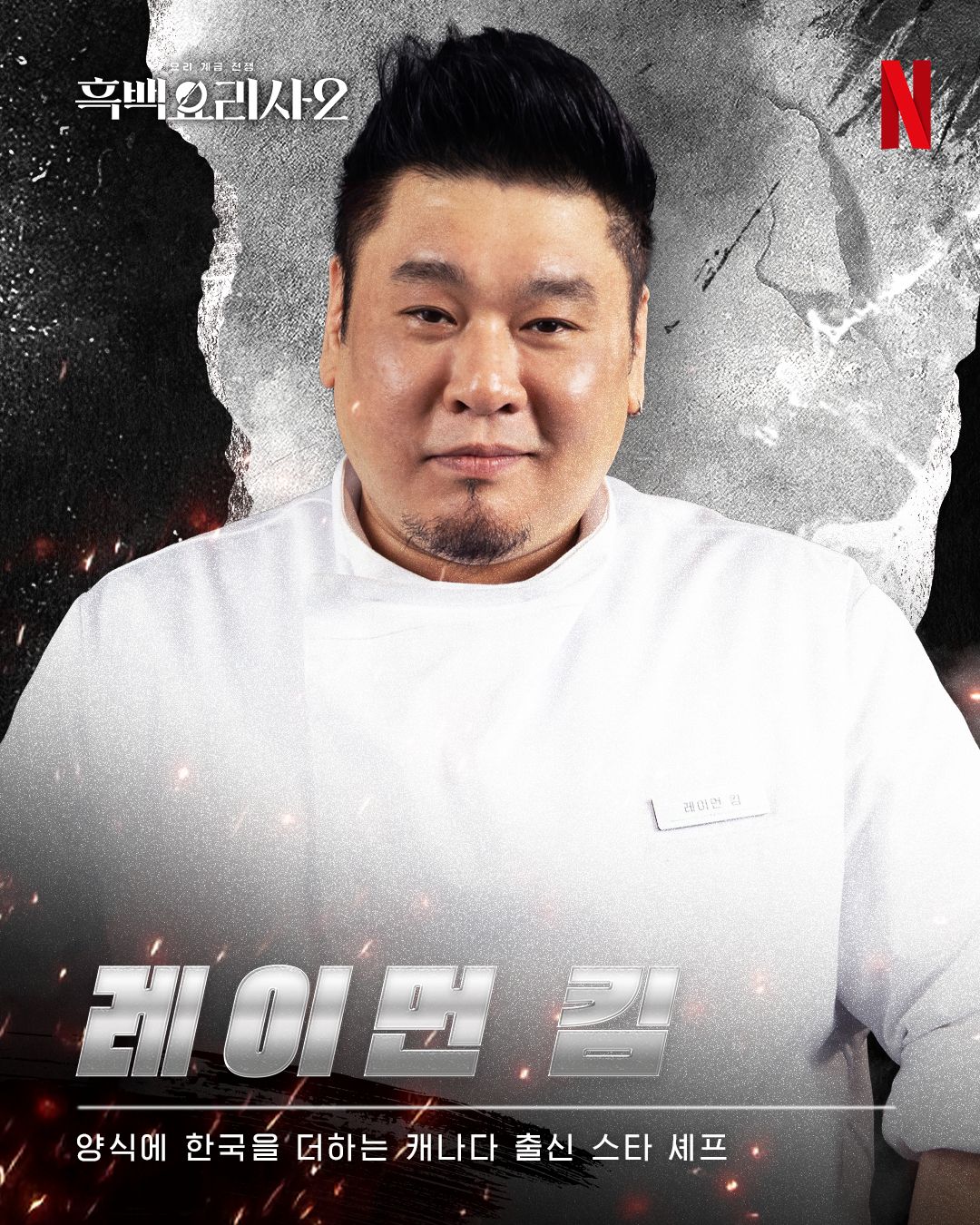
Raymon Kim
Raymon Kim is one of Korea’s most recognizable chefs, known for his television appearances and accessible cooking style. With a background that bridges Korea and Canada, he has built a career that spans restaurants, media, and variety shows.
Sam Kim
Chef Sam Kim has been a fixture on Korean food television for over a decade. He runs the Samkim Company, which includes Italian restaurants Trattoria Sam Kim and Osteria Sam Kim.
Known for his straightforward approach and consistent media presence, Sam Kim represents a chef whose influence extends well beyond the kitchen.
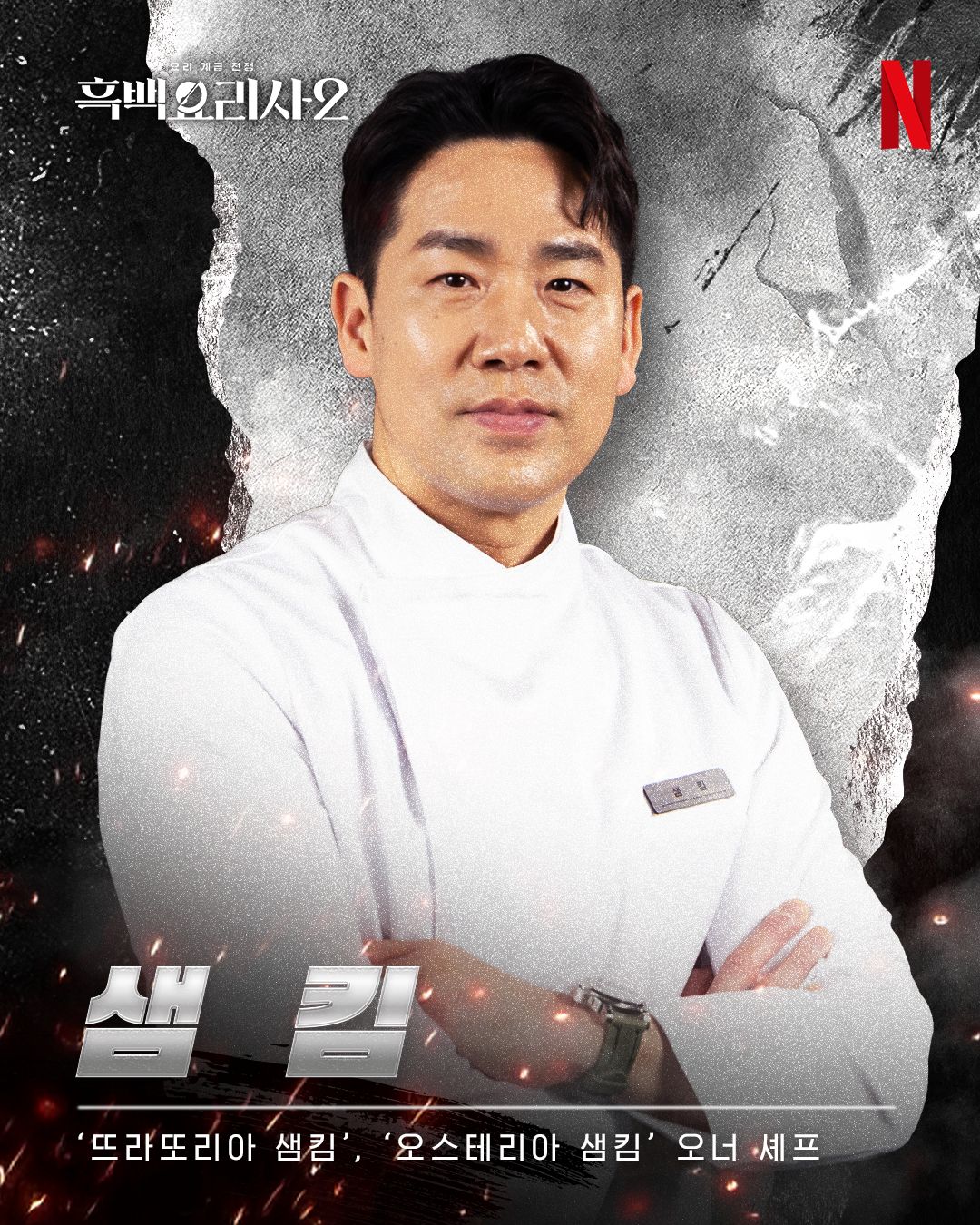
Kim Hee Eun
Chef Kim Hee Eun is the co-owner of SOUL, a Michelin-starred fine-dining restaurant focused on modern Korean cuisine. She runs the restaurant alongside her husband, blending Korean and Western techniques into a shared vision.
Her work emphasizes emotion and intention in cooking, drawing from personal experience as much as formal training. Together, the couple also operates Egg & Flour, a more casual pasta-focused concept.
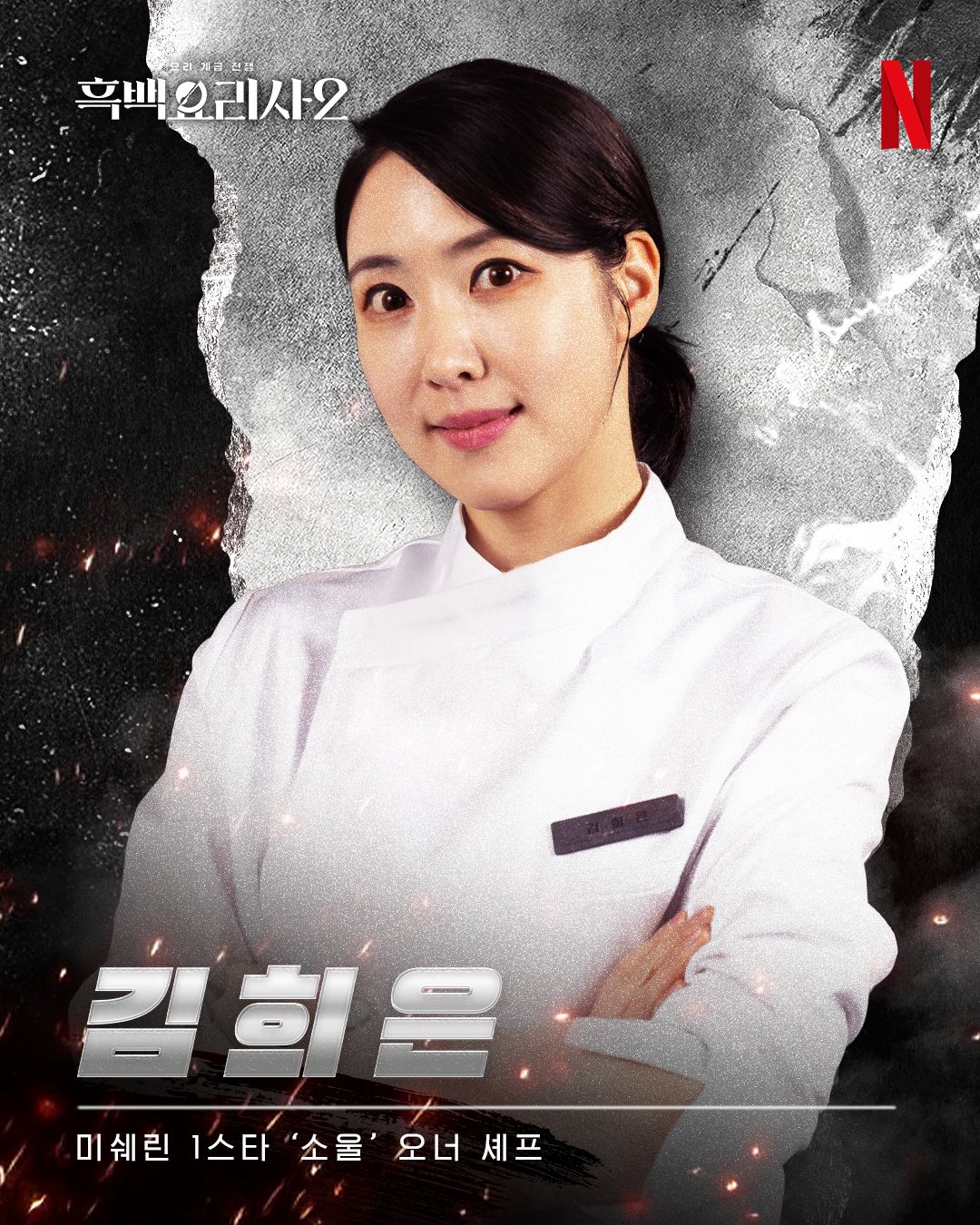
Im Seong Keun
Im Seong Keun gained wider recognition after winning the third season of Hansik Battle. He also runs a popular YouTube channel, where he shares Korean cooking techniques with a broad audience.
His background in competition cooking adds a strategic edge to his approach in the kitchen.
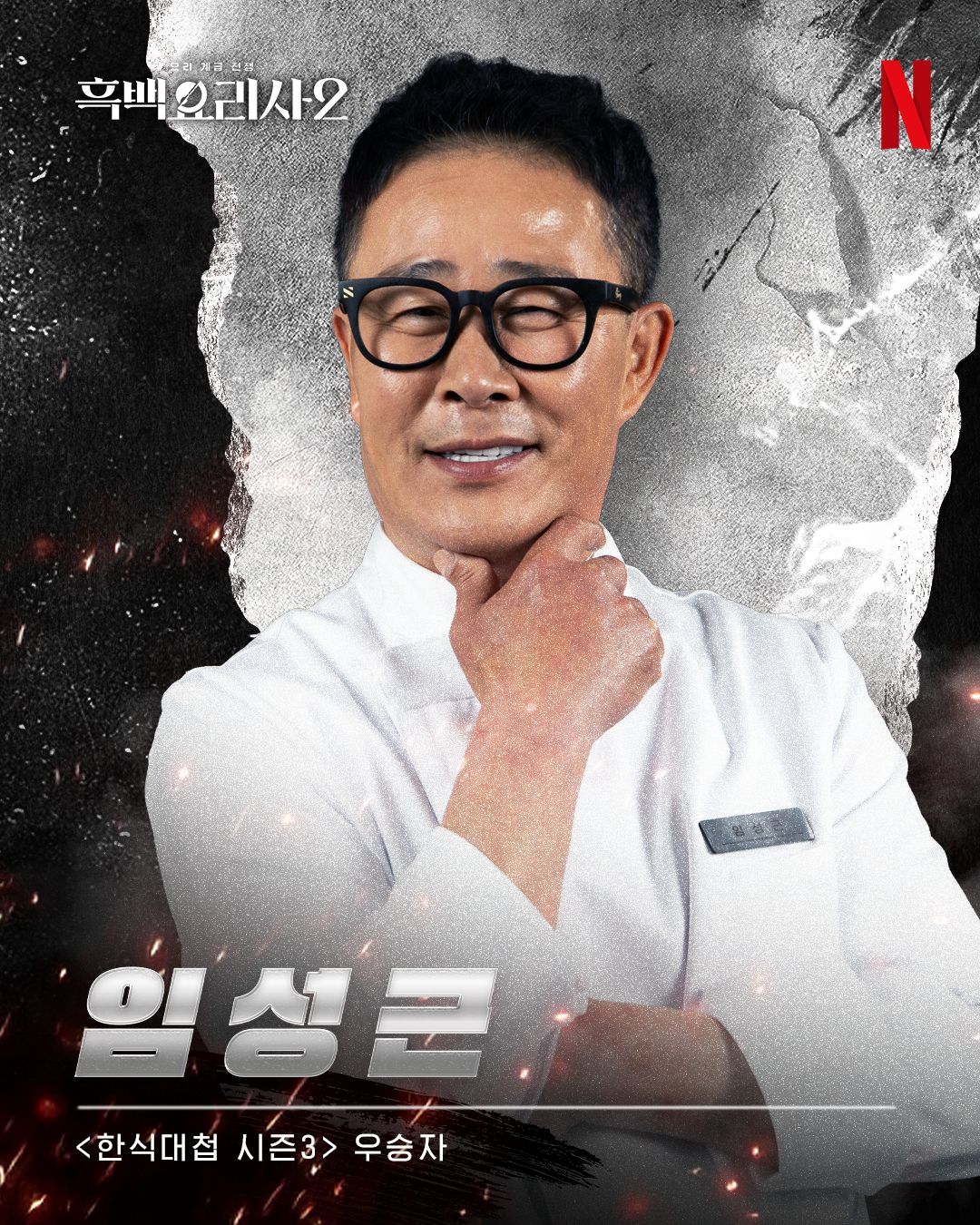
Jennie Wallden
Korean-Swedish chef Jennie Walldén won MasterChef Sweden in 2013 and has since built a multifaceted career as a restaurateur, author, and TV personality.
Her restaurants and food projects explore the intersection of Korean flavors and Scandinavian sensibilities, shaped by her life across multiple countries.
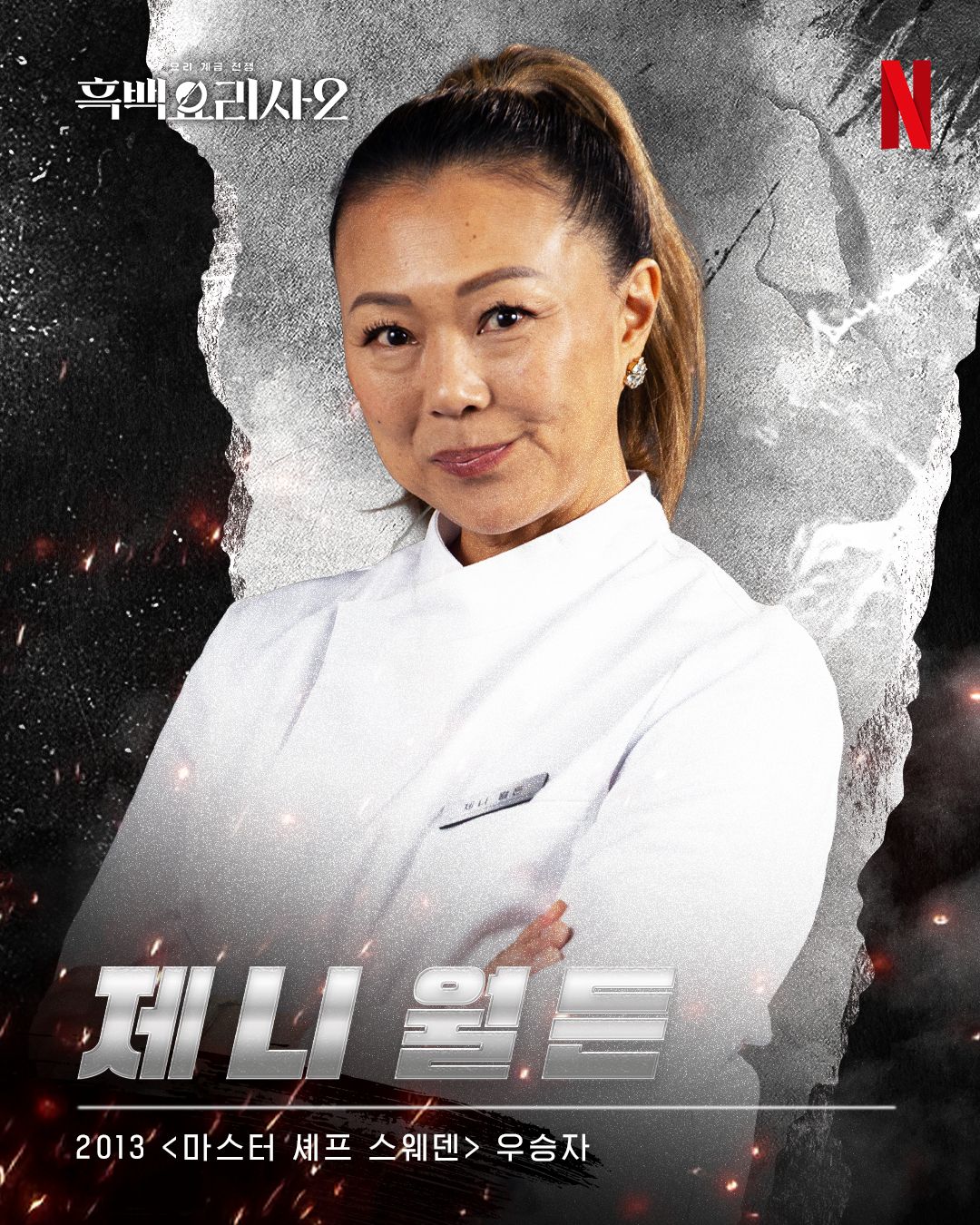
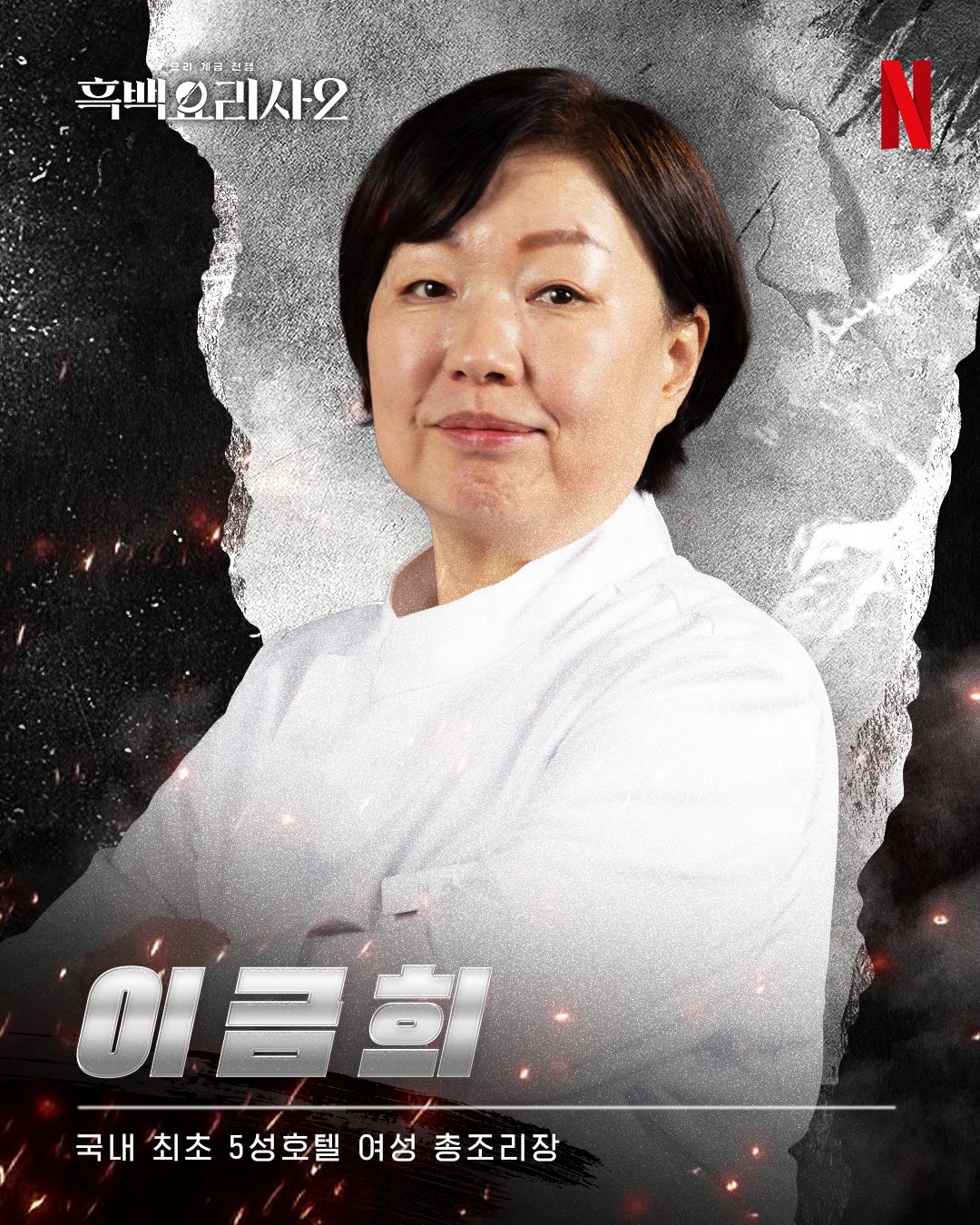
Lee Geum Hee
Lee Geum Hee is the first woman to have served as head chef at the Mayfield Hotel, a notable first in Korean hotel dining. She has spent more than three decades working in professional kitchens, with much of her career rooted in hotel restaurants. Her work has centered on hotel dining, where menus are built to serve a wide range of guests while maintaining consistency day after day.
Park Hyo Nam
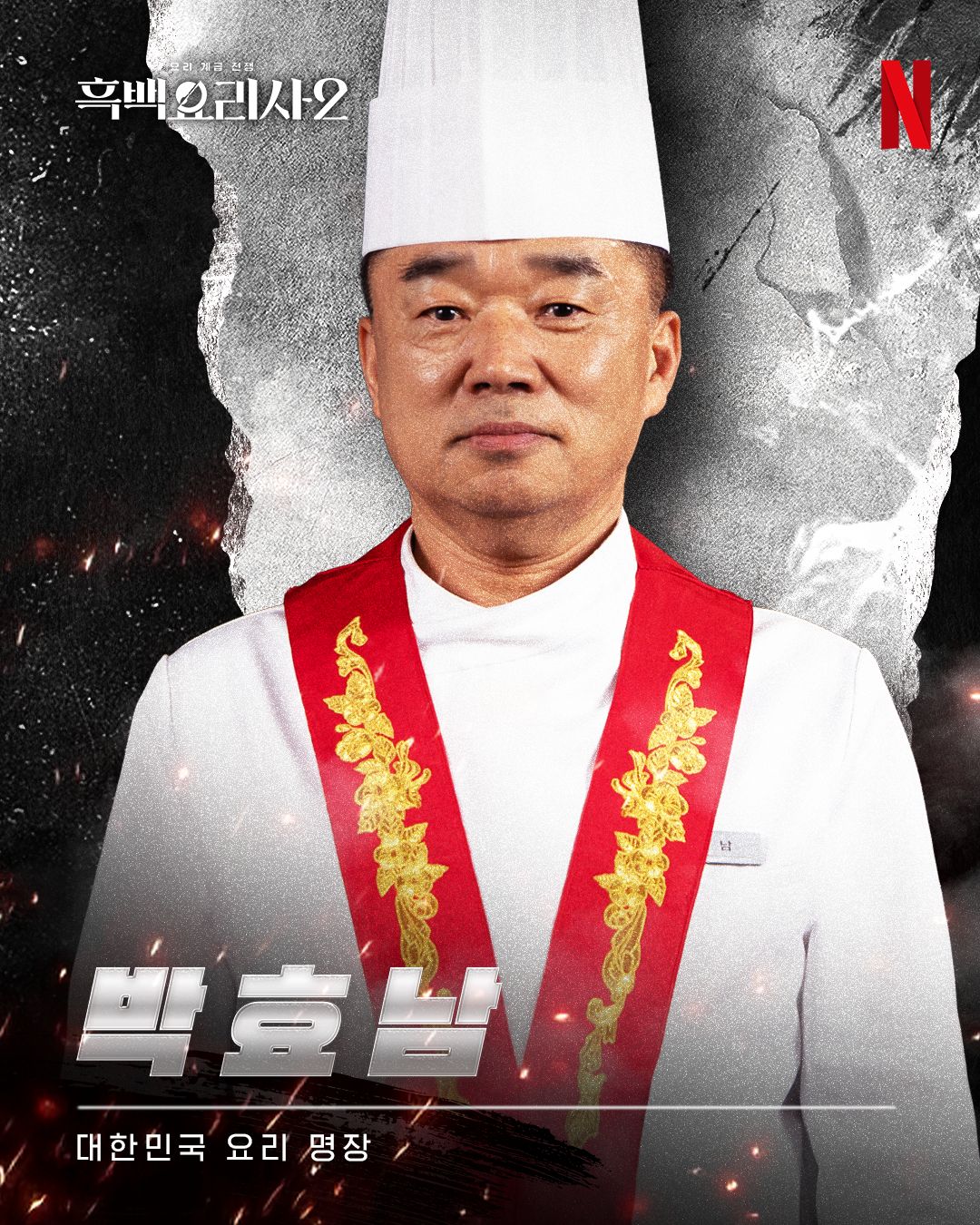
With nearly 50 years of experience, Park Hyo Nam is regarded as one of the pioneers of French cuisine in Korea. His résumé includes executive roles at several landmark hotels and international recognition from France.
Often referred to as a mentor figure, his influence can be traced through generations of Korean chefs trained under his leadership.
Song Hoon
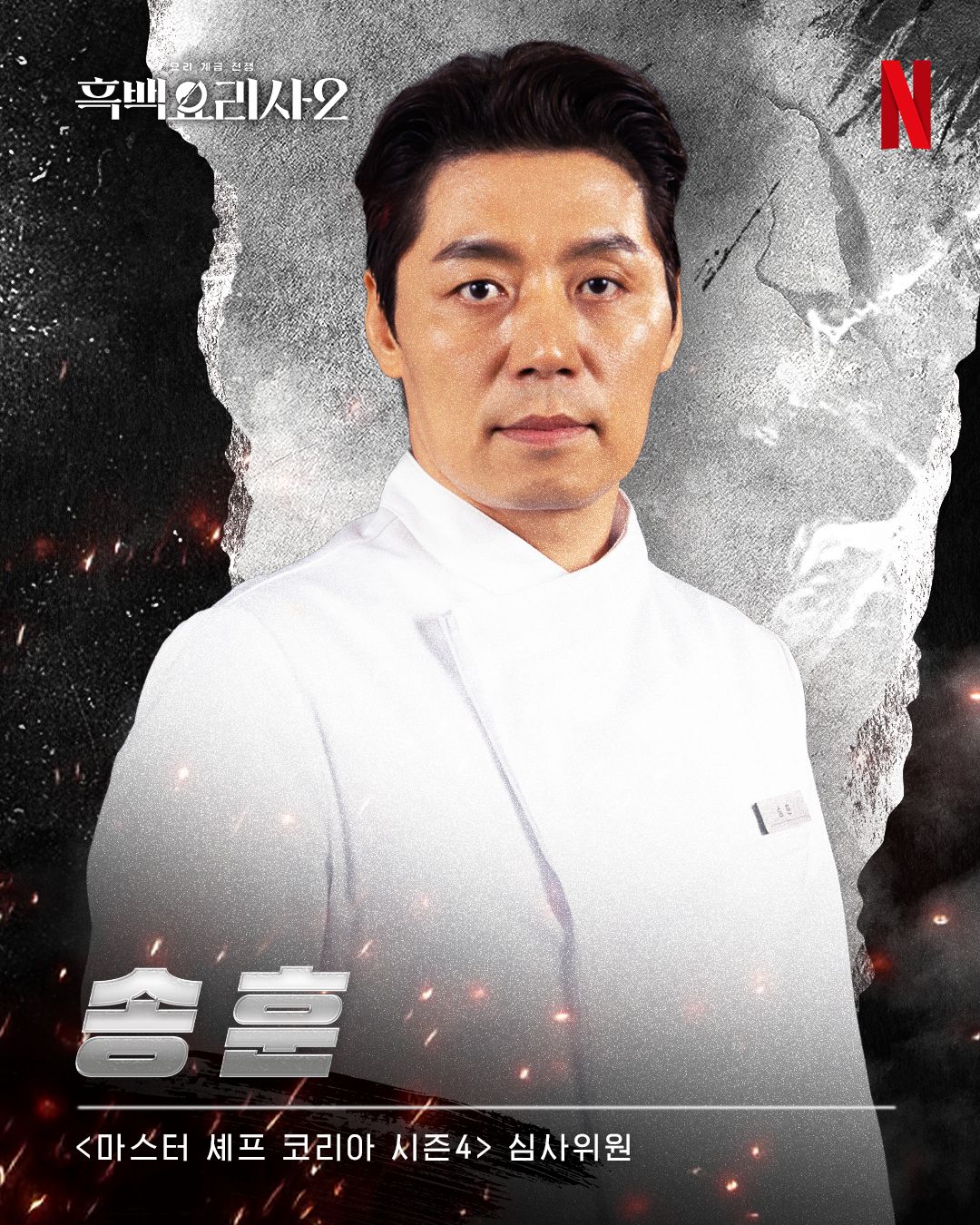
Chef Song Hoon trained at the Culinary Institute of America and later worked at Eleven Madison Park before returning to Korea. He now runs Crown Pig, a restaurant group focused on Korean-native pork.
Beyond the kitchen, he’s also known as a judge on MasterChef Korea, where his experience bridges fine dining and public-facing food culture.
Hidden White Spoons
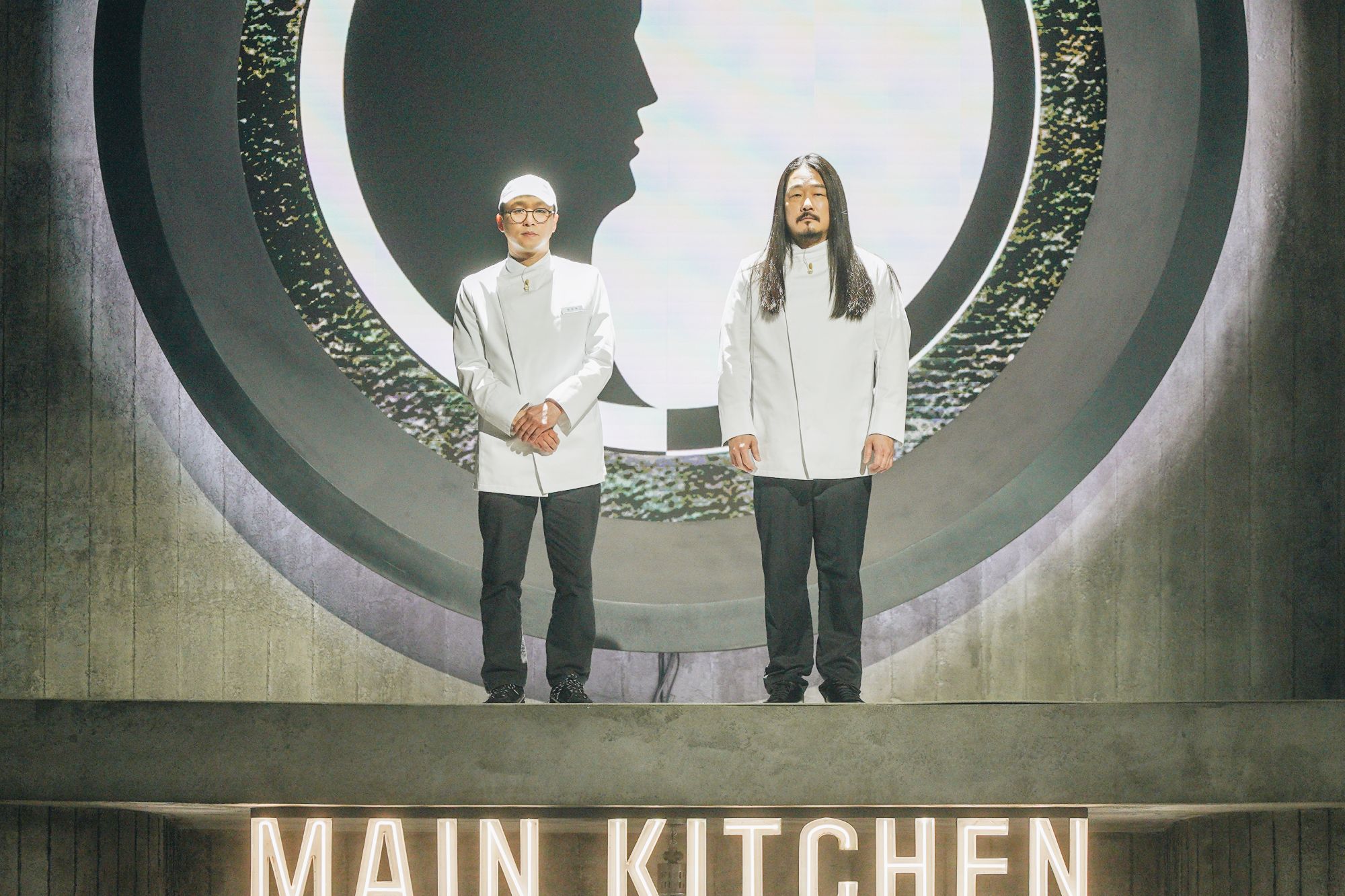
Season 2 also introduces “Hidden White Spoons,” returning chefs from Season 1 who previously exited early. Included are Choi Kang Rok, a well-known television chef and MasterChef Korea winner, and Kim Do Yun, the Michelin-starred chef behind YUN and Myeon Seoul.

Kat is Preview's Lifestyle Editor, explorer, and occasional rhymer. When not globe-trotting, she's over her computer, writing her next big novel.