A Love Letter to the "Smart, Fat Girls" of Fashion
The Devil Wears Prada's Charlie the Chair might be seen as a "diversity hire" in the world of fashion, but let's be real: there are many other "smart, fat girls" running the industry.
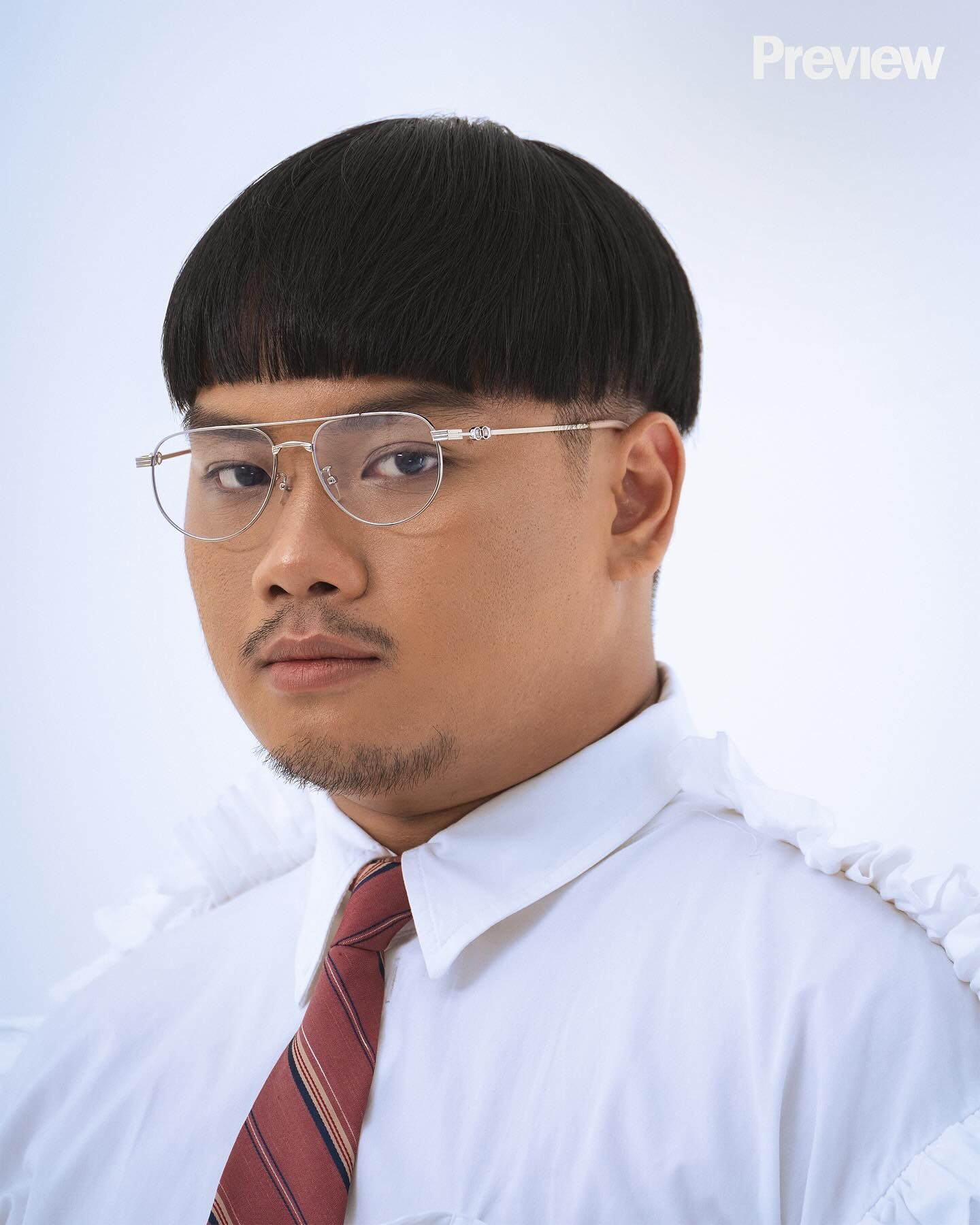
by Em Enriquez
Published on Apr 24, 2026
“Is it really like The Devil Wears Prada?”
It’s been four years since I landed a job at Preview, and I’ve grown accustomed to a recurring cycle of questions. After fielding curiosities about pay grades and whether an artista is as bitchy as tabloids suggest, I usually get the inevitable Devil Wears Prada query. And the answer is, actually, yes.
Things do get as frenetic as they were in the 2006 chick flick. Schedules revolve around churning out articles, negotiating with suppliers and managers, making trips to the dry cleaners—and, somewhere in between the sweat and grime, dusting oneself off for the occasional glitzy gathering. You’ve heard it before, and you’ll hear it again: the job is not glamorous. Stories like Andy Sachs’ only make that comically clear.
With a much-anticipated sequel on the horizon, I found myself intrigued—in a good way—by who now occupies Andy’s seat. In early snippets teasing the film, a character named Charlie appears as a subordinate to Miranda Priestly’s first assistant, Amari. Essentially, he’s one half of the fictional editor-in-chief’s new set of Emilys—a member of the new generation of clackers, if you will.
I didn’t expect to see someone like Charlie in a cinematic universe like this, and admittedly, it's because of his size. That’s coming from someone of a similar build, by the way. Two decades since we were first introduced to her, would Miranda Priestly really trust a plus-size person to shadow her? Would the "ice queen" really hire someone who looks... like me?
Nigel Kipling’s words echo in the back of my mind: “That’s really what this multibillion-dollar industry is all about, isn’t it? Inner beauty.”
Good Luck, Charlie the Chair
Charlie, played by American actor and comedian Caleb Hearon, is practically tethered to his desk. From his introduction, his role appears to involve answering calls and carrying out Amari’s instructions—much like Andy did for Emily. In the brief moments we’ve seen, there’s no explicit mention of his size, nor any jeer about it. Until I see the film, I’m left wondering whether it will be addressed at all.
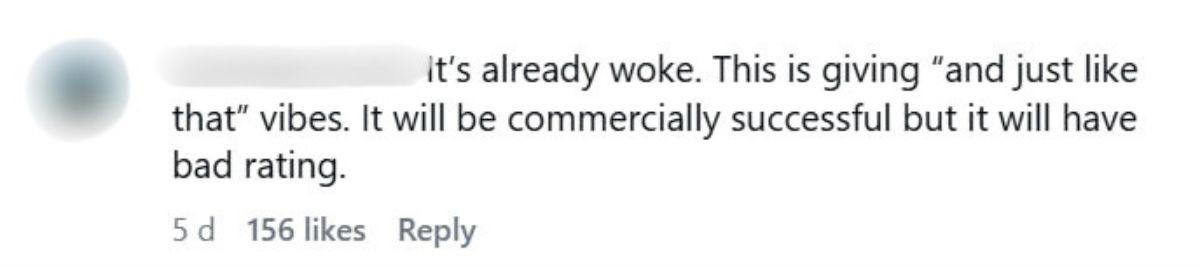
Viewers in the real world, however, were quick to clock how “unusual” it seemed for someone like him to work at Runway. Comments on the official trailer insisted that Miranda would never hire someone like Charlie. “I’m already annoyed at these Gen Z beta characters,” one netizen wrote, presupposing a quota for socially diverse, politically correct representation that films are now expected to meet. To them, the so-called “woke agenda” remains relentless.


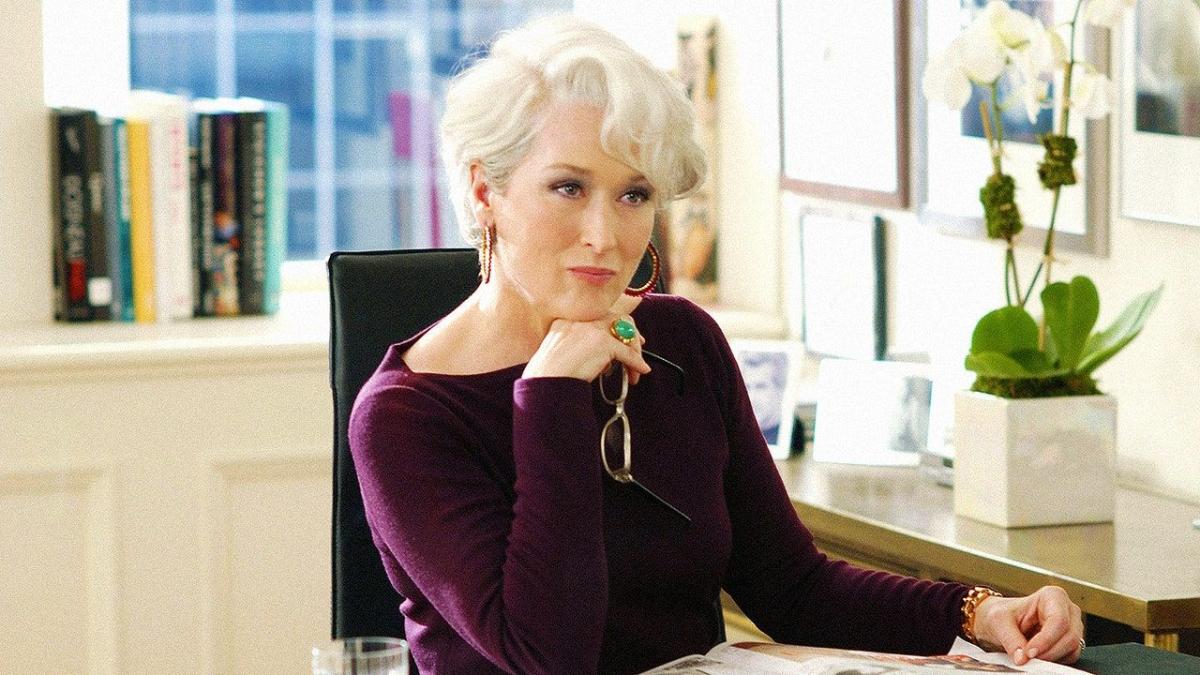
I couldn’t help but be reminded of the moment Miranda expressed regret over hiring Andy all those years ago. “Go ahead…” she drawls, as Anne Hathaway’s 23-year-old self visibly shrinks. “Take a chance… hire the smart, fat girl.”
In a world where Andy’s size 6 was considered criminal, what changed for someone like Charlie to exist just a few meters away from Miranda? Did she, in spite of her famously superficial worldview, take a chance on the presumably smart, fat guy?
Or, is it a case of diversity hiring? Often defined as the intentional practice of recruiting from underrepresented groups, it’s framed as a way to equalize opportunities—and, just as crucially, to signal inclusivity to the outside world.
In interrogating this, I had to turn inward. In many ways, I am a reiteration of Charlie the chair. My workflow does involve reporting to my desk and redirecting calls, though it’s admittedly more dynamic (and I can step away and escape to the loo for a quick breather if I ever have an ill-timed Starbucks Venti). But on the surface, and based on assumption alone, Charlie and I are both sartorially-inclined people who are of a heavier size, at least compared to the Gisele Bundchen archetypes of the aughts.
I’d like to think I wasn’t hired just because my company wanted to project an image of diversity. I would hope that, with the work I’ve put in as an intern and later on as an editorial assistant, I was worthy of becoming an editor, especially for a title so revered in the publishing scene.
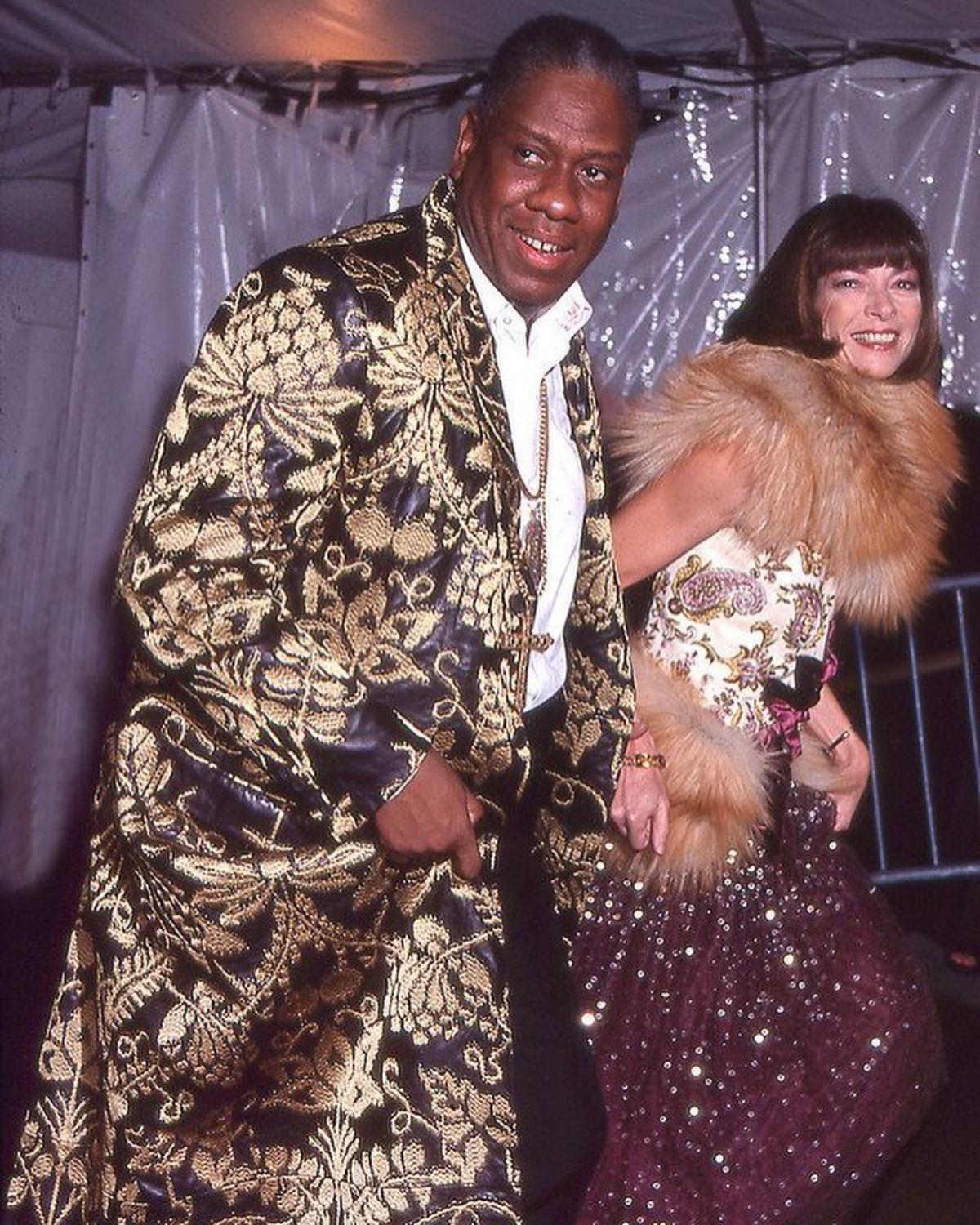
And there are many individuals like me—other Charlies—who are owning their space as fashion girls despite not subscribing to a stereotype. Perhaps a formidable example that comes to mind is Andre Leon Talley, whose image and legacy are left for generations to marvel at. Beneath the marvelous capes and kaftans was someone who lived, breathed, and understood fashion. His stature only complemented the grandeur of his presence.
In an industry that—let’s face it—still prioritizes what’s on the outside, being a “smart, fat girl” can still be perceived as an anomaly. But there have been several smart, fat girls who have contributed greatly to the industry, way before Charlie ever sat in his chair.
They exist across every corner of fashion: designers, stylists, makeup artists, photographers, production designers, creative directors, models, and more. They are people who love fashion deeply and, despite expectations, choose to build their lives and careers within it. These are people who prove, day in and day out, that how they look has never dictated what they’re capable of.
They’ve come to define what true diversity looks like, and it was never about spotlighting difference just for the sake of it. It's about highlighting the phenomenal work of people who don’t see their appearance as a hindrance.
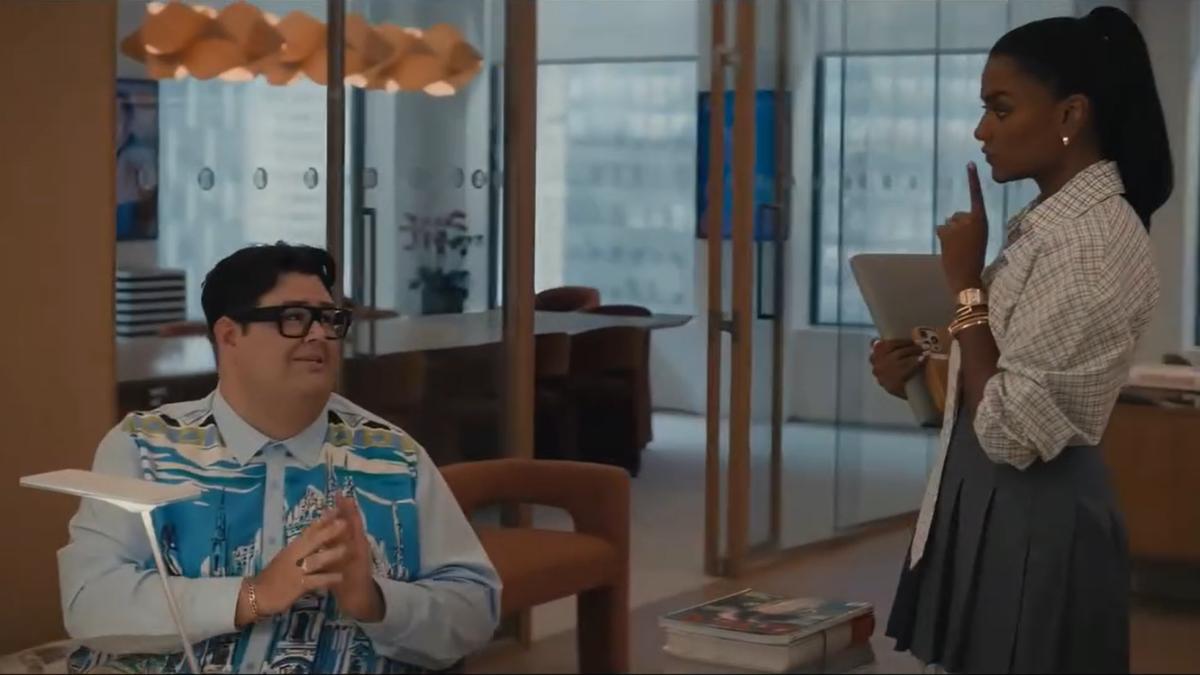
Maybe Charlie got hired because Miranda was genuinely impressed by his resume, or maybe someone in HR insisted it was time to expand Runway’s diversity pool (and yeah, thematically, the latter would make more sense). Whichever the case, Charlie found himself in that chair, but he certainly wasn’t the first “smart, fat girl” to do so.
Audiences can continue to moan about cinema shoving ideals of representation and diversity down their throats. Virtue signaling is still a thing, after all. But as much as films offer escape, they also reflect the nuances of the world beyond the screen. Perhaps a point that needs to be proven is that not everyone who works in fashion, at least in today’s current contexts, is a size-zero blonde bombshell.
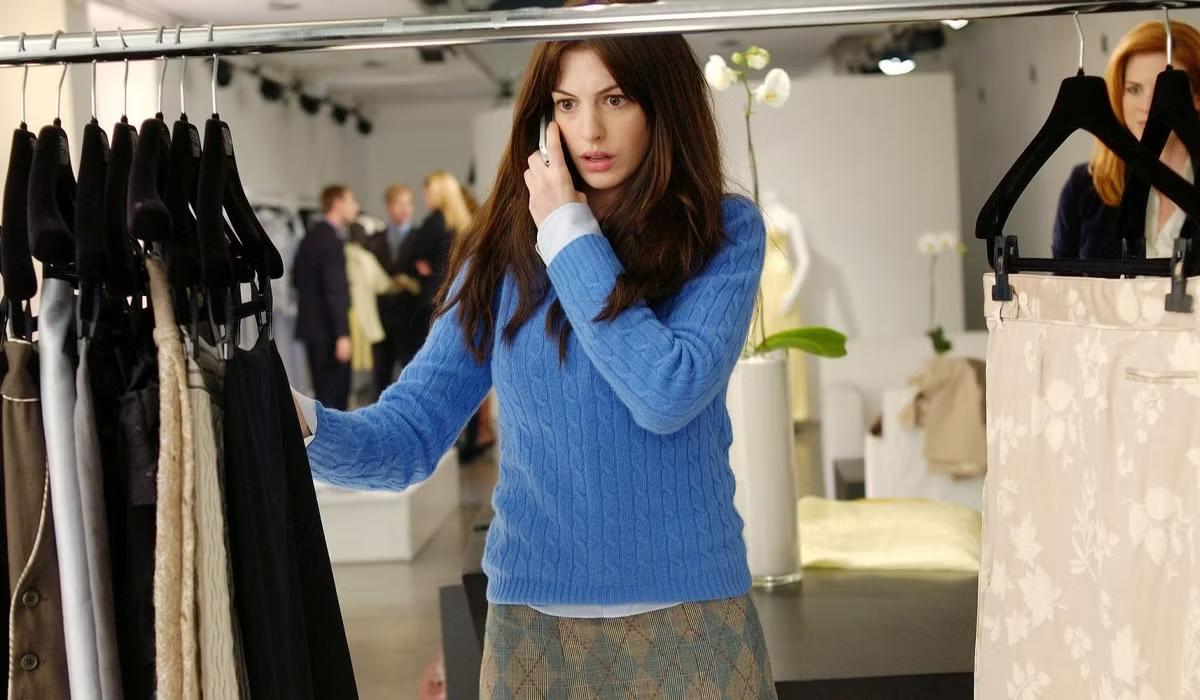
People of different sizes, ethnicities, sexual orientations, and abilities are shaping the industry just as much as the old guard. Even Miranda, one would imagine, would have to concede to that. As it should, fashion is becoming more democratized—and that shift is reflected in the people continuously making this kind of "stuff" happen.
So as art continues to imitate life, Charlie, hopefully, won’t be the last “smart, fat girl” in that chair. And perhaps, eventually, he’ll even be the one making the calls.

Em is queer and probably daydreaming somewhere. They're Preview's associate entertainment editor who's often spotted in cowboy boots and lemon-tinted sunnies.