What "Bongga Ka 'Day!" Tells Us About '70s Philippine Fashion
From Manila Sound to Coco Banana, see how a turbulent decade shaped the way Filipinos dressed, glammed up, and expressed themselves.

by Kyla Villena
Published on Oct 2, 2026
Editor's Note: The following article contains major plot points of "Bongga Ka 'Day!: The Annie Batungbakal Musical."
Today’s fashion landscape can’t be defined by a singular attribute. Rather, it serves as a medium of self-expression, capturing the essence and taste of every individual. In the Philippines, there’s still a long way to go in terms of being able to wear an outfit with utmost safety, confidence, and security, but it’s also worth recognizing how far the country has come.
The sartorial expressions we enjoy today weren’t always present. Back in the 1970s, Filipinos were finding their way and getting to know themselves amid a turbulent political climate that ultimately influenced how they dressed, glammed up, and carried themselves. Ahead, take a portal back to the 1970s, an era that set the tone for Philippine fashion and beauty.
Local Fashion and Beauty in the 1970s, As Seen in Bongga Ka, ’Day!: The Annie Batungbakal Musical
The '70s weren’t the happiest of times in the Philippines, and that’s a large understatement. The country was involved in the Vietnam War, which went on until 1975, and also saw the declaration of Martial Law in 1972. There was barely a window for Filipinos to recover from the exhausting and nerve-racking realities of life, so they carved out time to escape, even just for a short while.
When the sun set, so did the sadness. Young Filipinos drawn to the nightlife scene would put on their most vibrant and glamorous pieces, paired with big hair and even bigger attitudes. Disco houses became their haven, especially with Manila Sound entering and dominating the music scene. It was a turning point that shifted the fashion and beauty landscape toward individuality. It was a mesh of youth culture, local traditions, and Western influences that saw the intersections of modernity with heritage, and reality with aspirations.
A modern illustration of this would be Newport World Resorts’ Bongga Ka, ’Day!: The Annie Batungbakal Musical. As part of the working class, Annie Batungbakal (Atasha Muhlach) was a saleslady at House of Pasion, an upscale store for bespoke Filipiniana. Her dream, really, was to become a fashion designer, but her social standing was a major hurdle. Once she gets a taste of the future she’s imagined, she finds herself standing between her ordinary life, where she meets her childhood friend and admirer, Burn (KD Estrada), and the life she aspires to have, filled with fame, fortune, and the desirable Romer Pasion (Sam Concepcion, Anthony Rosaldo, Jeff Moses).
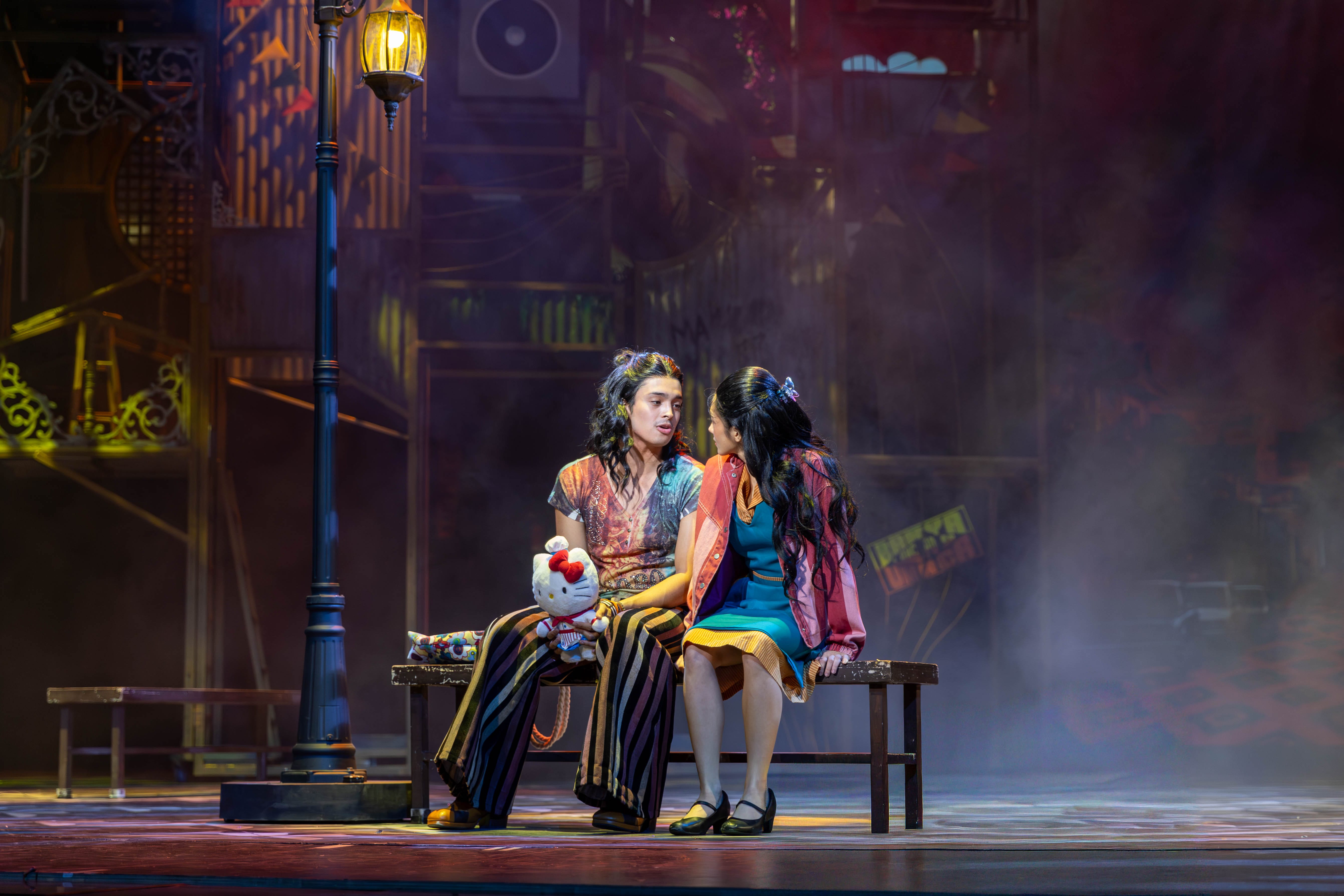
Photos: Courtesy of Newport World Resorts
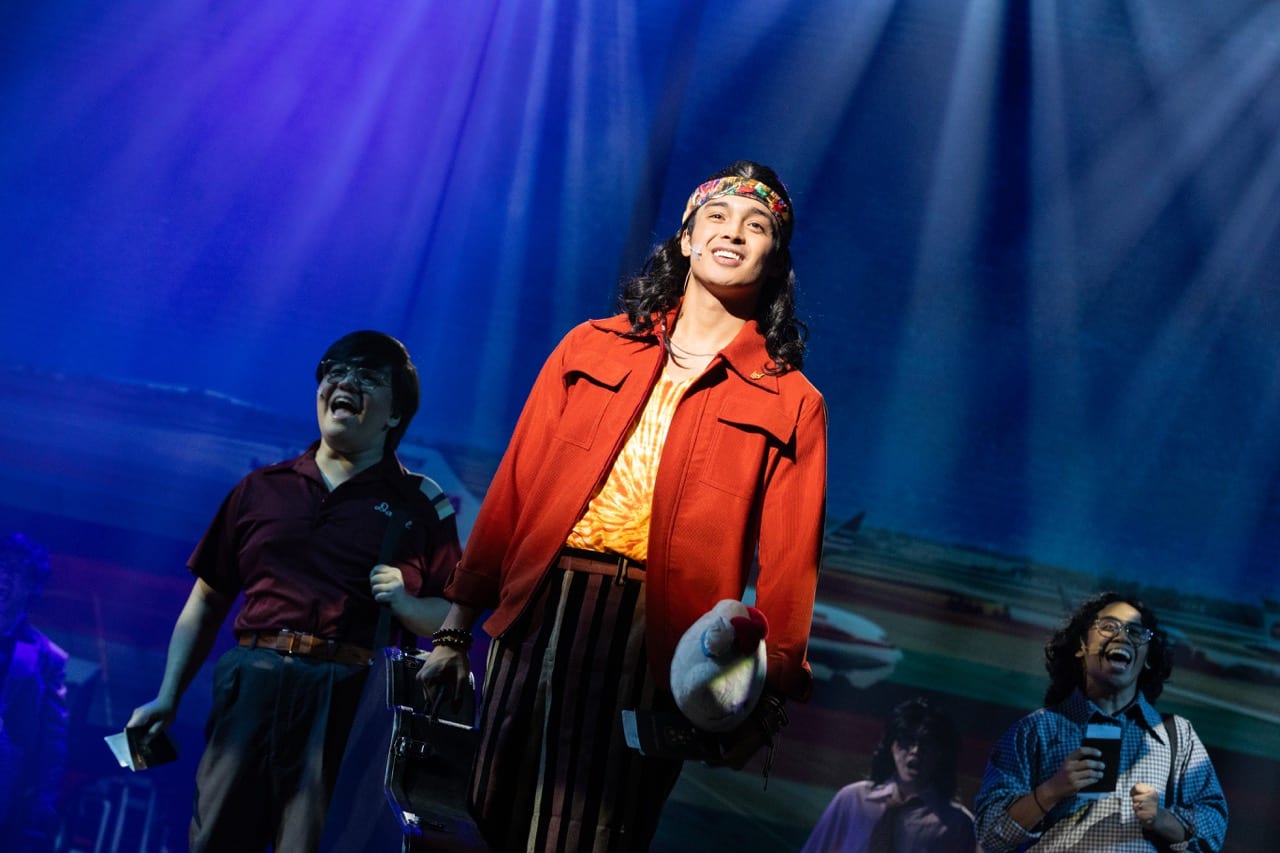
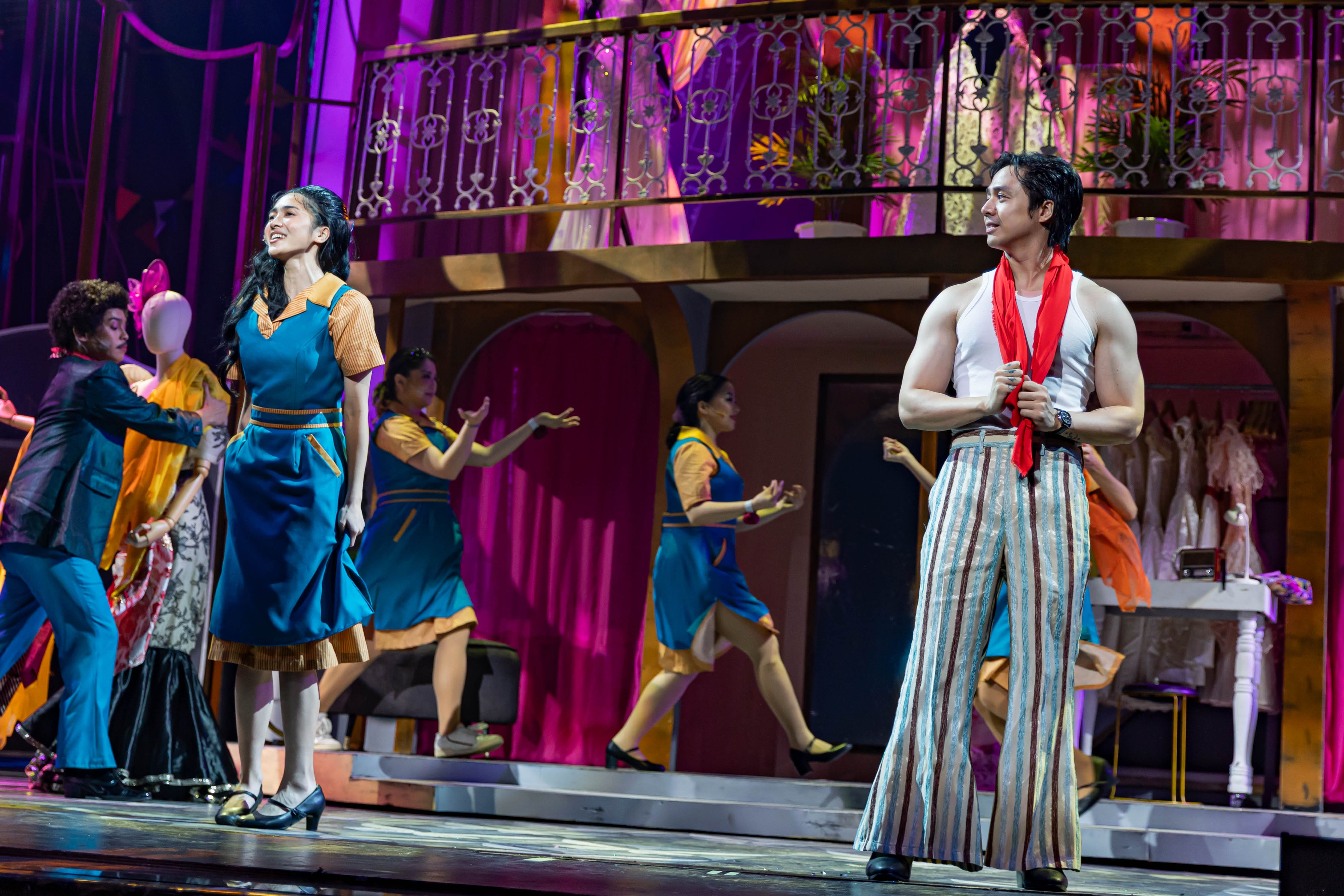
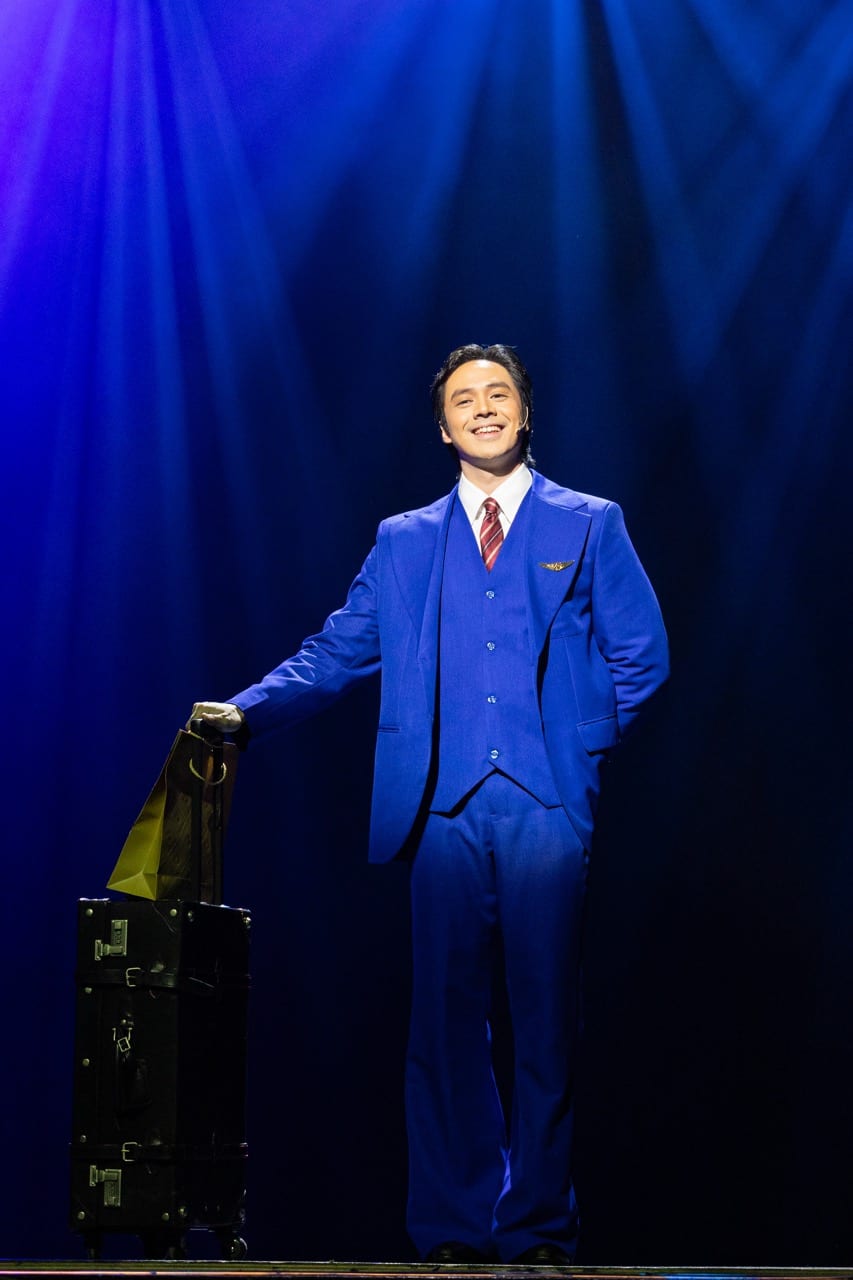
photos to expand
For the uninitiated, the musical features songs by one of the pioneers of Manila Sound, Hotdog. Their original music, including the titular "Bongga Ka ’Day" and "Annie Batungbakal," frames '70s Philippines through realistic juxtapositions and cultural references that many might not recognize today.
Living in a time of strict curfews and state surveillance, entering high-profile clubs was a feat in itself. Coco Banana, the famous disco club Annie Batungbakal desperately hoped to enter, wasn't actually fictional. The club was founded by fashion designer Ernest Santiago in 1977 in Malate and became a major fixture of Manila’s nightlife scene. Socialites, artists, celebrities, and members of the LGBTQIA+ community would navigate the strict door policy in eclectic looks that turned partying into a theatrical spectacle.
This is why Annie was undeniably bongga when she got through the door. How did she do it? Despite the challenges that came her way—discrimination, self-doubt, and plagiarism accusations included—she continued pursuing her passion for fashion design, resulting in pieces that were too good to ignore. Even the stylish regulars of Coco Banana couldn’t help but notice.
Being welcomed into the exclusive space and validated by the upper class, she got a closer look at the life she could have once she made it past the hurdles, marking a turning point in her story.
In "Bongga Ka ’Day," Hotdog sings, “Buhok mo'y Budji, talampaka'y Gucci. Suot mo'y gawa ni Pitoy, ‘di nanggaling kay Eloy,” encapsulating what fashion and beauty were like back then for different Filipinos. Let’s break it down.
Budji was the nickname of Antonio Layug, Manila’s premier celebrity hairstylist at the time. When Budjiwara Salon opened along Pasay Road (now Arnaiz Avenue), he brought precision-cutting techniques he learned at London’s Vidal Sassoon to Manila. Suffice it to say, hair by Budji was one of the clearest status symbols among the city’s elite.
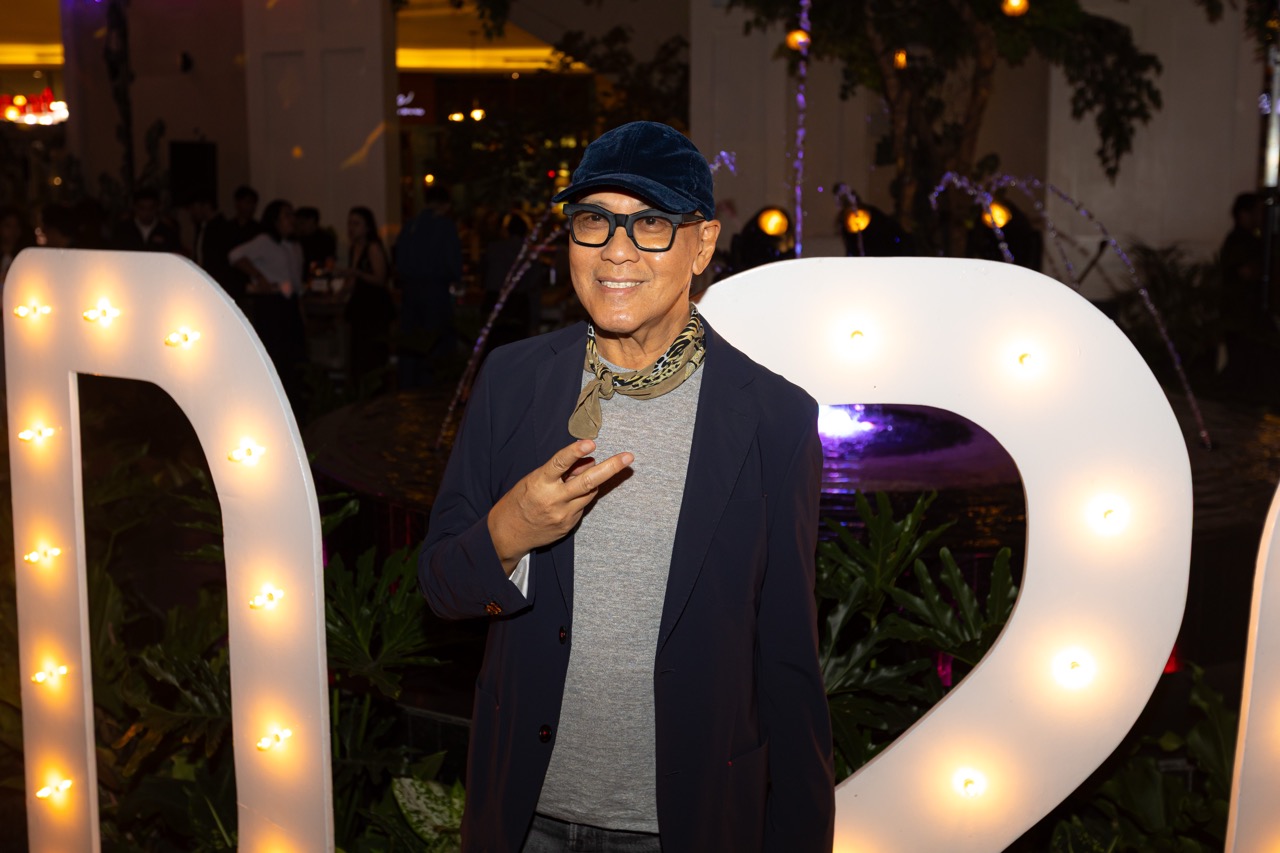
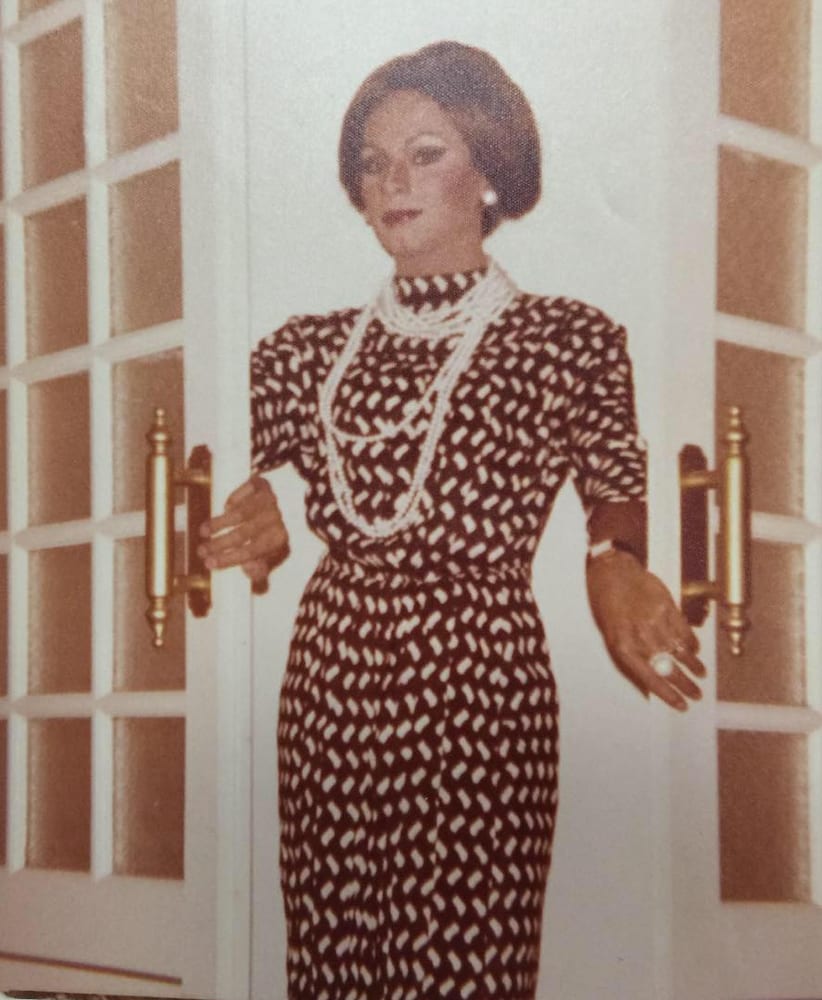
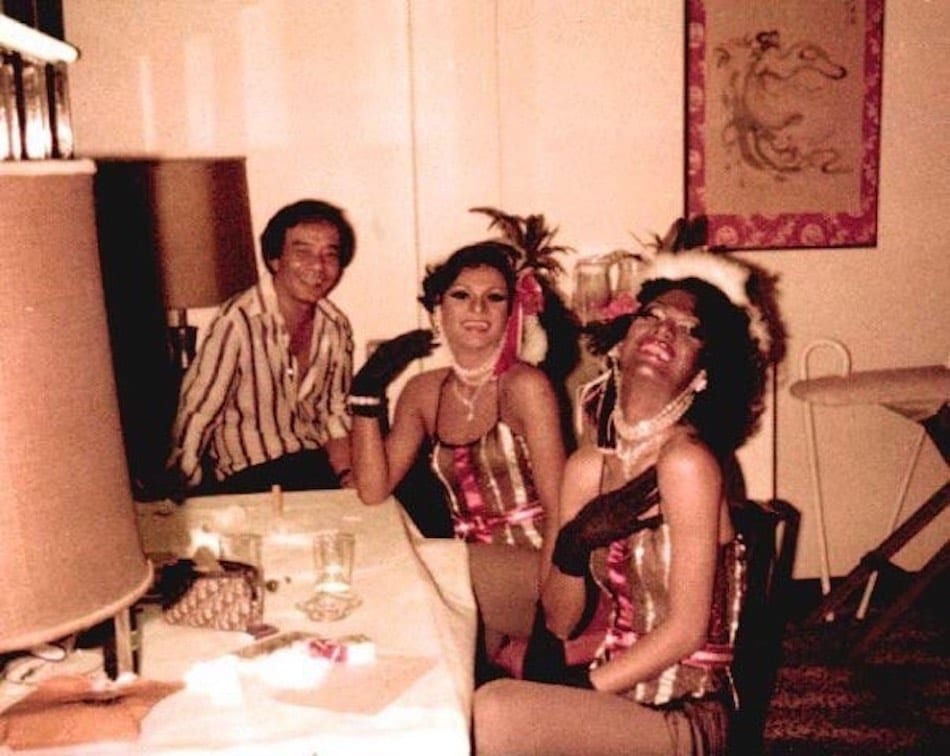
During that era, high-volume hair was in. They donned wind-swept feathered hair, beehives, and bouncy blowouts, to name a few. The 1970s was also when drag makeup began to take shape locally, with more LGBTQIA+ performers working as drag artists, or “female impersonators,” as they were called back then. With heavy makeup and sculptural hair, beauty became a way to announce your arrival without uttering a word.
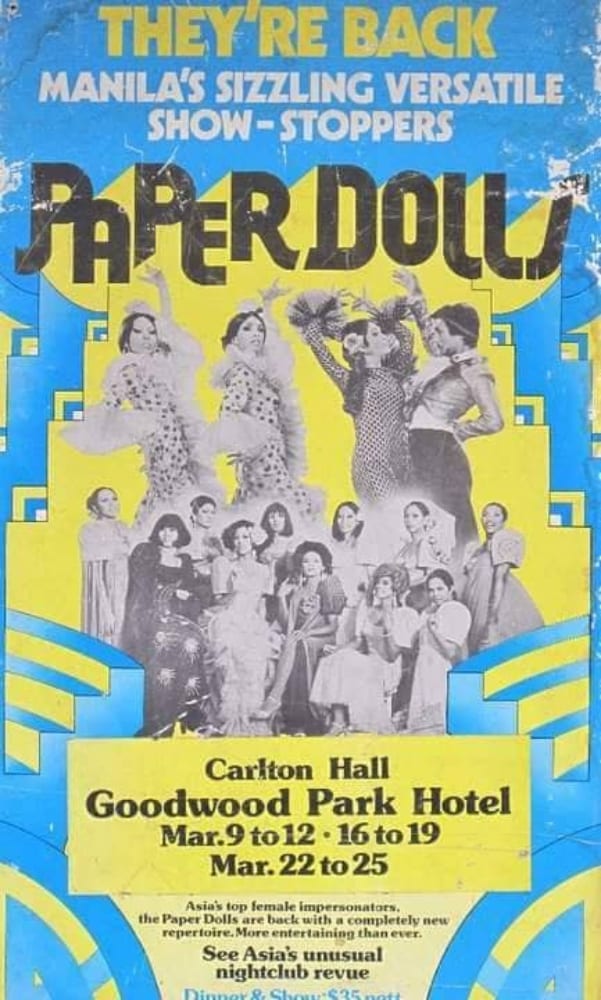
Paper Dolls, the pioneer of Philippine drag culture in the '70s. Photos: ABS-CBN
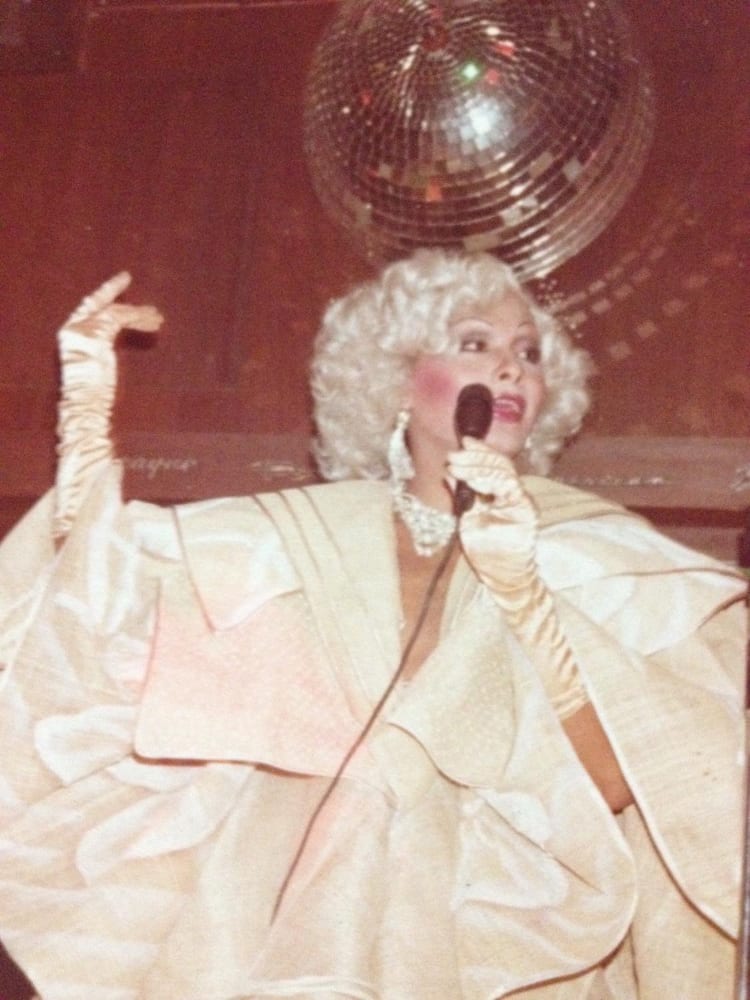
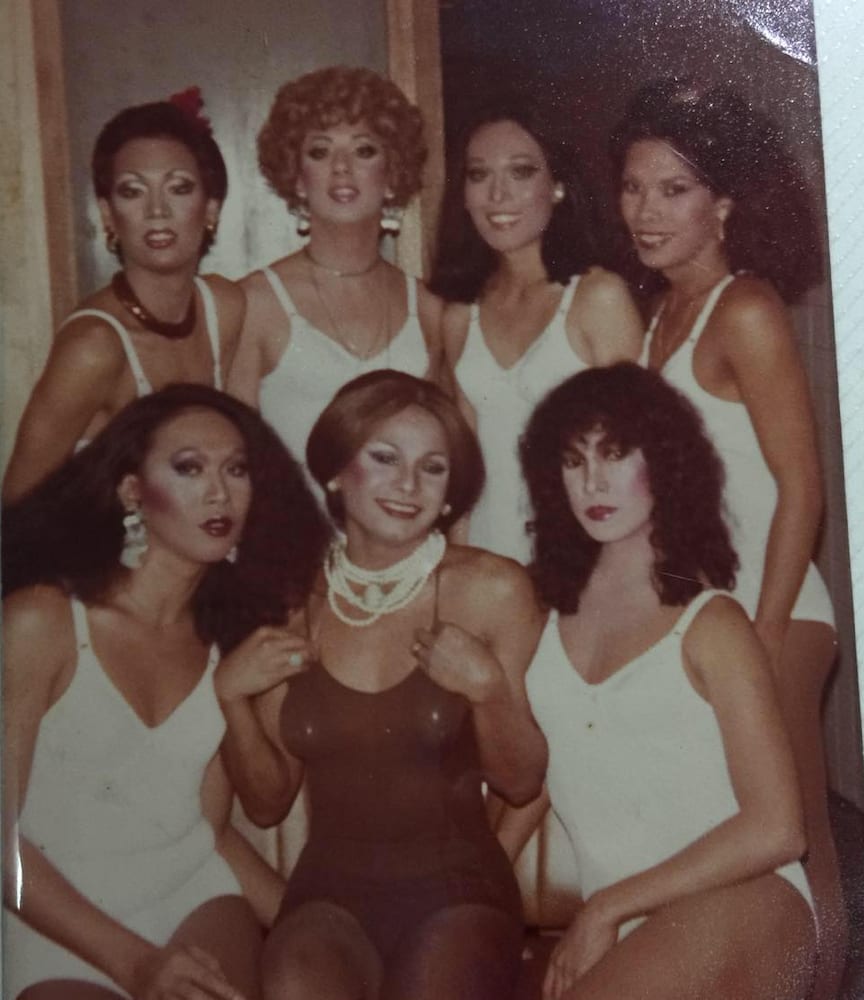
photos to expand
Pairing a Budji hairdo with Gucci shoes makes you untouchable, but add a creation by Pitoy to the mix, and you’re simply unstoppable. José “Pitoy” Moreno introduced local craftsmanship to international runways by integrating Philippine fabrics into high-fashion silhouettes.
Throughout his storied career, he dressed generations of First Ladies, royalty, and beauty queens, including homegrown stars such as Gloria Romero, Susan Roces, and Amalia Fuentes, as well as the United Kingdom’s Princess Margaret and Spain’s Queen Sofia. He was dubbed the Fashion Czar of Asia.
As the story continues, the looks Annie dons become grander and more colorful, but some things bring her feet back to the ground, remind her of where she came from, and ultimately ask her where she wants to belong. One path opens the door to success but undermines her personal relationships and what makes her valuable to high society. The other offers a smaller window of opportunity but keeps her surrounded by people who love her for who she truly is.
The contrast is also framed through the song when Pitoy is juxtaposed with Eloy, a famous ukay-ukay network with branches in Bambang and Kamuning. It was where fashionistas with humble beginnings like Annie could find affordable secondhand clothing.
Popular styles ranged from disco to hipster and bohemian. Vibrant suits with wide lapels and polo shirts with geometric patterns or psychedelic prints were widely embraced, alongside wrap dresses, bell-bottom jeans, and high-waisted pants. Individuals added more flair through accessories like oversized tinted sunglasses, wide belts, and chunky jewelry.
Wherever they stood in terms of social status, many young Filipinos during that dynamic decade saw fashion and beauty as a means of release from the country’s repressive political climate. They responded to dull realities with bold fashion and glam. With the cards they were dealt, one can imagine just how challenging it was to find and express oneself amid societal tensions. And yet, they did, leaving behind a sartorial legacy that remains evident in Filipino identity today.

Bongga Ka, ’Day!: The Annie Batungbakal Musical runs at the Newport Performing Arts Theater until October 31, 2026. Tickets are available online, at TicketWorld outlets, and at the Newport World Resorts Box Office.
Kyla Villena loves a good lip gloss and a trip to the art gallery. She is Preview's beauty girl, who doubles as a self-proclaimed motivational speaker.