We Asked Dermatologists: Should Women Shave Their Face?
Dermaplaning reveals smoother and softer skin, but are its benefits worth the risks? Experts weigh in.

by Kyla Villena
Published on Sep 26, 2025
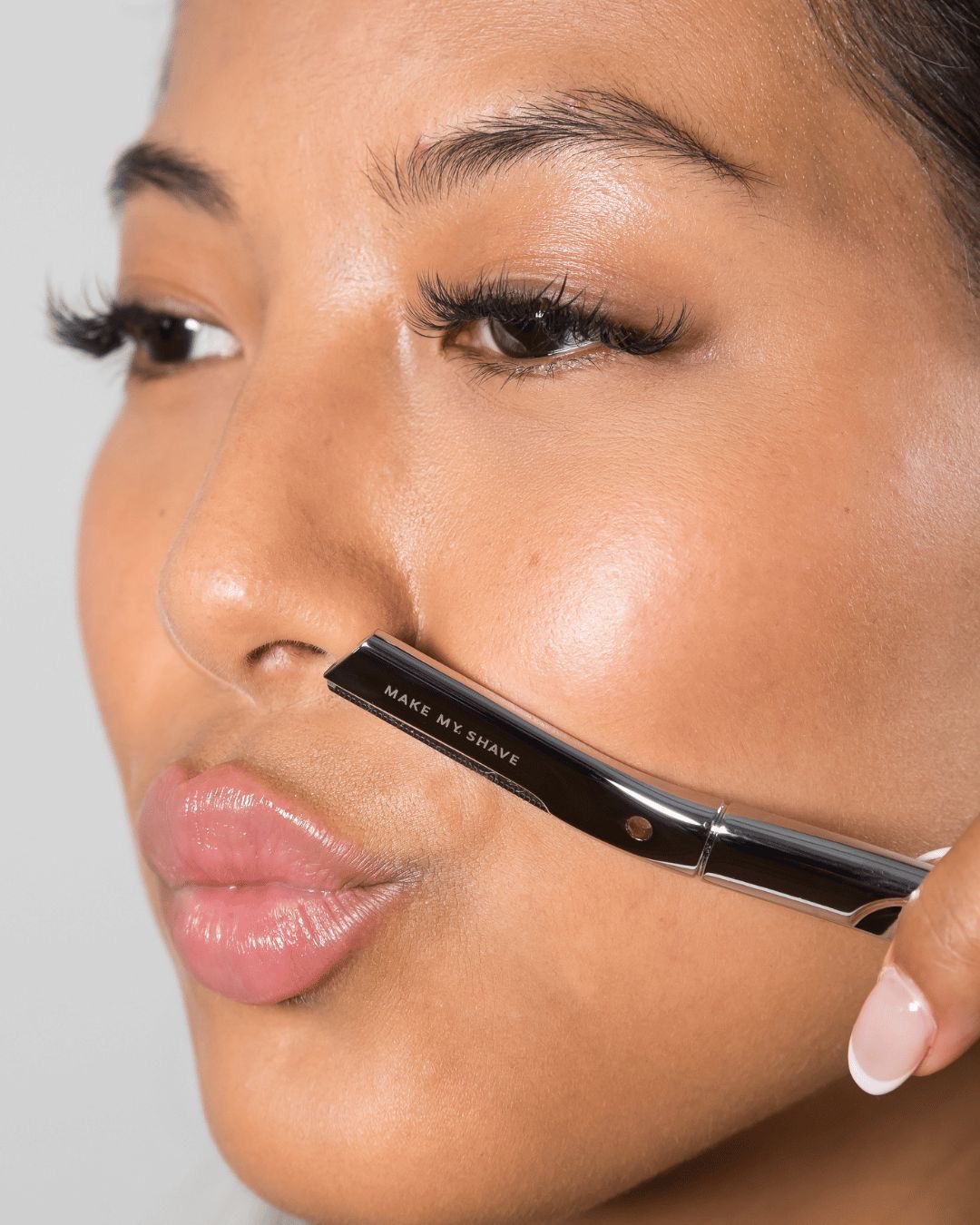
Dermaplaning has become a popular way to reveal smoother, softer skin. It has taken social media by storm, with countless videos showcasing the process and just how satisfying it looks. This method of facial shaving involves using a clean blade to remove the topmost layer of skin, effectively sloughing off dead cells and unwanted peach fuzz.
While it undeniably improves the appearance of the skin, is it actually a safe and recommended way to exfoliate? Preview gets the answers straight from two skin experts, Dr. Jarische Lao-Ang and Dr. Benett Joyce Gloriani.
Dermatologists Answer: Should Women Shave Their Face?
“Women can shave their faces, and it’s generally safe when done properly,” said Dr. Benett. She explained that dermaplaning is a form of mechanical exfoliation, which can lead to “improved absorption of skincare products. Makeup also tends to apply more evenly afterward.”
Dr. Jarische echoed this, emphasizing that “it must be done with proper care. If done carefully, it helps improve skin texture, and results may be visible right after.”

It’s important to note, however, that just because you can doesn’t necessarily mean you should. “There is a risk of damaging the skin if done improperly. There’s a risk of abrasions and cuts that may cause infection or scarring,” explained Dr. Jarische, who also emphasized that it’s not recommended for people with acne-prone or sensitive skin.
Dr. Benett added another reminder: “Shaving does not remove hair from the root, so it’s not a long-term solution. Hair will grow back at the same thickness.”
Expert Tips for Facial Shaving
If your curiosity persists and you want to give dermaplaning a try, here are Dr. Jarische’s expert tips for proper facial shaving.
Seek guidance from dermatologists.
Prep the skin properly.
Use the right facial shaving tools.
Be gentle, and avoid overdoing it.
Clean your shaving tools properly.
Apply barrier repair cream afterwards—post-care is important!
While it may seem like an easy routine to try at home, it’s always best to consult a dermatologist to determine if facial shaving is right for you. After all, everyone’s skin is unique.
Derma-Recommended Treatments for Facial Hair Reduction
Shaving may be a quick and accessible fix, but professional treatments can deliver smoother, clearer skin with long-term benefits. Ahead, Dr. Benett shares her recommended laser treatments that offer better and safer results.
Diode Laser Hair Removal: “This is one of the most effective options for reducing unwanted facial hair over multiple sessions.” Dr. Benett explained, “It targets the hair follicle directly and can significantly slow regrowth.”
Q-switched Nd:YAG Laser (Helios 785 Pico Laser): This is not used for hair removal specifically, but it does contribute to minimal or partial reduction of facial hair. Additionally, “this is an excellent complementary treatment that can help improve skin tone, texture, and clarity—making it ideal for patients looking to enhance overall skin quality.”

Kyla Villena loves a good lip gloss and a trip to the art gallery. She is Preview's beauty girl, who doubles as a self-proclaimed motivational speaker.
Read more stories about
skincare ,dermatologist ,beauty expert ,expert advice ,skincare explainer ,beauty tips