The Real Reason You Should Never Sleep with Eye Makeup On
Doctors explain how mascara and liner can accumulate under the eyelids, leading to inflammation, dryness, and potential infection.
by Kyla Villena
Published on Feb 16, 2026
Beauty often comes at a cost. In the most obvious sense, it requires financial investment—products, treatments, and services quickly add up. But the price isn’t always monetary. It can also mean sacrificing time, comfort, and, in some cases, even our health.
New York–based optometrist Dr. Jennifer Tsai recently posted an Instagram reel challenging viewers to flip their eyelids and check for tiny concretions—rolled-up pigment particles from mascara that can accumulate under the lid and damage the eyes. To prevent this, she stresses the importance of thoroughly removing eye makeup, double-cleansing, and avoiding waterproof formulas, which are harder to break down completely.
Preview spoke with ophthalmologist Dr. Jonna Cenica of Jancen Manila and dermatologist Dr. Bea Chan-Benavidez of The Skin B to better understand this case—and the other consequences that can result from improper cleansing.
What Are These Concretions Caused by Eye Makeup?
“Inside the eyelids are oil-producing glands that help keep our eyes comfortable and moist,” Dr. Jonna explains. “Makeup residue can mix with these oils or settle around the gland openings.” Over time, repeated buildup can block the glands and lead to inflammation.
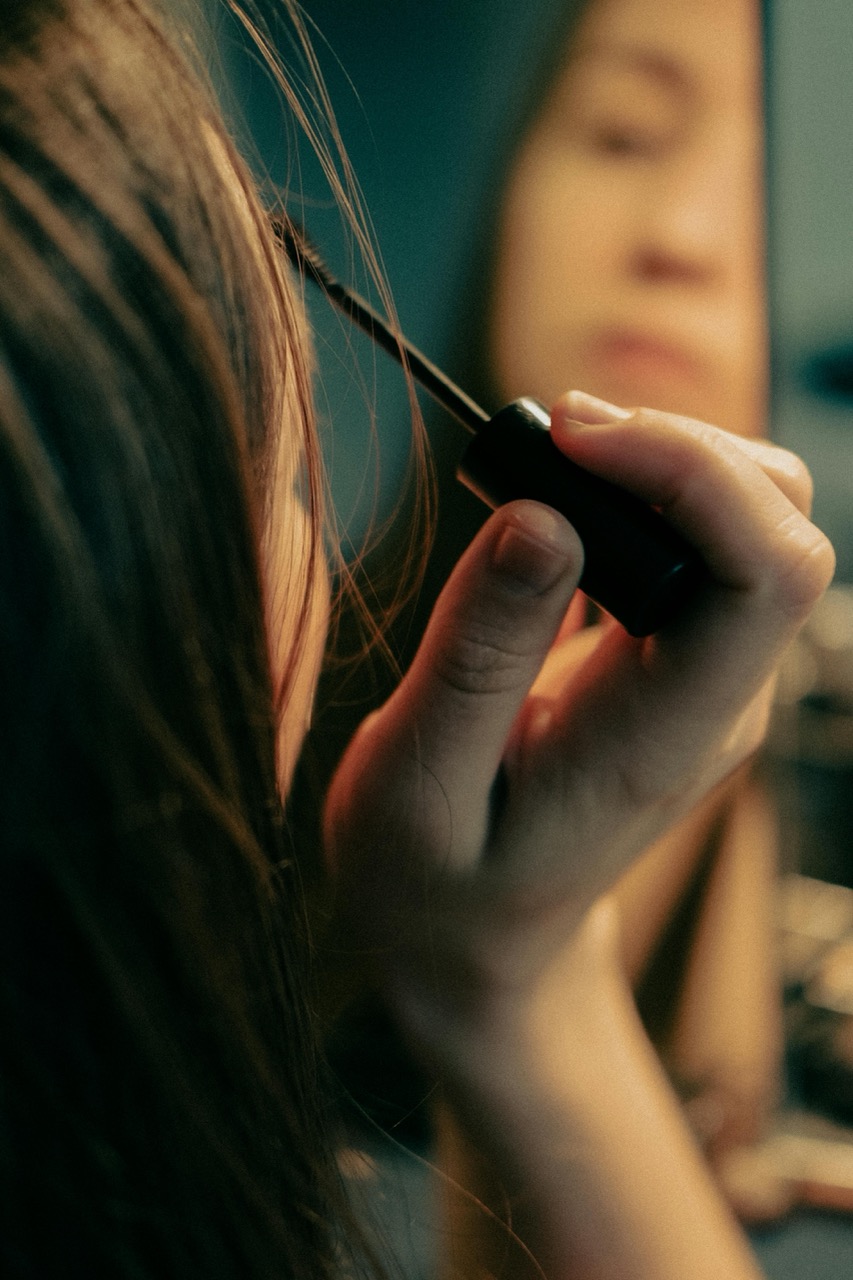
Beyond this unwanted mixing, eye makeup like mascara, eyeliner, and eyeshadow can shed tiny particles. Dr. Jonna notes that this risk increases if you frequently rub your eyes or fail to remove makeup thoroughly—especially along the lids and lashes. While our natural tears help flush out debris, they’re not enough to fully clear these particles.
Makeup becoming trapped under the eyelid, as shown in Dr. Jennifer’s video, is less common than the buildup Dr. Jonna describes—but it can still happen. The American Academy of Ophthalmology even documented a rare and extreme case involving a woman who had worn mascara daily for 25 years.

“I assume she wasn’t removing her mascara completely, which allowed particles to enter the gland openings and accumulate in her eyelids,” Dr. Jonna explains, underscoring the importance of proper eye hygiene.
The Other Possible Effects of Leaving Makeup on Overnight
According to Dr. Jonna, irritation is the most common consequence of not removing makeup properly. “Makeup residue, pollution, and oil can sit along the lash line and inner eyelids, making the eyes feel dry, itchy, gritty, or tired—parang may buhangin sa mata,” she explains.
She adds that the oil glands in our eyelids play a crucial role in keeping our tears healthy. When buildup blocks these glands over time, it can lead to conditions such as dry eye syndrome, redness, styes, or concretions. Leftover eye makeup can also create an environment where bacteria thrive, increasing the risk of infection.
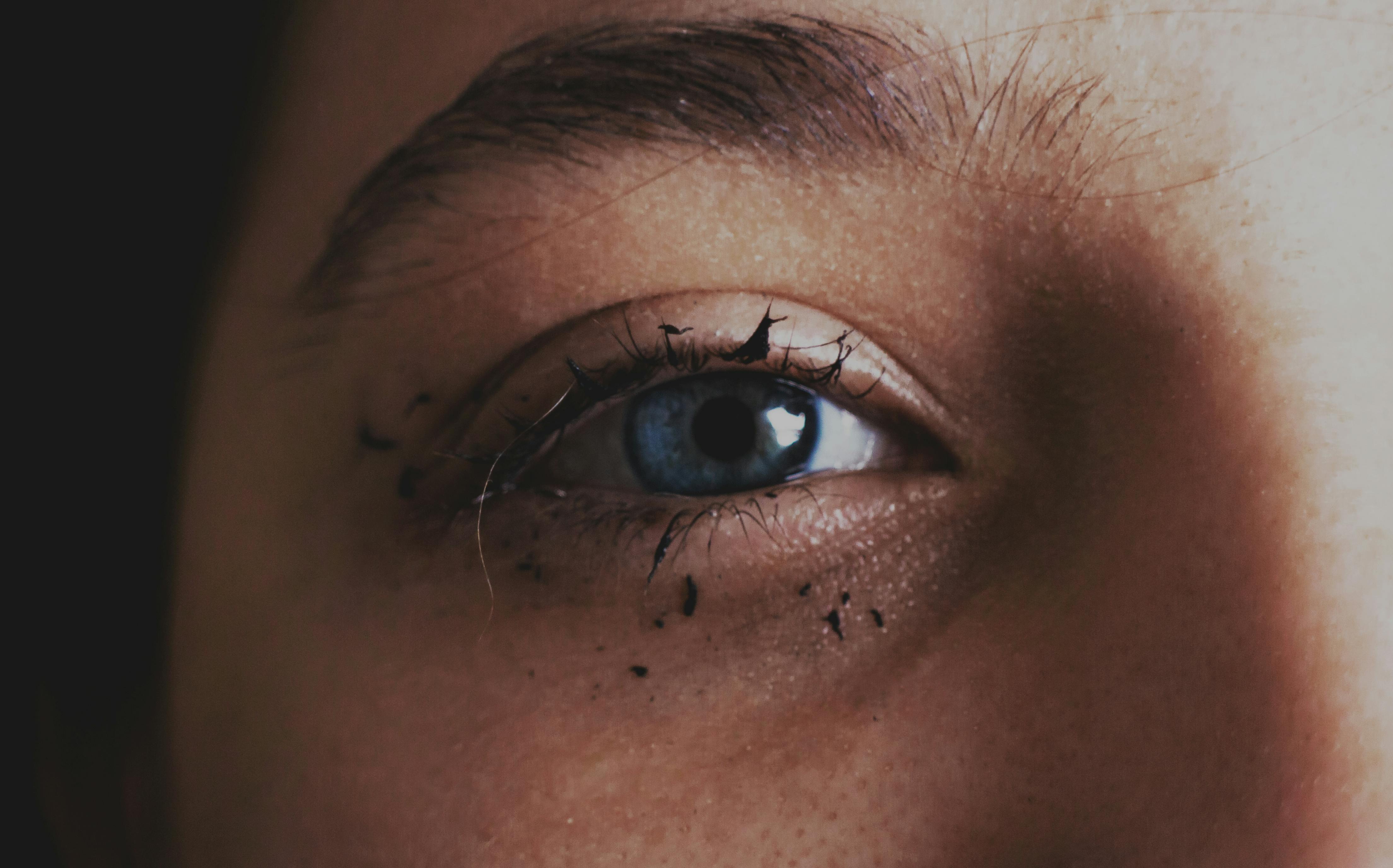
Eyelid inflammation, or blepharitis, is another possible consequence. “This can cause crusting along the lashes, swelling, and recurring discomfort,” Dr. Jonna says, noting that it’s especially common among those who regularly get eyelash extensions. She also warns that using old, shared, or contaminated makeup increases the risk of infection.
The effects aren’t limited to the eyes. Failing to cleanse properly can also impact the rest of the skin. “It can clog pores and lead to breakouts,” Dr. Bea explains, adding that it may also cause dullness. Areas with thinner skin—such as the eyelids, neck, and around the mouth—are particularly vulnerable to irritation or allergic reactions, especially when exposed to makeup containing fragrances or preservatives for extended periods.
What to Do If You Find Buildup Under Your Eyelids
“If you think you have concretions under your eyelid, the most important rule is: don’t try to remove them yourself.” Unlike surface dirt or makeup, these deposits can’t simply be washed away. Dr. Jonna warns that attempting to scrape or squeeze them may cause scratches, infection, or worsen inflammation.
If you suspect you have concretions, she advises avoiding eye rubbing, pausing eye makeup use, and consulting a trusted ophthalmologist. In many cases, doctors leave them alone if they aren’t causing discomfort. But when necessary, they can safely remove them in a clinical setting. “They’re usually minor and manageable,” she says.
“The real danger comes from do-it-yourself removal—not the concretion itself.”
Sanitary Makeup Tips to Prevent Eye Infections
Beauty is embedded into who we are. For many beauty enthusiasts, makeup plays an important and irreplaceable role in their everyday lives, and while it’s generally safe, there are simple steps we can take to further keep our love for makeup on a par with our love for our wellbeing.
Ahead, find the beauty tips that we have consolidated from our trusted experts.
Avoid lining the inner waterline.
As much as tightlining helps define our eyes and bring out their innate fierceness, it’s best to avoid applying makeup directly onto the inner waterline. It’s important to listen to your body, and that includes leaving some parts of our eye areas alone, and giving them a break when it feels like an irritation is bound to arise.
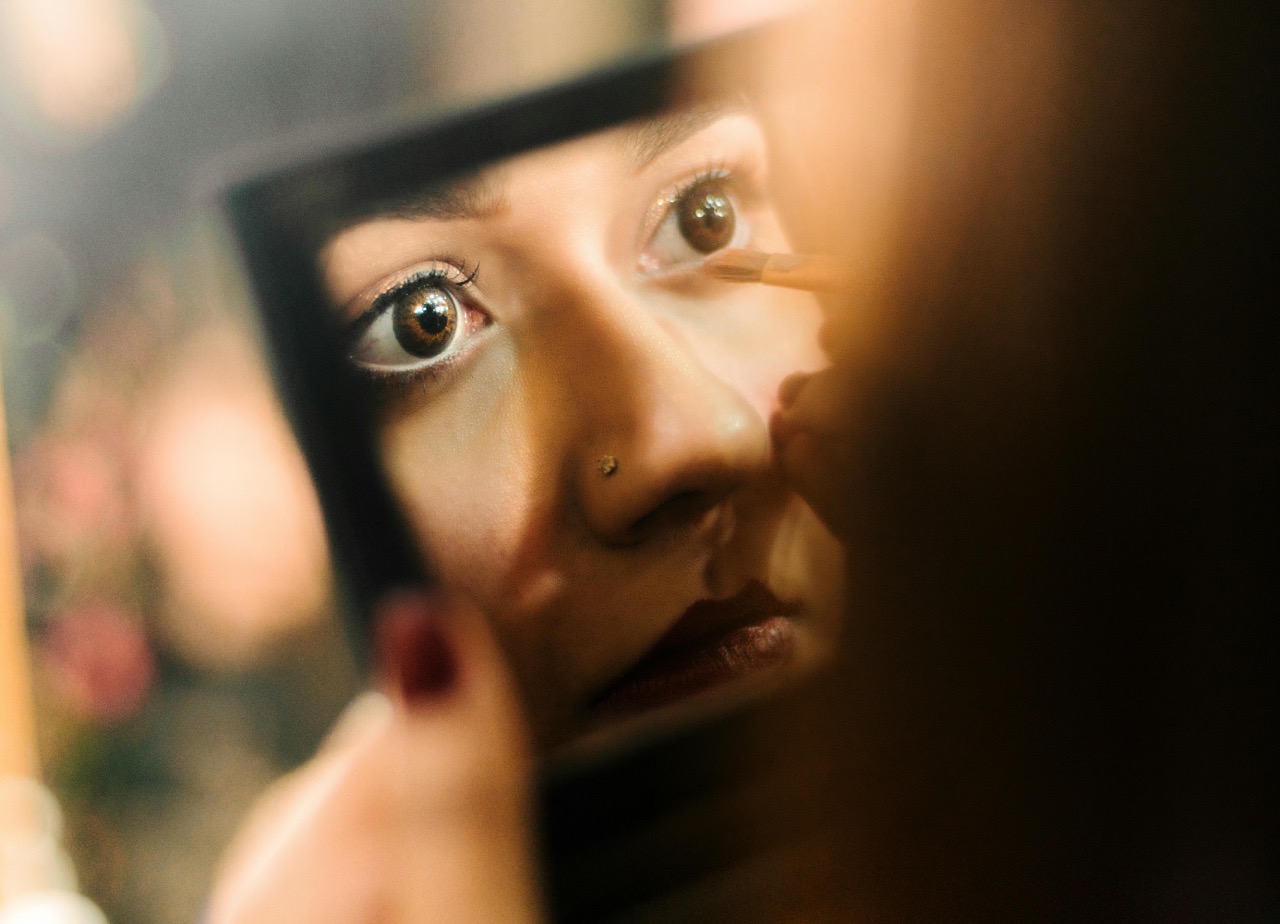
Be mindful of your products’ shelf life.
“Dont hold onto old products,” Dr. Jonna said. “Mascara should be replaced every three months, and liners or cream shadows shouldn’t be kept until they dry out.” These old products are “one of the most common sources of bacteria,” and we would be directly exposing our eyes and our skin to them if we don’t practice this mindfulness.
Choose your products wisely.
Unfortunately, makeup with glitters or with the tendency to crumble may not always be the best choice—regardless of how cute they might look—because they may shed more particles into the eyes. Dr. Jonna added, “If you have sensitive or dry eyes, look for eye makeup that’s ophthalmologist-tested and fragrance-free.”
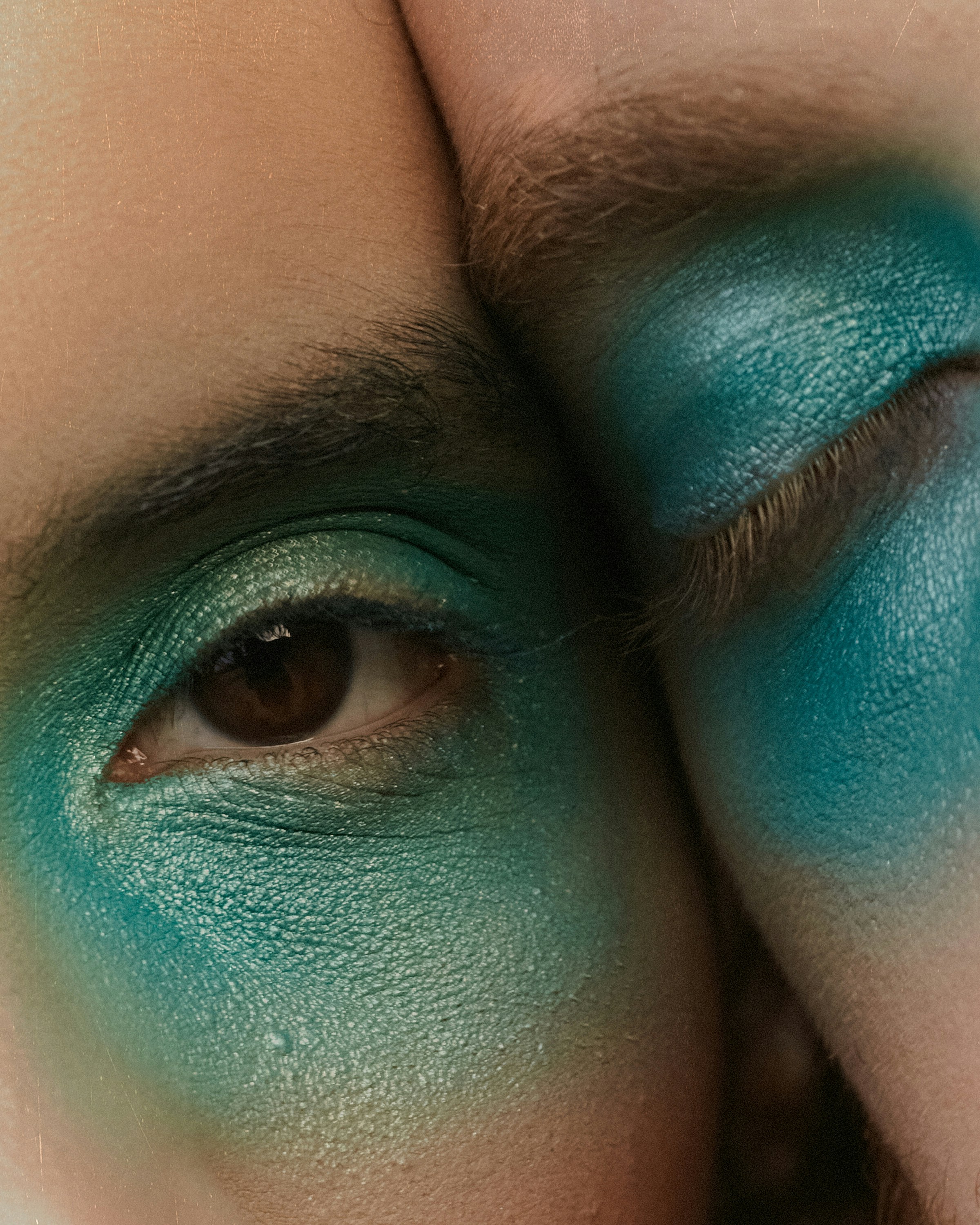
Dr. Bea also enumerated common allergens that are best to avoid altogether, such as “fragrances, preservatives like parabens, metals like nickel, cobalt, and dyes.” When exploring a new product, she recommends doing a patch test first “to make sure you won't develop any irritation or allergic reaction.”
Double-cleanse at the end of the day.
There’s no need to completely stop using makeup—just remove it at the end of the day. Dr. Bea recommends double cleansing, as it is “certainly one of the most tried-and-tested ways we can ascertain there are no traces of makeup left on our faces.”
The dermatologist personally uses a cleansing oil or balm due to their ability to remove even waterproof makeup. “The best way to remove makeup is to avoid rubbing hard, and just let the product sit on your face for 15 to 30 seconds.”
When choosing a cleanser, be sure to “avoid using alcohol and harsh surfactants” because they “can strip away natural oils and dry out your skin, leading to more irritation or inflammation.” She highlights micellar water as a type of cleanser that has “the lowest irritation potential,” being a good choice for those with sensitive skin.”
Be gentle.
Dr. Jonna said, “Avoid aggressive rubbing when applying or touching up makeup,” especially since the skin on our eyelids is very thin. “Repeated friction can cause inflammation and worsen dryness, not to mention the skin there may loosen up and eventually appear saggy.
Dr. Bea echoes these sentiments, saying that rubbing your face can lead to redness and irritation. Be gentle, and if you find yourself washing your face multiple times and yet the makeup is still there, then you're probably using the wrong makeup cleanser.
Incorporate skin-loving ingredients in your routine.
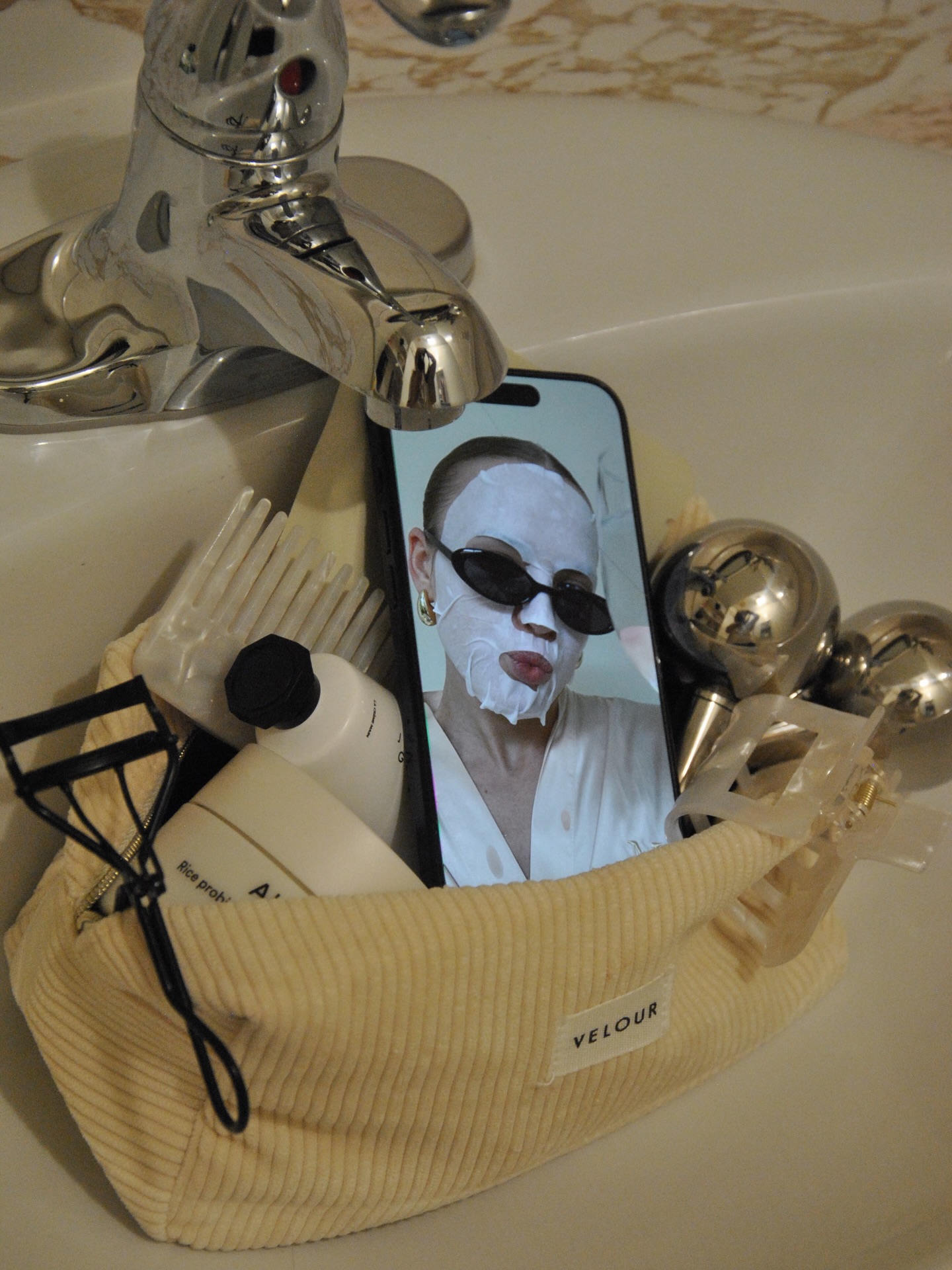
The must-have ingredients in your routine would depend on your skin type. Generally, Dr. Bea recommends Alpha Hydroxy Acid (AHA) and Beta Hydroxy Acids (BHA) for a deeper clean, since they “unclog your pores and get rid of dirt, makeup residue, and excess oil.” Maintaining a healthy skin barrier is also essential, and ingredients like Hyaluronic Acid and Ceramides help keep the skin strong and hydrated.

Kyla Villena loves a good lip gloss and a trip to the art gallery. She is Preview's beauty girl, who doubles as a self-proclaimed motivational speaker.