Why Do Most Filipinos Have a Flat Nose?
Ever wondered what makes the Filipino nose “pango”? Here’s what studies suggest.

by Kyla Villena
Published on Aug 7, 2026
Filipino noses vary widely, but common features include a low nasal bridge, a rounded or bulbous tip, and wider nostrils. These features are often described locally as “pango”—a term that, shaped in part by the country’s long colonial history and its influence on beauty standards, can carry derogatory connotations.
However, the Filipino nose is more than a matter of genetics or mere chance. Its features are also connected to the environment our ancestors inhabited, shaped over generations by the climate of the very country we call home.
Studies Suggest That Noses Are Shaped by Climate
Mark D. Shriver, a professor of anthropology at Pennsylvania State University, together with an international team of researchers, studied how the human nose came to be shaped by evolution. “We are interested in recent human evolution and what explains the evident variation in things like skin color, hair color, and the face itself,” he explained.
With this, they focused on nasal traits that differ across populations, considering their “geographical variation with respect to temperature and humidity.”
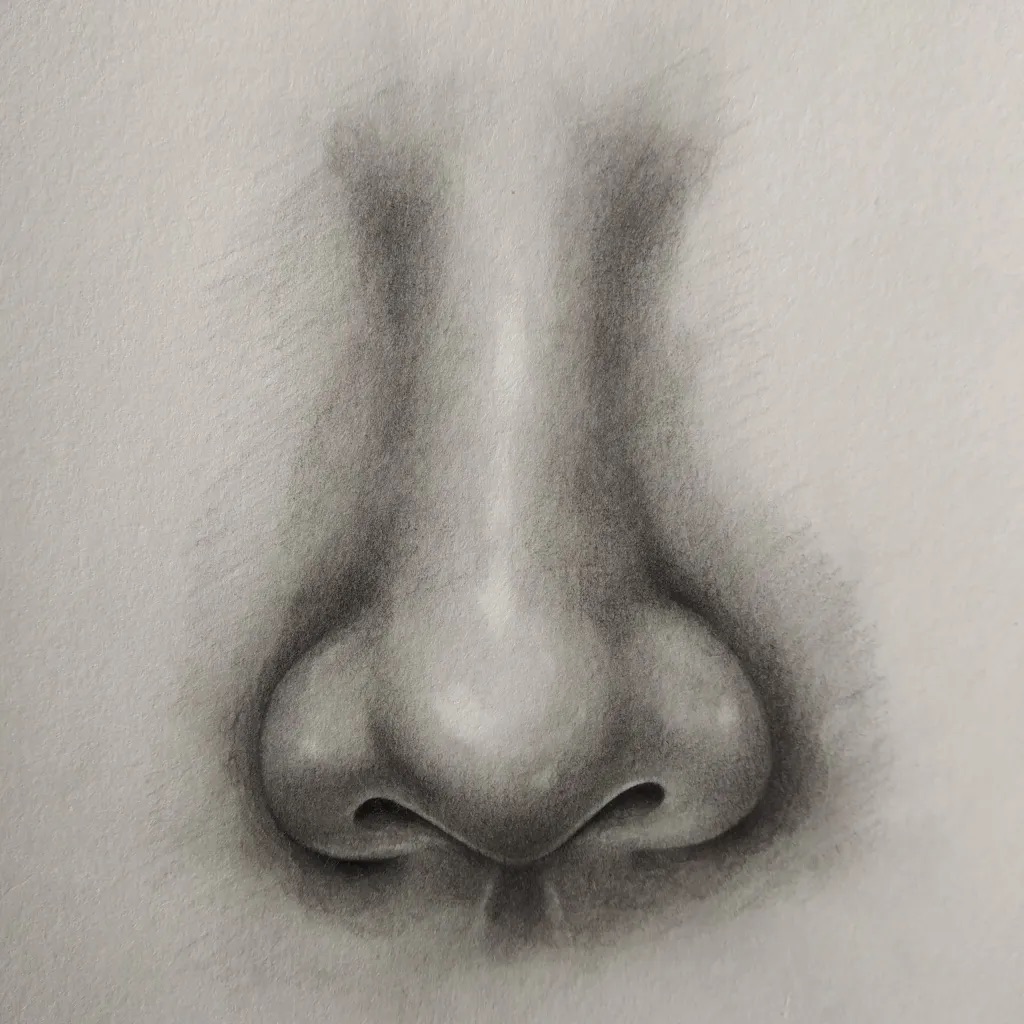
Using 3D facial imaging, they examined a variety of nasal measurements—the width of the nostrils and the distance between them, the height of the nose, its external surface area, and more. As explained on the university’s website, “The researchers found that the width of the nostrils and the base of the nose measurements differed across populations more than could be accounted for by genetic drift.”
As part of the study, conducted almost a decade ago, they examined the spatial distribution of these traits and correlated them with local temperature and humidity, finding a strong connection.
Wider noses are more common in warm and humid climates. By contrast, narrower noses are more common in cold, dry climates.
To further explain, narrower noses alter airflow as it passes through the nasal cavity. The mucous-covered interior efficiently warms and humidifies the air that enters. For tropical countries like the Philippines, this is less essential because the air is already warm and humid—the nose does not need to warm or moisten it as much before it reaches the lungs.

The professor noted, “Many people have tested the question with measurements of the skull, but no one had done measurements on live people.” He also clarified that this is not the only explanation for variations in nose shape.
The Philippines’ colonial history has long influenced Western beauty standards in the country, but the distinctly Filipino pango nose is, in fact, one of the defining features of who we are.

Kyla Villena loves a good lip gloss and a trip to the art gallery. She is Preview's beauty girl, who doubles as a self-proclaimed motivational speaker.