What Really Causes Dark Underarms? An Expert Explains
Preview consulted Dr. Prasanthi Purusothaman to explain the causes of underarm hyperpigmentation, common misconceptions, and the skincare practices that actually help.

by Kyla Villena
Published on Jun 25, 2026
There is a persistent stigma surrounding dark underarms. Many people continue to associate them with poor hygiene, assuming they are simply caused by sweat and bacteria, when in reality, underarm hyperpigmentation can result from a wide range of factors.
This misconception often fuels insecurity. It can make people think twice about wearing sleeveless clothing or raising their arms in public. Some even become more conscious when posing for photos, making sure their underarms remain out of view.
It's time to move past the stigma and recognize underarm hyperpigmentation for what it is: a common biological concern best understood through science, not judgment.
Preview spoke with Dr. Prasanthi Purusothaman, a general practitioner and cosmetic physician, to better understand the causes of dark underarms and the do's and don'ts of caring for this often-overlooked area.
What Are the Causes of Dark Underarms?
The underarms are naturally slightly darker than many other parts of the body. Still, they deserve the same care and attention we give our facial skin.
“The underarm is one of the body’s natural shadow zones. It’s warm, folded, occluded, and high-friction,” explains Dr. Prasanthi. She adds that the skin in this area has a unique barrier and a faster rate of cell turnover. At the same time, it doesn't shed dead skin cells as efficiently as other areas, making it more prone to buildup and dehydration.
“A tone a shade or two darker than your inner arm is usually biology, not necessarily a ‘problem’ to fix,” she says. “That said, pigment is information. Dark underarms are not a diagnosis, but rather a symptom.”
Dr. Prasanthi underscores that morena or melanin-rich skin contains pigment cells that are naturally more reactive, making it more likely to develop darker marks after friction, scratches, or irritation. Studies also show that post-inflammatory hyperpigmentation “is both more common and more stubborn in skin of color than in fairer skin.”
Below, she breaks down some of the most common causes of underarm darkening.
Aggressive shaving
“Dry shaving, dull or old blades, and shaving against the grain” may all cause dark underarms. “Every nick is a future shadow. Multi-blade razors remove significant layers of the epidermis, exposing the skin to further irritants.”
Friction and hair-removal trauma
“Shaving, waxing, plucking, and using depilatory creams create micro-inflammation, and in morena skin, that inflammation cashes out as pigment.” She adds that plucking hair from the follicle can disrupt the skin and cause melanocytes—cells that produce melanin—to leak into the deeper layers. These, in turn, drive inflammatory signals that trigger increased pigmentation.
High-strength acids
As tempting as it may be, daily exfoliation is not recommended for the face. In the same way, it is also not recommended to “an occluded moisture-prone and sensitive barrier like the underarm.”
Reactive and fragranced or alcohol-heavy deodorants
“The skin barrier relies on an acidic pH to perform, and disruptions to this drive damage and irritation,” explains Dr. Prasanthi. With that said, irritation may often be caused by deodorants with high fragrance and alcohol content. Other pH-disrupting actives include baking soda, lemon juice, and potato skin.
Unregulated lightening products
“This matters enormously in countries like the Philippines. Over-the-counter or unlabelled ‘whitening’ products spiked with mercury, mega-dose hydroquinone or potent topical steroids are genuinely dangerous.” These may cause staining that is “very difficult to treat after seemingly initial improvements, and strong steroids thin the skin and cause stretch marks and rebound flares.”
Humid weather
“Tropical heat means more sweat, more maceration, and more friction, plus easier overgrowth of skin bacteria and yeasts that leave post-inflammatory marks behind from inflamed follicles and ingrowns. Very relevant to daily life in the Philippines.”
Clothing fabrics
“Tight, synthetic, non-breathable fabrics rub and trap heat and sweat—a friction/occlusion duo. Loose, breathable cotton is genuinely kinder to the area.”
Metabolism
Diet indirectly causes dark underarms. “No single food darkens your underarms, but a consistently high-sugar, refined-carbohydrate pattern that drives insulin resistance is the real link to acanthosis-type darkening. It is the metabolic state.”
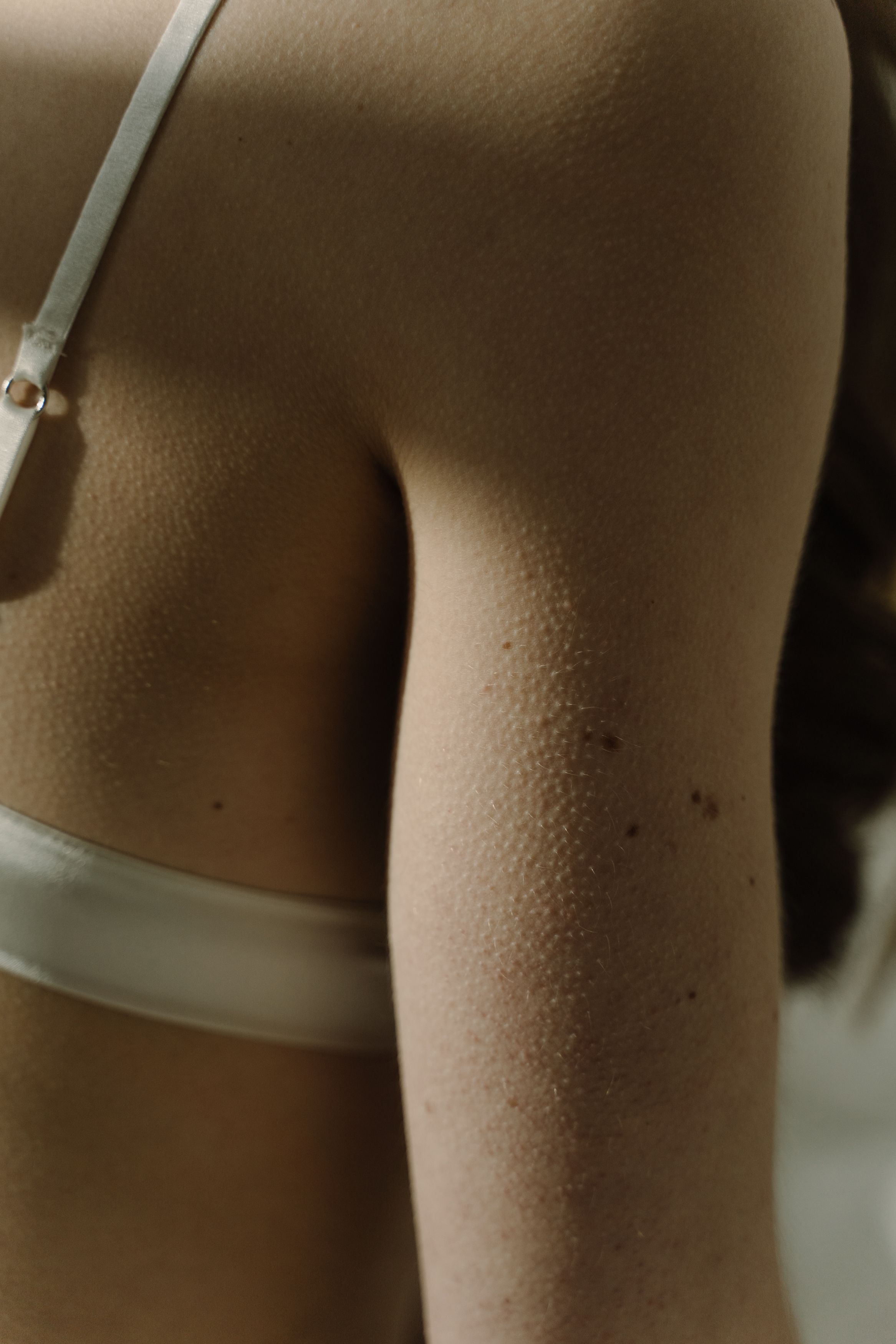
In the Philippines, using tawas is a longstanding underarm care ritual. Dr. Prasanthi says the product's popularity is understandable. “It is cheap, it is everywhere, and it genuinely cuts odor. But for morena skin specifically, it is solving the smallest part of the problem and quietly feeding the bigger one.”
She explains that tawas is not always the “natural and aluminum-free” product it is often marketed to be. Potassium alum, the most common form of tawas, is chemically known as potassium aluminum sulfate—an aluminum salt. As an astringent and antimicrobial ingredient, it can help eliminate odor-causing bacteria. However, repeated use may also disrupt the skin's healthy microbiome and strip away moisture, leading to irritation that can contribute to underarm darkening over time.

How to Tell If It’s Time to See a Doctor
As Dr. Prasanthi explains, “A gradient is biologically normal in melanin-rich skin.” However, certain changes in the appearance of the underarms may warrant a visit to a healthcare professional.
One sign to watch out for is “velvety, thickened, and almost ‘dirty-looking’ darkening” that doesn't wash off. “That texture change can be acanthosis nigricans, which can be a visible signal of insulin resistance, PCOS, thyroid issues or being in a higher weight range, and rarely something internal when it appears suddenly and spreads fast,” she says.
Darkening accompanied by itching, scaling, odor, or a faint coral-pink tinge may instead point to erythrasma, a bacterial skin infection that is common in humid climates. Dr. Prasanthi also advises seeking medical attention for “any single spot that is growing, changing, itching or bleeding. New or changing lesions should always get checked, full stop.”
She adds that skin changes accompanied by symptoms such as irregular periods, excess hair growth, unexplained weight gain, lethargy, or acne may indicate an underlying metabolic condition. “These could suggest something underlying and metabolic, requiring systemic management alongside local therapies.”
How to Properly Address Dark Underarms
When it comes to treating underarm hyperpigmentation, Dr. Prasanthi recommends following a specific order. First, calm the area by addressing the underlying triggers to break the cycle of inflammation. Next, restore the skin barrier and support a healthy skin microbiome. Brightening treatments should come last, once the skin is healthy enough to better respond to them.
She also recommends making a few changes to everyday habits, starting with upgrading your hair removal routine. This could mean using “a sharp single blade, a wet shave with slip in the direction of growth, or the genuine game-changer: professional laser hair reduction.”
For morena and deeper skin tones, Dr. Prasanthi recommends a long-pulsed Nd (1064 nm) laser, which “targets the follicle while sparing surface pigment, and lowers the risk of burns and post-treatment darkening.” However, she emphasizes that the treatment is highly operator-dependent. “The wrong wavelength or settings and frequency can worsen pigment,” she says, so it's important to seek treatment from an experienced practitioner.

Since friction and moisture are common contributors to underarm darkening, Dr. Prasanthi also recommends wearing well-fitting clothes made from breathable fabrics like cotton and managing sweat throughout the day. It's equally important to treat any underlying skin conditions before focusing on pigmentation. These may include “dermatitis, folliculitis, fungal skin infections, ingrowns,” among others. As she explains, “Often, this is what is driving the issue, and you need to address the root reversible or manageable causes.”
Above all, be patient. “The biggest mistake I see is that people are hasty, giving up and changing products too quickly, which then drives more irritation,” says Dr. Prasanthi. “Consistency beats intensity every time. Trust the process. Sometimes pigmentation also worsens before it lifts off and improves.”
She adds that post-inflammatory hyperpigmentation can take weeks—or even months—to fade. Paying attention to how your skin responds along the way will help you determine the best next step in your routine.
What Ingredients to Look for in Underarm Care Products
Niacinamide
This interrupts the transfer of pigment to skin cells and calms inflammation. “The added perks are its anti-inflammatory and skin barrier-supporting benefits, helping to support healthy ceramide synthesis, which builds a resilient barrier.”
Azelaic Acid
Dr. Prasanthi defines this as “a tyrosinase inhibitor that is also anti-inflammatory and well-tolerated in skin of color.” She adds that azelaic acid is especially helpful for those prone to ingrowns, folliculitis, and even acne, as it helps calm inflamed skin and regulate excess oil.
Alpha Arbutin
This is also a tyrosinase inhibitor, and it’s one that’s “sensible.” Dr. Prasanthi considers it “a cousin to hydroquinone without the drama of it—no risks with consistent use.”
Lactic Acid or Polyhydroxy Acids
Lactic acid and polyhydroxy acids (PHAs), such as gluconolactone and lactobionic acid, can help with gentle resurfacing. They smooth and fade by “lifting pigmented, compacted skin without the aggression of a grainy scrub.” These actives also act as humectant moisturizers that draw water into the skin, supporting a hydrated barrier.
Barrier-Supporting Ingredients
These include ceramides, glycerin, urea, and free fatty acids like linoleic acid. Calming and soothing actives are also recommended, such as centella and panthenol. As Dr. Prasanthi put it, “A calm barrier pigments less.”
5 Deodorants That Check the Boxes
L’Orient Éclair Brightening Deodorant
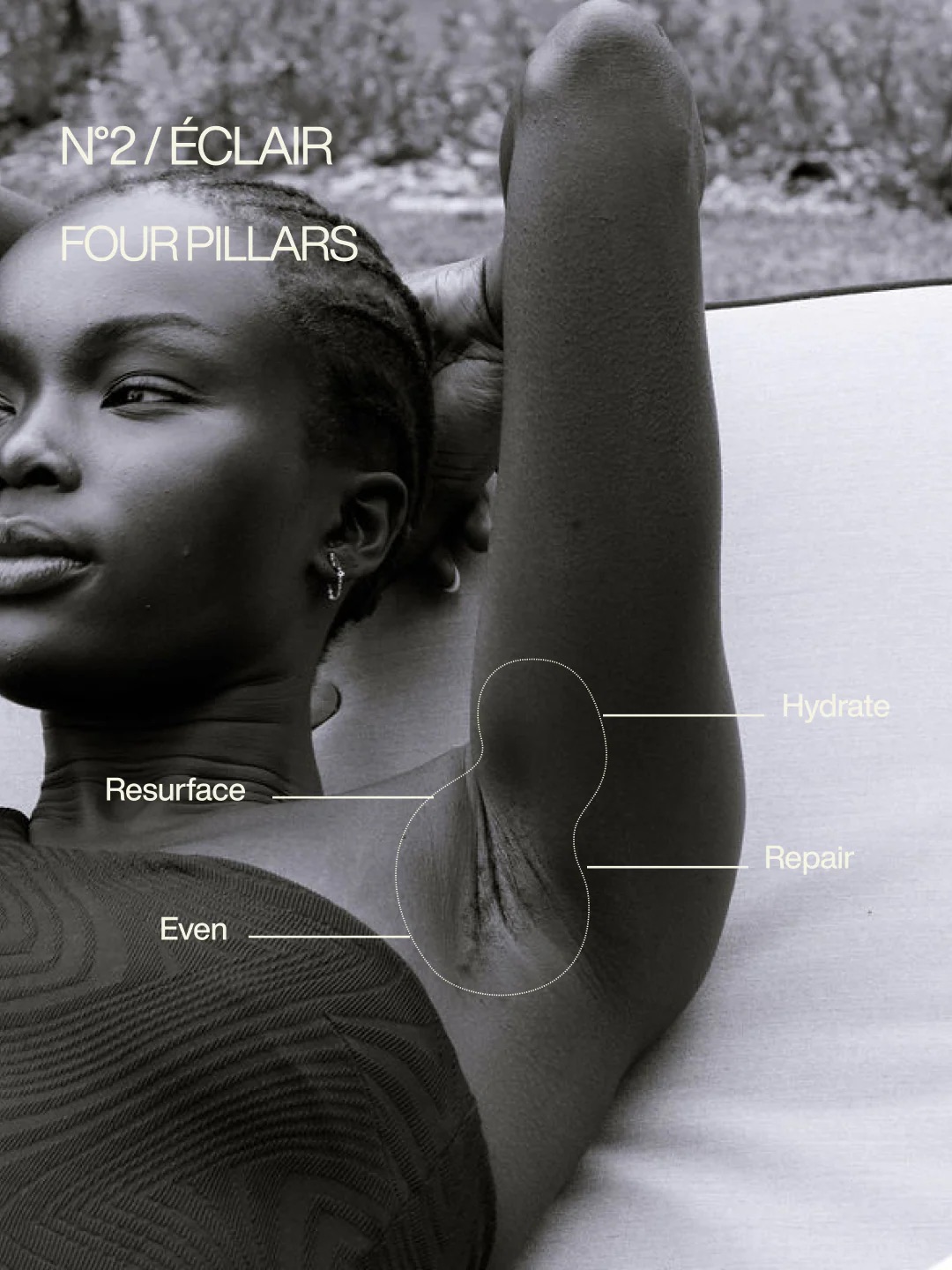
With her expertise and passion for restoring confidence among those with melanin-rich skin, Dr. Prasanthi founded bodycare brand L’Orient, and the Éclair Brightening Deodorant is worthy of the spotlight. It was formulated and designed to work according to the idea that pigment in the underarms is not a singular problem, rather a cascade to be met at every step.
Coconut Matter Mood Natural Deodorant
The Coconut Matter Mood Natural Deodorant combines 19 plants and minerals to neutralize odor and maintain a fresh feeling throughout the day. It contains no aluminium, baking soda, or other harmful ingredients, making it very friendly to the skin—even for kids and pregnant women.
Tapies Skin Brightening Deodorant Powder
If you prefer a powder formula, the Tapies Skin Brightening Deodorant Powder may be for you. It’s supercharged with brightening actives like lactic acid and niacinamide, visibly brightening underarms while managing sweat and odor.
Malin+Goetz Eucalyptus Deodorant
The Eucalyptus Deodorant has been one of Malin+Goetz’s best-selling products for over a decade now, and rightfully so. It effectively protects the underarms with natural and odor-neutralizing ingredients like eucalyptus and citronellyl, resulting in love at first swipe.
Feel Good Co. Deodorant Wipes
To manage sweat throughout the day, keep a pack of Feel Good Co. Deodorant Wipes in your bag or your pocket. The sustainable, individually wrapped wipes remove odor and stickiness caused by sweat, and they’re infused with skin-loving ingredients like aloe and vitamin E. They’re gentle enough to be used on the face and all over the body, too.

Kyla Villena loves a good lip gloss and a trip to the art gallery. She is Preview's beauty girl, who doubles as a self-proclaimed motivational speaker.