
by Kyla Villena
Published on Nov 14, 2025
Ideals, values, and behaviors are not decisions we form overnight. They’re shaped by our childhood—and by the people who guide us through it. So when we tell three-year-olds that an extensive skincare routine is synonymous with self-care, shielding them from the nuance of what they actually need, what mindset are we setting for the next generation?
Fueling this conversation is Rini, a children’s skincare brand launched this month. Actress Shay Mitchell, together with her co-founders Esther Song and Matte Babel, shared on Instagram that Rini was “inspired by my girls, their curiosity, and all the little moments that made me realize how early it starts.”
But are we honestly saying that toddlerhood is the best stage to start all this?
The beauty industry is in a constant state of innovation, and whenever something new arrives, the instinctive reaction is often, “Why didn’t anyone think of this sooner?” In this case, the idea never occurred to me; frankly, because I never believed skincare routines belonged in childhood to begin with. I’m 23, and I still find myself turning to elders and experts for guidance on my own regimen. Over time, I’ve developed skepticism, discernment, and autonomy in my choices, even as I consider the advice of others. These are capacities children simply don’t have yet.
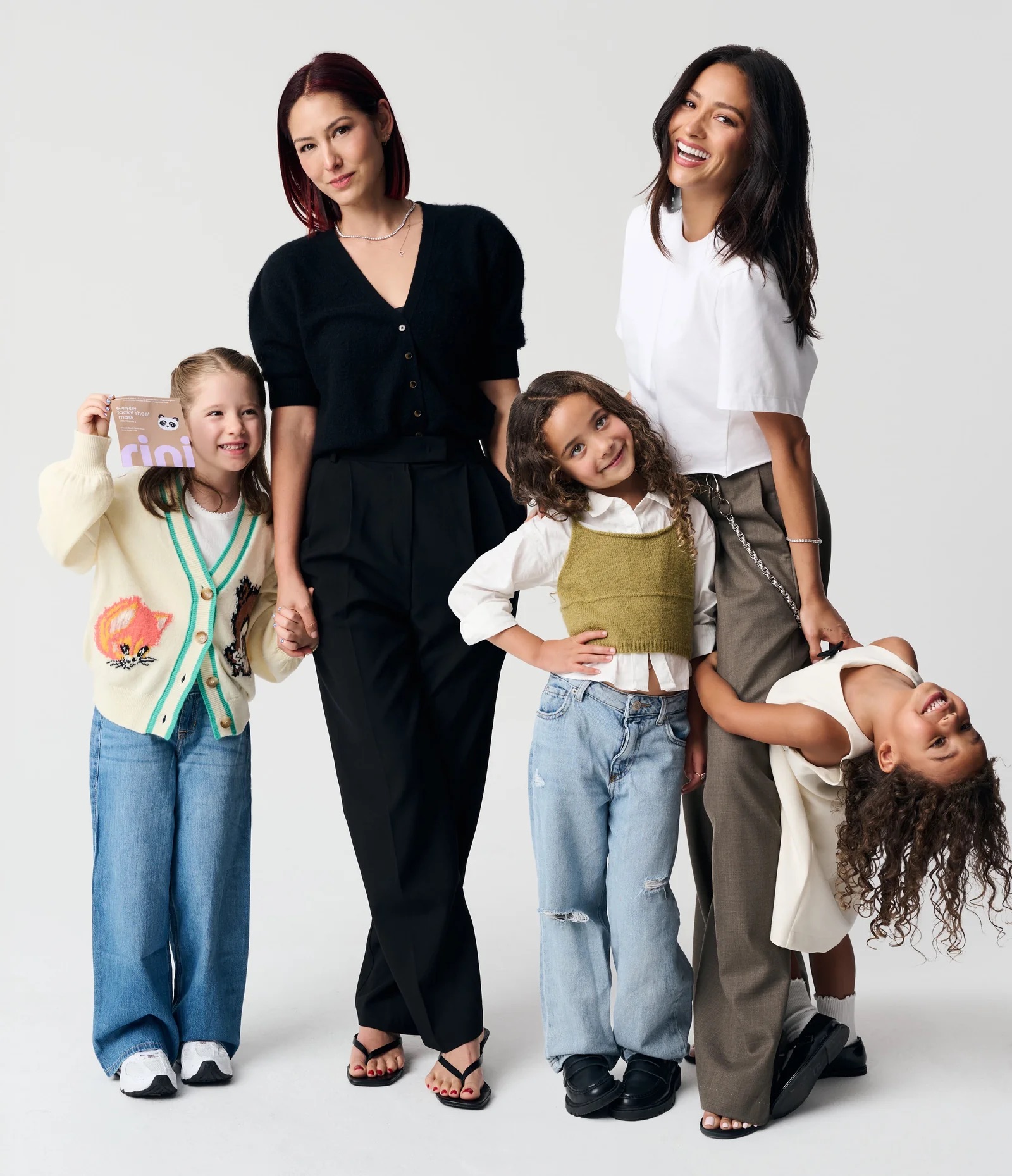
“Rini isn’t about beauty,” Shay clarified. “It’s about self-care.”
While this may seem harmless and rooted in love, it doesn’t negate the fact that it sets a dangerous precedent, and it makes room for social pressure to buy products that your children would think they need because you said so.
What Do Actual Dermatologists Think of Rini?
Rini’s debut line comprises various facial masks that claim to be dermatologically-tested, but are they dermatologically-approved? Preview talked to two board-certified dermatologists to see what they think.

“I generally don’t recommend a ‘skincare routine’ for kids, including three-year-olds, beyond the basics—gentle cleansing, moisturizing, and sun protection,” said Dr. Katrina Habalayas Luz. “At this age, a child’s skin barrier is still developing and is more sensitive, so less is more.” She noted that cleansers should be mild and fragrance-free, and moisturizers should be equally gentle. Sunscreen becomes essential during outdoor activities, ideally a mineral-based formula suited for children starting at six months old. These fundamentals are more than enough to maintain healthy skin.
“Products marketed as skincare for children, including face masks, are absolutely unnecessary and may cause irritation,” she added, emphasizing that a more structured routine can wait until the early teen years.
Dr. Benett Joyce Gloriani echoed these sentiments, unhesitantly saying, “It’s a no for me.”
The doctor explained that, in her professional opinion, sunblock alone is enough. “Kids have different skin than adults. They can react to certain ingredients,” she explained, noting why she stays “quite conservative” about applying anything unnecessary to a child’s developing skin. As they grow older, they can begin to build a routine of their own—“but it should be simple, unless they develop a condition like acne,” she added. “Other than that, sunblock all the way.” After all, an “after-sun hydrogel facial mask” becomes irrelevant when children are properly protected from the start.
How Do Filipino Parents Feel About Kids’ Skincare?
While the skincare line is designed for children, the real target market is their parents and guardians. They are the mold that kids learn to fit into, and the authorities who decide what becomes part of the household routine. Shay herself acknowledged this—one reason she spent three years developing Rini was because children often want “to do ‘what mommy does’ with her face masks.”
This raises a more pressing question: How do Filipino parents feel not just about the products, but also about how they’re being positioned? Preview speaks to two mothers who also work in beauty and media.
Ronna Bonifacio, Editor-in-Chief, Smart Parenting
“Children imitate their parents and authority figures as part of their development—it helps them make sense of the world and understand their place in it,” Ronna said, noting that this is why kids’ versions of adult tools exist, from toy cars and phones to miniature stoves and espresso machines. When it comes to skincare, however, her perspective aligns squarely with what Filipino dermatologists recommend: stick to basic hygiene and sun protection, nothing more.
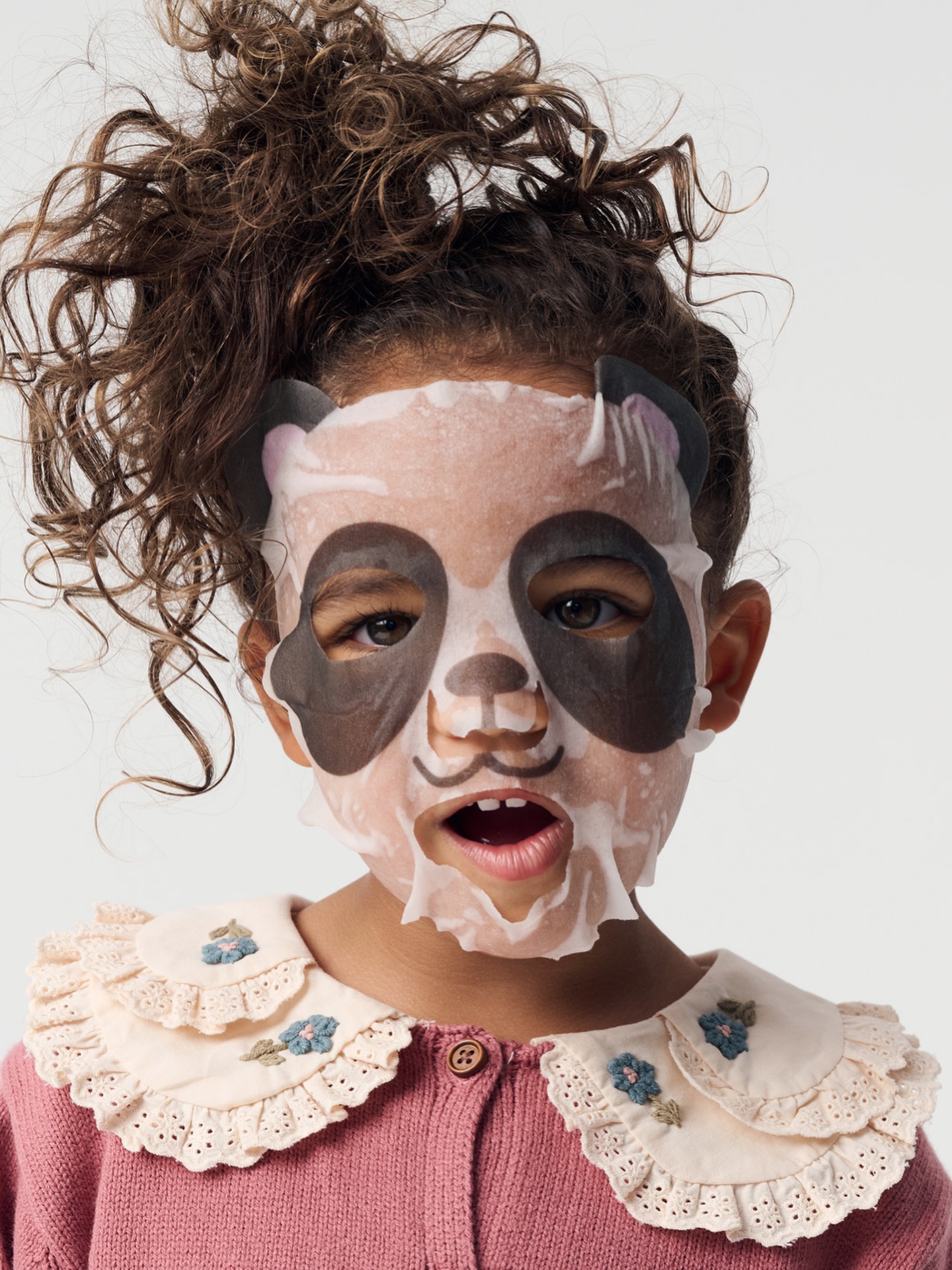
When asked about the rise of skincare products made specifically for children, Ronna was clear-eyed in her stance. She isn’t comfortable with face masks for kids in the same way she isn’t comfortable with giving them access to social media—there is a time for adult and young adult interests, and childhood shouldn’t be rushed to meet them. “And now more than ever, we need to help children enjoy and maximize their childhood because their developing selves should be able to enjoy what is age-appropriate,” she emphasized.
On whether she would personally teach children about skincare at such an early age, her answer remained grounded in practicality. For her, most kids don’t need anything beyond hygiene and sun protection; teaching a structured routine, the way one might guide a teenager through a three-step regimen, feels unnecessary. She added that the language and motivations behind skincare matter—particularly if the undertone is about preventing aging, an idea children shouldn’t have to grapple with.
Still, the parenting editor acknowledged a nuance. There is an element of novelty when a mother wants to share a “girls’ night in” moment with her daughter. In that context, having something safe to use can be comforting for parents. But even then, she believes there are countless other ways for moms and daughters to create memories together—none of which require face masks.
Nicole Limos-Morales, Founder, The Beauty Edit
Nicole is a mother to a five-year-old girl, which gives her some insight into where the brand’s founders might be coming from. “My daughter and I have our own little shower and skincare routine, too, and we enjoy that together,” she tells Preview. But even with that shared ritual, she admits it comes with several reservations and more than a few uneasy feelings.
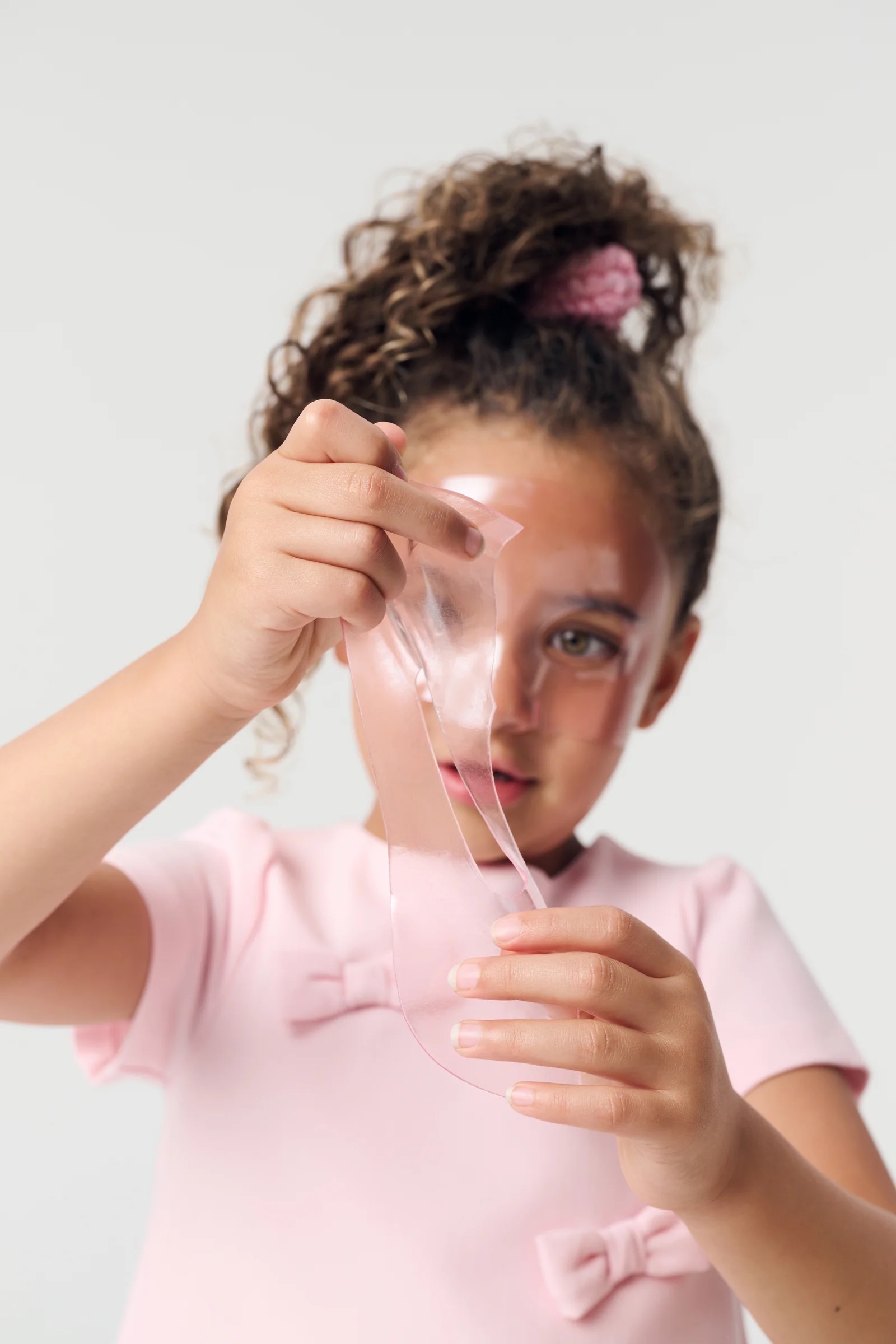
For Nicole, the rise of skincare made specifically for children feels unsettling. “For me, it’s unnecessary vanity,” she says, adding that brands need to tread very carefully here. She draws a clear line between creating safe, dermatologist-approved, age-appropriate hygiene products and commercializing beauty ideals for kids. “There’s a big difference between creating safe, dermatologist-approved, age-appropriate hygiene products and commercializing beauty ideals for children. This one treads on marketing beauty routines to those who are still too young to need them.”
Her concerns deepen when she looks at the messaging behind these products. “I feel uneasy about the way this ‘made-for-kids’ skincare line is being marketed,” she explains. Everything about the campaign—the photos, the language, the overall tone—strikes her as distinctly grown-up. That’s the part that troubles her most. “When you’re selling skincare for toddlers and framing it as ‘self-care,’ it risks giving very young children the wrong message.”
For Nicole, the issue is also about how impressionable kids are at this stage. “At that age, everything is still good, pretty, and nice in their eyes,” she says. “They don’t yet have the discernment to tell marketing from meaning.”
Children’s Skincare in the Eyes of a Daughter
I may have yet to experience motherhood, but I was once a little girl.
My introduction to beauty—the very industry and community I now proudly belong to—began at home. It was watching my mother brush her hair in front of the mirror each morning, and hearing her offer me affirmations every single day (yes, even now). It was observing her apply light makeup on me when I was a determined student preparing for a school performance, and later feeling a sense of pride when I was older and she finally entrusted me to work on my own look.
It was also seeing my older sister become even more gentle the moment she touched her skin, and how she would always ask before she came into contact with mine—even when all she wanted was to express her gigil by lightly poking my cheeks or pinching my arms. I remember being in awe of her confidence every time she stepped out of the house barefaced, saying her skin “needed to breathe and rest.”
The way I see beauty now is the way my loved ones have always shown it to me—innate and ever-present, where products like facial masks are supplements instead of necessities.

This isn’t to say that children should be kept from exploring skincare or any activity that helps them feel confident. It’s to acknowledge that children—still at the stage of discovering the world and their place in it—don’t need anything more to be beautiful. They already believe they are. Introducing products that imply otherwise risks shaping a mindset that they will carry long into adulthood.
Encouraging skincare for children as young as three creates a problem that didn’t exist to begin with. There is no need to fix what isn’t broken.

Kyla Villena loves a good lip gloss and a trip to the art gallery. She is Preview's beauty girl, who doubles as a self-proclaimed motivational speaker.