How I Stopped Seeing My Filipino Brown Eyes as “Boring”
A new beauty trend made me rethink the features I once dismissed and the colonial standards that shaped how I saw myself.

by Kyla Villena
Published on Dec 2, 2025
I always thought my eyes were boring. And I wouldn’t be surprised if other girls like me, who grew up in the Philippines, felt the same way about theirs. We would look in the mirror, deeply into the so-called windows to our souls, and we would see nothing. Nothing but two eyes in shades so dark they were almost black, reminiscent of emptiness. It felt as if they were simply spaces waiting to be filled.
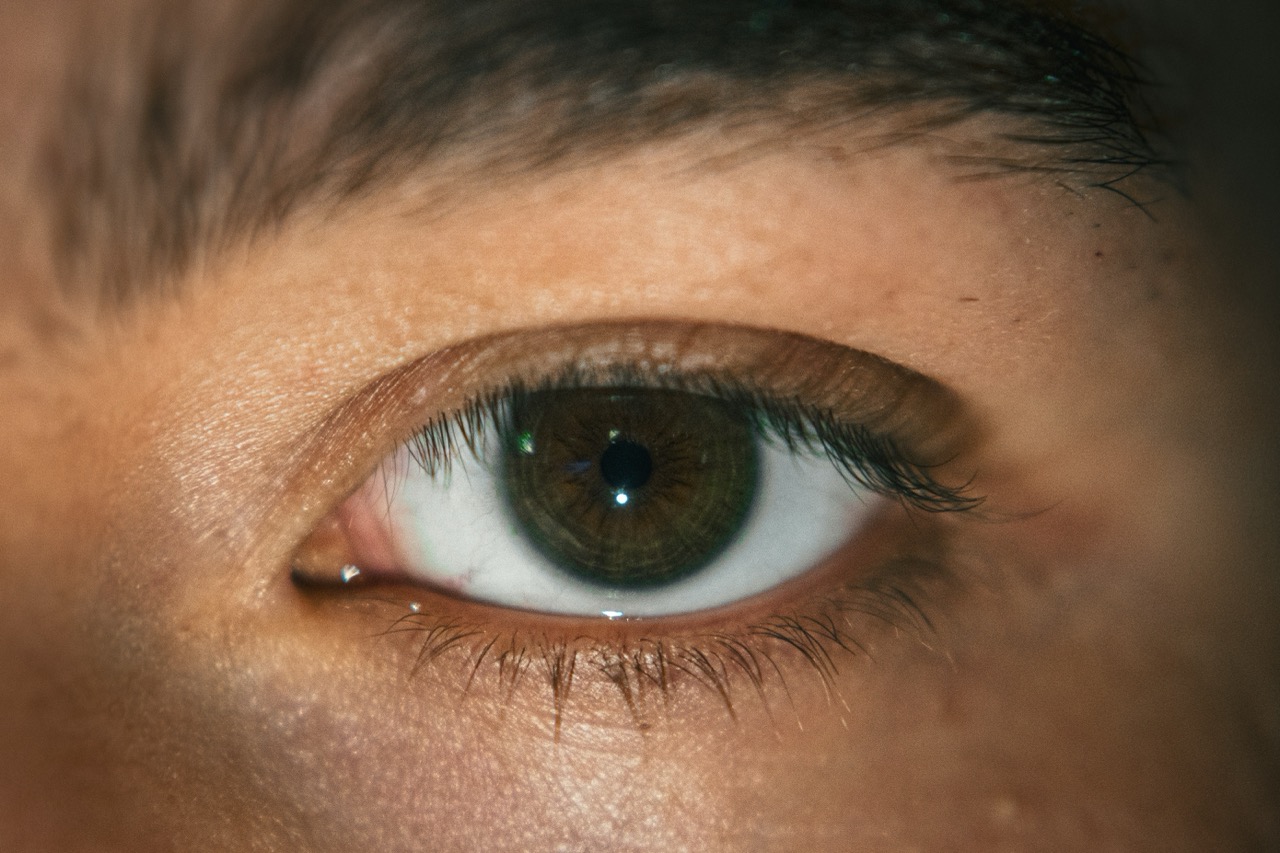
When thinking of Western beauty standards, one would probably picture fair skin, long legs, or a sharp nose. What I always assumed belonged to that list were light eyes. Some have the kind that softly catch the sun; others, the type that seem to glow at night as if they were stars in their own right. How could my dull Filipino eyes ever compare? I buried the thought—until a video I came across pulled it right back out of the casket.
People I grew up believing were conventionally attractive have started undergoing surgery to change the color of their eyes. It’s called keratopigmentation, a rising beauty trend in corners of the world I’ve never even set foot in.
Preview spoke with Dr. Jonna Cenica, an ophthalmologist and cosmetic surgeon, to learn more about it.
What Is Keratopigmentation?
“Kerato” refers to the cornea, while “pigmentation” refers to adding color. The term keratopigmentation literally means “to color the cornea.”
Dr. Jonna explained, “The cornea is the clear, dome-shaped layer right in front of your eyeball.” You can think of it as “a transparent jelly window covering your iris and your pupil.”
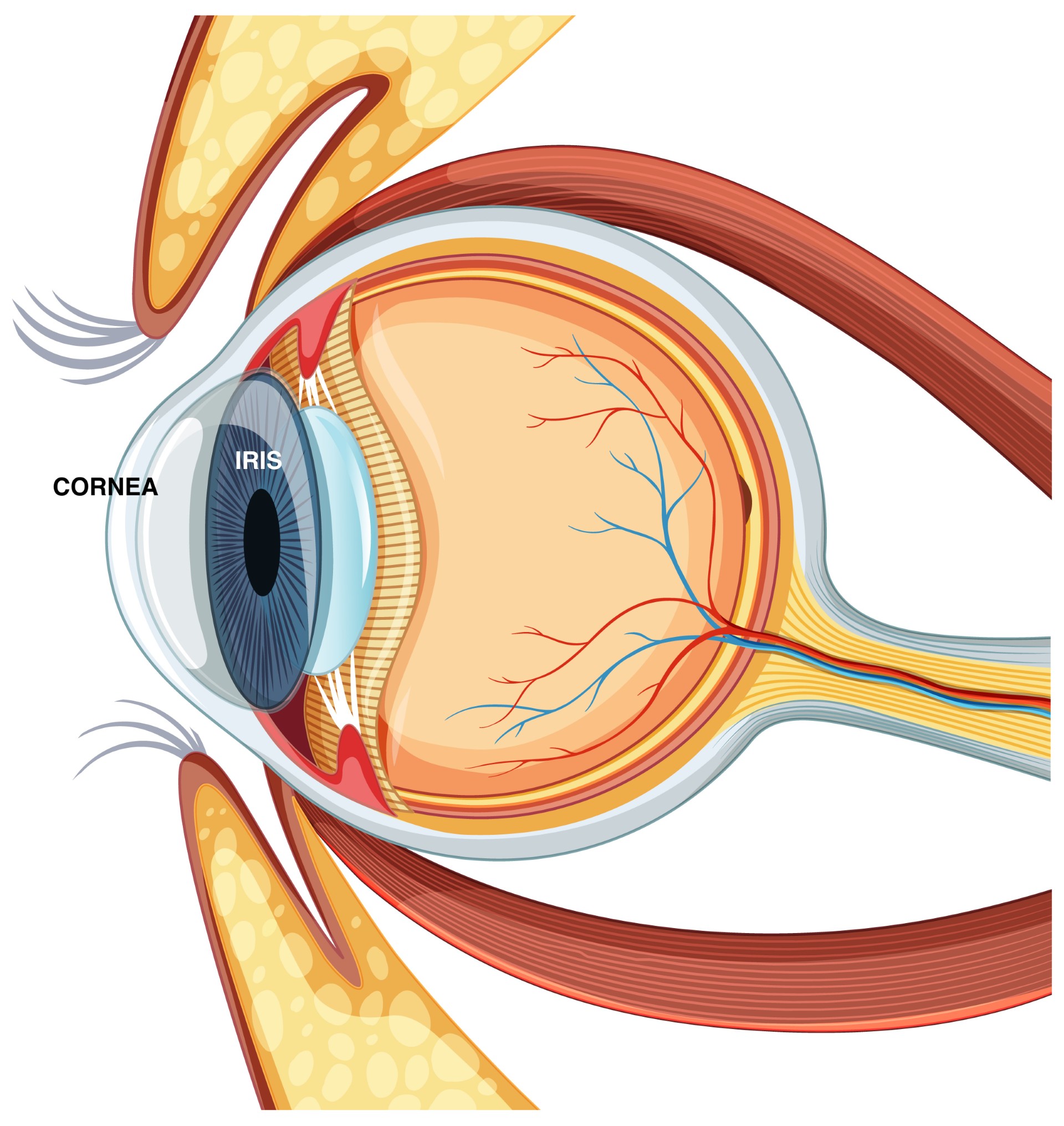
Despite being only 0.5 to 0.6 millimeters thick (yes, even thinner than a credit card), the cornea is made up of multiple delicate layers. This, Dr. Jonna emphasized, is entirely different from the iris, which she describes as “the circle or ring that gives your eyes their signature shade.” Think of Harry Styles’ or Adele’s striking green gazes. More than a color provider, the iris is a muscle—one that has far more to do with vision than aesthetics.
So, how does keratopigmentation work? “Keratopigmentation is simply pigmenting or coloring the transparent cornea,” Dr. Jonna said. “It’s done using special lasers that create a space inside the thin cornea, where the color is then deposited.”
Think of it as a tattoo on the cornea that masks the real color of your iris—similar to what colored contact lenses do, except this procedure is long-term and permanent.

The Risks and Reasons Behind Keratopigmentation
Though it’s emerging as a beauty trend, keratopigmentation was originally designed for medical purposes. “Some patients undergo it to restore a natural appearance after an injured eye,” Dr. Jonna noted, referring to cases such as white corneal scars caused by trauma, disease, and similar conditions. “It can also be done for someone with an irregularly shaped pupil.”
Dr. Jonna explained that the procedure “can camouflage scars, make the eye look more normal, and even reduce glare or light sensitivity in some cases.” However, like any surgery, it comes with risks and benefits that need to be carefully weighed. As she emphasized, “This is delicate and quite invasive for the eyes.”
If you were to consider this surgery, an enormous amount of certainty in your decision is essential. “It’s not reversible,” Dr. Jonna said. “Once the pigment is in, it’s there for good.” It also raises the possibility of “complications like infection, corneal scarring, changes in vision, or even permanent damage to the cornea” if the procedure isn’t done flawlessly.
Keratopigmentation for Aesthetic Reasons
There’s no denying that keratopigmentation is a fascinating procedure. Just imagine—within one to two hours of entering a clinic, you could open your eyes and see them in the shade you once only imagined, and continue seeing that same reflection every morning.
Despite its appeal, it’s a procedure that requires significant caution. Sharing her perspective, Dr. Jonna noted that it can be life-changing for patients with medical indications. But for purely aesthetic reasons, “it’s still too new and too risky for healthy eyes.”

There’s nothing wrong with wanting to change or enhance your appearance—and it can certainly be tempting if your eyes have always felt like they’re hovering close to nothingness. But as Dr. Jonna cautioned, “our thin corneas are not something we can just reboot if something goes wrong.”
With that said, it’s wiser to explore reversible options first—FDA-approved colored contacts, digital filters, and similar alternatives. Safety will always matter more than beauty. “Appreciate the science, but respect the risks,” as Dr. Jonna put it. And while the procedure isn’t offered in the Philippines yet, the surge of online content will hopefully encourage more research and public awareness. “If this trend opens up in the Philippines,” she said, “I hope we can lead it responsibly.”
If You Could Change Your Eye Color, Would You?
The Philippines, shaped by a long history of colonization, carries countless influences from across the globe. These ideals seep into our daily lives and shape the way we see the world—beauty standards included—and we tirelessly impose them on ourselves and those around us. Our identity is difficult to reduce to a single form. But if there’s one feature that feels ours wholly, it’s our eyes.
I always thought my eyes were boring. They resemble the color of dirt our countrymen have spent years trying to wash away. My dark brown orbs remind me of pavements perpetually under construction and of floodwaters that return to our towns month after month.

But they also remind me of soil, the very land our farmers plant crops on and make a living from. They look just like the shade of the Narra tree, strong and enduring, trying its hardest to stand firm amidst adversities. They are an extension of my brown skin, which I was convinced to believe doesn’t look beautiful, yet it’s the only one I feel at home in.
I look at my “boring” brown eyes and realize they’re not just mine. And for the first time in a long while, the Filipino identity started to come into focus.

Kyla Villena loves a good lip gloss and a trip to the art gallery. She is Preview's beauty girl, who doubles as a self-proclaimed motivational speaker.