Rafè Totengco Always Finds His Way Home
From Bacolod to Brooklyn, Rafè has put Filipino craftsmanship on the map through his distinct expressions of the handbag.
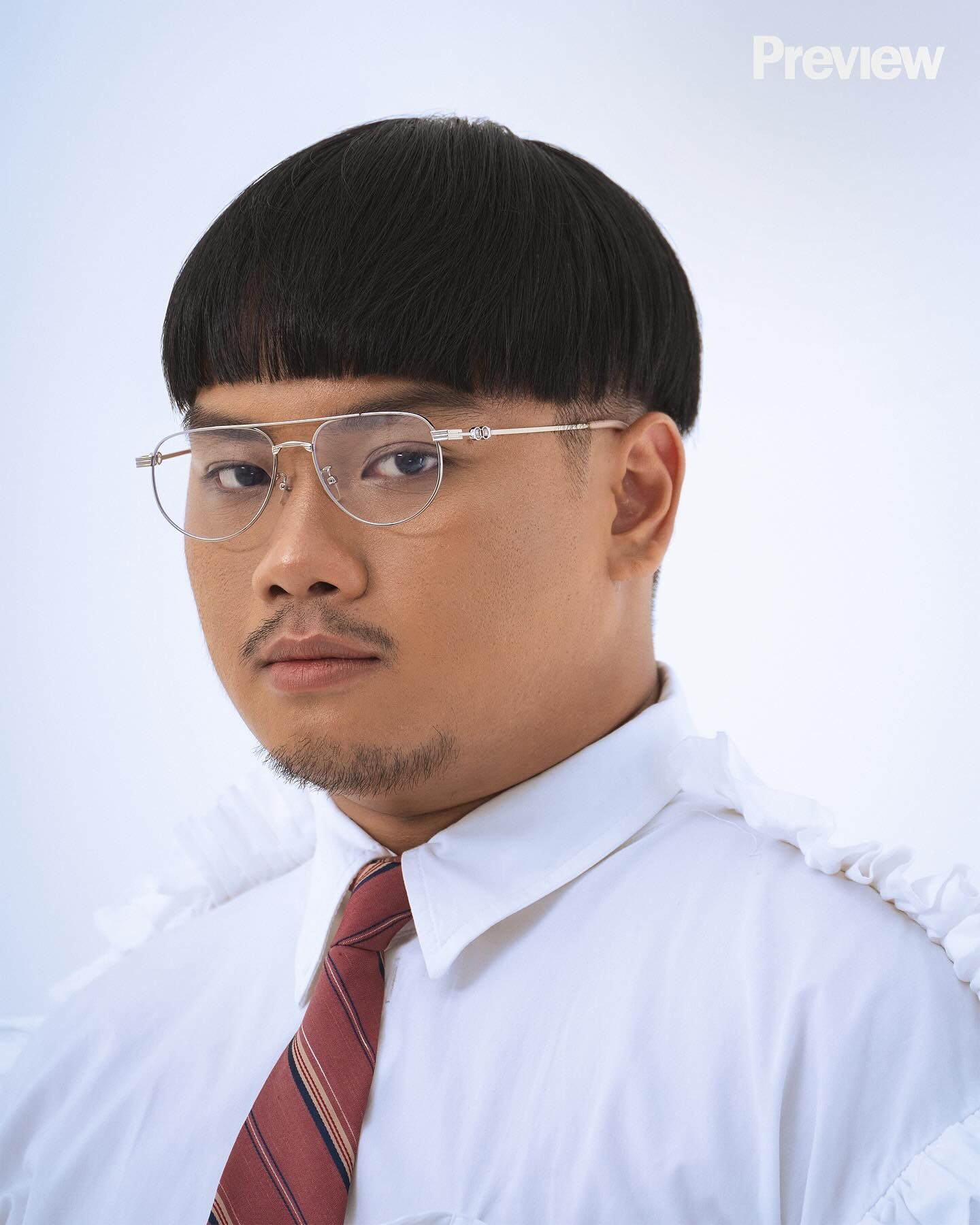
by Em Enriquez
Published on Jun 5, 2026
The daffodils of spring had long retreated when Rafè Totengco moved to New York. It was the tail-end of August, and a change of seasons was imminent.
For someone like Rafè, who grew up in a place where the only weather distinctions were wet and dry, noticing this shift was a novel experience. “It's funny how nature really tells you the time,” he shares. “When you start to see certain flowers emerge or die, you know we're entering a certain cycle again. Which I love because it teaches us that no matter what, Mother Nature is going to do her thing.”
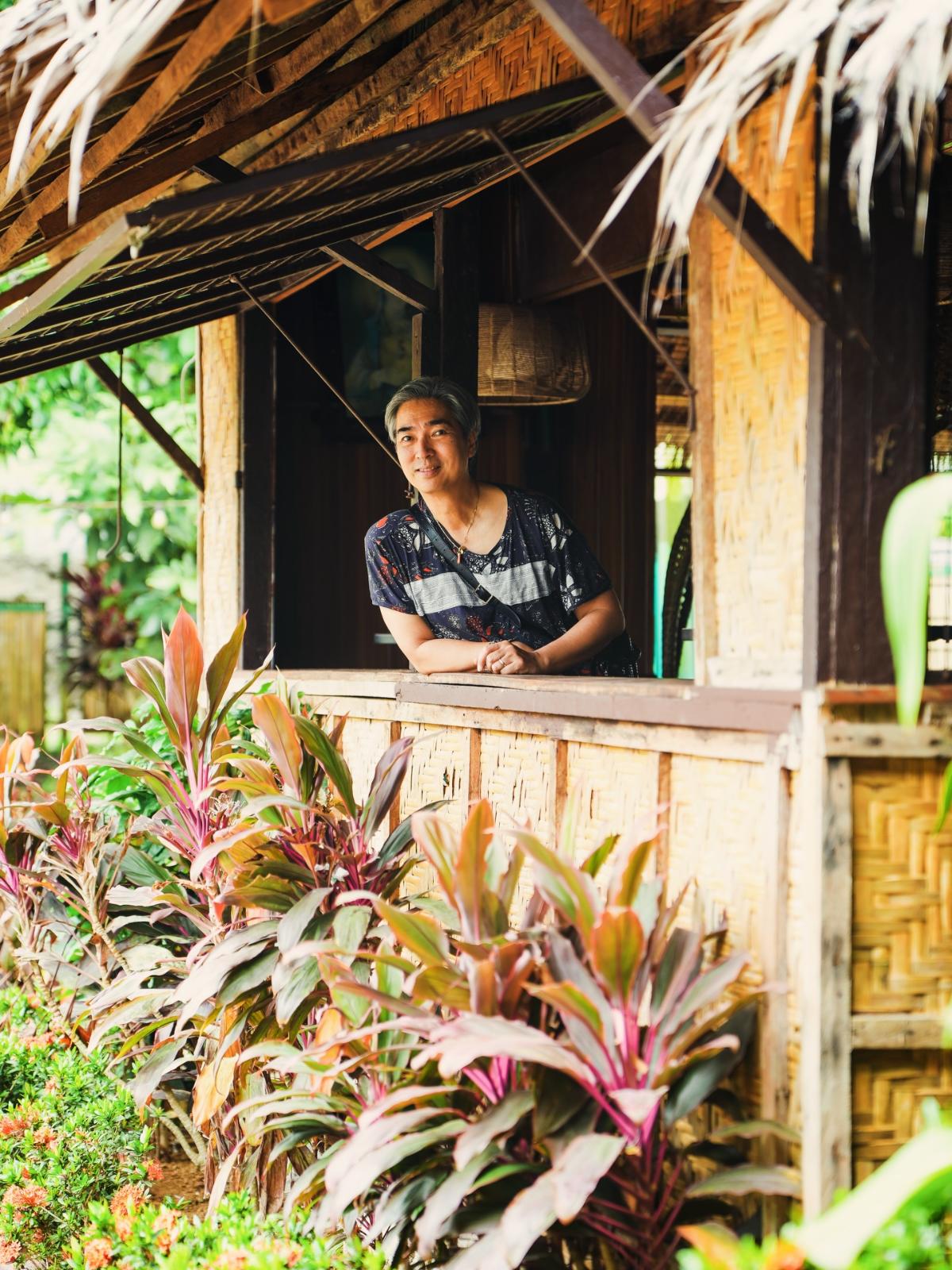
On a Thursday morning in early May 2026, Mother Nature was reminding Rafè that he was back in the tropics. In the peak of summer, somewhere in Metro Manila, the sun’s rays persisted through the windows of a breakfast hall. Hovering over a plate of mangoes and kakanin, the balikbayan had just returned from an excursion across Samar. Dressed in a loose Hawaiian shirt and with a black crossbody by his side, he definitely gave the impression of someone in vacation mode. “Sayang nga I couldn’t pass by Bacolod this time,” he uttered with a subtly homesick sigh.
This visit is one of Rafè’s many homecomings through the years. Each instance he returns is always a kindred time for him. For someone who’s made a name for themselves as a sought-after bag designer halfway across the world, the Philippines never ceases to flaunt its charms. Decades after he changed addresses, home base remains his favorite muse.
From making his way through Manhattan’s high-street scene to adorning some of contemporary cinema’s most well-dressed ladies, Rafè has always carried his Filipino identity through his work. Purveyors would know him best for his expressions of the handbag, but at the core of his designs is a delicate regard for his roots and what has blossomed in their place. Seasons may change, but his roots remain intact.
In this exclusive interview, Rafè sits down with Preview to share about his career as a designer, highlighting the milestones and memories that have molded him and his craft.
Rafè Totengco on the Filipino Roots of His Clutches
Hi Rafè! Take me down memory lane: How was it like starting your own brand in New York?
"Oh, my God. Daunting… scary, intimidating… and exhilarating. Takot ako, but at the same time, I was telling myself, 'Just go!' You know what I mean?
"For me, making handbags was not initially my plan. But when it fell into place, I said, "'You know what? I'm going to listen to this.' The universe was telling me my first plan wasn't going to happen, because when I left Manila, I had my own clothing label here. I was designing clothes for men, for women, for myself, for my friends, and I really thought that I could do it again."
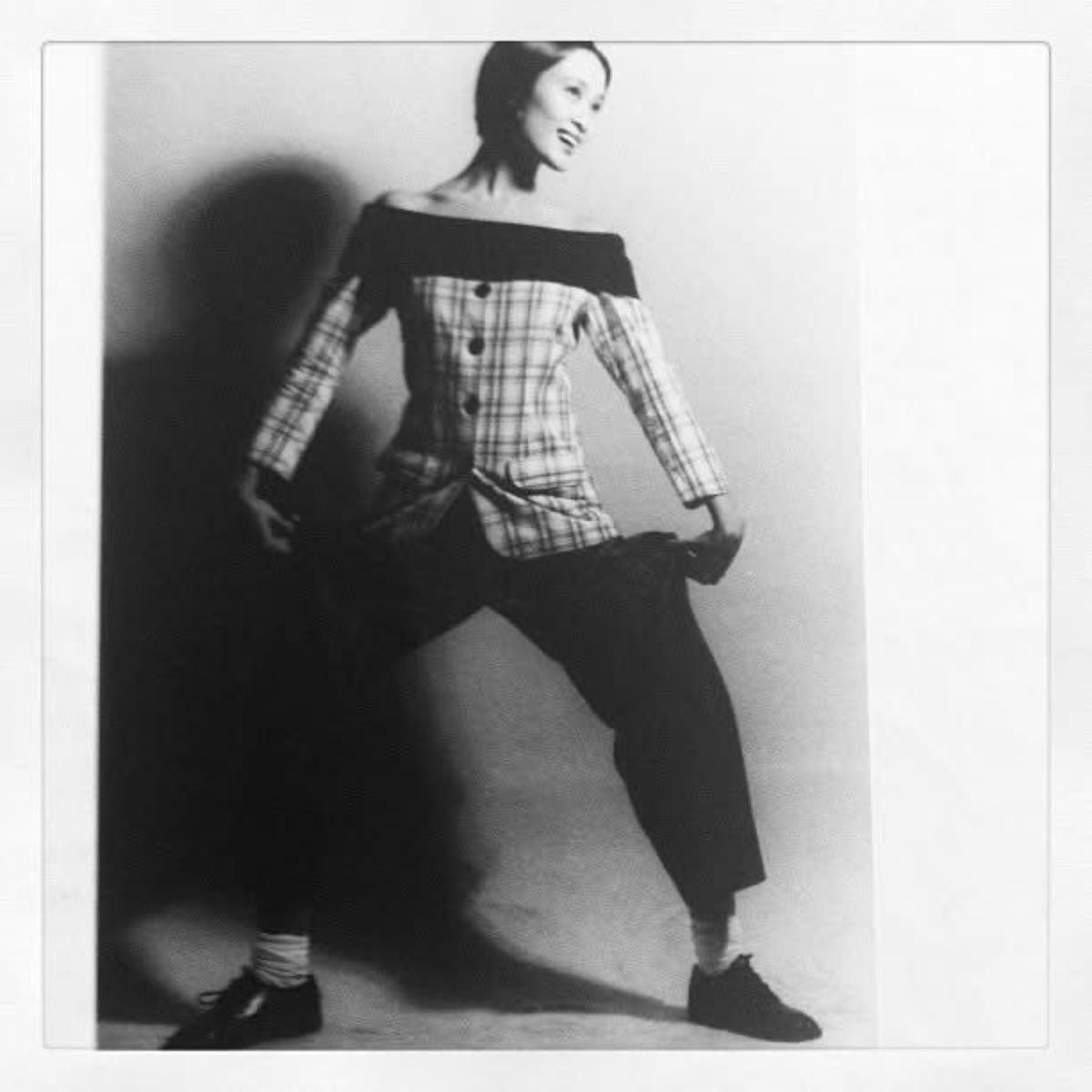
"I quickly realized within a few years that that wasn't going to be possible for me. And then, making handbags, all of a sudden, became another outlet. I never really thought of handbags before, but then I realized that through this 3D item, I can still express myself.
"I think what really made me want to pursue handbags was when I realized that one size fits most. It's not size-specific, age-specific, or gender-specific, especially now. It's like, all those rules are gone. And it's kind of liberating. So I'm happy to be in that space because it's so democratic.
"I've always believed that there are no mistakes, only lessons. 'Di ba? Like, you always learn from something. Parang, if I'm not good at this, it'll at least teach me something. I don't know, maybe it's a Pinoy thing also na laging pwedeng gawan ng paraan ang mga bagay. Alam niyo 'yan?
"I think my mom always taught me that. Na parang, if it doesn't go your way, find another way. Don't just accept no. No is not an option, unless you decide that you don't want to [continue.]"
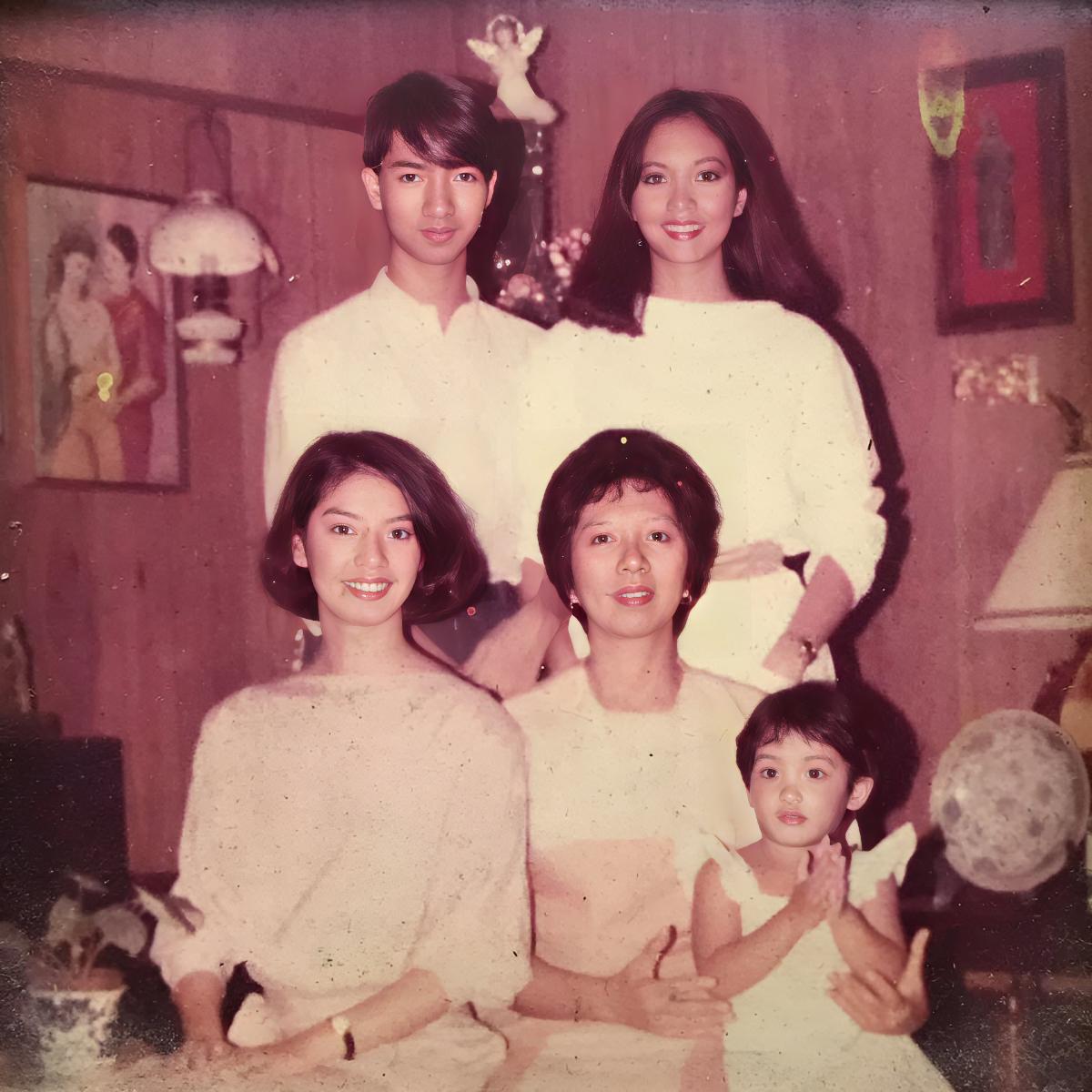
What was your mom like? How did she dress?
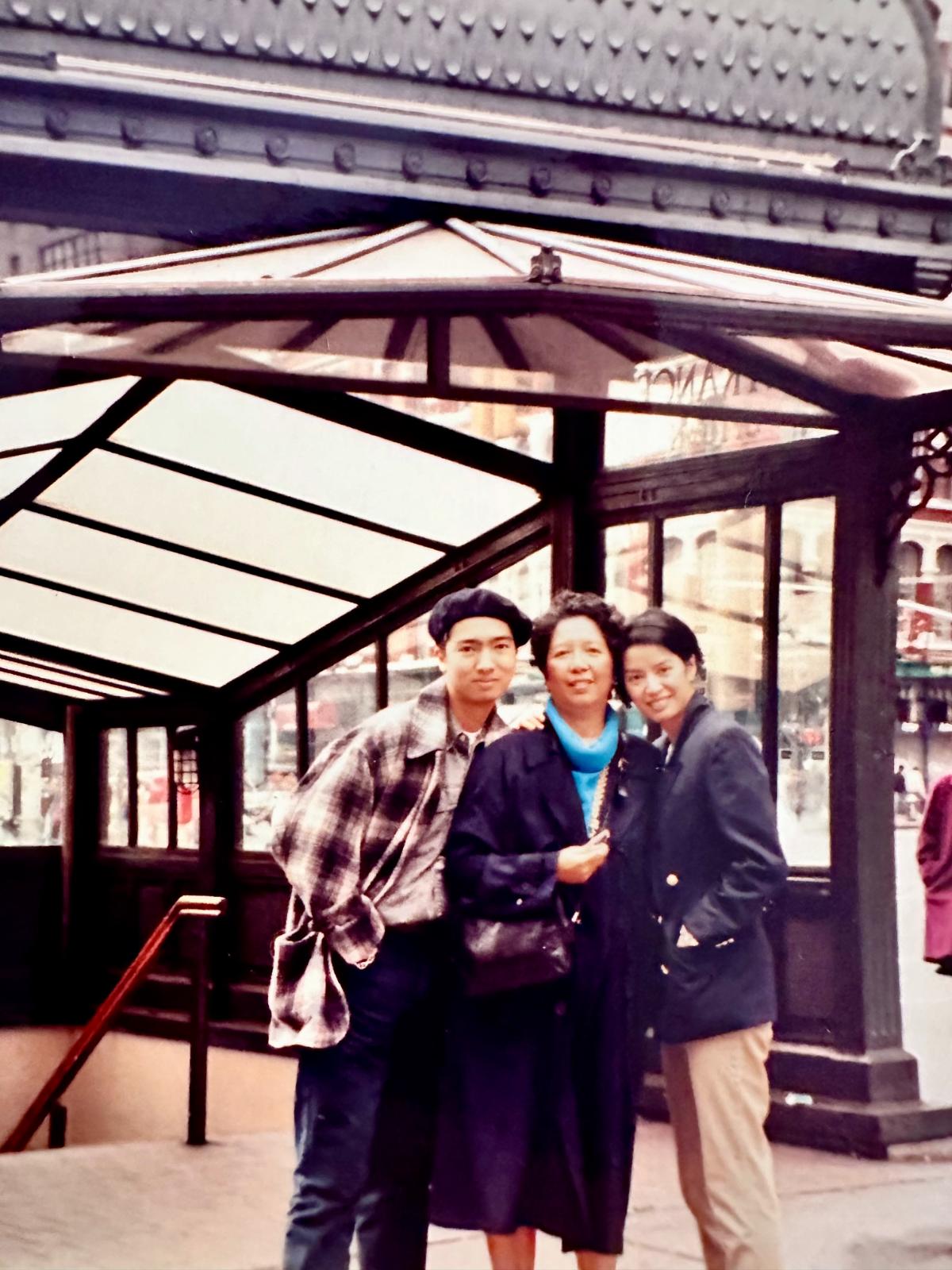
"It's funny. My mom was not a fashion person at all. Oh my God, she could not care less! My mom wasn't vain at all, but my father was. So I think my vanity and sense of fashion I got from my dad.
"For him, everything had to be pressed perfectly. Your shoes and your belt had to match. He always had a clutch. That was in the '70s, when all the men had clutches. I don't know what he carried in that clutch, but he always had it.
"He always wanted to look right. And sometimes I would wear something and he'd look at me and tell me to change."
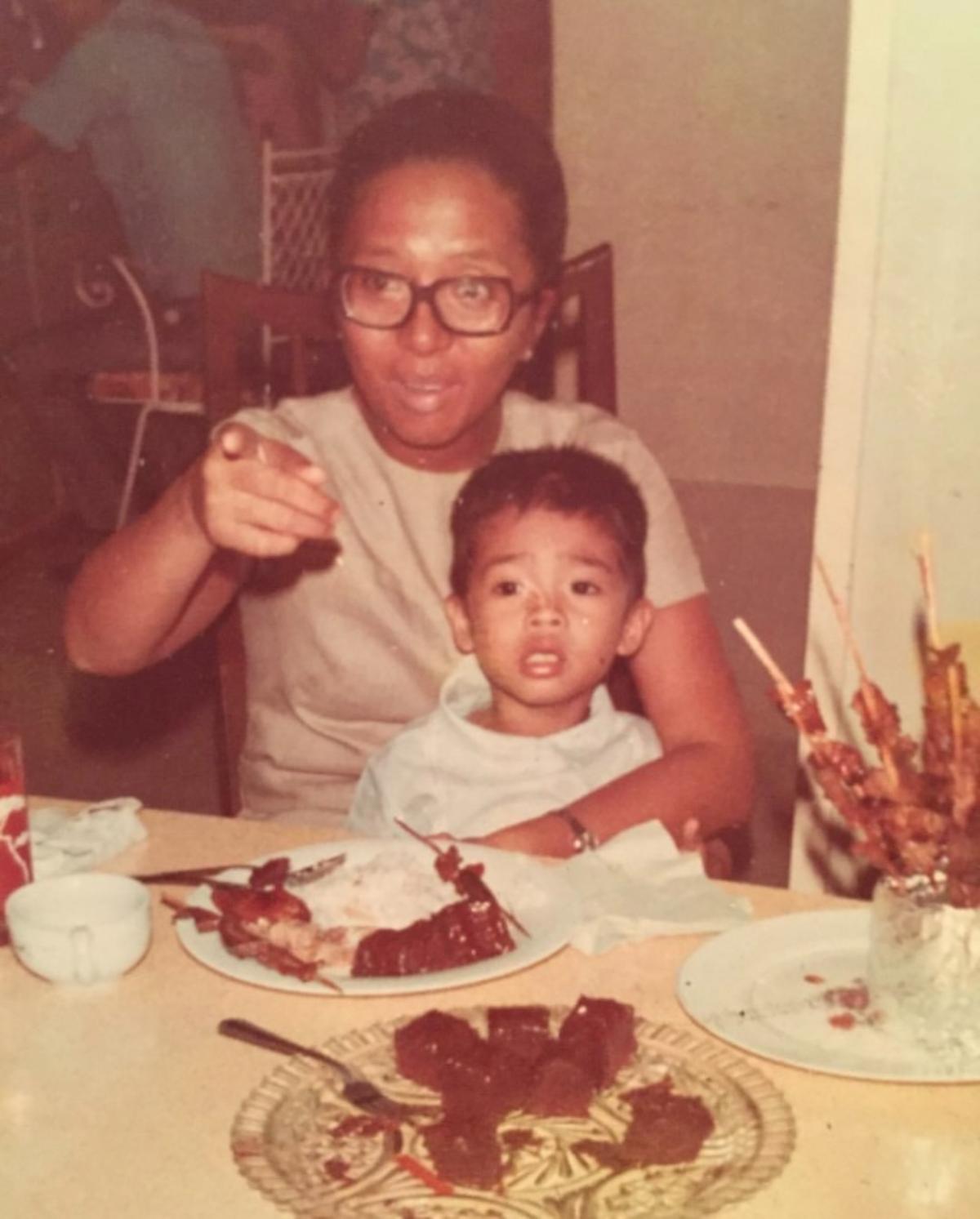
"When we used to go to church on Sundays, I would just wear whatever. 'Cause at that time, when I was in fifth or fourth grade, I couldn't care less about fashion either. So one day, my mom had her suki in Divisoria put together fabrics kasi magpapatahi daw ako ng damit for church.
"And I remember going to a tailor in Bacolod with a box, and being asked what I wanted. I was like, 'What do you mean what do I want?' The tailor was like, 'Anong gusto mo’ng ipatahi?' I said, 'You mean, like, anything? Hold that thought. I'll be back in a few days.'
"That was my eureka moment, in a way. I started sketching clothing for myself. Just for the hell of it. And then I brought those sketches to the tailor, and weeks later, I had a whole new wardrobe. I was hooked. I was obsessed! I kept going to the tailor all the time. I remember even changing my school uniform, much to the principal's dismay."
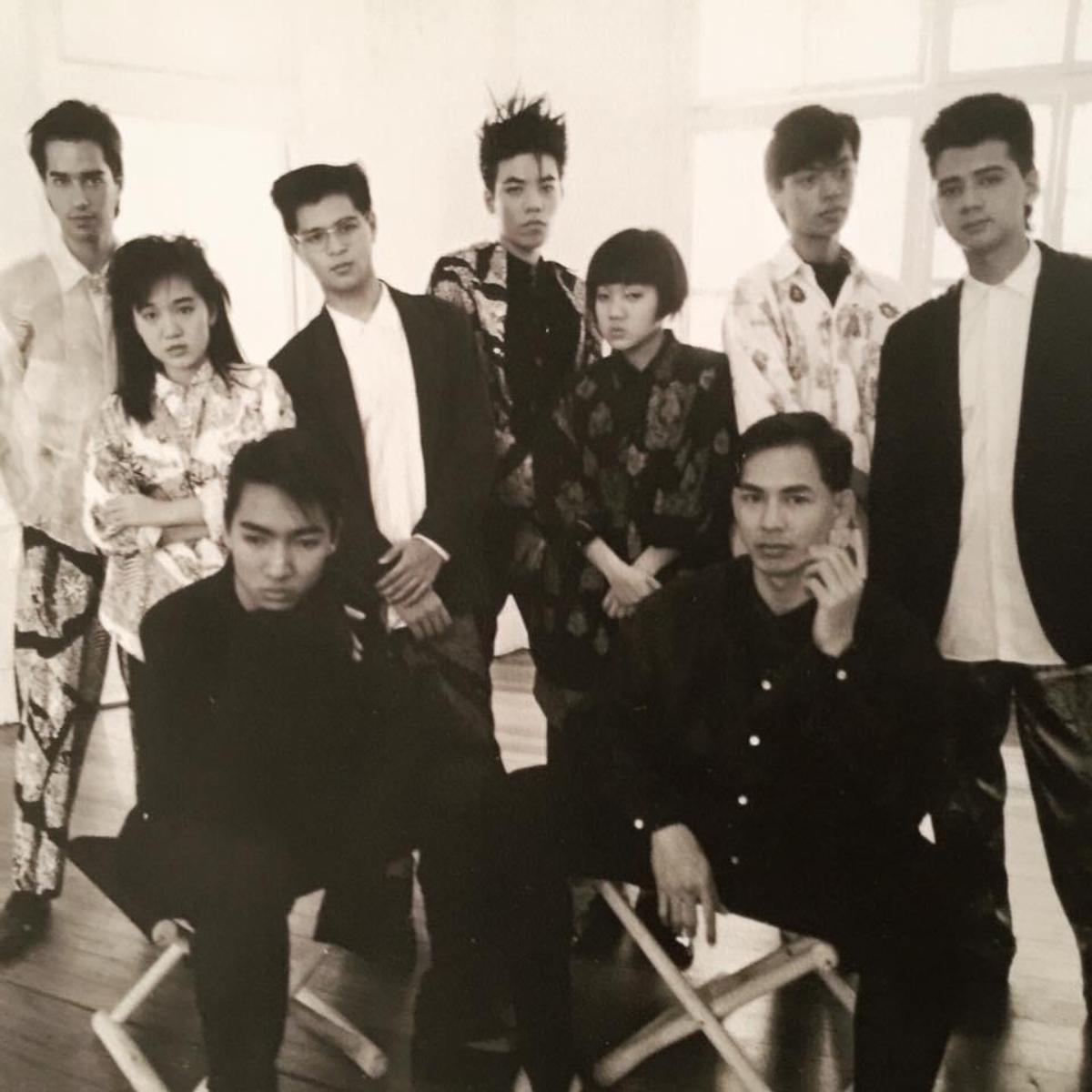
"I also realized how fashion can really affect how people treat you. You dress for the part you want to play, right? You put in the effort because people appreciate it. I mean, the reality is, the first thing we do is check each other out. All those cues say something about who you are, and sometimes it makes you go, 'I think we can be friends.'"
That sounds like something Emily Charlton said in The Devil Wears Prada 2. And speaking of… a minaudiere you designed was worn by Simone Ashley in that movie. How did that happen?
Rather organically I have to say. Molly Rogers, [the movie’s stylist,] is somebody I've worked with for And Just Like That....
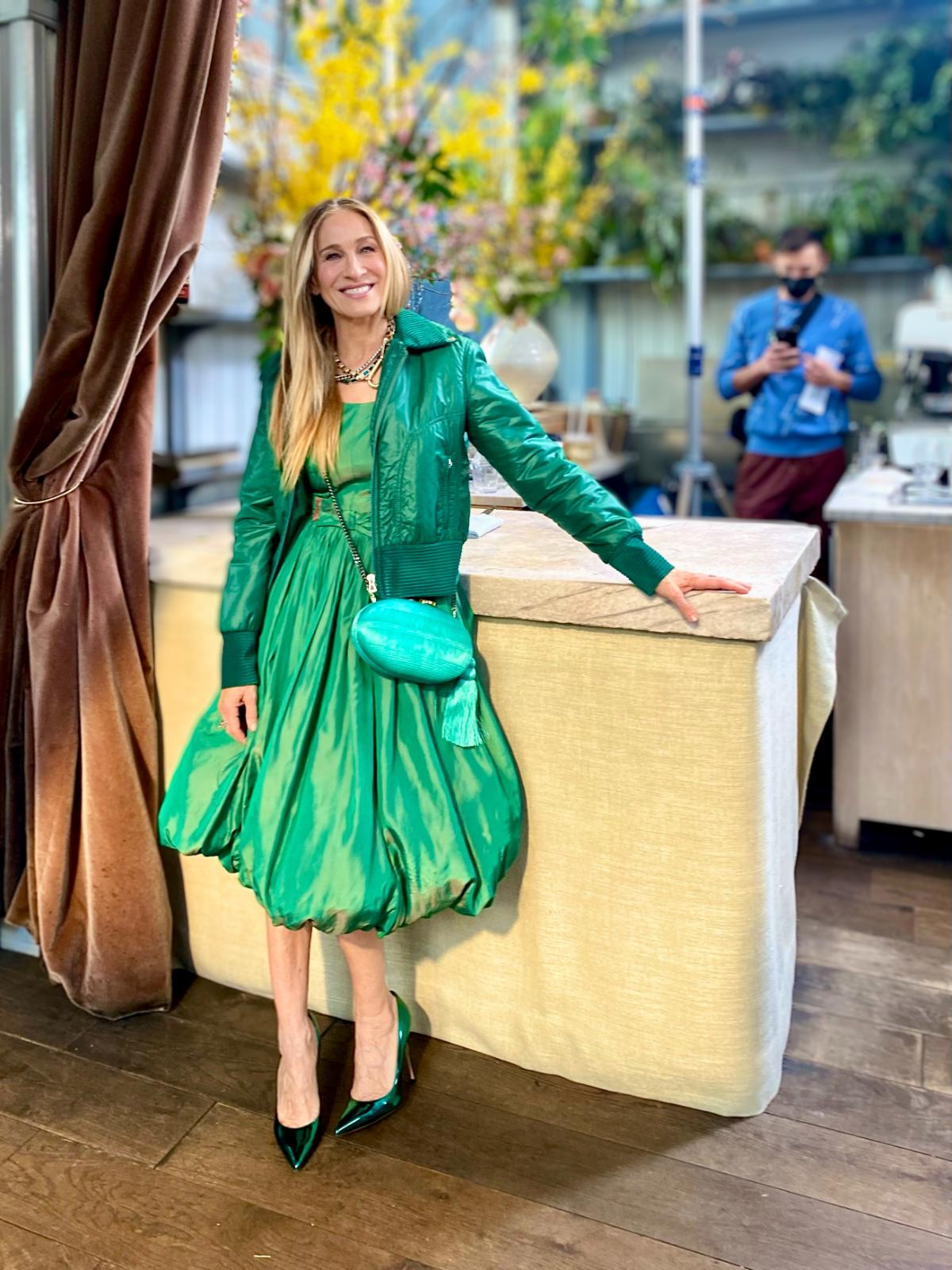
For The Devil Wears Prada 2, she reached out again and said, 'Send me whatever you have, even if it's old. Send it. Just send whatever.' So I sent a whole box of new and vintage stuff from my sample closet. She went, 'I don't know where I can work this in but I'm going to work this in,' when she saw the Azura minaudiere.
With these things you never know what's going to happen. I didn't hear from her for like weeks. But as they were filming in New York, people started taking paparazzi pictures. And somebody told me, 'Oh my god, I think somebody's wearing your clutch.'
I reached out to Molly and asked if it made it into the scene. She would not confirm. And even when the movie came out, she was just like, 'Pfft, just go watch it.'
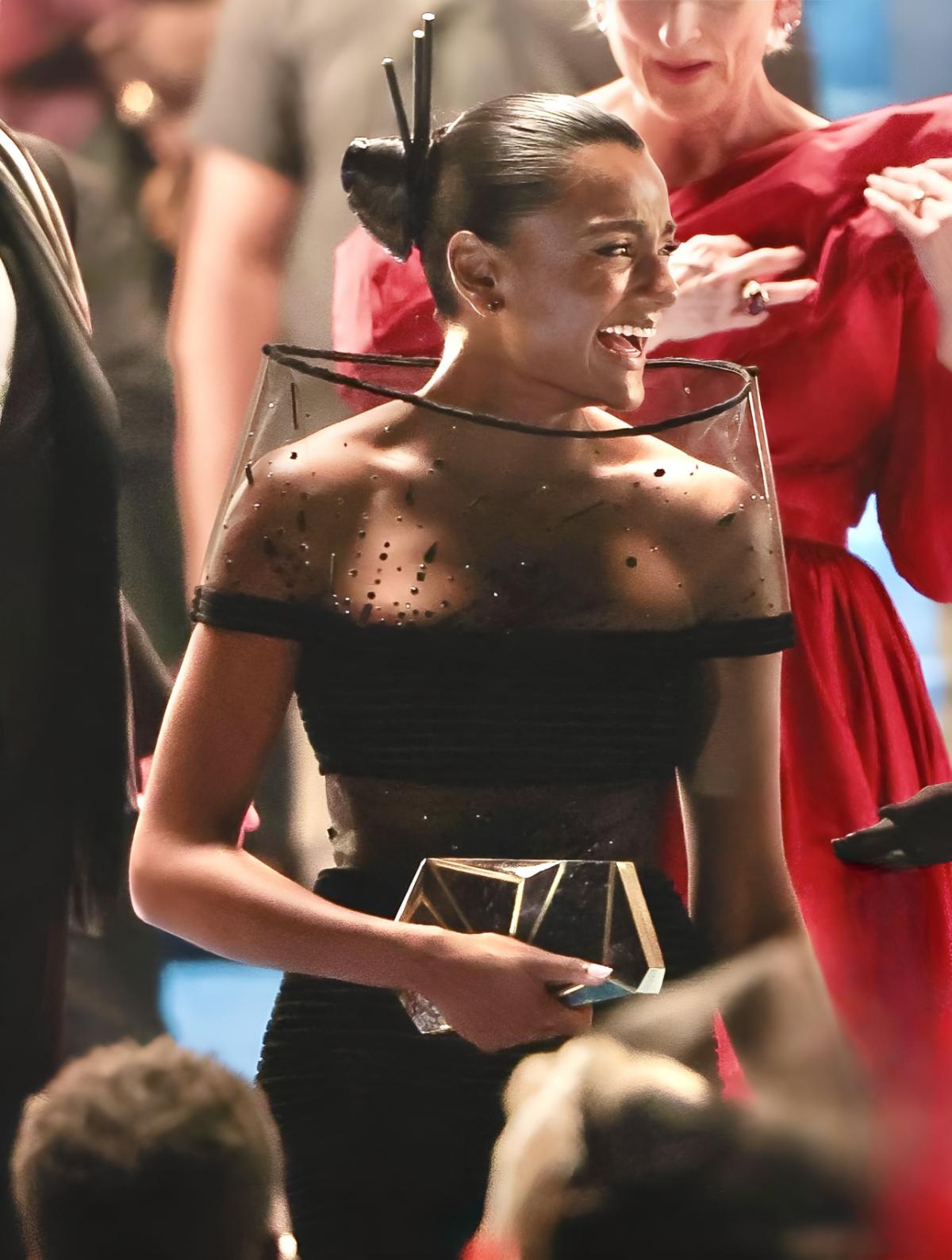
I mean, every designer in the world wanted to be in the movie. Everyone campaigned to be in the movie, some even paid to be in it. It’s a movie you want to be in. So for me, even if you just see a hint of it, I'm just happy that I was chosen.
For me, it felt like I was in the room. I got to go to the party. You know what I mean? I got a seat at the table. I mean, you can just imagine how they had the pick of the industry, and they still chose me. Even if you just saw it for half a second.
That must’ve meant a lot to you as a Filipino designer. I feel like there’s this "renaissance" of Filipino talent across the world.
"Yeah. All of a sudden there's this amplification of our voices and our stories. It's been also so fulfilling to meet other creatives in the industry.
"You search for someone who looks like you wherever you go, right? But when I went to study at the Fashion Institute of Technology, I was the only Pinoy in school. And now they have an association of Filipino students… Nakakakilig! You know what I mean? It’s like… we’ve arrived. I’m not alone anymore."
I feel like most Pinoys take pride in being Pinoy. When someone just speaks Tagalog or any of our languages in the global scene, we get so kilig.
"I share in that kilig. I'm proud of the fact that I speak Tagalog. Maybe it’s a little baluktot, but I speak it. And I’m super happy that I am still fluent in Hiligaynon.
"There’s an instant connection when someone speaks your language. And for me, because there are very few people I can speak Hiligaynon with, I really miss the language. And being back in the Philippines, I really realize how incredibly diverse the Philippines is. We're a mishmash. And I love that. It’s our complicated history with language and how it evolved. I think it’s fascinating."
I think it's a big deal, especially coming from a developing country, to see our people win. How do you think your Filipinoness comes out through your work as a bag designer?
"It becomes more obvious when I design for spring and summer because it's so easy. The references are built in through our flora and fauna and our colors. It's like a no-brainer for me. I almost have to stop myself 'cause it just keeps flowing, right? It's like referencing your childhood. I call it a visual memory bank.
"These are things you come back to no matter what. And as I travel to different places in the world, those references also find their way into the collection. But Spring/Summer for me is always easier. It’s almost too instinctive."
How often do you reference the natural world?
"As often as I can. Mother Nature is a brilliant colorist. ‘Di ba? Sometimes you see things and you're like, 'Paano 'yan ginawa?'
"There's something about nature that is always speaking to me. Thank God for the iPhone, because now, that stores all of my memories. But otherwise, I have these very vivid recollections of moments. Whether it's something I saw or heard, or somebody I talked to. As a creative person, you absorb everything without even knowing it. It just comes out a different way."
I think it's very instinctive as a designer to reference the things you grew up around. How important is it for you to keep those memories intact?
"They'll never leave me. They'll always be part of who I am.
"I remember when I first moved to New York, there was this propensity for a lot of immigrants, to sound as American as possible. I was hell-bent on sounding as unidentifiable as possible. I just wanted to blend in. You just want to be just like everybody else.
"But now, I’ve realized that our difference is what makes us special. So that little accent is charming and original. My mother has never lost her accent, and sometimes to her detriment. Some people don't understand what she's trying to say because her accent is quite heavy. But for me, that duality is something I embrace now."
So as a Filipino who has already navigated the international scene…
"…Still navigating! It never ends."
Oh yes, of course. So in this navigation you're on, what’s something you always come back to no matter how things have changed?
"I have to credit my upbringing because I think we grew up with a very strong foundation of self-awareness. Sometimes to our detriment, right? 'Cause sometimes people say, 'Huy, don't forget where you came from.'
"Sometimes it's a bad thing and sometimes it’s a good thing, [But we shouldn't forget where we’ve come from] because we come from an amazing culture..."

Em is queer and probably daydreaming somewhere. They're Preview's associate entertainment editor who's often spotted in cowboy boots and lemon-tinted sunnies.