Maris Racal Lands on Her Feet
Even when she loses her footing, the Sunshine actress regains balance in her craft, finding purpose and redemption in the characters she brings to life.
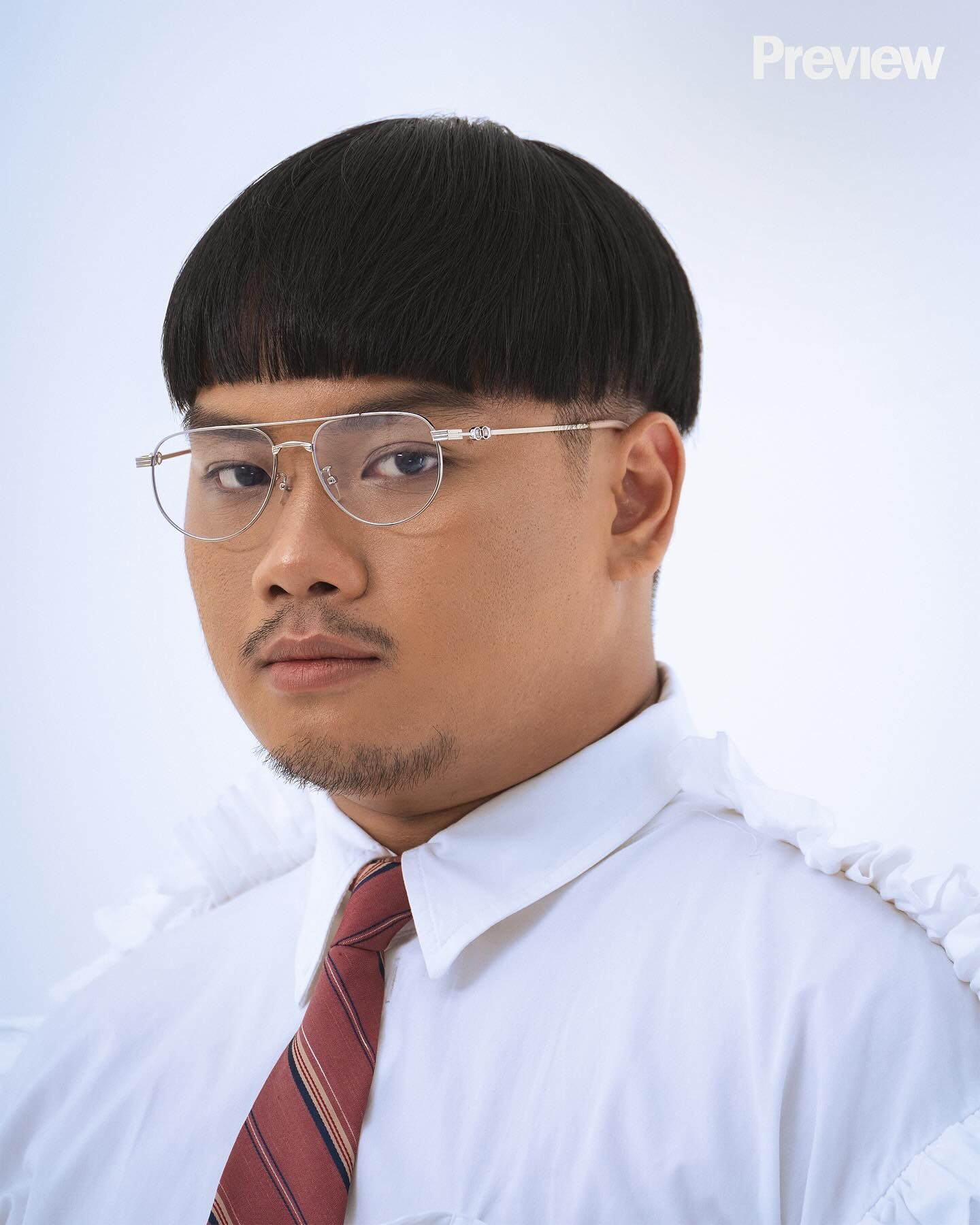
by Em Enriquez
Published on Nov 7, 2025
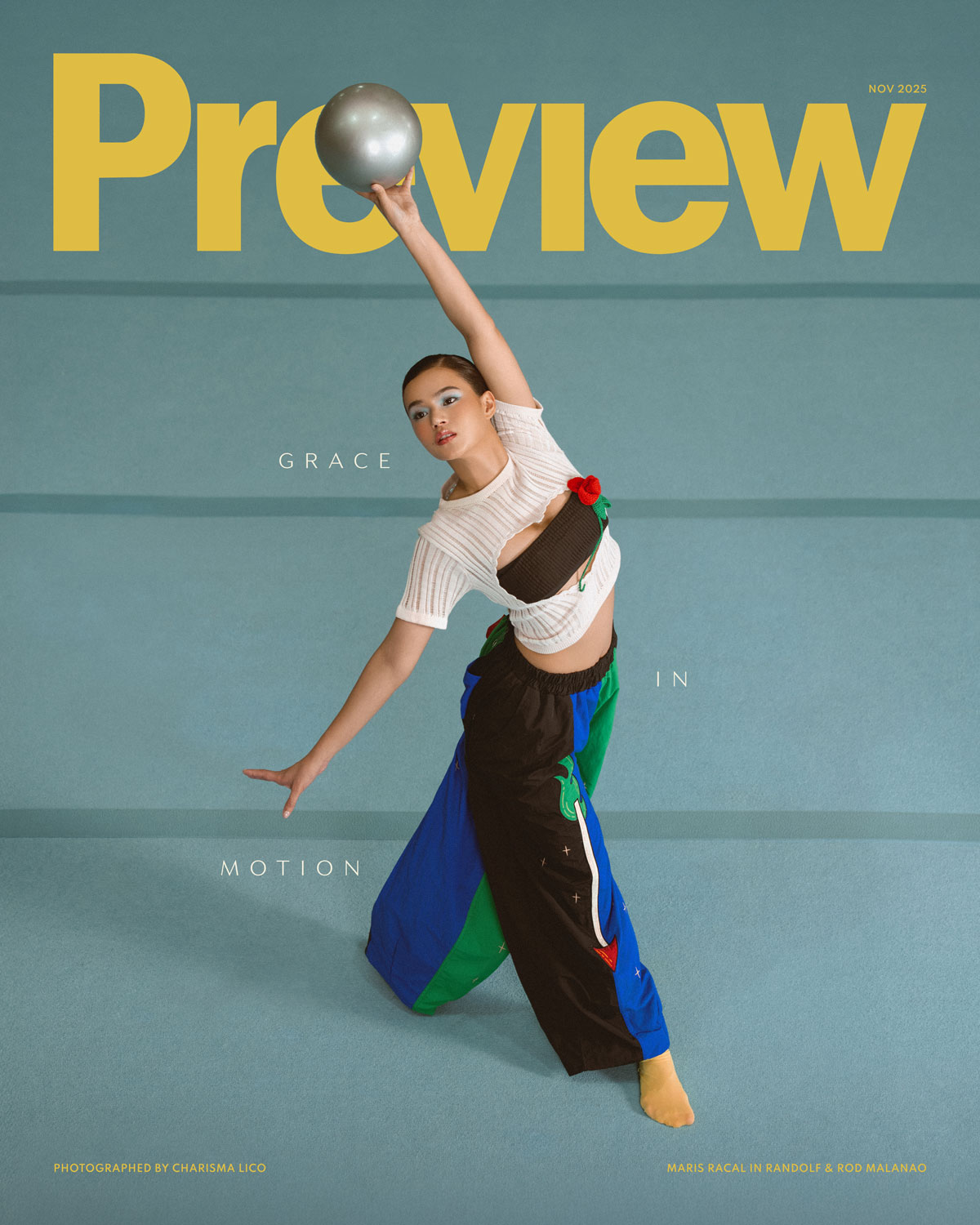
A rhythmic gymnastics routine begins the moment the athlete takes motion. For 75 to 90 seconds, she and her apparatus—whether a ball, ribbon, or hoop—must move as one.
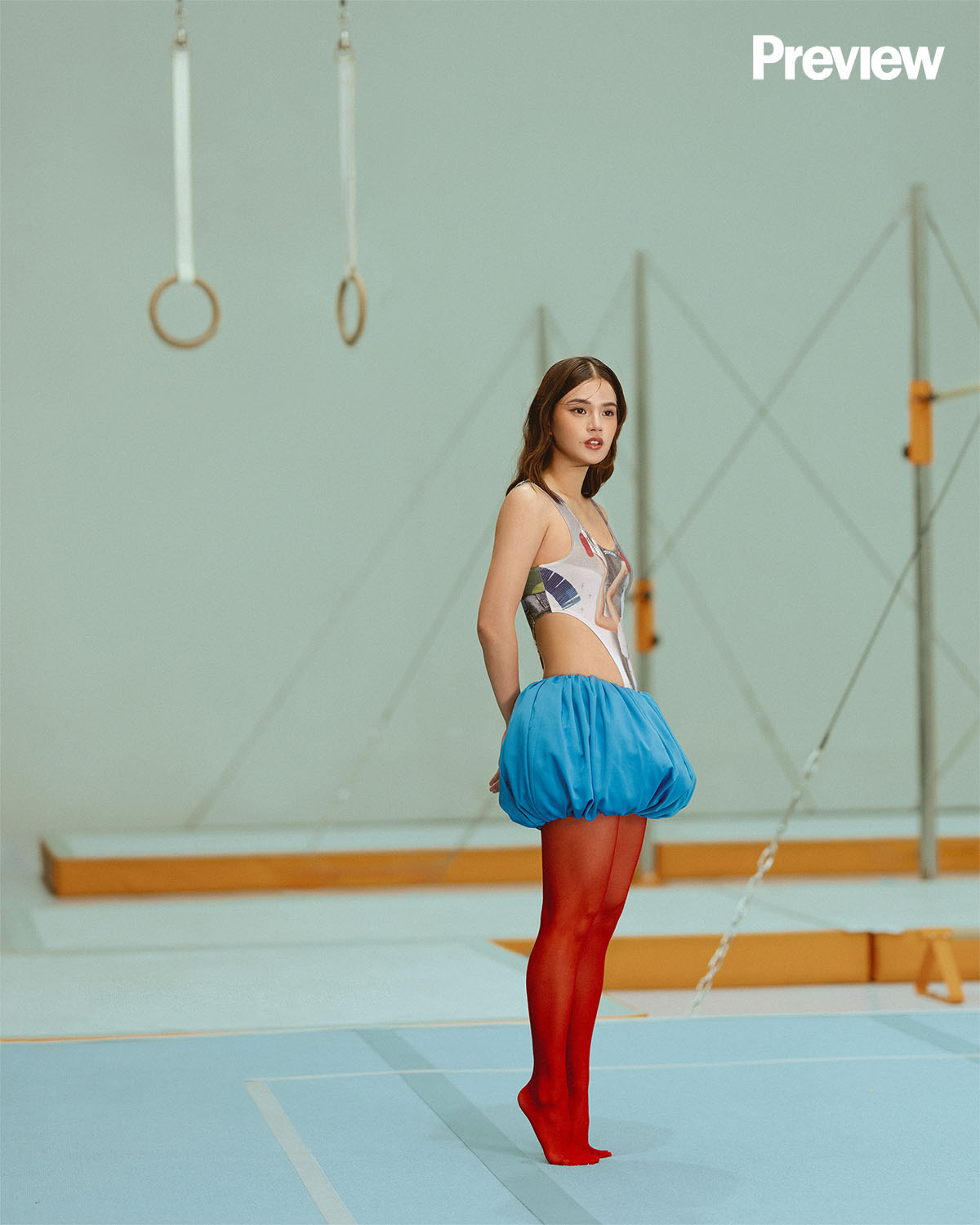
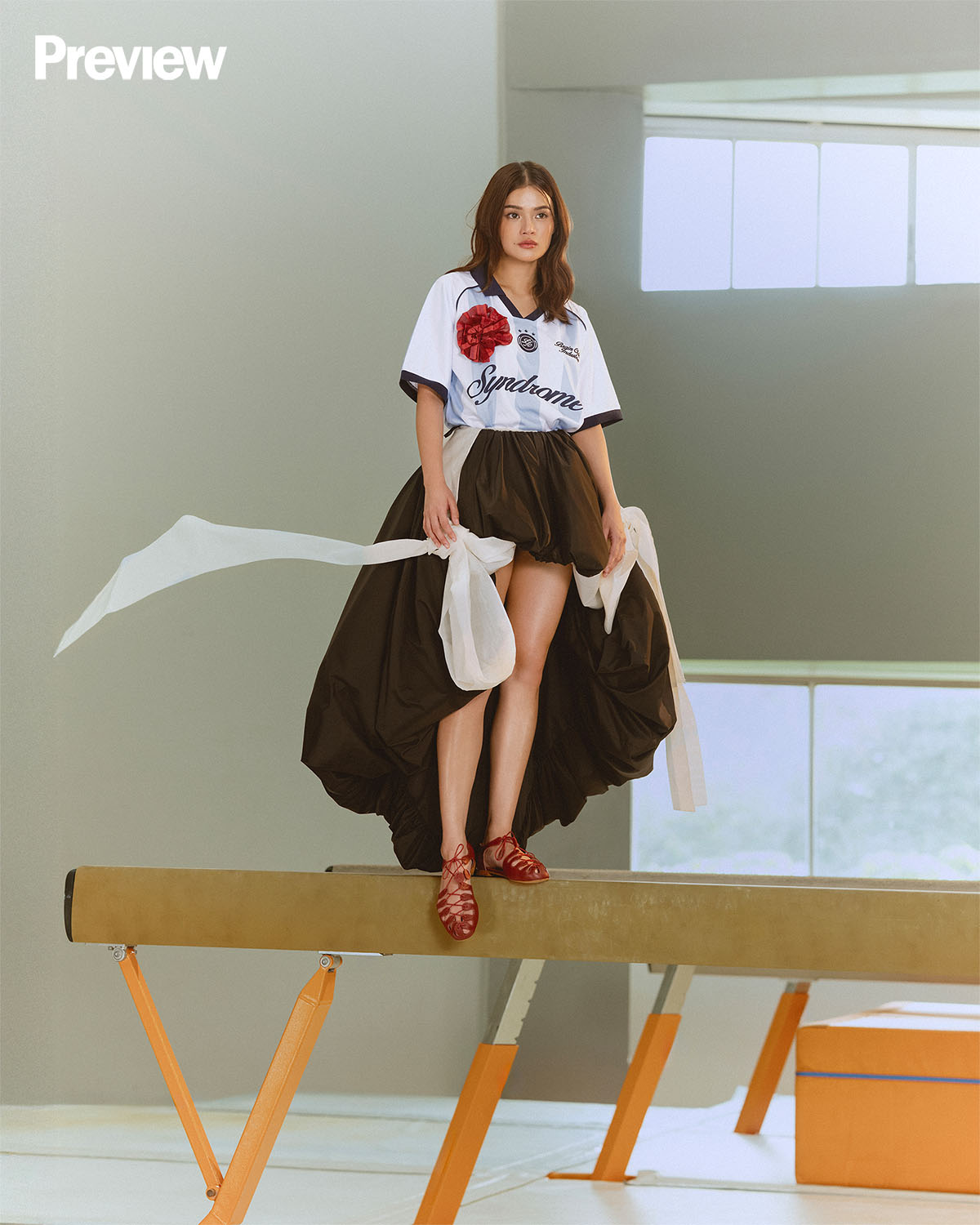
Though she only played one in Sunshine, Maris Racal channels the same grace and precision as a professional gymnast in real life. With a satin ribbon in hand, she glides across the foam mat during her Preview cover shoot, tracing streaks of red that wrap around her every movement. Nearby, clusters of young gymnasts pause their stretches, unintentionally drawn to Maris’ fluid motions. She is mesmerizing.
The actress, however, insists she’s “the least physically flexible person” she knows. “Hanggang Chinese garter lang ako,” she jokes, recalling her childhood days as the designated “mother” to her playmates. “Naging mother of two ako,” she adds, giggling.
Playing Sunshine—a gymnast whose Olympic dreams were derailed by an unexpected pregnancy—was a challenge for Maris, and not just because she couldn’t touch her toes. Filming the sports drama overlapped with a packed schedule; when it first premiered, she didn’t even have the time to see it. And then, toward the end of 2024, she found herself thrust into public scrutiny following revelations from her private life.
It was a fall without poise or grace—but it wasn’t fatal.
“Sunshine is all about second chances,” Maris reflects. It has been some time since she last saw herself on the big screen, and nearly a year since everything spiraled. Today, she speaks with a steadier footing. “Sunshine gained a different meaning when I finally watched it, considering all of the things that happened,” she says. “With the wounds I’m nurturing and healing, it means something more to me now.”
Leap of Fate
As fate would have it, Sunshine arrived at a pivotal moment for Maris. Writer-director Antoinette Jadaone sought an actress with a gymnast’s silhouette and Olympic-level conviction. Her search led back to Maris, a trusted collaborator from previous projects.
Yet there was one unexpected complication: Maris had bangs, and gymnasts don't have bangs.
At the time, Maris was also playing Irene on ABS-CBN's primetime series Can’t Buy Me Love. Her character's snarky one-liners and frigid facade had become synonymous with her signature fringe. Balancing both roles meant more than clipping her bangs out of sight; it required toggling between two vastly different worlds. “On Mondays, I was Irene. On Tuesdays, I was Sunshine,” she recalls. “I can’t even remember how I did it,” she admits, laughing. “Maybe because my mental health was in tip-top shape at the time?”
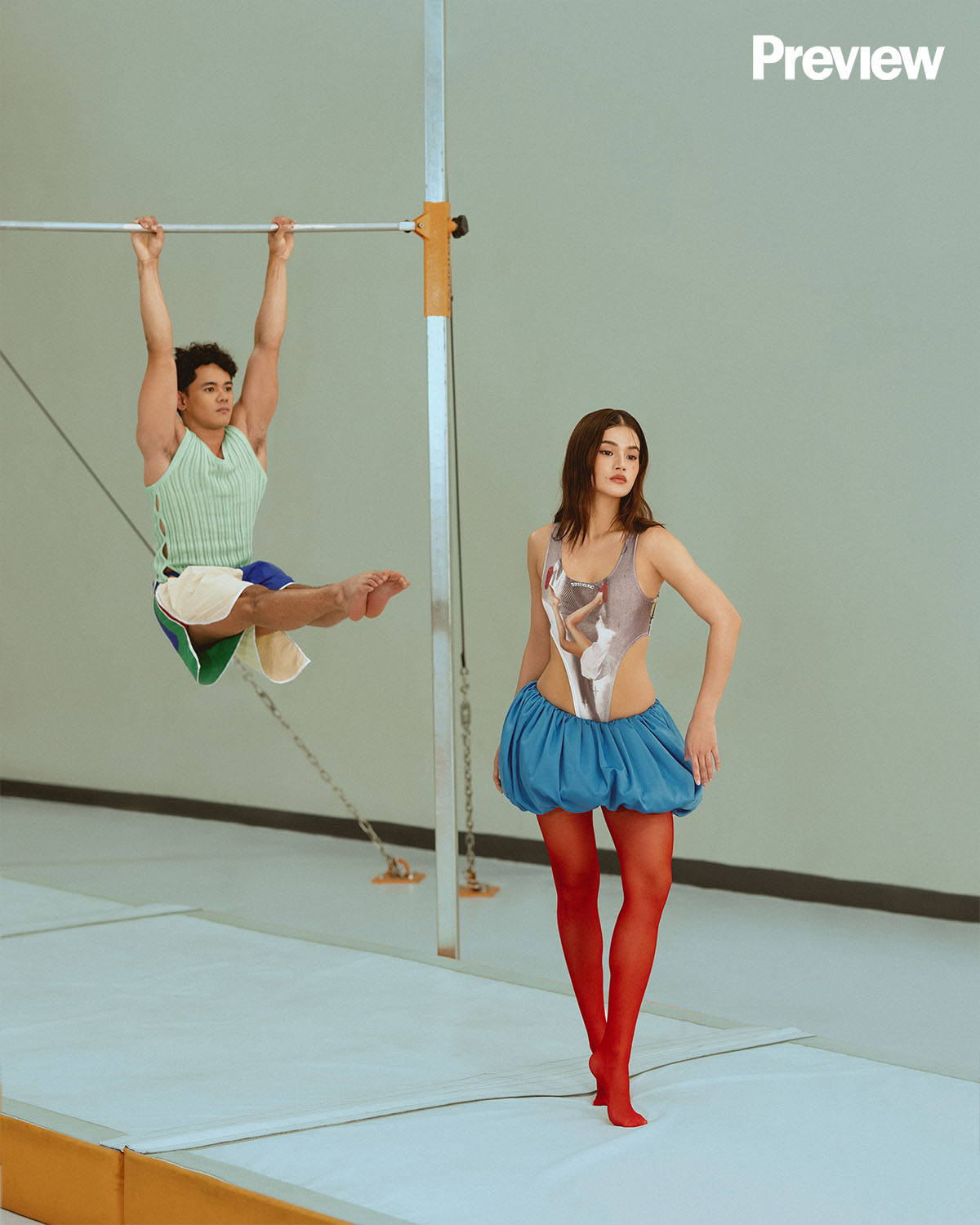
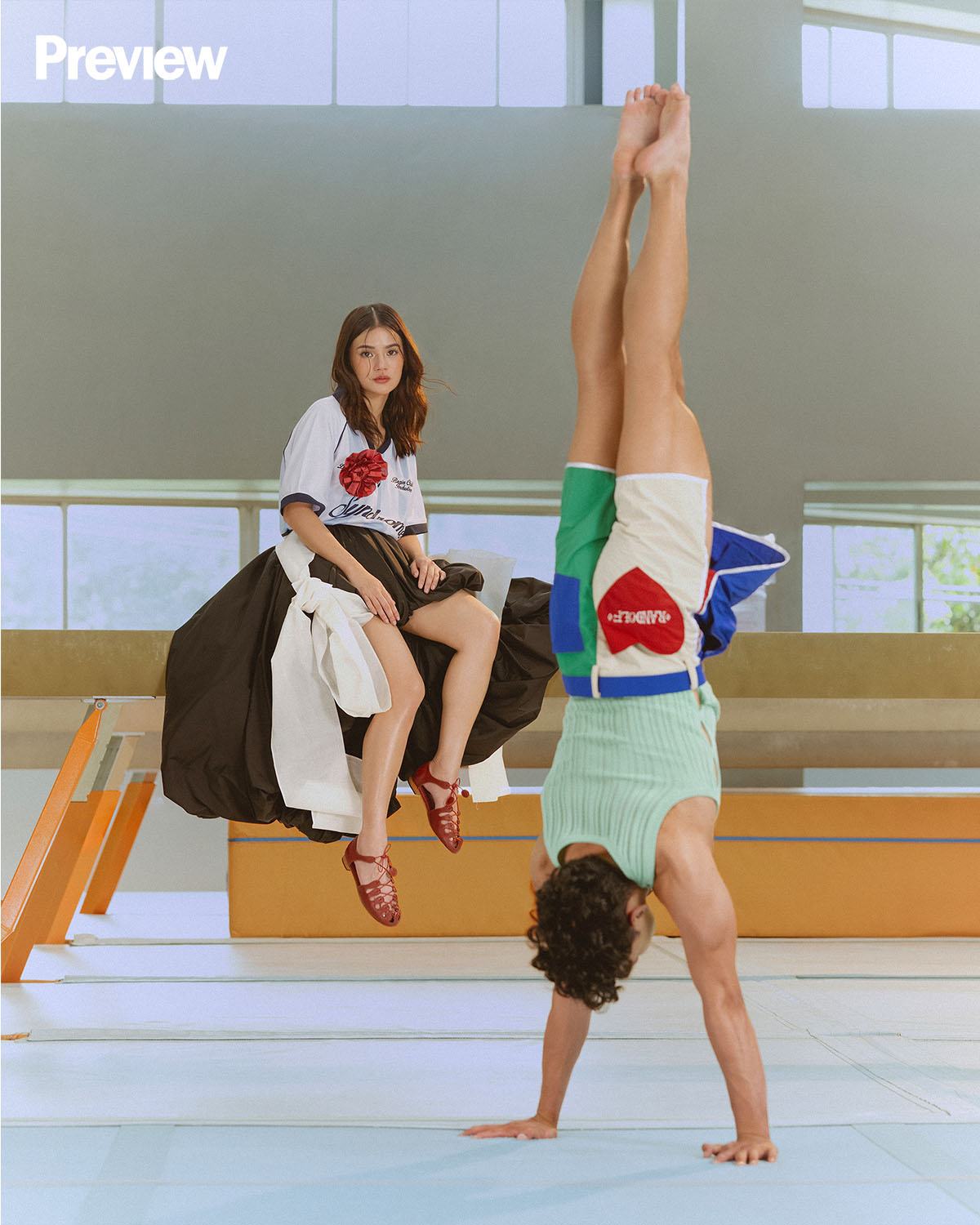
Before slipping into Sunshine’s leotard, Maris had spent a year training among real-life athletes. During the cover shoot, it was as if she was transported back to those days as she witnessed her co-star, 22-year-old artistic gymnast Miguel Besana, in action for some of the layouts. “I think I was able to do it because of proper preparation. I really studied the role,” she states. “Solidified na 'yung character ni Sunshine prior to Can't Buy Me Love.”
Sunshine first screened at the Toronto International Film Festival in 2024, followed by its entry into the Berlin International Film Festival last February. Maris missed both premieres due to her commitments to the action-themed teleserye Incognito. By April, however, when the film was selected to premiere at the Far East Film Festival in Udine, Italy, she made sure she was there.
There, dressed in Filipiniana and seated among a largely European audience, she finally saw the film on a big screen. “I was so nervous because I already forgot everything I did in the film,” she recalls. “I think it was almost three years later when I was finally able to watch it.”
Maris was overcome with emotion as the credits rolled. It was a cathartic feeling to finally see herself tumble, fall, and pick herself back up. A couple of weeks later, Sunshine eventually came home to Philippine cinemas, back to where the story originated.
Tumble Forward
Before she was Sunshine, Maris gained significant attention for her role as Irene. The character’s sharp tongue and icy exterior came with an undeniable pull, and audiences leaned in. Maris attests that she “loved every second” of being Irene. “She was my persona on- and off-cam. Subconsciously kasi, nadadala ko yung role. It's weird. I can't explain it,” she shares.
Aside from her sarcastic bites and clever timing, Irene was also adored for her partnership with Snoop. Played by Anthony Jennings, the character was the perfect foil to Irene’s ivory tower point of view. Audiences raved about their unexpected love team, with some tuning in solely for #SnoRene scenes that quickly go viral. The positive reception honestly caught Maris off guard. “Seryoso ba? Nangyayari talaga ‘to?” she questioned in jest.
“[At the time,] hindi ako sanay sa ganoong kind of attention. It was the first time na napansin ng maraming tao yung acting ko. Kinilig talaga sila sa partnership namin,” she reflects.
And as the machinery of show business goes, the love team was promptly put to work. Endorsement deals came left and right, and the duo top-billed a slew of projects, one of which was the Netflix rom-com Sosyal Climbers. After 10 years in the industry, Maris found herself turning the corner, reaching what felt like a career peak.
And then, she slipped.
It took a string of incriminating Instagram Stories and screenshots to halt her ascent. In December of last year, Maris and Anthony found themselves at the center of controversy over their off-camera relationship. Days after the issue surfaced, Maris faced the press, cheeks streaked with tears. Tabloids and tweets have cast judgment, and Maris did not walk away unscathed. It was an arduous process of learning, unlearning, and most importantly, taking accountability. She even went missing from social media for a while.
“But I saw that you went hiking,” I say, recalling a post of hers months later. “Yes,” she replies.
“Were you by yourself?” I add. She quickly nods, then ends up correcting herself. “Ay wait, no! I was actually with Cup of Joe. So random! Parang bigla na lang kaming magkasama nag-hiking.”
It was her first time hiking, and what she expected to be a 30-minute trek turned into a six-hour climb. At the summit of Benguet’s Mt. Ulap, Maris simply stood and took in the view. It offered a literal and emotional shift in perspective. “I felt so little…” she pauses, then adds, “and my problems also became small for me, too.”
“There were so many things happening in the world. It made me feel small in a good way. It made me zoom out and realize that things will be better… That’s how nature works. I was just letting nature do its thing.”
Putting things in perspective left Maris with a lot to think about. She had entered the industry as a reality-show runner-up, armed only with candor and a dream her mother believed in. Ten years later, she faltered—and very publicly at that. She got “canceled,” as the Internet would put it. Wrong decisions were made, and a glistening future suddenly went pitch black. The only thing she could do was to step back, atone, and start again.
“I had to believe in myself,” Maris says, voice low but resolute. “I had to start loving myself wholly.”

“Life is all about being present. And making sure validation comes from within, not from the outside. It’s about having joy when you have someone, and having joy when you have no one,” she reflects. She admits she wasn’t at her strongest then, and some choices have rightfully become regrets. She’s grateful to have come out the other side, and even more grateful for the chance to do better.
“There was a lot of reflection… a lot of self-improvement,” Maris says quietly. “All of the things that were beyond my control, they just happened naturally. Nothing was strategized.”
Stick the Landing
In what could only be described as kismet, Maris’ name resurfaced in headlines in early 2025. This time, she was being praised for her performance in Sunshine, which finally screened in Philippine cinemas. A modest theatrical run kept extending as word-of-mouth built momentum, and ticket prices were lowered as demand swelled.
The clamor was fueled neither by Maris’ popularity nor by direk Antoinette’s reputation. It was the gripping story itself—a searing look at women’s reproductive rights and the unforgiving realities faced by women like Sunshine—that stayed with the audiences long after the credits rolled. The film unfolded against a backdrop that felt uncomfortably familiar. Too close for comfort, and far too close to home.
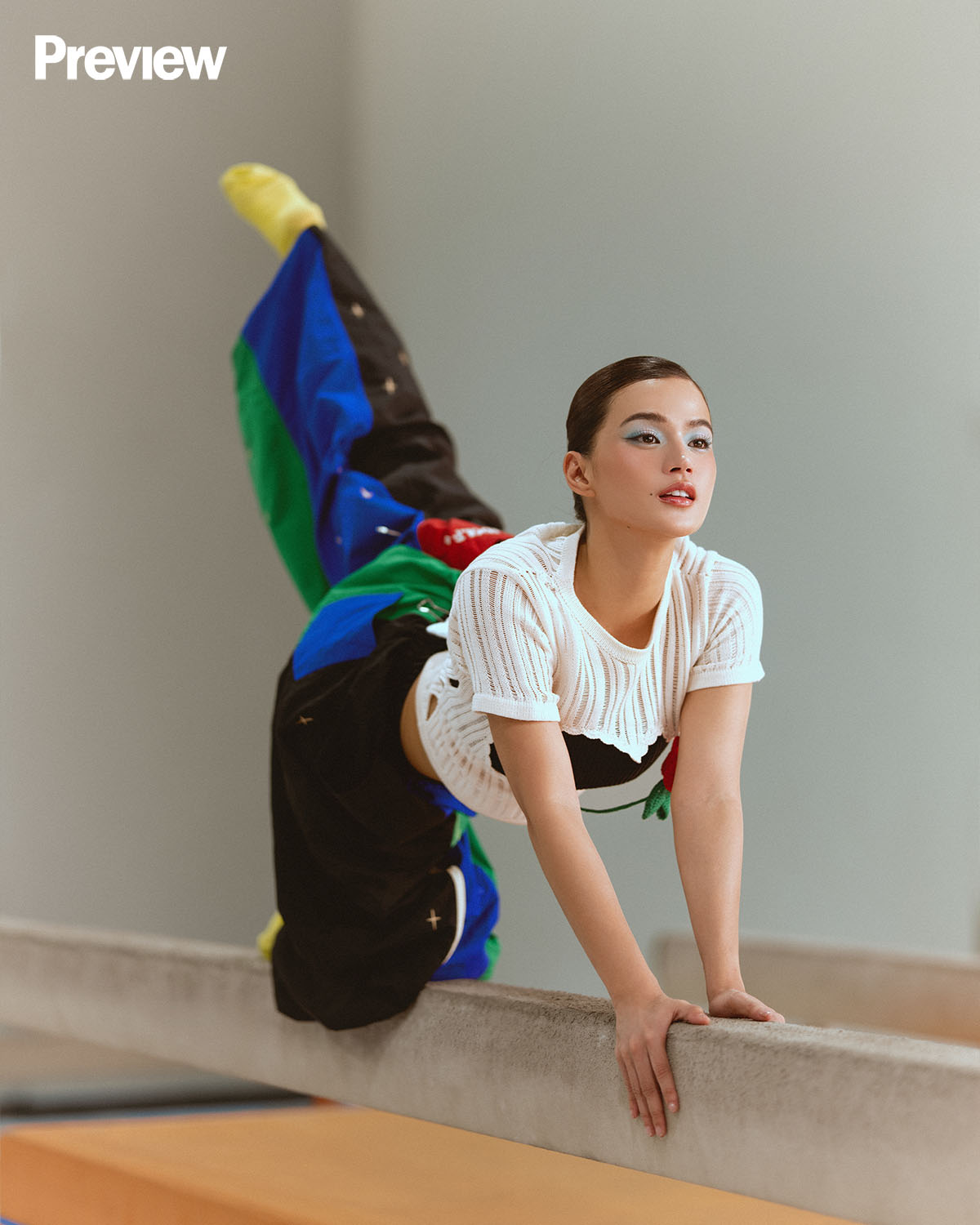
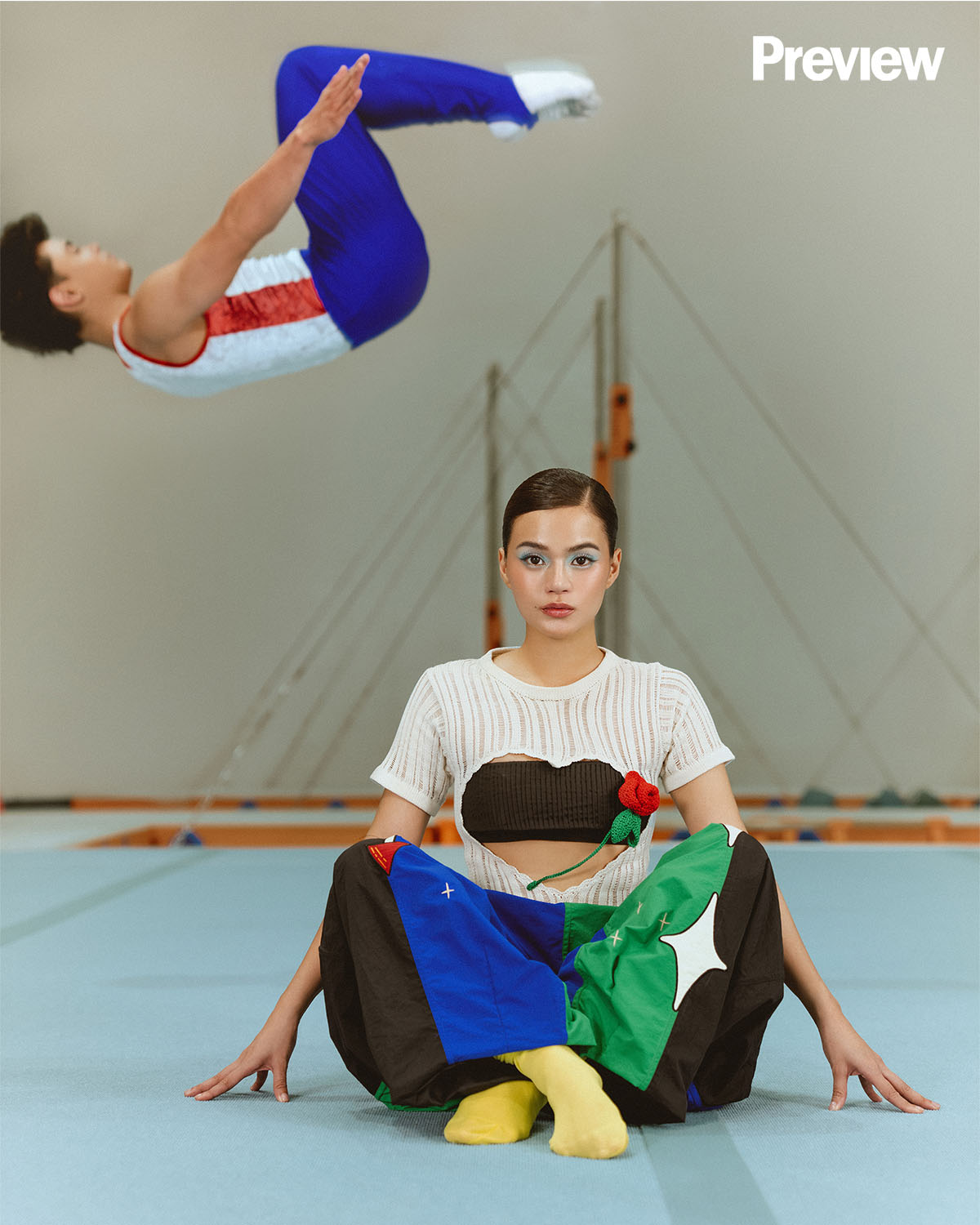
“We call it the ‘Sunshine Movement,’” Maris shares of the film’s impact. “Nagkaroon ng [understanding] between women that we need to protect young girls from teenage and adolescent pregnancies. It was a very positive and productive movement na umabot sa Congress and different schools.”
As word spread about Sunshine, so did the urgent calls for abortion rights in the Philippines. Under the Revised Penal Code (Act No. 3815), abortion is completely prohibited across the country. Articles 256-259 cite it as a “crime committed by the mother of the child for the purpose of concealing her dishonor.”
For what it’s worth, the film caused an uproar over something that was once only whispered about. It showcased, against the nitty-grittiness of Quiapo, Manila, and the double standards embedded in it, just how difficult it is to be a woman in a man’s world. In Maris’ perspective, “people are starting to open the conversation on abortion. And hindi na sila one-sided about it. It's not a yes-or-no [situation], it's not black and white.”
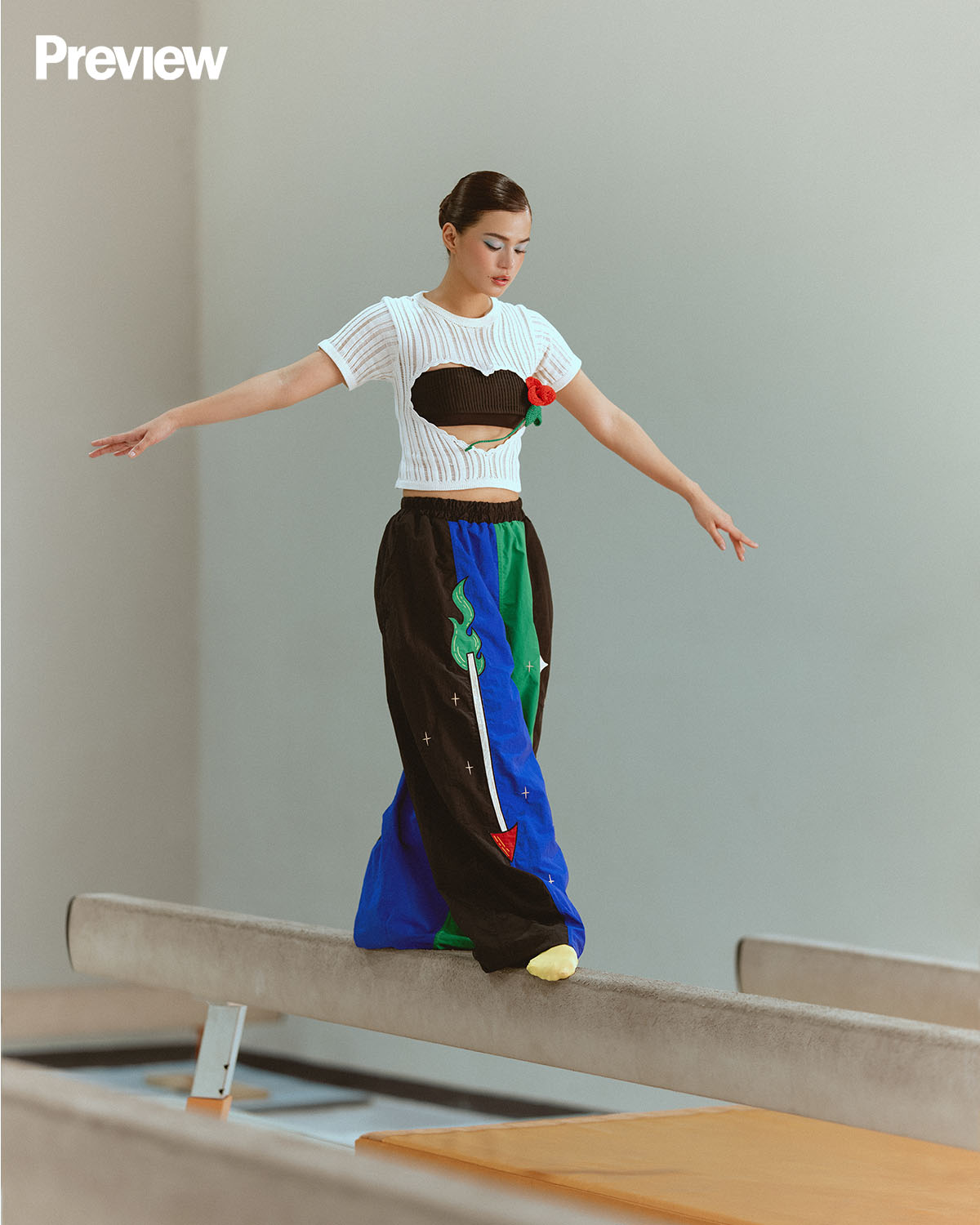
The film portrayed Sunshine as a dreamer. At 19, gymnastics was her life, and becoming an Olympian was all she ever wanted. But she’s no hero. Like the actress behind her, she was also a young woman navigating life and making mistakes. By the end of the movie, she’s taken autonomy over her body, but not without making some tough, necessary choices.
For Maris, being Sunshine meant confronting the ugly realities rampant in the Philippines. For one, some athletes are expected to excel in their fields while also living out of shoeboxes. Another glaring truth was how women are perceived and treated by the law.
“How do I say this in a nice way?” Maris asks tentatively. “Because sobrang panget niyang reality.” I implore her not to mince her words, and she answers, “Ang harsh ng batas sa mga babae. Hindi siya fair. Hindi siya tama,” she declares.

Maris had to immerse herself in the undesirable realities women go through. The lack of comprehensive sex education proves to be a glaring injustice, leaving young girls unaware of the repercussions of their actions. “What if you want a second chance at life, pero hindi yun pwede just because the law says otherwise?” Maris questions. Though the movie has been pulled from cinemas, the conversation continues as women’s reproductive rights remain a heated topic among lawmakers.
The 28-year-old speaks with no moral ascendancy in her voice. After everything she’s endured, it feels as though she’s speaking from experience. She’s learning along the way. If anything, her career has given her a sense of purpose, a conviction that became apparent during her time as Sunshine.
“Na-realize ko na,” she states, “‘Oo nga ‘no, actress ako. May boses ako, may plataporma ako. Paano ko siya gagamitin? So yung mga roles na ginagampanan ko, they should have meaning. They should be impactful. They should be able to help those who need it.”
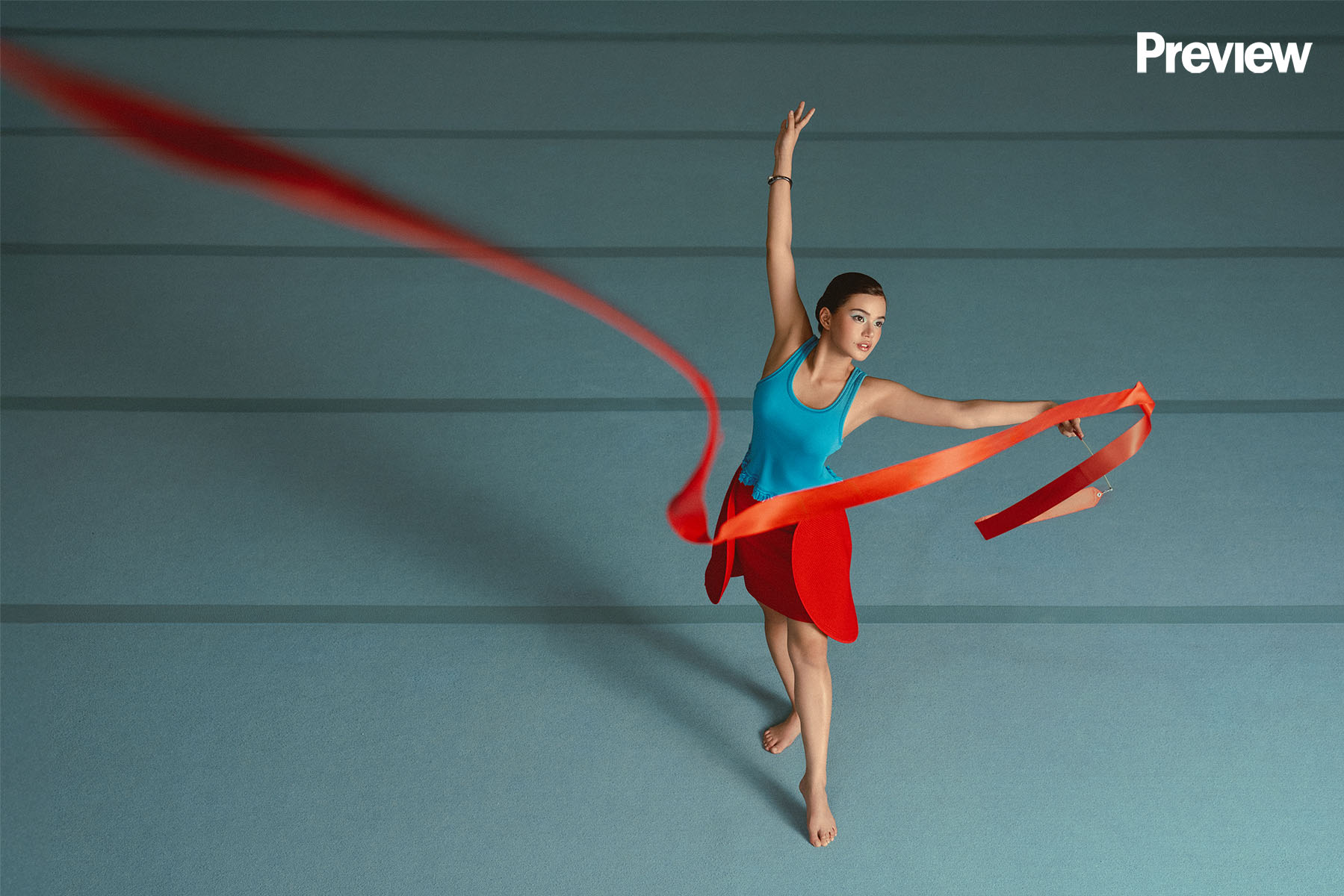
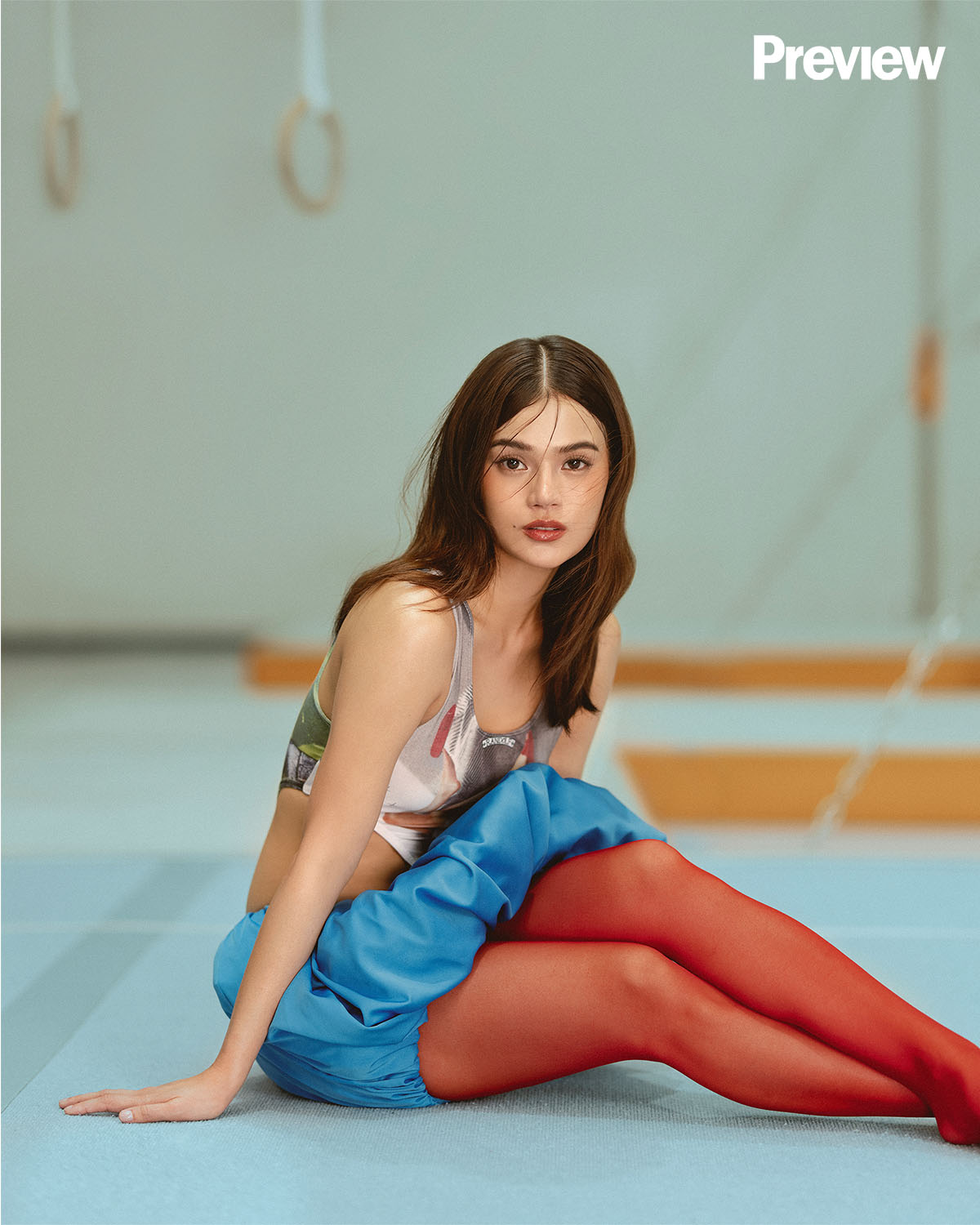
Things wrap up at around 4:30 p.m. at Maris’ cover shoot. The set—which is actually a gymnastics center in San Juan City—is now populated with girls stepping onto balance beams, stretching their limbs, and extending their arms to the sky. A few idle minutes give Maris a chance to chat with some youngsters who’ve been watching her twirl. It’s a wholesome moment, and it digs deeper as the actress thinks about where she was at their age.
“I would tell [my younger self] to enjoy her youth… because when she grows up, life is going to treat her differently,” she expresses, a sigh trailing her words. “She’ll need all of her innocence and fun-loving spirit to survive.”
“I always think of her,” she says of the girl who grew up in Tagum, Davao del Norte, once daydreaming about becoming a doctor but ultimately choosing a different path.
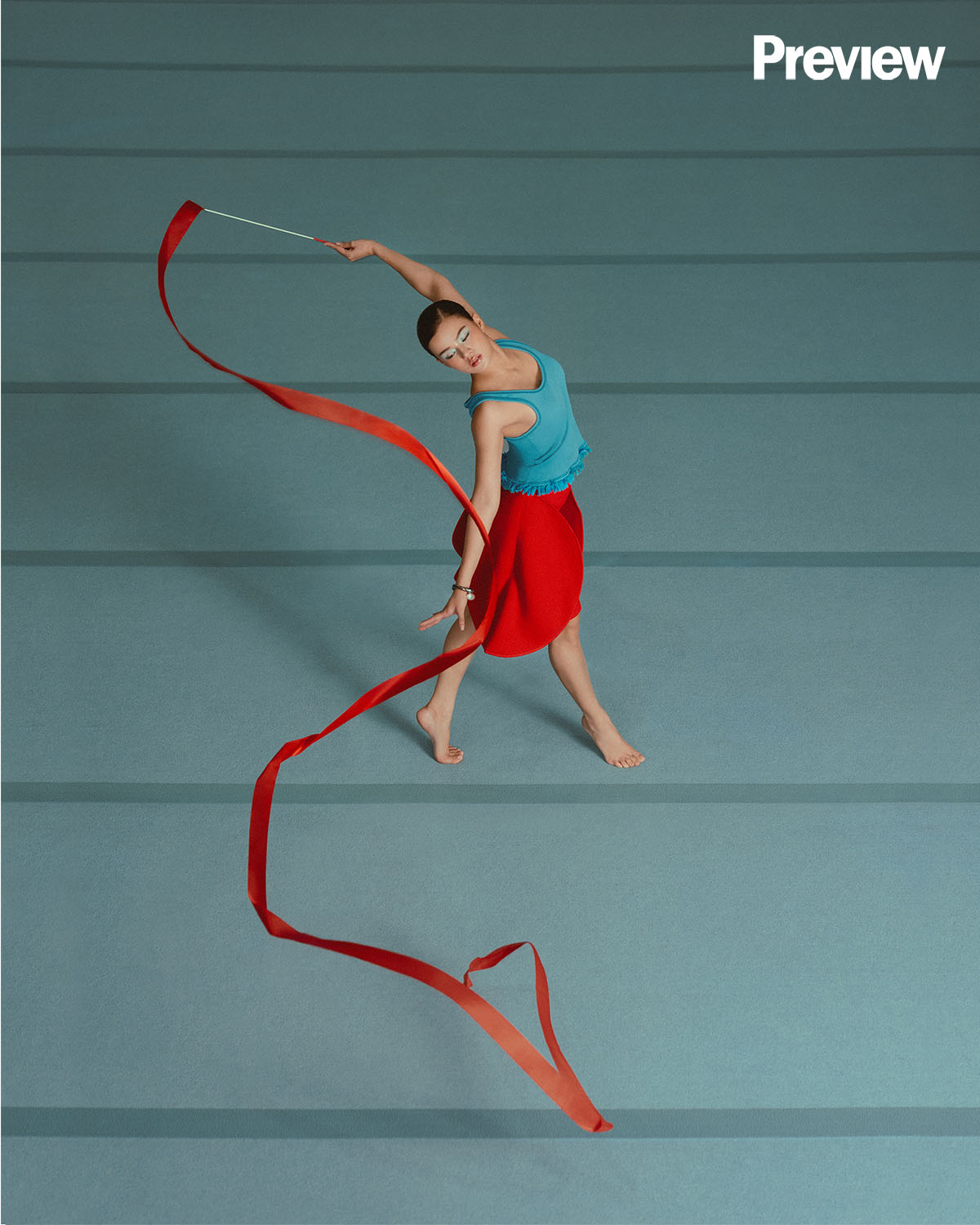
While many things can’t be undone, Maris chooses to leap forward. She goes through the motions with grace, allowing for some bumps to guide where she’s headed. There’s flair and there’s pizzazz, but it’s heart that keeps her going. No matter what, she doesn’t let go.
She lands on her feet, tilts her head up high, and strikes the final pose. The ovation ensues.

Produced and Styled by the Preview Team
Editor-in-Chief: Marj Ramos-Clemente
Creative Director: Bacs Arcebal
Managing Editor: Reg Rodriguez
Assoc. Creative Director: Jana Jodloman
Producer: Katrina Maisie Cabral
Photographed by Charisma Lico. Styled by Paulina Singh. Makeup by Angeline Dela Cruz, assisted by Aljon Celis. Hairstyle by Gelo Cibrian. Gymnast: Miguel Besana, grooming by Team Muriel Vega Perez. Cover story by Em Enriquez. Video direction by Jana Jodloman, shot by Teddy Garcia Jr.. BTS photos by Nick Majaba. Photographer’s assistants: Jaz Orbe, Ruel Constantino, Eric Salvante, Mark De Castro, Cris Soco. Shot at Learn and Train Sports Academy, San Juan.
Em is queer and probably daydreaming somewhere. They're Preview's associate entertainment editor who's often spotted in cowboy boots and lemon-tinted sunnies.