These Sneakers Made from Pineapple Waste Just Won a Major Design Award in Seoul
Creative Definitions' Michael Claparols talks about Lakat's Seoul Design Award win and its impact on local craftsmanship.
by Andi Brigino
Published on Nov 6, 2026
What if the leaves left behind after harvesting pineapples could be turned into a pair of sneakers? That's the idea behind Lakat by Creative Definitions, which recently received the Main Seoul Design Award at the 2026 Seoul Design Awards for its Lakat Sustainable Sneakers.
Made using pineapple leaf fibers, the sneakers bring together local craftsmanship and textile innovation, giving agricultural waste a new purpose. Preview spoke with Michael Claparols of Creative Definitions, who received the award in Korea, about the thinking behind the project and what this international recognition means for Filipino design and sustainable fashion.
At first glance, the Lakat Sustainable Sneakers look like any other pair of everyday footwear. But there's a thoughtful process behind what goes into making them. Their insoles are made entirely from pineapple fibers, while the outsoles use leftover fibers from the spinning process mixed with natural rubber. The team also worked with the Department of Science and Technology's Philippine Textile Research Institute (DOST-PTRI) and Negrense artisans, incorporating textile technology and traditional hand-weaving into the production process.
For Michael, receiving the Main Seoul Design Award is a meaningful recognition of what Filipino communities can contribute to the global conversation on sustainability. He sees it as an opportunity to show how local resources and homegrown ingenuity can lead to ideas that have an impact beyond the country.
"For us at Creative Definitions and Lakat, [this recognition] signals to the world that the Philippines can be a primary hub for high-value, sustainable material development, transforming agricultural waste into world-class design," he shares.
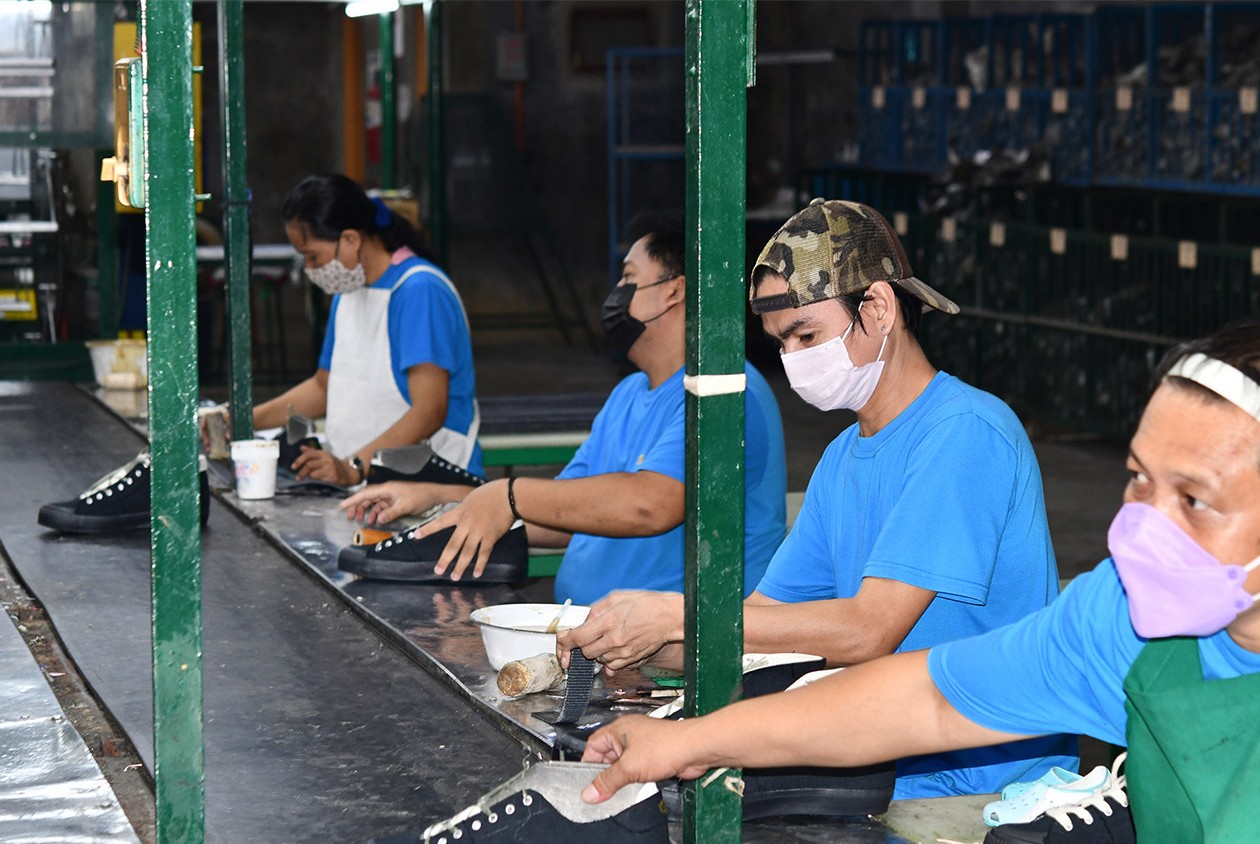
The recognition also belongs to the people who helped bring the sneakers to life. From the farmers who supply the pineapple leaves to the weavers and local artisans involved in making the footwear, Lakat celebrates the communities and skills behind the finished product.
For Michael, this is an important part of what sustainability should look like. It's not enough for a product to carry an "eco-friendly" label. The people and communities involved in making it should also benefit from the process, with sustainable practices that are accessible and relevant to everyday life.
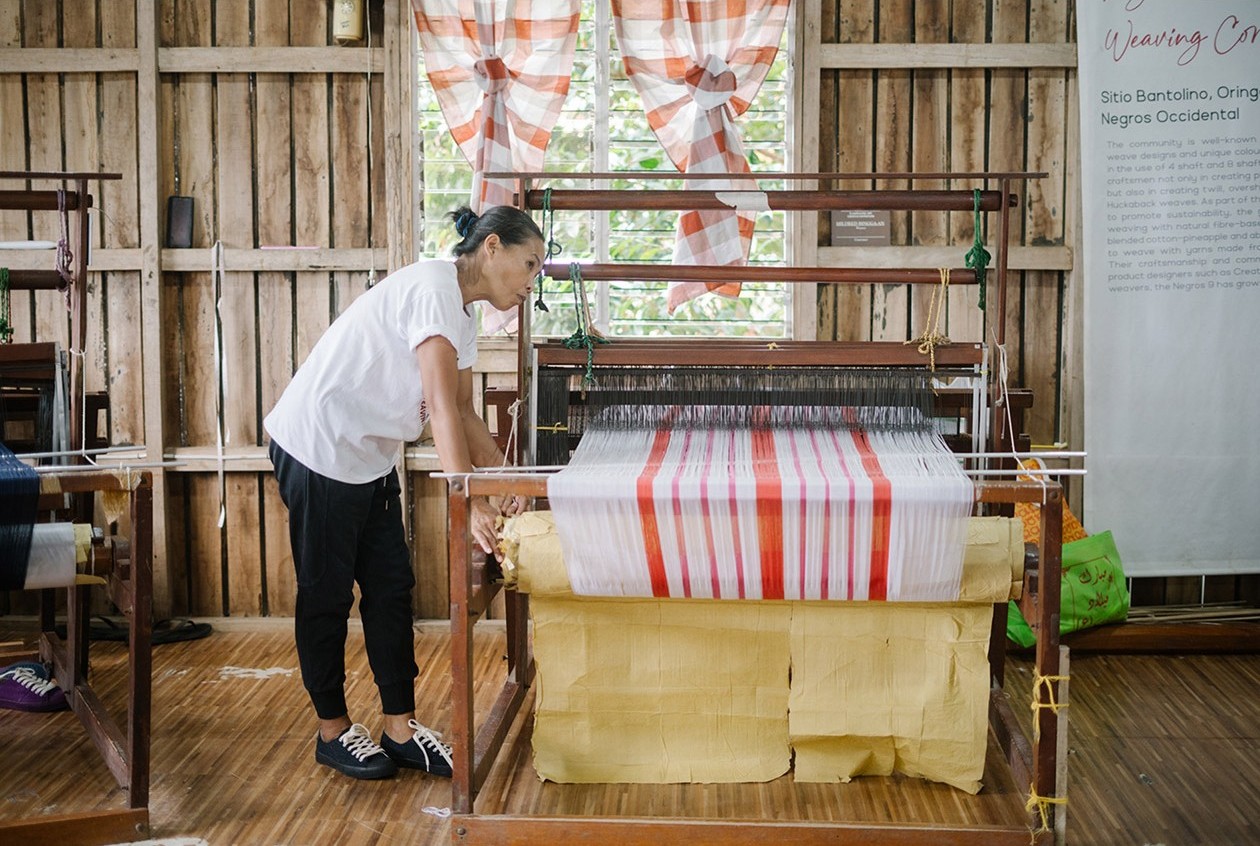
This idea was central to how Creative Definitions developed Lakat. The team wanted to address three concerns: agricultural waste, fragile livelihoods, and fashion waste. Instead of focusing solely on creating a product from sustainable materials, they built a system that also gives local craftsmanship and textile innovation a place in contemporary design.
"We are blessed with rich agricultural resources like pineapple, but the key to unlocking the potential is integrating innovation with traditional craftsmanship. Sustainability will no longer be a luxury; it will be an economic engine," Michael says.
Beyond the sneakers themselves, the project hopes to create more opportunities for the communities involved. Through ethical production practices, Lakat aims to support local livelihoods while preserving traditional techniques and protecting the environment. Its production network is expected to benefit at least 200 people, including farmers, spinners, weavers, and shoemakers.
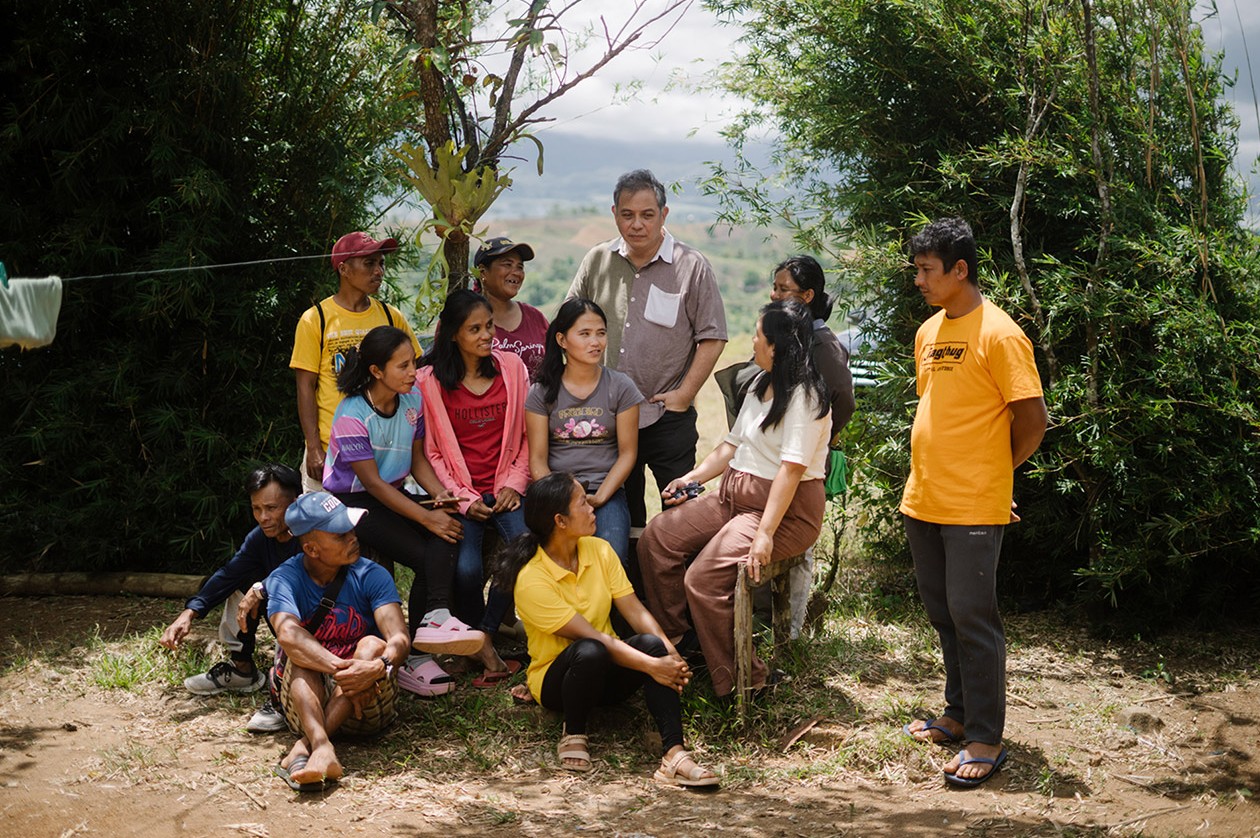
The team also hopes to bring the model to other markets and experiment with different natural fibers. By finding new uses for agricultural byproducts, Lakat hopes to help reduce waste and open up possibilities for other design industries. At its core, the project is about making sustainability more inclusive, ensuring that everyone involved, from the people who source the materials to those who eventually wear the shoes, has a stake in its success.
For emerging designers, Michael encourages looking beyond the finished product when developing an idea. The materials, the people who make it, and what happens to it after it has been used are all worth considering from the beginning.
"True impact happens when you look closely at where your raw materials come from, who makes them, and what happens to them at the end of their lifecycle," he says.
