Are You Kinda "Chic?" Here's What the Word Actually Means
A historical guide to understanding fashion’s most overused adjective.

Published on Aug 14, 2026
Everything is said to be “kinda chic” these days.
Lately, a social media trend taking over Instagram and TikTok has people attaching the term to everyday acts of self-love, personal growth, and wellness.
The formula is simple. Users type “kinda chic to…” and complete the phrase with a belief, habit, or mindset they swear by. Creators typically post a text-heavy graphic or overlay words onto casual footage of themselves—walking in the sun, reading, eating pastries, etc.

Chic is perhaps fashion's most used and abused adjective. Generally synonymous with “stylish,” “fashionable,” and “elegant,” it describes people, clothing, or places with a smart, appealing quality.
Merriam-Webster defines it in three ways:
“smart elegance and sophistication especially of dress or manner”
“a distinctive mode of dress or manner associated with a fashionable lifestyle, ideology, or pursuit”
“a faddishly popular quality or appeal”
There have been plenty of ways to define the word, which has also made it one of the most loosely used words in fashion-speak. Dress codes ask guests to arrive in cocktail chic, haircuts are described as chic, and even water bottles are christened the adjective these days. Its meaning has become so broad that being told to dress “chic” can leave you wondering: what does that actually mean?
So, what does “chic” actually mean?
Tracing the Etymology of "Chic"
There are several theories surrounding the origins of the term “chic.” While standard English dictionaries define it simply as “stylish and fashionable,” its linguistic history traces a more complicated journey across languages and cultures.
The earliest origins of the word are believed to date back to the 1600s. It is thought to stem from the old French slang term “chicanery,” which meant “legal quibbling, sophistry, mean or petty tricks.” Its exact origins remain unclear, though one theory links it to the German word “schikken,” meaning “to arrange, set in order.” Another points to the German “schik,” meaning “skill.”
According to French columnist Hugo Jacomet, chic was initially used as a military term to describe proper military dress. The word emerged at a time when German soldiers were regarded as examples of proper conduct and appearance. This suggests that this association with skill and competence may have influenced the word's later connotations of elegance, ease, and a polished presence.

The entry into French vocabulary
The term soon entered French art circles, where it was used to convey artistic flair, ingenuity, and the ability to produce high-quality work quickly.
By the late 17th century, under the reign of King Louis XIV, France was establishing itself as an epicenter of fashion and style. Louis XIV was known for his taste for beautiful and elaborate things, from lavish food to ornate gilded mirrors. According to Joan DeJean, Trustee Professor of French in the Department of Romance Languages at the University of Pennsylvania, it was during this period that Paris cemented its place as the European capital of style.
In 1856, through his seminal piece Madame Bovary, French novelist Gustave Flaubert used the term “chicard” as a piece of trendy Parisian slang. He put the word into the mouth of the local pharmacist, the pompous Monsieur Homais, who used it alongside other urban slang terms to sound sophisticated.
Derived from chic, a “chicard” referred to a flashy, flamboyant character—often associated with masquerades, bohemian life, or carnival disguises in Paris. Soon after, its meaning broadened to describe stylish dressing and an overall elegant demeanor.
.png?format=original)
The adaptation into English
According to the Oxford Dictionary, the word 'chic' was first recorded in English in 1860. It appeared in English publications while retaining its French-rooted associations with artistic skill and flair.
By the following decade, English fashion magazines such as The Lady’s Gazette had popularized “chic” as a descriptor for Parisian style, high fashion, and sophistication. The meaning we know of today is believed to have taken shape during this era.
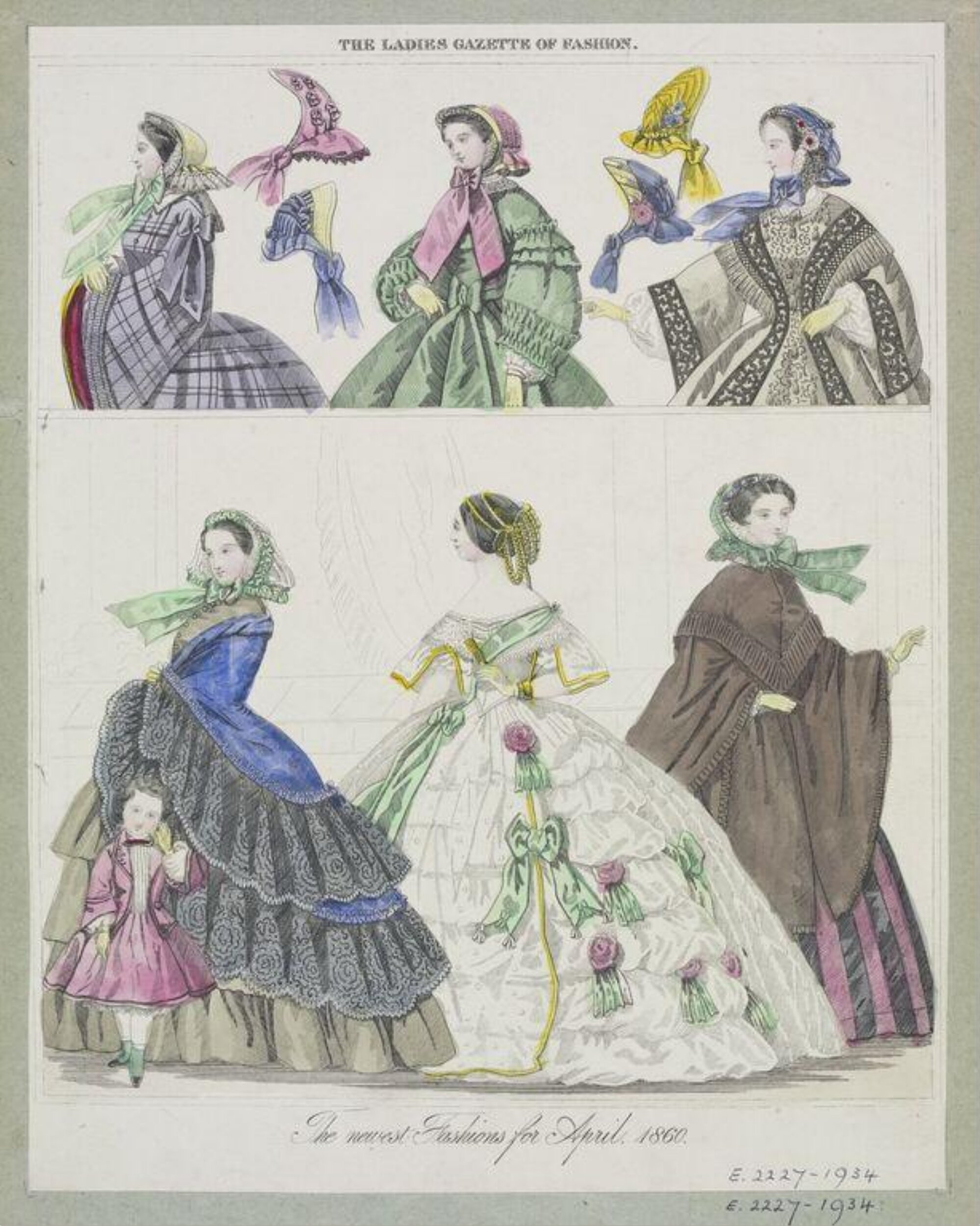
When chic was first adopted into English in the 1850s, it was treated strictly as a French loanword. If a writer wanted to express a higher degree of elegance, they might use the French phrasing: très chic (very chic), plus chic (more chic), or le plus chic (the most chic).
However, as English speakers became more comfortable with the word, it underwent “grammatical assimilation.” By around the 1880s, the Oxford Dictionary recorded its comparative and superlative forms—chicer and chicest—as the term transitioned from a foreign French borrowing into a fully naturalized English adjective.
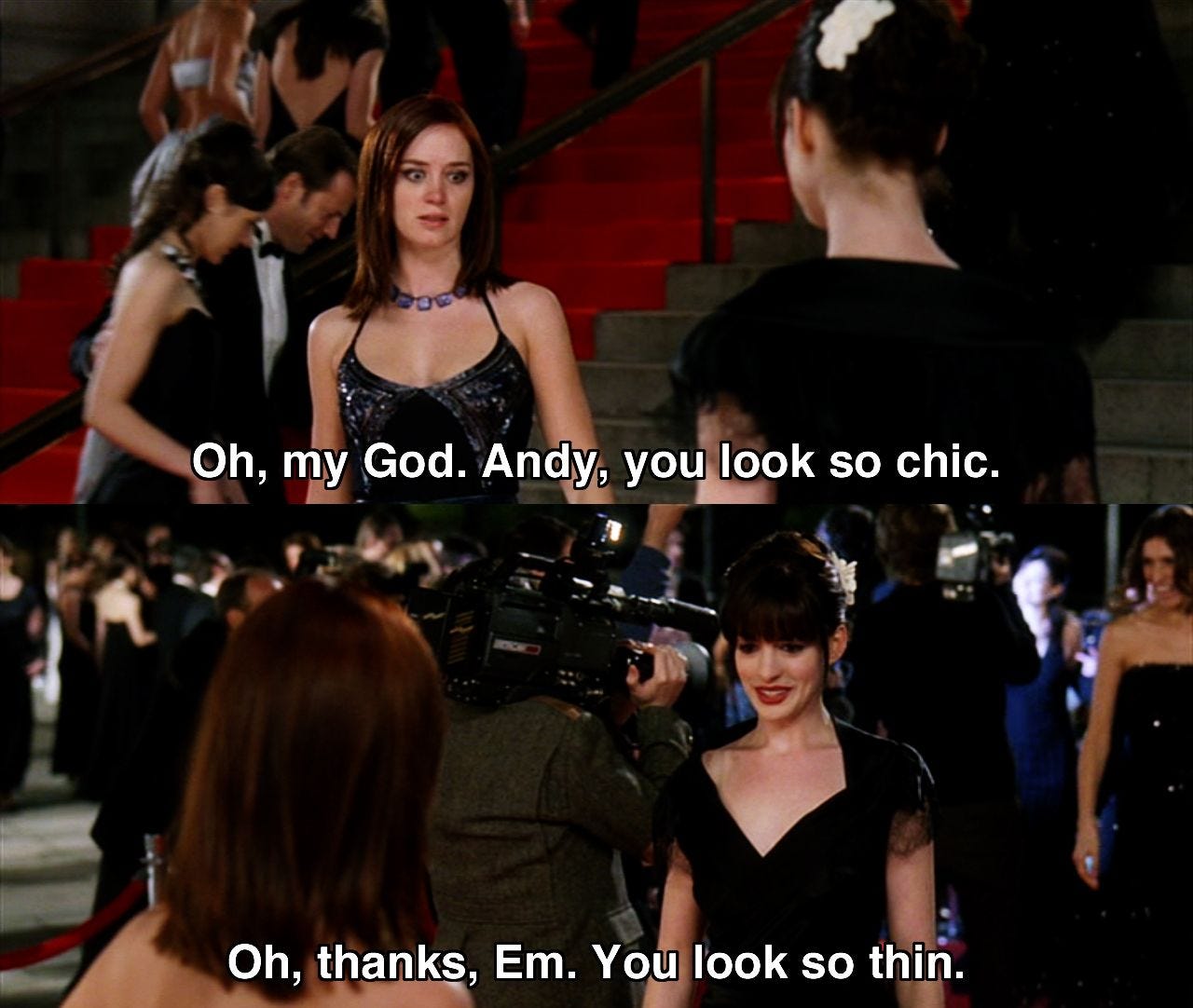
Over the 20th century, chic became a standard global descriptor for anything sharply fashionable, sophisticated, or on-trend. In the 1920s, during the height of the Jazz Age in the United States, being “chic” was particularly prized in fashion circles.
Eventually, “chic” became a pseudo-suffix, attached to other words to describe specific design aesthetics.
The trend of using “chic” as a suffix dates to the 1980s, when the British magazine The World of Interiors coined the term “shabby chic.” It described the elegant yet worn grandeur of old English country homes. Interior designer Rachel Ashwell later popularized the look and trademarked the phrase in the late 1980s, demonstrating how “chic” could elevate an otherwise negative or messy descriptor into a premium style category.
Not long after, the term was adapted to describe other sartorial aesthetics—the ’90s had “heroin chic” and “geek chic,” while “boho chic” emerged in the early 2000s.
Modern day usage
Today, the term is often used more loosely to describe an entire vibe or energy, rather than clothing alone. People may call an attitude, lifestyle choice, or even a small daily habit “chic” when it comes across as confident, authentic, and effortlessly put-together.
At its core, chic suggests a sense of style, elegance, and sophistication that feels confident without appearing overly deliberate. It is most commonly used for people, clothing, or attitudes that convey a refined, understated sense of cool.
While the word is most closely associated with fashion and personal style, it can also apply to places, behavior, and entire lifestyles. A well-dressed outfit, a trendy new restaurant, or someone who carries themselves with poise can all be described as “chic.”

So, what actually qualifies as “chic?”
There are no set standards that defines what qualifies as “chic.” Its meaning has evolved over centuries, and its place in the modern style lexicon continues to shift.
Beauty, as they say, is in the eye of the beholder—and perhaps the same can be said for the people, places, and things that earn the adjective “chic.”
There is no set formula for attaining “chicness.” If its history tells us anything, the sartorial crowd never really owned the term. That said, perhaps being “chic” can be as much a way of life as it is a matter of appearance.

Whether or not the term is used in the context of style, the way it has been adapted today is perhaps reflective of how this generation defines chic.
So yes, maybe it is “kinda chic” to celebrate your wins on social media. Maybe it is “kinda chic” to chase after a dream, or even to be honest about repeating outfits.

Pau is Preview’s go-to fashion girl. On most days, you’ll find her with coffee in hand, and dressed in an oversized blazer with floor-grazing jeans.
Read more stories about
chic ,explainer ,fashion explainer ,preview explainer ,preview dna ,sc26 ,lch-06887