It’s a Game of Love for Jericho Rosales
For decades, the actor has followed wherever his heart takes him on screen and off, guided by passion above all else.
Published on Feb 11, 2026
We were nearly five hours into the Preview cover shoot in bustling Quezon City. I had been waiting on the sidelines and watching the crew shuffle their lenses and lights when Jericho Rosales suddenly turned to me.
“Hey,” he said, flashing his perfectly symmetrical, million-dollar smile. “Are you still okay?”
More mundane words have not been said, yet at that moment, I felt the raindrops turn into rose petals. Vina Morales began singing in the background as Jericho and I twirled beneath the trees, my fingers tangled with his. The wind blew through my hair. A slow pan. A dramatic zoom. The camera circled us endlessly. Somewhere, a director is yelling “Cut,” but we are deaf.
Before Madam Claudia could slap me back into reality, I reminded myself that I am no Yna Macaspac to his Angelo Buenavista—and this is reality, not Pangako Sa’Yo.
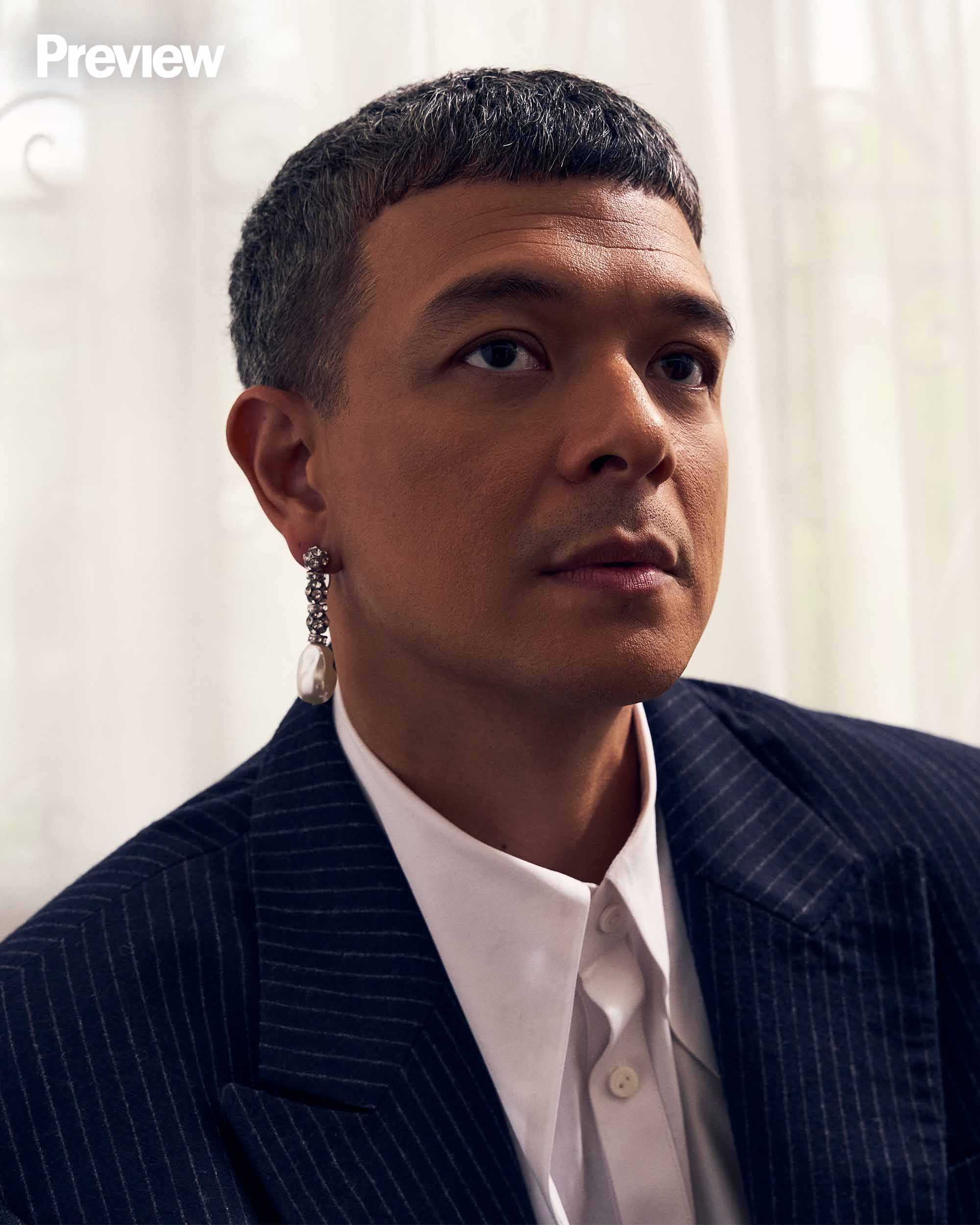
But this is how easy it is to fall under Jericho’s spell. Millions of people adore him, follow him, love him, and worship him, even. Each of those people holds a private version of him shaped by memory, television, and fantasy. His charm is instinctive but also deliberate—an energy he knows how to wield, and a strategy he has refined for exactly 30 years now in the spotlight.
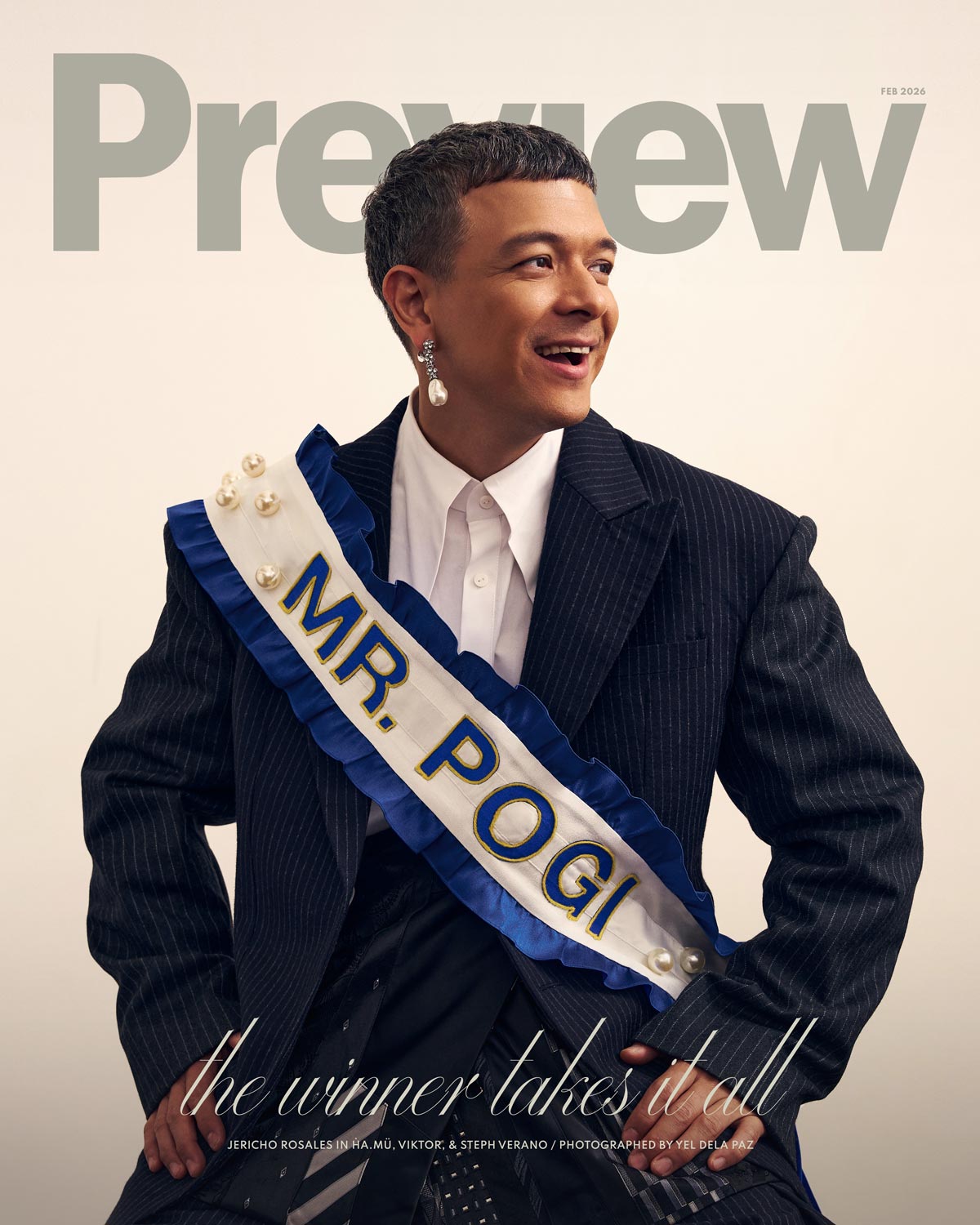
He understands that charisma is currency and spends it wisely—in the way he chooses roles, speaks to fans, maintains a spotless image, and balances accessibility with mystique.
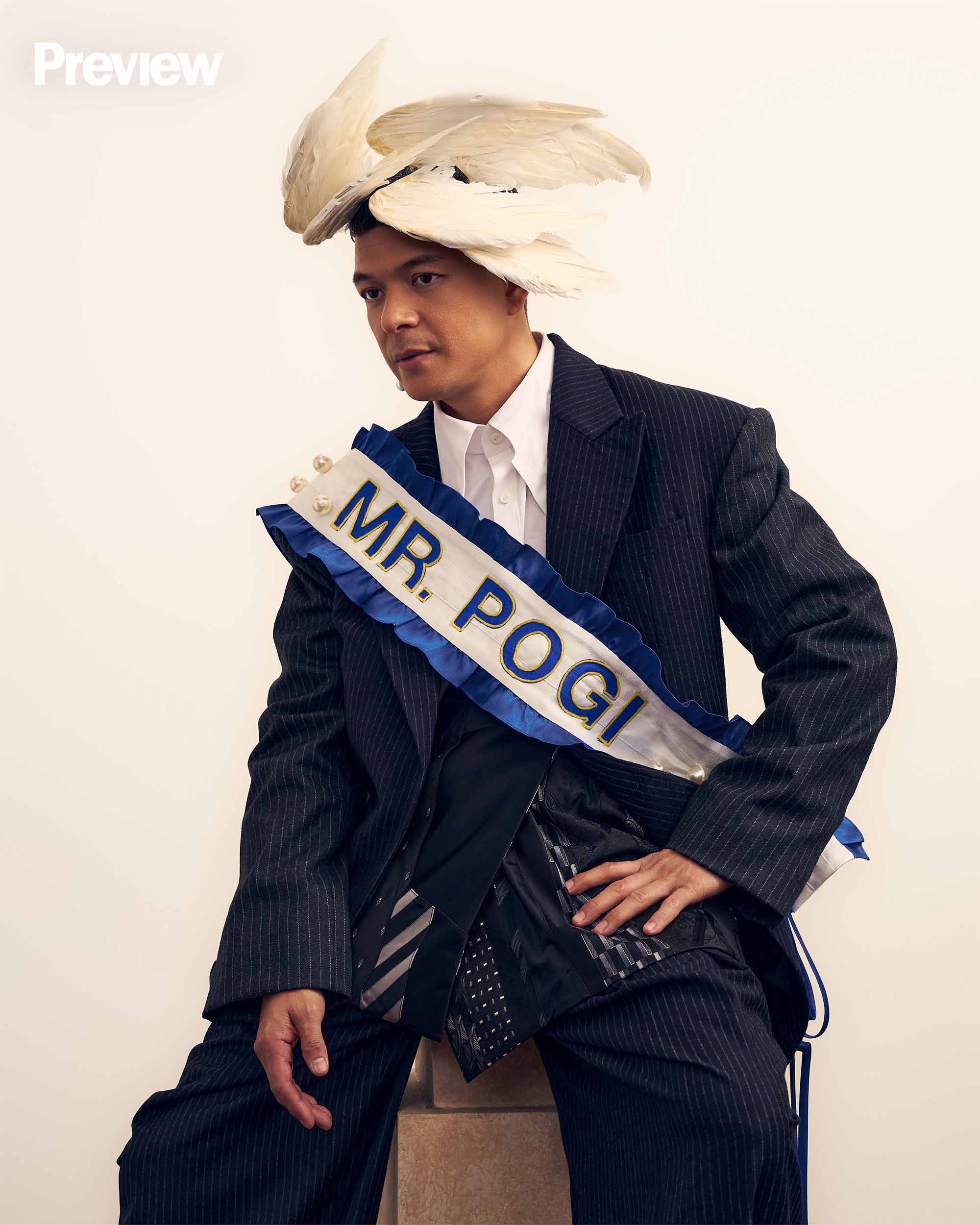
Audiences fell in love with him instantly in 1996, when he won Mr. Pogi on Eat Bulaga, and since then, people embraced him in every incarnation. Each role became another thread in the tapestry of devotion, turning him into a force that could sustain a career across decades. And though the spell feels effortless, behind it lies discipline, calculation, and an awareness of how to keep audiences enthralled.
“We’re in show business, you know—show business,” he says. “What people see is a show. And if I’m on the positive side, I want to show them the good stuff. All the good things.”
The Game Plan
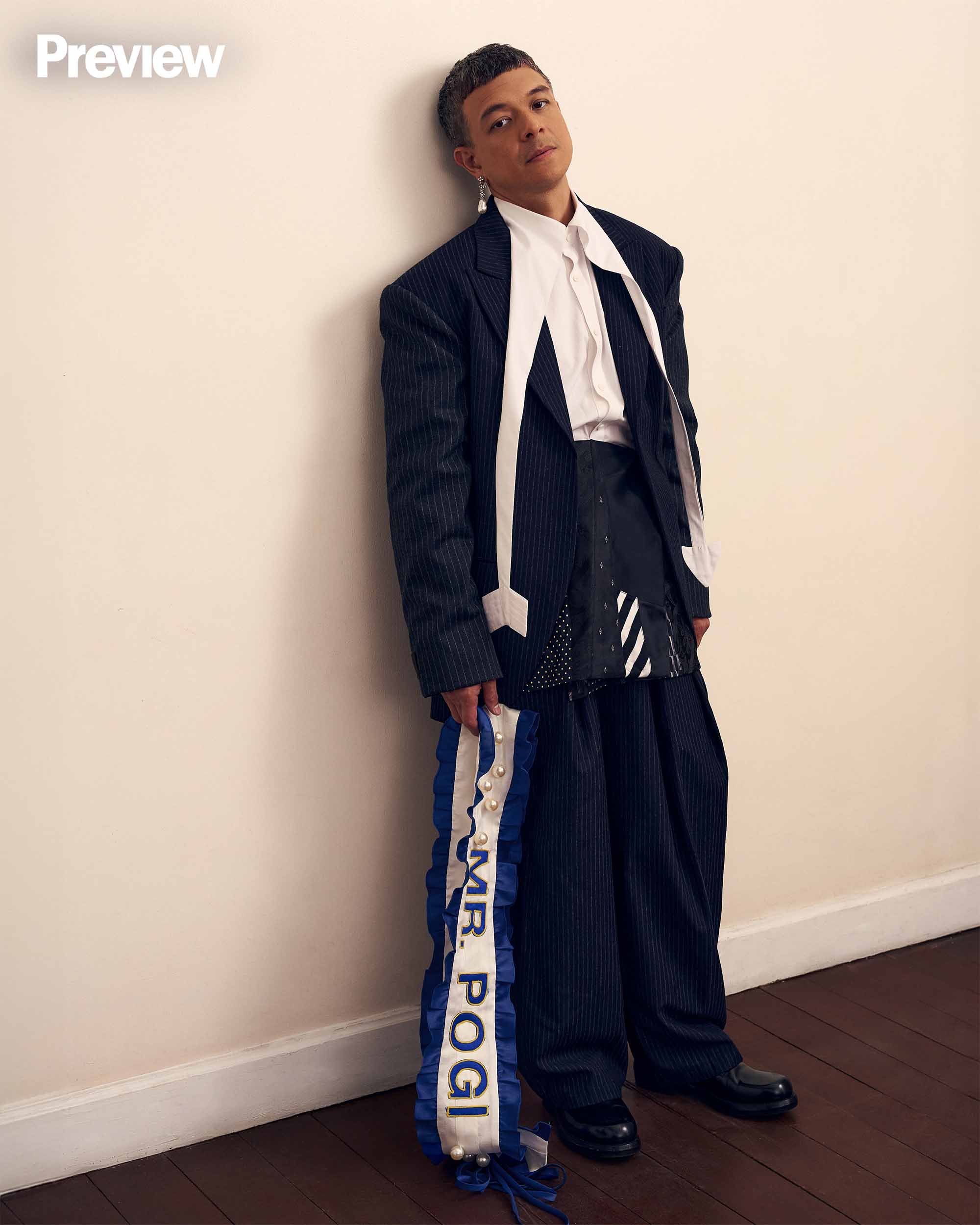
Not everyone carries an origin story like Jericho’s. When he stepped on the Mr. Pogi stage, he had already been a fish vendor, junk collector, jeepney barker, pizza chain service crew, and personal driver. His rise was not the smooth trajectory of a star groomed for the spotlight, but the climb of someone who had already known struggle.
That contrast—between the boy hustling on the streets and the man dazzling on screen—became part of his mystique. Audiences didn’t just see Jericho Rosales the actor. They saw Jericho Rosales, the survivor. The dreamer.
But Jericho had almost turned his back on this all. During the height of the 2020 pandemic, he was in New York and contemplating on moving there permanently. “I wanted to quit again,” he recounted.
But fate led him to reunite with his acting mentor, and much sooner, his inner artist. “It was calling me talaga. I did realize that there were parts of me that had to be dealt with. There was frustration, there was insecurity, there was fear, there was a lot of judgment, and there were a lot of blocks,” he enumerated.
“And when I was able to deal with those, I embraced them fully, and I said, I'm gonna go back. I'm gonna go back to being an artist, working in front of the camera, whatever happens.”
When he returned to the Philippines in 2024, he assembled a new team that carefully calculated his next moves. This involved hiring a new manager in the person of Pinky Angodung, a seasoned corporate executive who had previously worked with him when she managed the Kuya J brand in the mid-2010s. Pinky quit her stable job to join Jericho’s team and brought the type of structure practiced in corporate. She introduced systems that allowed Jericho’s decisions to become sharper and more deliberate.
Projects were chosen not only for their artistic merit but for how they aligned with a long‑term vision. His public appearances were timed, his messaging became consistent, and his brand was recalibrated for a new era. What might have looked like a casual re‑entry into the spotlight was, in fact, the product of meticulous planning.
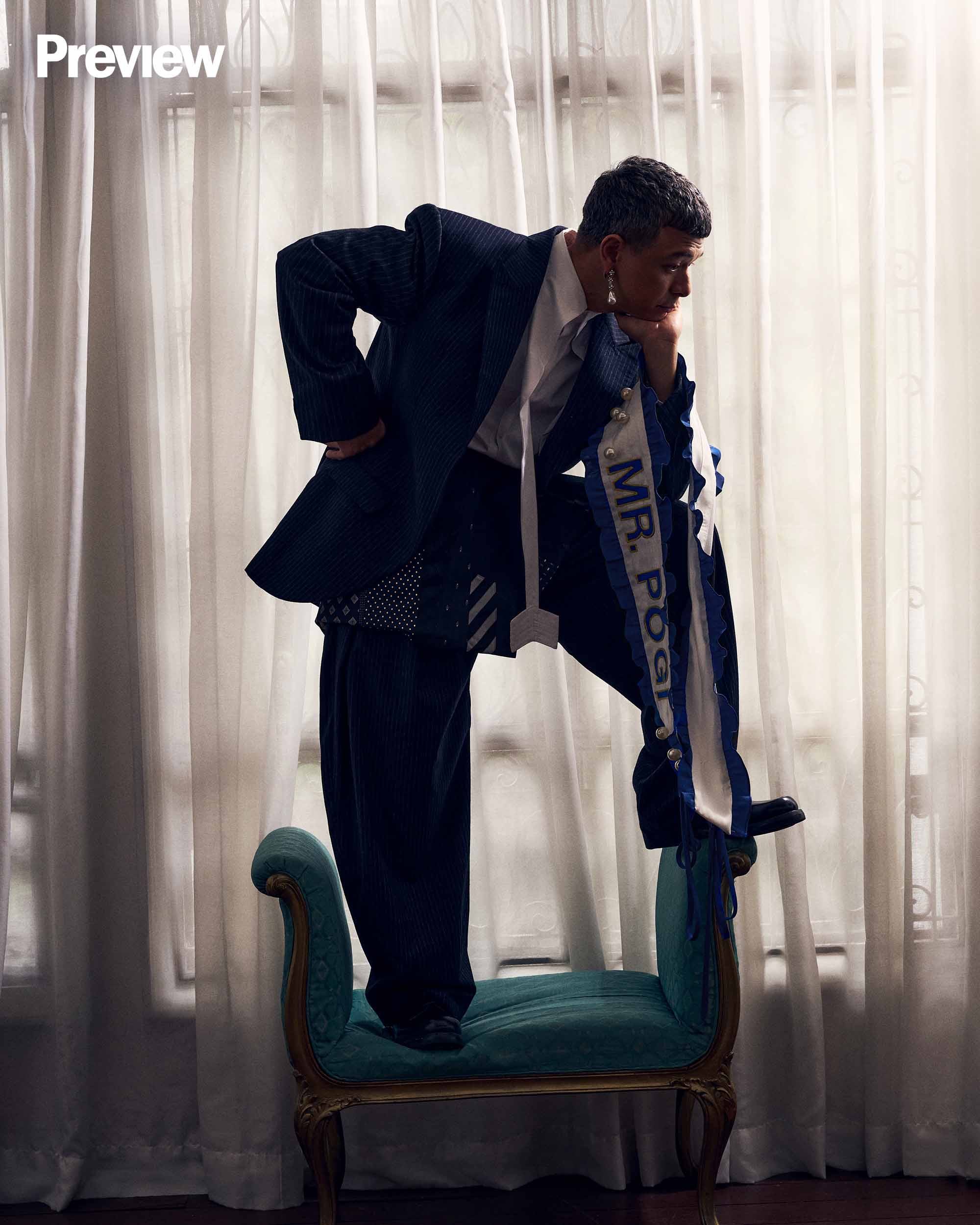
This planning has already brought forth the 2024 series Lavender Fields, where he plays Tyrone de Vera—but also Arthur Pelaez—a man maintaining a dangerous double life but is guided by his conscience to pursue justice. In the 2025 biopic Quezon, he portrays Manuel L. Quezon as a ruthless leader wielding Machiavellian charm.
This year, The Loved One takes him back to familiar romantic territory, but with a crucial difference: here, he plays Eric, an overbearing lover whose long‑term relationship with Ellie, portrayed by Anne Curtis, begins to fracture in ways he can no longer control. It unravels the messier, more complex aspects of a love story: the jealousy, the possessiveness, the cruelties that accumulate over time.
This highlights not the fantasy of romance but the anatomy of its collapse—a role that demands vulnerability and discomfort.
Lover or Loved One
According to The Loved One director Irene Emma Villamor, inhabiting the raw emotions of this role demanded more than technique. “When you're an ordinary person, acting seems like a job that's so fun,” she says.
“But actually, [it requires you to be] vulnerable. You're accessing emotions. There can be techniques, of course, that you learn in a workshop. But not everything is technique. It has to be real. You have to feel real anger, sadness, loneliness, and whatever it is that you're trying to access.”
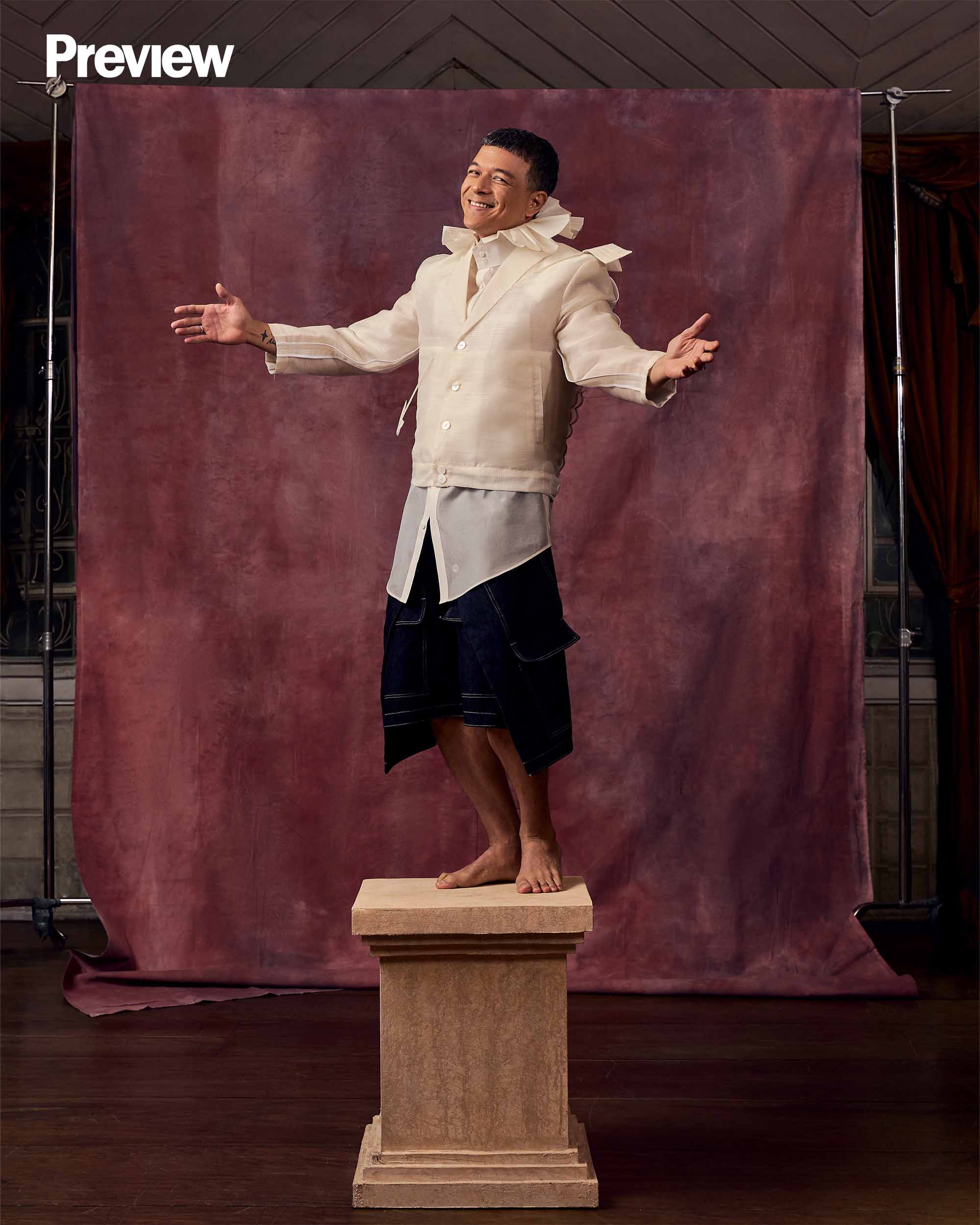
Jericho admits that he drew upon experience in portraying the role. “I've been in a lot of relationships. And this is not just [reminiscent of only] one person,” he says. Vulnerability, in whatever role he plays, is a prerequisite. “You can't be judging,” he says.
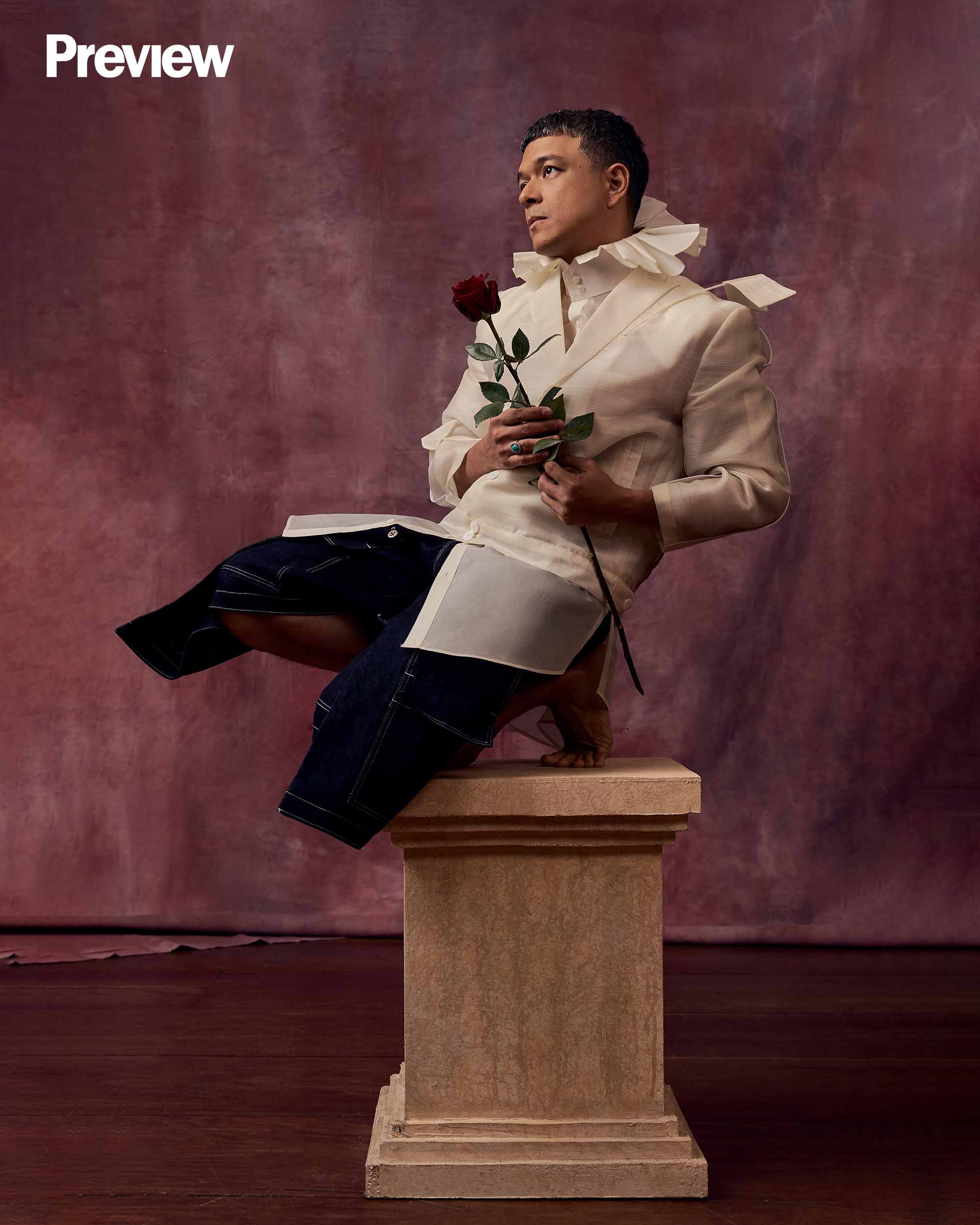
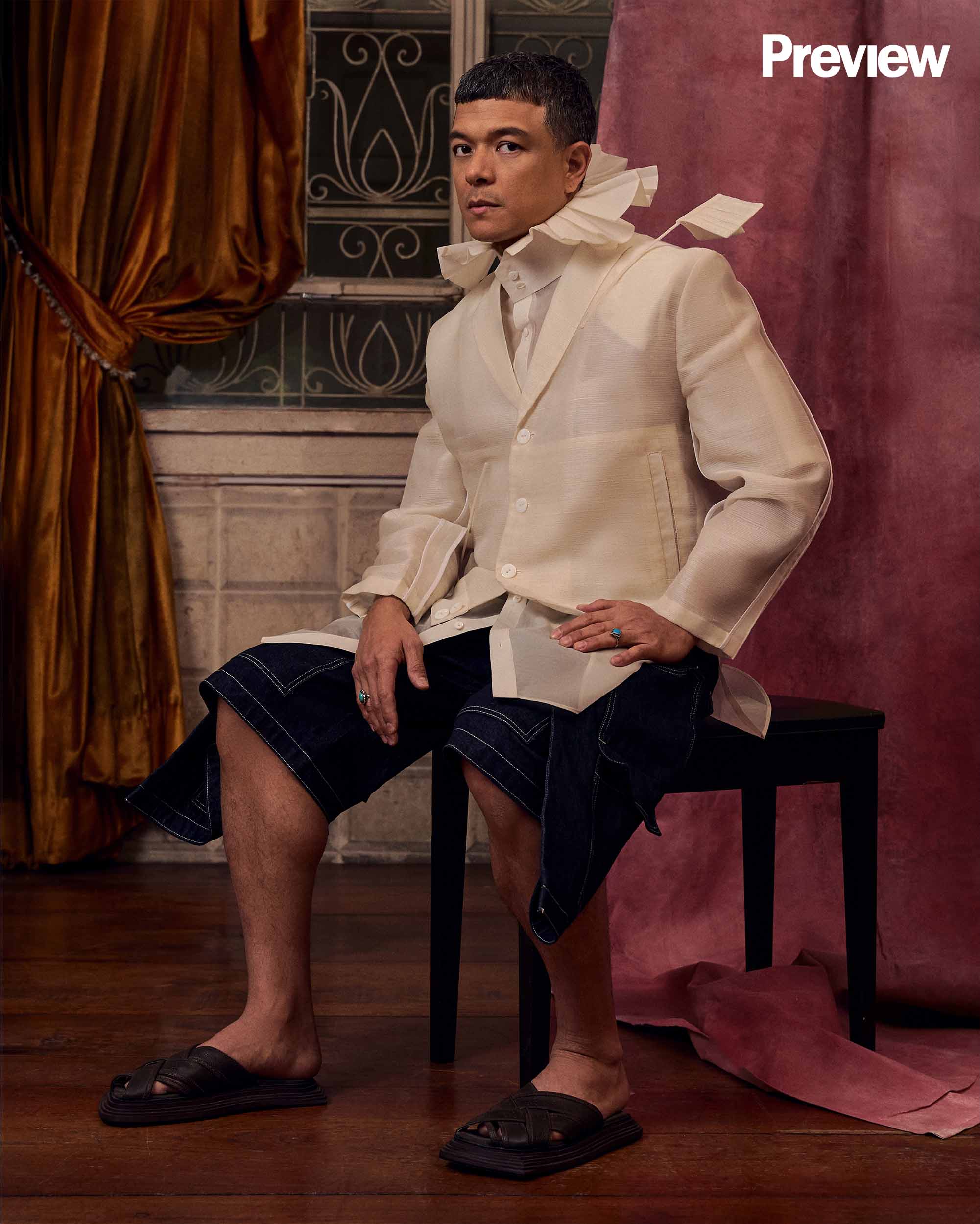
Jericho’s romantic history has been as visible as his career, often intertwined with the roles that made him famous. His most iconic pairing came in the early 2000s with Kristine Hermosa, when their on‑screen chemistry in Pangako Sa’Yo spilled into real life, cementing them as one of the era’s most beloved couples.
Today, Jericho is happily in love with Janine Gutierrez. Their romance began unexpectedly after a work meeting blossomed into something more, and by August 2024, both confirmed they were dating. Since then, they’ve spent holidays together and have met each other’s families—Christmas at Janine’s mother Lotlot de Leon’s home and New Year's at Jericho’s.
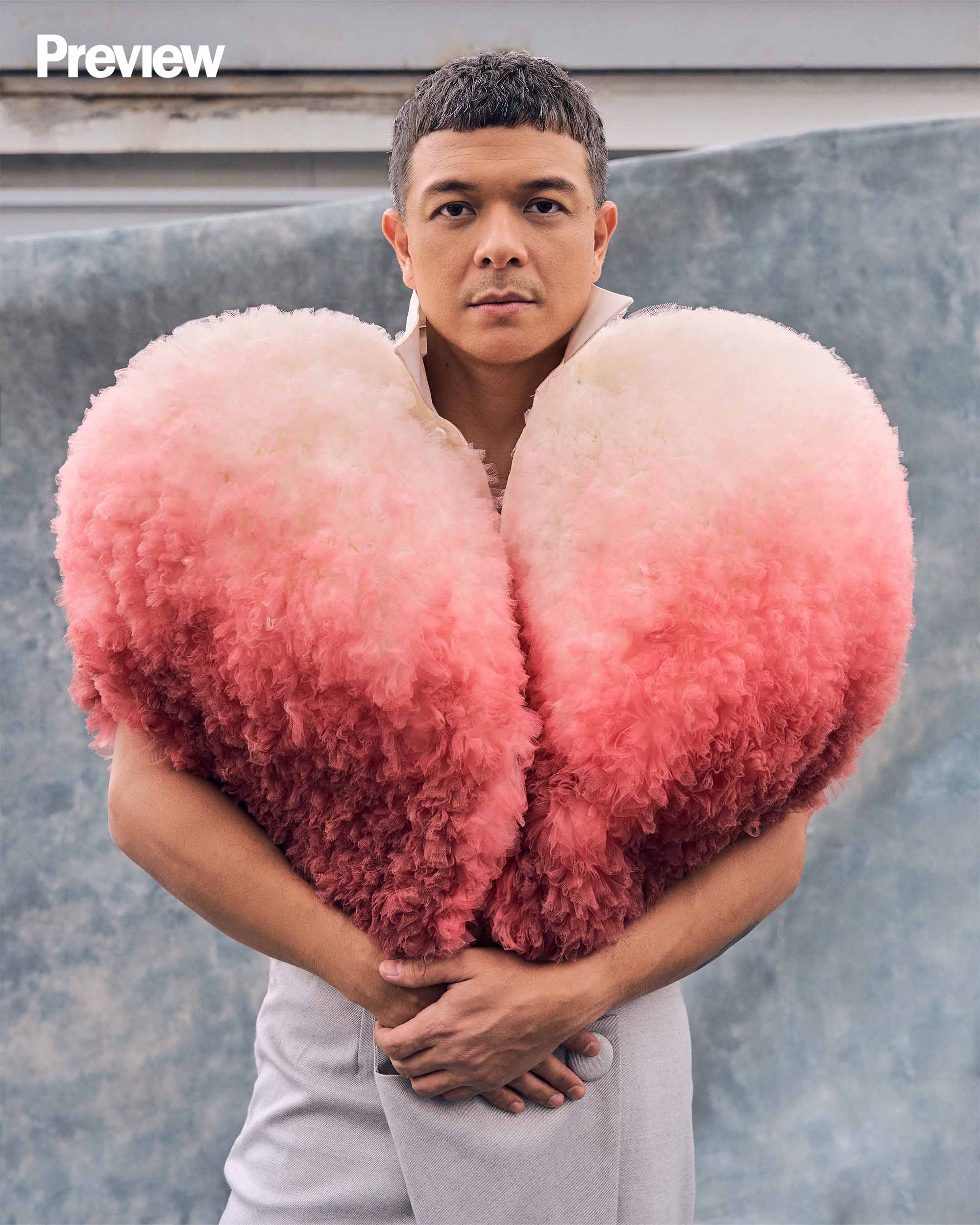
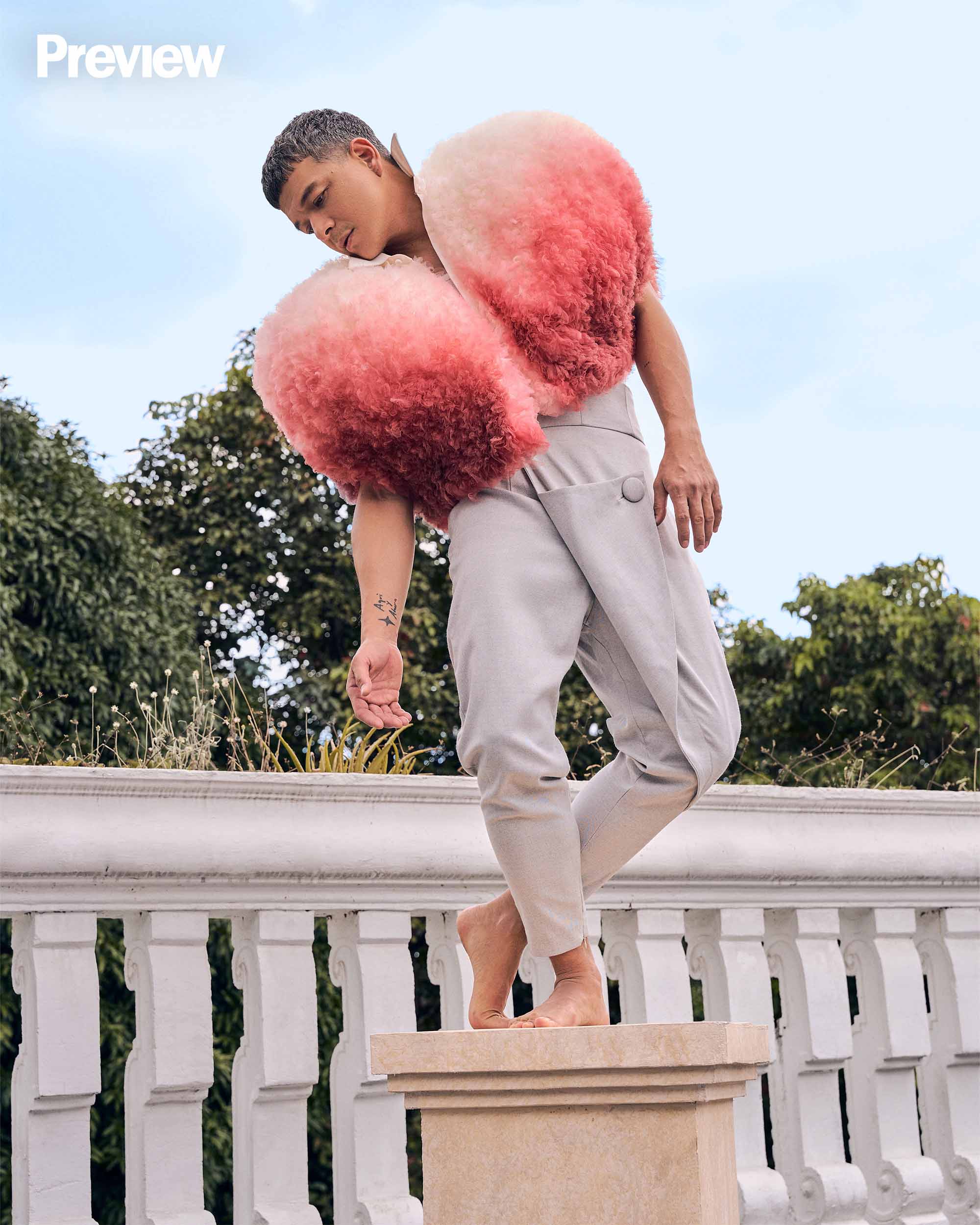
The 10-year age gap between Jericho and Janine adds another layer to their relationship, one that subtly underscores its balance. Jericho, now in his 40s, brings with him the perspective of someone who has weathered the highs and lows of both career and public romance. Janine, in her 30s, represents a new generation of actors—confident, independent, and carving her own path in the industry.
Together, they bridge two different phases of life and showbiz, blending Jericho’s steadiness with Janine’s energy.
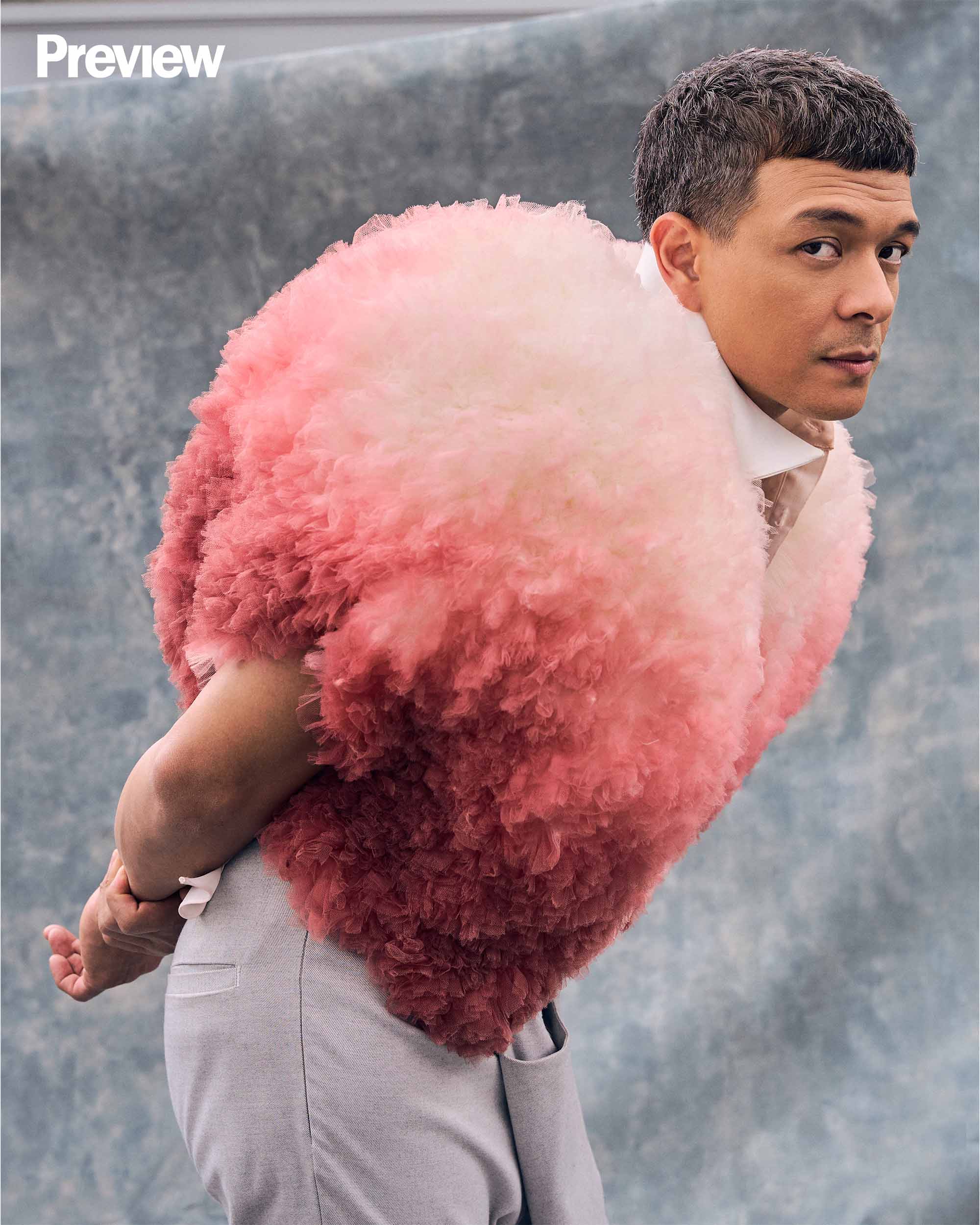
Constant Reinvention
In many ways, Jericho has evolved, but he has also stayed the same. He still has that street-boy swagger with the confidence to move through the world, ready to do anything for his loved ones.
But at 46 years old, he is wiser. “I like to absorb wisdom. I spend a lot of time thinking about things. And thank God that He blessed me with this ability to absorb, and the humility to sit down and try to accept or understand whatever's happened or what is happening,” he said.
“There's always something to learn from every situation. ‘What is the situation teaching me?’ I dig and dig and dig and dig and dig.”
Perhaps the most significant evolution is how Jericho has redefined what it means to be a male lead in his context. Early on, he fit a familiar romantic ideal. Today, he occupies a more complex space.
In his early years, Jericho’s appeal was legible and uncomplicated. He was handsome, earnest, and emotionally open in a way that made him easy to root for. The roles leaned heavily on innocence and romantic vulnerability. Over time, he began to add nuance to that image.
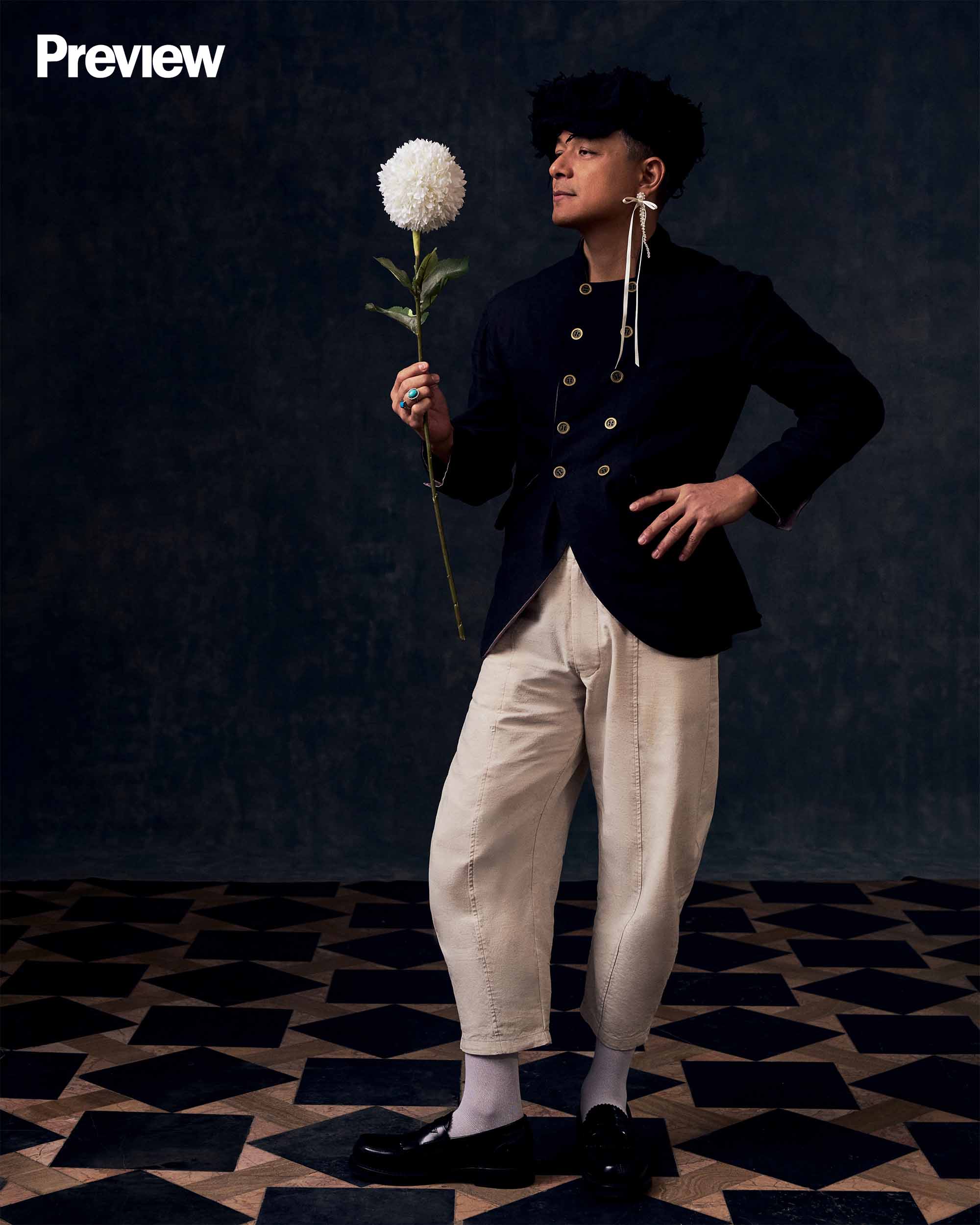
“It feels like I've been here for a very long time, but it still feels fresh, and I still want to do so many things,” Jericho now reflects. “It feels like I've been here, I know enough, I know a lot..."
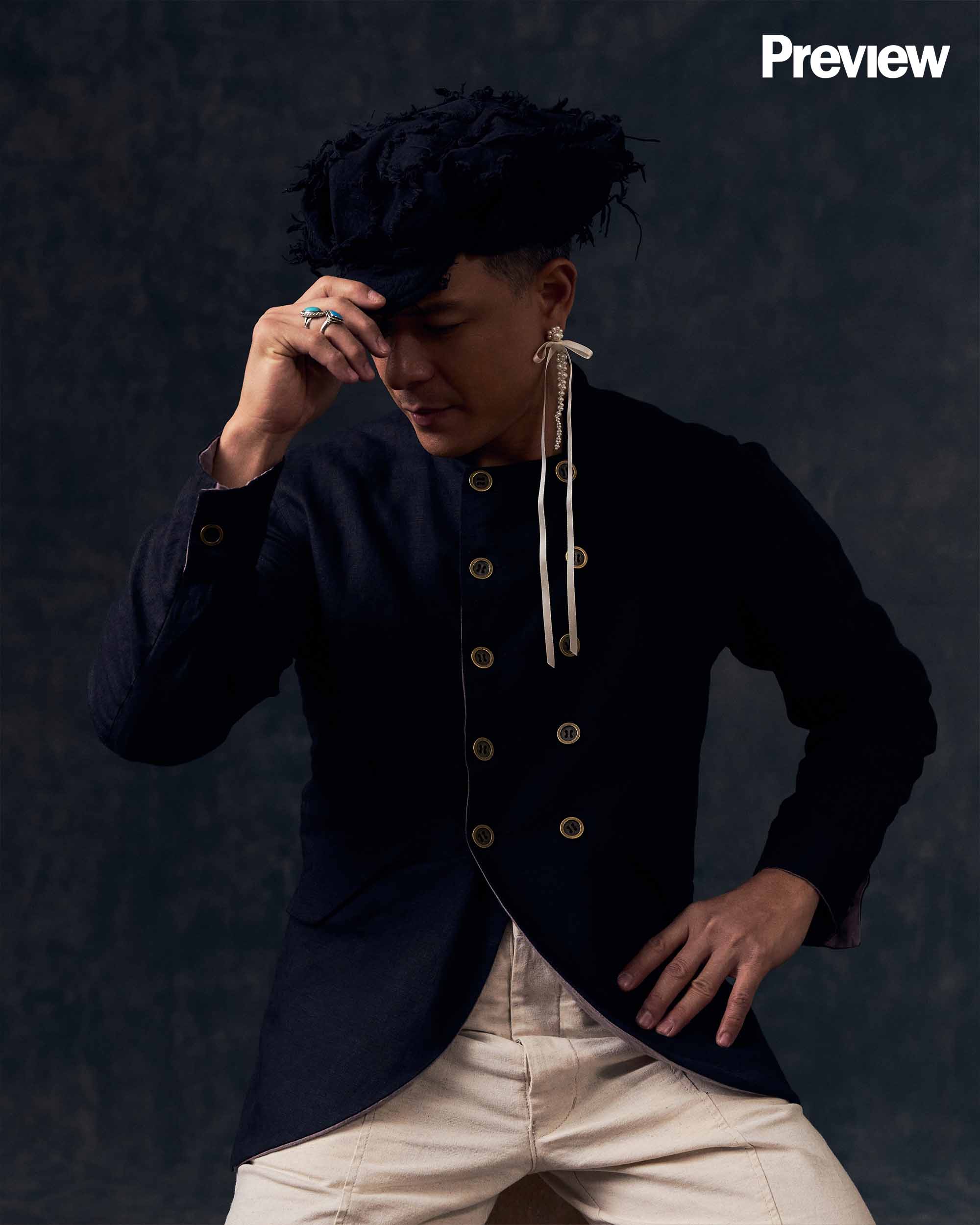
That continuity is what makes Jericho Rosales’ evolution legible. The distance from Mr. Pogi to the present is vast, but the through‑line remains intact. Here is a man who understood early on that visibility is fleeting, and who built—patiently, deliberately—something meant to last.
Thirty years on, Jericho is no longer just the matinee idol or the romantic lead. He is the consummate leading man, the strategist, the lover, the survivor, the artist—an enduring figure who has turned charisma into craft, and craft into legacy.
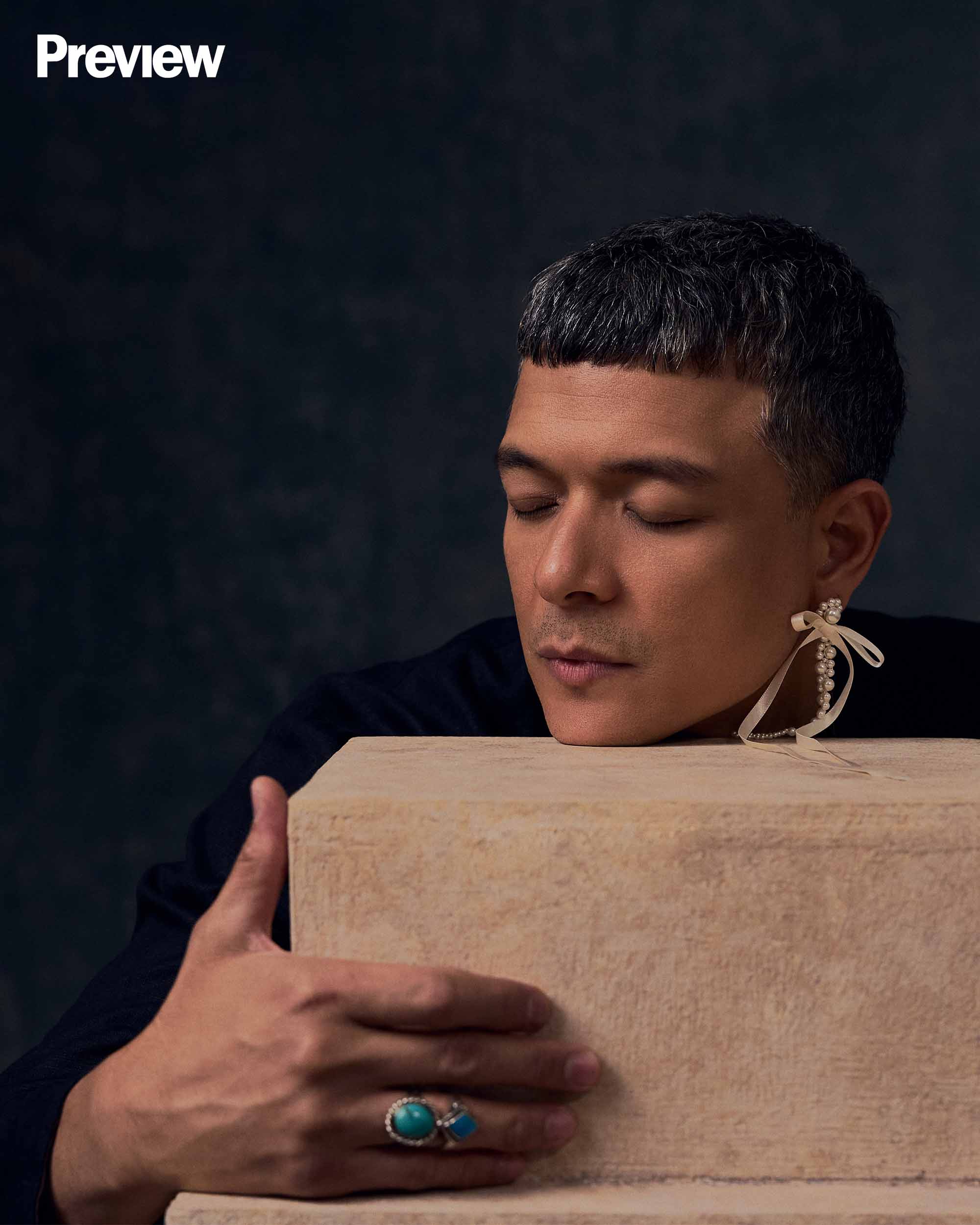

Produced and Styled by the Preview Team
Editor-in-Chief: Marj Ramos-Clemente
Creative Director: Bacs Arcebal
Managing Editor/Producer: Reg Rodriguez
Assoc. Creative Director: Jana Jodloman
Photographed by Yel Dela Paz. Video direction by Jana Jodloman, shot by Teddy Garcia Jr.. Styled by Paulina Singh ,assisted by Kyla Villena. Grooming by EJ Caro. Cover story by Pola del Monte. Lighting direction by Rojan Maguyon. BTS photos and multimedia by Bea Panganiban. Photographer’s assistants: Lyka Luyen and Karlo Baylon. Shoot assistants: Kevin Paguntalan, Almarc Rico, and George Tuliao. Props sourced via AdSet Production and Rocketsets. Shot on location at One Hectare Creative Spaces. Special thanks to Carl Chavez and Gillianne Herrera of Lunchbox and Pinky Tady-Angodung.
Pola del Monte is a journalist, former UN Women consultant and Cosmo Women of Influence 2024 Awardee. She posts about writing, communication and media literacy on Instagram: @MissChiefEditor.