Fashion
This Mentorship Program Is Searching for Filipino Designers to Feature at Milan Fashion Week
We spoke with the mentors about what stands out in emerging Filipino designers.
Published on Jun 9, 2025
The global fashion stage has long been dominated by familiar names and cities, but this year, a new spotlight turns toward the Philippines.
ADVERTISEMENT
Through a groundbreaking collaboration among the Department of Trade and Industry (DTI), the Center for International Trade Expositions and Missions (CITEM), the Philippine Textile Research Institute (PTRI), the Philippine Fashion Coalition (PFC), and Tetta Ortiz-Matera of LIT Fashion Consultancy, a new initiative is poised to rewrite the narrative.
Enter the FASHIONPhilippines Milan Mentorship Program 2025: a bold effort to amplify Filipino fashion voices during one of the industry’s most prestigious events. From September 23 to 25, 10 standout Filipino designers and brands will showcase their collections at the esteemed Fondazione Sozzani in Milan, aligning with Milan Fashion Week S/S 2026.
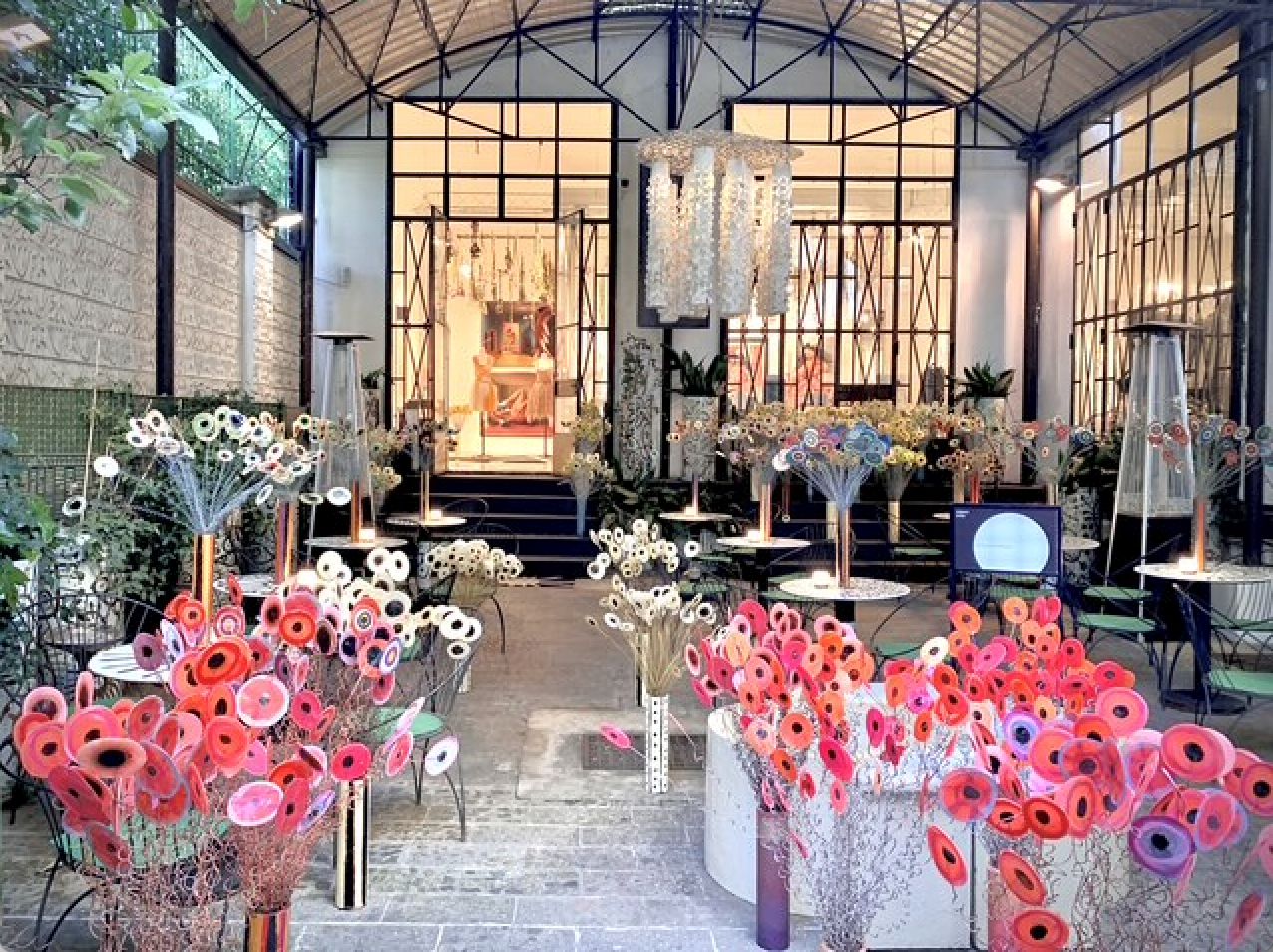
Click to Enlarge
Fondazione Sozzani (PHOTO: Courtesy of FASHIONPhilippines Milan Mentorship Program).
This program offers more than just exposure—it’s a chance for designers to evolve creatively, sharpen their business skills, and navigate the many facets of the fashion industry. Over several months, a group of experienced mentors will work closely with the selected designers. Led by Sara Sozzani-Maino, the team includes fashion industry experts Riccardo Grassi, Niccolò Pasqualetti, Riccardo Terzo, Ryle Tuvierra, Giulia Demitri, Helena Boissonnas, and Silvia Bertocchi—bringing together a broad range of expertise in styling, digital storytelling, retail, and cultural programming.
Ahead, a few of these mentors open up in a roundtable interview with Preview, sharing their perspectives on the program and the future of Filipino fashion on the global stage.
FASHIONPhilippines Milan 2025: What Mentors Want from the Next Wave of Filipino Designers
A Necessity for Cultural Exchange
Fashion today exists in a global dialogue, but for many creatives in countries like the Philippines, the opportunity to truly participate in that conversation is only just beginning. For international stylist and consultant Riccardo Terzo, the value lies in discovering how creativity manifests across different cultures. He sees this exchange not only as a way to expand perspectives, but also as a personal challenge. “It’s a way to understand and to see creativity on a different scale and from a different point of view,” he tells Preview.
This desire to widen the lens of fashion is echoed by Riccardo Grassi, founder of his namesake showroom. He believes that discovering designers from places like the Philippines brings fresh energy and essential cultural context. Designers from this region, he notes, carry with them deep traditions. “Culture, knowledge, handicraft—many things that could be very interesting.”
Sara Sozzani-Maino, Creative Director of Fondazione Sozzani and longtime advocate for emerging talent, emphasizes that this program is also about access and inclusion. She explains that the idea was to give Filipino designers the platform they’ve long deserved—to cross cultures, build visibility, and surprise global audiences with the richness of their craft.
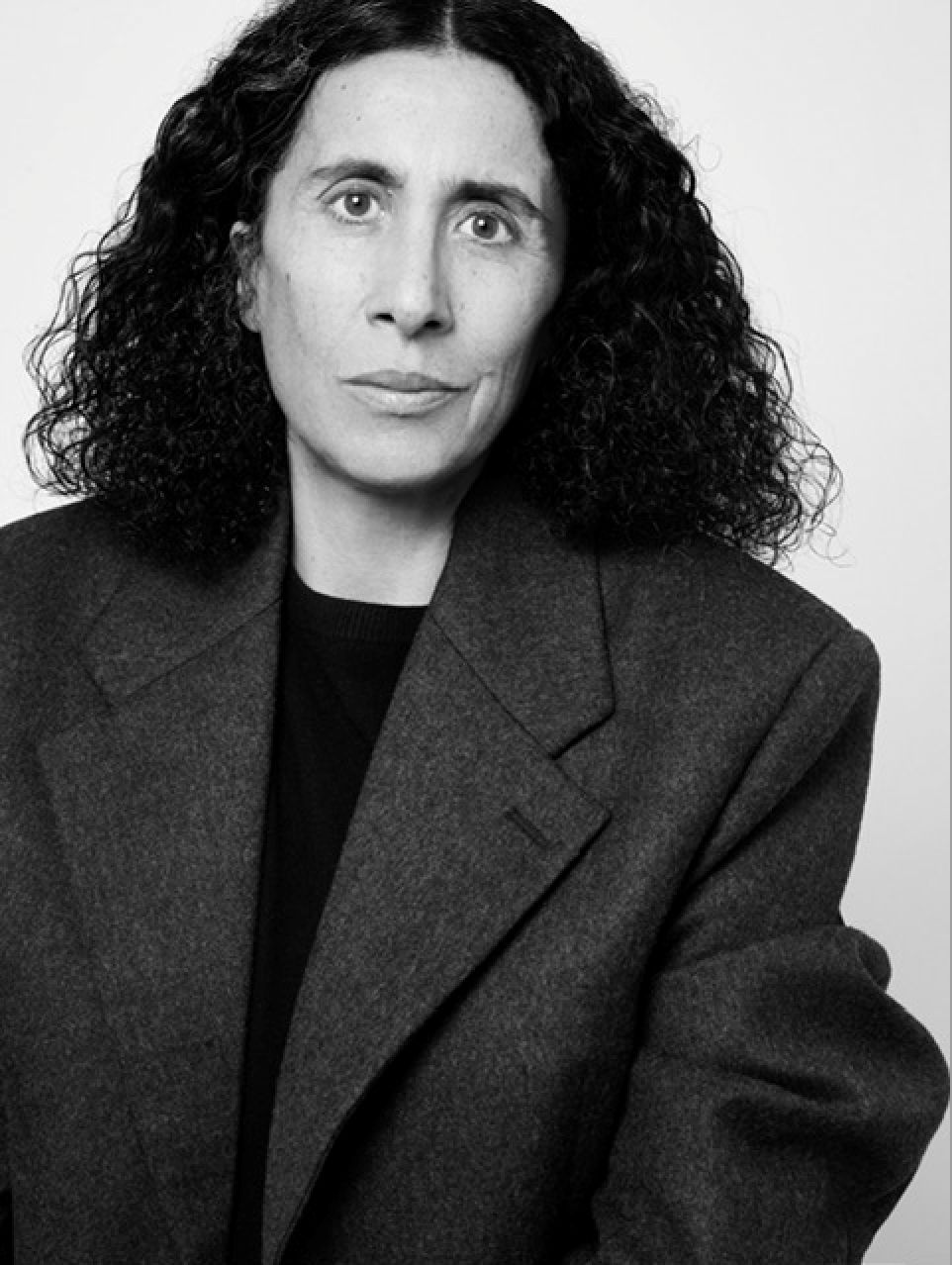
Click to Enlarge
Sara Sozzani-Maino, Fondazione Sozzani Creative Director and Milan Fashion Week International New Talent and Brand Ambassador (PHOTO: Courtesy of FASHIONPhilippines Milan Mentorship Program).
But despite the increasing interconnectedness brought by globalization, the fashion industry still orbits around a Eurocentric center—a system that has long felt exclusionary for many creatives outside of Europe and the Western sphere, including those in the Philippines.
“It’s not even a matter of globalization, it’s the fact that fashion has always been quite Eurocentric. It's always been like that,” says Riccardo Terzo. This framing has defined global aesthetics, often sidelining other rich design traditions. But this model is no longer as dominant as it once was. Noted by Riccardo Grassi, Asia now boasts the world’s largest consumer base—with over two billion people—and it’s within this dynamic region that new, self-directed fashion narratives are beginning to emerge.
In that sense, the Philippines is not on the periphery, but rather a vital contributor to the future of fashion. “A country that isn’t in the center of fashion has a strength,” explains designer Niccolò Pasqualetti. “They’re not limited by a lot of constructed ideas [in the Western industry].”
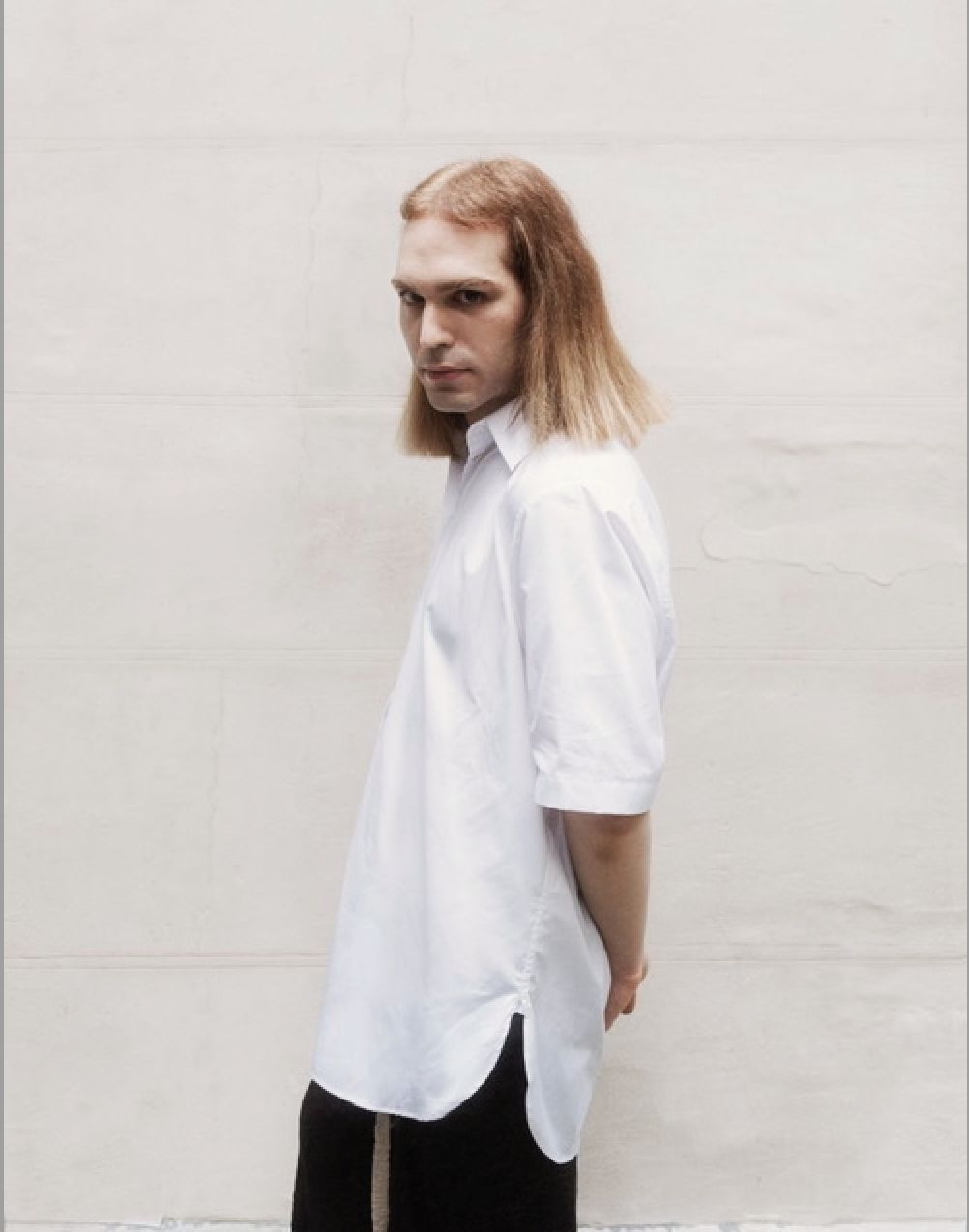
Click to Enlarge
Niccolò Pasqualetti, fashion designer and founder of his eponymous brand (PHOTO: Courtesy of FASHIONPhilippines Milan Mentorship Program).
Still, transforming the industry takes more than just tapping into new markets. As Riccardo Terzo explains, “The traditional conversation is only about who’s going where, who’s who, which brand, about LVMH, about Kering, but it’s much more than that. In fashion, it’s not just that, it’s also that.” This sentiment is shared by Sara, who believes a fundamental shift is needed—from a system of gatekeeping to one of collaboration and openness.
In this new paradigm, Filipino designers don’t need to seek permission to belong, as they're already part of the story. Riccardo Grassi points out that today's audiences are hungry for authenticity and rooted perspectives, especially in Asia’s fast-growing and youthful demographic. As Niccolò puts it, global exposure can help these designers define not only their creative identity but also their role in shaping a more inclusive and representative fashion future.
ADVERTISEMENT
What the Mentors Are Looking For
What does it take to stand out in today’s fashion landscape? According to the program’s mentors, the answer lies in authenticity, storytelling, and a deep sense of responsibility.
For Riccardo Terzo, it starts with craft. He’s most drawn to collections where tradition and innovation meet in surprising ways—where each garment reveals not just style, but substance. “It’s not just an image. It’s layers and layers of work,” he says.
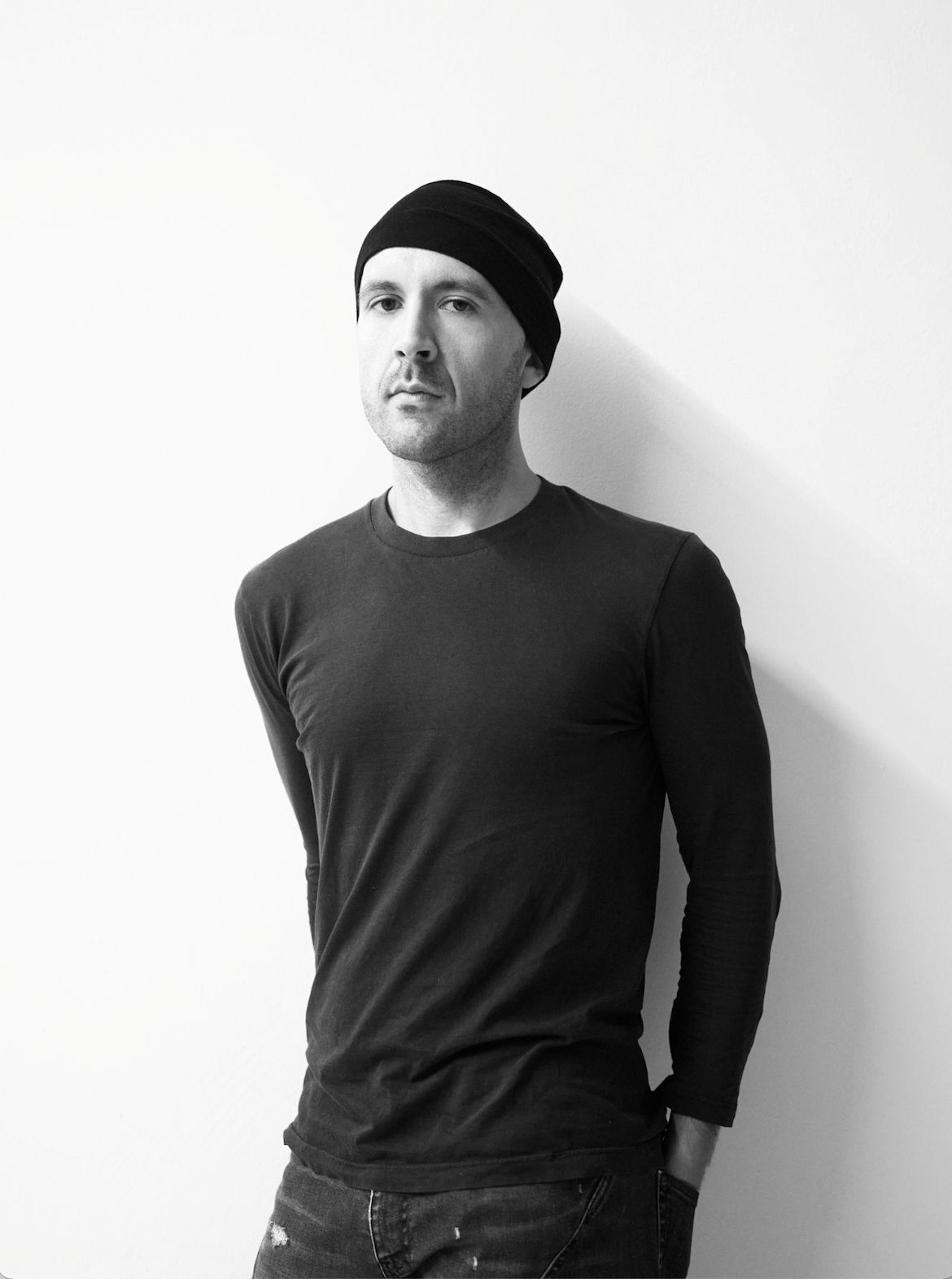
Click to Enlarge
Riccardo Terzo, international fashion stylist and consultant (PHOTO: Courtesy of FASHIONPhilippines Milan Mentorship Program).
Niccolò, known for his conceptual and gender-inclusive designs, places value on clarity of voice. What he hopes to discover are designers who can articulate a distinct perspective, one rooted in personal history yet unafraid to engage the contemporary. “I want to see some truth in what they propose,” the designer shares.
Meanwhile, Sara emphasizes the “why” behind each piece. For her, fashion must go beyond aesthetics, as it should engage in meaningful storytelling and uphold ethical practices. “It’s not just about creating a collection and creating clothes just for the sake of doing clothes. It has to be a responsible collection–socially or ethically responsible–that wants to make a little bit of a real change in the system,” she says. “We know that we don't need so many clothes anymore.”
ADVERTISEMENT
Learning from New Voices
Mentorship is never a one-way street. These industry experts are just as eager to learn from the designers as they are to teach.
“I’ve been doing this for the last 15 years,” says Sara. “I love to meet the new generation because they are the future, and we have to invest in them. I always say that I work with young people like a vampire—I get their blood to stay young. I learn so much from them because they have stories, and they teach me things that I don't know.”
“I always say to myself that the time I’m gonna wake up and I’m not learning anymore,” she adds. “It’s probably the time I need to change my job.”
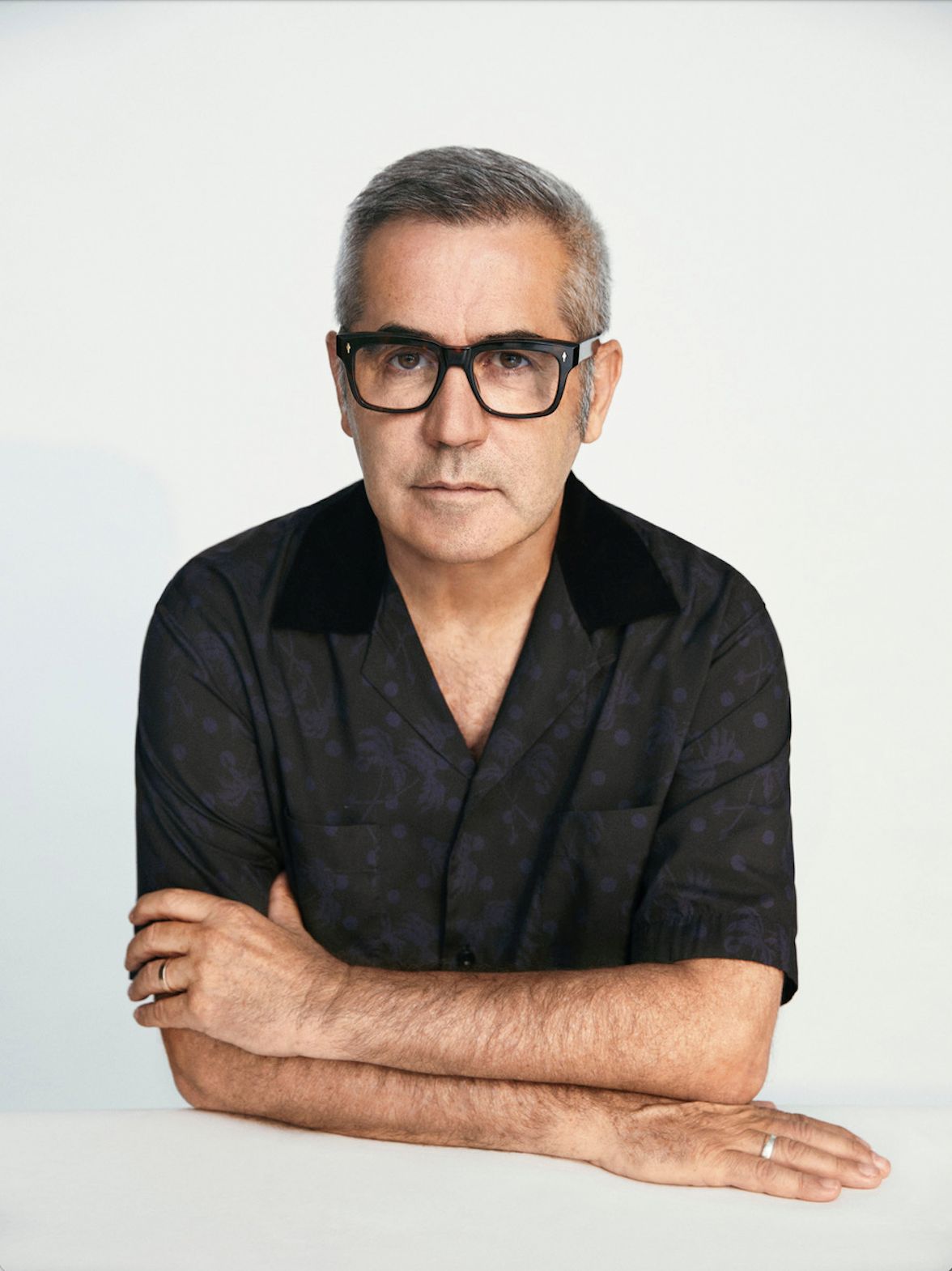
Click to Enlarge
Riccardo Grassi, RG Showroom Founder (PHOTO: Courtesy of FASHIONPhilippines Milan Mentorship Program).
Riccardo Grassi is equally enthusiastic. “I want to learn something I don’t know. Something fresher. Something from the culture of the Philippines. Like the use of fabrics—something very curious, something that gives another face to fashion. If you want international success, you need to use all these things.”
ADVERTISEMENT
How to Join FASHIONPhilippines Milan Mentorship Program 2025
The FASHIONPhilippines Milan Mentorship Program 2025 is open for applications from April 21 to June 13, 2025. Designers must be Filipino nationals, have a registered fashion business in the Philippines for at least two years, be a member of the Philippine Fashion Coalition (PFC), and be able to produce a 15–20-piece collection for Milan.
Applications must include a brand profile, designer bio, proof of business registration, documentation of sustainability efforts, and a portfolio of previous work.
To learn more and apply, visit: https://fameplus.com/trade_fairs/fashionphilippines-milan

Kat is Preview's Lifestyle Editor, explorer, and occasional rhymer. When not globe-trotting, she's over her computer, writing her next big novel.