Culture
Who Is Pope Leo XIV? 10 Things About the First American Pope
Robert Francis Prevost, a Chicago-born cardinal, just made history as the first pope born in the United States.
Published on May 9, 2025
When the bells of St. Peter's Basilica rang and white smoke billowed over the Vatican, the world learned the Catholic Church had a new leader—and for the first time in history, he hails from the United States.
ADVERTISEMENT
Robert Francis Prevost, a cardinal from Chicago, emerged as Pope Leo XIV after just four rounds of voting. His election followed the death of Pope Francis and came with the expectation that he would carry forward a legacy of compassion, global awareness, and spiritual reform.
So who is Pope Leo XIV, and what sets him apart? Here are 10 things to know about the first American-born pontiff.
10 Things to Know About Pope Leo XIV
1. He was born in Chicago, Illinois.
Pope Leo XIV, born Robert Francis Prevost, entered the world on September 14, 1955, in Chicago. The son of Louis Marius Prevost and Mildred Martínez, his roots blend French, Italian, and Spanish heritage. He grew up in the Midwest before pursuing a religious life that would take him far beyond American borders.
ADVERTISEMENT
2. He graduated with a degree in mathematics.
Before donning the papal white, he tackled numbers. He earned a Bachelor of Science in Mathematics from Villanova University, an Augustinian Catholic institution in Pennsylvania. His studies didn’t stop there—he also took on philosophy and later canon law.
ADVERTISEMENT
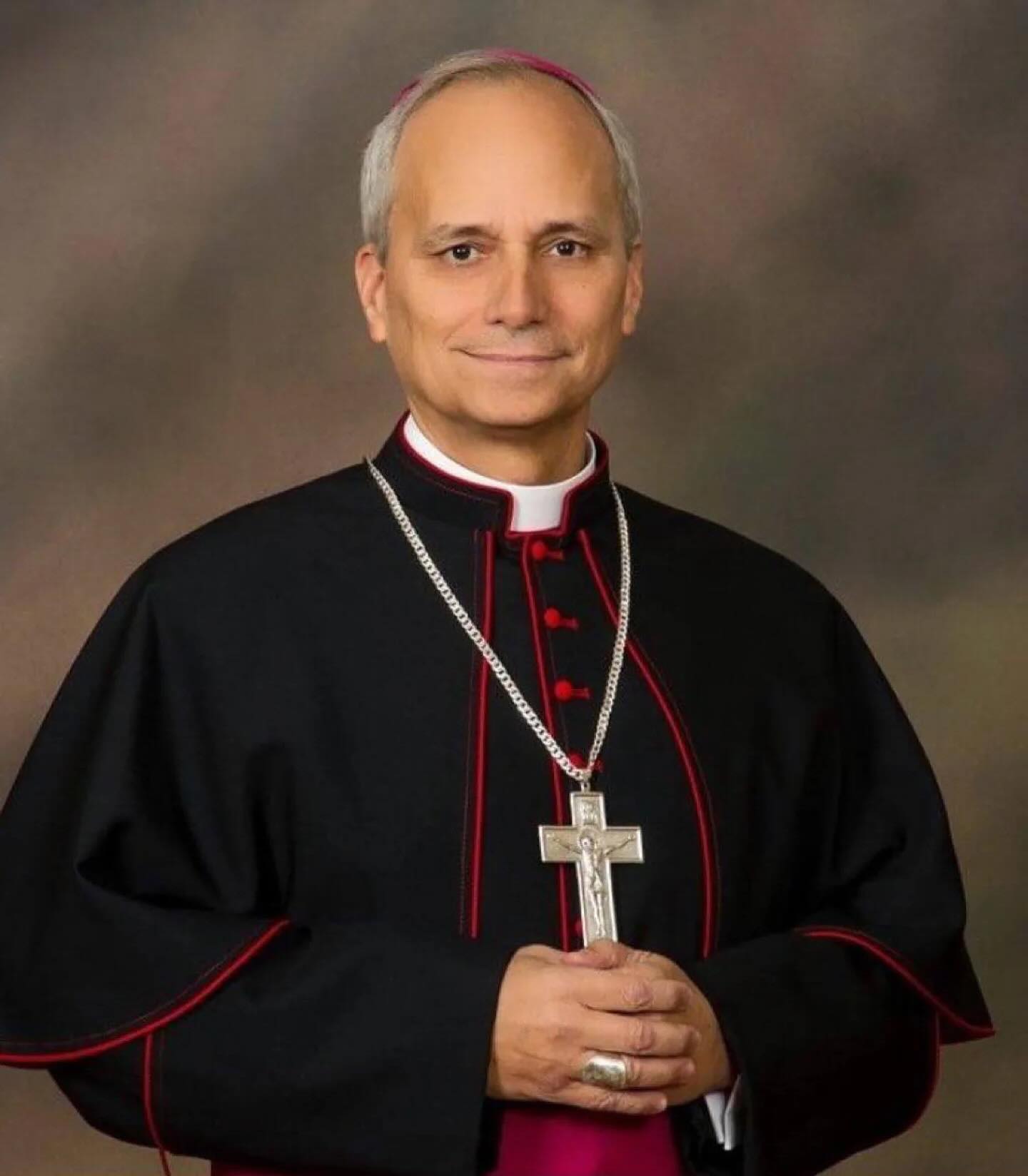
3. He is the first Augustinian pope.
Leo XIV holds another historical first: he is the first member of the Order of Saint Augustine to become pope. According to Vatican News, he made his solemn vows in the order in 1981 and spent much of his career in pastoral work, education, and missionary service.
Click to Enlarge
PHOTO: Instagram/nonstop.archived.
ADVERTISEMENT
4. He earned a doctorate in canon law in Rome.
Sent to Rome by his religious superiors, he pursued higher studies at the Pontifical University of Saint Thomas Aquinas. He earned his licentiate in 1984 and completed his doctorate the following year, focusing on the role of leadership within the Augustinian order.
5. His views reflect a pastoral heart with traditional roots.
According to the Washington Post, Pope Leo XIV shares Pope Francis’ emphasis on humility and service, but he's perceived as more centrist. While he speaks passionately about climate action and care for migrants, he has voiced concerns about "gender ideology" and reaffirms traditional stances on priesthood and doctrine.
6. The name “Leo” carries weight.
Choosing "Leo" is no casual nod. It echoes Pope Leo XIII, the 19th-century leader celebrated for his teachings on social justice. According to ABC News, Leo XIII's encyclical Rerum Novarum laid the foundation for the Church's modern stance on workers' rights and dignity—themes Leo XIV may be keen to revisit in a contemporary light.
7. He spent over a decade as a missionary in Peru.
His service in Peru wasn't a brief chapter—it was a defining one. He arrived in the late 1980s and spent more than a decade there as a missionary, priest, and community leader. He eventually became the bishop of Chiclayo and holds Peruvian citizenship.
8. He led the powerful Dicastery for Bishops.
Before his papal election, Leo XIV served as Prefect of the Dicastery for Bishops, a key Vatican office that oversees the appointment of bishops around the world. His leadership here positioned him as a major player in shaping the Church's future hierarchy.
Click to Enlarge
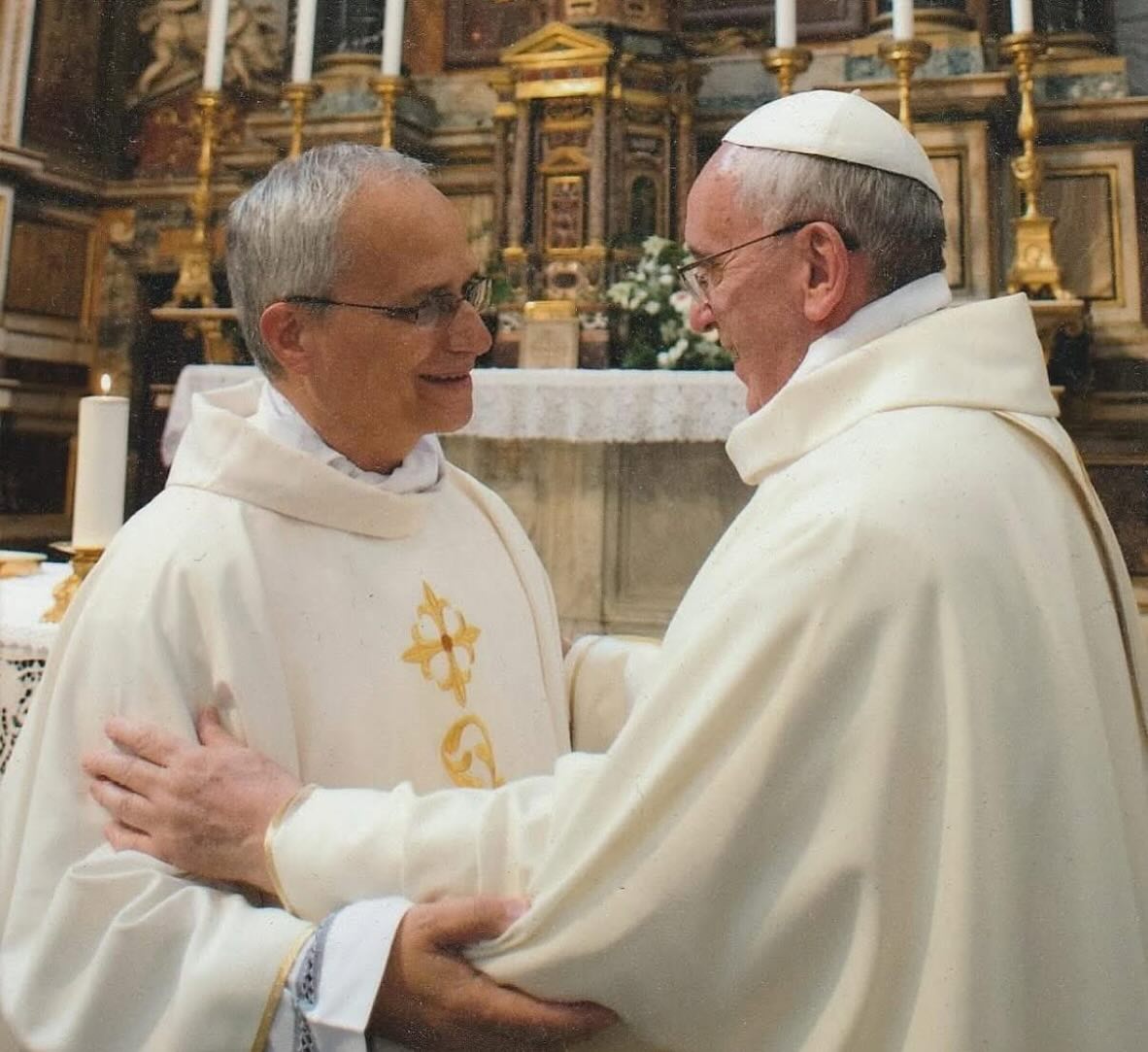
Robert Francis Prevost (now Pope Leo XIV) with Pope Francis (PHOTO: X/drprevost).
9. He has faced scrutiny over abuse case handling.
While many praise his diplomatic and pastoral qualities, his record is not without controversy. As reported by Forbes, critics have pointed to his time in Peru and in the Chicago-based Augustinian order, raising concerns over how he managed certain sexual abuse allegations. The Vatican has denied any wrongdoing on his part.
10. He mentioned a Church that "builds bridges" in his first message as Pope.
In his first address as pope, Leo XIV called for a Church that welcomes, listens, and embraces all. "We have to be a Church that works together to build bridges and to keep our arms open," he said. Delivered in both Spanish and Italian, his words hinted at the multicultural, multilingual, and mission-driven legacy he brings to the papacy.

Kat is Preview's Lifestyle Editor, explorer, and occasional rhymer. When not globe-trotting, she's over her computer, writing her next big novel.