Travel
Why Is Everything More Expensive at Airports?
Your airport latte costs more than in the store, and there's a reason for it.
Published on Jun 13, 2025
Stepping into an airport terminal is like entering a different economic universe, where a bottle of water might cost more than a café drink in the city, and a small snack can seem overpriced. This isn't just perception; it's reality that factors in several reasons, including convenience, security, and operational complexity.
Here’s why airport prices soar above what you'd expect—and what lies behind that tempting, yet pricey, drink at the gate.
ADVERTISEMENT
Why Everything Is More Expensive at Airports
ADVERTISEMENT
1. Convenience and a Captive Market
When you're racing to catch a flight after an immigration line or waiting between connections, price comparison may still cross your mind—but at that point, options are limited. Retailers and café operators know this, and the lack of practical alternatives allows them to set higher prices with minimal resistance. According to Vox, airport prices are typically 10–15% above regular levels, banking on the fact that you likely won’t wander far for a cheaper alternative.
In the Philippines, travelers at the Ninoy Aquino International Airport (NAIA) have frequently observed that bottled water and fast food meals inside terminals cost more than at branches outside the airport. In an October 2024 piece by The Philippine Star, Ramon S. Ang, head of the New NAIA Infrastructure Corporation, said that food prices at NAIA would soon be at par with those in malls. He explained that in the past, prices were driven up by multiple layers of lessors and sub-lessors.
ADVERTISEMENT
2. Rent and Lease Costs
With that said, airport real estate is prime real estate. Vendors pay significantly higher rents than they would in malls or commercial strips—and many leases include a percentage of sales on top—a model known as percentage rent. Airport vendors often pay significantly higher rent than their counterparts in shopping malls or commercial spaces.
While hard numbers vary by location, this premium reflects both the captive audience and high demand within terminals. In Asia-Pacific hubs, this cost is further compounded by revenue-sharing agreements and strict infrastructure requirements. In local terms, concessionaires at NAIA operate under contracts with the Manila International Airport Authority (MIAA), which may include location-specific fees, further tightening profit margins and pushing prices upward.
ADVERTISEMENT
3. Complex Security and Staffing Expenses
Running a business in a secure zone isn’t simple. Enhanced security requires additional screening for deliveries, stricter employee protocols, and extra training, every step adding cost. Airport authorities note that higher wages, utilities, and security compliance are all folded into those elevated prices.
Click to Enlarge
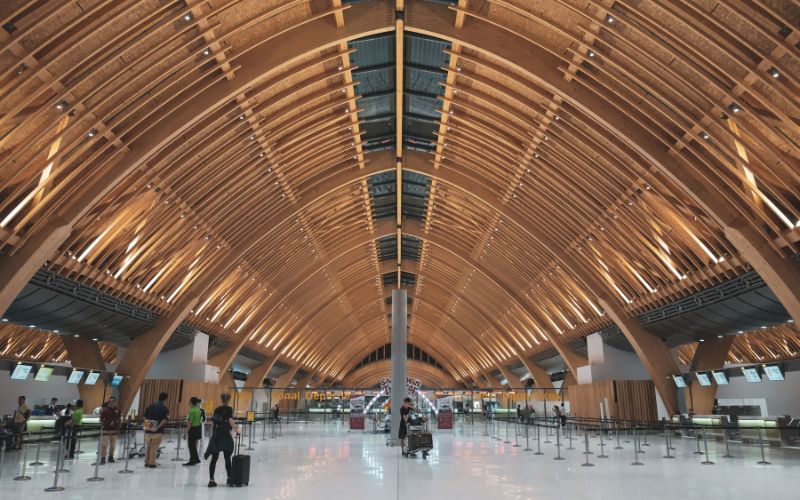
Mactan-Cebu International Airport / PHOTO: Angelyn Sanjorjo/Pexels.
4. Limited Space, Snatched Supply Chains
Space in terminals is precious. Retailers often work in cramped quarters, requiring frequent small deliveries—a logistical inefficiency that inflates costs. Storage restrictions and limited access to loading bays mean higher per-unit prices, especially for food and daily-use items.
Airport prices often provoke sticker shock, but they reflect far more than greed. They mirror the cost of convenience, heightened security, limited space, inflated rental fees, and regulatory measures. Next time you're debating whether to splurge on that expensive bottle of water or go without, remember: You're paying not just for the product, but for the entire system that got it past security and into your hands.

Kat is Preview's Lifestyle Editor, explorer, and occasional rhymer. When not globe-trotting, she's over her computer, writing her next big novel.